Discover the best things to do in Las Vegas, from iconic Strip landmarks, shows, Sphere, fountains, views, and resort interiors to museums, immersive attractions, food-led detours, family-friendly ideas, desert escapes, and day trips. Las Vegas is easy to fill but harder to use well: the strongest trips balance one or two classic spectacles, one off-Strip or downtown layer, one strong meal or show, and enough editing to avoid turning the city into a blur of casino corridors.
Best time
March to May and October to November are the easiest months for combining the Strip with outdoor detours like Red Rock Canyon, Valley of Fire, Hoover Dam, Lake Mead, Mount Charleston, or longer canyon excursions without punishing heat.
Ideal trip length
2 to 3 full days covers the strongest Las Vegas highlights well; 4 days lets you add Red Rock or Hoover Dam without rushing, while 5 days only makes sense if you want a larger desert or canyon side trip.
Continue planning your Las Vegas trip
Use the full Las Vegas city guide for broader planning, then move into itineraries if you want to structure your days more precisely. This page helps you choose what is worth doing; the rest of the planning stack helps you connect it intelligently.
Top things to do in Las Vegas first
Walk a focused section of the Strip – Area: The Strip · Best for: first-time orientation · Time needed: 2 to 4 hours · Worth it: Yes, but only if you focus on one strong section instead of trying to do the whole boulevard. · Book ahead: No
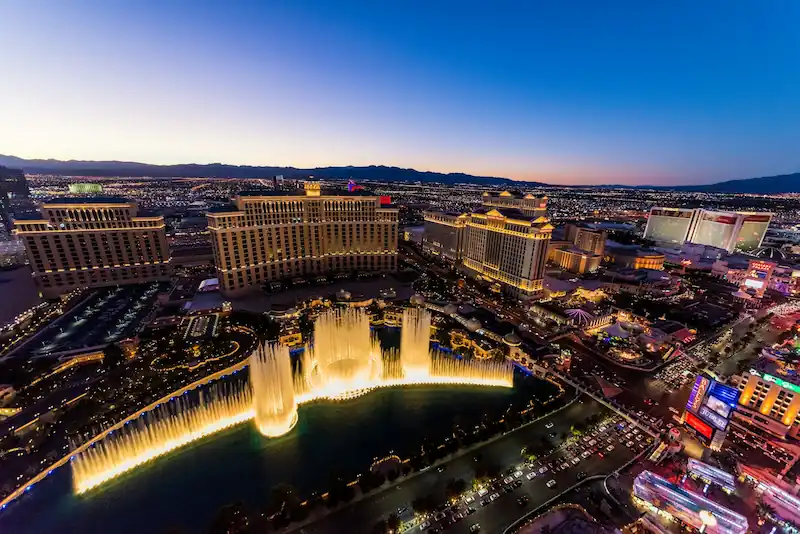
Watch the Bellagio fountains after dark – Area: Central Strip · Best for: a classic free highlight · Time needed: 15 to 30 minutes · Worth it: Yes, especially when folded into an evening walk rather than treated as a standalone stop. · Book ahead: No
See the Bellagio Conservatory – Area: Central Strip · Best for: a strong free indoor stop · Time needed: 20 to 40 minutes · Worth it: Yes, especially as part of a Bellagio sequence rather than as a separate outing. · Book ahead: No
See Fremont Street at night – Area: Downtown Las Vegas · Best for: older-school Vegas energy · Time needed: 2 to 3 hours · Worth it: Yes, especially if you want contrast with the Strip. · Book ahead: No
Ride the High Roller or use one other city-view stop – Area: LINQ Promenade / Central Strip · Best for: easy city views · Time needed: 45 minutes to 1 hour · Worth it: Yes for first-timers, especially after sunset, but one good observation experience is enough. · Book ahead: Recommended for sunset and weekend evenings
Book one major show or Sphere experience – Area: The Strip · Best for: headline spectacle · Time needed: 2 to 3 hours · Worth it: Yes, but choose one strong production rather than stacking several medium-payoff shows. · Book ahead: Yes
Visit the Neon Museum – Area: Downtown North · Best for: city identity and visual history · Time needed: 1 to 1.5 hours · Worth it: High payoff if you want Vegas beyond casino interiors. · Book ahead: Recommended
Go to the Mob Museum – Area: Downtown Las Vegas · Best for: indoor cultural depth · Time needed: 2 to 3 hours · Worth it: Yes, especially if you want a break from pure entertainment. · Book ahead: Helpful but not always essential
Do Omega Mart at AREA15 – Area: West of the Strip · Best for: an unusual immersive experience · Time needed: 2 to 3 hours · Worth it: Yes if you want something stranger and more playful than a traditional attraction. · Book ahead: Yes
Take a half-day trip to Red Rock Canyon – Area: West of Las Vegas · Best for: desert contrast · Time needed: 4 to 5 hours · Worth it: One of the smartest additions to a Las Vegas stay if you have enough time. · Book ahead: Yes in timed-entry periods
Choose Hoover Dam, Valley of Fire, or Lake Mead as your main excursion – Area: Outside Las Vegas · Best for: day-trip contrast · Time needed: 4 to 7 hours · Worth it: Yes, but usually pick one strong outing rather than collecting multiple partial excursions. · Book ahead: Recommended
Use Shark Reef, Adventuredome, or Springs Preserve for family or rainy-day backup – Area: South Strip / North Strip / West of Downtown · Best for: kids and bad-weather flexibility · Time needed: 1.5 to 4 hours · Worth it: Yes when you need a simpler block than another casino-heavy wander. · Book ahead: Helpful on busy periods
Take a night helicopter flight over the Strip – Area: The Strip / air tour terminals · Best for: special occasions and unique city views · Time needed: 1 to 2 hours including transfer · Worth it: High payoff if budget allows; skip if you already have several premium view experiences. · Book ahead: Yes
Try FlyOver Las Vegas or a STRAT thrill ride – Area: Central / North Strip · Best for: ride-based fun without committing to a full theme park block · Time needed: 45 minutes to 2 hours · Worth it: Worth it for families, teens, and groups who want a quick active experience. · Book ahead: Helpful at busy times
Add a sports or arena event if the calendar fits – Area: T-Mobile Arena / Allegiant Stadium / Michelob ULTRA Arena · Best for: Golden Knights, Raiders, Aces, concerts, and event-led evenings · Time needed: 3 to 5 hours · Worth it: Very worth it if the event matters; do not force it as generic sightseeing. · Book ahead: Yes for major games and concerts
Use Mount Charleston or Lee Canyon for a cooler mountain reset – Area: Spring Mountains · Best for: summer heat escape or winter scenery · Time needed: Half day to full day · Worth it: Strong on longer stays if you want nature without another desert canyon. · Book ahead: No for scenic driving; yes for guided or seasonal activities
How to choose well in Las Vegas
Las Vegas punishes overambition quickly. Distances are longer than they look, hotel interiors eat time, and too many paid attractions in one day flatten the experience instead of improving it. The smartest approach is to mix one major spectacle, one lower-friction wander or museum stop, and a clear decision about whether you want pure Strip energy, old Vegas texture, or a desert break.
Treat the Strip as a sequence of zones, not one continuous attraction you need to conquer end to end.
Do not confuse visibility with value: many famous hotels are worth a look, but only a few deserve real time.
Use nighttime for spectacle and atmosphere; use daytime for museums, immersive attractions, or outdoor escapes.
If everything on your plan is expensive, ticketed, and indoors, the city starts to feel repetitive fast.
One serious show is usually better than filling your trip with several mid-tier paid experiences.
Build at least one off-Strip move into a 3-day stay if you want Las Vegas to feel broader than casinos.
Free does not automatically mean filler: Bellagio Conservatory, downtown walking, and selected resort interiors can carry real weight when used well.
Las Vegas has more indoor backup than most U.S. cities, so rainy-day or family planning should be built around museums, aquariums, rides, and immersive attractions rather than casino drift.
Do not let every evening become the same Strip loop; alternate central Strip, downtown, a show, and one lower-friction social or food zone.
Treat summer differently: outdoor excursions need early starts, while pools, museums, immersive attractions, and evening walks become more important.
Families should plan around controlled activity blocks, pools, rides, aquariums, and short transfers rather than long casino-resort wandering.
Food is strongest when selective: one serious dinner, one casual value move, and one off-Strip or downtown meal usually beats resort dining for every meal.
Iconic Las Vegas experiences
This is the Las Vegas most first-time visitors come for: the Strip, choreographed spectacle, giant resort interiors, and engineered visual excess. The goal is not to see every famous corner, but to choose the moments that still deliver once you are actually on the ground. Done well, this category gives you scale, light, and classic Vegas energy without turning the trip into a checklist.
Walk a focused stretch of the Strip – The Strip is less about one attraction than about scale, contrast, and continuous visual overload. It works best when you choose one strong section, such as Bellagio to Venetian, instead of trying to complete the entire boulevard in one push. (First-time essential · Best for: understanding Vegas fast)
Watch the Fountains of Bellagio – This remains one of the few classic Vegas experiences that is both genuinely atmospheric and easy to slot into a real plan. It is free, quick, and best used as part of an evening Strip sequence. (Worth it · Best for: a free Vegas classic)
See the Bellagio Conservatory & Botanical Gardens – This is one of the strongest free indoor stops on the Strip because it feels deliberately staged rather than incidental. The seasonal installations make it worth treating as a real visual stop, especially when paired with Bellagio fountains or a nearby meal. (Free standout · Best for: easy high-payoff indoor browsing)
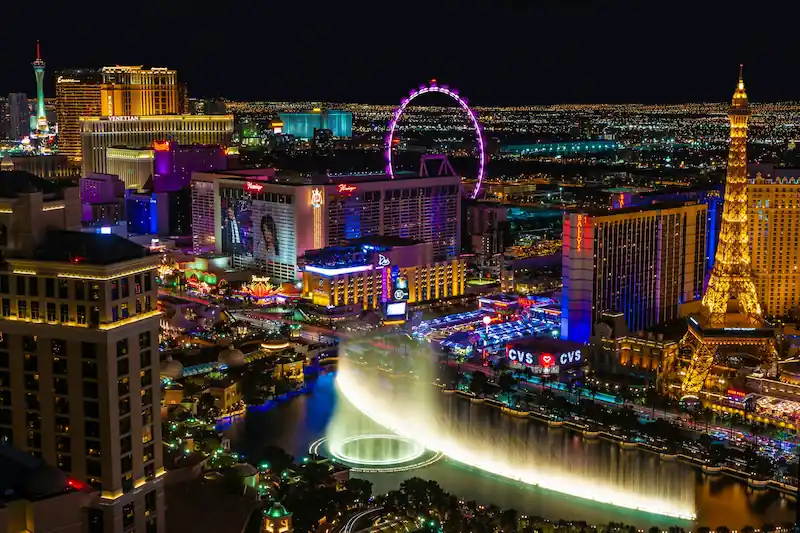
Ride the High Roller after sunset – The High Roller is one of the easiest ways to make the city legible from above. It is less about thrill than about perspective, and the payoff is strongest once the Strip is fully lit. (High payoff · Best for: easy panoramic views)Find tours & experiences
Use one observation deck beyond the High Roller if you want a different angle – If the High Roller does not fit your route, the best alternative is to choose one other clear view rather than collecting multiple towers. In Las Vegas, city views are strongest when they support an evening sequence rather than becoming the whole plan. (Choose one · Best for: view-focused first-timers)
Book a Sphere experience or major production show – Las Vegas is one of the few cities where a show can be the anchor of the trip rather than an optional add-on. Choose one with real conviction instead of treating live entertainment as filler between meals and gambling. (Book ahead · Best for: headline spectacle)Find tours & experiences
See Fremont Street after dark – Fremont Street delivers LED canopy spectacle, live music, bar energy, and a louder version of Vegas iconography than the main Strip. It is worth doing precisely because it feels rougher, denser, and less polished. (Best in the evening · Best for: neon and people-watching)
Choose one standout resort interior to explore – A strong Vegas hotel visit can still be fun, but five in a row becomes dead time. Pick one or two resorts whose scale or design genuinely interests you, then move on before the novelty wears thin. (Best for: casual first-time browsing)
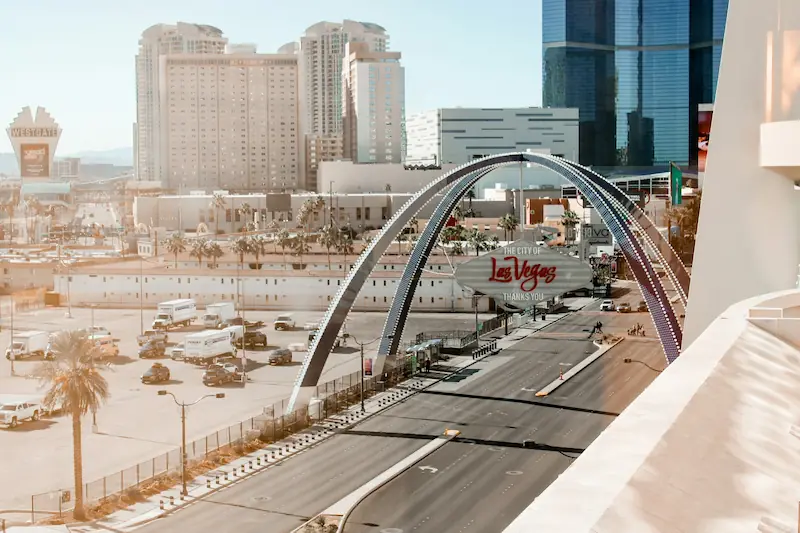
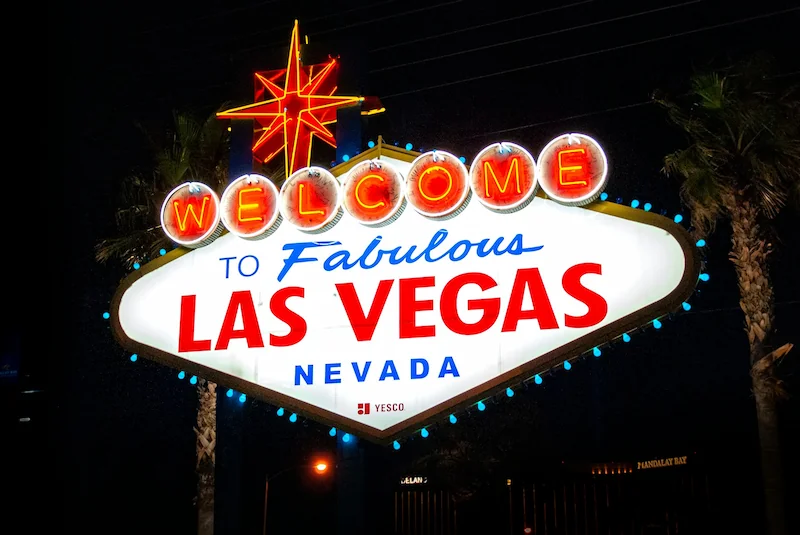
Stop at the Welcome to Fabulous Las Vegas sign – This is a symbolic, photo-led stop rather than a major attraction. It works best when it fits naturally into your route rather than demanding a dedicated outing. (Only if nearby · Best for: classic trip marker)
Take a night helicopter flight over the Strip if budget allows – A helicopter flight is one of the most dramatic ways to read Las Vegas because it compresses the Strip, downtown, resort scale, and desert darkness into a few minutes. It is expensive and not essential, but it is one of the few premium experiences that genuinely changes your perspective on the city. (Premium splurge · Best for: special occasions and once-in-a-lifetime views)Find tours & experiences
Use FlyOver Las Vegas for a quick ride-based break on the Strip – FlyOver is useful when you want a polished, short attraction that does not require a whole evening or a long transfer. It is especially efficient for families, teens, and groups who need a burst of activity between walking, dining, and shows. (Quick indoor ride · Best for: families, teens, and short activity gaps)Find tours & experiences
Choose one thrill-view experience at the STRAT only if adrenaline is the point – The STRAT can be worthwhile for travelers who want height, rides, and a more intense view-based experience than the High Roller or Eiffel Tower. It is not the smoothest first-time Vegas stop, so use it selectively rather than as a default skyline plan. (Adrenaline option · Best for: thrill seekers and teens)Find tours & experiences
Catch a major sports event if the calendar gives you a real reason – Las Vegas now works as an event city beyond shows and casinos. A Golden Knights game, Raiders game, Aces game, UFC night, Formula 1 weekend, or major concert can be a trip anchor, but only when the event itself matters enough to justify the logistics and pricing. (Calendar-led · Best for: sports fans and event-focused trips)
Cultural and museum-led things to do in Las Vegas
Las Vegas is rarely marketed as a culture-first city, which is exactly why this category matters. The strongest museum and heritage stops here explain how spectacle, crime, reinvention, signage, and American showmanship shaped the city. When you want depth, air-conditioning, and something more memorable than another casino floor, this is where to pivot.
Visit the Neon Museum – The Neon Museum gives Las Vegas something it often lacks in real time: perspective. Old signs, typography, and branding tell the story of how the city sold itself across decades, and the visit feels especially strong later in the day when the light softens. (Worth it · Best for: Vegas identity beyond casinos)Find tours & experiences
Spend a serious indoor block at the Mob Museum – This is one of the city’s most consistently worthwhile museums, especially for travelers who want narrative and context rather than pure spectacle. It connects organized crime, law enforcement, and Vegas mythology without feeling shallow. (High payoff · Best for: smart rainy-day culture)Find tours & experiences
Read downtown as old Vegas rather than just nightlife – Downtown works culturally when you see it as a surviving layer of the city, not just a bar district. The older casinos, tighter blocks, and visible contrast with the Strip make it one of the few parts of Las Vegas where history still feels legible on foot. (Best for: urban context)
Add a light arts stop around the Arts District – This is not a major museum circuit, but it helps break the rhythm of all-casino time. The payoff is not one headline institution, but a more local creative texture built through murals, storefronts, bars, and small-scale venues. (Only if you have time · Best for: lighter cultural texture)
Use resort design and public interiors as short cultural side notes – In Las Vegas, hospitality theater is part of the city’s visual culture. Grand interiors, themed spaces, and highly staged public rooms can be interesting in short, edited doses when treated as design observation rather than shopping time. (Best for: casual culture between plans)
Add the Atomic Museum if you want a more specific, less expected museum choice – The Atomic Museum gives Las Vegas a more unusual layer of context than most visitors expect, linking the city to Cold War history, desert testing, science, and spectacle. It works especially well for travelers who have already covered the obvious Vegas icons. (Unique depth · Best for: history and science-minded visitors)
Use Springs Preserve for origins, desert ecology, and a broader reading of the city – Springs Preserve is one of the clearest ways to understand Las Vegas before the Strip narrative takes over. It adds local history, Mojave landscape context, gardens, trails, and family usefulness in a way the resort corridor cannot. (Underrated · Best for: families and second-layer city context)
Use the Bellagio Gallery of Fine Art as a short premium indoor add-on – This is not a city-defining museum, but it can work well as a compact culture move when you are already on the central Strip. The key is to treat it as a polished add-on, not as a major half-day anchor. (Short indoor add-on · Best for: light culture between Strip plans)
Add the Clark County Museum for deeper Southern Nevada context – The Clark County Museum is not a central Strip attraction, but it gives a clearer regional story than many visitors expect: historic buildings, desert settlement, transport, and everyday Southern Nevada life beyond casino mythology. It is best for repeat visitors, history-minded travelers, or families with a car. (Regional depth · Best for: repeat visitors and local history)
Use the Natural History Museum or Discovery Children’s Museum for family culture downtown – These are practical choices when you want kid-friendly indoor time that is not just a ride, arcade, or casino-adjacent attraction. They pair more naturally with downtown planning than with a central Strip day. (Family indoor depth · Best for: families and rainy-day planning)
Add a wedding chapel stop only if Vegas rituals interest you – Wedding chapels are part of the city’s cultural iconography, even if you are not getting married. A short look at the chapel corridor can be fun for repeat visitors or pop-culture travelers, but it should stay a light side note rather than a main sightseeing block. (Pop-culture side note · Best for: repeat visitors and Vegas mythology)
Local-texture experiences in and around Las Vegas
The most useful local counterweight in Las Vegas is contrast. That can mean getting away from the Strip, spending time downtown beyond the main LED canopy, or heading toward the desert where the city drops away almost immediately. This is where Las Vegas starts to feel broader, stranger, and more grounded at the same time.
Drive or tour Red Rock Canyon – Red Rock is the easiest high-value reset from Las Vegas. Within a short drive, casino density gives way to sandstone, open sky, and a cleaner rhythm that makes the city feel more interesting when you return to it. (High payoff · Best for: desert contrast)Find tours & experiences
Spend an evening in the Arts District – The Arts District offers a looser and more locally social energy than resort nightlife. Think bars, breweries, storefronts, murals, and a setting that feels less engineered than the Strip. (Best in the evening · Best for: repeat visitors and bar-hoppers)
Do AREA15 and Omega Mart – AREA15 works because it delivers immersive entertainment without pretending to be classic sightseeing. Even if you focus mainly on Omega Mart, the broader complex gives you a more experimental side of Las Vegas culture. (Unique · Best for: creative off-Strip energy)Find tours & experiences
Walk Fremont East beyond the main canopy – The best downtown time is not always directly under the brightest LED ceiling. Nearby blocks reveal bars, side streets, and more layered city texture than the most obvious stretch of Fremont Street alone. (Best for: more layered downtown wandering)
Take a Hoover Dam detour – Hoover Dam gives you engineering scale, hard landscape, and a very different Nevada mood from the city itself. It is an efficient contrast play for travelers who want one excursion without committing to a full canyon-style day. (Worth it · Best for: half-day excursion contrast)Find tours & experiences
Stop at the Pinball Hall of Fame for low-friction old-school Vegas weirdness – The Pinball Hall of Fame is one of the easiest ways to add offbeat character to a Las Vegas plan without overcommitting time or money. It works because it feels specific, playable, and unpolished in a city that often over-designs everything. (Low-friction unique stop · Best for: casual repeat visitors and families)
Use Seven Magic Mountains only if you already want a south-of-city art detour – Seven Magic Mountains can work as a quick photo-led desert contrast stop, but it should stay secondary to stronger excursions like Red Rock or Valley of Fire. The payoff is best when it fits a route rather than becoming the entire purpose of the outing. (Selective detour · Best for: photo-driven short excursions)
Use Topgolf for group energy when you want nightlife without a club commitment – Topgolf is not essential Vegas sightseeing, but it is a practical social option for groups, mixed-energy evenings, or visitors who want something active and easy to organize. It works best as a flexible night block, not a headline attraction. (Group-friendly · Best for: friends and low-pressure evenings)
Use Lake Mead for water-and-desert contrast if Red Rock feels too landlocked – Lake Mead gives you a different kind of break from Las Vegas: broad water, scenic drives, and a more open recreation feel than the tighter Red Rock setup. It is most useful for travelers with a car and a little extra time. (Longer detour · Best for: scenic driving and broader landscape contrast)
Use Mount Charleston when you need a real temperature and landscape shift – Mount Charleston is one of the smartest longer-stay escapes from Las Vegas because it changes the climate, vegetation, and mood more dramatically than many visitors expect. It works especially well in summer heat or as a winter scenery detour. (Cooler mountain reset · Best for: summer escape and longer stays)
Explore Boulder City as a calmer pairing with Hoover Dam – Boulder City helps turn a Hoover Dam outing from a single engineering stop into a more rounded half-day. Its small-town scale, cafés, and slower rhythm are useful if you want the excursion to feel less like a transfer-heavy photo stop. (Easy excursion add-on · Best for: Hoover Dam days and slower travelers)
Use the Las Vegas Ballpark or Downtown Summerlin for a local evening if the Strip feels too much – For repeat visitors or families, Summerlin can offer a more normal local rhythm: baseball, casual restaurants, shopping, and easier movement. It is not essential sightseeing, but it can be useful when the trip needs a break from resort intensity. (Local reset · Best for: repeat visitors and families with a car)
Food-led things to do in Las Vegas
Las Vegas dining is part attraction, part convenience trap, and part genuine strength. The city can deliver polished big-name meals, but the smarter food rhythm usually comes from mixing one standout booking with easier, better-value stops elsewhere. Food works best here when it supports the day rather than dominating it.
Book one serious dinner rather than making every meal a headline – Vegas is built to tempt you into overbooking restaurants, but one excellent dinner usually lands better than three expensive, overproduced meals. Choose a setting that fits the mood of the trip, then keep the rest of your meals lighter and more flexible. (Smart prioritization · Best for: couples and first-timers)
Use Chinatown for stronger value and less resort pricing – Las Vegas Chinatown is one of the city’s most practical food moves. It gives you range, flavor, and a more normal dining rhythm than the Strip, which makes it especially useful on longer stays. (High payoff · Best for: food-focused repeat visitors)
Use promenade and food-hall zones for low-friction meal breaks – Not every Las Vegas meal needs a reservation or a long resort detour. The best casual food stops are the ones that let you eat well enough while keeping momentum between views, shows, and evening plans. (Best for: easy same-area planning)
Do a downtown cocktail-and-bite evening – Downtown is often better for a looser, more spontaneous food-and-drink evening than the Strip. The reward is less about one iconic dish and more about a tighter, more walkable social rhythm. (Best in the evening · Best for: nightlife with more texture)
Book a food tour only if you want neighborhood context – Food tours are not essential in Las Vegas, but they can make sense if they help you access off-Strip areas you would not organize well on your own. They add the most value when they give urban context, not just tastings. (Only if you have time · Best for: structured food exploration)Find tours & experiences
Treat one buffet or brunch as a Vegas experience, not an automatic obligation – Las Vegas still has buffet and brunch pull, but the smart move is to choose one that genuinely fits your day rather than defaulting to the format. Used selectively, it can feel classic; repeated too often, it slows the trip down. (Only once · Best for: first-timers testing a Vegas food ritual)
Use Eataly, food halls, or the Cosmopolitan as flexible same-zone dining tools – Some of the best Las Vegas meal decisions are not glamorous, just efficient. Food halls, promenade clusters, and stronger casual dining zones keep your itinerary moving while still avoiding the worst convenience-trap meals. (Practical · Best for: same-area planning and shorter stays)
Use a steakhouse or supper-club style dinner as one classic Vegas meal – A strong steakhouse or supper-club-style dinner can feel more Vegas than another celebrity-chef checklist reservation. It works best when paired with a show or downtown night and chosen for atmosphere as much as food. (Classic Vegas dinner · Best for: couples, groups, and special occasions)
Plan one late-night or after-show meal realistically – Las Vegas runs late, but good after-show dining still benefits from planning. Choose a restaurant or casual spot near your evening zone so the night does not dissolve into long casino walks and convenience food. (Evening logistics · Best for: show nights and groups)
Use local taco, Thai, Korean, or izakaya spots when you want Las Vegas off the resort script – Some of the city’s most satisfying food choices sit away from the Strip’s premium pricing and theatrical dining rooms. Chinatown and nearby off-Strip corridors are especially useful when you want value, flavor, and a more normal city rhythm. (Off-Strip value · Best for: food-focused travelers and repeat visits)
Best things to do in Las Vegas for first-timers
A first Las Vegas trip should not try to prove completeness. Focus on the city’s strongest contrasts: Strip spectacle, one major showpiece, one downtown or museum move, and one decision about whether you want to add the desert.
Walk one carefully chosen section of the Strip rather than trying to cover it all.
See the Bellagio fountains in the evening when the boulevard is fully switched on.
Book either a major show or Sphere, not a stack of medium-payoff paid attractions.
Add Fremont Street after dark for old-Vegas contrast.
Use the High Roller if you want a clean visual overview of the city.
Choose one museum: Neon Museum for identity, Mob Museum for narrative depth.
If you have a third full day, make room for Red Rock Canyon or Hoover Dam.
Use Bellagio Conservatory as one of the best free indoor stops on a first visit.
Pick one strong city-view experience: High Roller, Eiffel Tower, or another single observation stop.
TripLength
BestFocus
WhyItWorks
1 day
Strip + Bellagio + one show + late Fremont
It captures Las Vegas without wasting too much time in transfers.
2 days
Core Strip + downtown + one museum or immersive attraction
You get both spectacle and a second layer of the city.
3 days
Core Vegas + downtown or culture + desert side trip
This is when the city starts to feel broader and less repetitive.
4 days
Core Vegas + downtown + one museum layer + one stronger desert excursion
This is when you can add Valley of Fire, Lake Mead, or a second off-Strip block without diluting the city.
Free things to do in Las Vegas that are actually worth it
Free in Las Vegas does not automatically mean good. The best no-cost moves are the ones that either show you the city properly or slot naturally into a stronger plan without turning into a detour just because they are free.
Watch the Bellagio fountains during an evening Strip walk.
See Fremont Street’s LED canopy and live street energy without paying for a ride or show.
Browse one or two major resort interiors as short design-and-people-watching stops.
Photograph the Welcome to Fabulous Las Vegas sign only if it fits your route.
Walk parts of the Arts District for murals, storefronts, and a less resort-driven mood.
Use hotel promenades and public spaces for atmosphere without treating every stop as shopping time.
See the Bellagio Conservatory for one of the best free indoor visuals on the Strip.
Use Seven Magic Mountains only if you already want a south-of-city photo stop.
FreeExperience
BestFor
TimeFit
WorthADetour
Bellagio fountains
first-time visitors
15 to 30 minutes
Yes, if already on the Strip
Fremont Street atmosphere
night energy
1 to 2 hours
Yes, especially after dark
Resort interiors
casual browsing
20 to 45 minutes each
Only selectively
Arts District walk
repeat visitors
45 to 90 minutes
Yes if you want off-Strip texture
Bellagio Conservatory
indoor visual payoff
20 to 40 minutes
Yes, if already in the Bellagio / central Strip zone
Seven Magic Mountains
photo detour
45 to 90 minutes plus transport
Only selectively
Unique and unusual things to do in Las Vegas
Las Vegas is built to look unique, which means the truly distinctive experiences are the ones that do more than flash. Look for places where the city’s surrealism becomes immersive, historical, or spatially disorienting in a way that still feels memorable the next day.
Do Omega Mart for one of the city’s strongest immersive experiences.
Book Sphere if you want technology-led spectacle that feels specifically Las Vegas right now.
Visit the Neon Museum to see the city through its discarded visual identity.
Take a helicopter night flight for a radically different read of the Strip.
Pair Hoover Dam with the trip if engineering scale interests you more than another casino floor.
Use downtown after dark for a version of Vegas that feels less corporately polished.
Use the Atomic Museum if you want Las Vegas through Cold War and desert-testing history.
Add the Pinball Hall of Fame for a lower-cost offbeat stop that still feels distinctly Vegas.
Use Seven Magic Mountains only as a short visual detour, not as a substitute for a real desert day.
Experience
BestFor
Intensity
NeedsBooking
Omega Mart
immersive-art fans
Medium to high
Usually yes
Sphere
big-spectacle seekers
High
Yes
Neon Museum
city-history lovers
Low to medium
Recommended
Night helicopter flight
special occasions
High
Yes
Atomic Museum
science-and-history visitors
Medium
Helpful but not always essential
Pinball Hall of Fame
retro and family-friendly fun
Low
No
Things to do in Las Vegas at night beyond just gambling
Las Vegas is one of the easiest cities in America to use well after dark, but not every evening needs to revolve around a casino table. The best nights combine movement, one anchor experience, and one zone that matches your energy level.
Walk the Strip after sunset when hotel façades and crowd energy both land better.
Book a show or Sphere as your evening anchor.
Go to Fremont Street if you want louder and less polished nightlife.
Ride the High Roller once the city lights are fully on.
Choose a downtown cocktail-and-bar evening for more texture than casino lounges alone.
Save the Bellagio fountains for evening rather than midday if your schedule allows.
Use an observation deck such as the Eiffel Tower viewing deck if you want a shorter night-view block than the High Roller.
Choose Topgolf or a group-friendly social activity if your evening needs energy without full nightclub intensity.
NightOption
BestFor
BudgetLevel
BookAhead
Strip walk + Bellagio fountains
first trip
Low
No
Sphere or major show
signature evening
Medium to high
Yes
Fremont Street
group energy
Low to medium
No
High Roller
views and couples
Medium
Recommended
Observation deck view stop
shorter couples or photo-led evenings
Medium
Recommended
Topgolf
groups and mixed-energy nights
Medium
Helpful
Things to do in Las Vegas with kids
Las Vegas is not a classic family city, but it can still work if you stop trying to force adult Vegas into a child-friendly frame. Focus on visual experiences, rides, immersive spaces, and shorter blocks of activity that keep the day simple.
Ride the High Roller for a family-friendly panoramic experience with low effort.
Use Omega Mart if your kids like immersive, strange, high-stimulation environments.
Consider Shark Reef Aquarium for a reliable indoor option.
Choose Fremont earlier in the evening rather than late-night hours.
Add a ride-based stop such as Adventuredome if the trip needs a straightforward family anchor.
Use hotel pools strategically in warmer months rather than overscheduling ticketed attractions.
Red Rock Canyon can work well with older kids who need a break from the Strip.
Add Springs Preserve for a broader family day with museums, gardens, and outdoor space.
Use Pinball Hall of Fame for a low-cost, low-commitment family stop.
Topgolf can work well for older kids and teens when the group needs a social rather than sightseeing-led block.
Activity
BestAgeFit
WeatherFit
TimeNeeded
High Roller
Most ages
Any
45 minutes
Omega Mart
School-age and teens
Excellent indoors
2 to 3 hours
Shark Reef Aquarium
Young kids to tweens
Excellent indoors
1 to 1.5 hours
Red Rock Canyon
Older kids
Best in cooler months
4 to 5 hours
Springs Preserve
Young kids to early teens
Best in cooler weather, but partly indoor-friendly
2 to 4 hours
Adventuredome
Kids and teens
Excellent indoors
2 to 4 hours
Pinball Hall of Fame
School-age and teens
Good indoors
45 minutes to 1.5 hours
What to do in Las Vegas when it rains
Rain is not common in Las Vegas, but when it happens the city is unusually easy to pivot indoors. The best rainy-day strategy is not to wait it out in a casino for hours, but to switch into museums, immersive attractions, and evening entertainment that still feels deliberate.
Go to the Mob Museum for one of the city’s strongest indoor visits.
Use Omega Mart and AREA15 for a long, weather-proof block.
Book Sphere, a major show, or another strong ticketed evening experience.
Ride the High Roller if conditions remain operational and you still want views without long walks.
Turn the day into a smart resort-hopping sequence with one good meal and one interior worth seeing.
Use Shark Reef Aquarium or Adventuredome if the day needs a straightforward family indoor anchor.
Add the Atomic Museum or Bellagio Conservatory when you want indoor time that feels more specific than casino wandering.
IndoorOption
BestFor
TimeNeeded
LowFriction
Mob Museum
culture and context
2 to 3 hours
Yes
Omega Mart
immersive fun
2 to 3 hours
Yes with advance ticket
Sphere or major show
headline entertainment
2 to 3 hours
Yes once booked
Resort interiors + meal
casual flexible day
2 to 4 hours
Yes
Shark Reef Aquarium
families and easy indoor structure
1 to 1.5 hours
Yes
Atomic Museum
more unusual museum depth
1.5 to 2.5 hours
Yes
Adventuredome
kids and high-energy indoor backup
2 to 4 hours
Yes
Best things to do in Las Vegas for couples
Las Vegas works well for couples when the trip is edited around one memorable evening, one view, one strong meal, and at least one pause away from pure casino energy.
Book one major show, Sphere experience, or concert as the anchor of the trip.
Use the Bellagio fountains, Conservatory, and a central Strip dinner as a low-friction romantic sequence.
Choose High Roller, Eiffel Tower viewing deck, or a night helicopter flight for one clear view moment.
Use a spa, pool, or resort day if rest matters as much as sightseeing.
Add Red Rock Canyon or Valley of Fire if you want a scenic contrast that feels more memorable than another hotel walk.
Use downtown or the Arts District for a more informal date-night rhythm.
CoupleStyle
BestChoices
WatchOut
Classic romantic Vegas
Bellagio fountains, one major dinner, High Roller or Eiffel Tower view
Do not overbook the night with too many transfers
Splurge trip
Sphere, night helicopter, premium dinner, spa
Pick one or two splurges rather than making every plan expensive
More relaxed couple trip
Red Rock, Arts District, pool time, one show
Avoid spending every evening inside the central Strip
Things to do in Las Vegas in summer
Summer in Las Vegas is less about doing less and more about changing the rhythm. Use early mornings, indoor anchors, pools, and after-dark walks instead of forcing midday outdoor sightseeing.
Move Red Rock, Valley of Fire, Lake Mead, or Hoover Dam starts as early as possible.
Use pools as real trip anchors rather than filler between overheated walks.
Prioritize indoor stops like Mob Museum, Atomic Museum, Omega Mart, Shark Reef, Adventuredome, and Bellagio Conservatory.
Save Strip walking, fountains, and views for after dark.
Keep food and show bookings close together so you are not crossing the Strip repeatedly in peak heat.
Consider Mount Charleston if you want a true temperature escape.
SummerNeed
BestOption
Timing
Avoid midday heat
Museums, Omega Mart, resort interiors, pool time
Late morning to afternoon
Outdoor scenery
Red Rock, Hoover Dam, Mount Charleston
Early morning
Classic Vegas atmosphere
Strip walk, fountains, High Roller
Evening and night
Best outdoor things to do near Las Vegas
Las Vegas is surrounded by some of the easiest landscape contrast in the American Southwest. The best outdoor choice depends on whether you want a short reset, desert photography, water, mountains, or a full canyon day.
Red Rock Canyon is the best half-day first choice for most visitors.
Valley of Fire is stronger for dramatic desert color and photography but takes more commitment.
Hoover Dam is the easiest engineered-landscape outing rather than a nature day.
Lake Mead works if you want water and desert together.
Mount Charleston is best when heat relief or mountain scenery matters.
Grand Canyon West, South Rim, Zion, Bryce, or Death Valley should be treated as major day trips, not casual add-ons.
OutdoorChoice
BestFor
TimeNeeded
Red Rock Canyon
short desert reset
Half day
Valley of Fire
red-rock scenery and photography
Half to full day
Mount Charleston
cooler air and mountain contrast
Half to full day
Grand Canyon West or South Rim
canyon priority trips
Full day
Best low-cost things to do in Las Vegas
Las Vegas can become expensive fast, but a smart low-cost plan is possible if you use free spectacle, selective transport, casual food, and only one or two paid anchors.
Use Bellagio fountains and Conservatory as the strongest free central Strip pair.
Walk Fremont Street and Fremont East for nighttime atmosphere without buying a premium ticket.
Choose one paid attraction instead of stacking multiple mid-price rides.
Use food halls, Chinatown, downtown, or casual off-Strip meals to avoid resort pricing all day.
Skip paid views if the budget is tight and use free resort and pedestrian-bridge viewpoints instead.
Add Arts District walking, Pinball Hall of Fame, or selected resort interiors as lower-cost variety.
Winter is one of the easiest times to combine classic Las Vegas with desert and outdoor excursions, as long as you plan for shorter daylight and cooler evenings.
Use Red Rock Canyon, Valley of Fire, Hoover Dam, and Lake Mead more confidently than in summer.
Keep evening Strip walks, fountains, and views, but bring layers for wind and cooler nights.
Use museums and shows as flexible backup if weather turns colder or windy.
Consider Mount Charleston or Lee Canyon if winter scenery is part of the appeal.
Book shows, dinners, and event nights ahead around holidays, conventions, and major sports weekends.
Use pools only if your hotel setup and weather make them realistic rather than assuming summer-style pool days.
WinterPlan
BestChoices
Timing
Outdoor-first
Red Rock, Valley of Fire, Hoover Dam
Daylight hours
Classic Vegas
Shows, Sphere, fountains, restaurants
Evening with layers
Family or rainy backup
Omega Mart, Shark Reef, Adventuredome, Mob Museum
Any time
Things to do in Las Vegas by area
Central Strip
This is the highest-density classic Vegas zone and the best place to understand the city fast. It is strongest for first-time visual payoff, evening walking, resort interiors, views, and headline dining.
Bellagio fountains
High Roller and LINQ area
Major resort interiors
Evening Strip walk
Shows and headline restaurants
South Strip
South Strip works best for quick symbolic stops, larger resort footprints, and arrival- or departure-day add-ons. It is less elegant to navigate on foot, so it works best when used with purpose.
Welcome to Fabulous Las Vegas sign
Large hotel-casino complexes
Pool-focused stays in season
Easy rideshare access
Shark Reef Aquarium nearby
Pinball Hall of Fame nearby
North Strip
The North Strip is less consistently polished than the center, but it becomes useful when you want family attractions, lower-friction add-ons, or transit connections without another dense central-Strip walk.
Adventuredome at Circus Circus
Monorail access near the north end
Quick family backup options
Less compelling for pure first-time strolling than the central Strip
Downtown Las Vegas
Downtown delivers older Vegas iconography, stronger museum options, and a looser street atmosphere than the Strip. It is the right area for travelers who want the city to feel less controlled and more layered.
Fremont Street after dark
Mob Museum
Neon Museum nearby
Historic casino façades
Bar and live-music energy
Arts District
The Arts District is where Las Vegas briefly stops sounding like casino ventilation and starts feeling more local. Come here for bars, breweries, murals, and a more relaxed evening rhythm.
Cocktail bars and breweries
Murals and small creative storefronts
Evening wandering
A better off-Strip social detour
West of the Strip / AREA15 corridor
This zone is useful for immersive attractions and off-Strip entertainment that still feels distinctly Las Vegas. It is not walkable in a classic urban sense, but it works well as a targeted outing.
Omega Mart
AREA15 complex
Short rideshare from major resorts
Strong rainy-day option
Red Rock Canyon side
This is the correct direction if you need open space, desert scenery, and a reset from resort interiors. It turns Las Vegas from an entertainment bubble into a city sitting on the edge of dramatic landscape.
Scenic Drive
Short hikes and viewpoints
Half-day outdoor detour
Best in cooler months
East of the Strip / Flamingo corridor
This side of Las Vegas is not where most visitors wander casually, but it matters for a few museum and backup attractions that can materially improve a longer stay or rainy day.
Atomic Museum
Off-Strip dining access
Easier rideshare-based planning
Useful museum-and-meal combinations
Chinatown and Spring Mountain Road
This is the most useful food corridor when you want Las Vegas to feel less resort-priced and more locally functional. It works best as a deliberate dinner or lunch move, not as casual walking from the Strip.
Asian dining depth and better value
Good pairing with AREA15 or Atomic Museum
Useful for repeat visitors
Best by rideshare or car
A smarter food move than another resort convenience meal
Mount Charleston / Lee Canyon
This mountain direction is the best choice when you want a real climate and scenery change, especially in summer heat or winter. It is not part of core Las Vegas sightseeing, but it can rescue longer stays from resort fatigue.
Cooler mountain air
Scenic drives and viewpoints
Seasonal snow or hiking
Good longer-stay contrast
Best with a car
Boulder City and Hoover Dam corridor
This corridor turns a simple Hoover Dam visit into a more rounded half-day with a calmer small-town stop, engineering scale, and desert-edge scenery outside the Strip bubble.
Hoover Dam
Boulder City cafés and old-town feel
Lake Mead access
Easy half-day contrast
Good first excursion choice
What to prioritize in Las Vegas by trip style
Las Vegas rewards editing. The best plans are not the longest lists, but the ones that match your time horizon and energy tolerance.
Profile
Prioritize
Skip
Structure
Half day
One central Strip walk, Bellagio fountains, one resort interior, one strong meal
Downtown transfer, off-Strip detours, museum stacking
Keep everything in one compact zone and let the city come to you.
1 day
Strip core, High Roller or one show, short late Fremont if energy holds
Long daytime resort-hopping and too many paid attractions
Use daylight for orientation and save your biggest spectacle for evening.
2 days
Strip essentials, one museum or immersive attraction, downtown after dark
Trying to cover every famous hotel
Day one for classic Vegas, day two for either culture or off-Strip texture.
3 days+
Core Vegas plus Red Rock Canyon or Hoover Dam
Repeating the same Strip rhythm every day
Use the extra day for contrast so the trip feels wider, not just longer.
First trip
Bellagio, Strip walk, one major show or Sphere, Fremont, one good view
Niche off-Strip food hunts unless you are very food-motivated
Build around signature moments and avoid overcomplicating the city.
Repeat visit
Arts District, Chinatown, AREA15, Red Rock, downtown depth
Purely symbolic checklist stops
Let Las Vegas become more contrast-driven and neighborhood-aware.
Family trip
High Roller, Omega Mart, Shark Reef, Adventuredome, Springs Preserve, hotel pool time
Late Fremont and too many adult dining anchors
Keep activity blocks short, visual, and easy to reach.
Use one major indoor block and one easier secondary stop.
Couples
One major show or Sphere, Bellagio evening sequence, one premium dinner, one view, optional spa or Red Rock
Treating every hour as nightlife or making every meal a splurge
Build one memorable night, one calmer day, and one contrast moment.
Summer heat
Pools, indoor attractions, shows, museums, evening Strip, early Red Rock or Mount Charleston
Midday Strip marches and late-start desert excursions
Use heat-proof blocks by day and save walking for night.
Food-focused trip
One serious restaurant, Chinatown, downtown or Arts District drinks, one flexible food hall
Defaulting to resort convenience meals all day
Mix one splurge with two better-value local or casual choices.
Best day trips from Las Vegas
Las Vegas supports easy excursions unusually well because the contrast is immediate: desert, engineering landmarks, and canyon country all sit within reach. These should stay secondary to the city on a short first visit, but they add real value once you have enough time.
These are not itineraries, just combinations of experiences that work well together in real Las Vegas conditions.
Bellagio fountains + central Strip walk + High Roller – This is one of the cleanest first-time combinations because it keeps you in a manageable central zone and layers free spectacle, movement, and a city view. It works especially well from late afternoon into evening.
Neon Museum + Fremont Street + downtown bars – This combination gives you a stronger read on old and new Las Vegas than a Strip-only evening. Start with signage and city memory, then move into downtown once the lights and crowd energy pick up.
Mob Museum + Arts District drinks – Ideal for travelers who want one substantial indoor visit without ending the day inside another casino maze. The museum gives structure, while the Arts District gives you a lower-gloss evening landing.
Red Rock Canyon + easy Strip dinner + one show – This is one of the best ways to keep Las Vegas from feeling claustrophobic. You get open desert and quiet first, then return to the city for a controlled dose of spectacle.
Omega Mart + Chinatown dinner – This is a strong off-Strip pairing for repeat visitors or travelers who want something stranger and less obvious. The immersive intensity of AREA15 works well when followed by a meal in a zone that feels more grounded.
Bellagio fountains + Bellagio Conservatory + one central Strip dinner – This is one of the easiest high-payoff combinations in Las Vegas because it blends free spectacle, indoor visual interest, and a meal without constant transfers. It works particularly well when temperatures are high.
Atomic Museum + Chinatown dinner – A strong option for repeat visitors or rainy-day planning. The museum adds a genuinely different Vegas layer, while Chinatown gives the evening a less resort-priced landing.
Shark Reef or Adventuredome + easy South or North Strip meal – This is one of the most practical family combinations because it avoids the trap of turning the whole day into a casino corridor march. Keep it simple, especially with younger kids.
Sphere or show + late dinner in the same zone – This is the safest way to build a premium evening without spending half the night in transfers. Choose the venue first, then keep dinner close enough that the timing still feels relaxed.
FlyOver + Bellagio Conservatory + fountains – A practical family or hot-weather combination that keeps the day mostly central, indoor-friendly, and low-friction before ending with a classic free spectacle.
Hoover Dam + Boulder City + Lake Mead viewpoint – This turns the easiest Las Vegas excursion into a more rounded half-day rather than a single stop. It works especially well for travelers who want contrast without committing to a full canyon day.
Mount Charleston + relaxed Strip night – A strong summer or longer-stay combination: use cooler mountain air during the day, then return to Las Vegas for an easier dinner or show instead of repeating a hot Strip afternoon.
What to book ahead in Las Vegas
Las Vegas looks spontaneous from the outside, but the highest-payoff experiences usually work better with advance choices. The key is to pre-book only the items where timing, availability, or location materially changes the quality of the experience.
Same-day can work, but pre-book if you need a fixed time or are traveling with kids
No tour needed; timed tickets are enough
Sports games and arena concerts
Yes
Book early for major teams, weekend games, and high-demand concerts
Not relevant; choose the event carefully
Valley of Fire, Death Valley, Zion, or Grand Canyon South Rim tours Check options
Yes
Book early because these are full-day logistics-heavy outings
Often yes if you do not want to self-drive long desert routes
Las Vegas activity FAQ
These answers cover the main Las Vegas activity decisions: what is worth it, what to skip, how to handle heat, how to use the Strip, when to go off-Strip, and which day trips actually add value.
What are the best things to do in Las Vegas on a first trip?
For a first trip, focus on one good Strip walk, the Bellagio fountains, one major show or Sphere-level experience, Fremont Street after dark, and either the High Roller or one strong museum. That mix captures classic Las Vegas without turning the city into a blur of hotel corridors.
How many days do you need for Las Vegas?
Two to three full days is the sweet spot for most travelers. That gives you time for the core Strip, one downtown or cultural layer, and possibly a half-day desert or Hoover Dam detour without the trip feeling rushed.
What is actually worth booking ahead in Las Vegas?
Shows, Sphere, Omega Mart, popular evening observation slots, and most structured day trips are the main priorities. Free sights and general walking can stay flexible, but the best-timed paid experiences improve noticeably with advance booking.
Are free things to do in Las Vegas genuinely worth it?
Some are. Bellagio fountains, Fremont Street atmosphere, selective resort interiors, and parts of downtown or the Arts District can all be worthwhile. The key is to use them as part of a stronger route rather than as random filler because they cost nothing.
What are the best things to do in Las Vegas at night besides gambling?
A strong Las Vegas night can mean a show, Sphere, a Strip walk, the High Roller, Fremont Street, or a downtown bar evening. The city is unusually easy to use after dark, but it works best when you anchor the evening around one main move.
Is Las Vegas good with kids?
It can work for short stays if you focus on family-friendly attractions like the High Roller, aquarium visits, immersive experiences, pools, and selected rides. It is less about classic family sightseeing and more about choosing the right controlled entertainment blocks.
What should you do in Las Vegas when it rains?
Pivot indoors fast: Mob Museum, Omega Mart, resort interiors, shows, and other strong ticketed entertainment all work well. Las Vegas is one of the easier cities to salvage in bad weather because so much of its activity mix is already indoor-friendly.
What are the most unique things to do in Las Vegas?
Omega Mart, Sphere, the Neon Museum, and a night helicopter flight are among the city’s most distinctive experiences. They feel more specific to Las Vegas than generic attractions you could reproduce in another major U.S. city.
What is the best day trip from Las Vegas?
For most travelers, Red Rock Canyon is the best-value day trip because it is close, visually strong, and easy to fit into a normal stay. Hoover Dam is the easier contrast outing, while Grand Canyon West makes sense mainly if the canyon itself is a top personal priority.
What are the best free things to do in Las Vegas beyond the Bellagio fountains?
Bellagio Conservatory, selected resort interiors, Fremont Street atmosphere, parts of the Arts District, and—if you have transport—Seven Magic Mountains are among the strongest options. The trick is to use them as part of a route rather than treating free stops as random filler.
What are the best family-friendly things to do in Las Vegas besides pools?
High Roller, Omega Mart, Shark Reef Aquarium, Adventuredome, Springs Preserve, and the Pinball Hall of Fame are among the most useful family-friendly choices. They work best when you keep transfers simple and avoid overscheduling adult Vegas in between.
Which Las Vegas excursions are actually worth it from the city?
Red Rock Canyon is the smartest first choice for most travelers. Hoover Dam is the easiest contrast outing, Valley of Fire is stronger for desert photography and broader scenery, and Lake Mead works well if you want more water-and-landscape balance.
What should you skip in Las Vegas on a short first trip?
Skip trying to walk the entire Strip, visiting every famous resort interior, stacking several mid-tier paid attractions, and treating Quincy-style tourist food equivalents as must-dos. A short first trip is better with one focused Strip zone, one show or Sphere, one view, one downtown or museum layer, and perhaps one desert contrast.
Is Sphere worth it in Las Vegas?
Sphere is worth considering if you want a current, technology-led spectacle that feels specific to Las Vegas. It is less essential if you already have a major show, expensive dinner, and premium view booked; the value is highest when it becomes your main evening anchor rather than one more add-on.
Is AREA15 and Omega Mart worth it?
Yes if you like immersive, strange, high-stimulation experiences. Omega Mart is one of the strongest off-Strip choices for repeat visitors, families with older kids, and travelers who want something more playful than a museum or casino floor.
Is the Neon Museum worth it?
Yes, especially if you want Las Vegas beyond casinos and resort interiors. It gives the city visual history and identity, and it works best when paired with downtown or Fremont Street rather than treated as an isolated transfer.
Is the Mob Museum worth it?
Yes for travelers who want an indoor visit with real narrative. It is one of the best cultural stops in Las Vegas and pairs naturally with downtown, Fremont Street, or the Arts District.
What is the best thing to do in Las Vegas for couples?
A strong couples plan usually combines one memorable evening anchor, such as Sphere, a show, or a premium dinner, with one view moment like High Roller, Eiffel Tower viewing deck, or a helicopter flight. Red Rock Canyon, a spa, or a pool day adds balance if the stay is longer.
What are the best things to do in Las Vegas in summer?
In summer, use early mornings for outdoor excursions, afternoons for pools or indoor attractions, and evenings for the Strip, fountains, shows, and views. Red Rock or Hoover Dam should start early, while Omega Mart, Mob Museum, Shark Reef, Adventuredome, and Bellagio Conservatory are better heat-proof blocks.
What are the best things to do in Las Vegas in winter?
Winter is excellent for Red Rock Canyon, Valley of Fire, Hoover Dam, and other outdoor excursions because the heat is less punishing. Keep indoor options like shows, Sphere, Mob Museum, Omega Mart, and the Atomic Museum available for windy or colder days.
Is Red Rock Canyon better than Valley of Fire from Las Vegas?
Red Rock Canyon is better for most first-time visitors because it is closer and easier to fit into a half-day. Valley of Fire is more dramatic for photography and desert scenery but usually needs more time and a stronger commitment.
Should I visit Grand Canyon West or the South Rim from Las Vegas?
Grand Canyon West is easier from Las Vegas and works for travelers who want a canyon experience without the longest possible day. The South Rim is the more classic Grand Canyon experience but requires a much longer trip, so it should be a major priority rather than a casual add-on.
Is Hoover Dam worth visiting from Las Vegas?
Yes if you want an efficient contrast outing with engineering scale and desert landscape. It is easier than a Grand Canyon day and pairs well with Boulder City or Lake Mead viewpoints.
What are the best off-Strip things to do in Las Vegas?
The strongest off-Strip choices are Red Rock Canyon, Downtown/Fremont, Neon Museum, Mob Museum, Arts District, AREA15/Omega Mart, Chinatown, Springs Preserve, Pinball Hall of Fame, and selected desert or Hoover Dam excursions.
What are the best things to do in Las Vegas without gambling?
The best non-gambling options include shows, Sphere, Bellagio fountains and Conservatory, High Roller, Neon Museum, Mob Museum, Omega Mart, Red Rock Canyon, Hoover Dam, Arts District, Chinatown dining, and family attractions like Shark Reef or Adventuredome.
What are the best things to do in Las Vegas for teens?
Teens usually respond best to Omega Mart, High Roller, STRAT rides, FlyOver, Pinball Hall of Fame, Adventuredome, Red Rock Canyon, sports events, and selected shows. Late-night Fremont or adult-focused casino wandering is usually less useful than controlled, active blocks.
What are the best daytime things to do in Las Vegas?
Daytime is best for museums, immersive attractions, Red Rock Canyon, Hoover Dam, Bellagio Conservatory, pools, food halls, and family-friendly indoor activities. Save fountains, Strip walking, views, Fremont Street, and shows for evening when Vegas has more atmosphere.
What is the best area for activities in Las Vegas?
Central Strip is the strongest all-round activity zone for first-timers because it puts fountains, resort interiors, views, dining, and shows close together. Downtown is better for old Vegas, museums, and bar energy, while west of the Strip is best for AREA15 and Red Rock access.
Can you do Las Vegas without a car?
Yes for the Strip, downtown, shows, museums, and many rideshare-based attractions. A car becomes more useful for Red Rock, Valley of Fire, Lake Mead, Mount Charleston, Hoover Dam, and food-focused off-Strip exploring.
Are Las Vegas pools worth planning around?
Yes in warm months, especially if your hotel has a strong pool scene or you are traveling with family. Pools should be treated as real rest blocks, not just filler, because they can make a hot Las Vegas itinerary much more sustainable.
Las Vegas is at its best when you choose a few high-payoff anchors, then use free spectacle, food, downtime, and desert contrast to keep the city from becoming repetitive.
Turn the right experiences into the right itinerary
Once you know what you want to do in Las Vegas, the next step is turning those ideas into a trip that actually works day by day. Use the planner to organize the right mix of highlights, neighborhoods, and pace into a route that feels coherent, not crowded.