Discover the best things to do in Miami, from South Beach and Art Deco landmarks to Cuban food culture, Wynwood murals, Biscayne Bay, major museums, quieter beaches and nature-based escapes. Miami rewards selectivity more than volume: the best trip usually mixes one beach or bay experience, one culture-heavy neighborhood, one museum or historic stop, one strong food block and one evening with a clear mood, rather than chasing every famous name across a spread-out city.
Best time
November to April is the easiest stretch for beaches, walking, boat trips, outdoor dining and Everglades excursions; summer works better with early starts, indoor anchors and storm-aware flexibility.
Ideal trip length
Two full days cover South Beach, Little Havana, Wynwood and one museum or bay experience; three to four days let you add Key Biscayne, Coconut Grove, Coral Gables, a stronger food plan or one nature-based excursion.
Continue planning your Miami trip
Use the main Miami city guide to shape your stay, then connect this things-to-do guide with where to stay and itinerary pages. Miami works best when the activity plan, neighborhood base and transport logic all support the same rhythm.
What to do in Miami first
Walk the Art Deco Historic District and South Beach – Area: South Beach · Best for: First-time orientation · Time needed: 2 to 4 hours · Worth it: Yes, if you treat it as architecture plus beach, not just Ocean Drive photos. · Book ahead: No
See Wynwood Walls, then keep walking the surrounding murals – Area: Wynwood · Best for: Street art and creative energy · Time needed: 2 to 3 hours · Worth it: High payoff if you pair the ticketed core with the wider district. · Book ahead: Usually no, but weekends are smoother with pre-booked entry.
Spend a late morning around Calle Ocho in Little Havana – Area: Little Havana · Best for: Culture and food · Time needed: 2 to 4 hours · Worth it: One of Miami's most distinctive experiences when approached as a neighborhood, not a checklist stop. · Book ahead: Food tours: yes if you want one; otherwise no.
Visit Vizcaya Museum & Gardens – Area: Coconut Grove / South of Downtown · Best for: Historic atmosphere and gardens · Time needed: 2 to 3 hours · Worth it: Yes, especially if you want Miami beyond beaches and nightlife. · Book ahead: Recommended on weekends and peak season.
Pair Pérez Art Museum Miami with a waterfront walk – Area: Downtown / Museum Park · Best for: Contemporary art with skyline views · Time needed: 2 to 3 hours · Worth it: Strong choice for a culture-led half day. · Book ahead: Not essential, but useful for timed planning.
Do Frost Science if you want one indoor heavy-hitter – Area: Downtown / Museum Park · Best for: Families and rainy heat-breaks · Time needed: 2 to 4 hours · Worth it: Yes, especially with kids or mixed-age groups. · Book ahead: Recommended on weekends and holidays.
Take a Biscayne Bay cruise for skyline context – Area: Downtown / Biscayne Bay · Best for: Waterfront perspective · Time needed: 1.5 to 2 hours · Worth it: Worth it if you want a low-effort overview and a water-based break. · Book ahead: Yes for sunset slots and busy weekends.
Go to Key Biscayne for a calmer coastal contrast – Area: Key Biscayne · Best for: Beach and open-air Miami beyond South Beach · Time needed: 3 hours to half day · Worth it: Yes, especially if you want a more relaxed shoreline and less performance-heavy beach time. · Book ahead: No
Use the Miami Design District as an art-and-dining stop – Area: Design District · Best for: Architecture, public art and lunch · Time needed: 2 to 3 hours · Worth it: Best for travelers who like design, galleries and polished urban wandering. · Book ahead: No, unless booking a specific restaurant.
Finish one evening with live music in Little Havana or a rooftop in Brickell – Area: Little Havana / Brickell · Best for: Nightlife with character or skyline polish · Time needed: 2 to 4 hours · Worth it: Yes — much better than treating every Miami night as generic clubbing. · Book ahead: Recommended for headline venues, dinner reservations or prime rooftop slots.
Take one Everglades or Biscayne National Park outing if you want a real contrast to the city – Area: West of Miami / South of Miami · Best for: Nature and wildlife · Time needed: Half day to full day · Worth it: Yes, but only if you are staying long enough not to squeeze the city itself. · Book ahead: Recommended for organized tours and boats.
Use Venetian Pool and Coral Gables for architectural contrast – Area: Coral Gables · Best for: Historic pools, Mediterranean-style streets and repeat visitors · Time needed: 2 to 4 hours · Worth it: Worth it if you want Miami beyond beaches, murals and high-rise districts. · Book ahead: Recommended for Venetian Pool in peak periods or weekends.
Choose The Bass or Rubell Museum if you want a tighter art stop – Area: Miami Beach / Allapattah · Best for: Art without committing to a long museum day · Time needed: 1.5 to 2.5 hours · Worth it: Strong if your trip is culture-led or the weather pushes you indoors. · Book ahead: Useful for special exhibitions or timed-entry periods.
Take kids to Miami Children's Museum, Zoo Miami or Frost Science based on age – Area: Watson Island / South Miami-Dade / Downtown · Best for: Families, heat breaks and rainy-day planning · Time needed: 2 hours to full day · Worth it: Worth it when you choose by age rather than treating all family attractions as equal. · Book ahead: Recommended for weekends, school breaks and special exhibits.
Go kayaking or biking at Oleta River State Park if you want active outdoor Miami – Area: North Miami Beach · Best for: Kayaking, biking, mangroves and active travelers · Time needed: Half day · Worth it: A strong outdoor add-on if you want nature without a full Everglades day. · Book ahead: Recommended for rentals and guided paddles.
How to choose well in Miami
Miami is easy to misread because its headline images suggest one continuous beach-and-party destination. In practice, the strongest trip usually combines one coastal stretch, one culture-heavy neighborhood, one museum or historic stop, one water-based perspective, and one evening with real local character. The air shifts quickly between salt, traffic heat and espresso-sweet Cuban cafés, which is exactly why pacing matters here.
Do not spend your entire trip commuting between disconnected stops just to say you saw them.
Treat South Beach as architecture plus shoreline time; it works best early or late, not only at midday.
Choose either a museum-led half day or a neighborhood-led half day instead of trying to cram both into two rushed hours.
Little Havana is stronger for food, music and street life than for rapid sightseeing selfies.
Wynwood pays off most when you explore beyond the ticketed walls and time it outside peak sun.
Key Biscayne is one of the best ways to see a calmer side of Miami if South Beach feels too obvious or too performative.
Brickell is not essential by day for everyone, but it can work well as an evening skyline-and-rooftop layer.
Only add an Everglades, Biscayne or Keys excursion if you have enough time left for Miami itself to still feel complete.
For a short trip, avoid combining South Beach, Wynwood, Little Havana, Key Biscayne and an Everglades tour in one overloaded day; the city’s traffic and heat make that look better on paper than it feels.
Use museums strategically: PAMM and Frost work well together geographically, while The Bass, Rubell and Superblue serve more targeted art or immersive interests.
For families, pick one child-friendly indoor anchor before adding beach time; Miami heat can make outdoor-only plans harder than expected.
For adults and couples, one polished dinner or rooftop is enough if the trip already includes strong neighborhood food in Little Havana, Wynwood, Coconut Grove or the Design District.
Miami essentials that earn their place
Miami's best-known experiences are not interchangeable. Some are visual shorthand, some give real context, and a few still hold up because they combine atmosphere, design and setting in one stop. The skyline can look glossy from a distance, but the strongest essentials are the ones that let you read how the city actually works. The strongest essentials are not necessarily the loudest ones: South Beach, Vizcaya, Biscayne Bay and Key Biscayne work because they each show a different Miami rather than repeating the same postcard.
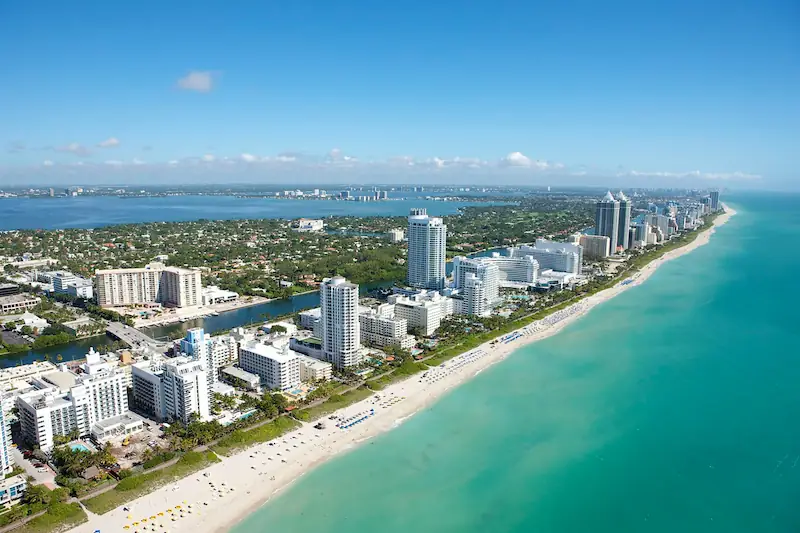
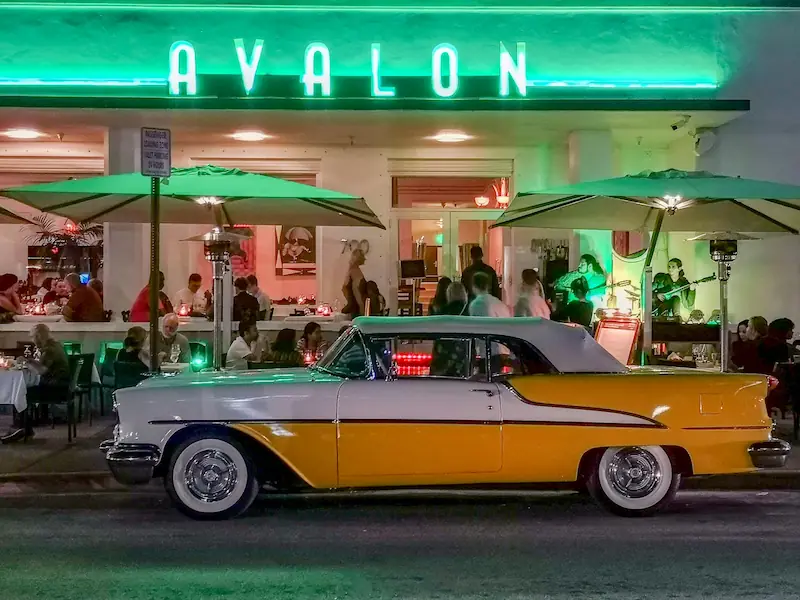
Walk the Art Deco Historic District instead of just driving through – The real value of South Beach is the concentration of preserved Art Deco buildings between the beach and the main streets, not merely a quick Ocean Drive pass. Go on foot so the architecture, hotel façades and rhythm of the area make sense together. (First-time essential · Best for: First visits and architecture-minded travelers)Find tours & experiences
Do South Beach as a morning beach-and-boardwalk stretch – South Beach works best when you use it as active coastline rather than a symbolic stop. Early hours are calmer, the light is cleaner, and you get the beachfront feel without the afternoon drag. (High payoff · Best for: Short stays and good-weather mornings)
Add South Pointe Park if you want the strongest South Beach finish – South Pointe Park is one of the simplest high-payoff additions to a Miami Beach block: open water, boardwalk, people-watching and a cleaner sense of place than Ocean Drive alone. (Free favorite · Best for: Walkers, sunset timing and first-time visitors)
See Wynwood Walls, then keep going into the wider district – Wynwood Walls is the anchor, but the surrounding blocks are what make the visit feel like a neighborhood rather than a single-ticket attraction. The area is best approached as an open-air art district with cafés, murals and changing visual texture. (Worth it · Best for: Street art and easy half days)Find tours & experiences
Tour Vizcaya Museum & Gardens for old-money Miami contrast – Vizcaya gives you a very different Miami: European-influenced interiors, bayfront gardens and a slower pace than the beach districts. It is one of the city's clearest reminders that Miami has cultural layers beyond nightlife branding. (High payoff · Best for: History, gardens and quieter pacing)Find tours & experiences
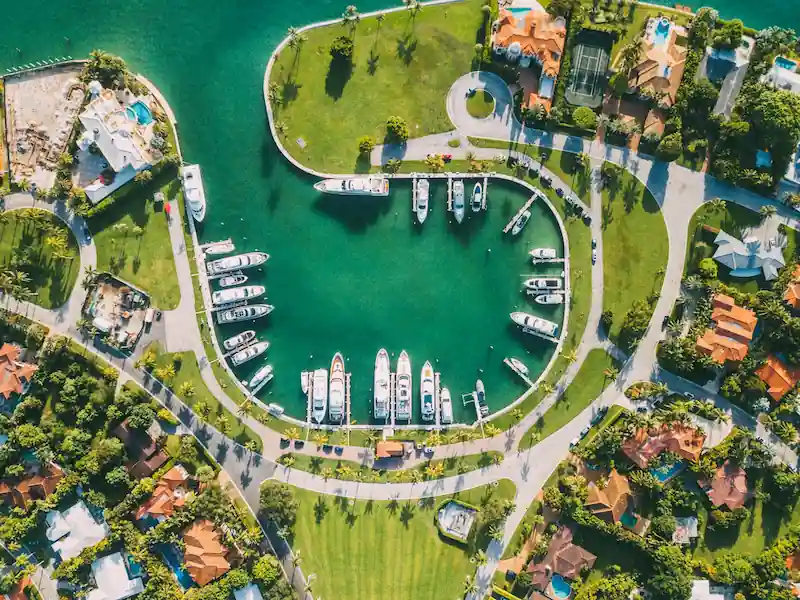
Take a Biscayne Bay cruise for the skyline and mansion context – A bay cruise is not essential for everyone, but it is one of the easiest ways to understand Miami's relationship to water, islands and luxury real estate. It works especially well for travelers who want city context without a full museum stop. (Best for: Waterfront views and relaxed sightseeing)Find tours & experiences
Use Museum Park for a waterfront culture block – Museum Park pulls together bay views, major museums and a clean downtown edge in a compact zone. Even without entering both institutions, it is a strong place to reset the trip and slow the pace. (Best for: Balanced first trips)
Make one controlled pass through Bayside only if you want easy-access waterfront energy – Bayside is busy and commercial, but it can still work as a practical stop for people who want simple bayfront views, boat departures and a no-planning-needed stretch. Keep expectations realistic and do not let it absorb prime hours. (Only if you have time · Best for: Casual waterfront browsing)
Go to Key Biscayne for beach-and-bay Miami beyond the obvious – Key Biscayne is one of the best ways to understand that Miami is not only South Beach. The beaches feel calmer, the open space is stronger, and the coastal rhythm is less performative. (Strong add-on · Best for: Travelers wanting a quieter shoreline and more open-air contrast)
Use Lincoln Road and Española Way only as a light Miami Beach layer – Lincoln Road and Española Way can be useful for a casual stroll, café pause or easy evening, but they are not the core reason to visit Miami Beach. Use them as connective tissue around Art Deco, South Beach or The Bass rather than as a headline activity. (Optional · Best for: Easy Miami Beach browsing and low-pressure evenings)
See Miami from the water by boat, paddle or ferry depending on your energy – A standard bay cruise is the easiest water perspective, but kayaking, a private boat, or even a short ferry-style move can make Miami’s bay geography feel more real. Choose the format by stamina and budget, not because every boat product is equal. (Worth it · Best for: Skyline, bay context and water-first visitors)Find tours & experiences
Use Venetian Pool as a historic swim, not just a photo stop – Venetian Pool is one of the most unusual built environments in the Miami area: part pool, part historic Coral Gables landmark, part hot-weather reset. It is best when you want a slower, more architectural break from beach and downtown energy. (Unique · Best for: Coral Gables, families and hot-weather breaks)
Culture that changes how Miami reads
Miami's cultural side is strongest when it is tied to place rather than treated as a separate museum checklist. Cuban influence, contemporary art, preservation and immigrant histories all shape the city in visible ways. Even the soundscape shifts from gallery quiet to domino chatter and brass-heavy live sets within a few miles. Add targeted smaller museums or heritage districts only when they support the route; Miami rewards context, but not every cultural stop needs equal weight.
Walk Calle Ocho with time for coffee, cigars and street life – Little Havana lands best when you slow down enough to notice bakeries, ventanitas, music and the rhythm around Domino Park rather than treating it as one photo stop. This is where Miami feels most distinct at street level. (Worth it · Best for: Culture-first travelers)Find tours & experiences
Do Pérez Art Museum Miami for contemporary work with a real sense of place – PAMM is not just a box-ticking art stop; its setting, hanging gardens and bay outlook make it feel grounded in Miami rather than detached from it. It is a particularly strong pick if you want one serious museum without overloading the schedule. (Best for: Contemporary art and design-minded travelers)Find tours & experiences
Use Frost Science as a high-quality indoor anchor – Frost Science combines aquarium, planetarium and science exhibits in a way that works for families and adults alike. It is one of the smartest indoor choices when weather, heat or mixed interests make pure neighborhood wandering less appealing. (Best for: Families and rainy-day structure)Find tours & experiences
Take an official-style Art Deco angle, not just a beach angle – The value of the Art Deco district rises when you learn how the buildings, preservation effort and streetscape fit together. A guided architectural read is much stronger than wandering Ocean Drive without context. (Best for: Architecture and urban history)Find tours & experiences
Add the Design District if you like art in public space, not only in galleries – The Design District works best as a curated urban landscape of architecture, installations, storefront design and strong dining. It is especially useful for travelers who want a polished cultural stop without committing to a full museum-heavy day. (Best for: Design, architecture and lunch-led exploring)
Use Coral Gables and Venetian Pool for a different Miami register – Coral Gables brings Mediterranean styling, older residential wealth and a calmer urban mood than the beach or downtown core. It is a strong add-on if you want Miami to feel broader than its most branded districts. (Only if you have time · Best for: Repeat visitors and travelers wanting architectural contrast)
Visit The Bass for a compact Miami Beach art stop – The Bass is useful when you want art without leaving Miami Beach or committing to a long museum-heavy day. It pairs naturally with South Beach, the Art Deco district or the Miami Beach Botanical Garden. (Best for: Miami Beach culture and short art stops)
Use Rubell Museum or Superblue for a more contemporary art circuit – Rubell Museum and Superblue broaden Miami’s art story beyond Wynwood and PAMM. They work best for travelers who actively enjoy contemporary art, immersive installations or Art Week-style Miami. (Selective · Best for: Contemporary art, immersive installations and repeat visitors)
Add HistoryMiami if you want context before the neighborhoods – HistoryMiami is not as visually famous as Vizcaya or PAMM, but it helps explain the city’s migration, development and regional identity. It is best for culture-first travelers who want Miami to make more sense before or after Little Havana. (Best for: History, context and culture-led trips)
Use Deering Estate or The Kampong for a deeper south-side historic landscape – These are not first-stop attractions for most short trips, but they add a quieter layer of tropical landscape, bayfront history and older Miami texture. They are strongest for repeat visitors, garden lovers and travelers with a car. (Repeat visit · Best for: Gardens, history and slower South Miami-Dade days)
Explore Little Haiti or Little River if you want a less obvious cultural edge – Little Haiti and Little River are better for travelers who already understand Miami’s headline areas and want galleries, food, music and neighborhood texture beyond the usual South Beach–Wynwood–Little Havana triangle. (Selective · Best for: Repeat visitors and culture-led exploring)
Local Miami beyond the obvious postcard
The most satisfying Miami moments often come from neighborhoods that reveal routine as much as spectacle. A good local-facing day is less about crossing off names and more about choosing the right district at the right hour. Shade, conversation and small pauses matter here as much as headline attractions.
Use Coconut Grove for a slower, greener Miami half day – Coconut Grove offers tree cover, marinas, low-rise streets and a calmer rhythm than the beach or downtown core. It is a smart reset if your trip needs breathing room without feeling suburban or detached. (Best for: Repeat visitors and slower pacing)
Walk the waterfront from Museum Park into Downtown's edge – This is a useful way to see Miami as a working city rather than only a leisure brand. The route gives you skyline, marina views and a cleaner sense of scale than isolated taxi stops ever do. (Best for: Urban walkers and short stays)
Spend an evening in Little Havana after dark, not only in daylight – Little Havana changes character at night, especially around live music venues and late dinners. It feels more lived-in and memorable than many generic nightlife zones if you want atmosphere with actual local texture. (Best in the evening · Best for: Nightlife with character)
Take Bill Baggs Cape Florida only if you want a less performative beach stop – For travelers who want sea, light and a more relaxed coastal mood than South Beach, Key Biscayne is a strong contrast. It is less about spectacle and more about open space and shoreline calm. (Only if you have time · Best for: Quieter coastal time)
Use the Design District as a people-watching and café stop, not only a shopping stop – Even travelers with no interest in luxury retail can enjoy the district for public art, polished streets and a well-timed coffee or lunch break. It is a useful example of modern curated Miami done well. (Best for: Urban wandering and design-led browsing)
Use Brickell for a more urban Miami evening or waterfront walk – Brickell is not the most essential daytime district for every visitor, but it can be useful when you want Miami to read as a contemporary skyline city as well as a beach destination. It works best for polished evenings, waterfront movement and rooftop logic. (Best in the evening · Best for: Urban evenings and skyline-minded travelers)
Use Brickell Key and the bayfront edges for a compact skyline walk – Brickell Key and nearby waterfront edges offer a clean, contemporary reading of Miami as a high-rise bay city. It is not the most soulful part of town, but it works well for a short walk before or after dinner. (Free · Best for: Skyline walks and urban evenings)
Go to Oleta River State Park for active mangrove Miami – Oleta gives Miami a more physical outdoor layer: paddling, biking, mangroves and a sense of nature inside the metro area. It is a smart alternative when the Everglades feels too big for the time available. (Outdoor · Best for: Kayaking, biking and active travelers)
Use North Beach or Surfside for a quieter beach walk – Not every beach moment needs South Beach energy. North Beach, Surfside and the quieter upper Miami Beach stretches can be useful when you want sand, water and a lower-volume coastal mood. (Calmer beach · Best for: Repeat visitors and low-key beach time)
Try a Miami Heat game or Kaseya Center event if your dates align – A sports or arena event can make downtown feel more alive than it does on a standard sightseeing pass. It is not essential, but it is a strong night option if you want local crowd energy. (Seasonal · Best for: Sports, events and downtown nights)
Food experiences worth building time around
Miami is strongest when food is treated as part of neighborhood logic, not merely a list of trendy reservations. Cuban staples, seafood, bakery culture and chef-led dining all matter here, but they land differently depending on where you do them. A little sugar, coffee and street-side noise can carry a whole afternoon in Miami.
Do a proper Little Havana food crawl – A good Little Havana crawl is one of the clearest ways to understand Miami through flavor, migration and daily ritual. Think cafecito, croquetas, sandwiches and pauses at neighborhood institutions rather than one oversized meal. (High payoff · Best for: First-time visitors who want culture through food)Find tours & experiences
Use Wynwood for a lunch-and-art block rather than a dinner-only scene – Wynwood is easy to over-romanticize at night, but it often works better as murals plus a focused lunch or relaxed early drink. This keeps the district from turning into a generic bar-hopping stop. (Best for: Casual food-led half days)
Book one polished dinner in the Design District – If your trip includes one more design-conscious, reservation-worthy meal, the Design District is often the right place to do it. The dining scene here works because the setting and the evening feel aligned. (Best for: Couples and style-led nights out)
Use Coconut Grove for a slower brunch or marina-side lunch – Coconut Grove is a smart choice when you want a meal built into a gentler half day rather than a hard reservation sprint. It suits travelers who want atmosphere without performance. (Best for: Slower mornings and relaxed afternoons)
Choose one seafood-forward meal near the water and leave it at that – Miami's waterfront dining can be enjoyable, but it is not where every meal needs to happen. One well-chosen seafood stop is usually enough before you shift back to neighborhood-based eating. (Only if you have time · Best for: Classic Miami lunch or sunset dinner)
Use Brickell for one rooftop or skyline-view dinner if urban Miami matters to you – Brickell is useful when you want one cleaner, more urban, more contemporary Miami dinner rather than another beach- or mural-led meal block. It is strongest as a single polished evening, not as the whole food logic of the trip. (Best for: Couples and skyline-led nights out)
Build one cafecito-and-bakery route instead of only booking restaurants – Miami food is often strongest in short pauses: cafecito, pastelitos, croquetas, bakeries and counters. A lighter Cuban or Latin bakery route can say more about the city than another formal dinner. (Local rhythm · Best for: Casual food, culture and low-cost eating)
Use Little River, Little Haiti or Upper Buena Vista for a more local food layer – These areas are not as obvious as South Beach, Wynwood or Brickell, but they can reward food-minded travelers who want creative restaurants, cafés and a less visitor-coded evening. (Repeat visit · Best for: Food-focused return trips)
Choose one classic Miami Beach institution if it fits the season – A classic seafood or Miami Beach institution can be memorable, but it should not dominate the whole food plan. Use it as one deliberate meal, then move back into neighborhood eating. (Classic · Best for: Classic Miami meals and couples)
Use late-night food carefully rather than chasing every scene – Miami can make late nights feel effortless, but the best trips still choose one district and stay coherent. South Beach, Brickell, Little Havana and Wynwood each solve a different night-food problem. (Best for: Nightlife and food-led evenings)
Best things to do in Miami for a first trip
A first visit should balance coastline, culture and one neighborhood with real local texture. The mistake is doing only glossy waterfront stops and missing the parts that explain the city.
Start with South Beach and the Art Deco district, then move inland rather than staying beach-bound all trip.
Give Little Havana a real half day if food and culture matter more to you than shopping.
Pick one of Vizcaya, PAMM or Frost Science based on your interests instead of trying to cram all three.
Use Wynwood as a focused art-and-lunch stop, not an all-day commitment.
Add a Biscayne Bay cruise only if you want a low-effort skyline overview.
Use Key Biscayne if you want a calmer version of Miami’s coastal side.
Only add the Everglades or Biscayne National Park if you have at least a third day or you will squeeze Miami itself.
If you only have one full day, keep the triangle tight: South Beach / Art Deco, Little Havana, then either Wynwood or Museum Park.
Do not make Key West your first Miami day trip unless the road journey itself is the reason for going.
Priority
Best fit
Do first
South Beach + Little Havana + one museum/historic site
Do next
Wynwood + Design District or Biscayne Bay cruise
Only with more time
Everglades, Key Biscayne, Biscayne National Park, Key West
Free things to do in Miami
Miami is not a cheap city, but several worthwhile experiences cost little or nothing if you choose them well. Free works best here when it is tied to neighborhoods, waterfront walks and public-facing art.
Walk the Art Deco streets of Miami Beach on your own.
Use South Beach for a beach-and-boardwalk morning rather than paying for a structured activity.
Go to South Pointe Park for a strong free coastal stop.
Explore Wynwood's surrounding murals even if you skip the ticketed core.
Spend time around Calle Ocho, Domino Park and nearby streets in Little Havana.
Browse public art and architecture in the Design District.
Walk Museum Park and the downtown waterfront for skyline views.
Use Brickell Key or the waterfront edges for a more urban open-air walk.
Walk Brickell Key or the downtown bayfront for a free skyline perspective.
Use Miami Beach Botanical Garden as a short free or low-cost pause when nearby.
Look for public installations around the Design District rather than treating the area only as luxury shopping.
Type
Best pick
Why it works
Beach and shoreline
South Beach or South Pointe Park
High payoff without needing a paid activity
Neighborhood texture
Little Havana or Wynwood surrounds
Strong local atmosphere and visual value
Waterfront city views
Museum Park / downtown waterfront
Easy skyline-and-bay perspective
Unique things to do in Miami
Miami feels most distinctive when beach culture, Caribbean-Latin influence and curated visual neighborhoods overlap. The best unusual choices are not gimmicks; they are simply the experiences that feel most specific to this city.
Pair Calle Ocho street life with a proper Cuban food crawl instead of treating Little Havana as a quick pass-through.
Do Miami through architecture by reading the Art Deco district as preservation history, not only nostalgia.
Use Vizcaya for a version of Miami that feels unexpectedly historic and European-influenced.
Take a Biscayne-based outing if you want to understand how much of Miami's identity depends on water.
Build a half day around the Design District if you enjoy the overlap of art, architecture and dining.
Go to Key Biscayne or Bill Baggs if you want a quieter, less stage-managed coastline.
Use Coral Gables and Venetian Pool if you want one of the clearest 'this doesn’t feel like beach Miami' detours.
Use Oleta River or a Biscayne paddling option if you want active Miami rather than only beach Miami.
Add The Kampong, Deering Estate or The Barnacle if gardens and older bayfront Miami interest you.
Things to do in Miami at night
Miami nights are stronger when you choose a mood instead of defaulting to generic club logic. Some of the city's best evenings come from music, food and street energy rather than from chasing the loudest room.
Go to Little Havana for live music, cocktails and a night that feels rooted in local culture.
Use South Beach for one polished dinner, rooftop drink or late waterfront walk rather than a full venue crawl.
Take a sunset or evening Biscayne Bay cruise if you want skyline views without nightlife intensity.
Choose Brickell for a rooftop or skyline-led evening if you prefer urban polish.
Choose the Design District for a reservation-led evening if you prefer style and dining over clubbing.
Keep Wynwood for a casual early-evening bar-and-art stretch rather than your only nightlife plan.
Check Kaseya Center, Adrienne Arsht Center or Miami Beach performance calendars if you want an event-led night.
Use a hotel bar or rooftop as one controlled Miami-night experience rather than trying to make every night a scene.
Night style
Best option
Best for
Cultural and lively
Little Havana
Music and local character
Polished and urban
Brickell
Rooftops and skyline views
Classic Miami
South Beach
One focused dinner or drink-led evening
Things to do in Miami with kids
Miami works better with children when you mix one active outdoor block with one reliable indoor option. Heat management matters almost as much as attraction choice.
Frost Science is one of the safest all-weather family choices in the city.
Zoo Miami is better when you have a full day and want a child-focused outing rather than a mixed adult trip.
South Beach or Key Biscayne can work well early in the day before heat builds.
Miami Children's Museum is useful for younger kids, especially on hot or rainy days.
A short boat ride can work for older children if you want skyline views without a museum-heavy day.
Crandon Park is often a better family beach option than a more crowded South Beach block.
Wynwood can be fun with teens, but it is not the most efficient family priority on a short first trip.
Oleta River, Crandon Park or Key Biscayne can work for active older kids when weather is good.
Zoo Miami is best treated as a full-day family plan because it sits far south compared with the main visitor districts.
The beach is usually strongest with kids early in the morning, not as a long exposed afternoon.
Option
Best for
Frost Science
Indoor, mixed ages, rainy or hot days
Zoo Miami
Full family outing with more time
Beach / Key Biscayne / Crandon
Good-weather mornings
Things to do in Miami when it rains
Rain does not ruin Miami, but it does shift the smartest choices. On stormy or very humid days, use institutions with real substance instead of trying to salvage an outdoor plan that was never ideal.
Frost Science is the strongest rainy-day all-rounder.
Pérez Art Museum Miami works well if you want an adult-focused indoor block.
Vizcaya can still work in light rain, but it loses value if the gardens are the main draw for you.
Miami Children's Museum is practical for younger families.
A long lunch plus Design District browsing can work if the weather is patchy rather than fully washed out.
Brickell or downtown-based indoor dining-and-view logic can work better than trying to force the beach.
Skip distant nature excursions on uncertain weather days unless the booking is highly flexible.
The Bass, Rubell Museum and Superblue are useful art-led alternatives when outdoor neighborhoods are washed out.
A performance, sports event or long restaurant reservation can rescue an evening if storms disrupt the daytime plan.
Things to do in Miami for couples
Couples usually get the most from Miami when they do not let the trip become only beach days and loud nights. The strongest version mixes atmosphere, one polished meal, one waterfront or garden stop, and one neighborhood with real texture.
Use Vizcaya and Coconut Grove for the most atmospheric half day.
Choose South Pointe Park or Key Biscayne for a calmer coastal walk.
Book one Design District, Brickell or Miami Beach dinner if style matters.
Use Little Havana for music and cocktails when you want warmth and character rather than generic nightlife.
Take a sunset Biscayne Bay cruise if you want an easy romantic skyline layer.
Avoid overcommitting to late-night scenes if your days are already packed with heat and movement.
Couple style
Best option
Why
romantic and quiet
Vizcaya + Coconut Grove
Gardens, bayfront history and slower dining
polished evening
Design District or Brickell
Restaurants, rooftops and style-led nights
classic Miami
South Beach + South Pointe
Architecture, beach and waterfront walking
Outdoor things to do in Miami
Outdoor Miami is strongest when you respect heat, shade and distance. Beaches matter, but the city also has bayfront walks, islands, mangroves, gardens and nearby national parks that show a broader version of South Florida.
Walk South Beach, South Pointe Park or the Miami Beach Boardwalk early in the day.
Use Key Biscayne, Crandon Park or Bill Baggs for a calmer coastal reset.
Take a Biscayne Bay cruise or boat outing for low-effort water perspective.
Try Oleta River State Park for kayaking, biking and mangrove texture.
Use Vizcaya, The Kampong or Fairchild Tropical Botanic Garden if gardens matter.
Add the Everglades or Biscayne National Park only when your trip length can absorb the outing.
Outdoor need
Best option
Time needed
best easy beach
South Beach or South Pointe
1–3 hours
calmer coast
Key Biscayne
Half day
active nature
Oleta River or Everglades
Half day to full day
Budget-friendly things to do in Miami
Miami can be expensive, but the smartest low-cost trip leans into beaches, public art, waterfront walks, Cuban snacks, free districts and one or two paid anchors rather than stacking admissions.
Use South Beach, South Pointe Park and the Art Deco streets as your strongest free Miami block.
Explore Little Havana with a few low-cost snacks rather than booking every meal as a formal restaurant.
Walk Wynwood’s surrounding murals even if you do not enter every ticketed or gallery space.
Use the Design District for public art and architecture rather than shopping.
Prioritize one paid cultural anchor such as Vizcaya, PAMM, Frost, The Bass or a bay cruise.
Avoid distant rideshare-heavy plans that erase the savings from free activities.
Budget goal
Best option
Watch out
free beach and architecture
South Beach + Art Deco
Parking and beach services
cheap food culture
Little Havana snacks
Over-touristic packaged stops
free art
Wynwood surrounds + Design District
Midday heat
Things to do in Miami with teens
Miami with teens works best when the day has strong visuals, active movement, food and enough independence of mood. Avoid plans that are too museum-heavy or too beach-passive unless the group already wants them.
Wynwood is one of the strongest teen-friendly districts for murals, photos and casual food.
Frost Science, Superblue or Rubell can work well on hot or rainy days.
A bay cruise, paddle outing or Key Biscayne beach block adds active variety.
Little Havana can work if framed around food and music rather than slow heritage sightseeing.
South Beach works better as a morning walk and beach block than as a full-day teen plan.
Oleta River is a good active option if kayaking or biking fits the group.
Seasonal things to do in Miami
Miami’s calendar changes the value of different activities. Winter favors outdoor exploring, summer rewards indoor anchors and water-based mornings, and major art or event weeks can make some districts feel either electric or expensive.
In winter, prioritize South Beach, Key Biscayne, Vizcaya gardens, boat trips and Everglades outings.
In summer, plan early beach time, indoor museums, long lunches and storm-aware afternoons.
During Art Week / Art Basel periods, Wynwood, Miami Beach, Design District and gallery districts become more relevant but also busier.
During hurricane season, keep nature excursions and boat plans flexible.
Stone crab season can make one classic seafood meal more appealing if it fits your dates.
Holiday and festival weekends make booking restaurants, hotels and cruises earlier more important.
Things to do in Miami by area
South Beach
This is where Miami's image is most recognizable, but the area works best as architecture plus coast rather than as nonstop spectacle. It justifies half a day easily and a full day only if beach time is central to your trip.
Walk the Art Deco district on foot
Spend time on the beach or boardwalk
Use Ocean Drive selectively, not as your whole plan
Go to South Pointe Park
Come early for a calmer atmosphere
Return at night only if you want one focused evening here
Wynwood
Wynwood is Miami's most straightforward art district and one of the easiest neighborhoods to use well on a short trip. It earns two to three hours comfortably, especially when paired with lunch.
Visit Wynwood Walls
Walk surrounding mural-heavy blocks
Stop for coffee or lunch rather than only drinks
Browse galleries and design-forward storefronts
Go outside peak midday heat when possible
Little Havana
Little Havana is one of the city's clearest culture-and-food districts, with enough street life to feel rewarding without needing big-ticket attractions. It is strongest late morning through evening.
Walk Calle Ocho
Pause for cafecito and Cuban snacks
See Domino Park and cigar culture touches
Book a food tour if you want more context
Return at night for live music and cocktails
Downtown / Museum Park
This zone is practical, cultural and waterfront-facing, making it a strong anchor for travelers who want one efficient urban half day. It is less atmospheric than Miami Beach, but often more useful.
Visit PAMM
Visit Frost Science
Walk the waterfront in Museum Park
Use Bayside only as a light stop, not a centerpiece
Take a Biscayne Bay cruise departure from nearby
Design District
The Design District is a curated neighborhood rather than a broad sightseeing zone, but it works well for travelers who like architecture, public art and polished dining. It makes most sense as a short targeted stop.
See public art and installations
Browse architecture and storefront design
Plan a lunch or dinner here
Use it as a low-friction culture break
Pair it with Wynwood or Midtown if needed
Coconut Grove / Vizcaya side
This part of Miami gives the trip a slower, greener and more residential-feeling layer. It is ideal when you want to step away from the city's louder image without leaving the urban core.
Visit Vizcaya Museum & Gardens
Walk marina-adjacent streets in Coconut Grove
Book a slower brunch or lunch
Use it as a calmer half day between heavier sightseeing blocks
Key Biscayne
Key Biscayne is one of the best area-based additions to a Miami trip if you want open water, quieter beach time and a less showy coastal mood than South Beach.
Go to Crandon Park
Use Bill Baggs Cape Florida for a calmer coast
Add beach time without full South Beach energy
Come early for cleaner light and lower heat
Use it as a half-day coastal reset
Brickell
Brickell is less about daytime sightseeing priorities and more about modern skyline Miami. It works best for dinners, rooftops, waterfront movement and a more urban evening register.
Do one rooftop or skyline-led evening
Walk the waterfront edges
Use it for dinner rather than all-day sightseeing
Add a more contemporary city layer to the trip
Coral Gables
Coral Gables adds a Mediterranean-style, older-planned-city contrast to Miami’s beach, mural and high-rise identities. It works best when you want architecture, shade, pools, gardens or a slower dining block.
Visit Venetian Pool if swimming and historic setting matter
Walk or dine around Miracle Mile
Use the Biltmore or surrounding streets for architectural contrast
Pair with Coconut Grove or Vizcaya if you have a car or a slower day
North Beach / Surfside / Bal Harbour
These northern beach areas are less essential for a first Miami trip, but useful when South Beach feels too busy or you want a calmer coastal walk with lower intensity.
Use North Beach for quieter sand and boardwalk time
Walk Surfside for a calmer beach-town feel
Use Bal Harbour only if luxury retail or polished dining is personally relevant
Choose these areas for repeat visits or low-key beach days
Little Haiti / Little River
This area is better for repeat visitors and food- or culture-led travelers than for a checklist first trip. It adds galleries, restaurants, music and a less polished urban layer.
Look for galleries and food-led stops rather than classic monuments
Use Little Haiti selectively for cultural texture and events
Pair with Design District, Wynwood or Upper Buena Vista
Go with specific targets rather than wandering aimlessly in peak heat
Oleta River / North Miami Beach
This northern outdoor area gives Miami an active mangrove-and-water layer that feels very different from South Beach. It is best for kayaking, biking and repeat visitors who want outdoor variety.
Kayak through mangrove areas when conditions are good
Use bike trails if you want an active half day
Pair with a quieter northern beach or casual food stop
Book rentals ahead on weekends if the activity matters
What to prioritize based on your time
Miami improves when you accept trade-offs early. This city is spread out enough that trying to do everything usually weakens the trip instead of enriching it.
Profile
Prioritize
Skip
Structure
Half day
South Beach + Art Deco walk, or Little Havana + food stop
Everglades, multiple museums, cross-city zigzags
Choose one district and do it properly.
1 day
South Beach, Little Havana, and either Wynwood or one museum
Long excursions and low-value shopping detours
Beach/architecture in the morning, culture and food later.
2 days
South Beach, Little Havana, Wynwood, plus Vizcaya or PAMM/Frost
Only-commercial stops unless personally relevant
One coast-focused day and one inland culture-led day.
3 days+
Core Miami plus one nature, bay or calmer-coast extension
Nothing essential, but keep Key West only if you truly want a long outing
Add Everglades, Biscayne, Key Biscayne or a stronger museum/neighborhood layer after the city basics are covered.
First trip
Art Deco, Little Havana, Wynwood, one major museum or Vizcaya
Overcommitting to nightlife or mall-style stops
Build contrast across beach, culture and neighborhood texture.
Repeat visit
Design District, Coconut Grove, Brickell, slower food-led days, Biscayne-based time and Key Biscayne
Re-running the same South Beach-only script
Lean into curation, pace and more local-feeling districts.
Family trip
Frost Science, Miami Children's Museum, Key Biscayne or Crandon Park, plus one easy neighborhood food block
Overlong exposed walking days and distant nightlife-led plans
Start outdoors early, move indoors or to food during heat, and keep one flexible backup.
Couples trip
Vizcaya, Coconut Grove, South Pointe, Design District dinner, Brickell or bay cruise
Trying to make every night a club night
Balance one coast block, one garden or historic stop, and one polished evening.
Art and design trip
Wynwood, PAMM, Design District, The Bass, Rubell or Superblue
Treating all art stops as interchangeable
Use one outdoor art district and one museum or immersive anchor per day.
Outdoor trip
South Beach early, Key Biscayne, Oleta River, Everglades, Biscayne National Park
Midday exposed walks and overbooked indoor detours
Work around heat, water conditions and afternoon storms.
Best day trips from Miami
Miami supports a few genuinely worthwhile excursions, especially if you want mangroves, reefs or a long scenic road day. They should extend the trip, not replace the city before you have actually seen it.
Excursion
Best for
Time needed
First trip?
Transport
Book ahead
Everglades airboat and wildlife outing
First-time visitors who want a sharp contrast to the city
Deeper Everglades ecosystem, scenic drives and nature-focused travelers
Full day
Better for nature-focused or repeat visitors
Car strongly recommended
Recommended for guided swamp walks or specialized tours Check options
Fort Lauderdale
Canals, beach variation and an easier city contrast than Key West
Half day to full day
Optional
Brightline, car or rideshare depending on your base
Only for boat tours or specific restaurants Check options
Fairchild Tropical Botanic Garden
Gardens, shade, photography and slower South Miami days
Half day
Optional, stronger for garden lovers
Car or rideshare is easiest
Useful for events and peak weekends
Smart Miami combinations
These are not full itineraries. They are activity pairings that work because the mood, geography or pacing fits naturally.
Art Deco morning + Little Havana late lunch – Start with South Beach before heat and traffic build, then shift inland for a more grounded cultural block. This combination works well for first-time visitors because it gives you both Miami's image and one of its strongest neighborhood experiences.
Wynwood + Design District – This is Miami in visual mode: murals first, then polished architecture, public art and a more curated urban setting. It suits travelers who like design, shorter hops and a lunch or dinner stop built into the plan.
Vizcaya + Coconut Grove – Do Vizcaya for structure and atmosphere, then let Coconut Grove slow the rest of the day down. It is one of the best pairings for couples or repeat visitors who want a more measured Miami rhythm.
PAMM or Frost Science + Biscayne Bay cruise – This works when you want one indoor anchor and one easy waterfront release. It is also a good solution for weather-variable days because you can adjust the order depending on clouds, rain or heat.
Little Havana day visit + Little Havana live-music evening – Instead of sampling the neighborhood once and moving on, return after dark to see how the area changes in sound and energy. This is a strong choice when you want nightlife with more identity than a standard bar district.
Key Biscayne + Brickell evening – Use Key Biscayne for a calmer coastal half day, then return to the city for a rooftop or skyline-led dinner. This is one of the smartest ways to let Miami feel both open-air and urban in the same day.
The Bass + Miami Beach Botanical Garden + Art Deco walk – This turns Miami Beach into a culture-and-architecture block rather than just beach time. It works well on a day when you want to stay on the island but avoid making every hour about sand or nightlife.
Coral Gables + Venetian Pool + Coconut Grove – This is a strong slower-day combination for repeat visitors, couples or travelers who want shade, architecture and greener Miami. It is much more coherent than trying to force Coral Gables between beach and Wynwood stops.
Rubell or Superblue + Wynwood + Design District – This is the sharpest art-and-design circuit if the trip is visually led. Keep it to one museum or immersive anchor plus two districts rather than trying to see every gallery.
Oleta River + North Beach / Surfside – Use this when you want an active, northern Miami day with less South Beach intensity. It works best by car and in good weather, with kayaking or biking in the morning.
Frost Science + Miami Children's Museum + easy bayfront walk – This is a practical family-weather combination because the indoor anchors sit close enough to keep the day manageable. Add the waterfront only if the weather clears and the group still has energy.
What to book ahead in Miami
Miami does not require advance booking for everything, but a few choices become noticeably better when locked in early. The goal is to reserve only where it improves timing, access or logistics.
These answers help resolve the practical choices that shape a Miami trip: beach or culture first, which neighborhoods are worth your time, what to book, what to skip, and when to leave the city for nature.
What are the best things to do in Miami on a first trip?
Start with South Beach and the Art Deco Historic District, then add Little Havana, Wynwood and one strong cultural stop such as Vizcaya, PAMM or Frost Science. That mix gives you beach, architecture, Cuban culture, public art and a deeper read on the city without turning the trip into a traffic-heavy checklist.
How many days do you need for Miami?
Two full days are enough for the essentials if you stay disciplined. Three days is better because you can add Key Biscayne, Coconut Grove, a museum pair, a bay cruise or an Everglades outing without rushing the core city.
Is South Beach worth visiting?
Yes, especially for first-time visitors, but it is best as architecture plus shoreline time rather than a whole-trip identity. Walk the Art Deco district, use the boardwalk or beach early, and add South Pointe Park if you want the best finish.
Is Wynwood worth it in Miami?
Yes if you enjoy murals, photography, casual food and creative districts. The key is to look beyond the ticketed Wynwood Walls and use the surrounding streets so the visit feels like a district rather than only a single attraction.
Is Little Havana worth visiting?
Yes. Little Havana is one of Miami’s strongest culture-and-food experiences, especially if you slow down for cafecito, Cuban snacks, Domino Park, music and street life rather than treating Calle Ocho as a quick photo stop.
Is Vizcaya Museum and Gardens worth it?
Yes, especially if you want historic atmosphere, gardens and a quieter version of Miami. It is one of the best ways to balance South Beach, Wynwood and modern waterfront districts with something older and more textured.
Is PAMM worth visiting?
Pérez Art Museum Miami is worth it if you want contemporary art and a strong bayfront setting. It works especially well paired with Museum Park, Frost Science or a downtown waterfront walk.
Is Frost Science good for adults or only for kids?
Frost Science is strongest for families, but adults can still enjoy it if they are interested in aquariums, planetarium experiences or a high-quality indoor break. It is one of Miami’s most reliable rainy-day anchors.
What are the best free things to do in Miami?
Walk the Art Deco district, use South Beach and South Pointe Park, explore Wynwood’s surrounding murals, browse Calle Ocho, walk Museum Park and the downtown waterfront, and look for public art in the Design District.
What are the best things to do in Miami at night?
Choose a specific mood: live music and cocktails in Little Havana, a polished dinner or rooftop in Brickell or South Beach, a sunset bay cruise, a Design District reservation, or a Miami Heat or concert night if dates align.
What can you do in Miami when it rains?
Use Frost Science, PAMM, The Bass, Rubell Museum, Superblue, Miami Children’s Museum, long lunches, Design District browsing or performance venues. Avoid forcing beach plans or distant nature trips during unstable weather.
What are the best things to do in Miami with kids?
Frost Science, Miami Children’s Museum, Zoo Miami, Key Biscayne, Crandon Park, a short bay cruise and beach mornings are among the strongest family choices. The best family days usually combine one indoor anchor with one outdoor release.
What are the best things to do in Miami with teens?
Wynwood, Frost Science, Superblue, Rubell Museum, South Beach in the morning, a bay cruise, Oleta River kayaking or biking, and Little Havana framed around food and music can all work well with teens.
What are the best outdoor things to do in Miami?
South Beach, South Pointe Park, Key Biscayne, Crandon Park, Bill Baggs, Biscayne Bay cruises, Oleta River, Vizcaya gardens, Fairchild Tropical Botanic Garden, the Everglades and Biscayne National Park are the strongest outdoor options.
Is Key Biscayne worth it?
Yes if you want a calmer coastal contrast to South Beach. Crandon Park and Bill Baggs Cape Florida give you more open space, quieter beach time and a less performative version of Miami’s shoreline.
Should I visit the Everglades from Miami?
Yes if you have at least three days or a strong nature interest. It gives a dramatic contrast to the city, but it should not replace core Miami on a very short first trip.
Is Biscayne National Park worth it from Miami?
Yes for water, reefs, mangroves and boat-based nature, but it works best when you can book a boat outing and accept that much of the park is water-access dependent.
Is Key West a good day trip from Miami?
It can be, but it is a very long day. Key West is worth it only if the road journey and island endpoint are part of the appeal; for many first trips, Everglades, Biscayne National Park or Key Biscayne are more efficient.
What should you book ahead in Miami?
Book Everglades tours, Biscayne National Park boats, sunset cruises, Little Havana food tours, popular restaurants and rooftops, Venetian Pool in peak periods, and timed museum or immersive-art slots during busy weeks.
Can you enjoy Miami without a car?
Yes for South Beach, Downtown, Brickell, Wynwood, Little Havana and some museum-heavy plans, but Miami is spread out. For Key Biscayne, Coral Gables, Oleta, Zoo Miami, Deering Estate or nature day trips, a car or organized transfer helps.
What is the best Miami neighborhood for activities?
South Beach is best for first-time visual impact, Little Havana for culture and food, Wynwood for murals and casual art, Museum Park for indoor culture, and Coconut Grove or Key Biscayne for slower outdoor contrast.
What should I skip in Miami?
Skip low-value cross-city detours, mall-style stops unless shopping matters, long mid-day outdoor walks in heat, and Key West as a rushed day trip if you only have two or three days. Miami improves when you edit hard.
Is Brickell worth visiting?
Brickell is not a first-priority daytime sightseeing district for everyone, but it is useful for rooftops, skyline views, polished dinners, waterfront walks and a more contemporary urban version of Miami.
Is the Design District worth it?
Yes if you like architecture, public art, luxury retail, galleries or polished dining. It works best as a short art-and-lunch or dinner-led stop, often paired with Wynwood or Midtown.
Is Coconut Grove worth visiting?
Yes for slower pacing, marina-side walks, brunch, tree cover and a greener, more residential Miami mood. It pairs especially well with Vizcaya or Coral Gables.
What are the best Miami museums?
PAMM is strongest for contemporary art and bayfront setting, Frost Science for families and rainy days, Vizcaya for historic atmosphere, The Bass for Miami Beach art, Rubell for contemporary collections, and HistoryMiami for context.
What is the best beach in Miami for visitors?
South Beach is best for first-time atmosphere and Art Deco proximity, South Pointe for a strong scenic finish, Key Biscayne for calmer shoreline, Crandon Park for families, and North Beach or Surfside for lower-key beach time.
What is the best Miami itinerary for one day?
Use South Beach and the Art Deco district in the morning, Little Havana for lunch or late morning culture, then choose either Wynwood, Vizcaya or Museum Park in the afternoon. Finish with one focused dinner or waterfront evening.
What is the best Miami itinerary for two days?
Make one day beach-and-architecture led with South Beach, South Pointe and perhaps Brickell or Design District at night. Use the second for Little Havana, Wynwood and either Vizcaya, PAMM/Frost or Coconut Grove.
What is the best Miami itinerary for three days?
Cover South Beach, Little Havana, Wynwood and one museum or Vizcaya across the first two days. Use the third for Key Biscayne, Everglades, Biscayne National Park, Coral Gables or a slower Coconut Grove / Design District layer.
Is Miami good for couples?
Yes. Couples usually do best with Vizcaya, Coconut Grove, South Pointe, a bay cruise, Key Biscayne, one polished dinner in Design District or Brickell, and one Little Havana music or cocktail evening.
Is Miami good for budget travelers?
It can be if you use beaches, public art, waterfront walks, Little Havana snacks and one or two selective paid anchors. The biggest budget risk is not admissions alone, but long rideshares, parking and poorly sequenced districts.
What is the most overrated thing to do in Miami?
For many travelers, the overrated move is not one specific attraction but over-spending prime time on generic commercial waterfront or nightlife stops. Bayside, Ocean Drive and mall-style areas can work briefly, but they should not dominate the trip.
What is the best way to experience local Miami?
Use Little Havana for food and music, Coconut Grove for slower residential atmosphere, Wynwood or Little River for creative texture, and Brickell or Downtown only when you want the contemporary city layer. Local Miami is best found by pairing neighborhoods with meals, not by hopping between photo stops.
The strongest Miami itinerary is edited, district-led and water-aware: one beach layer, one cultural neighborhood, one museum or historic anchor, one food-led evening and only the excursions that genuinely add contrast.
Turn the right experiences into the right itinerary
Once you know what you want to do in Miami, the next step is turning those ideas into a trip that actually works day by day. Use the planner to organize the right mix of highlights, neighborhoods, and pace into a route that feels coherent, not crowded.