Discover the best things to do in New York, from iconic landmarks and cultural heavyweights to skyline views, neighborhood walks, food-led stops, live events, borough excursions, and smarter ways to plan your time. This page is built for travelers who want to choose well, not just collect famous names. New York rewards range: one skyline moment, one serious cultural anchor, one neighborhood stretch, one food-led experience, and one evening that feels unmistakably local often produce a better trip than a longer checklist.
Best time
September to early November and April to June usually give New York its best balance of walkability, energy, outdoor space, and manageable weather; December is strongest for Christmas atmosphere, while summer works best with early starts and evening plans.
Ideal trip length
Plan at least 3 full days for a strong first pass; 4 to 5 days gives room for major museums, skyline views, neighborhoods, Brooklyn or Queens, food experiences, and one slower local day.
Continue planning your New York trip
Use this page to decide what deserves your time, then keep building the rest of your stay. Pair it with the main New York city guide, where-to-stay guide, and itinerary pages so activities, neighborhoods, hotels, and pacing work together.
The top things to do in New York first
Walk Central Park and pair it with a major museum – Area: Upper East Side / Upper West Side · Best for: First-time visitors who want a classic New York day · Time needed: 3 to 5 hours · Worth it: Yes, especially if you want the city’s most recognizable outdoor space without forcing a full-day commitment. · Book ahead: No for the park; helpful for major museums.
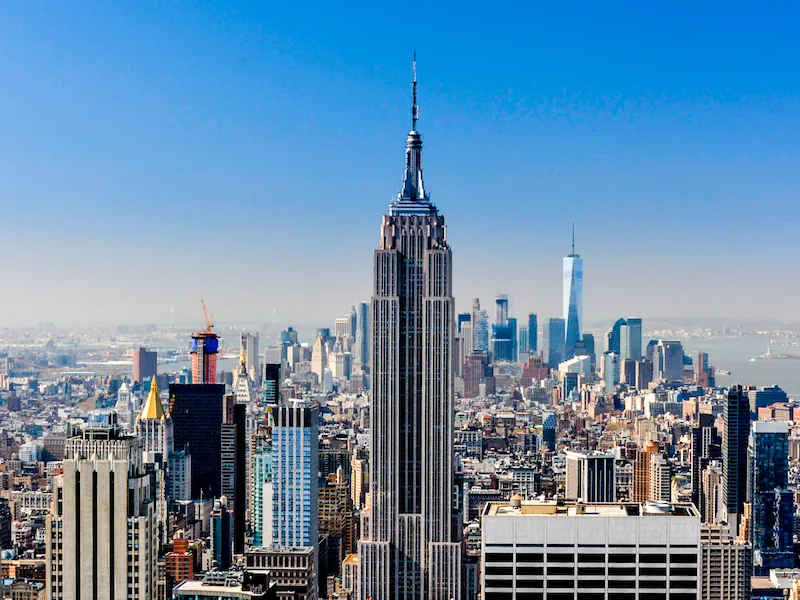
Choose one skyline deck – Area: Midtown / Lower Manhattan · Best for: First-time visitors and short stays · Time needed: 1.5 to 2.5 hours · Worth it: Yes: Top of the Rock, SUMMIT, Edge, Empire State Building and One World all serve different trip styles, but most visitors only need one. · Book ahead: Yes for sunset, holidays and peak hours.
Take the Statue of Liberty and Ellis Island ferry – Area: Lower Manhattan · Best for: History-focused first trips · Time needed: 4 to 5 hours · Worth it: Yes, but only if you want the immigration-history angle as much as the icon itself. · Book ahead: Yes.
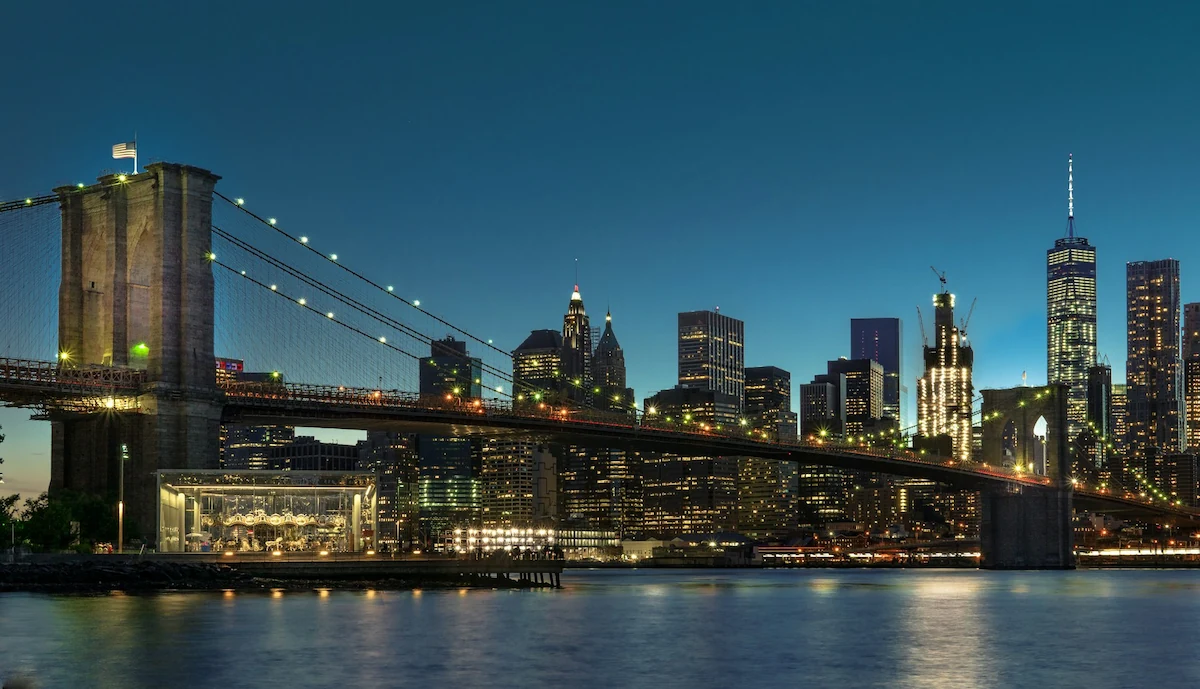
Cross the Brooklyn Bridge and continue into DUMBO or Brooklyn Heights – Area: Lower Manhattan / Brooklyn · Best for: Views, photos and an easy classic route · Time needed: 2 to 3 hours · Worth it: Yes, especially early or late in the day when the walk feels less congested. · Book ahead: No.
See a Broadway show – Area: Theater District · Best for: Evening plans with real New York payoff · Time needed: 2.5 to 3 hours · Worth it: Yes, if you choose the production carefully rather than grabbing the first available ticket. · Book ahead: Usually yes.
Spend half a day at The Met or the American Museum of Natural History – Area: Upper East Side / Upper West Side · Best for: Culture-first travelers and families · Time needed: 3 to 4 hours · Worth it: Absolutely, but treat it as a focused visit rather than trying to conquer an entire museum in one pass. · Book ahead: Helpful, not essential.
Do Lower Manhattan properly – Area: Financial District / Battery Park / World Trade Center · Best for: Travelers who want history, waterfront and major symbols in one zone · Time needed: 4 to 6 hours · Worth it: Yes, because this part of the city layers history, memorial architecture and harbor views unusually well. · Book ahead: Only for specific tickets or museum entries.
Walk the High Line and continue through Chelsea – Area: Chelsea / Hudson Yards / Meatpacking · Best for: Modern New York and easy daytime pacing · Time needed: 2 to 4 hours · Worth it: Yes, especially if combined with food, galleries, the Whitney or a west-side observation deck. · Book ahead: No.
Do one serious neighborhood evening – Area: Greenwich Village / Lower East Side / Chinatown / Williamsburg · Best for: Travelers who want the city beyond landmarks · Time needed: 3 to 5 hours · Worth it: Yes: this is where New York starts feeling lived-in rather than just visited. · Book ahead: Only for restaurants, jazz, comedy or specific venues.
Use a ferry for skyline and harbor perspective – Area: Lower Manhattan / East River / New York Harbor · Best for: Budget-conscious travelers and skyline views · Time needed: 1 to 2 hours · Worth it: Yes: the Staten Island Ferry and NYC Ferry are some of the best low-cost perspective shifts in the city. · Book ahead: No.
How to choose well in New York
New York is one of the easiest cities in the world to overbook badly. The trap is not a lack of things to do, but treating every famous place as equal. The strongest trips combine a few high-payoff anchors with neighborhoods, food, parks, ferries and enough breathing room for the city to feel alive rather than exhausting.
Do not stack too many major-ticket attractions in one day; transit, queues, museum fatigue and crowd pressure add up quickly.
Choose one skyline experience, not three, unless observation decks are a genuine focus of the trip.
Plan by zones: Midtown for icons and structured visits, uptown for museums and parks, downtown for texture, Brooklyn for skyline perspective, Queens for food depth.
Pair museums with nearby neighborhoods or parks so the day feels like New York, not just indoor box-ticking.
Reserve headline experiences that regularly bottleneck, then keep flexible time for parks, ferries, walks, markets and spontaneous meals.
For short stays, prioritize range over completion: one great museum, one skyline moment, one harbor or bridge route, one strong evening and one neighborhood session.
Use Brooklyn, Queens and Harlem deliberately; they should widen the city, not become rushed symbolic detours.
Adjust by season: winter favors museums, shows and food; summer needs early outdoor movement and waterfront evenings; Christmas requires selective festive planning to avoid crowd overload.
Iconic New York attractions that still earn your time
New York’s headline sights are famous for a reason, but they do not all deliver in the same way. Some are best for the view, some for the symbolism, and some only work if you approach them at the right time of day. The goal here is not to do everything iconic, but to pick the New York attractions and experiences that actually sharpen your trip.
Top of the Rock for the most balanced skyline view – If you want one classic observation deck, this is often the smartest first choice because it includes the Empire State Building in the view and feels centrally placed in a Midtown day. It is less about spectacle than about getting the city’s geometry immediately. (First-time essential · Best for: A short first trip)Find tours & experiences
SUMMIT One Vanderbilt for a more theatrical skyline stop – SUMMIT is not just a view platform; it is designed as a reflective, immersive experience with a stronger wow factor than older decks. It suits travelers who want the skyline packaged as an event rather than a simple lookout. (High payoff · Best for: Modern, high-energy sightseeing)Find tours & experiences
The Statue of Liberty and Ellis Island as a history-heavy half day – This works best when you care about immigration history and harbor perspective, not just ticking off the statue. It takes longer than many first-timers expect, so it deserves a dedicated block rather than being squeezed between other plans. (Worth it · Best for: History-focused travelers)Find tours & experiences
Brooklyn Bridge on foot, then DUMBO for the payoff – The bridge itself is the approach; the real win is pairing it with the skyline framing, waterfront, and street texture on the Brooklyn side. Early morning gives it more clarity, while late afternoon gives it more atmosphere. (Best for: Walkers and photographers)
Times Square once, quickly, and at the right moment – Times Square is rarely a place to linger, but it is still worth seeing once at night to understand the city’s exaggerated commercial scale. The mistake is treating it as an area to spend your whole evening. (Only if you have time · Best for: A first visual hit of Midtown)
Grand Central Terminal as a real stop, not just a transit hall – Grand Central works because it compresses grandeur, movement, and old New York into a short visit. It fits especially well with Midtown East, Bryant Park, or SUMMIT rather than as a detached photo stop. (Best for: Short, high-yield architecture stops)
The High Line into Hudson Yards – This is one of the easiest modern New York sequences to enjoy: elevated walking, architecture, food nearby, and the option to end with a skyline deck. It is polished and popular, but still a smart use of a daytime slot. (Best for: Easy half-day structure)
Broadway as your signature New York evening – A good Broadway night gives the trip a different register from sightseeing-heavy days. It is worth doing if you choose the show deliberately and accept that the experience matters more than saying you went to Broadway in the abstract. (Best in the evening · Best for: A strong night plan)Find tours & experiences
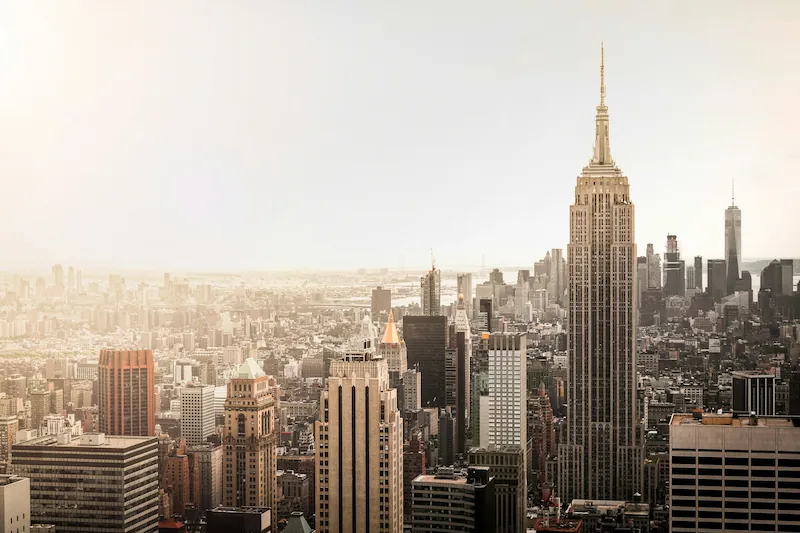
Empire State Building for classic New York symbolism – If you want the most iconic skyscraper experience in New York, the Empire State Building still delivers as a cultural symbol as much as a view. It makes more sense when you want old-school New York identity and Art Deco atmosphere, not just the most modern observation deck. (Classic icon · Best for: Classic first trips)Find tours & experiences
One World Observatory for the strongest Lower Manhattan perspective – This is the skyline deck that works best when your day is already built around Lower Manhattan, the 9/11 Memorial, and the harbor edge. It gives you a very different reading of the city from Midtown decks, with more water, more distance, and a clearer sense of New York’s southern tip. (High payoff · Best for: Lower Manhattan days)Find tours & experiences
Rockefeller Center beyond the observation deck – Rockefeller Center is worth treating as more than an elevator ride. The plaza, surrounding Midtown architecture, seasonal atmosphere, and easy links to Fifth Avenue, St. Patrick’s Cathedral, and Radio City make it one of the city’s most efficient classic sightseeing clusters. (Best for: Midtown first-timers)
Ride the Roosevelt Island Tram for a sharper, less obvious city angle – This is one of the smartest unique things to do in New York if you want aerial views without turning the whole moment into a major-ticket attraction. It feels more local, lighter, and more surprising than many first-time visitors expect. (Unique · Best for: Repeat visitors and view seekers)
Edge at Hudson Yards for a sharper west-side skyline angle – Edge makes the most sense when your day is already built around the High Line, Chelsea, or Hudson Yards. It gives a different western-facing city perspective from Top of the Rock or SUMMIT, and it works best as the finale to a modern New York corridor rather than as a standalone detour. (View choice · Best for: High Line and Hudson Yards days)Find tours & experiences
New York Public Library and Bryant Park as a free Midtown reset – The main branch of the New York Public Library and Bryant Park are one of Midtown’s smartest low-friction pairings: architecture, civic scale, seating, seasonal programming, and a calmer pause between more intense sights. It is especially useful when Times Square or Fifth Avenue starts to feel too blunt. (Free · Best for: Architecture, Midtown pacing, and rainy-day pivots)
Fifth Avenue, St. Patrick’s Cathedral, and classic Midtown on foot – Fifth Avenue is not where New York becomes subtle, but it is one of the clearest ways to read the city’s retail, landmark, and Midtown spectacle layer. Pair it with St. Patrick’s Cathedral, Rockefeller Center, and a short park or library reset rather than treating it as a full shopping day by default. (Classic · Best for: First-time Midtown sightseeing)
Use Radio City and Rockefeller Center for seasonal New York atmosphere – Radio City and Rockefeller Center become especially valuable when timing adds atmosphere: Christmas lights, winter skating, show nights, or a broader Midtown route. Outside those moments, they still work as a compact classic cluster, but the seasonal layer is what turns them from background into experience. (Seasonal · Best for: Christmas, winter, and Midtown evenings)
Cultural things to do in New York that go beyond box-ticking
New York’s cultural strength is not only its museum quality, but the range of moods those institutions create. Some visits are about scale and masterpieces, others about sharper themes, tighter storytelling, or contemporary energy. The trick is choosing the museum or cultural experience that matches your pace and interests, not defaulting to the biggest one every time.
The Met with a focused route instead of a maximalist marathon – The Metropolitan Museum of Art rewards selectivity. Pick two or three departments, allow time for the building itself, and use Central Park or Madison Avenue nearby to stop the visit from becoming visually exhausting. (First-time essential · Best for: Travelers who want one major museum done properly)Find tours & experiences
MoMA for a concentrated modern-art hit – MoMA suits travelers who want a shorter, more famous-name-heavy museum session than The Met. It is compact enough to fit into a Midtown day and strong enough to justify the stop even on a packed itinerary. (High payoff · Best for: A shorter museum window)Find tours & experiences
The 9/11 Memorial and Museum when you want weight, not speed – This is one of the city’s most affecting visits and needs the right headspace. The museum is detailed and emotionally heavy, so it works better as the main indoor anchor of the day than as a quick add-on. (Best for: Travelers who want context and reflection)Find tours & experiences
The Cloisters for a quieter cultural detour – This is one of the best culture choices in New York if you want calm, views, and a museum visit that feels spatially different from central Manhattan. It is not a first-trip essential, but it is one of the city’s most distinctive museum experiences. (Unique · Best for: Repeat visitors and slower stays)
Lincoln Center for performance-led culture beyond Broadway – If your trip leans cultural, Lincoln Center offers a different New York evening from the commercial intensity of Broadway. It is especially strong for travelers who prefer music, dance, or a more formal performance setting. (Best for: Culture-first evenings)Find tours & experiences
The American Museum of Natural History for one of the city’s best family and rainy-day anchors – This is one of New York’s safest high-payoff museum choices if you want scale, recognizable highlights, and broad appeal across ages. It works especially well with the Upper West Side and Central Park West rather than as a detached museum errand. (Family favorite · Best for: Families, rainy days, and broad-interest travelers)Find tours & experiences
The Whitney Museum if you want contemporary art in the right setting – The Whitney works best when paired with the High Line, Chelsea, or the Meatpacking District. It is less encyclopedic than MoMA and more about giving a modern downtown day sharper cultural substance. (Best for: Contemporary art and Chelsea days)Find tours & experiences
The Tenement Museum for immigration history with real neighborhood context – If you want New York history that feels embedded in the street rather than isolated inside a grand institution, this is one of the city’s most distinctive cultural visits. It adds real depth to a Lower East Side day and complements Ellis Island particularly well. (Unique · Best for: History-aware travelers)Find tours & experiences
The Guggenheim for architecture and a tighter museum format – The Guggenheim is one of New York’s most useful museum choices when you want a strong architectural experience as much as a collection. It works best as part of a Museum Mile or Central Park East day rather than as a rushed cross-town detour. (Museum pick · Best for: Architecture, art, and Upper East Side days)Find tours & experiences
The Frick Collection for a quieter, more refined art experience – The Frick gives a very different cultural rhythm from The Met or MoMA: smaller scale, old-world interiors, and a more focused sense of collection. It is best for travelers who want art without museum exhaustion and who appreciate atmosphere as much as quantity. (Calmer culture · Best for: Art-focused travelers and couples)
Museum of the City of New York for urban context – If you want to understand New York as a city rather than only as a collection of icons, this museum adds useful context. It is not usually the first museum for a short trip, but it is a strong choice for repeat visitors or anyone interested in how New York became New York. (Context · Best for: Urban history and repeat visitors)
Brooklyn Museum and Brooklyn Botanic Garden as a culture-and-space pairing – This pairing works well when you want a Brooklyn day that is more than DUMBO and skyline views. The museum adds cultural depth, while the Botanic Garden gives the day seasonal and outdoor range, especially in spring. (Brooklyn layer · Best for: Longer stays, families, and spring trips)
Harlem and the Apollo Theater for music history and uptown culture – Harlem deserves more than a token mention. Used well, it adds music history, Black cultural heritage, architecture, churches, restaurants, and a very different uptown rhythm from Midtown or downtown Manhattan. (Essential borough depth · Best for: Music history and culture-first travelers)Find tours & experiences
Choose one jazz club evening for a deeper New York night – A good jazz night gives New York a more rooted evening identity than another generic rooftop or bar. It works especially well in the Village, Harlem, or a music-led downtown night, provided you book or arrive with realistic timing. (Night culture · Best for: Couples, culture-first stays, and repeat visitors)
Use a comedy club for a distinctly local evening – Comedy is one of New York’s strongest night formats because it feels local, energetic, and relatively easy to fit into a downtown evening. It is not for every traveler, but it adds a sharper social register than another passive viewpoint. (Night culture · Best for: Friends, couples, and downtown nights)
Local experiences that make New York feel like more than landmarks
What many trips miss is the city’s texture between major attractions: the streets where walking is the point, the waterfront stretches that change the pace, and the neighborhoods that reveal how New York actually lives. These experiences are less about headline status and more about perspective, rhythm, and contrast.
West Village and Greenwich Village on foot – This is one of the easiest parts of Manhattan to enjoy without an agenda: lower-rise streets, good cafés, casual browsing, and a stronger neighborhood feel than Midtown. It works best when you let the walk lead and keep only one or two fixed stops. (Best for: Travelers who want texture over checklists)
Lower East Side for layered old-and-new New York – The Lower East Side still gives one of the clearest reads on change in New York: immigrant history, nightlife, food, bars, and a downtown edge that feels distinct from polished Manhattan zones. It rewards wandering with intent rather than speed. (Best for: Repeat visitors or strong second days)
A Brooklyn waterfront sequence from Brooklyn Heights to DUMBO – This is less about checking off Brooklyn and more about enjoying one of the city’s strongest urban walks. The combination of brownstone calm, bridge framing, skyline views, and waterfront space gives a cleaner, more breathable New York afternoon. (High payoff · Best for: Walkers and first repeat visits)
Staten Island Ferry for a low-cost harbor perspective – The ferry is one of the best-value things to do in New York because it changes your angle on the skyline without demanding a complicated plan. It works especially well near sunset or when you want a lighter alternative to formal harbor cruises. (Free · Best for: Budget-conscious travelers)
Prospect Park and Park Slope if Manhattan feels too over-programmed – If you want a neighborhood day with more local rhythm, this Brooklyn pairing gives you park space, calmer streets, and strong café or brunch options. It is not core for a rushed first trip, but it is excellent once you want range. (Best for: Longer stays)
Chinatown as one of the city’s most rewarding street-level experiences – Chinatown is not just about eating; it is one of the best places in Manhattan to feel density, commerce, movement, and old-meets-new New York at street level. It works best when paired with the Lower East Side, Nolita, or Soho rather than treated as a single restaurant stop. (High payoff · Best for: Food, texture, and first repeat visits)
SoHo for cast-iron streets, browsing, and a cleaner downtown walk – SoHo is one of the easiest neighborhoods to enjoy if you want architecture, shopping, and a polished downtown walk without the intensity of Midtown. It is less about landmarks than about atmosphere, storefront rhythm, and linking several neighborhoods well. (Best for: Shopping-led afternoons and downtown walks)
Williamsburg for Brooklyn energy beyond the postcard version – If you want Brooklyn to feel current rather than purely scenic, Williamsburg gives you cafés, restaurants, bars, and East River views with a different pace from DUMBO. It is especially good on longer stays or return visits when you want New York beyond the default route. (Best for: Longer stays and evening plans)
Governors Island in season for space, skyline, and a different harbor mood – This is one of the best unique outdoor things to do in New York in warmer months if you want room to breathe without leaving the city. It gives you harbor views, a slower rhythm, and a version of New York that feels unexpectedly open. (Seasonal · Best for: Spring and summer trips)
Take the NYC Ferry for a more local waterfront perspective – Unlike formal cruises, the NYC Ferry folds skyline views into the city’s everyday transport logic. It is one of the smartest ways to add water, perspective, and a lower-effort scenic moment to a Brooklyn or East River day. (Local favorite · Best for: Scenic transport and flexible itineraries)
Harlem on foot for architecture, food, and cultural rhythm – Harlem is one of the most important additions to a fuller New York trip because it shifts the city north and changes the cultural register. Focus on a real route, food stop, music or church context rather than trying to compress the neighborhood into one photo stop. (Uptown depth · Best for: Culture, food, and repeat visitors)
Queens food crawl in Jackson Heights or Flushing – Queens is one of the best answers to the question of what makes New York a world city. Jackson Heights and Flushing work especially well for travelers who want immigrant food cultures, street-level energy, and a trip that expands beyond Manhattan’s familiar frame. (High payoff · Best for: Food-first travelers and repeat visitors)Find tours & experiences
East Village for a sharper downtown night and food scene – The East Village is one of the best areas for travelers who want New York to feel more local, informal, and night-ready. It works well for food, bars, comedy, music, and a downtown evening that does not feel as polished as the West Village. (Nightlife · Best for: Food, bars, and repeat visits)
Bushwick street art when you want Brooklyn beyond Williamsburg – Bushwick is one of the most useful Brooklyn add-ons if you want murals, warehouse blocks, creative energy, and a more contemporary texture than the classic waterfront. It is not essential on a first short trip, but it adds real range on longer stays. (Hidden gem · Best for: Street art and repeat visitors)
Little Island and Hudson River Park for an outdoor west-side reset – Little Island and the Hudson River waterfront are useful when you want public space, water, skyline edges, and a lower-effort pause near Chelsea or the West Village. They are especially good in warm weather or as a bridge between High Line and downtown plans. (Outdoor · Best for: Summer, families, and west-side walks)
Washington Square Park as the Village’s social center – Washington Square Park is not a formal attraction, but it is one of the clearest places to feel downtown Manhattan’s public life. It works best as part of a Greenwich Village, NYU, comedy, food, or West Village walk. (Local rhythm · Best for: Village walks and people-watching)
Coney Island for a seasonal beach-and-boardwalk shift – Coney Island is best treated as a seasonal New York excursion rather than a must-do attraction. In warm weather, it adds beach, boardwalk, amusement-park nostalgia, and a completely different city rhythm from Manhattan. (Seasonal · Best for: Summer, families, and longer stays)
Food experiences in New York that actually add something to the trip
New York food is less about one signature meal than about range, neighborhoods, and timing. The best food experiences are rarely the most overdesigned or the most overbooked. They work because they plug into the city around them: a market after a walk, a bagel before a museum, a slice between neighborhoods, or a downtown dinner after an afternoon of wandering.
Do one serious food market, not three – Chelsea Market works well when you are already in the High Line or Meatpacking orbit, while Essex Market fits better into a Lower East Side day. Choose the one that supports your route instead of turning markets into a standalone mission. (Best for: Flexible daytime eating)
Build a downtown meal around Chinatown or the Lower East Side – One of the smartest ways to eat in New York is to make dinner part of a neighborhood evening rather than an isolated reservation. Chinatown and the Lower East Side are especially good for range, energy, and meals that still feel grounded in the city. (High payoff · Best for: Food-first evenings)Find tours & experiences
Take one good bagel stop seriously – A strong New York morning often starts with a proper bagel rather than a generic hotel breakfast. It is a small choice, but it changes the day’s tone and keeps the trip from feeling detached from the city’s everyday food culture. (Best for: Efficient mornings)
Book a classic steakhouse only if that is truly your lane – New York has steakhouse history, but it is not automatically the best use of a limited meal budget. Do it if the ritual matters to you; otherwise, neighborhood-led meals often give the trip more personality. (Only if you have time · Best for: Travelers who want a classic splurge dinner)
Use a food tour selectively in dense neighborhoods – A guided food tour can add real value in places where the city’s history and food cultures overlap, especially on a first visit to the Lower East Side or Chinatown. It is less useful in straightforward restaurant zones where wandering already works well. (Best for: First-time food-curious travelers)Find tours & experiences
Do one proper New York pizza stop – A good New York pizza stop is not filler; it is one of the city’s most direct food experiences. It works best when treated as part of a neighborhood rhythm, whether that means a quick downtown slice or a more deliberate sit-down classic. (Essential food experience · Best for: Efficient lunches and classic New York flavor)
Use brunch selectively rather than letting it consume the day – New York brunch can be great, but it easily becomes a long reservation that eats the best sightseeing hours. Use it when the neighborhood matters — West Village, Williamsburg, or the Lower East Side — and keep it lighter on short first trips. (Weekend strategy · Best for: Weekend trips and neighborhood mornings)
Do one classic deli or old-school New York institution – A proper deli meal adds a different register to the trip from markets, trendy restaurants, or tasting menus. It is one of the clearest ways to connect food with immigrant history, appetite, and old New York character. (Classic · Best for: History-linked food experiences)
Eat through Queens instead of keeping every meal in Manhattan – A Queens food session is one of the strongest New York food experiences because it reveals the city’s immigrant depth more clearly than many polished Manhattan restaurants. Jackson Heights and Flushing are the clearest starting points for most visitors. (High payoff · Best for: Food-first travelers)Find tours & experiences
Try a halal cart or street-food stop when the route naturally fits – Street food is part of New York’s everyday pace. A halal cart, hot dog, or quick street-food stop works best as a practical city moment rather than a forced food pilgrimage. (Budget · Best for: Efficient lunches and casual food)
Use a rooftop bar for skyline atmosphere, not as a whole-night plan – A rooftop can be worth it if you want skyline drinks, but many are line-heavy and expensive. Treat it as one chapter in the evening, ideally paired with dinner nearby rather than a cross-town mission. (Night · Best for: Couples, groups, and skyline evenings)
Choose a dessert or bakery stop as a neighborhood add-on – New York dessert culture is broad enough to deserve one focused stop, from classic bakeries to newer downtown addresses. It works best when attached to a neighborhood walk rather than pursued across the city for a single viral item. (Food add-on · Best for: Families, couples, and casual food lovers)
Use a food hall when logistics matter more than a formal restaurant – Food halls can be useful when groups disagree, weather turns, or you need flexible timing near a major route. Chelsea Market, Time Out Market, Essex Market, and Midtown food halls all serve different trip geographies. (Practical · Best for: Groups, rainy days, and flexible meals)
What to do in New York for first-time visitors
For a first trip, New York works best when you combine one or two major icons with one museum, one real neighborhood stretch, and one strong evening. You do not need to prove you saw everything; you need enough range to understand why the city feels the way it does.
Start with one skyline deck, not several. Top of the Rock is often the clearest all-round first pick.
Choose between The Met, MoMA, and the American Museum of Natural History unless museums are the core reason for the trip.
Make time for a harbor, bridge, or waterfront moment so the city does not stay entirely street-level.
Dedicate one evening to Broadway, jazz, comedy, or a downtown dinner zone.
Use Central Park as structure, not filler: pair it with a museum or Upper East / Upper West Side walk.
Do Lower Manhattan if you want symbols and history; do downtown neighborhoods if you want texture.
Priority
Why
Best for
Do first
Top of the Rock or SUMMIT
Understanding the city fast
Do first
Central Park + one museum
A classic New York day
Do next
Brooklyn Bridge + DUMBO
Views and a satisfying walk
Do next
Broadway or a strong evening plan
Giving the trip a night identity
Free things to do in New York that are genuinely worth it
New York is expensive, but some of its most useful experiences cost little or nothing. The best free picks are not random budget fillers; they are the walks, views, and public spaces that help the city open up.
Ride the Staten Island Ferry for harbor views and a strong look at Lower Manhattan.
Walk the Brooklyn Bridge early in the day, then continue into DUMBO or Brooklyn Heights.
Use Central Park as a real half-day experience rather than a quick shortcut.
Spend time on the High Line if your route already includes Chelsea or Hudson Yards.
Walk sections of the Hudson River waterfront for a slower side of Manhattan.
Browse neighborhoods such as Greenwich Village, SoHo, Chinatown, and the Lower East Side with no strict agenda.
Look for museum free hours or pay-what-you-wish policies where relevant rather than assuming every museum needs full-price entry.
Free activity
Best for
Time
Staten Island Ferry
Skyline and harbor perspective
1.5 to 2 hours
Brooklyn Bridge walk
Classic photos and movement
1 to 2 hours
Central Park
Open-air reset
2 to 4 hours
Village or LES wandering
Neighborhood feel
2 to 3 hours
Unique things to do in New York beyond the obvious
New York does not need forced novelty, but it rewards travelers who choose a few experiences with a sharper angle. The best unique picks are the ones that show a different texture of the city rather than just chasing oddity for its own sake.
Visit The Cloisters for a museum setting that feels completely unlike Midtown Manhattan.
See the skyline from Roosevelt Island or pair the tram with the East River perspective.
Take a more architecture-led walk through Midtown East instead of defaulting to Times Square.
Use Governors Island in season if you want more breathing room and a very different harbor mood.
Choose SUMMIT over a traditional deck if you want a more immersive, designed skyline experience.
Build an evening around jazz or comedy instead of making every night a restaurant reservation.
Visit the Tenement Museum if you want one of the city’s strongest history experiences outside the standard monument circuit.
Choose Williamsburg for Brooklyn energy that feels current rather than purely postcard-driven.
Things to do in New York at night
New York at night works best when you choose a mode: performance, skyline, neighborhood energy, or a slower dinner-led evening. Trying to do all four in one night usually flattens the experience.
See a Broadway show if you want one big evening anchor with minimal planning friction once tickets are secured.
Go to an observation deck after dark or at sunset if skyline lighting matters more to you than daytime clarity.
Spend the evening in the West Village, East Village, Lower East Side, or Williamsburg for a less staged version of the city.
Spend one evening around a jazz club if you want a more rooted New York night than a generic bar plan.
Choose a comedy club when you want something distinctly local, energetic, and easier to fit into a downtown evening.
Use rooftop bars selectively for skyline drinks and atmosphere, but avoid turning the whole evening into a line-heavy venue mission.
Use Times Square briefly before or after a show rather than treating it as the main event.
Do a waterfront walk in Brooklyn or along the Hudson if you want a calmer evening reset.
Night plan
Mood
Best for
Broadway
Classic and high-energy
First visits
Downtown neighborhood dinner
Local and social
Food and atmosphere
Observation deck at sunset
Visual payoff
Short stays
Jazz club evening
Classic and atmospheric
Couples and culture-first stays
Comedy club
Local and high-energy
Friends and downtown nights
Things to do in New York with kids
New York with kids works best when days are built around movement, contrast, and a limited number of fixed entries. The city is stimulating enough on its own; over-scheduling usually backfires.
Central Park is one of the strongest family anchors because it breaks up museum time and gives space to reset.
The American Museum of Natural History is usually one of the safest high-payoff indoor choices with children.
The Staten Island Ferry works well for families because it is simple, scenic, and does not require a long commitment.
The High Line can work with older children if paired with Chelsea Market or Hudson Yards.
Observation decks suit kids who like spectacle, but timed sunset slots can be tiring with younger children.
Broadway can be a strong family choice if the production is selected carefully rather than chosen for name value alone.
Roosevelt Island Tram rides and ferry rides work well with kids because they add movement and views without excessive commitment.
Family pick
Best age fit
Weather fit
Time
Central Park
All ages
Good weather
2 to 4 hours
American Museum of Natural History
School-age and up
Rainy or cold
2.5 to 4 hours
Staten Island Ferry
All ages
Most conditions
1.5 to 2 hours
Broadway family-friendly show
Varies by show
Any
Evening
Things to do in New York when it rains
Rain in New York is not a reason to lose the day. The smartest move is to shift into one strong museum or indoor anchor, then add compact food, shopping, or performance elements nearby rather than forcing a soaked cross-city schedule.
Do The Met if you want a full rainy-day anchor that can carry several hours without feeling repetitive.
Pick MoMA when you want a shorter museum visit that still feels top-tier.
Use the American Museum of Natural History when you want a broad-interest indoor option that works especially well for families.
Choose the Tenement Museum for a more focused history-led rainy-day visit downtown.
Use Chelsea Market as a supporting stop, not the entire rainy-day plan.
Go to a matinee if the weather makes long outdoor sightseeing unappealing.
Use Grand Central, the New York Public Library area, or Midtown interiors for compact architectural stops.
Keep downtown food neighborhoods in play if the rain is light and your plan is more about eating than monument-hopping.
Rainy Day pick
Best for
Trip fit
The Met
A long indoor block
Culture-first stays
MoMA
A shorter, cleaner museum stop
Packed itineraries
Broadway matinee
Turning bad weather into a strong highlight
First trips
Chelsea Market + nearby indoor stops
Light structure
Flexible afternoons
Things to do in New York by area
Midtown
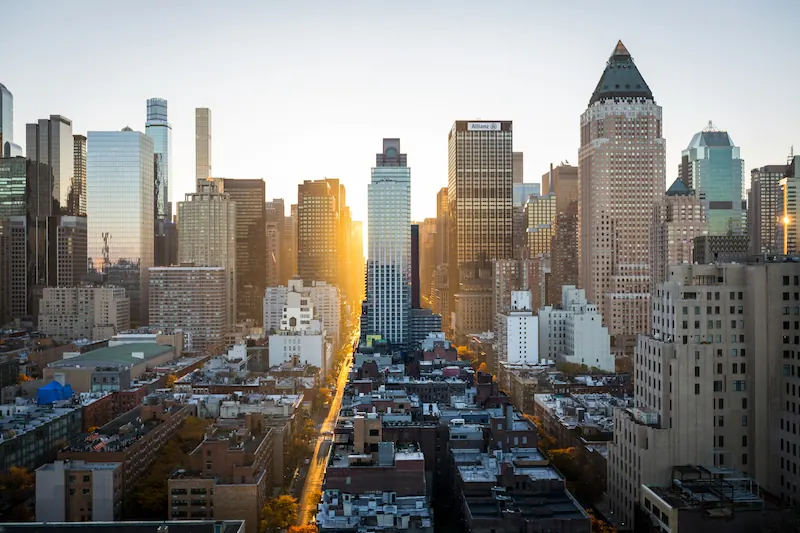
Midtown is where New York’s vertical, iconic side is easiest to access. It works best for skyline decks, Broadway, classic landmarks, and efficient first-time sightseeing rather than slow neighborhood wandering.
Top of the Rock or SUMMIT
Broadway and the Theater District
Grand Central Terminal
Bryant Park and the New York Public Library exterior
Quick access to MoMA and Fifth Avenue
Lower Manhattan
Lower Manhattan is one of the city’s strongest zones for visitors who want history, harbor access, memorial architecture, and a more layered sense of how New York began. It deserves a fuller half day than many travelers give it.
Statue of Liberty and Ellis Island departures
9/11 Memorial and Museum
Battery Park waterfront
Wall Street and the Financial District
Staten Island Ferry
Upper East Side
This area is ideal when you want a museum-led day with a calmer, more classic Manhattan frame. It is less about high-energy sightseeing and more about doing one major cultural visit properly.
The Met
Museum Mile access
Central Park edge walking
Madison Avenue browsing
A slower lunch or café break
Chelsea, Meatpacking and Hudson Yards
This is one of the easiest modern New York corridors to structure well. It combines walking, food, architecture, and skyline payoff without too much logistical friction.
The High Line
Chelsea Market
Edge observation deck
Gallery stops in Chelsea
Meatpacking for late-day energy
Greenwich Village and West Village
This is the right area when you want New York to feel more human-scale and less programmed. It is not about monuments; it is about rhythm, cafés, side streets, and a better kind of evening wandering.
Street wandering without strict targets
Independent cafés and bars
Washington Square Park
Easy dinner-led evenings
A strong contrast with Midtown
Brooklyn waterfront
The Brooklyn waterfront is one of the city’s best scenic zones because it mixes skyline views with a slower pace. It is especially strong after the Brooklyn Bridge or as a separate afternoon when Manhattan starts to feel too dense.
DUMBO
Brooklyn Bridge Park
Brooklyn Heights Promenade
Skyline photography
Waterfront walking
Upper West Side
This area works especially well when you want museum depth, park access, and a more residential Manhattan frame. It is one of the best parts of the city for families, slower mornings, and cultural visits that do not feel trapped inside Midtown density.
American Museum of Natural History
Central Park West
Lincoln Center
Riverside or park-edge walking
A calmer classic Manhattan rhythm
SoHo, Nolita and Chinatown
This downtown cluster is one of the best areas in New York for combining shopping, architecture, street energy, and strong food. It works better as a walk-through sequence than as a list of fixed attractions.
SoHo cast-iron streets
Chinatown food and street life
Nolita cafés and lighter browsing
Downtown walking with strong variety
Easy links to the Lower East Side
Williamsburg
Williamsburg is one of the best areas to experience Brooklyn as a current lifestyle district rather than a classic viewpoint stop. It suits longer stays, food-led afternoons, and evenings that feel more local than ceremonial.
East River views
Cafés and restaurants
Bars and nightlife
Brooklyn energy beyond DUMBO
A smart repeat-visit area
Harlem
Harlem adds a crucial uptown layer to New York through music history, Black cultural heritage, food, churches, and architecture. It works best with context and enough time rather than as a rushed token stop.
Apollo Theater
jazz, gospel, or music history
food and neighborhood walking
northern Central Park pairings
Museum of the City of New York nearby
Queens
Queens is one of the strongest areas for food-first travelers and repeat visitors because it shows New York as a global city more clearly than many classic attractions do.
Jackson Heights food crawl
Flushing food depth
Long Island City skyline views
Flushing Meadows Corona Park
Queens Museum on longer stays
East Village and Lower East Side
This downtown area is ideal for travelers who want nightlife, food, immigrant history, casual restaurants, bars, comedy, and a less polished street rhythm than the West Village.
Tenement Museum
East Village food and bars
Lower East Side food history
comedy and music venues
easy links to Chinatown and SoHo
Bushwick and deeper Brooklyn
Bushwick and surrounding Brooklyn areas work best for repeat visitors who want street art, warehouse textures, creative energy, and a more contemporary Brooklyn layer than the classic waterfront.
Bushwick Collective
street art walks
cafés and bars
Williamsburg extensions
repeat-visit Brooklyn texture
What to prioritize in New York depending on your trip
The right New York plan depends less on ambition than on clarity. These trade-offs matter more than long lists.
Profile
Prioritize
Skip
Structure
Half day
One tight cluster such as Midtown icons, Central Park + museum, or Brooklyn Bridge + DUMBO
Statue of Liberty, multiple museums, cross-city hopping
Choose one anchor and one supporting walk or meal
1 day
One skyline deck, one major walkable zone, one evening plan
Trying to do both Liberty Island and several museums
Morning icon, afternoon neighborhood or museum, evening show or downtown dinner
2 days
A balance of Midtown, Lower Manhattan, one museum, and one Brooklyn or downtown neighborhood stretch
Redundant observation decks and weak filler attractions
Day 1 classic icons, Day 2 culture plus local texture
3 days
One serious museum, one harbor or bridge experience, one Broadway or music night, real neighborhood time
Rushed museum stacking
Alternate heavy anchors with lighter walk-and-food windows
First trip
Range: skyline, park, museum, Lower Manhattan, one strong evening
Too many niche detours
Build for contrast so the city feels broad, not repetitive
Repeat visit
Brooklyn, The Cloisters, neighborhood evenings, specialist food or performance choices
Re-running the same Midtown formula unless you truly want it
Use one familiar icon at most, then lean into texture and specificity
4 to 5 days
Skyline, Central Park, one or two major museums, Lower Manhattan, Brooklyn, Queens or Harlem, and at least two strong evening plans
Repeating similar Midtown experiences just because they are famous
Use the extra time to expand by borough and theme rather than adding more of the same
Family trip
Central Park, American Museum of Natural History, ferries, one skyline deck, and a carefully chosen show
Too many late-night or fixed-ticket commitments
Alternate spectacle with open space and shorter food stops
Food-first trip
Chinatown, Lower East Side, Queens, pizza, bagels, deli, and one special dinner or food tour
Restaurant plans that force inefficient cross-city travel
Build days around neighborhoods where food and walking support each other
Winter or Christmas trip
Museums, Broadway, jazz or comedy, Rockefeller/Bryant Park seasonal atmosphere, and shorter outdoor routes
Overexposed waterfront walks on very cold days
Use one festive or indoor anchor per day, then add compact neighborhood time
Teen trip
SUMMIT or Edge, SoHo/Chinatown, Brooklyn Bridge, East Village or Williamsburg, comedy, sports, or Broadway
Long museum blocks without a clear reason
Mix spectacle, food, neighborhoods, and one high-energy night
Best day trips from New York
The best day trips from New York are not the ones that look most ambitious on a map, but the ones that remain realistic without draining the whole trip. Prioritize places that add a clear contrast: river towns, art, beaches, history, university atmosphere or a different urban rhythm.
Excursion
Best for
Time needed
First trip?
Transport
Book ahead
Beacon and the Hudson Valley
Art, river views and a calmer small-city reset
Full day
Good on stays of 5+ days, especially if you want a break from Manhattan intensity.
Metro-North from Grand Central to Beacon.
Recommended for Dia Beacon and peak train periods.
Cold Spring and the Hudson Highlands
Small-town atmosphere, river scenery and light hiking
Full day
Best for longer stays or repeat visitors who want nature without renting a car.
Metro-North from Grand Central.
Usually no, though weekends are busier in good weather.
Storm King Art Center
Outdoor sculpture, landscapes and a high-impact art day
Full day
Excellent if art and open space matter more than adding another city.
Best by car, seasonal bus connection or organized transfer.
A different major city with history, museums and food
Long full day
Worth considering on longer New York stays if you want a real urban contrast.
Amtrak or intercity bus from Manhattan.
Yes for better rail fares and timed museum or historic-site plans. Check options
Washington DC
Museums, monuments and political history
Very long full day
Only if it is a specific priority; it is possible, but more tiring than it looks.
Early Amtrak from Penn Station, returning late.
Yes for train fares and any high-demand museum or Capitol-area planning. Check options
Governors Island
Harbor views, open space and a seasonal city escape
Half day
Great in warm weather if you want skyline views and breathing room without leaving the city.
Seasonal ferry from Lower Manhattan or Brooklyn.
Usually no, though special events may require planning.
Coney Island
Beach, boardwalk, amusement nostalgia and a different Brooklyn rhythm
Half day to full day
Best in warm weather or with kids; not essential for a short first visit.
Subway from Manhattan or Brooklyn.
No, except for specific events or peak summer plans.
Princeton
University-town atmosphere, architecture and a calmer cultural day
Full day
Good for longer stays if you want a quieter, polished contrast to New York.
NJ Transit or Amtrak plus local connection.
Usually no, though rail timing should be checked.
Smart New York combinations that work well together
These are not itineraries, just combinations that make geographic and experiential sense.
Central Park + The Met + Upper East Side dinner – This works because the park gives the museum visit air and contrast. It is one of the cleanest classic New York days: open space, world-class culture, then a calmer evening rather than another major sight.
Brooklyn Bridge + DUMBO + Brooklyn Heights promenade – The sequence builds naturally from movement into payoff. You get the bridge, the skyline framing, and a more breathable waterfront finish without wasting time on unnecessary detours.
High Line + Chelsea Market + Edge at sunset – This is one of the city’s easiest modern combinations because everything supports the same mood: walking, architecture, food, then a skyline finale. It works especially well on a first or second day.
Lower Manhattan + 9/11 Memorial + Staten Island Ferry – This mix gives history, emotional weight, and a harbor reset in the same part of the city. It is strong for travelers who want a more grounded New York than Midtown alone can provide.
MoMA + Midtown landmarks + Broadway – If your trip has a classic Midtown day, this is one of the most efficient ways to give it substance. The museum sharpens the day, and Broadway stops the whole zone from feeling too transactional.
American Museum of Natural History + Upper West Side + Central Park West – This is one of the best family-smart and rainy-day-flexible combinations in New York. It gives you one major indoor anchor, then lets the rest of the day expand or contract depending on weather and energy.
SoHo + Chinatown + Lower East Side dinner – This works because the day moves from architecture and browsing into density, food, and stronger downtown atmosphere. It is one of the cleanest ways to build a New York day that feels lived rather than over-curated.
High Line + Whitney Museum + Chelsea Market – This is a sharper version of the Chelsea day for travelers who want more cultural substance. The museum gives the area more purpose, while the walk and food stops keep the rhythm light.
Harlem + northern Central Park + Museum of the City of New York – This combination gives an uptown day real structure: neighborhood culture, park edge, and urban history. It is strongest on longer stays or repeat visits.
Jackson Heights food crawl + NYC subway adventure – Queens works best when you treat the travel as part of the experience. A focused food crawl gives New York a global-city dimension that Manhattan alone cannot provide.
SoHo + Chinatown + East Village night – This is a strong downtown sequence for travelers who want shopping, food, street density, and a sharper evening without relying on Midtown.
Guggenheim + Central Park East + Upper East Side lunch – This gives Museum Mile a tighter, more architecture-led alternative to a full Met day, useful for travelers who want culture without museum overload.
Bushwick street art + Williamsburg evening – A good repeat-visit Brooklyn pairing: murals and industrial texture first, then restaurants, bars, and East River energy.
Yankees or Mets game + casual food night – This works when you want local atmosphere more than formal sightseeing. Give the game enough time and do not stack it after an already heavy day.
What to book ahead in New York and what can stay flexible
New York rewards selective advance booking. Reserve the experiences that genuinely bottleneck, then leave space elsewhere so the trip does not feel over-engineered.
Can add value if you want a stronger historical and architectural reading
Popular downtown restaurants, jazz clubs, and comedy clubs
Often yes
A few days ahead for strong dinner slots or headline evening venues
No tour needed unless you specifically want a food-tour format
Staten Island Ferry or NYC Ferry
No
Just time it well, ideally near golden hour if views matter
No
Jazz clubs, comedy clubs, and popular live music venues
Recommended
Book ahead for well-known venues, weekends, and small rooms
No tour needed; focus on venue choice and timing
Sports games at Madison Square Garden, Yankee Stadium, Citi Field, or Barclays Center
Yes for popular games and good seats
Book as soon as the date fits your itinerary
No tour needed, but venue logistics matter
Dyker Heights Christmas lights or seasonal holiday tours Check options
Yes in December
Book early for peak holiday weeks
Often useful because logistics are the main friction
Queens food tours or specialist neighborhood walks Check options
Recommended if guided
A few days ahead, more for weekends
Worth it if you want context and better routing through a dense food area
FAQ: best things to do in New York
These answers cover the major decisions behind a New York activities plan: what to prioritize, what to skip, what to book, how to choose museums and skyline decks, and when to expand into Brooklyn, Queens, Harlem, or seasonal experiences.
What are the top things to do in New York for a first trip?
For a first trip, prioritize one skyline deck, Central Park, one major museum, Lower Manhattan or the Brooklyn Bridge, one neighborhood evening, and one strong night plan such as Broadway, jazz, comedy, or a downtown dinner. That mix gives you range without turning the trip into a checklist.
How many days do you need in New York?
Three full days is the minimum for a satisfying first visit. Four to five days is much better if you want museums, skyline views, Brooklyn or Queens, food experiences, and one slower local day without rushing.
What should you not miss in New York?
Do not miss a skyline view, Central Park, one major museum, a harbor or bridge moment, and a real neighborhood stretch outside Midtown. The exact choices can vary, but those layers explain the city better than any single attraction.
What is the best observation deck in New York?
Top of the Rock is usually the best all-round first choice because it includes the Empire State Building in the view. SUMMIT is best for spectacle, Edge for a Hudson Yards / west-side day, Empire State Building for classic symbolism, and One World for Lower Manhattan and harbor perspective.
Is SUMMIT One Vanderbilt worth it?
Yes, if you want an immersive, high-energy skyline experience rather than a simple lookout. It is less subtle than Top of the Rock, but it has strong visual payoff and works well in a Midtown day.
Is Edge worth it in New York?
Edge is worth it if your plan already includes the High Line, Chelsea, or Hudson Yards. It is less essential as a standalone cross-city detour, but it can be a strong west-side skyline finale.
Is the Empire State Building worth visiting?
Yes if you care about classic New York symbolism and Art Deco atmosphere. If your priority is the best view of the Empire State Building, choose Top of the Rock or SUMMIT instead.
Is the Statue of Liberty worth it?
Yes if you want immigration history, harbor scale, and a fuller Lower Manhattan day. If you mainly want a view of the statue and skyline, the Staten Island Ferry or a harbor cruise may be a better use of time.
Is Times Square worth visiting?
Yes once, briefly, preferably at night or before/after a Broadway show. It is useful for understanding New York’s commercial spectacle, but it should not be the center of your itinerary.
Is Broadway worth it?
Yes, Broadway is one of the strongest classic New York evening experiences if you choose the show carefully. Book ahead for popular productions and better seats.
What are the best free things to do in New York?
The strongest free options include the Staten Island Ferry, Central Park, Brooklyn Bridge, the High Line, Brooklyn Heights Promenade, Grand Central, Bryant Park, the New York Public Library, and neighborhood wandering in the Village, Chinatown, SoHo, or the Lower East Side.
What are unique things to do in New York?
The Cloisters, Roosevelt Island Tram, Governors Island, Bushwick street art, the Tenement Museum, Queens food walks, Harlem music history, and the NYC Ferry are some of the best less-obvious experiences that still feel genuinely connected to the city.
What are the best things to do in New York at night?
Broadway is the classic option, but jazz, comedy, rooftop bars, downtown neighborhood dinners, Brooklyn waterfront walks, and sunset observation decks can be just as strong depending on your trip style.
What are the best things to do in New York with kids?
Central Park, the American Museum of Natural History, the Staten Island Ferry, Roosevelt Island Tram, a family-friendly Broadway show, Little Island, Brooklyn Bridge Park, and carefully chosen observation decks are some of the best family-friendly options.
What are the best things to do in New York with teenagers?
Teenagers often respond well to SUMMIT or Edge, SoHo and Chinatown, Brooklyn Bridge and DUMBO, East Village or Williamsburg food, comedy, sports games, and shopping or street-art-led neighborhoods like Bushwick.
What should you do in New York when it rains?
Pick one strong indoor anchor such as The Met, MoMA, the American Museum of Natural History, the 9/11 Memorial Museum, the Tenement Museum, Broadway, Grand Central, or a food hall, then keep the rest of the day geographically compact.
What are the best museums in New York?
The Met is the best major all-round museum, MoMA is strongest for modern art in a shorter format, AMNH is best for families and rainy days, the Whitney works well with Chelsea, the Guggenheim adds architecture, and The Cloisters is the best quieter detour.
The Met or MoMA: which should you choose?
Choose The Met if you want scale, range, and a classic museum day paired with Central Park. Choose MoMA if you want a shorter, more concentrated modern-art visit that fits easily into Midtown.
What are the best neighborhoods to explore in New York?
Greenwich Village, West Village, Chinatown, Lower East Side, SoHo, Williamsburg, Brooklyn Heights, Harlem, East Village, and Jackson Heights are among the best areas to explore when you want New York beyond major attractions.
What are the best things to do in Brooklyn?
Start with Brooklyn Bridge, DUMBO, Brooklyn Heights Promenade, and Brooklyn Bridge Park. With more time, add Williamsburg, Prospect Park, Brooklyn Museum, Brooklyn Botanic Garden, Bushwick street art, or Coney Island in season.
What are the best things to do in Queens?
Queens is strongest for food and neighborhood variety. Jackson Heights and Flushing are the best food-first choices, Long Island City works for skyline views, and Flushing Meadows or the Queens Museum make sense on longer stays.
Is Harlem worth visiting?
Yes, especially if you want music history, Black cultural heritage, food, architecture, and a different uptown rhythm. Harlem works best with context and enough time rather than as a rushed detour.
What are the best food experiences in New York?
Pizza, bagels, a classic deli, Chinatown or Lower East Side food, Queens food crawl, Chelsea or Essex Market, rooftop or cocktail evenings, and selective food tours all work well when tied to the right neighborhood.
Is a New York food tour worth it?
Yes if the neighborhood is dense and context matters, especially the Lower East Side, Chinatown, Queens, or Harlem. It is less useful in areas where casual wandering already works easily.
What are romantic things to do in New York?
Walk Brooklyn Heights Promenade at sunset, choose a skyline deck, see jazz or Broadway, take a ferry, spend time in Central Park, or build a West Village or Brooklyn waterfront dinner evening.
What are the best things to do in New York in winter?
Use museums, Broadway, jazz, comedy, Grand Central, food halls, skating, and shorter outdoor walks. Winter works best when you alternate indoor anchors with brief atmospheric outdoor moments.
What are the best things to do in New York at Christmas?
Rockefeller Center, Fifth Avenue windows, Bryant Park Winter Village, Radio City, Dyker Heights lights, seasonal shows, and festive Midtown walks are the main Christmas experiences. Book ahead and expect crowds.
What are the best things to do in New York in summer?
Use early mornings for outdoor walks, then shift to museums, food halls, or indoor breaks during heat. Governors Island, Coney Island, Little Island, Hudson River Park, NYC Ferry, and waterfront evenings are especially strong in summer.
What should you skip in New York?
Skip repeated observation decks unless views are your priority, overlong Times Square time, weak tourist-trap restaurants, and day trips that steal time from a short first visit. The best trip edits hard.
What should you book ahead in New York?
Book Broadway, sunset observation decks, Statue of Liberty / Ellis Island, popular restaurants, jazz or comedy clubs, sports events, and seasonal Christmas experiences ahead. Many parks, walks, ferries, and neighborhoods can stay flexible.
Are day trips from New York worth it?
Only on longer stays. Beacon, Storm King, Philadelphia, Coney Island, Fire Island, Sleepy Hollow, and Woodbury Common can work depending on the season and interests, but a first visit under four days should usually stay focused on New York itself.
Is Coney Island worth it?
Coney Island is worth it in warm weather or if you want a beach, boardwalk, and nostalgic amusement-park shift. It is not a core first-trip essential in winter or on a very short stay.
Is Niagara Falls a good day trip from New York?
Not as a standard day trip. It is too far to be efficient by normal train or road travel and works better as an overnight or flight-based side trip if it is a real priority.
What is the best way to see the New York skyline for free?
Use the Staten Island Ferry, Brooklyn Heights Promenade, Brooklyn Bridge Park, Roosevelt Island Tram, Long Island City waterfront, or sections of the NYC Ferry depending on the angle you want.
How should you structure a 3-day New York trip?
Use one day for Midtown and a skyline or Broadway plan, one day for Central Park and a major museum, and one day for Lower Manhattan, Brooklyn Bridge, DUMBO, or downtown neighborhoods. Add food and evening plans around those clusters.
Is New York expensive for activities?
It can be, especially if you stack observation decks, Broadway, museums, and tours. Balance paid anchors with free parks, ferries, neighborhood walks, and casual food so the trip does not become ticket-heavy.
Where should I go shopping in New York?
Shopping in New York works best when it supports a neighborhood day rather than replacing one. The strongest areas are usually Fifth Avenue for classic scale, SoHo for cast-iron streets and brand density, and smaller downtown zones when you want something less formulaic. The strongest choices are: Use SoHo when you want shopping to feel tied to architecture, cafés, and walking rather than just retail volume.; Use Fifth Avenue selectively for classic Midtown scale, flagships, and holiday-season atmosphere.; Treat shopping as part of a route, not the entire day, unless retail is a real priority of the trip..
What are the best things to do in New York for couples?
New York works well for couples when you choose contrast: one skyline moment, one neighborhood walk, one strong meal, and one evening format that feels like an event rather than another reservation. The strongest choices are: Use Top of the Rock, SUMMIT, Edge, or a rooftop bar for one skyline-led moment rather than repeating views.; Pair the West Village, Brooklyn Heights, or Central Park with dinner nearby for a softer city rhythm.; Choose jazz, Broadway, comedy, or a smaller performance night if you want the evening to feel distinctly New York.; Use the NYC Ferry or Brooklyn waterfront at golden hour for a low-friction romantic view.; Avoid overloading the day with too many fixed tickets; the best couple days usually need space for wandering and food..
What are the best cheap or low-cost things to do in New York?
New York is expensive, but a strong trip can still be built around public space, ferries, neighborhoods, parks, and selective paid anchors. The strongest choices are: Use free skyline and water moments: Staten Island Ferry, Brooklyn Heights Promenade, Governors Island ferry seasonally, and waterfront parks.; Lean into neighborhoods — Village, Chinatown, SoHo, LES, Williamsburg — where walking is the activity.; Use one paid anchor per day rather than stacking tickets.; Build meals around pizza, bagels, markets, delis, carts, and casual neighborhood restaurants.; Look for museum free hours and pay-what-you-wish options where they fit your schedule..
Should I add sports or live events to a New York trip?
A live event can be one of the most memorable New York experiences because it adds local energy that sightseeing alone cannot provide. The strongest choices are: Madison Square Garden is the easiest venue to integrate for Knicks, Rangers, concerts, and major events.; Yankees or Mets games are strongest if you want a classic American sports experience and can give it enough time.; Barclays Center can pair well with Brooklyn dining or a longer Brooklyn evening.; Check event logistics before committing; venue location can shape the entire evening.; Sports are most worth it when you want atmosphere, not just another attraction..
What are the best hidden gems in New York?
New York’s best less-obvious experiences are not necessarily secret. They are the places that change your angle on the city without demanding that you abandon the main trip structure. The strongest choices are: The Cloisters gives museum calm and Hudson views far from Midtown’s tempo.; Roosevelt Island Tram gives a quick aerial shift without major-ticket weight.; Governors Island changes the city’s pace in warm seasons.; Bushwick adds street art and industrial Brooklyn texture.; The Tenement Museum gives history with neighborhood specificity..
New York is strongest when you choose range deliberately: skyline, park, museum, neighborhood, food, water, and one evening that gives the trip its own rhythm.
Turn the right experiences into the right itinerary
Once you know what you want to do in New York, the next step is turning those ideas into a trip that actually works day by day. Use the planner to organize the right mix of highlights, neighborhoods, and pace into a route that feels coherent, not crowded.