
Where to stay in New York
Find the best neighborhoods and hotels in New York.
Open page →
Plan your trip to New York with a structure that fits the city’s real pace: where to stay, which neighborhoods matter, what to prioritize, and how to connect icons, museums, food, parks, ferries, and boroughs without turning the trip into exhausting zigzags. New York is not one center but a set of linked urban systems; once you understand the grid, the water, the subway, and the neighborhood rhythms, the apparent chaos becomes remarkably navigable.
Find the best neighborhoods and hotels in New York.
Open page →
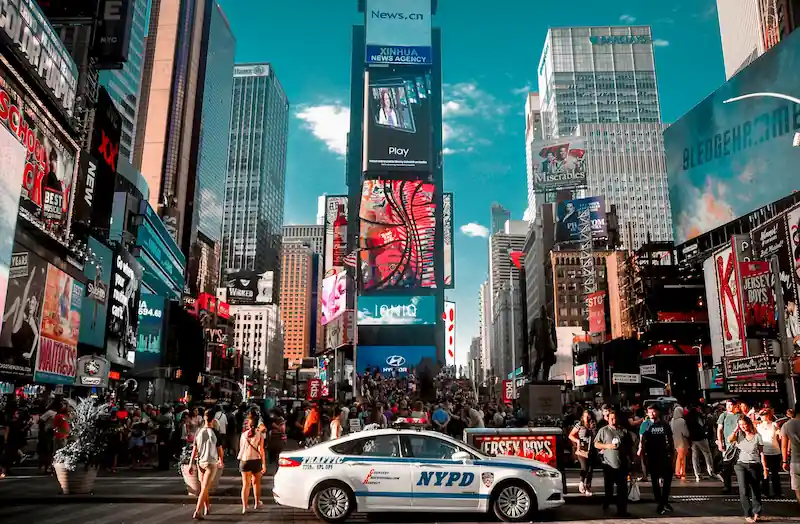
Prioritize the activities that deserve your time in New York.
Open page →
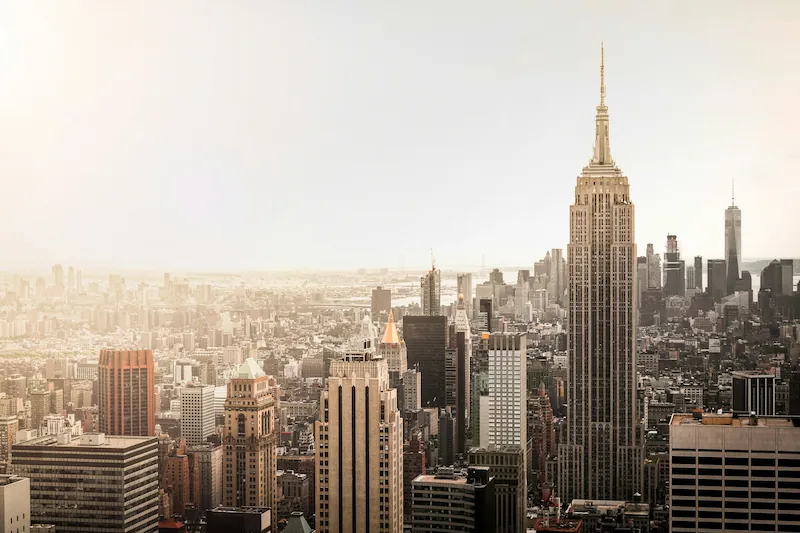
2 Days in New York: Best First-Time Itinerary
Open itinerary →
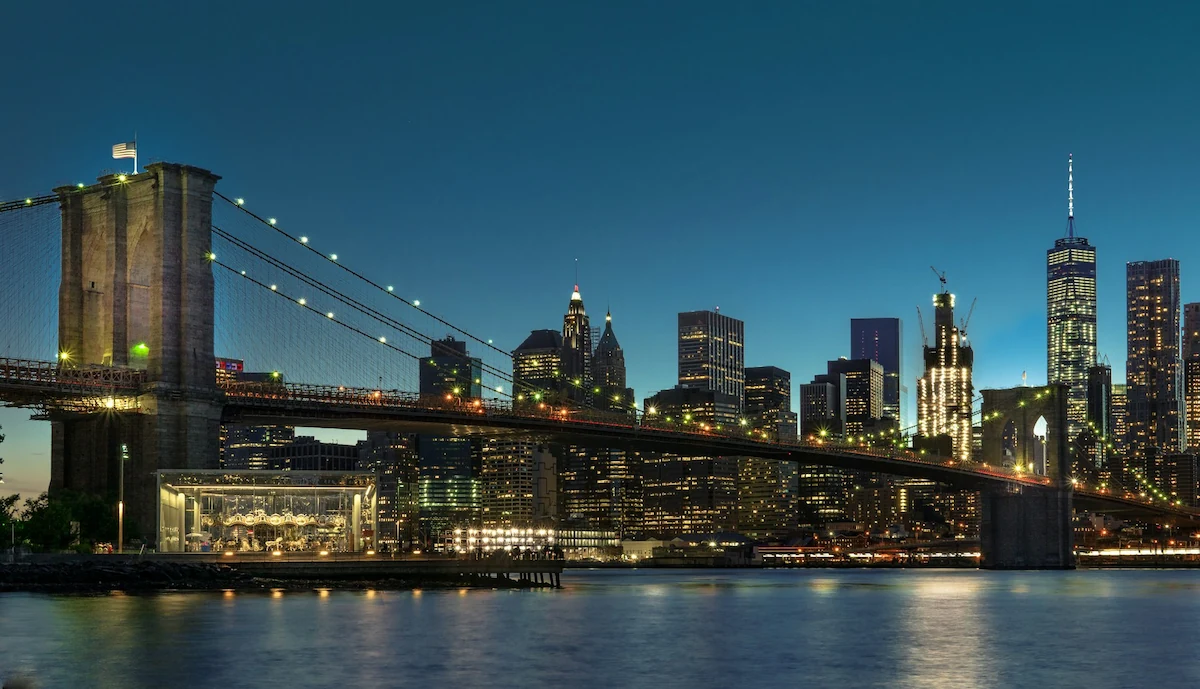
3 Days in New York: Best First-Time Itinerary
Open itinerary →
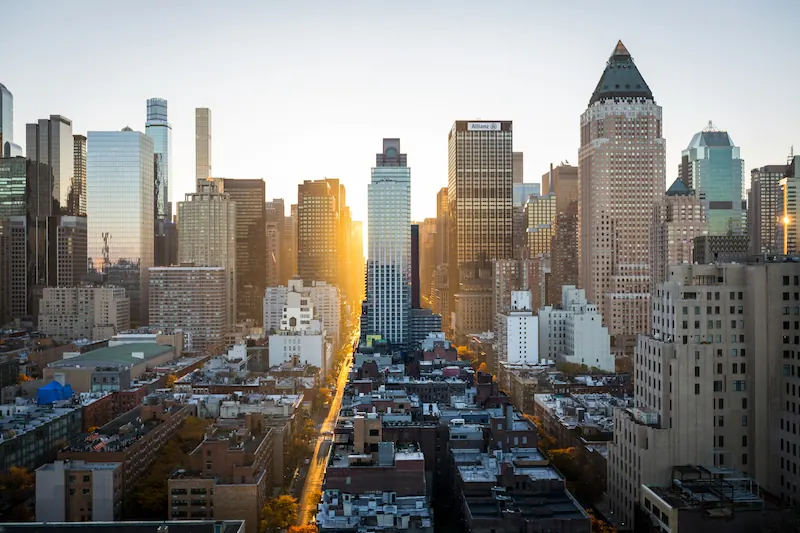
5 Days in New York: Best Complete Itinerary
Open itinerary →
7 Days in New York: Best Complete Itinerary
Open itinerary →
New York is a high-density city of linked micro-worlds: Midtown efficiency, uptown culture, downtown texture, Brooklyn perspective, Queens food depth, and harbor geography. Manhattan may be the default mental map, but the strongest trips use neighborhoods and transit logic to make the city readable rather than simply busy.
New York remains one of the world’s highest-return city trips because it compresses art, theater, skyline drama, immigrant food cultures, public parks, waterfront movement, and neighborhood identity into a transit-connected urban system. The best version is not a race through famous places; it is a sequence of well-chosen zones where the city’s intensity is balanced with parks, ferries, museums, and local streets.
Best time: Late spring and early autumn are the strongest all-round windows; December is spectacle-heavy but crowded; midsummer requires heat-aware pacing.
Ideal trip length: 4 days for a strong first visit; 5–7 days if you want borough texture, deeper museums, food-led exploration, and recovery time.
New York’s biggest cost pressure is accommodation, followed by late-booked premium experiences. Subway travel and casual food can stay efficient, but hotels, observation decks, Broadway, major museums, and high-demand restaurants punish poor timing. A well-located hotel near strong subway lines often beats a cheaper base that forces daily transfers or taxis.
New York works through zones. Midtown is the operational core, uptown is strongest for museums and parks, downtown is denser and more historically layered, Brooklyn adds skyline perspective and neighborhood range, Queens expands the food map, and the harbor gives the city its oldest orientation. Treating all of this as one continuous checklist is the fastest way to lose energy.
Water defines the city as much as the grid. Rivers shape bridges, ferries, skyline views, and borough relationships; Central Park interrupts Manhattan’s density; Lower Manhattan faces the harbor; Brooklyn and Queens change the perspective from inside the towers to looking back at them.
Weekdays move with commuter tides, Midtown pressure, office lunches, and theater evenings. Weekends redistribute energy toward parks, brunch corridors, waterfronts, galleries, and neighborhood shopping. Late nights remain active, but each district has a different kind of after-dark logic.
Think in half-day zones, not isolated attractions. A good first trip might use Midtown, Central Park/Uptown museums, Lower Manhattan/harbor, Brooklyn Bridge/DUMBO, and one downtown food-and-neighborhood sequence. Once those systems are clear, the city becomes easier to personalize.
Open the planner
Build each half-day around one coherent zone rather than crossing the city for isolated icons. Alternate intensity with recovery: museums with parks, Midtown with waterfronts, bridges with slower neighborhoods, and theater with a nearby dinner. Use major reservations as anchors, then fill the surrounding time with adjacent streets, parks, food stops, or ferries. Choose one observation deck, not several, unless skyline views are the reason for the trip. Keep evenings near the district you already occupy whenever possible. Use Brooklyn and Queens deliberately: they should widen the city, not become rushed symbolic detours. On longer stays, expand outward only after Manhattan’s core logic is already clear.
Vibe: residential, cultural, park-adjacent, quietly elegant
Why go: The Upper West Side is one of the clearest places to understand New York as a livable city rather than a pure visitor machine. Central Park, Riverside Park, Lincoln Center, and the American Museum of Natural History create a daily rhythm that balances major culture with quieter residential streets.
Who it fits: first-time visitors who want calm evenings, families, museum-first travelers, park walkers, and anyone who wants strong subway access without sleeping in Midtown intensity
Not for: travelers who want nightlife outside the hotel door or an immediately downtown creative scene
Where to stay: One of the strongest strategic bases for a first or second trip: calm enough to recover, connected enough to move efficiently, and culturally rich enough to structure whole days nearby.
Vibe: cast-iron architecture, boutique retail, downtown style, high daytime energy
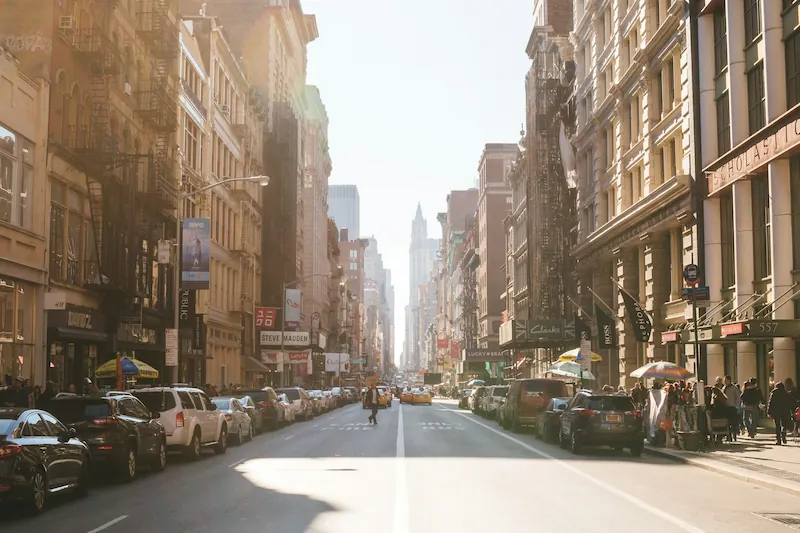
Why go: SoHo helps visitors read downtown Manhattan through architecture, shopping, galleries, cafés, and short connections into Nolita, Tribeca, the Village, and the Lower East Side. It is not only a retail district; it is a compact way to experience lower Manhattan’s walkability.
Who it fits: design-aware travelers, couples, shoppers, downtown first-timers, and visitors who want a hotel embedded in lower Manhattan rather than a purely logistical Midtown base
Not for: travelers sensitive to daytime crowds, high room prices, or smaller boutique-hotel layouts
Where to stay: Best when downtown atmosphere matters as much as transport convenience, especially on 4- to 6-day trips with food, galleries, and neighborhood walking built in.
Vibe: creative, waterfront-facing, food-led, socially kinetic
Why go: Williamsburg gives New York a Brooklyn register without losing skyline drama. The neighborhood works as a second-trip base or a first-trip counterweight to Manhattan, especially when restaurants, bars, waterfront walks, and larger hotel footprints matter.
Who it fits: repeat visitors, Brooklyn-curious first-timers, food-led travelers, nightlife-light travelers, and visitors who want more contemporary neighborhood energy
Not for: travelers unwilling to rely on the subway or taxis after late dinners, or anyone who wants Manhattan landmarks directly outside the door
Where to stay: A strong Brooklyn base when the trip is not Manhattan-only, with more space and atmosphere than many central hotels if booked early.
Vibe: vertical, efficient, intense, relentlessly central
Why go: Midtown is not New York’s most atmospheric base, but it is one of its most operationally useful. It reduces transit decisions for short stays, Broadway nights, observation decks, Fifth Avenue, Grand Central, and classic first-trip logistics.
Who it fits: travelers with limited time, first-timers with packed itineraries, theater-goers, business-leisure stays, and visitors who prioritize movement efficiency over neighborhood intimacy
Not for: travelers seeking local texture, quieter nights, large rooms, or a slower neighborhood identity
Where to stay: Choose Midtown for convenience, not romance. It performs best on short stays when subway access and landmark proximity matter more than atmosphere.
Vibe: historic, human-scale, literary, quietly charismatic
Why go: Greenwich Village is one of the best districts for understanding how New York breaks its own grid. Small streets, cafés, music history, Washington Square, restaurants, and nearby SoHo or Chelsea links make it a high-value walking base.
Who it fits: couples, culture-focused travelers, repeat visitors, food-led travelers, and anyone who wants atmosphere without giving up downtown access
Not for: visitors who need large-chain hotel predictability or immediate access to every classic landmark
Where to stay: One of Manhattan’s most atmospheric bases, especially if the trip values evening walks and downtown texture over pure logistical centrality.
Vibe: vertical, historic, polished by day, calmer at night
Why go: The Financial District is one of the best bases for harbor logic, Lower Manhattan, ferries, the 9/11 Memorial, Battery Park, Brooklyn Bridge access, and weekend hotel value. It also gives a different read on New York as a port and financial city.
Who it fits: value-oriented travelers, harbor-focused first-timers, business-leisure stays, and visitors comfortable commuting uptown for some evenings
Not for: travelers who want spontaneous late dining, classic brownstone atmosphere, or central access to every Manhattan zone
Where to stay: A smart value base when Lower Manhattan and ferry access matter, but less ideal if nightlife and central restaurant density are priorities.
Vibe: polished, museum-adjacent, residential, composed
Why go: The Upper East Side works when culture, Central Park, and calmer evenings matter more than downtown edge. Museum Mile, refined streets, and reliable transport give a structured, less chaotic Manhattan base.
Who it fits: museum-first travelers, families, older travelers, luxury-leaning stays, and visitors who want Manhattan without the loudest nighttime energy
Not for: travelers prioritizing nightlife, creative grit, downtown restaurants, or Brooklyn access every day
Where to stay: A strong base for culture and calm, especially when the Met, Guggenheim, Central Park, and walkable residential streets are part of the trip logic.
Vibe: gallery-led, adaptable, design-forward, highly walkable
Why go: Chelsea is one of the best neighborhoods for turning New York into a coherent half-day: High Line, galleries, Hudson Yards edges, the Whitney nearby, food halls, and downtown access all sit within a readable walking corridor.
Who it fits: couples, second-time visitors, art-first travelers, design-led stays, and visitors who want modern Manhattan without full Midtown density
Not for: travelers seeking old New York romance, quiet brownstone calm, or the simplest first-time landmark access
Where to stay: A practical and stylish Manhattan base when you want High Line access, downtown movement, and better neighborhood texture than Midtown.
Vibe: dense, layered, food-rich, historic, restless
Why go: The Lower East Side and Chinatown give one of the clearest reads on immigrant New York, downtown nightlife, independent food culture, and the city’s ability to change texture block by block.
Who it fits: food-led travelers, repeat visitors, younger couples, nightlife-light explorers, and visitors who want real neighborhood density rather than polished Manhattan
Not for: travelers who need quiet nights, large hotel rooms, or a highly polished hotel zone
Where to stay: A high-character downtown base with strong food access and historical depth, best for travelers comfortable with street energy and smaller rooms.
Vibe: scenic, composed, waterfront-facing, visually high-reward
Why go: Brooklyn Heights and DUMBO are the best areas for understanding New York from outside Manhattan without feeling disconnected from it. The promenade, Brooklyn Bridge Park, skyline views, and bridge access create one of the city’s strongest spatial introductions.
Who it fits: first-timers who want views with less Midtown pressure, couples, families, photographers, and travelers who value decompression after Manhattan days
Not for: travelers who want maximum subway centrality, deep nightlife, or broad hotel supply
Where to stay: A strong scenic base when skyline perspective and calm matter, though hotel choice is narrower and prices can be high.
New York’s best experiences are useful when they explain how the city works: skyline and harbor, grid and park, museum depth, Broadway evenings, downtown immigration layers, Brooklyn perspective, Queens food corridors, and local movement systems. The strongest trip is not a generic activity list, but a sequence of experiences that helps the city become more legible day after day.
Planning tip: For a first trip, protect one skyline or harbor moment, one major museum, one park reset, one Broadway or evening-cultural anchor, one downtown food or history layer, and one Brooklyn perspective. Everything else should support that structure.
The Statue of Liberty is not only a monument stop; it is the harbor key to understanding New York as an arrival city. The first ferry keeps security lines, deck crowds, and visitor fatigue under control while giving the skyline, water, and symbol enough space to register.
Tip: Board before 9am if this is a priority, or use the Staten Island Ferry if you only need the harbor perspective.
The Brooklyn Bridge is most useful because it physically explains the relationship between Brooklyn, Lower Manhattan, the East River, and the skyline. Walking toward Manhattan turns the city into a gradual reveal rather than a static photo stop.
Tip: Start from Brooklyn early, then continue into DUMBO or Lower Manhattan rather than treating it as isolated.
Check guided tours →
Summit One Vanderbilt represents the modern observation-deck layer of New York: theatrical, reflective, high-impact, and most useful when it helps you read Midtown’s density. It should not be stacked with multiple other decks on a short trip.
Tip: Choose one major observation deck for a first trip; book late afternoon when visibility is clear.
Grand Central is a free lesson in New York movement. The architecture matters, but the real value is watching commuters, visitors, light, staircases, balconies, and train logic converge inside one civic room.
Tip: Use it as a Midtown connector between Rockefeller Center, Fifth Avenue, Bryant Park, or Summit.
Central Park is not a single attraction; it is the reset system that makes Manhattan sustainable. A good traversal changes the pace of a day, links east and west, and shows the skyline through open lawns, rock, paths, and tree cover.
Tip: Use the park to soften a museum or Midtown day rather than as a rushed checklist item.
Check guided tours →
Times Square is rarely the best daytime use of energy, but it remains one of New York’s most recognizable urban spectacles. Late night keeps the screens and scale while reducing the worst movement friction.
Tip: Do it briefly, late, and intentionally; do not let it dominate a prime sightseeing window.
Broadway is one of the few paid experiences that can define a New York evening without requiring more movement. It gives the trip a cultural anchor and turns Midtown from transit zone into destination.
Tip: Choose the show carefully; midweek performances often combine better prices with easier logistics.
The Empire State Building still matters because it anchors the idea of classic vertical New York. It can be a deck, a street-framed icon, or part of a Midtown architecture route, but it should not be treated as mandatory if another observation deck already fits better.
Tip: Use it to read Midtown’s older skyscraper language, especially from the street or a nearby viewpoint.
One World Observatory is the best deck for understanding Lower Manhattan, the harbor, rivers, and southern geometry of the city. Its value is strongest when paired with the 9/11 site, Battery Park, or ferry movement rather than a separate Midtown day.
Tip: Choose it over a Midtown deck if harbor geography matters more than classic skyscraper density.
The Roosevelt Island Tram is a lighter, more local skyline experience. It is not a first-trip non-negotiable, but it helps visitors understand the East River edge, vertical transport, and everyday infrastructure-as-view.
Tip: Use it as an add-on when you are already on the Upper East Side or need a lower-cost view.
Check guided tours →
Rockefeller Center works best as a Midtown cluster: architecture, plaza, Fifth Avenue, St. Patrick’s, Top of the Rock, seasonal rituals, and office-city energy. It is stronger as a district sequence than a single photo stop.
Tip: Attach it to a Midtown route instead of separating it from nearby icons.
The Met is too large to “do” casually. Its role is to anchor a museum-led Upper Manhattan day and show New York as a global cultural capital. A single-wing strategy makes the visit memorable instead of exhausting.
Tip: Choose one wing before entering; pair the visit with Central Park or the Upper East Side.
MoMA gives Midtown a serious cultural counterweight. It works best when treated as a focused modern-art sequence rather than a pause between retail and observation decks.
Tip: Start high and descend, or choose a specific movement if time is tight.
The High Line explains Chelsea’s shift from industrial infrastructure to designed public space. Its value is strongest when paired with Chelsea galleries, the Whitney, Hudson Yards, or the Meatpacking District.
Tip: Walk it as part of a Chelsea sequence, not as an isolated elevated promenade.
The Tenement Museum gives New York human depth at apartment scale. It connects immigration, housing, labor, neighborhood change, and family history more powerfully than another landmark stop.
Tip: Reserve ahead; the small-group format is the point.
Carnegie Hall is not essential for every trip, but it deepens the city’s performing-arts layer beyond Broadway. It works best for travelers who want one quieter, more attentive cultural evening.
Tip: Check same-week programming; it can be a high-value evening when the right concert appears.
The American Museum of Natural History is one of the strongest all-ages anchors in the city. It also helps structure an Upper West Side day with Central Park, Lincoln Center, or riverside time.
Tip: Do not reduce it to a child-friendly fallback; it can carry a full cultural half day.
The Whitney is strongest when it helps connect American art, downtown architecture, the Meatpacking District, and the High Line. Detached from that geography, it loses some of its trip value.
Tip: Use it as the cultural anchor for a Chelsea/Meatpacking afternoon.
Harlem is essential to understanding New York’s Black cultural history, music, literature, brownstone life, and uptown geography. Even if you do not stay there, it deserves to be treated as a serious cultural layer of the city.
Tip: Give Harlem real time; a rushed add-on rarely does the neighborhood justice.
A bagel stop is less about food novelty than observing New York’s morning efficiency: line rhythm, ordering confidence, commuter compression, and neighborhood habit.
Tip: Keep it local to the neighborhood you are already using that morning.
Check guided tours →
The Staten Island Ferry is a public-transport version of harbor orientation. It gives skyline, Statue of Liberty, water, and commuter movement without turning the harbor into a major-ticket attraction.
Tip: Use it when you want the harbor read, not a full Liberty Island visit.
Independent bookstores keep the Village’s literary and intellectual identity present in the trip. They help show New York beyond monument-scale culture.
Tip: Pair it with a Village walk, café, or evening rather than crossing town for it alone.
Check guided tours →
The Hudson River Greenway gives the city a linear, open-air logic that contrasts sharply with cross-town grid movement. It is one of the best ways to understand Manhattan’s west side as waterfront rather than only streets.
Tip: Ride a defined segment; do not treat the whole greenway as a casual add-on.
A farmers market adds seasonality and local routine to a city often experienced through icons and reservations. It is not essential, but it helps slow a longer stay and reconnect the trip to neighborhood life.
Tip: Use it only if it fits naturally into your neighborhood day.
Check guided tours →
Chinatown and the Lower East Side form one of New York’s richest texture zones: immigrant history, food density, narrow blocks, nightlife edges, old storefronts, and rapid change.
Tip: Do not over-script the route; density and appetite should shape the walk.
Check guided tours →
The NYC Ferry shows New York as a waterfront network rather than only a subway grid. It works best when it connects real neighborhoods like DUMBO, Williamsburg, Wall Street, or Long Island City.
Tip: Use it as transport with a view, not as a disconnected scenic loop.
Check guided tours →
Williamsburg helps the trip widen from classic Manhattan into a contemporary Brooklyn register: restaurants, waterfront, street life, design retail, and skyline perspective in one zone.
Tip: Use it as a slower afternoon into evening, not a rushed crossing.
Check guided tours →
Governors Island is a seasonal pressure valve for New York: harbor air, open lawns, skyline distance, and a rare sense of separation without leaving the city system.
Tip: Best for spring, summer, and early autumn trips when you need space after dense days.
Modern Korean fine dining shows New York’s ability to turn immigrant food memory, technique, and luxury into a globally influential dining language. It is not essential for every traveler, but it matters for food-led trips.
Tip: Book early only if dining is a true anchor, not just a status add-on.
A slice counter is the opposite of over-planned dining: fast, cheap, local, and spatially useful.
Tip: Use slices as itinerary infrastructure between neighborhoods.
A Lower East Side food walk can connect Jewish, Eastern European, Chinese, Puerto Rican, and newer downtown food layers better than a list of restaurants. It works when history and tasting reinforce each other.
Tip: Choose small-group or historically serious tours; avoid generic tasting crawls.
Queens is the strongest argument against staying inside Manhattan-only New York. Its food corridors reveal immigrant New York at metropolitan scale, from Jackson Heights to Flushing and beyond.
Tip: Pick one corridor and commit; roaming randomly across Queens wastes the point.
A classic cocktail bar can turn an evening into a neighborhood finish rather than a commute home. It is a supporting layer, best after theater, galleries, or a downtown dinner.
Tip: Weeknights usually give a better version of the experience.
A classic deli keeps old New York appetite, immigrant food history, speed, and scale in the trip. It should be a real meal anchor, not only a photo of a sandwich.
Tip: Go hungry and attach it to a downtown or Midtown route.
Check food options →
Chinatown is most valuable as a district: bakeries, dumplings, noodles, groceries, tea, old storefronts, and overlapping histories. Treating it as one restaurant misses the point.
Tip: Eat lightly at multiple places and leave room for side streets.
Check food options →
A Brooklyn meal gives the trip range, especially when paired with Williamsburg, DUMBO, Fort Greene, or the waterfront. It helps move New York from landmark checklist to lived metropolitan food city.
Tip: Attach the meal to a Brooklyn evening rather than making it a pure destination commute.
New York is too large, dense, and rewarding to approach as a list of famous stops. The strongest trip protects the experiences that explain the city’s structure, then adds neighborhoods, food, and culture around them. The goal is not to see everything; it is to avoid wasting the best hours on weak sequencing.
New York works well with children when the plan uses movement itself as part of the experience and avoids overloading dense Midtown blocks. Ferries, Central Park, subway rides, bridges, museums, observation decks, and waterfront parks can be more effective than a long list of adult landmarks. The city becomes easier for families when each day has one main anchor, one outdoor reset, and a realistic exit plan if energy drops.
Duration determines whether New York feels like a rush through icons or a legible set of neighborhoods. Three days requires discipline; five days gives a strong first-trip rhythm; seven days allows borough depth, food exploration, and recovery windows.
Open the planner →
New York is easy to navigate only when hotel placement, subway logic, reservations, and daily geography work together. Most friction comes from poor sequencing, not from the city being fundamentally difficult.
May, June, September, and October are the easiest all-round months. December is powerful for holiday atmosphere but crowded and expensive around Midtown. January and February can work for museum and theater trips. July and August require heat-aware pacing, more indoor anchors, and fewer midday walking assumptions.
Four days is the minimum for a strong first trip. Three days can work if the plan is disciplined. Five days is the best first-trip balance. Seven days allows Brooklyn, Queens, Harlem, deeper museums, food corridors, and slower recovery windows.
Optimize for subway adjacency and evening return logic rather than symbolic centrality alone. Midtown is efficient, Upper West Side is balanced, SoHo/Village/Chelsea are atmospheric downtown options, Financial District can be strong value, and Brooklyn works best when you actively want that perspective.
JFK, Newark, and LaGuardia all work, but arrival strategy depends on hotel location, luggage, time of day, and tolerance for transfers. Pre-decide whether rail, taxi, ride-hailing, or airport bus makes sense before landing.
The subway is usually the backbone. Walking connects adjacent districts. Ferries are excellent on waterfront days. Taxis and ride-hailing are useful late at night, with luggage, or after high-fatigue days, but can be slower than expected through Midtown traffic.
New York is generally straightforward for visitors using normal urban awareness. The main risks are practical: fatigue, weather exposure, distraction theft in dense areas, poor late-night routing, and overambitious days that leave people tired and reactive.
The best time to visit New York depends on whether you want walking comfort, holiday spectacle, cultural depth, or lower prices. Late spring and early autumn are the strongest overall windows because parks, streets, museums, rooftops, ferries, and evenings all work together. Winter can be excellent for theater and museums if you accept cold wind. Summer can still work but needs shade, indoor anchors, and slower pacing.
April to June brings improving weather, strong park life, outdoor dining, and excellent walking conditions. Late April through June is one of the easiest windows for a first trip.
July and August are hot, humid, and busy. Build days around museums, ferries, shaded parks, and evening movement rather than all-day pavement walking.
September and October are among the best months: clear light, strong cultural calendars, comfortable walking, and excellent neighborhood exploration.
December delivers spectacle and crowds; January and February bring colder conditions but better value and excellent museum, theater, and restaurant-focused trips.
Not seeing your next stop yet? Build a fully personalized itinerary anywhere in the United States.
Most New York planning questions come down to time, area choice, sequencing, transport, and how much classic sightseeing to balance with neighborhoods and food.
Four days is enough for a strong first visit if you plan by zones. Five days is better because it allows Central Park, one or two museums, Lower Manhattan, a Brooklyn perspective, Broadway, food neighborhoods, and some recovery time without constant rushing.
Prioritize one skyline or harbor view, Central Park, one major museum or cultural anchor, Broadway or another strong evening experience, Lower Manhattan or the Brooklyn Bridge, and one neighborhood food sequence such as Chinatown, the Lower East Side, or Queens on longer stays.
Midtown is a good place to stay when convenience matters most, especially on short first trips, Broadway-heavy stays, or packed itineraries. It is less ideal if you want neighborhood charm, quiet evenings, or more local food texture right outside the hotel.
Stay in Manhattan for a first short trip if you want the simplest access to major museums, Midtown, Central Park, and classic landmarks. Stay in Brooklyn if you want skyline perspective, larger-feeling hotels, stronger neighborhood evenings, or you have already seen the Manhattan basics.
Times Square is worth seeing briefly because it is one of New York’s most recognizable spectacles, but it is rarely worth building a day around. Late evening or after a Broadway show is usually better than peak daytime crowd periods.
There is no universal best deck. Summit One Vanderbilt is theatrical and Midtown-focused, Empire State Building is classic, Top of the Rock gives a strong Empire State view, and One World Observatory explains Lower Manhattan and the harbor. Choose one based on the geography you want to understand.
Liberty Island is worth it if the monument matters to you and you can go early. If you mainly want harbor views and a Statue of Liberty perspective, the Staten Island Ferry or a harbor route may be enough and far more efficient.
The subway is the backbone for most trips, walking connects adjacent neighborhoods, and ferries are excellent for waterfront days. Taxis and ride-hailing help late at night, with luggage, or after high-fatigue days, but traffic can make them slower than expected.
New York is generally manageable for tourists using normal city awareness. The bigger issues are fatigue, distraction in crowds, weather exposure, late-night routing, and overambitious schedules rather than constant danger.
Skip multiple observation decks on a short trip, peak-hour Times Square unless you specifically want the crowd, scattered cross-borough zigzags, and restaurant detours that do not support the day’s geography.
For first-time visitors, walking from Brooklyn toward Manhattan usually gives the better reveal because the skyline builds in front of you. Pair it with DUMBO, Brooklyn Bridge Park, or Lower Manhattan.
Queens is excellent for food-led travelers and trips of five days or more, but it should be planned around a specific corridor such as Jackson Heights, Flushing, or Astoria. On a very short first trip, focus on Manhattan and one Brooklyn layer first.
There is no single best food area. Chinatown and the Lower East Side are excellent for downtown food history, Queens for immigrant regional depth, Williamsburg and Brooklyn for contemporary dining, and the Village or SoHo for atmospheric restaurant evenings.
Yes, if the trip is paced carefully. Central Park, ferries, the American Museum of Natural History, observation decks, Brooklyn Bridge Park, and short subway rides often work better than long adult-oriented landmark days.
May, June, September, and October are the best overall months. December is special for holiday atmosphere but crowded. Winter is good for museums and theater if you tolerate cold. Summer needs heat-aware planning.
Yes, especially for museums, Broadway, restaurants, holiday lights, and lower post-holiday hotel pressure. The trade-off is shorter outdoor stamina because wind and cold can make long walking days harder.
Keep it disciplined: one Midtown or Broadway layer, one Central Park or museum layer, one Lower Manhattan or Brooklyn Bridge layer, and one downtown food/neighborhood evening. Avoid trying to add Queens, multiple museums, and several decks into three days.
Plan each half-day around one zone, build in park or waterfront resets, avoid repeated cross-town transfers, and make evenings local to where you already are. Overwhelm usually comes from weak sequencing more than from the city itself.
Book Broadway, popular observation decks, major timed museum entries, Statue of Liberty access, and high-demand restaurants ahead. Keep neighborhood walks, parks, ferries, and casual food flexible.
The biggest mistake is planning by famous names without geography. A day that jumps from Uptown to Brooklyn to Midtown to Queens may look exciting on paper but often feels fragmented and tiring on the ground.
New York is best when it is planned as a sequence of connected urban systems, not as a race through famous names.
Find the best places to stay, how to get there, and move around with ease.
Build a smarter trip base
Once you understand how New York works and what matters most for your trip, the next step is turning that direction into a real itinerary. Use the planner to organize your days around the right areas, experiences, and rhythm so the trip feels clear before you go.