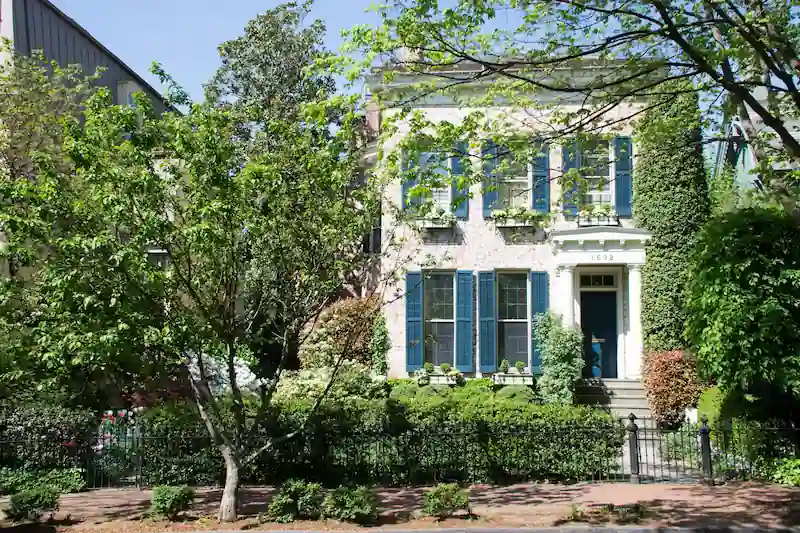
Where to stay in Washington DC
Find the best neighborhoods and hotels in Washington DC.
Open page →
Plan your trip to Washington DC, find the best areas to stay, and decide what deserves your time across the capital’s monuments, Smithsonian museums, civic institutions, historic neighborhoods, performance venues, riverfronts, parks, and day-trip options. Washington works best when you treat it as both a national capital and a lived city: one day can move from the National Mall to a major museum, then into Dupont, Logan, Georgetown, Capitol Hill, or the Wharf where the scale becomes more human.
Find the best neighborhoods and hotels in Washington DC.
Open page →
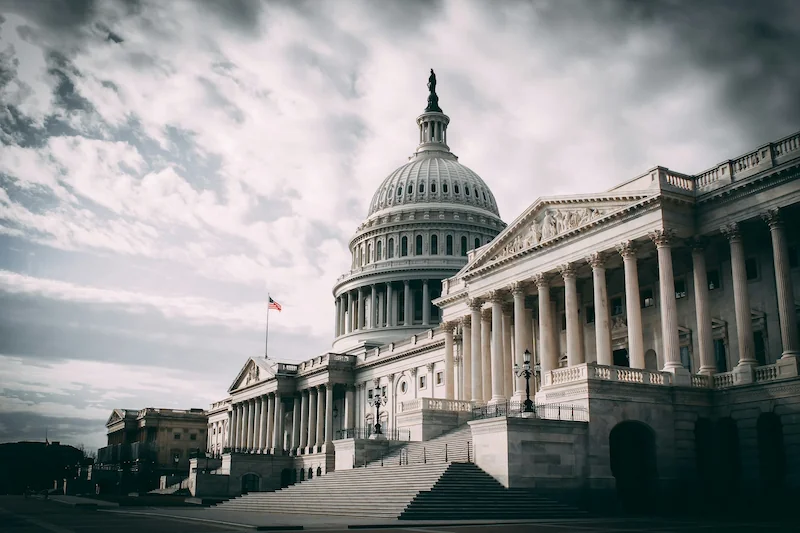
Prioritize the activities that deserve your time in Washington DC.
Open page →
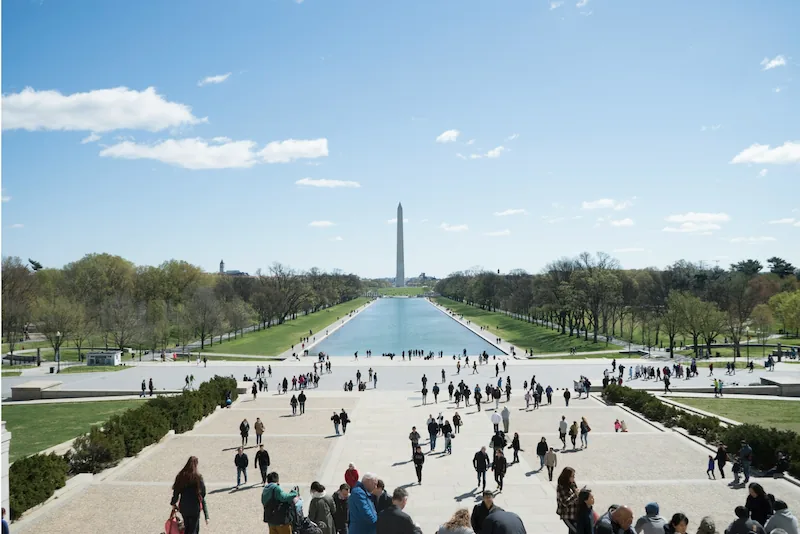
2 Days in Washington DC: Essential Itinerary
Open itinerary →
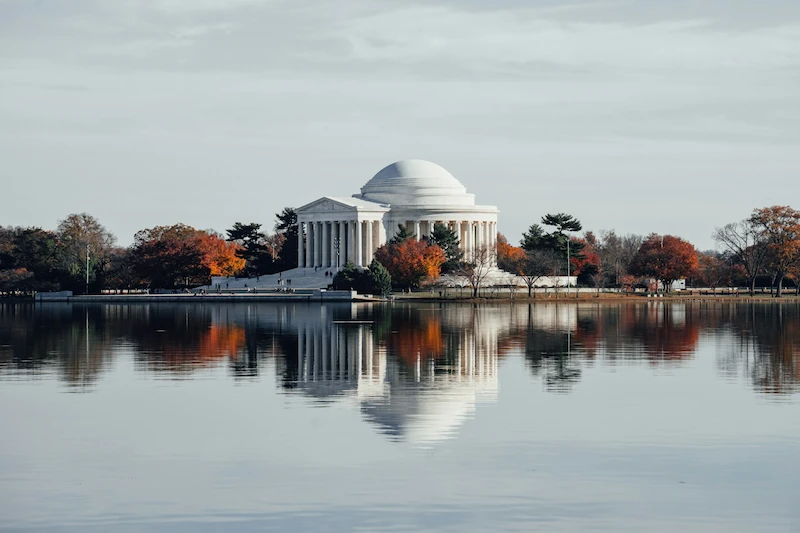
3 Days in Washington DC: Historical Itinerary
Open itinerary →
4 Days in Washington DC: Complete Itinerary
Open itinerary →
Washington DC is organized around power, memory, museums, and neighborhood life. The National Mall is the symbolic spine, but the trip becomes stronger when you understand how Penn Quarter, Capitol Hill, Dupont Circle, Logan Circle, Georgetown, the Wharf, Rock Creek Park, and upper northwest cultural sites each change the rhythm of the city.
Washington DC is one of the strongest cultural city breaks in the United States because so many of its defining experiences are public, walkable, and free to enter, yet the city still requires sharp planning. Its appeal is not only the concentration of monuments, Smithsonian museums, and civic institutions, but the contrast between ceremonial space and neighborhood life. A strong trip might include the Lincoln Memorial at first light, one demanding museum, Capitol Hill interiors, a Botanic Garden reset, dinner around Logan or Shaw, and a quieter walk through Georgetown, Embassy Row, or Rock Creek Park. That range is what keeps the capital from feeling like a government district alone.
Best time: April–June and September–October offer the best balance of weather, walking comfort, museum time, neighborhood evenings, and seasonal atmosphere.
Ideal trip length: 3 days covers the National Mall, one or two major museums, Capitol Hill, and one neighborhood layer; 5 days lets you add Georgetown, Dupont or Logan, the Wharf, upper northwest, and one day trip or deeper cultural theme.
Washington DC can be better value than many major U.S. city breaks because many of its strongest museums, memorials, galleries, and civic spaces are free. The real costs sit in hotels, restaurants, airport transfers, ride-hailing, and timing around political, conference, graduation, school-trip, and cherry blossom calendars. A Metro-connected hotel outside the most obvious tourist core can be smart, but weak geography quickly costs time because the Mall, Georgetown, the Wharf, and upper northwest do not function as one compact zone.
Washington DC is easiest to read as a set of layers radiating from the National Mall. The Mall holds the symbolic city: monuments, memorials, Smithsonian museums, and civic axes. Penn Quarter and downtown provide practical hotel, museum, theater, and restaurant access. Capitol Hill anchors the legislative and architectural east, while Dupont, Logan, Georgetown, Shaw, and the Wharf carry different evening and neighborhood rhythms. The city’s broad avenues create ceremonial sightlines, but the real texture often appears one or two blocks away in rowhouse streets, pocket parks, bookstores, market corners, and local dining corridors.
The Potomac and Anacostia rivers shape the western and southeastern edges of the visitor map, while Rock Creek Park creates a green interruption between central DC and upper northwest. The terrain is mostly manageable, but distance and exposure matter: a day can look compact on a screen and feel stretched on foot under open sky. Water, federal land, parkland, and Metro gaps create separation between places that seem close in theory, especially Georgetown, the Wharf, the Tidal Basin, and upper northwest landmarks.
Washington DC changes noticeably through the day. Mornings are best for monuments, timed entries, and quieter civic spaces; midday belongs to museums, school groups, security lines, and heat management; late afternoon is when neighborhood streets, cafés, and museum exits start feeding into dinner areas; evenings work well around Logan, Shaw, Dupont, Georgetown, the Wharf, Penn Quarter, the Kennedy Center, or the illuminated memorials. The best itinerary follows that rhythm instead of forcing every activity into one long daytime march.
Think of Washington DC as two overlapping trips: the national capital and the lived city. The first is organized by monuments, museums, institutions, and civic space; the second by neighborhoods, parks, markets, restaurants, performance venues, and local routines. A strong visit gives both enough room: Mall and memorials for meaning, museums for depth, and neighborhoods for recovery.
Open the planner
Build one Mall-based day around monuments and major museums rather than scattering them across the whole trip. Choose a museum theme before choosing a museum name: Black history, air and space, natural history, art, portraits, Indigenous perspectives, archives, or architecture. Use Penn Quarter, Capitol Hill, or Dupont as central anchors, then let each day expand into one adjacent neighborhood layer. Separate heavy museum time from long outdoor monument walks so the day has physical contrast. Reserve one evening for a neighborhood rather than defaulting to dining near the closest hotel. Treat Georgetown, the Wharf, and upper northwest as distinct half-day or evening modules because they sit slightly apart from the main museum spine. Use rainy, humid, or very hot hours for museums, galleries, the Botanic Garden, Capitol Hill interiors, or the Portrait Gallery courtyard. Shift monuments and memorials toward early morning, sunset, or after dark when light, temperature, and atmosphere work harder for you. For families, build each day around one high-payoff anchor and one decompression block instead of chaining museum after museum. For five days or more, add one deeper thread: Black history, politics and institutions, free museums, embassy architecture, performance culture, family-focused museum time, riverfront regeneration, or nearby historic excursions.
Vibe: Residential, diplomatic, literary, and quietly social.
Why go: Dupont Circle gives first-time visitors a strong balance of access, atmosphere, Metro usefulness, restaurants, bookstores, galleries, embassies, and shaded residential streets. It is close enough to downtown, the Mall, Logan, Adams Morgan, and Embassy Row to stay practical, but it feels more like a real neighborhood than a hotel-only base.
Who it fits: Travelers who want walkability, restaurants, cafés, cultural texture, Metro access, and a base that does not feel purely corporate or purely tourist-focused.
Not for: Travelers who want to be directly beside Smithsonian museums, the Capitol, or a waterfront setting, and families who need the simplest possible Mall logistics.
Where to stay: One of the best all-round bases in Washington DC, especially for culture-first visitors, couples, repeat travelers, and first-timers who want centrality without losing neighborhood rhythm.
Vibe: Central, practical, museum-adjacent, and event-driven.
Why go: Penn Quarter places you close to the National Mall, Smithsonian museums, the National Portrait Gallery, Smithsonian American Art Museum, theaters, Capital One Arena, downtown restaurants, and several major hotel options. It is efficient for a short stay because the city’s main visitor infrastructure is immediately accessible and rainy-day pivots are easy.
Who it fits: First-time visitors, families, short stays, museum-heavy trips, theater plans, and travelers who want minimal transit friction.
Not for: Travelers seeking intimate residential atmosphere, quiet evenings, or the strongest neighborhood identity after dark.
Where to stay: The most practical base for covering classic Washington DC essentials quickly, especially when museum access and central logistics matter more than charm.
Vibe: Civic, historic, residential, and composed.
Why go: Capitol Hill is where federal symbolism meets local Washington. The Capitol, Library of Congress, Supreme Court, U.S. Botanic Garden, Eastern Market, and rowhouse blocks create a stay rooted in both civic architecture and everyday neighborhood life. It is especially good when the trip values calmer evenings and meaningful morning walks.
Who it fits: History travelers, families, repeat visitors, architecture-minded travelers, and anyone who wants calm evenings after dense sightseeing days.
Not for: Travelers who want the broadest restaurant/nightlife concentration, immediate Georgetown access, or the easiest base for upper northwest.
Where to stay: A thoughtful base for visitors who want political architecture, market streets, quieter residential texture, and a more composed alternative to downtown.
Vibe: Historic, polished, collegiate, and riverside.
Why go: Georgetown offers canal edges, historic houses, university life, brick sidewalks, independent-feeling side streets, polished shopping, and Potomac waterfront dining away from the official core. It gives Washington DC a slower, older texture, especially when you move beyond M Street into the canal, residential lanes, and riverfront.
Who it fits: Couples, design-conscious travelers, walkers, slower-paced stays, return visitors, and travelers who want atmosphere more than maximum efficiency.
Not for: Travelers who rely heavily on Metro, families prioritizing the easiest Smithsonian access, or short-stay visitors who want every major sight within a simple walk.
Where to stay: A characterful but less transit-efficient base, best for slower trips and visitors who value historic neighborhood atmosphere over pure logistical convenience.
Vibe: Social, restaurant-led, design-aware, and energetic.
Why go: Logan Circle and 14th Street bring Washington DC into its contemporary social register. The area is strong for dining, bars, independent retail, restored architecture, and evening movement while staying within reach of downtown, Dupont, Shaw, and U Street. It makes the city feel current rather than only ceremonial.
Who it fits: Food-focused travelers, couples, friends, design-aware travelers, and visitors who want restaurants and bars close to the hotel.
Not for: Travelers who prefer very quiet streets at night, direct monument access, or the simplest family logistics.
Where to stay: A strong base for travelers who want Washington DC to feel social, restaurant-led, walkable after dark, and less tied to federal symbolism.
Vibe: Waterfront, modern, leisure-focused, and polished.
Why go: The Wharf gives Washington DC a different physical register: water, promenades, seafood restaurants, concert venues, modern hotels, and easier evening atmosphere after museum or monument days. It works best when the trip needs a softer waterfront finish rather than another institutional block.
Who it fits: Couples, weekend visitors, conference travelers, performance-goers, waterfront-dining travelers, and those who prefer modern hotels.
Not for: Travelers who want historic Washington at the doorstep, the densest Smithsonian access, or the most traditional neighborhood feel.
Where to stay: A modern waterfront base that works best when the trip balances sightseeing with slower evenings by the river and occasional rides to other districts.
The best Washington DC experiences work when they are not treated as one long civic checklist. The city opens through contrast: monuments in open air, museums in long interior hours, institutional architecture, neighborhood evenings, green resets, and riverfront pauses. Keep those layers directional rather than exhaustive: choose the experiences that explain the capital, then leave room for deeper activity choices if the trip allows.
Planning tip: Protect the most demanding museum, monument, or timed-entry experience early in the day, then use neighborhoods, gardens, cafés, riverfronts, or performance spaces to change the pace before the city becomes too text-heavy.
The National Mall is Washington DC’s spatial grammar: long lawns, museum facades, memorial axes, and the visible distance between institutions. It is best understood as a civic landscape rather than a single attraction. For first-timers, it explains the city more effectively than any isolated stop, but it becomes tiring when treated as an all-day forced march.
Tip: Split Mall time into one monument block and one museum block rather than trying to walk everything in one continuous push.
The Washington Monument is the Mall’s clearest vertical marker and one of the city’s main orientation points. Even without going inside, it helps the visitor understand how the Mall, the White House, the Capitol, and the memorial west end align across open civic space.
Tip: Use it as a spatial anchor while moving across the Mall rather than treating it as a standalone stop only.
The Lincoln Memorial carries unusual weight because of its setting: steps, water, inscriptions, and the long view back across the Mall. The experience depends on stillness and proportion as much as on the monument itself.
Tip: Early morning gives the memorial its clearest spatial relationship with the Reflecting Pool.
The Vietnam Veterans Memorial is one of Washington’s most powerful spaces because it replaces monumentality with descent, reflection, and names. Its emotional force comes from how the wall enters the landscape beside the Lincoln Memorial rather than standing apart from it.
Tip: Visit with enough time to walk the length of the wall slowly rather than folding it into a rushed monument circuit.
The World War II Memorial is less intimate than the Vietnam wall or Lincoln Memorial, but it is central to understanding the Mall’s westward sequence. Its open geometry and position between the Washington Monument and Reflecting Pool make it part of the capital’s larger commemorative choreography.
Tip: Treat it as part of a west-end Mall walk rather than a destination requiring a separate trip.
The Capitol complex gives institutional Washington its clearest architectural expression. The Library of Congress adds a more ornate, cultural counterpoint, where marble, mosaic, and reading-room sightlines reveal a different idea of public knowledge.
Tip: Check timed-entry requirements before building a Capitol Hill day around interior access.
The White House matters less as an interior visit than as a civic symbol embedded in the center of the city. Seen from Lafayette Square, it helps connect presidential power, ceremonial planning, and the spatial logic of downtown Washington beyond the Mall itself.
Tip: Treat it as a strong exterior stop unless you have secured the rare advance access needed for an interior tour.
The Martin Luther King Jr. Memorial is most powerful in relation to the Tidal Basin and the wider memorial landscape. Its placement makes civil rights history part of the same physical circuit as presidential memory and national conflict.
Tip: Combine it with the nearby FDR Memorial for a more layered walk around the basin.
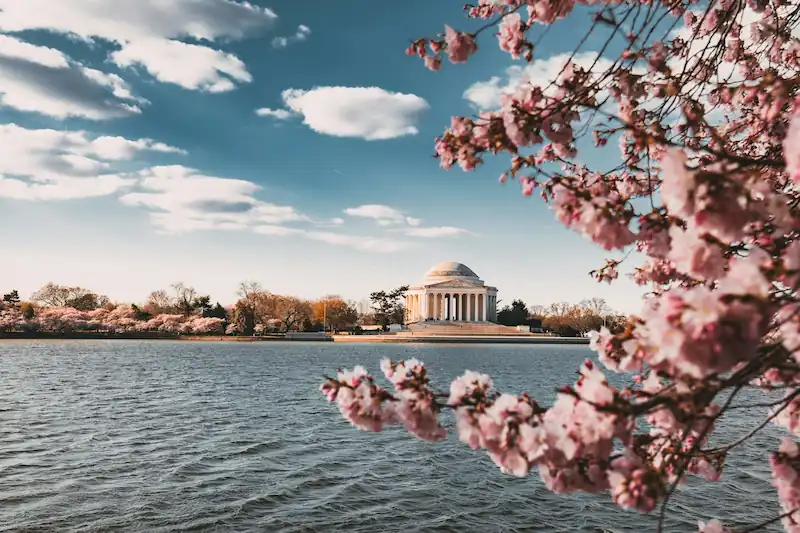
The Jefferson Memorial matters less as an isolated building than as part of the Tidal Basin circuit, where water, trees, and memorial architecture create one of Washington’s clearest relationships between landscape and national memory. It works best when approached on foot rather than as a quick photo stop.
Tip: Combine it with the MLK and FDR memorials for a more coherent Tidal Basin sequence.
Arlington National Cemetery expands Washington’s memory landscape beyond the Mall into a quieter but equally consequential register of military service, loss, and national ritual. The scale of the site, the ordered topography, and the proximity to the capital make it one of the most affecting visits in the city’s orbit.
Tip: Give it a protected half-day rather than trying to squeeze it between central museums or monuments.
This museum is essential for understanding American history through a more complete and demanding lens. Its architecture and exhibition sequence create a visit that is national in scope and intensely human in detail, which is why it should function as a major anchor rather than a quick Smithsonian stop.
Tip: Give it enough time and avoid pairing it with another emotionally heavy museum immediately afterward.
Check guided tours →
Air and Space is one of Washington’s easiest museum wins because the subject is immediate, visual, and legible. It works especially well for families, first-time visitors, and anyone who wants a museum with scale and energy rather than quiet contemplation alone.
Tip: Use it as the main indoor anchor of the day rather than one stop among too many Smithsonian visits.
Natural History is one of the most practical museum anchors in Washington because it combines broad appeal, easy centrality, and a structure that works well across ages. It is one of the safest choices when a group needs something both educational and immediately rewarding.
Tip: Use it when you want one major Smithsonian that can hold different attention spans without becoming too text-heavy.
Check guided tours →
The National Archives gives material form to the nation’s founding texts and works best as a compact but symbolically dense stop. It is especially useful on a first trip because it reinforces the city’s institutional logic without requiring a full museum-scale commitment.
Tip: Pair it with the Mall, Penn Quarter, or a National Gallery block rather than treating it as a separate half-day destination.
Check guided tours →
Embassy Row adds an international layer to Washington DC’s identity. The architecture, flags, cultural institutes, and shifting residential scale show how diplomacy is embedded into the city’s northwest fabric.
Tip: Pair it with Dupont Circle or Woodley Park rather than treating it as a separate destination.
Check guided tours →
The National Gallery gives the city a slower cultural register than the more crowded science and history museums. It is especially valuable for travelers who want Washington DC to feel like a serious art city, not only a civic one.
Tip: Use the East and West buildings as different moods rather than trying to exhaust both.
These sister institutions are among the smartest non-Mall cultural picks in central Washington. They work especially well on rainy days, shorter downtown itineraries, and trips that want American art and portraiture without committing to another massive flagship museum.
Tip: Use them as part of a Penn Quarter afternoon that can continue naturally into dinner or theater.
Check guided tours →
Ford’s Theatre compresses national history into a small urban site. It works because the scale is intimate: a working street, a preserved theater, and the sudden proximity of political rupture to everyday city life.
Tip: Check performance and visit schedules because access can vary by day.
The FDR Memorial is one of Washington’s most spatially rewarding memorials because it unfolds through rooms, inscriptions, stone, and water rather than presenting a single frontal monument. It deepens the Tidal Basin into a quieter landscape of crisis, governance, and modern American memory.
Tip: It works especially well when paired with the MLK and Jefferson memorials as part of one slower basin walk.
The Phillips Collection changes the scale of museum-going in Washington DC. After the Mall’s large institutions, its domestic proportions and focused galleries make art feel closer and less institutional.
Tip: It fits naturally into a Dupont Circle day.
Check guided tours →
The Kennedy Center broadens Washington beyond monuments and museums into a serious performance city. It works best when folded into an evening plan, especially for travelers who want the capital to feel culturally active rather than only historically significant.
Tip: Pair it with Georgetown, Foggy Bottom, or a monument session after dark rather than treating it as an isolated destination.
Check guided tours →
The National Cathedral is one of the city’s strongest architectural excursions outside the Mall, giving Washington a more ecclesiastical, elevated, and upper-northwest register. It is especially valuable on longer stays or repeat visits that want a major landmark beyond the standard first-time circuit.
Tip: Use it when your trip needs one significant architectural stop outside the federal core.
Check guided tours →
Eastern Market gives Capitol Hill a neighborhood pulse beyond the official buildings. The draw is not only the market hall, but the streets around it, where weekend routines, cafés, and rowhouses make the capital feel lived-in.
Tip: Weekend mornings have the strongest street activity, but they also bring the most visitors.
Check guided tours →
Georgetown is most rewarding away from its busiest shopping blocks. The canal, side streets, steps, and old houses show an older Washington that moves at a different pace from the Mall.
Tip: Give yourself permission to leave M Street quickly and use the quieter lanes.
14th Street is where many visitors realize Washington DC is not only institutional. Restaurants, bars, apartments, and restored facades give the evening a social density that contrasts with the open scale of the Mall.
Tip: It works best as an evening destination, not as a sightseeing stop.
Check guided tours →
Rock Creek Park interrupts the city with wooded depth and gives longer stays a necessary change of rhythm. It is not a headline attraction, but it explains why northwest Washington can feel greener and less compressed than the federal core.
Tip: Use it as a slower counterpoint to museum-heavy days.
Check guided tours →
The U.S. Botanic Garden is one of Washington’s smartest compact add-ons because it softens a Capitol Hill or Mall day without sending you far off course. It is especially useful in heat, rain, or any itinerary that risks becoming too stone-heavy and formal.
Tip: Use it as a short decompression stop between monuments and Capitol Hill interiors.
Check guided tours →
Water gives Washington a different scale. A Potomac perspective is useful not because it is the city’s deepest cultural experience, but because it reframes the capital’s monumental logic from the outside and gives museum-heavy trips a lighter counterpoint.
Tip: Best used late in the day or as an evening transition rather than as a daytime priority.
The National Zoo is one of the best ways to diversify a Washington itinerary for families or longer stays. It adds outdoor movement, broad age appeal, and a relaxed rhythm that can prevent the trip from becoming a sequence of museums and memorials only.
Tip: Use it when the trip needs one major non-monument, non-government day component.
Check guided tours →
The half-smoke is one of Washington DC’s clearest local food references: casual, direct, and tied to the city’s Black cultural history. It gives the food scene a rooted counterpoint to the capital’s more polished dining rooms.
Tip: Go for the local context, not culinary refinement.
Check food options →
Union Market reflects contemporary Washington through casual dining, small vendors, design retail, and development energy. It is useful for groups because different appetites can share the same stop without turning lunch into a formal reservation, and it brings NoMa/H Street logic into the trip without creating a full new base.
Tip: Combine it with NoMa, H Street, or a lighter afternoon after a serious museum morning.
Washington DC’s restaurant scene has grown far beyond expense-account formality. The strongest meals often connect global cooking, local ambition, and neighborhood energy rather than relying on federal-city prestige. Choose one dinner area deliberately so food becomes part of the trip structure.
Tip: Choose the neighborhood first, then the restaurant style: Logan/Shaw for social energy, Dupont for easy balance, Georgetown or the Wharf for atmosphere.
Cafés matter in Washington DC because the city’s sightseeing days can become physically long. A good coffee or bakery stop resets the pace between museums, Metro rides, and neighborhood walks.
Tip: Dupont, Logan, Capitol Hill, and Georgetown are especially useful for this kind of pause.
Check food options →
Washington DC is richest when the trip protects both symbolic weight and lived texture. The mistake is not seeing too little; it is giving everything the same importance until the city becomes a blur of stone, corridors, security lines, and museum labels. Prioritize the experiences that explain the city, then use neighborhoods and lighter stops to keep the trip breathable.
Washington DC works very well with kids because many major museums are free, spacious, and easy to combine with outdoor breaks. The challenge is physical scale: long walks on the Mall, security checks, museum fatigue, heat, and overstimulation can build quickly. The best family days alternate one big educational experience with open-air movement, food, and a low-pressure neighborhood pause.
Washington DC itineraries should be built around scale, theme, and recovery time. The strongest plans alternate civic landmarks, museum depth, and neighborhood texture instead of turning every day into a march across the Mall.
Open the planner →
Washington DC is easy to start and easy to overload. The city’s free admissions can create a false sense that everything is equally easy, but timed-entry rules, long walks, security lines, heat, Metro gaps, and emotional museum weight all affect the quality of a stay. The most practical trip is not the fullest one; it is the one that protects energy and sequence.
Spring and autumn are the strongest all-round windows because monument walks, museum queues, neighborhood evenings, and outdoor parks all work at once. Cherry blossom season can be beautiful but crowded around the Tidal Basin. Summer is workable with museum-heavy midday planning and early/late outdoor blocks. Winter can be excellent for lower crowds and culture-first trips, though some outdoor rhythm and riverfront energy soften.
Two full days can cover the National Mall, one or two museums, and a compact Capitol Hill or neighborhood layer, but three days is the better minimum for a rounded first trip. Five days lets you add Georgetown, Dupont or Logan, the Wharf, upper northwest, a performance, and one day trip without turning the visit into a rush.
Choose your base by deciding whether the trip is museum-first, neighborhood-first, or evening-first. Penn Quarter is the easiest short-stay base for Mall and museum access; Dupont is the best all-round balance; Capitol Hill gives calmer civic-neighborhood logic; Logan/14th is strongest for restaurants and social evenings; Georgetown is atmospheric but less Metro-efficient; the Wharf is modern and waterfront-led. Do not choose only by hotel price if the location creates repeated cross-city movement.
Washington DC is served by Reagan National, Dulles, and Baltimore/Washington airports, plus Amtrak and regional rail at Union Station. Reagan National is the most convenient airport for the city center, while Dulles and BWI require longer transfers.
Washington DC is walkable in selected zones, but not as compact as first-time visitors assume. The Metro is useful for airport links, museum access, Capitol Hill, Dupont, and many neighborhoods, while taxis or ride-hailing often make sense for Georgetown, the Wharf, the National Cathedral, late evenings, or family transitions. The Mall should be walked in edited segments, not as a single endurance test.
Washington DC is generally straightforward for visitors in the main tourist and neighborhood zones. The most common problems are practical: dehydration and heat in summer, fatigue from overwalking, museum overload, and late-night transport assumptions. Use normal city awareness after dark, plan returns from nightlife areas, and avoid letting children or older travelers absorb long exposed walks without breaks.
Washington DC changes most through weather, school-group patterns, political calendars, and seasonal visitor pressure. Spring and autumn are the strongest all-round periods; summer is museum-friendly but physically demanding outdoors; winter is quieter and often good value for culture-first travelers; cherry blossom peak can be magical but should be planned as a crowded special case rather than a normal spring week.
Spring gives Washington its most iconic outdoor form: cherry blossoms, museum days, civic lawns, and neighborhood evenings all become appealing. The trade-off is crowd pressure around the Tidal Basin, school trips, and higher hotel demand. Plan timed entries early and move major monument walks away from peak midday whenever possible.
Summer can work well if the trip is built around museums, shaded breaks, indoor cultural anchors, and early or late monument walks. Heat and humidity make the exposed Mall more tiring, so family trips and first-time itineraries need more recovery time than the map suggests.
Autumn is one of the best periods for a balanced Washington trip. Walking conditions improve, museum access feels more manageable, parks and neighborhoods stay attractive, and evening dining districts work without the intensity of summer heat or peak blossom crowds.
Winter is a strong option for travelers who care more about museums, architecture, politics, and restaurants than parks or blossoms. Crowds are often lower outside holiday and event periods, hotel value can improve, and the city feels calmer, though shorter days make evening planning more important.
Not seeing your next stop yet? Build a fully personalized itinerary anywhere in usa.
These questions cover the planning decisions that most affect whether Washington DC feels clear, powerful, and manageable rather than overstuffed.
Three days is the best minimum for a strong first visit. It gives you time for the National Mall, the major monuments, one or two Smithsonian museums, Capitol Hill, and one neighborhood evening. Two days can work for a tight essentials trip, while five days lets you add Georgetown, Dupont or Logan, the Wharf, upper northwest, and one day trip.
Penn Quarter is the easiest base for museum-heavy first visits because it sits close to the National Mall and many downtown attractions. Dupont Circle is often the better all-round choice if you want restaurants, neighborhood atmosphere, Metro access, and a less tourist-only feel. Capitol Hill works well for calmer history-focused stays.
Yes. The city is also strong for museums, architecture, Black history, art, food, embassies, neighborhoods, parks, performance venues, and riverfronts. A good trip can focus on Smithsonian collections, Georgetown, Dupont, Logan, the Wharf, Rock Creek Park, the National Zoo, or day trips without becoming narrowly political.
Prioritize the National Mall, the Lincoln Memorial and Reflecting Pool, one major Smithsonian museum, the National Museum of African American History and Culture if you can get access, Capitol Hill with the Library of Congress, and one neighborhood such as Dupont, Georgetown, Logan, Shaw, or the Wharf.
The best free things include the National Mall monuments, Smithsonian museums, National Gallery of Art, National Portrait Gallery, Smithsonian American Art Museum, Library of Congress when accessible, U.S. Botanic Garden, Tidal Basin walks, Georgetown side streets, Embassy Row, Eastern Market browsing, and Rock Creek Park.
Most Smithsonian museums in Washington DC are free, which is one of the city’s biggest advantages. Some high-demand museums or exhibitions may require timed-entry passes, so free admission should not be confused with guaranteed walk-in access at any time.
Choose based on interest. Air and Space is best for engineering, aviation, and families; Natural History is best for broad group appeal; African American History and Culture is the strongest deep-history anchor; American History works for national culture; the National Museum of the American Indian adds an important perspective beyond the standard monument narrative.
Yes, it is one of Washington DC’s most important museum experiences. It deserves enough time and emotional space, especially for the lower history galleries. Do not treat it as one quick Smithsonian stop between lighter activities.
Yes, but it is much longer and more exposed than many visitors expect. The smartest approach is to split it into sections: west-end memorials, central museum core, Capitol Hill, and Tidal Basin, rather than trying to cover everything in one uninterrupted walk.
Both can work, but many visitors find the monuments more atmospheric after dark. Daytime is better for orientation and photography in clear weather, while night gives the Lincoln Memorial, Vietnam Veterans Memorial, World War II Memorial, and Washington Monument a quieter ceremonial force.
For most visitors, the White House is a short exterior stop rather than a major activity. It is worth seeing from Lafayette Square if you are nearby, but it should not dominate the itinerary unless you have arranged rare advance access for an interior visit.
Yes. The Library of Congress is one of the most rewarding interiors in Washington DC and pairs naturally with the U.S. Capitol, Supreme Court exterior, Botanic Garden, or Eastern Market. It is especially useful when you want architecture and civic symbolism without spending half a day in a museum.
Yes, especially for first-time or history-focused travelers. The Capitol, Library of Congress, Supreme Court exterior, U.S. Botanic Garden, and Eastern Market create one of the city’s most coherent planning clusters.
Yes, especially if you want historic streets, canal paths, rowhouses, shopping, cafés, and waterfront atmosphere. It is less efficient than some central districts because it lacks direct Metro access, so it works best as a deliberate half-day or evening module.
Yes. Dupont Circle is one of the best all-round bases because it offers Metro access, restaurants, cafés, Embassy Row, galleries, walkability, and a more lived-in feel than hotel-heavy downtown blocks. It is especially strong for couples, culture-first travelers, and repeat visitors.
Yes, especially for short first visits, families, and museum-heavy trips. Penn Quarter is practical rather than deeply atmospheric, but it keeps the National Mall, Portrait Gallery, theaters, restaurants, and downtown hotels close together.
Capitol Hill is a strong base for travelers who want calmer evenings, civic architecture, Eastern Market, and good access to the Capitol and Library of Congress. It is less ideal for nightlife-heavy stays or trips focused on Georgetown and northwest neighborhoods.
Stay in Georgetown if atmosphere, historic streets, waterfront dining, and a slower pace matter more than Metro convenience. It is a beautiful base for couples and slower trips, but less practical for visitors who want the simplest access to Smithsonian museums.
The Wharf is a good fit for travelers who like modern hotels, waterfront dining, concerts, and a softer evening setting. It is not the most historic or museum-adjacent base, but it works well when you want the trip to end each day by the river.
Logan Circle, 14th Street, Shaw, U Street, Dupont Circle, and parts of Penn Quarter are among the strongest choices for restaurants and evening activity. The Wharf is better for waterfront dining and concerts than classic neighborhood nightlife.
Families should prioritize Air and Space, Natural History, the National Zoo, the U.S. Botanic Garden, short monument walks, the Wharf, and flexible food stops like Union Market or Eastern Market. Avoid chaining several text-heavy museums in one day.
Yes, because the city has free museums, broad sidewalks, parks, visual monuments, and easy educational anchors. The main challenge is distance, heat, and fatigue, so family itineraries need shorter blocks and more breaks than adult trips.
Use rainy days for the National Gallery, Portrait Gallery, Smithsonian American Art Museum, Natural History, Air and Space, Library of Congress, Capitol Visitor Center, Holocaust Museum, Phillips Collection, U.S. Botanic Garden, Union Market, or a performance.
Spring and autumn are best overall. Spring brings blossoms and strong outdoor atmosphere but also more crowds. Autumn gives comfortable walking and steadier museum access. Summer is manageable with indoor planning, while winter can be excellent for lower crowds and culture-first trips.
Yes, but only if you plan around crowds. The Tidal Basin can become slow and packed at peak bloom, especially on weekends. Build extra time into the day and avoid expecting a normal, frictionless monument walk.
Skip trying to see every Smithsonian museum, over-prioritizing the White House exterior, walking the entire Mall in midday heat, and adding far-flung attractions without a clear reason. The city is better when edited by theme and geography.
No for most city trips. Metro, walking, taxis, and ride-hailing are enough for the main visitor areas. A car can help for day trips such as Great Falls, Mount Vernon, Annapolis, or Harpers Ferry, but it is usually more friction than benefit inside the city.
Mount Vernon, Old Town Alexandria, Arlington National Cemetery, Great Falls Park, Annapolis, Harpers Ferry, and Shenandoah are strong options depending on time and interest. For most first trips, Mount Vernon or Alexandria are the easiest historic extensions.
Yes, it often functions as part of the DC visitor experience even though it is across the river in Virginia. It deserves a protected half-day if military history, national memory, or ceremonial landscapes matter to the trip.
Limit yourself to one demanding museum per day, add outdoor or neighborhood time between institutions, use food breaks deliberately, and alternate heavy themes with lighter architecture, gardens, or riverfront walks.
The best Washington DC trip balances civic landmarks, serious culture, family-friendly flexibility, and neighborhoods that bring the capital back to human scale.
Find the best places to stay, how to get there, and move around with ease.
Build a smarter trip base
Once you understand how Washington DC works and what matters most for your trip, the next step is turning that direction into a real itinerary. Use the planner to organize your days around the right areas, experiences, and rhythm so the trip feels clear before you go.