Best things to do in Washington, DC beyond the obvious
Discover the best things to do in Washington, DC, from the National Mall, Smithsonian museums, Capitol Hill and the Library of Congress to Georgetown, U Street, the Wharf, Rock Creek Park, family-friendly stops and day trips beyond the capital core. DC is easy to overfill because so much is free and close on a map, but the strongest trips sequence monuments, museums, civic interiors, neighborhoods, food stops and outdoor resets intelligently rather than turning the city into one long checklist.
Best time
Spring and fall give the best balance of outdoor monuments, museum time, neighborhood walking, cherry blossom or foliage atmosphere, and comfortable evenings around Georgetown, U Street, the Wharf and the Tidal Basin.
Ideal trip length
Two full days cover the core monuments, one or two major museums and Capitol Hill; three days is better for Georgetown, U Street, the Wharf and a deeper museum choice; four days lets you add Mount Vernon, Alexandria, Arlington or another regional excursion.
Continue planning your Washington, DC trip
Use the full Washington, DC city guide to understand how the capital fits together, then pair this page with where-to-stay guidance and itineraries to sequence monuments, museums, neighborhoods, food and excursions without overloading the trip.
What to do in Washington, DC first
Walk the National Mall monuments – Area: National Mall · Best for: First-time orientation · Time needed: 2 to 4 hours · Worth it: Essential, especially early or after dark · Book ahead: No, unless joining a guided night tour
Visit the National Museum of African American History and Culture – Area: National Mall · Best for: Cultural depth · Time needed: 3 to 4 hours · Worth it: One of DC’s most powerful museum experiences · Book ahead: Yes, timed-entry passes are important
Choose one major Smithsonian museum by interest – Area: National Mall / Downtown · Best for: Flexible free culture · Time needed: 2 to 3 hours · Worth it: High value if you choose well rather than trying to sample too much · Book ahead: Sometimes, especially for Air and Space
Tour the U.S. Capitol and pair it with the Library of Congress – Area: Capitol Hill · Best for: Civic architecture and institutions · Time needed: 2.5 to 4 hours · Worth it: One of the city’s strongest activity pairings · Book ahead: Yes for Capitol tours and often for Library entry
See the Natural History Museum or Air and Space if you want a broad crowd-pleaser – Area: National Mall · Best for: Families and first-timers · Time needed: 2 to 3 hours · Worth it: A smart anchor when you want a museum with immediate visual payoff · Book ahead: Often for Air and Space; less critical for Natural History
Spend time around the Tidal Basin memorials – Area: Tidal Basin · Best for: Reflective walking · Time needed: 1.5 to 3 hours · Worth it: Most rewarding when not rushed · Book ahead: No
Explore Georgetown by foot – Area: Georgetown · Best for: Historic streets and waterfront rhythm · Time needed: 2 to 4 hours · Worth it: Worth it when paired with the canal or waterfront · Book ahead: No
Experience U Street and Shaw – Area: U Street / Shaw · Best for: Music, murals and local culture · Time needed: 2 to 4 hours · Worth it: Best in the late afternoon or evening · Book ahead: Only for specific music venues or restaurants
Visit the National Gallery of Art or Portrait Gallery for a calmer museum block – Area: National Mall / Penn Quarter · Best for: Art and rainy-day plans · Time needed: 2 to 3 hours · Worth it: Strong when you want culture without the pressure of a heavy itinerary · Book ahead: No for general admission
Do the monuments after dark – Area: National Mall · Best for: Atmosphere and photography · Time needed: 2 to 3 hours · Worth it: Often more memorable than a midday monument crawl · Book ahead: Only for guided tours
Go to the Wharf or take a Potomac cruise – Area: Southwest Waterfront · Best for: Evening dining and river views · Time needed: 1.5 to 3 hours · Worth it: Good as a softer counterpoint to museum-heavy days · Book ahead: For restaurants, cruises or concerts
Take a day trip to Mount Vernon, Alexandria or Arlington – Area: Northern Virginia · Best for: History beyond the capital core · Time needed: Half day to full day · Worth it: Best once you have covered the Mall · Book ahead: Yes for Mount Vernon or packaged transport
Visit the U.S. Botanic Garden as a lighter Capitol Hill reset – Area: Capitol Hill / National Mall · Best for: Free indoor greenery and short breaks · Time needed: 45 minutes to 1.5 hours · Worth it: Very useful when a museum-heavy or monument-heavy day needs something lighter. · Book ahead: No for general visits
Use the National Zoo or Rock Creek Park for an outdoor family reset – Area: Woodley Park / Rock Creek Park · Best for: Families, animals and nature inside the city · Time needed: 2 to 4 hours · Worth it: Strong if you want a break from the Mall, especially with kids or on a longer stay. · Book ahead: Check current entry and parking requirements
Add the National Cathedral if you want a landmark beyond the federal core – Area: Upper Northwest · Best for: Architecture, gardens and a less obvious major sight · Time needed: 1.5 to 3 hours · Worth it: Best for repeat visitors, architecture travelers or longer stays. · Book ahead: Helpful for tours or special access
Use Union Market or NoMa for a casual food-and-local break – Area: NoMa / Union Market · Best for: Food halls, groups and contemporary DC texture · Time needed: 1.5 to 3 hours · Worth it: Useful when you want a less formal break from civic sightseeing. · Book ahead: No, unless booking a specific restaurant
Choose a performance or Kennedy Center evening – Area: Foggy Bottom / Potomac · Best for: Culture after dark · Time needed: 2 to 4 hours · Worth it: High payoff if you want DC beyond daytime museums and memorials. · Book ahead: Yes for ticketed performances
How to choose what is actually worth doing
Washington, DC is easy to underestimate because many of its headline sights are free and look close together on a map. The mistake is trying to compress too many museums, memorials and institutions into one long march. The best visits balance weight and relief: a major museum, a stretch of open-air monuments, then a neighborhood, garden, market or riverfront area where the city feels lived-in again.
Choose museums by theme and payoff, not by how many you can enter; one deep visit is better than four shallow ones.
See the monuments either early, late or after dark, when the scale, light and open space carry more force.
Use Capitol Hill as a separate cultural cluster rather than tacking it onto an already full Mall day.
Pair heavy civic history with Georgetown, U Street, Dupont, the Wharf or Rock Creek Park to avoid museum fatigue.
Book timed-entry attractions first, then let free museums, gardens and neighborhood walks fill the flexible parts of the day.
Do not treat the White House as a major activity unless you already have a planned tour; for most visitors, it is a brief exterior stop.
Leave room for one lighter, high-breathing stop such as the Botanic Garden, the Sculpture Garden, Georgetown waterfront or the zoo if the trip risks becoming too text-heavy.
Separate emotional weight from logistics: NMAAHC, the Holocaust Museum and long memorial circuits need recovery space, not another heavy stop immediately afterward.
Use food, parks and waterfronts as pacing tools, not afterthoughts; DC becomes more satisfying when the federal core is balanced by lived-in neighborhoods.
Plan by clusters: National Mall, Tidal Basin, Capitol Hill, Penn Quarter, Georgetown, U Street/Shaw, Dupont, the Wharf and Rock Creek each behave differently.
Remember that free admission can still require timed entry, security lines or advance passes; the best DC plan is flexible around the free things but strict around the timed ones.
Do not let every day start on the Mall. Once the core is covered, the city becomes richer through Dupont, Embassy Row, Eastern Market, Union Market, H Street, Brookland, Rock Creek or the waterfront.
Iconic sights and civic landmarks
DC’s landmark experiences are not just photo stops; they work best when read as a sequence of power, memory and public space. The National Mall can feel monumental and exposed by midday, so timing matters. Slow down around the memorials, then use museums, gardens and Capitol Hill interiors to reset the pace.
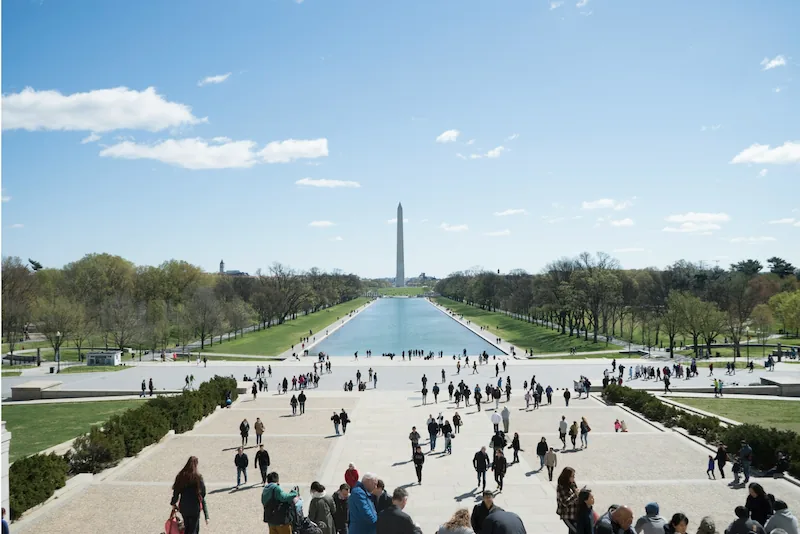
Walk the Lincoln Memorial, Reflecting Pool and Vietnam Veterans Memorial – This is the capital’s most concentrated emotional sequence, moving from grand civic architecture to one of the country’s most restrained memorial spaces. Go early, at sunset or after dark, when the crowds thin and the waterline gives the walk more gravity. (First-time essential · Best for: Monuments with real emotional weight)Find tours & experiences
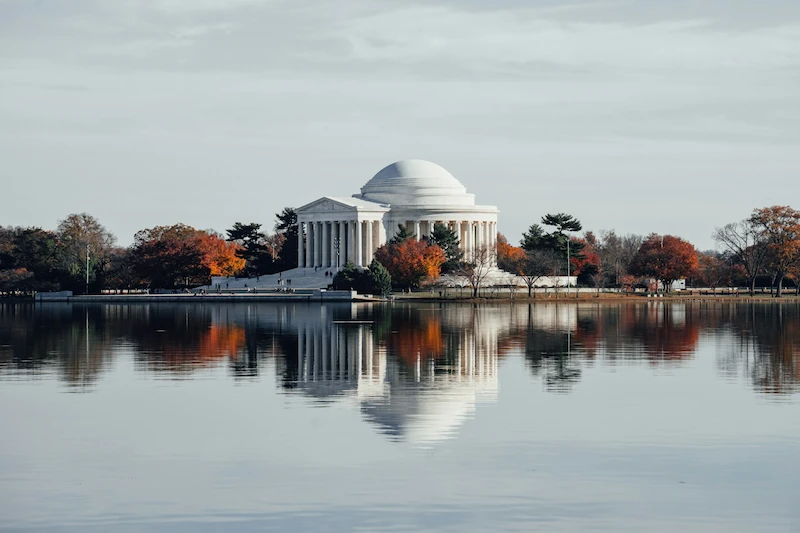
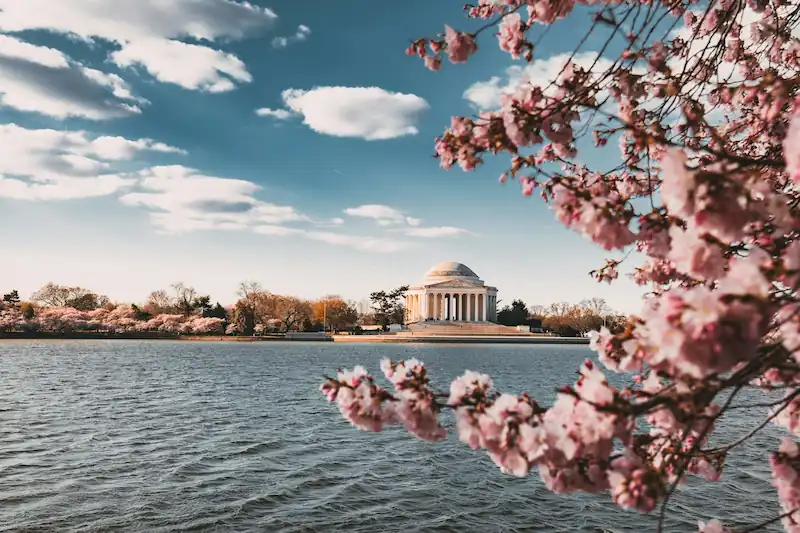
Circle the Tidal Basin memorials – The Jefferson, Martin Luther King Jr. and Franklin D. Roosevelt memorials form a slower, more contemplative circuit than the central Mall. It is especially strong in spring, but the real value is the way water, distance and open sky make the memorials feel less crowded than they are. (High payoff · Best for: Reflective walking)
Go up the Washington Monument – The experience is brief but clarifying: from above, the city’s axes, lawns, museums and government buildings finally make spatial sense. It is worth doing if you secure tickets without distorting the rest of the day. (Worth it · Best for: Understanding the city layout)Find tours & experiences
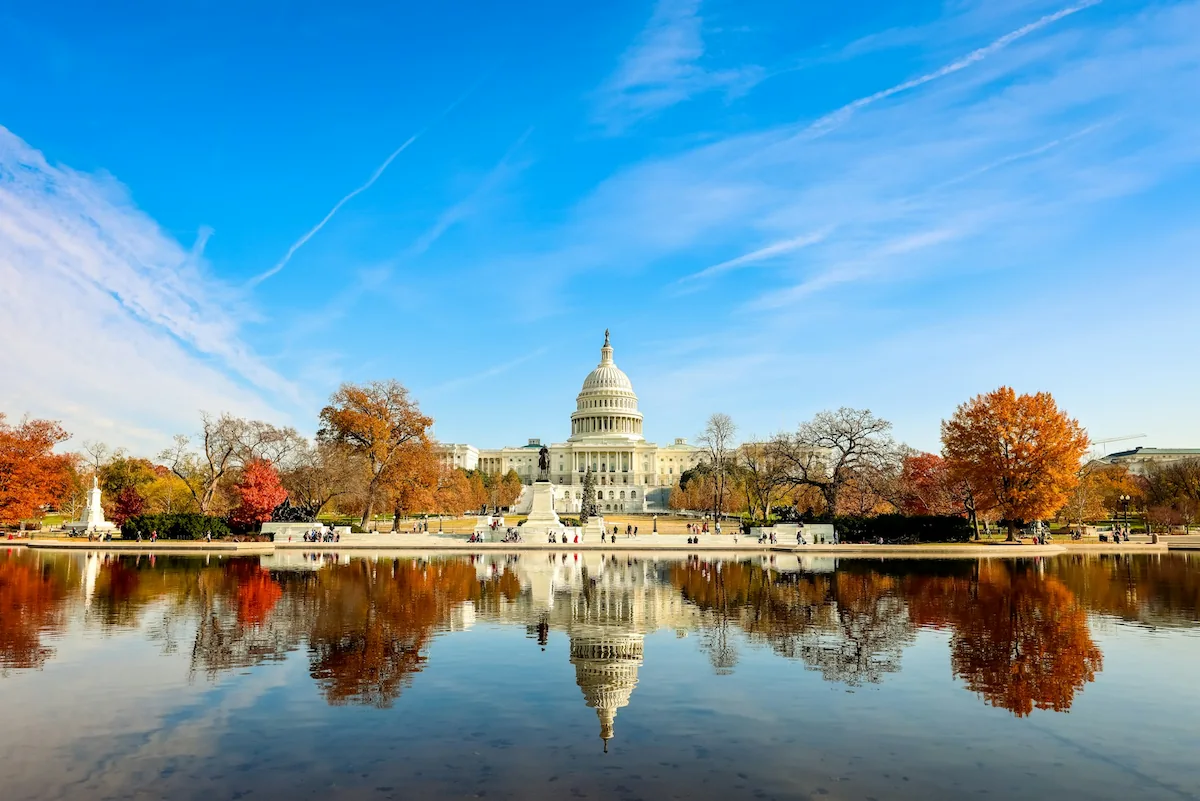
Visit the U.S. Capitol and Capitol Visitor Center – The Capitol is most rewarding when approached as a working institution, not just a dome on the skyline. A tour adds structure and helps connect the architecture to the political rituals that still unfold inside. (Best for: Civic context)Find tours & experiences
Step inside the Library of Congress – The Library of Congress offers one of the most beautiful interiors in the city and a compact dose of cultural symbolism. It works especially well after the Capitol, when the grand reading room and decorative detail shift the mood from politics to knowledge. (High payoff · Best for: Architecture in under 90 minutes)
See the White House from Lafayette Square – For most visitors, the White House is a short exterior stop rather than a central activity. The best reason to go is to understand its urban setting: a surprisingly small building framed by protest space, security layers and the surrounding avenues of power. (Only if nearby · Best for: A symbolic quick stop)
Visit the National Archives – The Archives can be a quick but meaningful stop if you want to see the founding documents in person. It is best paired with Capitol Hill or the National Gallery rather than squeezed into a packed museum crawl. (Best for: Founding documents)
Add the World War II, World War I and Eisenhower memorial sequence – Many visitors focus only on Lincoln and the Reflecting Pool, but the wider memorial landscape adds more of the twentieth-century story and gives the Mall a broader historical arc. It is especially worthwhile if you want the monument walk to feel more complete. (Easy add-on · Best for: A fuller monument circuit)
Use the U.S. Botanic Garden as a compact free reset near the Capitol – The U.S. Botanic Garden is one of the smartest short stops in DC because it changes the sensory register fast: greenery, glasshouses, humidity and plant collections after stone, marble and security lines. It is especially useful between Capitol Hill, the Library of Congress and the Mall. (Free reset · Best for: Short indoor breaks and Capitol Hill pacing)
Add the Supreme Court exterior when Capitol Hill is already your focus – The Supreme Court is rarely a standalone visitor anchor, but its exterior and setting complete the Capitol Hill civic cluster. It works best as a short architectural and institutional stop between the Capitol and Library of Congress. (Easy civic add-on · Best for: Civic architecture and institutional context)
Visit the National Cathedral if you want a major landmark outside the core – The National Cathedral gives DC a different kind of scale from the Mall: vertical, ecclesiastical and neighborhood-set rather than federal and axial. It is best for architecture lovers, repeat visitors or longer stays where you want a strong landmark beyond the usual first-time loop. (Longer-stay pick · Best for: Architecture, gardens and quieter monumentality)
Museums, archives and cultural depth
The best cultural things to do in Washington, DC are not about collecting institutions; they are about choosing the right depth. Smithsonian museums make the city unusually accessible, but the strongest experiences are those that give you enough time to absorb their scale. Build in pauses, because the rooms can be quiet but mentally heavy.
Spend half a day at the National Museum of African American History and Culture – This is one of DC’s most important cultural experiences and should not be treated as a quick museum stop. The lower history galleries are dense and emotionally demanding, while the upper levels broaden the story through culture, music, sport and everyday life. (First-time essential · Best for: Deep American history)Find tours & experiences
Choose Air and Space for scale and spectacle – The National Air and Space Museum is a crowd-pleaser because its subject is immediately legible: flight, ambition, engineering and exploration. It is especially strong for families, first-timers and anyone who wants a museum with energy rather than quiet reverence. (Best for: Families and science-led visits)Find tours & experiences
Use the National Museum of Natural History for a broad, easy-entry win – Natural History works because it offers scale, recognisable highlights and flexible pacing. It is one of the safest museum choices for mixed groups, families and travelers who want high-value Smithsonian access without committing to a more demanding interpretive visit. (Family strong · Best for: Dinosaurs, gems and broad appeal)
Use the National Gallery of Art as a slower cultural anchor – The National Gallery is ideal when you want a calmer, more classical museum rhythm. The West Building gives you European and American masterworks; the East Building shifts into modern and contemporary space with sharper geometry and cleaner light. (Rainy-day strong · Best for: Art without chaos)
Visit the Smithsonian American Art Museum and National Portrait Gallery – These sister institutions are among the smartest museum picks in central DC when you want strong collections without the exposed scale of the Mall. They work especially well on a rainy day or as part of a downtown afternoon with cafés, theaters and evening plans nearby. (Underrated core pick · Best for: Art and portraits off the Mall)
Visit the United States Holocaust Memorial Museum with enough time – This museum needs emotional space and should not be paired with too many other heavy stops. It is one of the city’s most serious visitor experiences and benefits from advance planning, especially in busier periods. (Best for: Serious historical reflection)
Explore the National Museum of the American Indian – This museum offers a different perspective from the more familiar national narratives on the Mall. Its architecture, collections and food program make it a strong choice for travelers who want culture beyond the standard monument circuit. (Best for: Indigenous perspectives)
Add the Phillips Collection for a neighborhood-scale museum – In Dupont Circle, the Phillips Collection changes the museum mood from national institution to intimate gallery. It is a useful cultural counterweight if the Mall begins to feel too vast or too ceremonial. (Repeat-visit pick · Best for: Art in a quieter setting)
Use the National Postal Museum if you want a lighter specialist museum – Near Union Station, the Postal Museum is a smart addition when you want something less crowded, more specific and easier to absorb than the heaviest flagship institutions. It is especially good on a Capitol Hill or Union Station axis. (Underrated · Best for: Specialized museum time)
Use the Hirshhorn for modern art when the Mall needs a sharper edge – The Hirshhorn is one of the easiest ways to keep a Mall day from becoming only history and civic memory. Its circular building, contemporary exhibitions and sculpture garden add a different visual language from the more classical institutions nearby. (Modern art pick · Best for: Contemporary art and shorter museum blocks)
Visit the National Museum of Asian Art for a quieter Smithsonian choice – The National Museum of Asian Art is a strong choice when you want a calmer, more focused museum experience near the Mall. It pairs well with the Smithsonian Castle, the Hirshhorn or a shorter day that does not need another blockbuster institution. (Calmer Smithsonian · Best for: Art, design and lower-crowd culture)
Use the International Spy Museum as a paid crowd-pleaser with caveats – The Spy Museum is not free and feels more entertainment-led than many Smithsonian options, but it can work very well for families, teens and travelers who want a more interactive indoor block. It is best when chosen deliberately rather than as a substitute for DC’s major civic museums. (Paid family-friendly · Best for: Teens, interactive exhibits and rainy days)Find tours & experiences
Add Ford’s Theatre for Lincoln history in a compact downtown block – Ford’s Theatre works as a focused historical stop when you want Lincoln-era context without spending the day on another large institution. Its strength is the combination of site, museum material and downtown walkability. (Focused history · Best for: Lincoln history and compact downtown planning)
Use the National Building Museum for architecture, design and family-friendly scale – The National Building Museum is one of DC’s more flexible specialist institutions: architecture, urbanism, design, large interior volume and family appeal in one stop. It is especially useful on a rainy day or when Penn Quarter and Judiciary Square fit your route. (Architecture pick · Best for: Design, families and indoor scale)
Local texture, neighborhoods and lived-in DC
Beyond the Mall, Washington becomes more residential, more social and more textured. The shift is noticeable in the brick sidewalks of Georgetown, the music history of U Street, the market flow of Eastern Market and the riverfront energy of the Wharf. These are not substitutes for the monuments; they are what keep the city from feeling purely institutional.
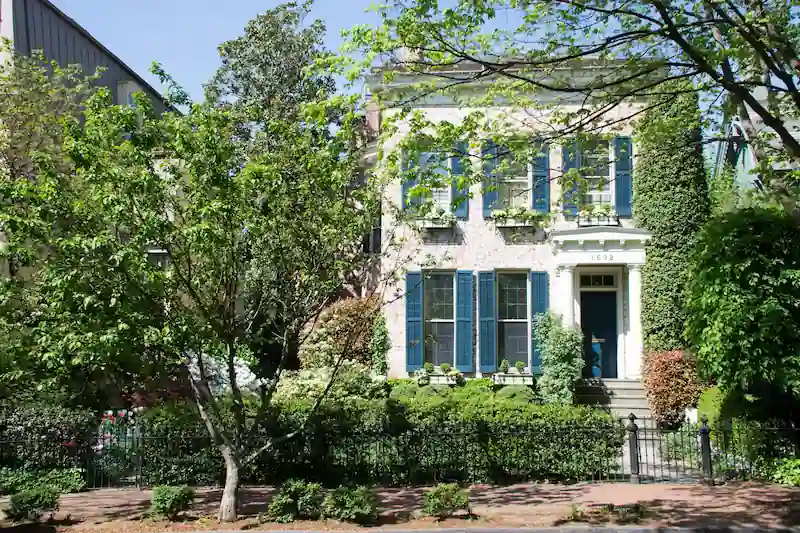
Walk Georgetown from the canal to the waterfront – Georgetown works best on foot, with a route that moves from historic streets to the C&O Canal and down toward the Potomac. It is polished, but the mix of old houses, university edges, shops and water gives it a layered rhythm. (Worth it · Best for: Historic walking and waterfront pauses)
Spend late afternoon around U Street and Shaw – This area gives DC a different register: music heritage, murals, restaurants, bars and streets that feel active without the formality of the federal core. It is best approached slowly, with time for a meal or live music rather than a quick pass-through. (Best in the evening · Best for: Music, murals and nightlife texture)
Browse Eastern Market and Capitol Hill streets – Eastern Market is one of the easiest ways to see neighborhood DC beside the political landmarks. Come for the market, then walk the surrounding residential blocks where row houses, trees and small cafés soften the city’s official face. (Best for: Weekend market energy)
Use the Wharf as a riverfront reset – The Wharf is modern and commercial, but it is useful when the trip needs water, dinner and a less museum-heavy atmosphere. It works best at the end of the day, when the river, lights and restaurant terraces change the tone. (Best for: Evening riverfront time)Find tours & experiences
Visit Union Market for food, design and casual browsing – Union Market is a practical stop when you want contemporary DC without committing to a formal restaurant. It is good for groups, indecisive eaters and travelers who want a lighter local break between more serious cultural visits. (Best for: Casual food and local browsing)
Walk Embassy Row and Dupont Circle – Dupont offers a more international, residential version of the city, with embassies, mansions, galleries and cafés set along broad avenues and side streets. It is not a single blockbuster sight, but it rewards travelers who like reading a city through its edges. (Slow-travel pick · Best for: Architecture and diplomatic DC)
Use Rock Creek Park when the city needs a quieter counterpoint – Rock Creek Park gives DC a different register altogether: wooded trails, creek edges, bridges and a sense of distance from the federal core without leaving the city. It is most useful when your itinerary has become too indoor or too ceremonial. (Outdoor reset · Best for: Nature without leaving DC)
Explore Penn Quarter for museums, theaters and downtown rhythm – Penn Quarter is one of the easiest ways to experience central DC beyond the Mall, especially if you combine the Portrait Gallery, American Art Museum, Capital One Arena area and a dinner or show. It works well on a rainy day or before an evening performance. (Best for: Downtown culture and evening plans)
Use H Street NE for food, bars and a less polished evening – H Street NE gives DC a more mixed, less ceremonial rhythm than the Mall or Georgetown. It is best for travelers who want restaurants, bars and street-level energy without making the evening feel like a formal nightlife plan. (Evening texture · Best for: Restaurants, bars and repeat visitors)
Walk 14th Street and Logan Circle for restaurants and neighborhood momentum – The 14th Street corridor is one of the easiest places to understand contemporary DC through dinner, cafés, shops and residential side streets. It pairs naturally with U Street, Shaw or a monuments-after-dark plan. (Food-and-evening corridor · Best for: Dinner, bars and local city rhythm)
Use Navy Yard and the Anacostia Riverfront for sports and waterside energy – Navy Yard is most useful when baseball, riverfront walking, restaurants or a more modern waterside setting fit the day. It is not a replacement for the Wharf or Georgetown, but it gives DC another evening and event-led waterfront option. (Event-friendly · Best for: Baseball, riverfront walks and modern dining)
Visit Anacostia for Frederick Douglass history and a different city perspective – Anacostia adds a deeper local and historical layer beyond the federal core, especially around the Frederick Douglass National Historic Site. It requires more deliberate planning than Georgetown or Dupont, but rewards travelers interested in DC beyond the symbolic center. (Deeper local history · Best for: Repeat visitors and Black history context)
Use Brookland and the Basilica for a quieter architectural detour – Brookland gives DC a slower, more institutional and residential side, anchored by the Basilica of the National Shrine of the Immaculate Conception and Catholic University. It works best on longer stays or for travelers interested in religious architecture outside the National Mall orbit. (Quiet detour · Best for: Architecture and slower repeat visits)
Food experiences worth building around
Food in Washington, DC is not only a restaurant question; it is a way to balance the capital’s formal daytime rhythm. The strongest food-led experiences move between museum cafés with real cultural identity, historic neighborhood institutions, market halls and international corridors. They give the day texture without pulling you too far from the activity plan.
Eat at a museum café with a point of view – Some of DC’s museum dining is useful because it extends the cultural experience rather than simply solving lunch. The National Museum of the American Indian and the National Museum of African American History and Culture are especially relevant if food is part of how you read a place. (Smart lunch stop · Best for: Culture-led food breaks)
Try a half-smoke at Ben’s Chili Bowl – Ben’s is both a food stop and a piece of U Street memory. Go with the right expectation: this is not fine dining, but it is a recognizable DC institution tied to music, politics and neighborhood history. (Best for: Classic DC food culture)
Use Union Market for flexible group eating – Union Market is useful when your group wants choice without losing time to a formal meal. It is especially practical on a day that includes NoMa, H Street or a break from museum-heavy planning. (Best for: Groups and casual variety)
Plan dinner around Shaw, Logan Circle or U Street – These neighborhoods are among the best places to let dinner become part of the evening rather than an afterthought. The streets carry more local momentum after office hours, with bars, small restaurants and music venues close enough to combine. (Best in the evening · Best for: Dinner plus nightlife)
Use Georgetown or the Wharf when you want waterfront dining – These are not the only places to eat in the city, but they are especially useful when you want dinner to come with movement, views and an easy walk before or after the meal. They work well for travelers who want evening atmosphere without committing fully to nightlife. (Best for: Dinner with a sense of place)
Consider a food tour only if you want neighborhood context – A food tour can make sense in DC when it explains migration, local history or neighborhood identity. It is less necessary if it simply moves between tastings without giving you a clearer sense of the city. (Best for: Food with storytelling)Find tours & experiences
Use Ethiopian restaurants as one of DC’s most distinctive food angles – Ethiopian food is one of the most important ways to understand DC’s international dining identity. It works especially well as a dinner plan around Shaw, U Street, Silver Spring or nearby corridors when you want a meal that feels rooted in the region rather than generic capital dining. (Distinctive DC food · Best for: Food-focused travelers and groups)
Plan one smarter food hall or market meal instead of weak museum snacking – Union Market, Western Market and selected food halls can keep a busy DC day flexible without wasting a full evening reservation. They are most useful for groups, families and travelers moving between neighborhoods rather than staying on the Mall all day. (Flexible food break · Best for: Groups, families and casual variety)
Use H Street, 14th Street or Adams Morgan for a more local dinner night – These corridors let dinner become part of a broader evening rather than a logistical stop. They are especially useful once you have already done Georgetown, the Wharf or Penn Quarter and want a more lived-in restaurant-and-bar rhythm. (Local dinner corridors · Best for: Repeat visitors and evening texture)
Treat brunch as a neighborhood strategy, not just a meal – A well-placed brunch in Dupont, Capitol Hill, Shaw, Adams Morgan or Georgetown can reset the trip between museums and monuments. It is most useful on a slower third day or before a neighborhood walk. (Pacing tool · Best for: Weekend trips and slower mornings)
Best things to do in Washington, DC for first-timers
First-time visitors should build the trip around the Mall, one or two major museums, Capitol Hill and at least one lived-in neighborhood. The key is not to mistake proximity for priority.
Start with the Lincoln Memorial, Reflecting Pool and central National Mall to understand the city’s symbolic axis.
Choose the National Museum of African American History and Culture, Natural History or Air and Space as your main Smithsonian commitment depending on your interests.
Add the Capitol and Library of Congress as a separate civic cluster rather than an afterthought.
Use Georgetown, U Street, Dupont or the Wharf to bring the day back to street level.
Leave room for the National Gallery, Portrait Gallery or Archives only if your timing is not already overloaded.
If you only do one monument session, make it early morning or after dark rather than peak midday.
Use the Botanic Garden, Sculpture Garden, Union Market or the Wharf as deliberate recovery blocks when the day becomes too monumental.
Do not try to do NMAAHC, the Holocaust Museum and a full monument circuit on the same day; that is too much emotional and practical weight.
Treat the National Zoo, Rock Creek Park or the Cathedral as optional longer-stay choices, not first-day priorities.
Priority
BestChoices
Why
Essential
National Mall monuments, one major Smithsonian, Capitol Hill
These define the city’s civic and cultural identity
Strong add-on
Georgetown, U Street, National Gallery, Tidal Basin, Natural History
They add atmosphere, breadth or a different pace
Only with more time
Multiple smaller museums, distant neighborhoods, long day trips
They work better after the core has been absorbed
Free things to do in Washington, DC
DC is one of the best U.S. cities for free cultural access, but free does not mean effortless. Some free attractions still require timed entry, and the real skill is choosing well rather than trying to collect everything because it costs nothing.
Walk the National Mall and the major memorials without paying admission.
Visit Smithsonian museums, choosing one or two deeply rather than sampling too many.
Spend time at the National Gallery of Art, including the Sculpture Garden when the weather cooperates.
Explore the Library of Congress with a timed pass when required.
Visit the U.S. Botanic Garden as a compact free stop near Capitol Hill.
Walk Georgetown, Embassy Row, Capitol Hill, Rock Creek Park or the Tidal Basin as free self-guided experiences.
Use free cultural stops like the Portrait Gallery, American Art Museum or the Kennedy Center’s public spaces when the day needs indoor flexibility.
Type
BestExamples
WatchFor
Free museum
Smithsonian museums, National Gallery of Art, Portrait Gallery
Timed entry may still apply
Free outdoor landmark
Lincoln Memorial, Tidal Basin, National Mall, Rock Creek Park
Heat, distance and crowd timing matter
Free neighborhood walk
Georgetown, Capitol Hill, Embassy Row
Best with a clear route, not random wandering
Unique and unusual things to do in Washington, DC
The most distinctive DC experiences often sit just beside the obvious ones: a specialized museum, a neighborhood walk, a food stop with cultural context, a memorial visited at the right hour or an institution seen through a less expected lens.
Visit the Library of Congress for one of the city’s most rewarding interiors.
Pair the National Museum of the American Indian with lunch at Mitsitam Café for a more layered cultural stop.
Walk Embassy Row to see how diplomacy shapes residential architecture.
Explore U Street’s music history before dinner or a live performance.
Visit the Phillips Collection when you want art away from the Mall.
See the monuments after dark, when the city feels quieter and more ceremonial.
Use Eastern Market as a neighborhood-scale contrast to the federal core.
Visit the National Cathedral when you want a major landmark outside the classic first-timer loop.
Take a Potomac or Anacostia water-based perspective if you want the capital to feel less static and more spatial.
Things to do in Washington, DC at night
DC is often better at night than visitors expect. The monuments gain clarity after dark, while neighborhoods like U Street, Shaw and the Wharf carry the evening energy. The city is rarely about one single nightlife district; it works better as dinner, performance, riverfront time or illuminated memorial walking.
Walk or tour the National Mall monuments after dark, especially Lincoln, Korea, Vietnam and the World War II Memorial.
Have dinner around Shaw, Logan Circle or U Street, then add live music if the timing works.
Use the Wharf for river views, restaurants, concerts or a Potomac cruise.
See the Kennedy Center or check its free performance programming when available.
Use Georgetown waterfront for a softer evening that is more stroll than nightlife push.
Keep the White House and Lafayette Square as a short evening pass, not a standalone plan.
NightOption
BestFor
PlanningNote
Monuments after dark
First-timers and photographers
A guided tour can help with distances and context
U Street and Shaw
Dinner, bars and music
Book specific venues or popular restaurants
The Wharf
Waterfront dining
Best as an easy final stop after a museum day
Kennedy Center
Performance-led evenings
Works well with Georgetown or monument views
Things to do in Washington, DC with kids
With kids, the goal is to mix big symbols with museums that have movement, scale and visible objects. Avoid overloading the day with long text-heavy exhibits or monument walks that look short on a map but feel punishing in practice.
Choose the National Air and Space Museum for immediate visual impact.
Use the National Museum of Natural History for dinosaurs, gems and easy family pacing.
Walk only a short, high-payoff section of the National Mall rather than the full monument circuit.
Add the National Zoo if animals matter more than another museum.
Use the U.S. Botanic Garden for a compact indoor reset near Capitol Hill.
Use the Wharf, Georgetown waterfront or a Potomac boat ride as a lighter reset.
Keep serious museums like the Holocaust Museum or NMAAHC for older children who can engage with the material.
AgeFit
BestOptions
TimeFit
Younger kids
Natural History, National Zoo, Botanic Garden, short Mall walks
Rain is not a major problem in DC if you reorganize around museums, archives and covered cultural stops. The mistake is trying to force long Mall walks between distant buildings or choosing museums that are too demanding for the mood and energy level of the day.
Anchor the day around the National Gallery of Art, Natural History or another major Smithsonian museum.
Book or use timed entry for NMAAHC, Air and Space or the Holocaust Museum where relevant.
Visit the Library of Congress and Capitol Visitor Center as a Capitol Hill indoor cluster.
Use the Portrait Gallery and Smithsonian American Art Museum for a smart downtown indoor block.
Add the U.S. Botanic Garden if you want a shorter, greener stop that still fits poor weather.
Use Union Market for a casual food break without committing to a formal sit-down meal.
Save the monuments for a clearer evening or the next morning if visibility and comfort are poor.
RainyDayChoice
BestFor
TradeOff
Deep museum day
Culture-first travelers
Can become tiring without breaks
Capitol Hill indoor cluster
Architecture and civic context
Requires timed planning
Downtown indoor culture block
Travelers who want flexibility off the Mall
Feels less iconic than the monument core
Seasonal things to do in Washington, DC
DC changes more by season than many visitors expect. Spring and fall are easiest, summer requires heat strategy, and winter makes indoor culture and evening light more important.
In spring, prioritize the Tidal Basin, cherry blossom-adjacent walks, gardens, outdoor monuments and early-morning photography before crowds build.
In summer, shorten outdoor monument walks, start earlier, use museums during the hottest hours and plan water, shade and indoor breaks deliberately.
In fall, lean into Georgetown, Embassy Row, Rock Creek Park, Capitol Hill streets and longer monument walks when the weather is more forgiving.
In winter, build days around museums, the Portrait Gallery, National Gallery, Library of Congress, theater, restaurants and monuments after dark when the lighting helps compensate for colder weather.
During major events or federal holidays, protect flexibility and avoid assuming every institution or route behaves normally.
Season
BestFor
WatchOut
Spring
Tidal Basin, gardens, monuments, walking
Cherry blossom crowds and timed-entry pressure
Summer
Museums, indoor culture, evening monuments
Heat, humidity and exposed Mall distances
Fall
Neighborhood walks, Rock Creek, Georgetown, monuments
Shorter daylight and colder winds on exposed spaces
Things to do in Washington, DC for couples
For couples, DC works best when the serious civic material is balanced with water, neighborhoods, restaurants, galleries and evening light. The city is more romantic when it is paced, not conquered.
Walk the monuments after dark instead of doing every memorial in harsh midday light.
Use Georgetown, Embassy Row or Dupont for a slower walk with cafés, houses, galleries and side streets.
Book one strong dinner around Logan Circle, Shaw, Georgetown, the Wharf or Penn Quarter rather than leaving every meal to convenience.
Choose the National Gallery, Phillips Collection or Portrait Gallery when you want a calmer cultural block.
Use the Kennedy Center, a theater night or a concert to make one evening feel anchored.
Take a Potomac cruise or waterfront walk only if it fits the evening naturally rather than as a forced romantic activity.
CoupleStyle
BestChoices
PlanningNote
Classic first trip
Monuments at night, National Gallery, Georgetown
Keep the day light before a long evening walk
Food and neighborhoods
Logan Circle, Shaw, Dupont, U Street
Book dinner and let walking frame the evening
Culture-led
Phillips Collection, Kennedy Center, Portrait Gallery
Use one major cultural anchor per day
Things to do in Washington, DC with teens
Teen-friendly DC usually means fewer long explanatory stops and more places with scale, interactivity, movement, technology, stories and food breaks.
Choose Air and Space, Natural History or the Spy Museum for strong visual and interactive payoff.
Use the National Museum of African American History and Culture with enough context and time rather than as a rushed requirement.
Add monuments after dark for atmosphere and photography.
Use Georgetown, the Wharf, Union Market or U Street for food and street-level energy.
Choose Arlington, Mount Vernon or Great Falls only if the teen actually wants history or outdoor contrast.
Avoid stacking three serious museums in one day.
TeenInterest
BestOptions
PaceTip
Science and technology
Air and Space, Spy Museum, Natural History
Pair with a short outdoor walk
History and politics
Capitol, Library of Congress, NMAAHC, Archives
Do not overload with text-heavy stops
Food and social energy
Union Market, U Street, Georgetown, Wharf
Use late afternoon or evening
Outdoor things to do in Washington, DC
DC is strongest outdoors when you choose the right time of day and avoid treating the Mall as one endless exposed walk. The best outdoor plans mix memorials, water, parks and neighborhoods.
Walk the Lincoln-to-Vietnam-to-Korea-to-World War II memorial sequence early or after dark.
Circle part of the Tidal Basin when the weather is comfortable, especially around sunrise, sunset or cherry blossom season.
Use Rock Creek Park for real green space inside the city.
Walk Georgetown’s C&O Canal and waterfront rather than only M Street.
Use the Sculpture Garden, Botanic Garden surroundings and Capitol Hill streets as shorter outdoor resets.
Try Great Falls Park as a half-day outdoor excursion if you want nature beyond the city.
OutdoorPlan
BestArea
BestTiming
Short iconic walk
National Mall west end
Early morning or evening
Waterfront reset
Georgetown or the Wharf
Late afternoon into evening
Nature break
Rock Creek Park or Great Falls
Morning or mild-weather days
Best things to do in Washington, DC by area
National Mall
This is the core activity zone for first-time visitors, but it is longer and more exposed than it looks. Treat it as a sequence of museums, monuments and pauses rather than one continuous walk.
Lincoln Memorial, Reflecting Pool and Vietnam Veterans Memorial
Washington Monument and World War II Memorial
Smithsonian museums selected by interest
National Gallery of Art and Sculpture Garden
National Museum of African American History and Culture
Tidal Basin
The Tidal Basin is best for slower memorial walking and water-framed views. It is especially meaningful when you want the city to feel less linear than the main Mall axis.
Jefferson Memorial
Martin Luther King Jr. Memorial
Franklin D. Roosevelt Memorial
Cherry blossom walks in season
Quiet early-morning or sunset photography
Capitol Hill
Capitol Hill is where DC’s institutional scale becomes more architectural and procedural. It deserves its own block of time rather than being tacked onto a museum-heavy Mall day.
U.S. Capitol and Capitol Visitor Center
Library of Congress
Supreme Court exterior
U.S. Botanic Garden
Eastern Market and surrounding streets
Georgetown
Georgetown gives the city a more historic, residential and waterside rhythm. Come here when you want a walk that feels less official and more street-level.
C&O Canal walk
Georgetown waterfront
Historic row houses and side streets
M Street and Wisconsin Avenue browsing
Potomac views and casual dining
U Street and Shaw
This is one of the best areas for music history, murals, nightlife and food-led activity. It is strongest from late afternoon into evening.
U Street music heritage
Ben’s Chili Bowl
Murals and neighborhood walks
Bars, restaurants and live music
Easy connection to Logan Circle
Dupont Circle and Embassy Row
Dupont is useful for travelers who like galleries, cafés, diplomatic architecture and a quieter urban texture. It works well as a half-day alternative to the Mall.
Embassy Row walk
The Phillips Collection
Dupont Circle cafés and bookshops
Historic mansions
International and residential architecture
Penn Quarter and Downtown
This central area is one of the easiest places to build a shorter indoor-heavy plan around art, portraits, theaters and restaurants. It is especially useful when weather, timing or energy levels make the Mall less appealing.
National Portrait Gallery
Smithsonian American Art Museum
Downtown theaters and evening plans
Restaurant clusters and cafés
Easy pairing with the White House or Archives
The Wharf and Southwest Waterfront
The Wharf is best used as an evening or dining-focused reset after more formal daytime sightseeing. It is not the soul of old DC, but it gives the trip water, light and social energy.
Potomac waterfront walk
Dinner and drinks
Concerts and event spaces
Boat cruises
Easy access after a Mall or museum day
Rock Creek Park, Woodley Park and the National Zoo
This area is the best way to give DC a real green counterweight without leaving the city. It is especially useful for families, repeat visitors and anyone who needs a break from marble, museums and exposed Mall walking.
Smithsonian National Zoo
Rock Creek Park trails
Woodley Park access
Leafy residential streets
Good family reset away from the Mall
H Street NE, NoMa and Union Market
This northeast cluster is useful when you want contemporary food, bars, markets and a less ceremonial version of DC. It is not a first-time replacement for the Mall, but it gives longer stays more local texture.
Union Market food hall
H Street restaurants and bars
NoMa food and development corridor
Easy casual group meals
Good repeat-visitor evening option
Navy Yard and Anacostia Riverfront
Navy Yard is strongest for baseball, riverfront walks, restaurants and modern waterfront energy. It works well as an event-led or dinner-led alternative to the Wharf.
Nationals Park
Anacostia Riverwalk Trail
Waterfront restaurants
Modern plazas and event spaces
Easy baseball or summer evening plan
Upper Northwest and Brookland
These areas are better for deliberate detours than first-time wandering, but they add major religious architecture, quieter residential texture and a different reading of the capital.
Washington National Cathedral
Bishop's Garden
Basilica of the National Shrine
Brookland cafés and campus edges
Quieter architecture-focused half-days
What to prioritize depending on your time
DC rewards clear choices. The more limited your time, the more you should protect the essential civic and cultural sequence instead of chasing every free museum.
Profile
Prioritize
Skip
Structure
Half day
Lincoln Memorial, Reflecting Pool, Washington Monument exterior and one short museum or Archives stop
Capitol tours, distant neighborhoods and long museum visits
Stay on or near the National Mall and avoid cross-city movement.
1 full day
National Mall monuments, one major Smithsonian or National Gallery, and an evening in Georgetown, U Street or the Wharf
Multiple large museums and any day trip
Do civic landmarks outdoors, one indoor cultural anchor, then a lived-in neighborhood.
2 days
Mall monuments, NMAAHC or Air and Space, Capitol Hill, Library of Congress and one local neighborhood
Trying to see every Smithsonian
Give one day to the Mall and one day to Capitol Hill plus neighborhood texture.
3 days
Add the Tidal Basin, Natural History or Portrait Gallery, Georgetown, U Street or Shaw and a deeper museum choice
Over-scheduled tours that remove flexibility
Alternate heavy cultural blocks with open-air walks and food-led evenings.
Culture-first stay
NMAAHC, National Gallery, Holocaust Museum, Library of Congress, Portrait Gallery and Phillips Collection
Observation-only stops unless they clarify the city
Limit each day to one heavy museum and one lighter architectural or neighborhood experience.
Repeat visit
Dupont, Embassy Row, Eastern Market, Rock Creek Park, Union Market, National Cathedral or smaller museums
Repeating the full monument circuit unless bringing first-timers
Use neighborhoods and specialized institutions to move beyond the federal core.
Family stay
Air and Space, Natural History, National Zoo, Botanic Garden, short monument segments and one waterfront or boat reset
Full monument marathons and too many text-heavy museums in one day
Alternate one big visual anchor with one lighter movement or food block.
Summer visit
Early monuments, midday museums, shaded breaks, Botanic Garden, Portrait Gallery and evening neighborhoods
Long exposed walks across the Mall in the afternoon
Use heat-aware sequencing and make evenings carry more of the outdoor experience.
Cherry blossom trip
Tidal Basin early, memorials nearby, gardens and flexible museum backups
Overcommitting to fixed plans around peak bloom crowds
Start early, keep the middle of the day flexible and avoid relying on easy movement around the basin.
Food and neighborhoods
U Street, Shaw, Logan Circle, Union Market, H Street, Georgetown or the Wharf
Eating every meal around the Mall out of convenience
Use lunch as logistics and dinner as the neighborhood anchor.
Outdoor-focused trip
Monuments early or late, Tidal Basin, Rock Creek Park, Georgetown canal, Great Falls or Arlington
Indoor-heavy museum stacking unless weather turns
Break exposed civic spaces with shaded or water-adjacent routes.
Best day trips and excursions from Washington, DC
Day trips from DC make sense once the capital’s core has been covered. The strongest options extend the region’s historic and geographic context without turning the city stay into a commuter itinerary.
Excursion
Best for
Time needed
First trip?
Transport
Book ahead
Mount Vernon
Presidential history and estate landscapes
Half day to full day
Good if you have 3 or more days
Car, rideshare, boat in season or organized tour
Yes, especially for mansion access and transport Check options
Old Town Alexandria
Historic streets, waterfront and an easy change of scale
No for general visit; tours can help with context Check options
Annapolis
Maritime streets, state history and a compact waterfront
Full day
Better after the main DC sights
Car or organized transport
Only for specific tours or Naval Academy access
Great Falls Park
Nature, river views and a break from museums
Half day
Only if you want outdoor contrast
Car or rideshare
No
Harpers Ferry
History, hiking and dramatic river geography
Full day
Best for longer stays
Car or limited rail planning
No, but plan transport carefully
Fredericksburg
Civil War history, small-city streets and a fuller Virginia day
Full day
Best for longer stays or history-focused travelers
Car or rail planning
No for general exploring; yes for guided history tours
Shenandoah National Park
Mountain scenery, Skyline Drive and a major nature reset
Full day, long but possible
Only if outdoor scenery is a priority
Car strongly recommended
No for general entry, but check seasonal conditions
Baltimore
Museums, harbor, food and a different city frame
Full day
Better after DC core sights
Train or car
Only for specific museums, games or restaurants
Manassas National Battlefield Park
Civil War battlefield history closer than many full-day trips
Half day to full day
Only if military history matters
Car recommended
No
Smart activity combinations that work well together
These are not full itineraries; they are activity pairings that reduce wasted movement and balance the city’s heavier cultural experiences with easier transitions.
National Mall monuments + one major Smithsonian – This is the cleanest first-day structure for most visitors. Walk the monuments early or late, then give one museum a serious block of time instead of drifting through several.
Capitol + Library of Congress + Eastern Market – This combination works because it moves from formal civic architecture into neighborhood texture without a long transfer. It is especially strong on a day when you want history, interiors and a less institutional lunch break.
NMAAHC + Tidal Basin memorials – This is a powerful culture-first pairing, but it needs space. Keep the rest of the day light, because both experiences carry emotional weight and deserve time to settle.
Natural History or Air and Space + shorter monument walk – This is one of the best family-smart structures because it balances a visually immediate museum with an outdoor stretch that does not require reading the entire city through plaques and institutions.
Portrait Gallery + Penn Quarter dinner or show – This is one of the strongest rainy-day or winter combinations when you want culture that leads naturally into the evening without crossing the city again.
Georgetown walk + Potomac waterfront – Use this when you want the city to feel older, softer and more residential. The sequence works best in the afternoon, with the canal and side streets before the waterfront.
U Street or Shaw dinner + monuments after dark – This gives the evening two different registers: local energy first, then the quiet ceremonial scale of the Mall. It is a strong choice when daytime heat, crowds or museum fatigue make the monuments less appealing.
Botanic Garden + Library of Congress + Capitol exterior – This is one of the easiest light-heavy-light Capitol Hill structures. The garden softens the day, the Library provides the interior payoff, and the Capitol exterior gives the civic frame without forcing another long museum block.
Spy Museum + Wharf dinner or riverfront walk – This works well with kids, teens or rainy weather because it pairs an interactive paid museum with a softer evening near the water. It is not the most classic DC day, but it is very practical.
National Zoo + Rock Creek Park + Dupont or Adams Morgan dinner – Use this when the trip needs a green reset. It is especially useful on a longer family stay or after a heavy Mall day.
Union Market + H Street or NoMa evening – This combination gives DC a more contemporary, food-led register. It is best for repeat visitors or travelers who have already covered the major monuments.
National Cathedral + Embassy Row or Georgetown – This pairing works for architecture-focused travelers who want upper Northwest and diplomatic DC without turning the day into a transit puzzle.
Navy Yard + baseball or Anacostia Riverwalk – This is a strong seasonal option when a Nationals game, riverfront dinner or modern waterfront walk fits the trip. It adds a different water-and-event layer from the Wharf.
What to book ahead in Washington, DC
Many of DC’s best experiences are free, but free attractions can still require timed entry. Book the high-friction items first, then keep the rest of the day flexible.
Activity
Book ahead
Timing
Tour worth it?
National Museum of African American History and Culture Check options
Yes
Reserve timed-entry passes as early as possible; same-day options can be limited
Worth considering if you want historical framing before or after the visit
Book ahead for weekends, school holidays and rainy days
No guided add-on needed for most visitors; the museum is designed as a self-guided experience
National Zoo parking or timed-entry logistics
Check ahead
Review current entry, parking and event requirements before committing a family day
No tour needed; logistics matter more
Kennedy Center or theater performances
Yes for ticketed performances
Book once you know which evening should become culture-led
Not relevant; choose the performance itself carefully
Popular restaurants in Georgetown, Shaw, Logan Circle and the Wharf
Recommended
Book dinner ahead for weekends, cherry blossom season and event-heavy periods
Not relevant unless joining a food tour
National Cathedral tours
Helpful
Check tour times, special events and closures before going out of the core
Worth it for architecture-focused visitors
Great Falls, Shenandoah or longer outdoor day trips
Plan ahead
Check weather, transport, parking and daylight before committing
A tour can help only if you do not want to drive
Washington, DC things to do: common questions
Use these answers to make sharper choices about what deserves your time, what needs planning and how to avoid overloading the visit.
What are the best things to do in Washington, DC for a first visit?
Prioritize the National Mall monuments, one major Smithsonian museum, the National Museum of African American History and Culture if you can get entry, the Capitol and Library of Congress, then one neighborhood such as Georgetown, U Street, Dupont or the Wharf. That gives you the city’s civic core without turning the trip into a museum checklist.
How many days do you need to see the main attractions in Washington, DC?
Two full days cover the essential monuments, one or two major museums and Capitol Hill at a reasonable pace. Three days is better if you want Georgetown, U Street, the Tidal Basin, the National Gallery, Natural History or a deeper culture-first visit. Add a fourth day for Mount Vernon, Alexandria or another day trip.
What should I book ahead in Washington, DC?
Prioritize timed-entry attractions such as the National Museum of African American History and Culture, the Washington Monument, the U.S. Capitol tour, the Library of Congress when required, the Holocaust Museum in busy periods, and some high-demand Smithsonian entries such as Air and Space. Free admission does not always mean walk-in access.
Are the Smithsonian museums really free?
Most Smithsonian museums in Washington, DC are free, which is one of the city’s biggest advantages. Some attractions still use timed-entry passes or have special-ticket elements, so check before building the day around spontaneous entry.
Is the National Mall worth visiting at night?
Yes. The monuments often feel more powerful after dark because the crowds thin, the stone is lit and the long spaces become quieter. A guided night tour can be worthwhile if you want context and easier movement between memorials.
What are the best free things to do in Washington, DC?
The strongest free activities are the National Mall memorials, Smithsonian museums, the National Gallery of Art, the Portrait Gallery, the Library of Congress with timed access, the Botanic Garden, Tidal Basin walks and neighborhood walks in Georgetown, Capitol Hill or Embassy Row. The best value comes from choosing fewer stops and giving them enough time.
What are good things to do in Washington, DC with kids?
The National Air and Space Museum, Natural History Museum, National Zoo, Botanic Garden, short monument walks, the Wharf and a Potomac boat ride are usually the easiest family choices. Keep serious text-heavy museums for older children and avoid building a full day around long walks on the Mall.
What can you do in Washington, DC when it rains?
Shift the day toward the National Gallery, Smithsonian museums, the Library of Congress, Capitol Visitor Center, the Holocaust Museum, the Portrait Gallery, the Botanic Garden or the Phillips Collection. Use Union Market or a museum café for breaks, and save long monument walks for clearer weather.
What are the best day trips from Washington, DC?
Mount Vernon, Old Town Alexandria, Arlington National Cemetery, Annapolis, Great Falls Park and Harpers Ferry are among the strongest options. For a first trip, Mount Vernon or Alexandria are the most natural extensions because they connect directly to the region’s historic context.
What should you skip in Washington, DC if you have limited time?
Skip trying to enter every Smithsonian, skip the White House as a long standalone activity unless you have a tour, and skip distant neighborhoods or day trips before you have covered the Mall, one major museum and Capitol Hill. DC rewards depth more than museum-counting.
Which Smithsonian museum is best for a first visit?
There is no single answer. Air and Space is strongest for science, engineering and families; Natural History is the broadest crowd-pleaser; NMAAHC is the most powerful history experience if you can secure timed entry; American History works if you want national memory and objects; the National Gallery is better if your focus is art.
Is the National Museum of African American History and Culture worth it?
Yes, it is one of the most important museum experiences in Washington, DC. Give it several hours and avoid pairing it with too many emotionally heavy stops on the same day.
Is the International Spy Museum worth it?
It can be worth it for families, teens and travelers who want a more interactive paid museum. It is not the best replacement for the Smithsonian or major civic institutions, but it works well on rainy days or when the group needs a lighter, more entertainment-led block.
Is the Library of Congress worth visiting?
Yes. It is one of the highest-payoff interiors in DC and pairs naturally with the Capitol and Supreme Court exterior. It is especially worthwhile if architecture, books, civic symbolism or short cultural stops interest you.
Is the White House worth visiting from outside?
Yes as a short symbolic stop, not as a major activity. For most visitors without an arranged tour, the White House is best treated as part of a Lafayette Square or downtown walk rather than the center of the day.
What is the best way to see the monuments in Washington, DC?
See them early, around sunset or after dark, and break the route into segments. The Lincoln Memorial, Vietnam Veterans Memorial, Korean War Veterans Memorial and World War II Memorial make a strong first circuit; the Tidal Basin memorials deserve a slower separate loop.
Are the monuments better during the day or at night?
Many memorials are more atmospheric at night because the lighting, quieter crowds and cooler temperatures make the experience more focused. Daytime is better for context and photography across wider spaces, but night often feels more memorable.
What are the best things to do near the National Mall besides museums?
The best non-museum options near the Mall include the major memorials, Washington Monument exterior or timed entry, the Tidal Basin, U.S. Botanic Garden, Sculpture Garden, National Archives, Library of Congress and Capitol Hill walks.
What are the best neighborhoods to explore in Washington, DC?
Georgetown, Dupont Circle and Embassy Row, U Street and Shaw, Capitol Hill and Eastern Market, Penn Quarter, the Wharf, Union Market and H Street are among the strongest neighborhoods or districts for visitors. Choose based on whether you want historic streets, food, nightlife, water, art or local texture.
Is Georgetown worth visiting?
Yes, especially if you walk beyond the shopping streets. The best Georgetown visit connects historic side streets, the C&O Canal, university edges and the waterfront rather than treating it as only a retail corridor.
Is U Street worth visiting?
Yes, particularly in the late afternoon or evening. U Street and Shaw add music history, murals, restaurants, bars and a more lived-in rhythm than the federal core.
What are the best outdoor things to do in Washington, DC?
The best outdoor choices are the National Mall memorials, Tidal Basin, Georgetown canal and waterfront, Rock Creek Park, Embassy Row, Capitol Hill streets, the Sculpture Garden, the Wharf, Navy Yard riverfront and Great Falls Park as a half-day excursion.
What are the best things to do in DC in summer?
In summer, do monuments early or after dark, use museums during the hottest hours, build in water and shade, and choose evening neighborhoods like Georgetown, U Street, Shaw or the Wharf. Avoid long exposed Mall walks in the afternoon.
What are the best things to do in DC in winter?
Winter is strong for museums, the Library of Congress, the National Gallery, Portrait Gallery, Phillips Collection, theater, restaurants and monuments after dark. It is less ideal for long exposed outdoor loops, but good planning keeps the city highly usable.
What are the best things to do during cherry blossom season?
Prioritize the Tidal Basin early, nearby memorials, gardens and flexible museum backups. Peak bloom can bring heavy crowds, so avoid building the entire trip around one fixed blossom window and keep alternate routes ready.
What are the best things to do with teens in Washington, DC?
Teens often respond well to Air and Space, Natural History, the Spy Museum, monuments after dark, the Archives, the Capitol and Library of Congress, U Street, Georgetown, Union Market and food-led neighborhood time. Avoid stacking several text-heavy museums in one day.
What are the best things to do in DC with toddlers or younger kids?
Use the Natural History Museum, National Zoo, Botanic Garden, Sculpture Garden, short monument walks, the Wharf, Georgetown waterfront and simple boat rides. Keep days short and avoid full Mall traverses.
What is the best rainy-day itinerary in Washington, DC?
A strong rainy-day structure is one major museum, one easier indoor cultural stop and one food break. For example, National Gallery plus Portrait Gallery and Penn Quarter dinner, or Capitol Visitor Center plus Library of Congress plus Botanic Garden.
Is the National Zoo worth visiting?
Yes if you are traveling with kids, want animals, or need a green break from the Mall. It is less essential on a short first trip focused on monuments and museums, but very useful on family or longer stays.
Is the National Cathedral worth visiting?
Yes for architecture lovers, repeat visitors and longer stays. It is a major landmark, but because it sits outside the classic Mall-Capitol-Georgetown circuit, it should not displace the core on a short first visit.
Is Arlington National Cemetery a must-do from Washington, DC?
It is a strong and meaningful visit if military history, ceremony and national memory matter to you. It is not mandatory for every first trip, but it fits well once the main DC monuments have been covered.
Should you do Mount Vernon or Alexandria from DC?
Mount Vernon is stronger for presidential history and estate context; Old Town Alexandria is easier for historic streets, waterfront and a lighter half-day. Many travelers combine them if they have enough time or use a guided format.
Can you visit Washington, DC without a car?
Yes. Most first-time visitors should not use a car for the central city. Walking, Metro, taxis and ride-hailing cover the core well; a car becomes useful mainly for Great Falls, Mount Vernon, Shenandoah or other regional trips.
What is the best area for evening activities in Washington, DC?
U Street, Shaw, Logan Circle, the Wharf, Penn Quarter and Georgetown are the most useful visitor areas for evening activity. Choose U Street or Shaw for music and restaurants, the Wharf for water and dining, Penn Quarter for theaters and museums, and Georgetown for softer waterfront evenings.
Are Potomac river cruises worth it?
They can be worth it if you want a gentler view-based break or a waterfront evening, especially after a museum-heavy day. They are less essential if your time is short and you have not yet covered the core monuments or Capitol Hill.
What food is Washington, DC known for?
DC food is better understood through institutions and communities than a single dish: half-smokes, Ethiopian restaurants, museum cafés with cultural context, market halls, U Street and Shaw dining, international restaurants, and neighborhood dinner corridors all matter.
Is Union Market worth visiting?
Yes if you want flexible food, contemporary local texture or a group-friendly break away from the Mall. It is not essential on a very short first visit, but it is a strong longer-stay or repeat-visit stop.
What are the best museums in DC that are not on the National Mall?
The Portrait Gallery and Smithsonian American Art Museum, Phillips Collection, National Building Museum, International Spy Museum, National Postal Museum and National Zoo are among the strongest options beyond the classic Mall museum spine.
What is the best day trip from Washington, DC for nature?
Great Falls Park is the easiest nature-focused half-day, while Shenandoah National Park is the stronger full-day mountain option if you have a car and enough time. Rock Creek Park is the best in-city nature reset.
What is the best day trip from Washington, DC for history?
Mount Vernon is the best all-round historical day trip for most visitors. Arlington is more solemn and closer, Alexandria is lighter and more walkable, while Harpers Ferry or Manassas suit travelers with specific Civil War or landscape interests.
The best Washington, DC trip balances civic landmarks, serious culture, family-friendly flexibility and neighborhoods that bring the capital back to human scale.
Turn the right experiences into the right itinerary
Once you know what you want to do in Washington DC, the next step is turning those ideas into a trip that actually works day by day. Use the planner to organize the right mix of highlights, neighborhoods, and pace into a route that feels coherent, not crowded.