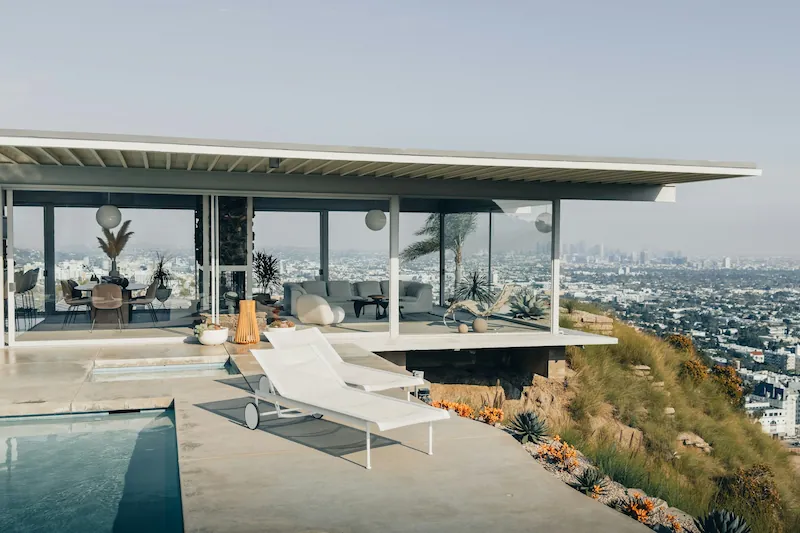
Where to stay in Los Angeles
Find the best neighborhoods and hotels in Los Angeles.
Open page →
Plan your trip to Los Angeles, choose the best areas to stay, and understand how to structure a city that does not behave like a single compact center. LA is a landscape of beach towns, hillside views, studio districts, museum corridors, food neighborhoods, downtown architecture, and quieter residential pockets. The best trip is not built by chasing every famous name, but by grouping the right zones, choosing a base that supports your priorities, and leaving enough time for traffic, light, meals, and the coast to shape the rhythm.
Find the best neighborhoods and hotels in Los Angeles.
Open page →
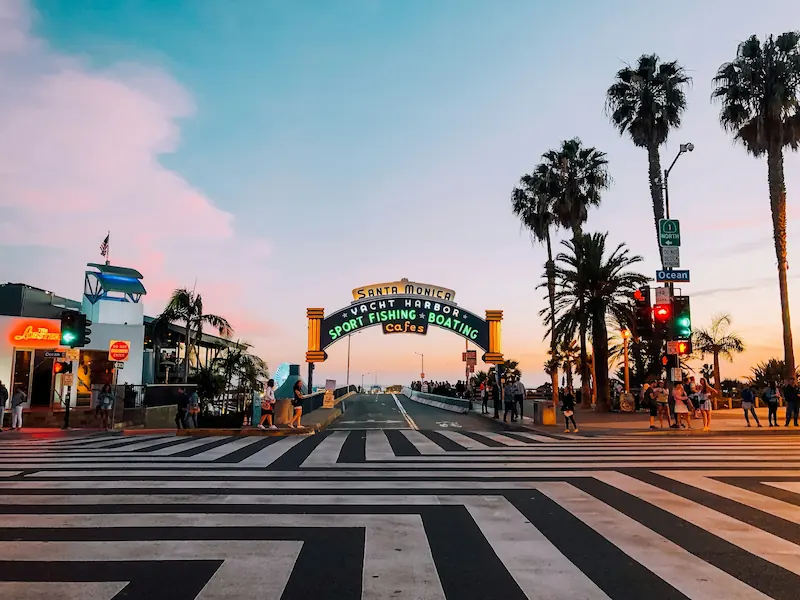
Prioritize the activities that deserve your time in Los Angeles.
Open page →
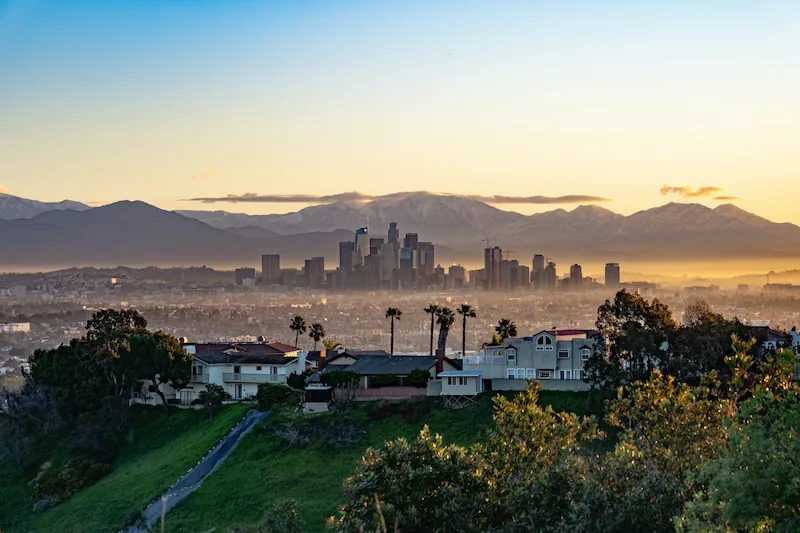
2 Days in Los Angeles Itinerary: First-Time LA Weekend Route
Open itinerary →
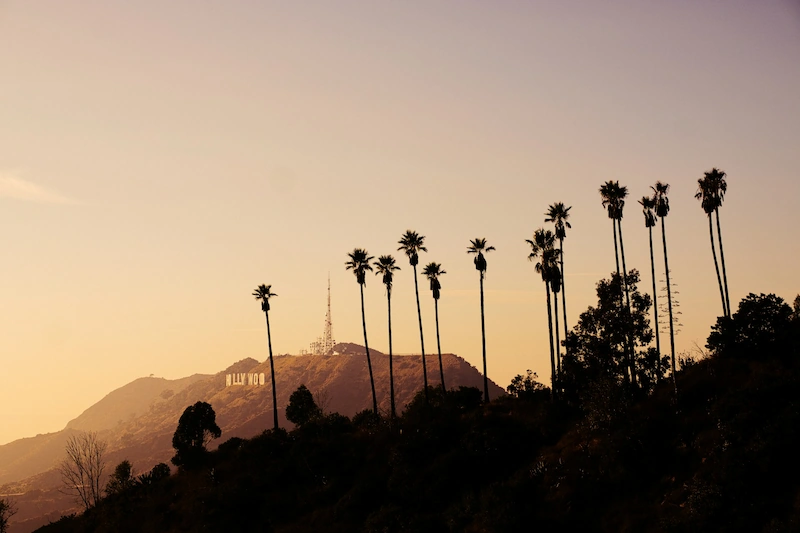
3 Days in Los Angeles Itinerary: Downtown, Getty & Coast
Open itinerary →
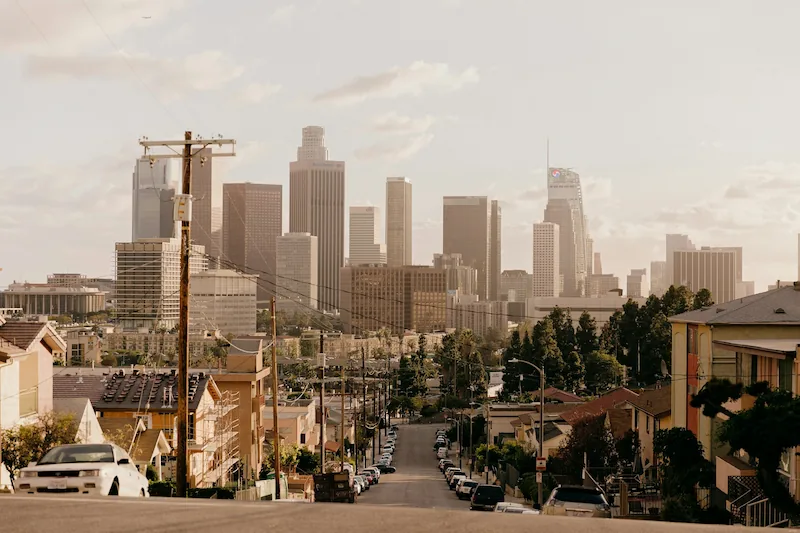
4 Days in Los Angeles Itinerary: Neighborhoods, Coast & Getty
Open itinerary →
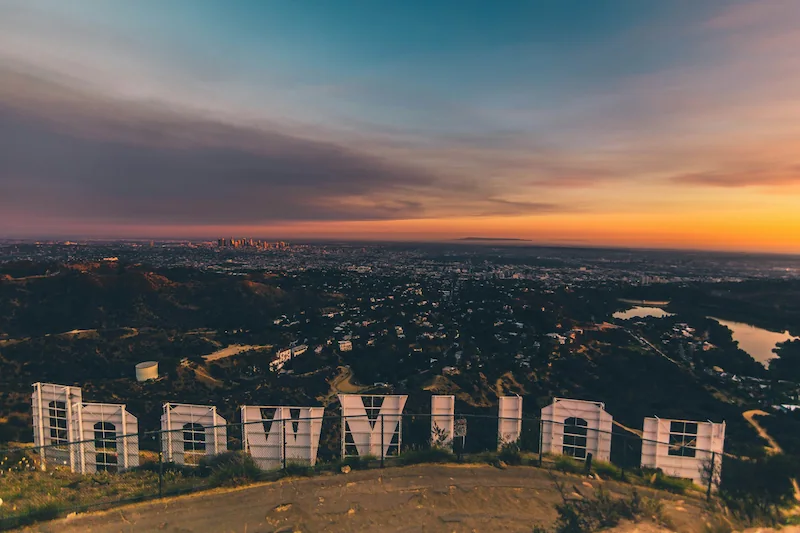
5 Days in Los Angeles Itinerary: Complete First Trip Route
Open itinerary →
Los Angeles works as a series of overlapping mini-cities rather than one visitor core. West Hollywood, Santa Monica, Downtown, Los Feliz, Venice, Beverly Hills, Hollywood, and Koreatown each create a different version of the trip, and none is universally best. The city rewards travelers who think in daily zones: one coast day, one Hollywood-hills or studio day, one downtown or museum day, one food-led evening, and enough empty space to prevent the whole stay from becoming transport management.
Los Angeles is worth the trip because few cities combine global image-making, serious museums, beach life, immigrant food corridors, architecture, entertainment infrastructure, and outdoor geography at this scale. Its weakness for careless planning is also its strength for careful travelers: the city lets you build very different versions of the same stay. A first trip can be classic and cinematic; a second can be food-led and local; a family trip can lean on studios, science, beach and parks; a culture trip can ignore celebrity tourism almost entirely.
Best time: Spring and autumn for the cleanest all-round rhythm; summer for beach-forward trips; winter for culture-led stays with less need for beach time.
Ideal trip length: 4 days for a strong first visit; 5 to 7 days if you want beaches, studios, museums, food neighborhoods, and one wider coastal or desert extension without rushing.
Los Angeles gets expensive less because every activity costs money and more because weak geography creates hidden costs: longer rides, parking fees, valet charges, beach premiums, and wasted hours. West Hollywood and Beverly Hills cost more but can reduce friction for central and westside plans; Santa Monica charges a beach premium; Downtown can be better value for culture-led stays; Koreatown can offer strong food access and relative value; Venice and Santa Monica reward travelers who actually want the coast built into each day.
Los Angeles is a constellation of districts rather than a center with tidy rings. Downtown carries civic architecture, contemporary art, food halls and Little Tokyo. The westside and Beverly Hills hold major museums, shopping and high-service hotels. Santa Monica and Venice create the most accessible coastal version of LA. Hollywood and Burbank/Universal City carry entertainment infrastructure and studio mythology. Los Feliz, Silver Lake, Echo Park and Koreatown make the city feel more lived-in, food-led and local. The right plan is not to cover all of these equally, but to decide which version of LA matters on each day.
The basin, hills and Pacific edge explain why LA is both appealing and difficult. The city spreads laterally across wide corridors; the hills interrupt simple movement; the coast pulls visitors west; and Downtown, Hollywood, the Valley, Beverly Hills and the beach cities all sit on different daily rhythms. Good planning means respecting those separations rather than pretending everything is one continuous urban grid.
Los Angeles is best in sequences: early viewpoints or hikes, mid-day museums or shaded neighborhoods, late-afternoon coast or terrace time, then a dinner district that belongs to the same side of the city. Evenings do not converge into one obvious center. They fragment into Koreatown dinners, Hollywood Bowl nights, Arts District drinks, westside restaurants, beach walks, and hotel terraces.
Think of Los Angeles as a set of parallel city experiences: beach LA, studio LA, museum LA, downtown LA, food-neighborhood LA and hillside-view LA. A good first trip chooses four or five of those clearly. A weak first trip tries to sample every famous label and spends the best hours moving between them.
Build each day around one primary zone, then add only one adjacent layer if energy, traffic and daylight allow. Pair Downtown museums, Grand Central Market, Little Tokyo, Union Station, Walt Disney Concert Hall and Arts District evening plans instead of detaching them across multiple days. Keep beach time on its own rhythm: Santa Monica and Venice can share a day, but they rarely combine gracefully with inland museum or studio plans. Use a westside day for Getty Center, Beverly Hills, Mid-Wilshire museums, Culver City or design-led stops rather than splitting them across the trip. Treat Griffith Observatory, Los Feliz, Hollywood and possibly the Hollywood Bowl as a late-afternoon-to-evening structure rather than a rushed midday add-on. Choose one major studio experience on a first trip: Universal for theme-park scale, Warner Bros. for behind-the-scenes access, or a TV taping/screening only if entertainment culture is central to you. Let one food district carry an evening properly — Koreatown, Little Tokyo, Thai Town, Sawtelle, Arts District or a westside terrace — instead of making every dinner a separate commute. If you have children, protect recovery time; one major anchor plus one flexible outdoor or food block usually works better than two heavy commitments. On a short stay, choose breadth with discipline: one coast block, one downtown or museum block, one Hollywood-hills or studio block, and one neighborhood-led food period.
Vibe: central, polished, socially switched-on
Why go: It gives first-time visitors one of the strongest location compromises in the city, with workable access to Hollywood, Beverly Hills, Mid-Wilshire, the westside, restaurants and nightlife without forcing a beach-first stay.
Who it fits: First-timers who want strategic centrality, couples, nightlife-light travelers, design and restaurant-focused visitors
Not for: Beach-first stays, budget trips, or travelers who want a quiet residential base
Where to stay: West Hollywood is one of the safest all-round bases because it reduces repeated cross-city inefficiency while still feeling social and recognizably LA. It is not cheap and it is not beachy, but it supports the broadest range of first-trip plans better than most areas.
Vibe: coastal, walkable, polished
Why go: It works when the coast is a real part of the trip, not just a single photo stop, giving beach access, walkability, ocean air and family-friendly daily structure.
Who it fits: Beach lovers, families, first-timers who want an easier westside rhythm, travelers who prefer walking and sea air over central nightlife
Not for: Trips centered on Downtown, Hollywood, Koreatown, studios or inland museums
Where to stay: Santa Monica is the most complete visitor-ready beach base in Los Angeles. It is expensive and geographically biased west, but for travelers who will actually use the beach and promenade, the ease can justify the premium.
Vibe: architectural, cultural, urban-core
Why go: It suits travelers whose trip leans toward The Broad, Disney Hall, Grand Central Market, Little Tokyo, Arts District, sports, concerts and a more urban version of Los Angeles.
Who it fits: Culture-led visitors, repeat travelers, short stays with Downtown anchors, food-market travelers and event-goers
Not for: Beach-first travelers, luxury-service seekers, or anyone expecting the easiest classic LA image outside the hotel
Where to stay: Downtown LA can be highly efficient when your itinerary is culture-led and compact. It is not the prettiest default base for every first-timer, but it gives structure, transit logic and real urban content when used intentionally.
Vibe: lived-in, leafy, east-leaning
Why go: It puts you near Griffith Park while giving the trip a neighborhood scale that feels more lived-in than polished hotel districts.
Who it fits: Repeat visitors, couples, Griffith-focused trips, food-and-café travelers and people who like east-leaning local texture
Not for: Beach-first stays, luxury hotel seekers, or travelers needing the most frictionless all-city access
Where to stay: Los Feliz is not the obvious first-timer answer, but it is one of the better bases for travelers who want LA to feel inhabited rather than staged. It works best when Griffith, Hollywood, Silver Lake, Echo Park and local evenings matter more than beach access.
Vibe: creative, casual, coastal
Why go: It gives you a looser and more textured coastal base than Santa Monica, with boardwalk atmosphere, canals, Abbot Kinney, cafés and a stronger sense of local eccentricity.
Who it fits: Travelers who want beach proximity with personality, creative energy, cafés and a less polished coastal mood
Not for: Luxury-first stays, families wanting the easiest beach logistics, or visitors needing a balanced all-city base
Where to stay: Venice is a mood choice. It can be memorable and distinctive, but it is not as clean or universally convenient as Santa Monica. Choose it when texture matters more than polish.
Vibe: refined, quiet, high-service
Why go: It offers a composed premium base with strong hotels, calm returns, westside access and proximity to shopping, museums and high-service dining.
Who it fits: Upscale travelers, comfort-first couples, luxury shoppers and visitors who want service quality over neighborhood edge
Not for: Budget-conscious trips, nightlife-first stays, or travelers seeking a more local-feeling LA base
Where to stay: Beverly Hills is less about sightseeing outside the hotel and more about buying calm, service and a refined return point. It works when comfort is part of the trip strategy, not just a luxury add-on.
Vibe: symbolic, messy, still culturally loaded
Why go: Hollywood still matters if you want the city’s film mythology, Griffith access, entertainment venues and studio-adjacent logistics to sit close together.
Who it fits: First-timers with pop-culture interest, travelers doing Hollywood Bowl or studio-heavy plans, visitors who want symbolic LA close by
Not for: Travelers expecting elegance, calm, or the strongest neighborhood beauty
Where to stay: Hollywood is strategically useful but emotionally uneven. It works best when treated as infrastructure for film, venues and Griffith rather than as the polished heart of the city.
Vibe: dense, food-driven, energetic
Why go: Koreatown is one of LA’s strongest food-and-evening bases, with dense restaurants, nightlife, relative centrality and a more lived metropolitan feel than many visitor districts.
Who it fits: Food-first travelers, repeat visitors, value-conscious city breakers, nightlife-light travelers and people who want LA beyond postcard imagery
Not for: Beach access, polished luxury, or the easiest visual shorthand for a first trip
Where to stay: Koreatown makes the guide feel complete because it shows LA as a dense, food-driven, multilingual city rather than only a beach-and-Hollywood destination. It is not for everyone, but it can be one of the smartest bases for the right traveler.
Los Angeles reveals itself through contrast rather than accumulation. The strongest trip moves between framed viewpoints, one beach or coast rhythm, serious cultural institutions, a concrete entertainment-industry anchor, and at least one neighborhood where daily life matters as much as any famous sight.
Planning tip: Choose only a few anchor experiences before arrival — usually a studio/ticketed entertainment pick, one or two museums, and a dinner or performance that matters — then keep the rest clustered by district so traffic does not start designing the trip for you.
This is one of the clearest ways to understand Los Angeles as geography rather than myth. You see the basin, the spread, the distance between districts, and the way the city organizes itself around light and scale rather than one center.
Tip: Go late afternoon and stay into dusk rather than treating it as a midday photo stop.
Downtown is where Los Angeles feels most legible as a civic and cultural city rather than a cinematic idea. A concentrated day around The Broad, Walt Disney Concert Hall, Grand Central Market, Little Tokyo, and nearby architecture gives the trip structural weight.
Tip: Keep this day compact and walkable within the core instead of adding unrelated westside stops.
The coast changes the rhythm of a Los Angeles trip more than many first-time visitors expect. A real beach day lets the city breathe differently: slower mornings, wider horizons, and a version of LA built around weather and movement rather than museums and traffic.
Tip: Pair Santa Monica and Venice only if you want a full coastal day rather than a checklist stop.
Check guided tours →
The Getty works because it combines collection, architecture, gardens, and topographic perspective in one visit. It is one of the few places where Los Angeles feels both cultivated and spatially readable at the same time.
Tip: Give it at least half a day so the terraces and gardens are part of the visit, not dead transit time.
Check guided tours →
Hollywood matters less as a polished district than as a piece of Los Angeles mythology made physical. It is most rewarding when approached with curiosity about the mechanics of image-making, signage, and urban spectacle rather than as a pristine landmark zone.
Tip: Combine Hollywood with Griffith or nearby neighborhoods so it sits inside a broader, more textured day.
Film and television are part of LA’s structure, not just its branding. A studio tour, Universal day, screening, TV taping, or entertainment-venue evening gives that industry a concrete place in the trip and is usually more useful than chasing scattered celebrity addresses.
Tip: Pick Universal for scale and rides, Warner Bros. for behind-the-scenes access, or a screening/taping only if entertainment culture is a core interest.
Malibu matters because it gives the coast a second reading: slower, more scenic, and less urban than Santa Monica or Venice. It is one of the best ways to widen the trip without abandoning the logic of Los Angeles itself.
Tip: Best added when you already know one full urban day is protected elsewhere in the trip.
Check guided tours →
The Hollywood Bowl is one of the rare evening experiences that feels unmistakably tied to Los Angeles rather than just entertainment branding. It adds a stronger cultural night anchor than generic bars or nightlife loops.
Tip: If the dates align, let this define the evening instead of overbuilding the rest of the night.
Check guided tours →
Taken together, these buildings say more about present-day civic ambition in Los Angeles than many older landmarks. This pairing sharpens the trip by giving downtown an intellectual and formal center, not just a list of stops.
Tip: Try to visit when you still have enough time and attention to walk the surrounding blocks slowly.
Check guided tours →
The Academy Museum is strongest when you want Los Angeles to make sense through process rather than celebrity surface. It adds craft, production history, and visual literacy to a city that is often flattened into pop references.
Tip: Pair it with Miracle Mile or a westside museum day instead of treating it as an isolated errand.
Check guided tours →
This is one of the few parts of Los Angeles where older civic and settlement histories sit visibly in the urban fabric. It matters because it reminds you the city has depth beneath the modern spread and image economy.
Tip: Keep expectations historical rather than monumental; the value here is texture and continuity, not grandeur.
Museum Row can deepen a trip, but it works best when chosen for real interest rather than out of duty. The value is in selecting one institution that matches your curiosity and letting it support a westside or central day.
Tip: Do not stack every museum in one stretch unless art is a core reason for the trip.
Check guided tours →
The California Science Center is one of the city’s most useful practical institutions because it works on real itineraries: families, rainy days, longer stays, and mixed-interest groups. It is not glamorous, but it is genuinely high-value.
Tip: Best on a day when you want the schedule to feel straightforward rather than aspirational.
Check guided tours →
The Petersen is stronger than many visitors assume because it works at the intersection of design, engineering, popular culture, and Los Angeles car identity. It is one of the best specialist museums to add when you want culture beyond the standard art circuit.
Tip: Best added if your Mid-Wilshire day needs more specificity than another broad museum alone.
Check guided tours →
These districts are where Los Angeles feels less like a destination and more like a functioning city with repeat habits and local patterns. They add proportion to the trip by showing how Angelenos actually occupy everyday urban space.
Tip: Use them for a late breakfast, bookstore stop, and unforced evening rather than a formal sightseeing list.
Check guided tours →
Los Angeles often explains itself best through informal public eating spaces. Markets and food corridors show class mix, cultural layering, and the city’s everyday appetite more clearly than polished dining rooms do.
Tip: Go slightly off peak if you want the atmosphere without having the meal defined by line management.
Check guided tours →
One of Los Angeles’s defining facts is that urban life and open slopes sit very close together. Even a short hill or park outing recalibrates the trip by making the city’s dryness, scale, and basin geography physically obvious.
Tip: Do this early in the day before heat and road friction start flattening energy.
Check guided tours →
Little Tokyo helps make downtown feel more layered and less purely institutional. It is one of the easiest district additions if you want food, culture, and a more neighborhood-led downtown extension.
Tip: Best paired with a downtown museum block rather than saved as a separate cross-city objective.
Check guided tours →
Koreatown is one of the clearest places where Los Angeles feels truly metropolitan rather than purely scenic or symbolic. It is especially valuable because it adds density, food depth, and night energy without depending on standard tourist logic.
Tip: Build a dinner-led evening here instead of trying to fit it into a rushed museum day.
Check guided tours →
The city’s food strength is its spread: Korean, Mexican, Japanese, Armenian, Persian, Californian, and market-driven dining all sit in different geographic and social contexts. The best food planning respects district logic rather than chasing prestige across the basin.
Tip: Choose restaurants inside the zone you already plan to explore instead of designing the whole evening around one table.
Check food options →
Some of the most revealing meals in Los Angeles are quick, local, and unceremonious. They show the city’s confidence in everyday eating and often deliver more sense of place than high-design rooms do.
Tip: Keep one meal unplanned each day so there is room for a street-level choice that actually matches the district.
Grand Central Market is useful because it condenses variety and public energy into one stop, especially on a downtown day. But it should open up your appetite for the city rather than replacing neighborhood-specific meals elsewhere.
Tip: Go with an exploratory mindset and share small plates instead of trying to make it one heavy meal.
Check food options →
Koreatown is one of the clearest examples of why Los Angeles food works through neighborhoods rather than prestige alone. It is strong enough to justify its own evening and often says more about the city than another scenic dinner ever could.
Tip: Let appetite and one district guide the night instead of stacking multiple neighborhoods around dinner.
Check food options →
Los Angeles evenings often work best when the day resolves gently rather than theatrically. One good terrace or neighborhood dinner gives the trip a slower landing and lets the city feel social without demanding spectacle.
Tip: Book this on a day with less driving pressure so dinner feels like an extension of the neighborhood, not a final commute.
Check food options →
Los Angeles expands fast when every famous name is treated as equally important. The best guide-level hierarchy is simple: protect the experiences that explain scale, coast, culture, entertainment and food, then cut symbolic low-return stops first.
Los Angeles can work very well with children if you build days around one major anchor, one flexible release, and realistic transfer time. Universal, Santa Monica, Griffith, La Brea, the California Science Center, the Academy Museum for older kids, and beach or park time all work, but not when stacked too aggressively. By mid-afternoon, sun, car time, parking and scale can flatten energy quickly.
The right Los Angeles itinerary is less about volume than about choosing a daily center of gravity. These versions work because they respect distance, contrast, and the city’s changing pace: one coast rhythm, one cultural or downtown rhythm, one studio or Hollywood-hills rhythm, then additional days for food, museums and slower neighborhoods.
Open the planner →
Los Angeles rewards planning, but not rigid overplanning. The practical goal is to choose a base that matches your priorities, understand where time really disappears, and leave enough elasticity for traffic, weather, parking, meals and energy to shape the day without breaking it.
For a short, high-yield trip, spring and autumn are usually the easiest answers. Temperatures are comfortable for mixed city-and-coast days, visibility is often better for viewpoints, and attractions remain active without peak beach compression. Summer works for coast-led stays but raises parking, beach and westside friction. Winter can be excellent for culture-led trips and repeat visitors who do not need full beach immersion.
Three days is the minimum threshold at which Los Angeles starts to make sense as more than disconnected highlights. Four or five days is far stronger for a first trip because it allows one coast block, one Hollywood/studio block, one downtown or museum block, one westside or Getty block, and one food-led evening without making every day a race.
Choose your base by deciding which version of Los Angeles matters most: beach, central all-round access, downtown culture, Hollywood/studio logic, westside comfort, or neighborhood food texture. West Hollywood is often the strongest all-round base, Santa Monica is the clearest beach base, Downtown works for culture-led trips, Los Feliz gives local east-leaning texture, Beverly Hills buys comfort, Hollywood buys symbolism and access, and Koreatown buys food density and relative centrality.
Most international and long-haul arrivals come through LAX, which is the main gateway for the city. Union Station matters if you are arriving by rail or linking other parts of Southern California, and it is also useful as the FlyAway bus connection point to and from LAX. Arrival time matters in Los Angeles more than in many cities, because a badly timed airport transfer can distort the first and last day.
You can build good LA days with a mix of walking, ride-hailing, selective Metro use and occasional driving, but you should not assume the whole trip will be smoothly car-free. Metro works best for Downtown, Hollywood and selected corridors; ride-hailing is useful but can become expensive when the itinerary zigzags; a rental car helps for Malibu, Getty Villa, Pasadena, South Bay, Disneyland or wider Southern California, but parking can become the hidden cost. The real skill is matching transport mode to the day’s geography.
Los Angeles is a mainstream major-city destination with reliable healthcare infrastructure, but travel insurance is especially important in the US because medical costs can be extremely high. Day-to-day safety is mostly about normal big-city awareness, reading the street correctly after dark, and not assuming every block within the same district feels the same. Heat, dehydration, and simple driving or parking fatigue are more common trip disruptors than dramatic safety incidents.
Los Angeles is viable year-round, but the best season depends on the version of the city you want. Spring and autumn are strongest for a broad first trip because beach, museums, food neighborhoods, viewpoints and outdoor time all work without extreme operational friction. Summer makes the coast more magnetic but also more crowded and expensive. Winter is good for culture, food and repeat visitors, though the classic beach fantasy becomes less central.
Spring is one of the strongest seasons for first-time visitors because the city can be mixed across districts without heat or peak coastal pressure dominating the day. Hikes, Griffith views, museum afternoons, outdoor meals and beach time all sit more naturally in the same trip structure.
Summer suits travelers who want Los Angeles with the coast fully alive and long daylight extending the usable day. The trade-off is that parking, beach crowds, westside congestion and hotel prices make weaker planning more painful.
Autumn is often the most balanced season for travelers who want range without peak-season drag. Museums, neighborhoods, food evenings and coastal time all work, and the city tends to feel less operationally tense than high summer.
Winter works well for culture-led travelers, food-focused trips, award-season atmosphere and repeat visitors less attached to long beach days. Outdoor time is still possible, but the trip usually feels more urban, museum-led and restaurant-led than beach-led.
These are the planning questions that shape whether Los Angeles feels readable or fragmented. The city improves quickly once you solve for distance, base, daily structure, and which version of LA you actually want.
Three days is the minimum for a coherent first visit, but four to five days is a much stronger target. That gives you room for one coast block, one Hollywood or studio-facing day, one downtown or museum day, and at least one neighborhood-led food evening without turning the trip into constant transfer time.
West Hollywood is often the strongest all-round answer because it balances access, hotel quality, dining and evening flexibility better than most areas. Santa Monica works better if the coast is central to the trip, while Downtown suits more culture-led stays than classic first-time LA expectations.
Spring and autumn are usually the easiest seasons for a broad first trip. They offer the best mix of mild weather, workable all-day pacing, beach usability and fewer operational headaches than peak summer.
Individual districts can be walkable, but Los Angeles as a whole is not a walk-everywhere city. The trip works best when you think in walkable pockets connected by driving, ride-hailing or selective public transit.
Not always, but many travelers benefit from a mixed approach. You can do Downtown, Hollywood and selected central plans without a car, but a car becomes more useful for Malibu, Getty Villa, Pasadena, South Bay, Disneyland, Joshua Tree or wider regional movement.
Avoid trying to do Hollywood, Santa Monica, Downtown, Beverly Hills, Griffith and a studio in one or two days. The biggest mistake is treating LA like a compact attraction grid instead of grouping each day by zone.
Hollywood is worth a short, intentional look if film mythology matters, but it is not the best emotional center of a trip. Most visitors get more value from Griffith, a studio tour, the Academy Museum, Hollywood Bowl or a nearby neighborhood dinner.
Yes, especially for first-timers who want central access, restaurants, nightlife-light energy and strong hotel stock. It is not beachy and not cheap, but it is one of the most strategic bases for a broad LA trip.
Stay in Santa Monica if the coast is a real part of your trip, not just a one-hour stop. It is expensive but highly usable for beach time, families, walking and a more relaxed daily rhythm.
Downtown works well for culture-led travelers, event-goers and repeat visitors who want The Broad, Disney Hall, Grand Central Market, Little Tokyo and Arts District within a coherent structure. It is less ideal for travelers expecting classic beach LA.
Yes, especially if food and a real local-feeling evening matter. Koreatown is one of the strongest ways to experience LA as a dense, multilingual, food-driven metropolis rather than just a sightseeing landscape.
For most first trips, the strongest anchors are Griffith Observatory, one coast block around Santa Monica or Venice, one studio or film-world experience, one major museum such as the Getty or The Broad, and one food-led neighborhood evening.
Choose Universal if you want a full theme-park day with rides and spectacle. Choose Warner Bros. if you want a more behind-the-scenes studio experience. Most first trips only need one of the two unless entertainment is the main reason for visiting.
Yes. The Getty Center is one of LA’s best combinations of art, architecture, gardens and views. It deserves a real half-day and should not be squeezed between unrelated cross-city stops.
The Getty Center is better for most first-timers because it gives broader collections, architecture and city views. Getty Villa is better for a quieter westside or Malibu-facing day and for travelers interested in antiquities and a more composed coastal setting.
Universal Studios, Santa Monica Pier, Griffith Observatory, California Science Center, La Brea Tar Pits, Petersen Automotive Museum and beach time are the most reliable family picks. The key is one major anchor per day, not two.
Griffith Observatory, beach time, The Broad, Getty admission with reservation, Walt Disney Concert Hall exterior, Olvera Street, Grand Central Market browsing and neighborhood stair walks are among the best free or low-cost choices.
Book Getty reservations, studio tours, Universal tickets, popular restaurants, Hollywood Bowl or performance tickets, special exhibitions and high-demand museum slots. Leave beaches, neighborhood walks and casual food stops flexible.
Koreatown is one of the best dinner districts, but LA food is corridor-based rather than one-zone. Thai Town, Little Tokyo, Sawtelle, Grand Central Market, taco corridors, Arts District and westside terraces all matter depending on your route.
Often yes if you have at least four or five days and want the Pacific side of LA to feel broader than Santa Monica and Venice. It works best as a selective half-day or day extension, not as a rushed detour.
It can be part of a Los Angeles trip, but it is really a full Anaheim day and should be planned as a separate commitment. On a short LA city trip, Disneyland competes directly with studios, coast and museums.
Pasadena is worthwhile on longer or repeat trips, especially if you want Huntington Library, architecture, gardens or a calmer eastern extension. It is not usually a first two-day priority.
A strong 3-day structure is one Hollywood-hills or studio day, one coast day around Santa Monica and Venice, and one Downtown or museum day with a strong food evening. Avoid adding distant day trips.
With 5 days, add Getty or Mid-Wilshire museums, a proper studio or entertainment anchor, a coast day, Downtown, Griffith, Koreatown or Little Tokyo, and possibly Malibu or Pasadena depending on your interests.
Repeat visitors should lean into Koreatown, Thai Town, Silver Lake, Echo Park, Los Feliz, Arts District, Pasadena, Malibu, Getty Villa, South Bay or deeper food corridors instead of repeating only Hollywood and Santa Monica.
Yes, especially if you build the trip around westside hotels, Getty, beach sunsets, terrace dinners, Griffith, Hollywood Bowl, Malibu or a calmer neighborhood base like Los Feliz or Santa Monica.
Yes. LA can be excellent as a food, design, beach, neighborhood and museum city. You can skip many celebrity-themed stops and still have a stronger trip through Koreatown, Downtown, Getty, Venice, Los Feliz and the coast.
West Hollywood, Santa Monica, Downtown, Hollywood, Beverly Hills, Los Feliz and Koreatown are the most useful bases or planning zones. The best choice depends on whether your trip is beach-led, culture-led, food-led, entertainment-led or balanced.
The biggest mistake is underestimating distance and overestimating how many famous areas can fit into one day. A good LA trip chooses daily zones; a bad one spends the best hours crossing between them.
Yes, but those are full-day or overnight-style extensions. Santa Barbara is the easier coastal contrast; Joshua Tree is a stronger landscape contrast but a much heavier day from LA.
In Los Angeles, the best trip is usually the one that chooses its version of the city early and groups each day around it.
Find the best places to stay, how to get there, and move around with ease.
Build a smarter trip base
Once you understand how Los Angeles works and what matters most for your trip, the next step is turning that direction into a real itinerary. Use the planner to organize your days around the right areas, experiences, and rhythm so the trip feels clear before you go.