Best things to do in Los Angeles beyond the obvious
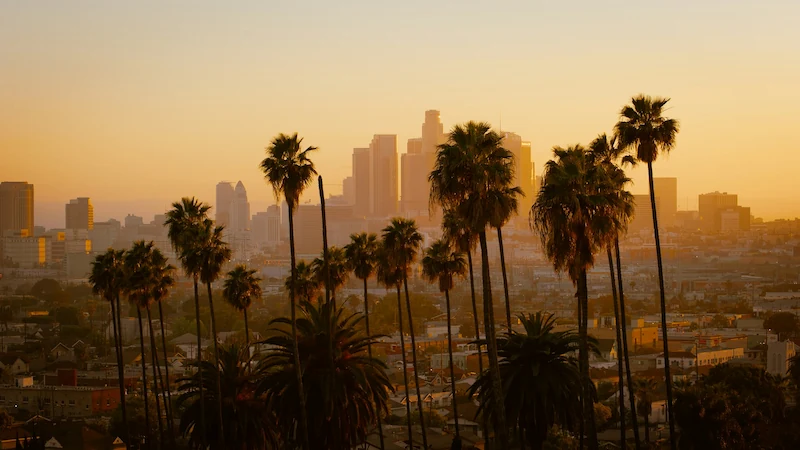
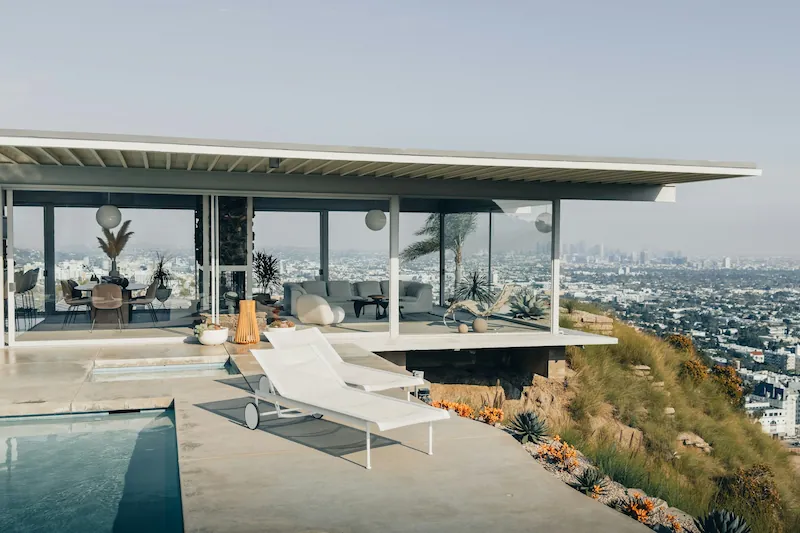
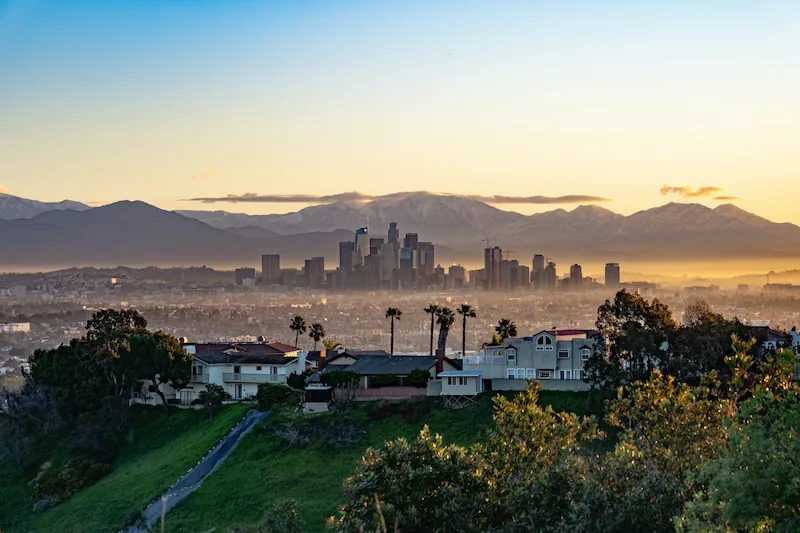
Discover the best things to do in Los Angeles, from hillside views and studio-world highlights to beach time, serious museums, food-led neighborhoods, outdoor escapes and smarter ways to use your time. LA rewards selectivity more than checklist sightseeing: the strongest trip usually combines one view, one studio or cinema layer, one coast block, one museum cluster, one food neighborhood and enough geographic discipline to avoid spending the best hours in traffic.
Best time
March to June and September to early November give Los Angeles its best activity mix: clearer outdoor planning, comfortable museum-and-coast days, and fewer heat or holiday bottlenecks than peak summer.
Ideal trip length
Three to four days are enough for a strong first trip; five to seven days let you add studios, beaches, museums, food neighborhoods, Malibu or Pasadena, and one serious day trip without rushing.
Continue planning your Los Angeles trip
Use this page to decide what is worth doing, then move back to the broader Los Angeles guide and itinerary pages to shape the rest of the trip. The best results come from combining clear activity choices with realistic day structure.
Best things to do in Los Angeles first
Griffith Observatory and hillside views – Area: Griffith Park / Los Feliz · Best for: First-time orientation, skyline views and Hollywood sign context · Time needed: 2 to 3 hours · Worth it: Essential for most first trips because it makes LA’s scale and geography readable early. · Book ahead: No for the grounds; planetarium shows are same-day only.
Choose one studio experience: Universal or Warner Bros. – Area: Universal City / Burbank · Best for: Movie fans, families and entertainment-first travelers · Time needed: 3 hours to full day · Worth it: High payoff if you pick the format that fits you: Universal for theme-park spectacle, Warner Bros. for behind-the-scenes access. · Book ahead: Yes, especially weekends, holidays and school breaks.
Spend a real block at the Getty Center – Area: Brentwood · Best for: Art, architecture, gardens and views · Time needed: 3 to 4 hours · Worth it: One of LA’s strongest culture-plus-setting experiences; do not squeeze it between distant stops. · Book ahead: Yes, timed entry / reservation planning is useful and parking logistics matter.
Use Santa Monica and Venice as one coast sequence – Area: Santa Monica / Venice · Best for: Classic beach, bike path, pier, canals and people-watching · Time needed: Half day · Worth it: Worth it on a first trip if you keep the route focused instead of trying to cover every beach. · Book ahead: No, unless renting bikes or booking a guided coastal tour.
Do Downtown LA as art, architecture and food – Area: Downtown LA · Best for: The Broad, Walt Disney Concert Hall, Grand Central Market, Little Tokyo and Arts District · Time needed: Half day to full day · Worth it: Very worthwhile when grouped coherently; weak if treated as scattered quick stops. · Book ahead: Recommended for The Broad and ticketed performances.
Pick one Mid-Wilshire museum cluster – Area: Miracle Mile / Mid-Wilshire · Best for: LACMA, Academy Museum, La Brea Tar Pits, Petersen and rainy-day structure · Time needed: Half day to full day · Worth it: High value for culture, families and indoor planning, especially when you avoid rushing multiple museum interiors. · Book ahead: Recommended for Academy Museum, LACMA exhibitions and busy family periods.
Use Hollywood Boulevard briefly, then shift to better Hollywood-adjacent experiences – Area: Hollywood / Hollywood Hills · Best for: First-time curiosity and quick landmark context · Time needed: 30 to 90 minutes · Worth it: Only as a short pass-through; Griffith, Hollywood Bowl or a studio tour usually deliver more. · Book ahead: No for walking; yes for shows and tours.
Add Malibu or Getty Villa for a slower coastal layer – Area: Malibu / Pacific Palisades · Best for: Scenic coast, museum-and-ocean pairing and longer stays · Time needed: Half day to full day · Worth it: Very strong if you have 4+ days or want the coast beyond Santa Monica and Venice. · Book ahead: Yes for Getty Villa; restaurants and weekends benefit from planning.
Eat through one neighborhood with intent – Area: Koreatown / Thai Town / Little Tokyo / Downtown / Eastside · Best for: Tacos, Korean barbecue, Thai food, Japanese food, markets and local rhythm · Time needed: 2 to 4 hours · Worth it: Essential for food-first travelers; LA’s food scene explains the city better than many minor attractions. · Book ahead: Reservations help for popular dinners; casual counters usually stay flexible.
See a show, concert, game or screening if dates align – Area: Hollywood Bowl / Downtown / Inglewood / Hollywood / Westside · Best for: Evening structure and local culture · Time needed: 2 to 4 hours · Worth it: Often stronger than generic nightlife if you choose the right venue or event. · Book ahead: Yes for Hollywood Bowl, major concerts, games and screenings.
Use Pasadena or Huntington Library for a different LA-region rhythm – Area: Pasadena / San Marino · Best for: Gardens, architecture, older urban texture and calmer culture · Time needed: Half day · Worth it: Excellent on longer or repeat trips; not mandatory before the core LA anchors. · Book ahead: Recommended for Huntington Library and major exhibitions.
Take one day trip only if LA itself already has enough room – Area: Catalina / Santa Barbara / Joshua Tree / Disneyland / Orange County · Best for: Island, coast, desert, theme park or regional contrast · Time needed: Full day · Worth it: Worth it with 5+ days or a specific priority; otherwise it can steal too much from LA itself. · Book ahead: Yes for ferries, theme parks and organized tours.
How to choose well in Los Angeles
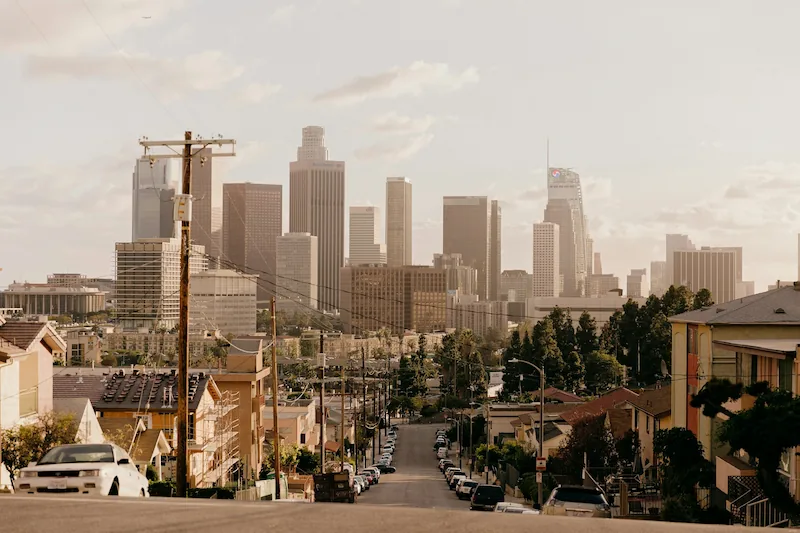
Los Angeles is rarely rewarding as a box-ticking city. The best version of a first trip is built around a few high-payoff anchors, then grouped by geography so you are not spending your best hours crossing the city for minor wins. Late light, long boulevards, canyon edges, studio mythology and the sudden switch from city grid to ocean are part of the experience, but only if you leave enough breathing room in the day.
Do fewer neighborhoods per day than you think: LA punishes over-stuffed plans more than most major cities.
Treat Hollywood Boulevard as a short curiosity stop, not the emotional center of the trip.
Choose one major studio or screen-world experience unless film culture is the reason you came.
Use museum days geographically: Mid-Wilshire museums together, Downtown museums together, Getty sites on their own side of town.
Build at least one coast-focused block into a first trip; without it, LA can feel more abstract than it should.
Reserve timed-entry museums, studio tours, ferries and shows early, then let food, beaches and neighborhood wandering stay flexible.
Use Downtown for one coherent architecture-art-food sequence rather than a fragmented list of small stops.
Let one evening belong to a real LA night anchor: Hollywood Bowl, Koreatown, Arts District, a screening, a game, or a coast-side sunset block.
Do not let celebrity-home tours, minor photo stops or far-flung shopping detours replace the experiences that actually explain the city.
Iconic Los Angeles
This is the LA most first-time visitors are looking for: hillside views, studio mythology, coast, and a few landmarks that still earn their place. The strongest iconic experiences are the ones that connect image and geography, not the ones that simply prove you were here. Toward sunset, the city starts to read more clearly from above and from the waterline.
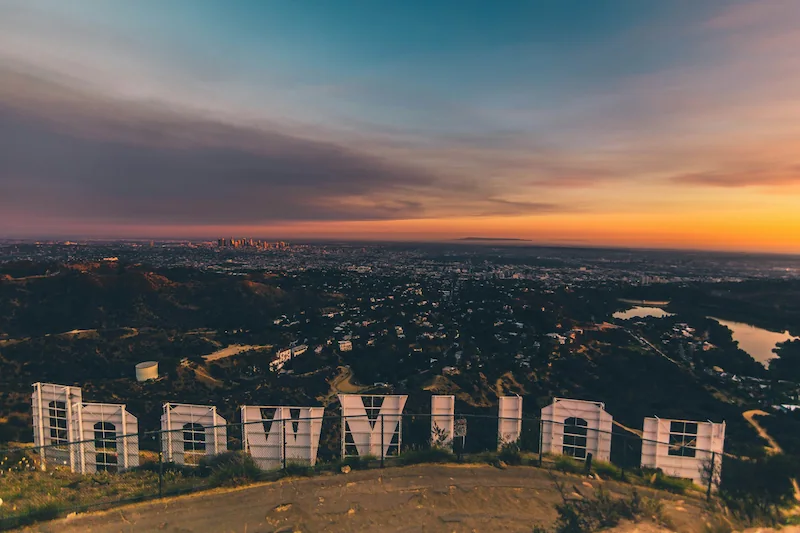
Griffith Observatory for skyline-and-sign perspective – This is one of the few classic LA stops that delivers for almost everyone. You get a real sense of the basin, the hills, and how the city spreads, which makes the rest of the trip easier to read. The building itself is free to enter, and the setting is the point as much as the exhibits. (First-time essential · Best for: View-driven first trips)
Universal Studios Hollywood if you want spectacle over subtlety – For travelers who want one big entertainment day, this is the cleanest choice. The studio identity, rides, and production-world framing make more sense here than chasing scattered Hollywood landmarks around the city. It is a full-day commitment, not a casual stop. (High payoff · Best for: Families and movie fans)Find tours & experiences
Warner Bros. Studio Tour for actual behind-the-scenes access – If your interest is film and television craft rather than theme-park energy, this is often the smarter studio pick. It feels more concrete, more industry-facing, and usually more satisfying than generic celebrity tourism. Book it because the good value lies in the access, not in spontaneity. (Worth it · Best for: Cinema and TV fans)Find tours & experiences
Santa Monica Pier and the beach just beyond it – The pier is touristy, but it still works because it gives you a concise version of the coast: beach, amusement energy, bike path, and open Pacific horizon. The trick is not to over-romanticize the pier itself. Pair it with beach time or a shoreline walk and it becomes much stronger. (Best for: Classic coast-on-a-first-trip)
Getty Center for LA’s most complete big-view cultural stop – The Getty works because it combines art, architecture, gardens, and one of the most satisfying hilltop settings in the city. It feels deliberate rather than chaotic, which can be a relief in Los Angeles. This is a place to give half a day, not to squeeze between other appointments. (High payoff · Best for: One major museum done properly)
Venice Beach Boardwalk and the canals – Venice is worth it not because every minute is beautiful, but because it shows a specific LA mix of performance, looseness, edge, and beach life. Do the boardwalk, then step away from it. The canals and residential streets give the area more balance and make the stop feel less one-note. (Best for: People-watching and atmosphere)
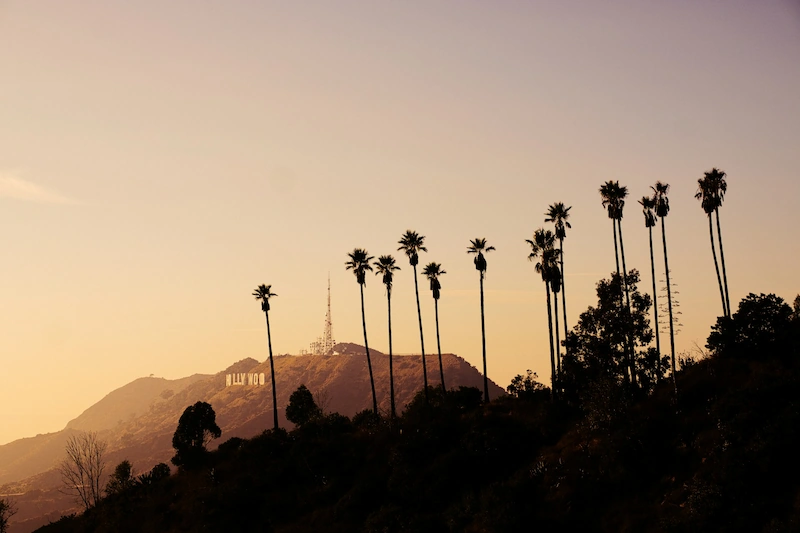
Hollywood sign views without making Hollywood Boulevard the main event – Seeing the sign still matters on a first trip, but it is best treated as a viewpoint goal rather than a full neighborhood mission. Build it into Griffith Park or a nearby scenic stop and move on. That keeps the symbolism while avoiding a low-return day. (Only if first trip · Best for: Checklist essentials done efficiently)
Do one Malibu coastal drive or stop instead of pretending all coast feels the same – Malibu gives the Pacific edge of LA a calmer, more scenic, and less boardwalk-heavy reading than Santa Monica or Venice. Even a short Malibu block can make the coast feel larger, more cinematic, and less like one single westside strip. (Strong add-on · Best for: Longer first trips and return visitors)
Hollywood Bowl for one genuinely iconic LA evening – The Hollywood Bowl is one of the rare headline evening experiences that still feels like Los Angeles rather than tourism theater. If your dates align, it gives the city a cultural night anchor that is stronger than generic nightlife wandering. (Best at night · Best for: Music lovers and summer evenings)
Use Runyon Canyon or Lake Hollywood Park only if you want a lighter Hollywood Hills moment – Not every visitor needs a full hike, but a short hills-and-sign moment can be useful when you want the Hollywood landscape without overcommitting to Boulevard tourism. Keep it early, compact, and weather-aware. (Optional · Best for: Hollywood sign views, light hiking and active travelers)
Add a live sports or arena event if LA’s calendar lines up – A Lakers, Clippers, Kings, Dodgers, Rams, Chargers, LAFC or major concert night can be a more vivid evening than a generic bar plan. It only belongs in the itinerary when the event itself excites you and the venue geography does not wreck the day. (Best if dates align · Best for: Sports fans, event-led evenings and repeat visitors)
Consider Disneyland only as a full theme-park day, not a casual LA add-on – Disneyland is not in Los Angeles proper and should be treated as an Anaheim day with its own logistics. It can be worth it for families and Disney-focused travelers, but it is too big to bolt onto a normal sightseeing day. (Full-day commitment · Best for: Families and Disney fans)Find tours & experiences
Cultural Los Angeles
LA’s cultural strength is not one grand historic center but a set of serious institutions spread across the city. The best museum stops here feel distinct rather than interchangeable: contemporary art downtown, cinema history in Mid-Wilshire, encyclopedic collections on the hill, Ice Age science in the middle of the urban fabric, and historic traces of the city’s earlier layers. Inside, the city often becomes easier to understand than it does from the sidewalk.
The Broad for a compact contemporary-art hit – The Broad is one of the easiest major museums in LA to fit into a city day because it is central, free, and digestible. It works especially well if you want one focused art stop without committing half the day. Pair it with Grand Avenue, Walt Disney Concert Hall, or lunch downtown. (Worth it · Best for: Short downtown cultural stop)
LACMA for a fuller art museum day – LACMA makes more sense when you want to spend real time looking rather than just passing through. It is broad, substantial, and best approached as part of a Mid-Wilshire museum block. Do not reduce it to a quick photo stop outside. (Best for: Art-led half day)
Academy Museum of Motion Pictures – This is one of the smartest rainy-day or movie-lover choices in LA because it gives Hollywood context without forcing you into tired street-level clichés. Exhibitions are strong on craft, memory, and industry storytelling. It also sits well beside LACMA if you want a museum-heavy day. (Rainy-day strong pick · Best for: Movie history and design)Find tours & experiences
Getty Villa for antiquities in a calmer coastal setting – The Getty Villa feels very different from the Getty Center: slower, more enclosed, and better if you want culture attached to a westside or Malibu-facing day. It is a good answer for repeat visitors or travelers who want one refined stop away from downtown pressure. (Best for: Quieter museum time)
La Brea Tar Pits for science that feels specific to LA – This is not just a family fallback. The fact that an active Ice Age fossil site sits in the middle of urban Los Angeles makes it one of the city’s genuinely distinctive cultural experiences. It is especially strong if you want a museum stop that is less interchangeable with other big cities. (Unique · Best for: Science, kids, and rainy-day planning)
California Science Center for one of LA’s strongest family-friendly indoor anchors – The California Science Center is one of the most useful practical cultural stops in LA because it works across ages and weather conditions. It is less stylish than the city’s big art institutions, but often more useful on a real itinerary. (Family strong pick · Best for: Families and longer stays)
Petersen Automotive Museum for a better car-and-design museum than many visitors expect – Even travelers who are not pure car enthusiasts often find the Petersen stronger than expected because it combines design, engineering, movie-car culture, and a well-organized indoor format. It is one of Mid-Wilshire’s best backup or specialist picks. (Best for: Design, cars, families, rainy days)
Olvera Street and El Pueblo if you want historic Los Angeles instead of only modern image-making – This is one of the clearest ways to bring older Los Angeles into the trip. It works best when approached as a short history-and-place layer rather than as a big-ticket attraction. (Free historical layer · Best for: Historic context and shorter downtown extensions)
MOCA and Walt Disney Concert Hall for sharper downtown culture – Downtown LA becomes much stronger when you pair contemporary art with architecture rather than treating Grand Avenue as a photo backdrop. MOCA, The Broad and Walt Disney Concert Hall can turn a compact area into a serious cultural block. (Best for: Contemporary art, architecture and downtown planning)
Natural History Museum for a classic Exposition Park family anchor – The Natural History Museum adds another strong option to the Exposition Park cluster, especially if your group wants dinosaurs, science and a more traditional museum rhythm. It pairs naturally with the California Science Center if you manage energy carefully. (Family strong pick · Best for: Families, science and rainy-day planning)
Japanese American National Museum and Little Tokyo for culture with food nearby – This is one of Downtown’s smartest pairings because it gives historical depth and an easy neighborhood food layer without a major transfer. It is especially useful when you want central LA to feel more specific than just skyline and museums. (Best for: History, food-led downtown days and culture-first travelers)
Huntington Library, Art Museum and Botanical Gardens for a slower Pasadena-area cultural day – The Huntington is a major gardens-and-collections experience that belongs on longer LA stays or culture-led trips. It is not a quick central stop, but it gives the region a calmer, more composed layer beyond studios and beaches. (Longer stay · Best for: Gardens, art, books and slower cultural days)
Local texture and city rhythm
The most memorable LA moments are often not the headline sights but the places where the city’s rhythm becomes legible: a staircase walk through the hills, a market lunch downtown, a canyon-road coffee stop, a beach neighborhood at the right hour, or a downtown pocket that feels more lived-in than branded. These are the activities that make LA feel less like an image bank and more like a place with its own habits, distances, and payoffs.
Grand Central Market with Bunker Hill and Angels Flight – This is one of the easiest ways to make downtown LA feel usable and enjoyable. You get food, people-watching, old-meets-new city texture, and enough nearby landmarks to turn lunch into a genuine half day. It works particularly well on a shorter trip. (High payoff · Best for: Compact downtown half day)
Do one LA stair walk instead of another generic viewpoint – The historic stair routes in neighborhoods like Echo Park or Silver Lake reveal a more human-scale version of Los Angeles. You get hillside homes, layered city views, and a sense of how older neighborhoods were actually connected. This is a far better 'hidden' angle than chasing novelty for its own sake. (Unique · Best for: Repeat visitors and walkers)
Browse Abbot Kinney, then drift back toward the beach – Done in moderation, this makes a good LA afternoon: shops, coffee, design-led storefronts, then a return to ocean air. It is not an all-day attraction, but it is useful as a lighter counterweight to museums and studio tours. (Best for: Low-pressure westside time)
Spend an evening in Arts District rather than forcing nightlife in Hollywood – For many visitors, downtown-adjacent evening time now lands better than trying to manufacture excitement around Hollywood Boulevard. The Arts District gives you galleries, bars, warehouses, and dinner options in a part of the city that feels current rather than merely famous. (Best in the evening · Best for: Dinner-and-drinks nights)
Drive a short scenic slice of the coast instead of chasing every beach – Trying to 'do all the beaches' usually leads to wasted time. A better move is choosing one beach area and adding a short scenic coastal drive or walk, especially around Santa Monica, Pacific Palisades, or Malibu. LA’s coastal mood comes through more clearly when you slow it down. (Best for: Short-trip selectivity)
Use Little Tokyo as a more grounded downtown extension – Little Tokyo is one of the best ways to deepen a downtown day without forcing a huge cross-city detour. It adds food, culture, and a stronger lived-in neighborhood rhythm than many visitors expect from central LA. (Best for: Food-led and culture-led downtown extensions)
Use Echo Park Lake or Silver Lake for a gentler eastside pause – Echo Park and Silver Lake show a more everyday LA rhythm: hills, cafés, lake paths, small shops and residential texture. This is not a checklist district, but it is useful when you want the city to feel lived-in rather than staged. (Best for: Repeat visitors, cafés and neighborhood texture)
Walk Manhattan Beach or Hermosa if you want a cleaner South Bay beach rhythm – Santa Monica and Venice are the obvious coast, but the South Bay offers a more relaxed beach-town logic with piers, bike paths and less performative energy. It works best if you already have westside or airport-side geography in play. (Only if you have time · Best for: Beach-town atmosphere and repeat visitors)
Use Culver City for a compact food-and-design stop – Culver City is useful because it sits between westside and central LA with restaurants, studios, galleries and a more compact urban feel. It is not essential for a first trip, but it can solve awkward itinerary gaps well. (Best for: Food, design, galleries and westside-central transitions)
Go to Leimert Park or the Crenshaw corridor if Black LA culture is a priority – This is not a casual add-on for every visitor, but it matters for travelers who want a broader cultural reading of Los Angeles. Use it intentionally around music, food, community events or a guided context rather than as a drive-through. (Culture-specific · Best for: Black culture, music, community events and deeper LA context)
Food experiences worth building into the trip
Los Angeles is one of the easiest cities in the US to eat very well without formal occasion dining. The real question is not whether the food is good, but which food experiences deserve actual trip time rather than being left to convenience. Smoke, citrus, tortillas, grilled seafood, market counters, and late-night cravings all play differently in different parts of the city.
Make one serious taco meal part of the plan – LA’s taco culture is not a side note and should not be reduced to whatever happens to be nearby at noon. A dedicated taco stop gives the city more specificity than many minor attractions do. Go with intention, not as filler between museums. (Worth it · Best for: Food-first travelers)Find tours & experiences
Use Grand Central Market as a tasting stop, not a rushed lunch fix – The market works best when you arrive hungry and willing to sample rather than optimize. It is one of the rare places where downtown sightseeing and food logic genuinely reinforce each other. Go earlier if you want less crowd pressure. (Best for: Short downtown food crawl)
Do a Koreatown dinner if you want a stronger local-night feel – Koreatown is one of the clearest examples of why LA dining is neighborhood-driven rather than monument-driven. It rewards appetite, flexibility, and evening energy. For many repeat visitors, a good K-town dinner is more memorable than another classic landmark. (Best in the evening · Best for: Dinner-focused nights)
Do one coastal seafood lunch on the westside or in Malibu – If your schedule includes the coast, a seafood lunch can make the whole day feel more coherent. This is less about destination dining than about aligning place, appetite, and timing. Midday is usually the sweet spot. (Best for: Beach and coast days)
Book a food tour only if you want neighborhood context, not just bites – A guided food tour in LA makes sense when it helps decode a district such as Downtown, Little Tokyo, or a market-heavy area. It is less useful if you already know exactly where and how you want to eat. Use tours for orientation and curation, not as a default. (Best for: First evenings in a new area)Find tours & experiences
Make Koreatown more than a fallback dinner – Koreatown is one of LA’s great evening districts because it combines density, late hours, group dining and a sense of city life that feels very different from the coast. It is worth building around when food is a priority. (High payoff · Best for: Dinner, groups and late-night energy)
Use Thai Town for a sharper food-specific detour – Thai Town is not about polished sightseeing, but it is one of the best ways to experience LA as a food city shaped by immigrant communities. It works especially well when paired with Hollywood, Los Feliz or Griffith geography. (Best for: Food-first travelers and efficient eastside/Hollywood routing)
Eat through Little Tokyo or Sawtelle depending on your geography – Little Tokyo makes sense with Downtown; Sawtelle makes sense with the westside. Both can give a Japanese food layer to the trip without forcing an artificial detour if you choose the one that fits the day. (Best for: Japanese food, casual meals and neighborhood texture)
Use a farmers market or food hall when you need flexibility – The Original Farmers Market, Grand Central Market, Smorgasburg and similar food-hall formats can solve group meals better than formal restaurants. They are most useful when different appetites, kids or weather make a rigid reservation less appealing. (Best for: Groups, families and flexible casual eating)
Best things to do in Los Angeles for first-time visitors
A first trip to LA works best when it balances city identity, coast, and one or two high-value cultural stops. The goal is not completeness; it is getting the right mix.
Start with Griffith Observatory or a comparable view stop so the city makes spatial sense early.
Choose one major studio experience: Universal for entertainment scale, Warner Bros. for behind-the-scenes access.
Give one block of time to the coast, ideally Santa Monica plus either Venice or a short scenic extension.
Pick one major museum cluster, not all of them: Getty, Mid-Wilshire, or Downtown.
Use Hollywood Boulevard as a brief curiosity stop, not the backbone of the trip.
Leave room for one food-led neighborhood experience so the city feels lived-in rather than staged.
If you have more than three days, add Malibu or a slower westside/coast layer rather than adding low-payoff celebrity stops.
Use Downtown, Mid-Wilshire, Getty and the coast as separate geographic modules rather than mixing them randomly.
Add one evening experience with structure: Hollywood Bowl, Koreatown, a screening, a concert, a game or Arts District dinner.
Scenario
Best move
1 day
Griffith + coast + one compact cultural stop
2 days
Add one studio day and one museum or downtown block
3 to 4 days
Coast + studio + museum day + neighborhood food or local texture
Free things to do in Los Angeles that are actually worth your time
LA has useful free options, but the best ones are not random budget fillers. They tend to be viewpoint-driven, museum-driven, or neighborhood-driven.
Griffith Observatory building and grounds
The Broad general admission
Getty Center admission with advance reservation, though parking is paid
Getty Villa admission with advance reservation, though parking is paid
Beach time in Santa Monica or Venice
Historic stair walks in Echo Park or Silver Lake
Walt Disney Concert Hall exterior and Grand Avenue architecture walk
Olvera Street and El Pueblo for a free historic layer of the city
Urban Light outside LACMA and the surrounding Miracle Mile streetscape, if you are already nearby.
Echo Park Lake, Silver Lake stair walks or a Griffith Park trail when you want local texture without ticket costs.
Downtown architecture around Walt Disney Concert Hall, Grand Park and Bunker Hill.
Free pick
Best for
Griffith Observatory
Views and first-trip orientation
The Broad
Compact downtown museum time
Beach and boardwalk walk
Low-cost westside time
Unique and unusual things to do in Los Angeles
The strongest unusual experiences in LA are the ones that reveal something structurally specific about the city. They feel native to Los Angeles, not just quirky on paper.
Walk one of LA’s historic stair routes for hillside urban texture rather than generic sightseeing.
Visit La Brea Tar Pits to see an active fossil site in the middle of the city.
Ride Angels Flight as part of a downtown architecture-and-food stop, not as a standalone novelty.
Choose Getty Villa over the usual museum circuit if you want a calmer, more place-specific cultural stop.
See a film in a landmark or design-led venue if cinema culture matters more to you than celebrity tourism.
Use Olvera Street and El Pueblo to bring the city’s earlier historical layers into the trip.
Use Leimert Park, Little Tokyo or Thai Town when you want culture through neighborhood life rather than landmark tourism.
Make a South Bay beach-town walk if you want the coast without the Santa Monica and Venice script.
Choose a studio-audience taping or a classic movie theater screening if your dates and interests align.
Things to do in Los Angeles at night
Night in LA is less about grand monuments and more about choosing the right zone. Evenings work best when they are built around dinner, performance, skyline views, or neighborhood energy.
Griffith Observatory area near sunset for city lights and the strongest visual payoff.
Arts District for dinner, drinks, and a current-feeling urban evening.
Koreatown for a food-first night that feels social rather than staged.
Santa Monica or Venice for a relaxed coast-side evening walk.
A concert, screening, or performance downtown if you want culture with structure.
Hollywood Bowl if your dates align and you want one genuinely iconic LA night.
Live comedy in Hollywood, West Hollywood or the eastside if you want a more local evening than clubbing.
A Dodgers, Lakers, Clippers, Kings, Rams, Chargers, LAFC or major concert night if the calendar fits.
Little Tokyo, Thai Town or Sawtelle for a food-led evening that is easier than chasing scattered nightlife.
Night plan
Best area
Sunset views
Griffith Park
Dinner and drinks
Arts District or Koreatown
Laid-back evening
Santa Monica or Venice
Things to do in Los Angeles with kids
LA can work very well with kids if you avoid over-ambitious routing. Build days around one major anchor and give outdoor time a real role.
Universal Studios Hollywood for the clearest full family day, especially with older kids.
Santa Monica Pier and the beach for classic movement-and-snack energy.
Griffith Observatory for views and approachable science.
La Brea Tar Pits for dinosaurs, fossils, and one of the city’s best rainy-day backups.
California Science Center if you want a practical, child-friendly indoor option.
The Academy Museum if film culture matters and your group can handle a museum pace.
Petersen Automotive Museum if cars or transport-themed museums appeal to your group.
Natural History Museum for a classic dinosaur-and-science option near Exposition Park.
Disneyland only if the family wants a full Anaheim theme-park day, not a casual LA add-on.
Griffith Park trails, Travel Town or the LA Zoo if your group needs outdoor movement more than museums.
Activity
Best age fit
Universal Studios Hollywood
School-age and teens
Santa Monica Pier
Wide age range
La Brea Tar Pits
Young kids to early teens
Things to do in Los Angeles when it rains
Rain does not ruin LA, but it does change the city's rhythm. On wet days, museums, studio tours, markets, and cinema-focused stops rise in value fast.
Academy Museum of Motion Pictures
The Broad
LACMA
La Brea Tar Pits
Warner Bros. Studio Tour
California Science Center
Petersen Automotive Museum
Grand Central Market as a flexible food-and-shelter stop
Getty Center if you already have a timed reservation and do not mind weather around transit and views
Natural History Museum if dinosaurs or classic family museums fit your group.
MOCA, Walt Disney Concert Hall tours or a downtown performance if you want culture without outdoor dependence.
A film screening, comedy show or studio tour if you want the rainy-day plan to still feel distinctly LA.
Rainy Day type
Pick
Best museum
Academy Museum or The Broad
Best with kids
La Brea Tar Pits or California Science Center
Best guided option
Warner Bros. Studio Tour
Outdoor things to do in Los Angeles
Outdoor LA is not just beach time. The best open-air plans use hills, parks, coast and neighborhood walks without pretending the whole city is pedestrian-friendly.
Griffith Observatory, Griffith Park trails or a short Hollywood-sign viewpoint for the clearest hills-and-city perspective.
Santa Monica to Venice by bike or on foot if you want classic coastal movement.
Malibu, Pacific Palisades or Getty Villa plus coast when you want a more scenic Pacific layer.
Echo Park Lake, Silver Lake stairs or Los Feliz walks for local texture without a full hike.
Runyon Canyon only if you want a social, accessible hike and can go early.
Manhattan Beach or Hermosa for a cleaner beach-town rhythm on a longer stay.
Descanso Gardens or Huntington Library if gardens and calmer outdoor structure matter more than beach energy.
Outdoor style
Pick
Best first-trip view
Griffith Observatory / Griffith Park
Best coast block
Santa Monica + Venice, or Malibu with more time
Best local walk
Silver Lake stairs, Echo Park Lake or Los Feliz
Things to do in Los Angeles for couples
Couples usually get the best LA trip by avoiding frantic sightseeing and choosing a few strong settings: views, coast, museums, dinner neighborhoods and one memorable evening.
Getty Center or Getty Villa when you want culture that also feels like a setting.
Griffith Observatory near sunset for a classic but still worthwhile view-led evening.
Malibu coast, Pacific Palisades or a Santa Monica-to-Venice block for a slower coastal day.
Koreatown, Arts District, Silver Lake, Los Feliz or Culver City for dinner without defaulting to tourist Hollywood.
Hollywood Bowl, a concert, a screening or a comedy night if you want an evening with structure.
Huntington Library or Pasadena if you want gardens, architecture and a calmer day outside the usual LA image.
Couple style
Best option
Classic
Griffith sunset + dinner
Cultural
Getty Center, Getty Villa or The Broad
Coastal
Malibu or Santa Monica / Venice
Things to do in Los Angeles with teens
LA is strong with teens when the plan includes entertainment, food, views, beaches and recognizable culture without too much slow museum time.
Universal Studios Hollywood is usually the clearest full-day teen choice.
Warner Bros. Studio Tour works well for teens interested in film and TV rather than rides.
Santa Monica, Venice and a bike path block give movement and visual energy.
Academy Museum, Petersen, La Brea Tar Pits or The Broad can work when the museum choice matches the teen’s interest.
Koreatown, Little Tokyo, Sawtelle or Grand Central Market are often better food picks than formal restaurants.
A game, concert, comedy show or Hollywood Bowl night can be more memorable than another daytime attraction.
Teen priority
Best option
Rides and spectacle
Universal Studios Hollywood
Film and TV
Warner Bros. Studio Tour or Academy Museum
Beach and social energy
Santa Monica + Venice
Best things to do in Los Angeles for movie fans
Movie-focused LA is much stronger when you choose real screen culture over generic celebrity chasing.
Pick Warner Bros. Studio Tour for behind-the-scenes access or Universal for a more entertainment-led studio day.
Use the Academy Museum for film history, craft and industry context.
See a film at a landmark cinema, repertory screening or special event if dates align.
Use Hollywood Boulevard briefly for context, then move toward better film-related experiences.
Add Hollywood Bowl, studio-area Burbank or a screen-related museum day rather than chasing celebrity homes.
Book studio tours early because the better slots often shape the whole day.
Interest
Best option
Behind the scenes
Warner Bros. Studio Tour
Film history
Academy Museum
Theme-park movie spectacle
Universal Studios Hollywood
Things to do in Los Angeles on a budget
Budget LA works when you lean into viewpoints, beaches, free museums, markets and neighborhoods instead of paying for low-value novelty tours.
Use Griffith Observatory, beaches and free downtown architecture walks as your backbone.
Reserve free admission at The Broad and the Getty sites where possible, remembering that parking may still cost money.
Build meals around tacos, markets, Thai Town, Little Tokyo or casual neighborhood counters.
Use Hollywood Boulevard as a short free look rather than paying for weak add-ons.
Choose one paid anchor only: a studio tour, Universal, a major museum exhibition or a show.
Use public transit selectively where it fits, but do not build impossible transit-only days across the whole region.
Budget priority
Pick
Best free view
Griffith Observatory
Best free museum
The Broad / Getty reservations
Best low-cost food
Tacos, Grand Central Market, Thai Town, Koreatown casual meals
Things to do in Los Angeles by area
Downtown LA
Downtown is worth time when you build a coherent half day rather than bouncing through it. It works best for contemporary art, architecture, markets, and a more urban reading of the city.
The Broad and Grand Avenue
Grand Central Market lunch
Angels Flight and Bunker Hill
Olvera Street and El Pueblo
Little Tokyo extension
Arts District for evening continuation
Mid-Wilshire
This is one of the city’s strongest museum zones and an easy answer for rainy weather or culture-first travelers. It rewards a slower, indoor-heavy day.
LACMA
Academy Museum
La Brea Tar Pits
Petersen Automotive Museum
Museum-focused half or full day
Griffith Park / Los Feliz
This area gives LA some of its clearest visual logic. It is best for first-time visitors who want views, green space, and one of the city’s most reliable anchors.
Griffith Observatory
Hollywood sign views
Park trails and scenic pauses
Useful opening or closing half day
Santa Monica
Santa Monica is the easiest coastal entry point for many travelers because it combines beach access, walkability, and classic first-trip imagery. It is strongest when kept simple.
Santa Monica Pier
Beach and bike path
Oceanfront walk
Westside lunch or sunset block
Venice
Venice is less polished and often more memorable because of it. It works for atmosphere, people-watching, and a more textured version of the coast.
Boardwalk
Canals
Abbot Kinney extension
Late afternoon into early evening
Burbank / Universal City
This is studio territory rather than neighborhood wandering territory. Come here with a clear entertainment objective and build the day around it.
Warner Bros. Studio Tour
Universal Studios Hollywood
Movie-focused day
Good family and first-trip value
Malibu / Pacific Coast Highway
This part of the coast works best as a selective scenic extension rather than a marathon of separate beach stops. It gives the Pacific edge of LA more space, more road logic, and a calmer rhythm.
Getty Villa pairing
Coastal drive or scenic stop
Seafood lunch
Half-day coast extension
Hollywood / West Hollywood
This zone is useful when you keep expectations precise: brief Hollywood symbols, show venues, comedy, nightlife and hill access. It is weaker when treated as the whole meaning of Los Angeles.
Hollywood Boulevard as a short curiosity stop
Hollywood Bowl for a real evening anchor
Runyon Canyon or Hollywood Hills viewpoints
Comedy, screenings or live music
West Hollywood dining and nightlife when that is the goal
Koreatown
Koreatown is one of LA’s best food-and-nightlife districts and a strong answer for travelers who want the city to feel social, dense and less tourist-scripted.
Korean barbecue and late-night meals
Group dinners and casual nightlife
Central location for food-led evenings
Good rainy-evening backup
Useful contrast to beach or museum days
Silver Lake / Echo Park / Los Feliz
These eastside-adjacent neighborhoods are best for local texture, cafés, hillside streets, light walks and dinner plans that feel less tourist-facing than Hollywood or the beach.
Echo Park Lake
Silver Lake stair walks
Los Feliz cafés and dinner
Griffith Park access
Neighborhood shopping and low-pressure wandering
Pasadena / San Marino
Pasadena and San Marino add a calmer, older, garden-and-architecture layer to the LA region. They make most sense on longer trips or culture-led stays.
Huntington Library and gardens
Old Pasadena streets
Norton Simon Museum if art is a priority
Rose Bowl / event calendar
Good slower-day alternative to westside traffic
Culver City / Westside inland
Culver City is useful as a compact food, design and studio-adjacent zone between coastal and central LA. It works best as a practical connector rather than a marquee attraction.
Restaurants and galleries
Sony Pictures / studio-adjacent context
Platform and design-led stops
Good transition between westside and central LA
Easy dinner base if staying nearby
South Bay beaches
Manhattan Beach, Hermosa and Redondo offer a different coastal mood from Santa Monica and Venice: more beach-town rhythm, less first-trip symbolism, and a cleaner fit for repeat visitors or airport-side stays.
Manhattan Beach Pier
Hermosa beach walk
Bike path and oceanfront movement
Airport-side coastal reset
Better for longer stays than rushed first trips
What to prioritize based on how much time you have
Los Angeles gets better when choices are sharper. Protect the experiences that reveal scale, coast, or a specific urban identity, and cut the symbolic but low-return stops first.
Profile
Prioritize
Skip
Structure
Half day
One anchor only: Griffith, Santa Monica, Downtown + The Broad / Grand Central Market, or one Mid-Wilshire museum
Cross-city hopping, celebrity-address sightseeing and minor photo stops
Choose one zone, add one meal, stop there.
1 day
Views + coast + one concise cultural or food stop
Trying to combine a full studio day, a major museum day and a beach day
One studio or screen-world anchor, one coast block, one museum or downtown block, one strong food evening
Over-investing in Hollywood Boulevard or redundant beaches
Split by geography rather than by attraction type alone.
3 days
Griffith, coast, one studio, one museum cluster, Downtown or a food-led neighborhood evening
Too many minor viewpoints and low-value celebrity tourism
Give each day a different identity: view/studio, coast, culture/food.
4 to 5 days
Add Malibu, Getty Villa, Pasadena/Huntington, deeper food neighborhoods or a show/game
A full day trip before the core LA modules are covered
Alternate high-effort crossing days with tighter neighborhood days.
Family trip
Universal, Griffith, Santa Monica, La Brea / Natural History / Science Center, and one easy beach or market block
Long museum marathons, late-night cross-city dinners and fragile outdoor plans
One major anchor per day, then recovery time.
Movie-focused trip
Warner Bros., Universal, Academy Museum, a screening or Hollywood Bowl / venue night
Celebrity-home loops unless that is explicitly the point
Choose access and screen culture over drive-by symbolism.
Food-focused trip
Koreatown, tacos, Grand Central Market, Thai Town, Little Tokyo / Sawtelle, and one westside or Arts District dinner
Restaurants that create huge detours without neighborhood value
Let food define evenings and keep daytime geography realistic.
Repeat visit
Stair walks, Getty Villa, Malibu, Pasadena, South Bay, Leimert Park, deeper food neighborhoods and Arts District evenings
Re-running the standard checklist unless traveling with first-timers
Trade scale for specificity.
Best day trips from Los Angeles
LA supports good day trips, but they should be additive, not a substitute for the city itself. The strongest choices either give you coastline with a different mood or a true landscape contrast.
Excursion
Best for
Time needed
First trip?
Transport
Book ahead
Malibu
Coastal scenery without committing to a long transfer
Half day to full day
Yes, especially if you want a lighter extension
Car is easiest
No, unless tied to Getty Villa, a restaurant, or a specific activity
Catalina Island
Island feel without a flight
Full day
Optional on a first trip
Ferry from Long Beach, San Pedro, Dana Point or Newport Beach depending on plan
Yes, especially for weekend departures Check options
Disneyland and Anaheim
Theme-park-focused families and Disney fans
Full day to two days
Only if Disney is a real priority
Car, rideshare, shuttle or hotel transfer planning
Yes, tickets and park reservations / access logistics matter Check options
Yes for tours; independent entry planning also needs care Check options
Laguna Beach or Orange County coast
Cleaner beach-town scenery and a different coastal mood
Full day
Optional; better on longer stays
Car is easiest
Useful for restaurants and summer weekends
Palm Springs
Desert resort atmosphere, architecture and winter sun
Very full day or overnight
Better as an overnight unless you love long driving days
Car is easiest
Yes for peak weekends and architecture tours Check options
Smart combinations that work well together
These are not itineraries. They are activity pairings that make practical sense in Los Angeles.
Griffith Observatory + Los Feliz dinner – This pairing works because it gives you the city first from above, then at street level in a neighborhood that feels lived-in rather than performative. Go late afternoon into evening so the light does some of the work for you.
The Broad + Grand Central Market + Arts District – This is one of the easiest strong downtown sequences. You get culture, food, and a better sense of contemporary LA than you would from a sightseeing bus loop. It works particularly well on a shorter trip.
Santa Monica + Venice – The pairing is obvious, but still effective when paced correctly. Use Santa Monica for the classic coastal frame, then Venice for a looser and more textured second half. It gives the westside more dimension than either stop does alone.
LACMA + Academy Museum + Petersen – If you want an indoor-heavy day that still feels distinct, this is one of the city’s cleanest Mid-Wilshire combinations. Art, design, cinema history, and car culture all sit close enough together to make the day feel concentrated rather than fragmented.
Warner Bros. Studio Tour + a Burbank or eastside dinner – This works best for film-focused travelers who want the studio visit to remain the center of the day. Instead of forcing another major attraction afterward, keep the evening easy and let the access experience stand.
Getty Villa + Malibu coast – This is one of the cleanest westside combinations if you want a slower, more composed LA day. The museum and the coast reinforce one another much better than trying to add a central-city stop afterward.
Academy Museum + LACMA + Petersen or La Brea Tar Pits – This is the cleanest Mid-Wilshire culture cluster. Choose two or three stops based on energy rather than trying to absorb every museum fully. It is especially useful for rainy days, families and movie/design travelers.
Koreatown dinner + Griffith or Hollywood Bowl evening – This pairing works when you want a real LA night rather than generic nightlife. The geography is manageable, the food is strong, and the evening has a clearer identity than chasing scattered bars.
Huntington Library + Pasadena dinner – A slower, calmer LA-region day that makes sense once the core city is covered. It gives gardens, architecture, collections and an older urban rhythm without fighting westside traffic.
Thai Town + Los Feliz + Griffith – This is a smart eastside/Hollywood-adjacent sequence: food, neighborhood texture and views. It works especially well for visitors who want to avoid making Hollywood Boulevard the main event.
South Bay beach walk + airport-side final day – If you have a late flight or are staying near LAX, Manhattan Beach or Hermosa can deliver a cleaner final coastal block than forcing another central LA crossing.
Disneyland + Anaheim overnight if Disney is the priority – Disneyland works best as its own logistics decision. If the park matters, consider treating Anaheim as a separate base rather than commuting from central or westside LA before and after a full park day.
What to book ahead in Los Angeles, and what can stay flexible
Advance planning matters in LA when access is timed, distance is real, or the experience loses value if you arrive at the wrong hour. Not everything needs a reservation, but the right things do.
Plan early for busy seasons, weekends and family holidays
Tickets and logistics matter more than a guided tour
Huntington Library, Art Museum and Botanical Gardens
Recommended
Reserve ahead for weekends, holidays and special exhibitions
Usually no; independent pacing is enough
Natural History Museum / Exposition Park museums
Recommended for busy family periods
Book when the museum is the day’s main anchor
Usually no
Popular restaurants in Koreatown, Arts District, Malibu and westside Check options
Recommended
Reserve dinner once the day’s geography is clear
Food tours help only when they add neighborhood context
Movie screenings, comedy shows and TV tapings
Yes if the event is central to the evening
Check calendars before arrival rather than improvising late
Not relevant; the event is the experience
FAQ: what to do in Los Angeles
These are the questions most travelers ask when deciding what is actually worth their time in LA.
What are the best things to do in Los Angeles on a first trip?
For a first trip, prioritize Griffith Observatory, one coastal block around Santa Monica or Venice, one studio or movie-world experience, and one serious museum or downtown cultural stop. That mix gives you views, coast, entertainment, culture and food without spreading yourself too thin.
How many days do you need for Los Angeles?
Three to four days is a strong minimum for a first visit if you want iconic sights, the coast, food and at least one museum or studio day. Five to seven days is better if you want Malibu, Pasadena, deeper food neighborhoods or a day trip without rushing.
Is Hollywood Boulevard actually worth it?
It is worth a short look if you are curious, but not worth building a major part of your trip around. Most travelers get more value from Griffith Observatory, a studio tour, the Academy Museum or Hollywood Bowl than from lingering on the Boulevard.
What should I book ahead in Los Angeles?
Book studio tours, Universal Studios Hollywood, Getty Center, Getty Villa, The Broad, Academy Museum, major shows, Hollywood Bowl, Disneyland, Catalina ferries and popular restaurants when they are central to the trip. Beaches, viewpoints and most neighborhood wandering can stay flexible.
What are the best free things to do in Los Angeles?
The strongest free options are Griffith Observatory, The Broad, beach time, Getty Center or Getty Villa admission with reservations, Grand Avenue architecture walks, Olvera Street, Silver Lake or Echo Park stair walks, and selected neighborhood walks. These are genuinely worthwhile, not just budget substitutes.
What are the best things to do in Los Angeles with kids?
Universal Studios Hollywood, Santa Monica Pier, Griffith Observatory, La Brea Tar Pits, Natural History Museum, California Science Center, Petersen Automotive Museum and the beach are the most reliable family picks. The best approach is one major anchor per day with recovery time.
What should I do in Los Angeles when it rains?
Shift to museum-heavy planning: Academy Museum, The Broad, LACMA, La Brea Tar Pits, Natural History Museum, California Science Center, Petersen Automotive Museum, MOCA or a studio tour. Rainy days are also good for Grand Central Market, screenings and comedy.
What are the best things to do in Los Angeles at night?
Night works best around sunset viewpoints, dinner neighborhoods and performance venues. Griffith near dusk, Koreatown, Arts District, Hollywood Bowl, comedy shows, screenings, sports games and westside evening walks are usually stronger choices than generic nightlife hunting.
Are day trips from Los Angeles worth it?
Yes, but only after you have given LA itself enough time. Malibu, Catalina, Santa Barbara, Disneyland, Laguna Beach and Joshua Tree are the most rewarding contrasts. Joshua Tree, Palm Springs and Santa Barbara work better when you accept the long transfer or make them overnight.
Is Malibu worth adding to a first Los Angeles trip?
Often yes, especially if you have at least four days and want the Pacific side of LA to feel broader than Santa Monica and Venice alone. It works best as a selective half-day or day extension, ideally with Getty Villa or a scenic coastal lunch.
Is Universal Studios Hollywood worth it?
Yes if rides, studio spectacle and a full entertainment day appeal to you. It is especially strong for families and movie fans who want a high-energy experience. If you prefer behind-the-scenes craft over theme-park rides, Warner Bros. may be the better fit.
Is the Warner Bros. Studio Tour worth it?
Yes for travelers interested in film and television production. It usually feels more concrete and behind-the-scenes than generic Hollywood sightseeing. Book ahead and treat it as the main anchor of that half day.
Should I do Universal Studios or Warner Bros. Studio Tour?
Choose Universal if you want rides, spectacle and a full theme-park day. Choose Warner Bros. if you want a guided look at sets, props and studio production. Most first trips do not need both unless film and entertainment are the core reason for visiting LA.
Is The Getty Center worth it?
Yes. The Getty Center is one of LA’s strongest combinations of art, architecture, gardens and views. It deserves a dedicated block rather than being squeezed between distant stops.
Should I visit Getty Center or Getty Villa?
Choose Getty Center for the bigger first-time cultural experience with views, architecture and varied collections. Choose Getty Villa if you are already planning Pacific Palisades or Malibu, or if you want antiquities in a calmer coastal setting.
What is the best beach to visit in Los Angeles?
For first-timers, Santa Monica plus Venice is the most useful coastal sequence. Malibu is better for scenery and a slower Pacific mood. Manhattan Beach or Hermosa are better for a cleaner beach-town rhythm on longer or repeat trips.
Is Venice Beach worth visiting?
Yes, if you approach it as atmosphere, people-watching and local texture rather than polished beauty. Pair the boardwalk with the canals or Abbot Kinney so the area does not feel one-note.
Is Santa Monica Pier worth it?
Yes, but mainly as part of a broader coast block. The pier is touristy, yet it gives you beach, amusement energy and Pacific horizon in one easy stop. It is stronger when paired with a beach walk, bike path or Venice.
What are the best museums in Los Angeles?
Getty Center, The Broad, LACMA, Academy Museum, Getty Villa, MOCA, La Brea Tar Pits, Petersen Automotive Museum, Natural History Museum and California Science Center are the strongest visitor-facing choices. Pick by geography and interest rather than trying to do them all.
What are the best things to do in Downtown LA?
The best Downtown LA sequence combines The Broad, Walt Disney Concert Hall, Grand Central Market, Angels Flight, Bunker Hill, Little Tokyo and possibly Arts District. It works well as a coherent half day or evening, not as scattered quick stops.
What are the best food experiences in Los Angeles?
Build time around tacos, Koreatown, Thai Town, Grand Central Market, Little Tokyo or Sawtelle, a westside or Malibu seafood lunch, and one neighborhood-led dinner. LA food is strongest when it is tied to district logic.
Is Koreatown worth visiting in Los Angeles?
Yes, especially for dinner and nightlife. Koreatown is one of LA’s densest and most rewarding food districts, and it gives the city a social, late-night energy that feels very different from the beach or Hollywood.
Is Thai Town worth visiting?
Yes for food-first travelers, especially if you are already near Hollywood, Los Feliz or Griffith Park. It is not a conventional sightseeing district, but it is one of the best ways to experience LA through immigrant food culture.
What are the best outdoor things to do in Los Angeles?
Griffith Observatory and Griffith Park, Santa Monica to Venice, Malibu, Runyon Canyon, Silver Lake stairs, Echo Park Lake, Manhattan Beach, Huntington gardens and Getty gardens are among the best outdoor choices. Match the outdoor plan to heat, traffic and geography.
Is Runyon Canyon worth it?
Runyon Canyon is worth it if you want a social, accessible Hollywood Hills hike and can go early. It is less essential than Griffith Observatory for first-time orientation, but it can work well for active travelers staying nearby.
Is Disneyland a Los Angeles day trip?
Disneyland is a regional day trip from LA, not a casual city attraction. It can be worth it for families and Disney fans, but it deserves a full day and often works better with Anaheim logistics than with a long commute from the westside or central LA.
Is Catalina Island worth a day trip from Los Angeles?
Yes if you want an island feel and are comfortable building the day around ferry logistics. It is best on longer trips or repeat visits, not when you still have core LA experiences uncovered.
Is Joshua Tree worth a day trip from Los Angeles?
Joshua Tree is beautiful but a long day from LA. It is better with an overnight or on a longer regional trip. As a day trip, it works only if desert scenery is a top priority and you accept the driving time.
What are the best things to do in Los Angeles for couples?
Getty Center or Getty Villa, Griffith at sunset, Malibu, Santa Monica/Venice, Huntington Library, Koreatown dinner, Arts District, Hollywood Bowl, a screening or a comedy night are strong couple choices. Avoid overpacking the day.
What are the best things to do in Los Angeles with teens?
Universal Studios, Warner Bros. Studio Tour, Santa Monica/Venice, Academy Museum, Petersen, The Broad, Koreatown, Little Tokyo, a sports game, comedy show or concert are usually stronger than slow museum marathons or generic Hollywood stops.
What should repeat visitors do in Los Angeles?
Repeat visitors should look at Getty Villa, Malibu, Pasadena and Huntington Library, Silver Lake stairs, Echo Park, Leimert Park, Culver City, South Bay beaches, deeper food neighborhoods, comedy, screenings and Arts District evenings.
What is overrated in Los Angeles?
Hollywood Boulevard, celebrity-home tours and overlong beach-hopping are the most commonly overrated choices if they displace stronger experiences. They can be fun briefly, but they should not dominate a first trip.
Can you visit Los Angeles without a car?
Yes, but you need tighter geographic planning. Stay in a useful base, group days by area, use rideshares selectively, and do not assume public transit will solve every cross-city move. Car-free LA works better with fewer zones per day.
What is the best area for things to do in Los Angeles?
There is no single best area because LA’s major experiences are spread out. Downtown is best for art, architecture and markets; Mid-Wilshire for museums; Griffith / Los Feliz for views; Santa Monica / Venice for coast; Burbank / Universal City for studios.
How do I avoid wasting time in Los Angeles traffic?
Group attractions by geography, avoid crossing the city for minor stops, use early or late timing for longer moves, and let each day have one clear area identity. The more disciplined your map is, the better LA feels.
What should I skip with only two days in Los Angeles?
With only two days, skip most celebrity-address sightseeing, multiple beach stops, far-flung day trips and trying to do both Universal and a major museum day unless those are your absolute priorities. Focus on one view, one coast block, one studio or museum and one food evening.
Los Angeles is best approached as a city of selective, high-payoff experiences grouped by geography, not as an all-day box-ticking exercise.
Turn the right experiences into the right itinerary
Once you know what you want to do in Los Angeles, the next step is turning those ideas into a trip that actually works day by day. Use the planner to organize the right mix of highlights, neighborhoods, and pace into a route that feels coherent, not crowded.