Discover the best things to do in Chicago, from architecture cruises, skyline views, Millennium Park, and major museums to lakefront walks, neighborhood food routes, live music, comedy, family activities, rainy-day ideas, and smart day trips. Chicago works best when the plan balances three forces: the vertical drama of downtown, the open-air scale of Lake Michigan, and the neighborhood culture that appears through food, parks, sports, music, and local streets.
Best time
Late spring to early fall is the easiest window for Chicago’s full activity mix: architecture cruises, lakefront time, beaches, rooftops, baseball, festivals, and neighborhood wandering. Winter is colder and more indoor-led, but strong for museums, theater, food, comedy, jazz, blues, and the Pedway.
Ideal trip length
Two full days cover the core essentials; three days is much better for a museum, lakefront time, one neighborhood food route, and a less rushed evening plan. Four or five days let you add Wrigleyville, Pilsen, Hyde Park, Oak Park, or a day trip.
Continue planning your Chicago trip
Once you know what deserves your time, use the Chicago city guide, where-to-stay guide, and itinerary pages to tighten the rest of the trip around neighborhoods, pacing, hotel base, and the broader structure behind these activity choices.
Top things to do in Chicago first
Chicago architecture river cruise – Area: Chicago River / The Loop · Best for: The single best first read of the city · Time needed: 1.5 to 2 hours · Worth it: Yes — this is the clearest high-payoff experience in Chicago · Book ahead: Yes, especially on warm-weather weekends
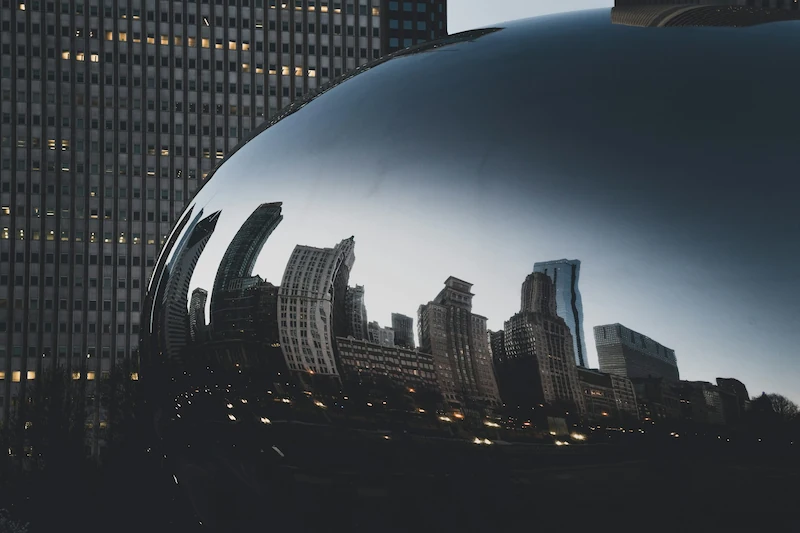
Millennium Park and Cloud Gate area – Area: The Loop · Best for: First-time orientation and quick central sightseeing · Time needed: 45 minutes to 1.5 hours · Worth it: Yes — best paired with nearby cultural stops rather than done alone · Book ahead: No
Art Institute of Chicago – Area: The Loop · Best for: A major museum visit that justifies real time · Time needed: 2 to 4 hours · Worth it: Yes — one of the city’s strongest indoor priorities · Book ahead: Yes for preferred entry time
Chicago Riverwalk – Area: Downtown · Best for: Low-effort city atmosphere between bigger sights · Time needed: 45 minutes to 2 hours · Worth it: Yes — especially in good weather and late afternoon · Book ahead: No
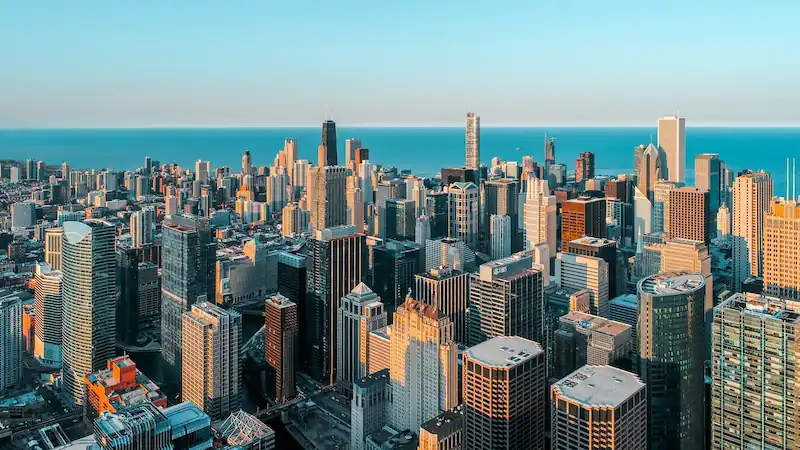
Skydeck Chicago or 360 CHICAGO – Area: Loop or Near North · Best for: Classic skyline views · Time needed: 1 to 2 hours · Worth it: Usually — pick one deck, not both · Book ahead: Yes if timing matters
Museum Campus – Area: South Loop · Best for: Families, science lovers, and full-day museum time · Time needed: 3 hours to a full day · Worth it: Yes — but focus on one main museum unless you have extra time · Book ahead: Yes for weekends and holidays
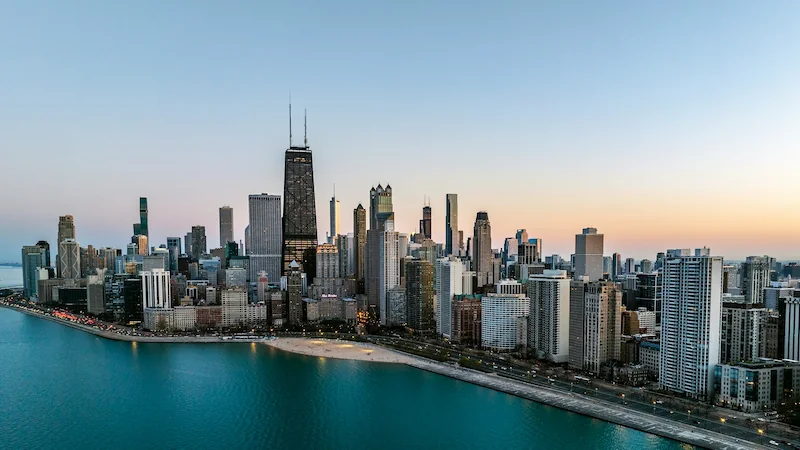
Chicago skyline from the lake – Area: Lakefront / Streeterville · Best for: A more cinematic skyline perspective than a deck alone · Time needed: 1 to 2 hours · Worth it: Yes — especially in good weather or near sunset · Book ahead: Usually yes in peak season
Chicago Cultural Center – Area: The Loop · Best for: A strong free cultural stop · Time needed: 30 to 60 minutes · Worth it: Yes — especially when paired with Millennium Park · Book ahead: No
West Loop food crawl – Area: West Loop · Best for: Travelers who want the city through restaurants rather than monuments · Time needed: 2 to 4 hours · Worth it: Yes — one of the smartest ways to add local texture · Book ahead: Yes for popular dinner spots
Lakefront Trail, Lincoln Park, or a summer beach stretch – Area: Lincoln Park / Lakefront · Best for: Open-air Chicago beyond downtown · Time needed: 1 to 3 hours · Worth it: Yes — especially if you want the city to feel less vertical and more livable · Book ahead: No
Wrigley Field tour or Cubs game – Area: Wrigleyville / Lakeview · Best for: Classic local atmosphere and a more lived-in city experience · Time needed: 2 to 4 hours · Worth it: Usually yes — especially in baseball season · Book ahead: Yes for games and popular dates
Chicago Architecture Center or historic interiors walk – Area: The Loop / River North · Best for: Architecture fans who want more than the river cruise · Time needed: 1.5 to 3 hours · Worth it: High if design, interiors, or city history matter · Book ahead: Useful for guided tours and busy dates
Garfield Park Conservatory – Area: Garfield Park · Best for: Free indoor greenery, winter, rain, and slower repeat visits · Time needed: 1 to 2 hours · Worth it: Yes if you want a beautiful free stop outside the obvious core · Book ahead: Check current reservation or ticket rules before going
Pilsen murals and Mexican food – Area: Pilsen · Best for: Street art, local texture, food, and culture beyond downtown · Time needed: 2 to 4 hours · Worth it: Yes for second or third days, not a rushed first half day · Book ahead: No unless taking a guided mural or food tour
Museum of Science and Industry and Hyde Park – Area: Hyde Park · Best for: Families, science, architecture, lakefront, and a deeper South Side layer · Time needed: Half day to full day · Worth it: Very high if you have children, teens, or serious museum interest · Book ahead: Yes for weekends, exhibits, and peak school-holiday periods
Magnificent Mile and Gold Coast architecture – Area: Near North / Gold Coast · Best for: Shopping, historic streets, interiors, and first-time downtown extension · Time needed: 1.5 to 3 hours · Worth it: Worth it if combined with 360 CHICAGO, Oak Street, or architecture · Book ahead: No for walking; yes for specialty tours
How to choose well in Chicago
Chicago is easy to over-plan because almost every major attraction sounds essential. The smarter approach is to choose one high-payoff experience per travel mode: one river or architecture anchor, one major museum, one skyline or lakefront perspective, one neighborhood food block, and one evening built around music, comedy, baseball, or a strong dinner. The city feels richer when each day changes scale rather than piling up similar attractions.
Do the architecture cruise early if weather allows; it gives you a working map of the river, downtown, engineering history, and skyline before you start moving through the city.
Choose one observation deck, not both Skydeck and 360 CHICAGO, unless skyline views are your main interest. Use the saved time for the Riverwalk, lakefront, or a neighborhood.
Do not make Museum Campus a checklist. Field Museum, Shedd Aquarium, and Adler Planetarium sit together, but one serious museum plus outside lakefront time usually beats three rushed tickets.
Treat Millennium Park as part of a Loop cluster with the Art Institute, Chicago Cultural Center, Maggie Daley Park, bridges, and nearby architecture, not as a single Bean photo stop.
Use the lakefront as a real planning layer in warm weather: beaches, the Lakefront Trail, skyline cruises, Lincoln Park, and Museum Campus all change how the city feels.
Use neighborhoods selectively. West Loop, Pilsen, Chinatown, Wicker Park, Logan Square, Hyde Park, and Wrigleyville are valuable when they match food, culture, sports, or repeat-visitor goals.
In winter or rain, lean into interiors: museums, conservatories, the Pedway, historic lobbies, theater, comedy, blues, jazz, and serious restaurants.
Book ahead only where scarcity matters: cruises, top museums on peak dates, skyline decks at sunset, Cubs games, major shows, and destination restaurants.
Keep one evening flexible if food matters. Chicago often delivers best after dark when dinner, live culture, and a short river or lakefront finish are allowed to shape the plan.
With limited time, avoid distant add-ons that duplicate what you already have. Chicago’s best short trip is focused, not maximal.
Chicago essentials that genuinely earn their place
Chicago’s iconic experiences work best when they help you read the city, not just photograph it. The river, the skyline, the museum core, and the lake are what give first-time visits shape. On a clear day, light bouncing off the water and glass gives Chicago a sharpness that many other U.S. cities never quite match.
Take an architecture cruise on the Chicago River – This is the most efficient way to understand Chicago’s skyline, engineering ambition, and downtown geography in one shot. It is not just scenic; it gives context to the buildings you will keep seeing for the rest of the trip. (First-time essential · Best for: Anyone who wants one standout experience that explains the city)Find tours & experiences
Walk Millennium Park beyond just Cloud Gate – Most visitors rush in for the Bean photo and rush out. Give the area a little more room and it becomes a useful downtown cluster that also works with the Art Institute, the Cultural Center, Maggie Daley Park, and nearby Loop architecture. (Worth it · Best for: Fast central sightseeing with strong first-trip value)
Spend proper time at the Art Institute of Chicago – This is one of the few big-city museums in the U.S. that reliably merits a real block of time even for non-specialists. It works especially well on a first trip because the quality is high and the location is convenient. (High payoff · Best for: Travelers who want one museum that truly earns half a day)Find tours & experiences
Choose one skyline deck: Skydeck or 360 CHICAGO – Chicago’s observation decks are classic for a reason, but the smart move is to choose based on location and timing rather than trying to collect both. One deck is enough to get the scale of the lake, the grid, and the downtown core. (Best for: Classic skyline views without overcomplicating the plan)Find tours & experiences
See the skyline from the lake, not only from land – One of Chicago’s strongest visual experiences is the city from the waterline of Lake Michigan. It gives the skyline more scale, more separation, and a more memorable sense of how the towers meet the lakefront. (Best in good weather · Best for: Visitors who want a more cinematic skyline angle)Find tours & experiences
Use the Riverwalk as connective tissue, not a standalone mission – The Riverwalk is one of the city’s easiest high-return walks, especially between central sights or before dinner. It works because it adds movement, water, and architectural scale without demanding much planning. (Best for: Travelers who want a low-friction outdoor layer)
Go to Museum Campus with a clear focus – Field Museum, Shedd Aquarium, and Adler Planetarium look temptingly close on the map, but trying to do all three in one day usually dilutes the experience. Pick the one that best matches your trip profile and treat the lakefront setting as part of the payoff. (Best for: Families, science-focused travelers, and longer stays)Find tours & experiences
Do Navy Pier selectively – Navy Pier is useful when you want lake views, family-friendly attractions, a cruise departure point, or an easy evening stop. It is less compelling as a standalone priority if your time in Chicago is short. (Only if it fits · Best for: Families, casual evening time, and lakefront orientation)Find tours & experiences
Go to Wrigley Field for a game or stadium atmosphere – Wrigley Field is one of the city’s most recognizable cultural institutions even for non-hardcore baseball fans. In season, a Cubs game or even just the wider Wrigleyville atmosphere can add a very different side of Chicago to an otherwise downtown-heavy trip. (Seasonal classic · Best for: Visitors who want local energy beyond the postcard core)Find tours & experiences
Use Maggie Daley Park and Grant Park as part of the central cluster – Maggie Daley Park and Grant Park turn the Millennium Park area into more than a quick photo stop. They are especially useful with kids, in mild weather, or when you want green space between the Art Institute, the Cultural Center, the lakefront, and the Loop. (Easy add-on · Best for: Families, first-timers, and central sightseeing without extra transfers)
Add Buckingham Fountain and the lakefront edge when the season supports it – Buckingham Fountain is not a standalone reason to cross the city, but it is a strong seasonal add-on when you are already near Grant Park, Museum Campus, or the lakefront. It helps connect downtown’s formal parks with the open space along Lake Michigan. (Seasonal add-on · Best for: Warm-weather walks, classic photos, and easy lakefront routing)
Use the Magnificent Mile selectively, not automatically – The Magnificent Mile is useful for shopping, hotel access, 360 CHICAGO, historic towers, and Near North routing, but it should not dominate a short trip. Treat it as a practical corridor with a few worthwhile stops rather than the main expression of Chicago. (Only if it fits · Best for: Shopping, Near North hotels, architecture, and 360 CHICAGO pairing)
Chicago for art, ideas, music, and performance
Chicago’s cultural side is strongest when you stop treating it as a museum-only city. Architecture, music, comedy, public interiors, and neighborhood institutions all matter here. Inside the Chicago Cultural Center, the Tiffany dome catches the light in a way that makes even a short stop feel substantial.
See the Chicago Cultural Center between bigger stops – This is one of the city’s best free cultural wins: historic interiors, rotating exhibitions, and a central location that makes it easy to slot into a first-time downtown route. It is especially strong when you want substance without another ticket. (Free favorite · Best for: Budget-conscious travelers and architecture lovers)
Choose one major museum beyond the Art Institute – Field, MSI, and the Shedd each draw a different kind of traveler. The key is not to chase them all, but to pick the one that aligns with your curiosity and gives the day a clear identity. (Best for: Visitors who want one deeper institution rather than shallow museum-hopping)Find tours & experiences
Hear Chicago where it sounds most natural: jazz, blues, or comedy – Chicago nightlife is not only about rooftops and bars. A live set, blues room, jazz club, or comedy show gives the evening more local character and often says more about the city than another scenic drink. (Best in the evening · Best for: Travelers who want culture after dark without a formal plan)Find tours & experiences
See a show at Second City or another respected comedy venue – Chicago has one of the strongest comedy traditions in the U.S., and this is an excellent way to add a genuinely local evening plan. It works particularly well if you want culture that feels less formal than a museum or theater night. (Night favorite · Best for: Couples, groups, and visitors who want a smarter evening option)Find tours & experiences
Visit Frank Lloyd Wright sites in Oak Park if architecture is a real interest – This is not a generic add-on for every first-time visitor, but it becomes highly worthwhile if you care about design history. It works best as a focused half-day extension rather than something squeezed into a downtown-heavy plan. (Best for: Architecture-focused repeat visitors or longer stays)Find tours & experiences
Use a neighborhood performance venue, not only downtown institutions – Chicago’s cultural credibility extends far beyond the central museum circuit. A neighborhood theater, small venue, or local performance can give the trip a more textured and less overly packaged evening. (Best for: Visitors who already have the essentials covered)
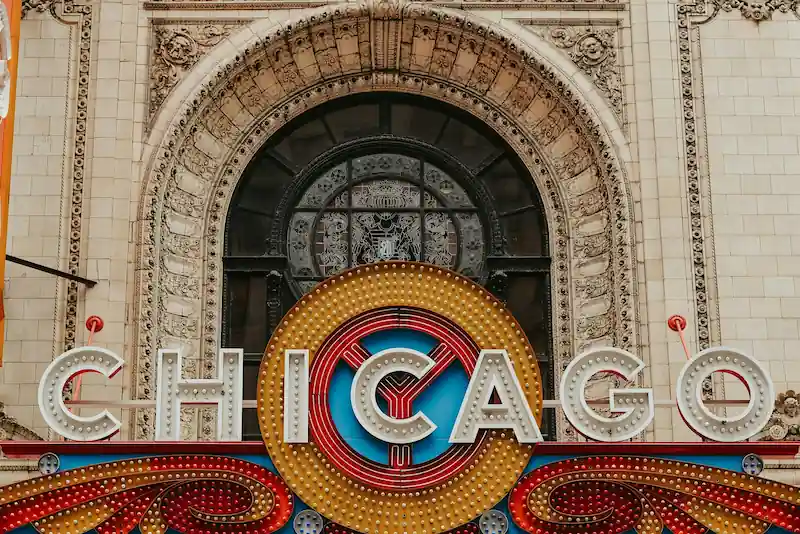
Go inside the Chicago Theatre or another historic interior – Chicago rewards travelers who look beyond exterior skyline views and also give time to interiors. A historic theater or landmark interior adds architectural texture in a very different register from the river cruise or observation deck. (Strong on rainy days · Best for: Architecture and culture travelers who want another layer downtown)Find tours & experiences
Visit the Museum of Contemporary Art if your trip is design- or art-led – The Museum of Contemporary Art is the strongest add-on if you want Chicago’s art scene beyond the Art Institute. It works best when paired with Streeterville, the lakefront, 360 CHICAGO, or a Near North stay rather than forced into a packed Loop day. (Best for: Contemporary art, design-minded travelers, and rainy-day depth)Find tours & experiences
Make Hyde Park and MSI a deeper culture-and-science day – The Museum of Science and Industry is one of Chicago’s best family and science anchors, but its location makes it stronger as a deliberate Hyde Park block than a casual downtown add-on. Pair it with the lakefront, campus architecture, or a slower South Side day. (Best with kids · Best for: Families, science lovers, longer stays, and repeat visitors)Find tours & experiences
Use Pilsen for murals, Mexican-American culture, and a different city texture – Pilsen adds a street-level cultural layer that downtown cannot provide: murals, independent galleries, Mexican food, neighborhood institutions, and a more local walking rhythm. It is most rewarding when you give it a focused food-and-art block rather than treating it as a rushed detour. (Local culture · Best for: Murals, food, repeat visitors, and culture beyond downtown)Find tours & experiences
Consider the DuSable Black History Museum for deeper South Side context – The DuSable Black History Museum is not part of the classic first-time checklist, but it becomes important for travelers who want a fuller cultural reading of Chicago. It works best with a Hyde Park or South Side-focused day rather than as an isolated add-on. (Deeper cut · Best for: History, culture-first trips, and repeat visitors)
Experiences that make Chicago feel lived-in
Chicago becomes more convincing once you leave the pure attraction trail and start using the city the way locals do: along the lakefront, in neighborhood parks, on long food-and-walk stretches, and through everyday public space. The breeze off Lake Michigan can make even a simple walk feel like a real change of scene after downtown’s canyon of towers.
Walk or bike a useful stretch of the Lakefront Trail – This is one of the easiest ways to feel Chicago at a wider scale than downtown. You get skyline perspective, open space, and a sense of how much the lake shapes daily life in the city. (High payoff · Best for: Travelers who want an active, low-cost outdoor layer)Find tours & experiences
Spend time in Lincoln Park beyond the zoo – Lincoln Park works because it offers green space, neighborhood feel, and easy access to the lakefront without requiring a big ticket or a rigid schedule. It suits slower travel and helps rebalance a downtown-heavy trip. (Best for: A relaxed half day with open-air city feel)
Go to Lincoln Park Zoo as a genuinely worthwhile free stop – Lincoln Park Zoo is not just a filler option for families. It is one of the city’s most useful free attractions because it combines well with the park, lakefront time, and nearby neighborhoods without requiring complicated planning. (Best free family pick · Best for: Families, budget-conscious travelers, and relaxed daytime plans)
Do a real neighborhood walk in Wicker Park, Logan Square, or Pilsen – This is where Chicago stops feeling like a business district with attractions attached. Pick one neighborhood and let the time be shaped by cafés, bookstores, murals, bars, and small detours rather than a museum clock. (Local texture · Best for: Repeat visitors or first-timers with 3 days or more)Find tours & experiences
Kayak the river if you want a more active version of downtown – Kayaking gives you a stronger physical sense of the river corridor than walking beside it. It is not essential for everyone, but it is one of the better alternatives if you have already done architecture in more classic ways. (Unique angle · Best for: Active travelers and second-time visitors)Find tours & experiences
Use a market, park, or seasonal public event as a low-stakes evening plan – Chicago often works best when you leave a little room for open-ended city time. A free concert, public art installation, lakefront walk, or neighborhood market can be more satisfying than another overbooked attraction. (Best for: Travelers who want atmosphere without heavy planning)
Use a summer beach stop if your dates and weather support it – Chicago in warm weather is not only a skyline city. Oak Street Beach, North Avenue Beach, or a shorter lakefront beach detour can give the trip a lighter rhythm and a better sense of how locals use the city in summer. (Summer only · Best for: Warm-weather visitors who want a broader feel for the city)
Use the 606 Trail for a different kind of neighborhood walk – The 606 gives you an elevated, local-feeling route through parts of the Northwest Side, especially useful when paired with Wicker Park, Bucktown, or Logan Square. It is not a first-priority attraction, but it is a smart choice when you want Chicago beyond downtown and the lakefront. (Repeat-visitor layer · Best for: Walkers, cyclists, and neighborhood-focused travelers)
Let Logan Square or Wicker Park carry a casual evening – These neighborhoods are useful when you want cafés, bars, independent shops, music, and a less polished version of Chicago after the downtown core. Pick one area and let the evening stay compact instead of chasing scattered recommendations. (Local evening · Best for: Bars, casual food, shops, and repeat visitors)
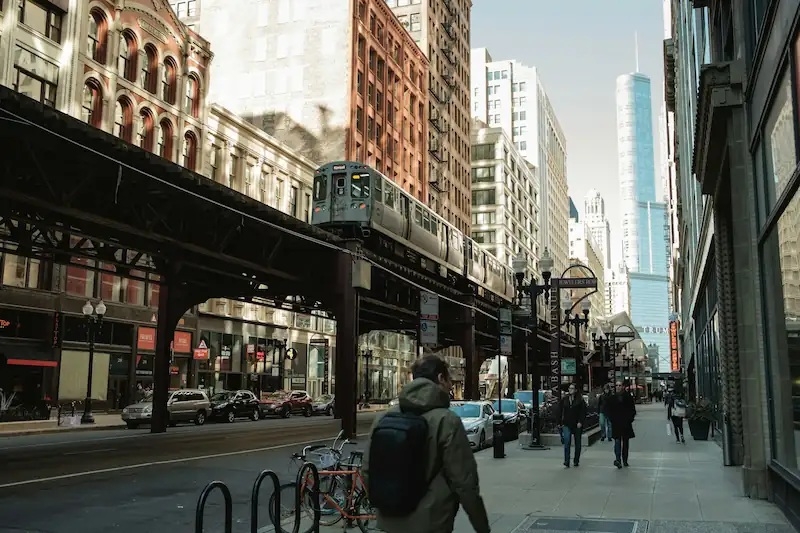
Use the Chicago Pedway when weather makes outdoor routing less appealing – The Pedway is not a glamorous attraction, but it is a useful Chicago-specific layer in winter, rain, or extreme heat. It helps connect parts of downtown while revealing a functional side of the city many visitors miss. (Bad-weather useful · Best for: Winter, rain, downtown logistics, and practical urban curiosity)
What to do in Chicago if food matters to the trip
Chicago is not a city where food should be treated as a side note after sightseeing. The dining map tells you as much about the city as the skyline does. In West Loop, Chinatown, or along a busy dining corridor, the sound of tables turning and kitchens moving gives the evening its own momentum.
Do one classic Chicago food stop on purpose – Deep-dish pizza, Italian beef, and Chicago-style hot dogs all have their place, but you do not need to collect every cliché. Pick one that genuinely interests you and do it well rather than turning the day into a checklist of famous bites. (Worth it · Best for: First-time visitors who want a signature food reference point)
Use West Loop for a stronger-than-average dinner plan – West Loop is one of the clearest places to understand Chicago’s contemporary food ambition. This is where a meal can be the main evening event rather than something squeezed in after attractions. (High payoff · Best for: Travelers who care where one key dinner happens)
Go to Chinatown for a food-first neighborhood detour – Chinatown is one of the smartest ways to add both food and neighborhood texture to a Chicago trip. It works especially well when you want a meal with stronger local character than another downtown restaurant reservation. (Smart choice · Best for: Visitors who want food tied to place and atmosphere)
Go to a food hall or market when your group wants variety – A market-style stop is often the smartest move when energy levels, budgets, or tastes diverge. It keeps the plan flexible while still letting you sample Chicago’s broad food personality. (Best for: Groups and short trips that need easy decision-making)
Book a neighborhood-led food tour only if you want context, not just volume – Food tours add the most value when they help decode a neighborhood, immigrant influence, or local food history. They are less useful if your main goal is simply to eat well, which Chicago lets you do easily on your own. (Best for: Travelers who like stories and structure around meals)Find tours & experiences
Build one meal around a neighborhood, not only a famous restaurant – Chicago food lands better when it is tied to place. A bakery, bar, coffee stop, and dinner in the same area usually reveals more than crossing town for a single hyped reservation. (Smart choice · Best for: Visitors who want food to feel integrated into the day)
Compare deep-dish and tavern-style pizza only if pizza matters to you – Chicago pizza is more nuanced than a single deep-dish stop. Deep-dish is the famous visitor ritual; tavern-style is often the more local everyday reference. If pizza matters, build one casual meal around the comparison rather than forcing it into every day. (Classic food debate · Best for: First-time food travelers and groups)Find tours & experiences
Use Maxwell Street-style food or Italian beef for a sharper local bite – Not every classic Chicago food moment needs to be deep-dish. Italian beef, hot dogs, and Maxwell Street-style stops can give a quicker, more everyday taste of the city, especially when the day does not have room for a long seated meal. (Quick classic · Best for: Casual food stops, short trips, and low-friction meals)
Use a rooftop or riverfront meal for scenery, but choose carefully – Chicago’s scenic dining can be excellent, but views alone do not guarantee a good meal. Use rooftops, riverfront patios, and lake-adjacent spots when the setting genuinely supports the evening, then keep the food expectations realistic unless the restaurant itself is strong. (Best in good weather · Best for: Couples, first-time evenings, skyline views, and summer trips)
Best things to do in Chicago for first-timers
If this is your first visit, Chicago is at its best when you keep the core structure simple: skyline, river, one major museum, one neighborhood meal, and one open-air stretch. The goal is not to cover everything, but to pick the experiences that explain the city fastest.
Start with the architecture cruise, then use the rest of the trip with more context.
Pair Millennium Park, the Art Institute, and the Chicago Cultural Center instead of treating them as separate missions.
Choose one skyline deck and one major museum; more than that starts to feel repetitive on a short stay.
Use the Riverwalk, lakefront, or a skyline-from-the-lake cruise to break up indoor time and keep the trip from feeling over-scheduled.
Reserve one dinner in West Loop, Chinatown, or another strong dining neighborhood instead of defaulting to downtown convenience.
Only add Navy Pier if it matches your trip style, not because every guide includes it.
If visiting in baseball season and you want a more local-feeling layer, Wrigleyville can be a strong add-on.
Use the Magnificent Mile only if it fits your hotel location, shopping interests, or 360 CHICAGO plan; it is not a substitute for the river, lakefront, or museum core.
Save Pilsen, Hyde Park, or Oak Park for day three or a repeat visit unless one of those areas matches a specific interest.
Free things to do in Chicago that are actually worth your time
Chicago has enough strong free activities that budget travel here does not need to feel second tier. The best choices are not random filler; they are central, useful, and often easy to combine with paid priorities.
Millennium Park and the surrounding public space
Chicago Cultural Center
A Riverwalk stroll
Lakefront Trail or Lincoln Park walking time
Lincoln Park Zoo
Garfield Park Conservatory
City views from bridges and river crossings downtown
Seasonal free events, concerts, and screenings in public spaces
Free museum days if your dates line up and you qualify
Promontory Point and selected lakefront viewpoints if you want skyline perspective without a ticket.
The 606 Trail if you are already planning Wicker Park, Bucktown, or Logan Square.
Public beaches such as Oak Street or North Avenue in warm weather.
Type
Best pick
Why it works
Public landmark cluster
Millennium Park + Cultural Center
Central, efficient, and easy on a first trip
Outdoor city feel
Riverwalk or Lakefront Trail
Good payoff without scheduling pressure
Family-friendly free stop
Lincoln Park Zoo
Simple, generous, and easy to pair with the park
Free indoor backup
Garfield Park Conservatory
One of the city’s strongest no-cost rainy or cold-weather options
Unique things to do in Chicago beyond the standard list
Chicago’s more distinctive experiences are usually not secret; they just sit one step outside the obvious checklist. Go looking for a different angle on architecture, neighborhoods, music, performance, or movement through the city.
Kayak the Chicago River instead of only viewing it from shore
See the skyline from Lake Michigan rather than only from a deck
Take a neighborhood-led food or mural walk in Pilsen
Build an evening around jazz, blues, or a respected comedy room
Visit Oak Park for a Frank Lloyd Wright-focused half day
Use the Pedway or historic interiors downtown on a cold or rainy day
Go to Garfield Park Conservatory for a more unexpected indoor stop
Catch a Cubs game or Wrigleyville pre-game atmosphere in season
Use the 606 Trail for an elevated neighborhood walk outside the downtown visitor core.
Pair Hyde Park with the Museum of Science and Industry for a deeper South Side day.
Find a historic lobby or interior tour if architecture matters but the weather does not cooperate.
Things to do in Chicago at night
Chicago nights work best when you choose a lane: skyline, performance, dining, lakefront atmosphere, or neighborhood energy. Trying to do all of them in one evening usually weakens the night rather than improving it.
Architecture or skyline boat ride when available
Live jazz, blues, or comedy
A destination dinner in West Loop or Chinatown
A Second City show or another comedy venue
Rooftop or lakefront drink with skyline context
A short illuminated Riverwalk stretch after dinner
Wrigleyville energy on game nights
Seasonal public programming or major event nights
A seasonal evening at Millennium Park, Grant Park, or the lakefront if public programming is active.
A neighborhood bar-and-dinner route in Logan Square, Wicker Park, or Pilsen for a less downtown-centered night.
A Chicago Theatre or Broadway in Chicago performance when you want a polished indoor evening.
Night style
Best option
Best for
Scenic
Boat or rooftop
First-time visitors
Cultural
Jazz, blues, or comedy
Travelers who want local character
Food-led
West Loop or Chinatown dinner
Couples and groups
Casual local energy
Wrigleyville in season
Visitors who want atmosphere more than formality
Things to do in Chicago with kids
Chicago is strong for families when you stay realistic about pace. The best plan is usually one major anchor attraction, one outdoor reset, and one easy meal or snack stop rather than a full day of ticketed back-to-back visits.
Shedd Aquarium for a reliable headline family attraction
Museum of Science and Industry for hands-on, longer-form indoor time
Lincoln Park Zoo for a free and easy outdoor option
Maggie Daley Park if you want active play near downtown
Navy Pier when rides, lake views, or a flexible family stop make sense
A lakefront or park break to avoid indoor fatigue
Short architecture cruise for school-age kids who like movement and views
Garfield Park Conservatory for a calmer indoor backup
A beach or splash-friendly lakefront stretch in summer
Field Museum for dinosaurs, natural history, and a museum that can anchor a full half day.
Adler Planetarium for space-focused children and one of the best skyline perspectives from Museum Campus.
Chicago Children’s Museum at Navy Pier if the weather turns and younger children need a dedicated indoor stop.
Option
Best age fit
Weather fit
Shedd Aquarium
Most ages
Good in any weather
Maggie Daley Park
Younger kids and active families
Best in dry weather
MSI
Curious school-age kids and teens
Excellent for rainy days
Lincoln Park Zoo
Most ages
Best in mild or warm weather
What to do in Chicago when it rains
Rain does not ruin Chicago if you pivot toward institutions and indoor urban texture rather than trying to force scenic plans. This is one of the better U.S. cities for a weather-proof day because the museum, conservatory, theater, and architecture options are strong enough to carry the schedule.
Art Institute of Chicago
Field Museum, Shedd Aquarium, or MSI depending on interest
Chicago Cultural Center
Garfield Park Conservatory
Chicago Theatre or performance-based evening plan
Food hall or market-based lunch stop
Historic interiors and Pedway-linked downtown wandering
A comedy show, blues set, or other indoor night plan
Museum of Contemporary Art if you are already near Streeterville or the Magnificent Mile.
Indoor architecture or historic-lobby tours when the river or lakefront feels unrealistic.
Chicago Children’s Museum if you are with younger kids and need a contained indoor activity.
Rainy Day need
Best pick
Why
Major indoor anchor
Art Institute or MSI
High-value time indoors
Low-cost cultural stop
Chicago Cultural Center
Free and central
Family backup plan
Shedd or MSI
Easy to sustain attention
Unexpected indoor option
Garfield Park Conservatory
Strong atmosphere without another standard museum
Things to do in Chicago in winter
Winter changes Chicago more than many visitors expect, but it does not make the city weak. The best winter plan shifts toward museums, interiors, conservatories, theater, comedy, jazz, blues, serious food, and shorter scenic outdoor windows when the light or skyline is worth it.
Use the Art Institute, Field Museum, MSI, Shedd Aquarium, MCA, or Chicago Cultural Center as a true day anchor rather than a backup.
Treat the Pedway as a practical downtown layer, especially when moving between Loop sights in cold or wet weather.
Plan one warm indoor evening around comedy, blues, jazz, theater, or a strong restaurant rather than a rooftop or beach-style plan.
Use Garfield Park Conservatory as one of the best winter mood-shifters in the city.
Keep outdoor skyline time short and intentional: one Riverwalk stretch, one bridge view, or one lakefront viewpoint can be enough.
Book major indoor attractions ahead around holidays, school breaks, and event weekends.
Winter need
Best option
Why it works
Best cultural anchor
Art Institute or MSI
Enough depth to justify several indoor hours
Best free indoor stop
Chicago Cultural Center or Garfield Park Conservatory
Strong atmosphere without a major ticket
Best evening plan
Comedy, blues, jazz, theater, or destination dinner
Chicago’s indoor culture is strong enough to carry the night
Best short outdoor window
Riverwalk, bridges, or lakefront viewpoint
You still get skyline drama without overexposure
Things to do in Chicago for couples
Chicago works well for couples when the plan balances one signature experience with enough room for food, views, and a less rushed evening. The best romantic version of the city is not necessarily luxury; it is river light, lake air, a good dinner, and one cultural anchor chosen well.
Take an architecture cruise late afternoon or near sunset if timing and season allow.
Choose one skyline deck or rooftop, not several view-based activities in the same day.
Book a serious dinner in West Loop, River North, Logan Square, or another strong food area.
Use the Art Institute or MCA as a quieter cultural anchor before dinner.
Walk the Riverwalk or a lakefront stretch after dinner if the weather is good.
Pick a live music, comedy, or theater night when you want the evening to feel more local than a standard bar plan.
Couple style
Best option
Why
Classic first trip
Architecture cruise + dinner
High impact without overplanning
Culture-first
Art Institute or MCA + restaurant
Gives the day substance before the evening
Scenic
Lakefront skyline cruise or one deck
Views matter, but one is enough
Local night
Comedy, blues, jazz, or Logan Square/Wicker Park dinner
More character than a generic downtown night
What to do in Chicago by area
The Loop
This is the most efficient zone for first-time priorities and works best when you think in clusters rather than isolated stops. It is where Chicago feels most formal, most vertical, and easiest to decode quickly.
Millennium Park and Cloud Gate
Art Institute of Chicago
Chicago Cultural Center
Loop architecture and historic buildings
Easy start or finish point for river and downtown walking
Chicago River / River North
This is the best area for skyline reading, river movement, and an easy sense of downtown energy. It is especially strong for short visits because the payoff is immediate.
Architecture cruise departures
Chicago Riverwalk
Bridge and skyline views
Dinner or drinks with river access
Boat-based evening options
South Loop / Museum Campus
Come here when museums are a real priority, not as filler between downtown stops. The area supports a longer, more deliberate half day and suits families particularly well.
Field Museum
Shedd Aquarium
Adler Planetarium exterior views
Lakefront perspective back toward the skyline
Museum-led half day planning
Streeterville / Navy Pier
This zone works for lakefront views, boat departures, casual family energy, and seasonal waterfront time. It is useful, but not always essential, depending on how attraction-heavy your trip already is.
Navy Pier
Skyline-from-the-lake departures
Lake views
Family-friendly attractions
Easy evening waterfront stop
Lincoln Park
Lincoln Park gives Chicago a more breathable rhythm and is one of the best places to step away from downtown density without leaving the city behind. It fits travelers who want some open-air balance in the plan.
Lincoln Park Zoo
Park and lakefront walking
Relaxed neighborhood time
Cafés and casual meal options
Easy pairing with the trail or North Side wandering
West Loop and Fulton Market
This is less about sightseeing landmarks and more about contemporary city energy. Come here when dining, evening atmosphere, or neighborhood texture matters more than checking off another monument.
Destination dining
Food-led evening plans
Bars and nightlife spillover
Modern Chicago energy beyond the postcard core
Good use of a second or third night
Wrigleyville / Lakeview
This area makes sense when you want a less downtown-centered Chicago experience. It works best for baseball season, local bar energy, and a more casual neighborhood rhythm.
Wrigley Field
Game-day atmosphere
Bars and casual food
North Side neighborhood feel
Seasonal evening energy
Pilsen and nearby South Side neighborhoods
Come here for murals, food, and a more local-looking alternative to the central visitor core. It is best as a focused neighborhood detour rather than a hurried add-on between downtown sights.
Street art and murals
Neighborhood food time
More local pace
Cultural texture
Good pairing with a food-led half day
Chinatown
Chinatown is one of the most useful food-and-neighborhood additions to a Chicago trip. It works particularly well when you want a meal with stronger sense of place than another central reservation.
Food-first detours
Casual dining depth
Neighborhood atmosphere
Good value meal options
Easy pairing with South Loop plans
Hyde Park
Hyde Park is the strongest area when you want a deeper South Side layer rather than another downtown attraction. It works best for Museum of Science and Industry, campus architecture, lakefront space, and a slower day with more local texture.
Museum of Science and Industry
University of Chicago architecture and campus edges
Promontory Point and lakefront views
DuSable Black History Museum nearby
Best as a deliberate half day rather than a rushed detour
Wicker Park, Bucktown, and Logan Square
This Northwest Side cluster is useful for a more contemporary neighborhood experience built around cafés, bars, music, restaurants, independent shops, and the 606 Trail. It is better for second or third days than for the core first-time checklist.
The 606 Trail
Independent shops and cafés
Casual bars and music venues
Logan Square dining and nightlife
Good repeat-visitor neighborhood layer
Gold Coast and Magnificent Mile
This area works as a Near North extension for shopping, 360 CHICAGO, historic streets, and lakefront access. It is useful, but it should not replace the more essential river, lakefront, and museum experiences on a short trip.
Magnificent Mile shopping and hotel corridor
360 CHICAGO nearby
Oak Street and Gold Coast streets
Easy access to Streeterville and lakefront
Useful pairing with MCA or Navy Pier
What to prioritize based on your trip length
Chicago improves when you accept trade-offs early. The city has enough serious museums, strong food, and neighborhood depth that trying to do everything produces a flatter trip.
Profile
Prioritize
Skip
Structure
Half day
Architecture cruise or Millennium Park + Chicago Cultural Center + Riverwalk
Museum Campus, Oak Park, Hyde Park, and distant neighborhood detours
Keep it central and visual; choose one decisive experience rather than several partial ones.
One full day
Architecture cruise, Loop cluster, one museum or skyline view, and one strong dinner area
Multiple big museums, both observation decks, and unnecessary cross-city moves
Morning skyline logic, afternoon culture or lakefront, evening food.
Two days
Architecture cruise, Art Institute or Museum Campus, Millennium Park/Cultural Center, Riverwalk, lakefront, and one neighborhood dinner
Trying to stack every classic attraction, especially Navy Pier plus multiple museums plus both decks
Day one for central essentials; day two for museum, lakefront, or neighborhood texture.
Three days
Add Lincoln Park, West Loop, Chinatown, Wrigleyville, Pilsen, or Hyde Park based on interest
Repeating equivalent skyline experiences or treating every famous district as mandatory
Use the third day to make the city feel lived-in, not just larger.
Four to five days
Add MSI/Hyde Park, Oak Park, Garfield Park Conservatory, Logan Square/Wicker Park, or a more focused food and music plan
Day trips before you have given Chicago’s neighborhoods and culture enough time
Alternate major anchors with slower local blocks and evening culture.
Families
Shedd Aquarium, Field Museum, MSI, Lincoln Park Zoo, Maggie Daley Park, beaches, and one short skyline or architecture experience
Long adult-paced museum stacks and far-apart attractions with no outdoor reset
One main anchor, one flexible outdoor break, one easy meal.
Food-focused trip
West Loop, Chinatown, classic Chicago foods, Pilsen, Logan Square, and one serious dinner
Generic downtown convenience meals and food tours that are only about volume
Build meals by neighborhood so food also gives the day geography.
Winter or bad weather
Art Institute, MSI, Field Museum, Shedd, Cultural Center, Garfield Park Conservatory, Pedway, theater, comedy, blues, and restaurants
Long exposed lakefront plans and viewpoint-heavy days with poor visibility
Use indoor anchors, short scenic windows, and strong evening culture.
Repeat visit
Neighborhood walks, music, baseball season, Oak Park, Pilsen, Hyde Park, the 606, deeper food routes, and specialized architecture
Most default downtown checklist behavior unless traveling with first-timers
Build around one district or interest rather than citywide sampling.
Best day trips from Chicago if you have extra time
Chicago has worthwhile day trips, but they make most sense once the city itself has had enough room. Think of these as extensions for longer stays, repeat visits, or trips that mix urban time with architecture or nature.
A second city day with food, lakefront, and brewery appeal
Full day
No
Train or car
Yes if tying it to a museum or specific dining plan
Starved Rock State Park
Trails and scenery when you want a harder contrast with downtown
Full day
No
Car is easiest
Only if using a tour or peak-season transport package Check options
Evanston
Lakefront, Northwestern campus, casual food, and an easy North Shore change of pace
Half day to full day
Only if you have extra time or want a low-friction side trip
CTA Purple Line, Metra, or rideshare
No, unless tying it to a specific event or restaurant
Geneva or the Fox River towns
Small-town Main Street energy, river walks, and a softer suburban contrast
Full day
No, better for longer stays or repeat visitors
Metra or car depending on plans
No, except for restaurants or seasonal events
Smart combinations that work well together
These are not full itineraries. They are clean pairings that make practical sense and reduce unnecessary zigzagging.
River + art + dinner – Start with the architecture cruise, then move into the Art Institute or Cultural Center depending on your energy and weather. Finish with a destination dinner rather than another attraction; this gives the day variety without losing focus.
Loop cluster done properly – Pair Millennium Park, the Chicago Cultural Center, and a short Loop architecture walk, then let the Riverwalk or a skyline drink finish the sequence. This is one of the smartest first-day combinations because it stays compact without feeling thin.
Museum Campus + lakefront skyline reset – Anchor the day with one major museum at Museum Campus, then give yourself unstructured time outside before leaving the area. This works especially well for families or anyone who wants the museum to feel like part of a broader day, not a closed box.
Lincoln Park + zoo + lakefront + North Side meal – Use Lincoln Park and the zoo for open-air balance, then continue toward the lake or a relaxed North Side lunch or dinner. It is one of the best combinations when downtown starts to feel too vertical or too programmed.
West Loop dinner + Riverwalk night finish – Let the evening belong to one strong food neighborhood, then return to the river or skyline edge for a short scenic finish. The sequence works because Chicago often looks best after dark when you do not force too many moving parts into the plan.
Pilsen or Chinatown + food-led half day – Use one neighborhood as the anchor instead of trying to collect scattered food stops across the city. It is a better way to make Chicago feel lived-in rather than consumed as a list of separate attractions.
Wrigleyville + lakefront + casual night – In baseball season, pair a Cubs game or stadium-area time with a North Side lakefront stretch and keep the evening casual. This works especially well for repeat visitors or anyone who wants a Chicago day that feels less formal and more local.
Magnificent Mile, MCA, and lakefront edge – Use this combination when you want Near North Chicago without turning the day into shopping alone. Pair the Museum of Contemporary Art or 360 CHICAGO with a short lakefront walk, then finish toward River North or Streeterville for dinner.
Hyde Park, MSI, and Promontory Point – This is the best deeper South Side combination for families, science fans, or longer stays. Anchor the block with the Museum of Science and Industry, then use the lakefront or campus edge to keep the day from becoming fully indoor.
Pilsen murals, Mexican food, and a low-key evening – Use Pilsen as one focused culture-and-food block rather than a brief photo stop. Murals, galleries, casual food, and neighborhood streets work best when they are allowed to shape the half day.
Wicker Park or Logan Square plus the 606 – This combination works for repeat visitors or travelers who want independent shops, cafés, bars, and a less visitor-facing Chicago. Keep the route compact and let food or drinks anchor the end of the walk.
Winter interiors: Cultural Center, Pedway, historic lobbies, and dinner – On cold or rainy days, downtown can still work well if you treat interiors as the experience. Use the Cultural Center, Pedway segments, historic lobbies, and a strong dinner as a deliberate bad-weather route.
What to book ahead in Chicago
Chicago does not require obsessive advance planning for everything, but a few experiences are clearly better when reserved. The real question is not whether something is famous, but whether access, timing, or context materially improves the experience.
Reserve ahead on weekends, holidays, school breaks, and for special exhibitions
Usually no; timed entry and smart pacing matter more
Chicago Theatre, Broadway, comedy, jazz, or blues nights Check options
Yes for specific shows
Book ahead for weekends, headline acts, and popular time slots
Yes when performance is the main night plan
Pilsen mural or neighborhood food tour Check options
Sometimes
Reserve if you want a weekend slot or guided local context
Worth it when it explains culture and neighborhood history, not just samples
Garfield Park Conservatory
Check current rules
Check reservation requirements before going, especially weekends and winter days
No; the value is atmosphere and pacing
Top restaurants and tasting menus
Yes
Book well ahead for Fridays, Saturdays, destination restaurants, and major travel weekends
No; choose the restaurant and neighborhood carefully
Chicago things to do FAQ
These answers cover the questions travelers ask when they move beyond a generic list and start deciding what is actually worth their time by season, trip length, weather, neighborhood, and travel style.
What are the best things to do in Chicago on a first trip?
Start with the architecture cruise, Millennium Park, the Art Institute, and either the Riverwalk, a skyline boat ride, or one observation deck. Add one neighborhood dinner or lakefront stretch so the trip feels like Chicago, not just downtown sightseeing.
Is the Chicago architecture cruise really worth it?
Yes. It is the rare marquee attraction that genuinely improves the rest of your trip because it explains the city’s layout, skyline, and architectural ambition in a compact, memorable way.
How many days do you need for Chicago’s top attractions?
Two full days covers the main essentials well. Three days gives you room for a better museum choice, neighborhood texture, stronger food time, and less rushed pacing.
What should I book ahead in Chicago?
Book the architecture cruise, timed-entry museums you care about, lakefront or skyline boat rides, observation decks if you want a specific time, major shows, Cubs games, and any important dinner reservations.
What are the best free things to do in Chicago?
Millennium Park, the Chicago Cultural Center, the Riverwalk, the Lakefront Trail, Lincoln Park Zoo, and Garfield Park Conservatory are among the most useful free options. They are central or worthwhile enough to feel like real activities, not just budget filler.
Is Navy Pier worth visiting?
Sometimes. It makes the most sense for families, cruise departures, lakefront views, or a casual evening stop. It is less essential as a standalone priority on a short first trip.
What is better: Skydeck or 360 CHICAGO?
Neither is universally better; the smarter move is to pick one based on location, timing, and the rest of your day. Most travelers do not need both.
What is worth doing in Chicago at night?
A good Chicago evening usually means one strong choice: live music or comedy, a destination dinner, a skyline-view drink, a boat ride, or a short scenic river or lakefront finish. Do not try to stack too many night plans into one sequence.
What are the best things to do in Chicago with kids?
Shedd Aquarium, the Museum of Science and Industry, Lincoln Park Zoo, Maggie Daley Park, selective Navy Pier time, and a lakefront break are the most reliable family picks. Pace matters more than volume, so keep the day built around one main anchor.
What should I do in Chicago when it rains?
Lean into the Art Institute, a major science or history museum, the Chicago Cultural Center, Garfield Park Conservatory, and food-led indoor stops. Chicago handles bad weather well if you switch from scenic plans to museum-and-interior logic.
What are the most unique things to do in Chicago?
Some of the most distinctive Chicago experiences include kayaking the river, seeing the skyline from Lake Michigan, doing a mural-and-food detour in Pilsen, catching live blues or comedy, and visiting Frank Lloyd Wright sites in Oak Park.
Can you do Chicago well without a car?
Yes. Most core attractions, neighborhoods, and major activity clusters are manageable with walking, CTA, and occasional taxis or rideshares. For most first trips, a car is unnecessary.
What should you not miss in Chicago?
For most first trips, do not miss an architecture river cruise, Millennium Park and the Loop cluster, the Art Institute or one major museum, the Riverwalk or lakefront, and one food or neighborhood experience outside a generic downtown restaurant.
What is the number one thing to do in Chicago?
The architecture river cruise is the closest thing to a number one Chicago experience because it combines skyline, history, engineering, geography, and a memorable way to understand downtown in about 90 minutes.
Is Millennium Park worth it or is it just the Bean?
Millennium Park is worth it if you treat it as part of a central cluster with Cloud Gate, the Art Institute, Chicago Cultural Center, Maggie Daley Park, Grant Park, and nearby Loop architecture. It is weaker if you only rush in for one photo.
Which Chicago museum is best if I only choose one?
Choose the Art Institute for art and first-time cultural value, Field Museum for natural history, Shedd Aquarium for families and marine life, and the Museum of Science and Industry for hands-on science and a deeper Hyde Park day.
Is Museum Campus worth a full day?
Museum Campus can be worth a full day with kids or strong museum interest, but most travelers should choose one main museum and use the lakefront setting as part of the experience rather than rushing Field, Shedd, and Adler together.
What are the best neighborhoods to visit in Chicago?
For visitors, the most useful neighborhoods and districts include the Loop, River North, West Loop, Lincoln Park, Wicker Park, Logan Square, Pilsen, Chinatown, Hyde Park, and Wrigleyville. Choose by interest rather than trying to cover them all.
What are the best things to do in Chicago in winter?
In winter, prioritize the Art Institute, Field Museum, MSI, Shedd Aquarium, Chicago Cultural Center, Garfield Park Conservatory, the Pedway, historic interiors, theater, comedy, blues, jazz, and strong restaurants. Keep outdoor skyline time short and intentional.
What are the best summer things to do in Chicago?
Summer is best for architecture cruises, lakefront trails, beaches, boat rides, rooftops, baseball, festivals, outdoor dining, Lincoln Park, and skyline views from the water. Book popular cruises, restaurants, and events ahead.
Is the Chicago Riverwalk worth visiting?
Yes. The Riverwalk is one of the easiest high-payoff free experiences in Chicago, especially when used between a cruise, Loop sights, River North, or dinner. It is particularly strong in late afternoon and warm weather.
Is the Lakefront Trail worth it for visitors?
Yes, if you want Chicago to feel bigger and more livable than downtown alone. Choose a practical stretch near Museum Campus, Grant Park, Oak Street, North Avenue, or Lincoln Park rather than trying to cover the whole trail.
Is Wrigley Field worth it if I am not a baseball fan?
Often yes in baseball season, especially if you want local atmosphere beyond downtown. A Cubs game, stadium tour, or Wrigleyville evening can be rewarding even for casual fans, but it is not essential on a very short first trip.
Is Pilsen worth visiting in Chicago?
Pilsen is worth visiting if you want murals, Mexican food, neighborhood culture, and a local-feeling alternative to downtown. It works best as a focused half day or food-and-art block, not as a rushed stop.
Is Chinatown worth visiting in Chicago?
Yes, especially for a food-first detour that adds neighborhood texture without requiring a full day. Chinatown pairs well with South Loop, Museum Campus, or a deliberately food-led plan.
What are the best things to do in Chicago for couples?
Couples should consider an architecture cruise, one skyline view, the Art Institute or MCA, a strong dinner in West Loop or another food neighborhood, a Riverwalk or lakefront finish, and a live music, comedy, or theater night.
What are the best things to do in Chicago for teens?
Teens often respond well to the architecture cruise, Skydeck or 360 CHICAGO, Museum of Science and Industry, Shedd Aquarium, Wrigley Field, river kayaking, beaches in summer, the 606 Trail, and food-focused neighborhood stops.
What can you do in Chicago in one day?
With one day, take an architecture cruise, walk Millennium Park and the Loop cluster, choose either the Art Institute or a skyline view, then finish with Riverwalk time and one strong dinner. Do not try to include Museum Campus, Navy Pier, and multiple neighborhoods in the same day.
What can you do in Chicago in two days?
Use day one for the architecture cruise, Loop, Art Institute or skyline view, and a strong dinner. Use day two for Museum Campus or Lincoln Park, lakefront time, and one neighborhood such as West Loop, Chinatown, Pilsen, or Wrigleyville.
What should repeat visitors do in Chicago?
Repeat visitors should look beyond the first-time downtown checklist: Pilsen, Hyde Park, Oak Park, Logan Square, Wicker Park, the 606, Garfield Park Conservatory, neighborhood music, deeper architecture tours, food routes, and baseball season are better second-visit layers.
Do you need a car for Chicago attractions?
No. Most core attractions are better reached by walking, CTA, and occasional taxis or rideshares. A car is usually more useful for day trips such as Indiana Dunes, Starved Rock, or suburban routes than for the city itself.
What is overrated in Chicago?
Nothing is universally overrated, but Navy Pier, both observation decks, rushed Museum Campus hopping, generic Magnificent Mile shopping, and far-flung add-ons can feel low value if they do not match your trip style or time available.
Chicago is best when you choose a few high-return experiences, protect enough time for the lake and neighborhoods, and avoid turning every famous name into an obligation.
Turn the right experiences into the right itinerary
Once you know what you want to do in Chicago, the next step is turning those ideas into a trip that actually works day by day. Use the planner to organize the right mix of highlights, neighborhoods, and pace into a route that feels coherent, not crowded.