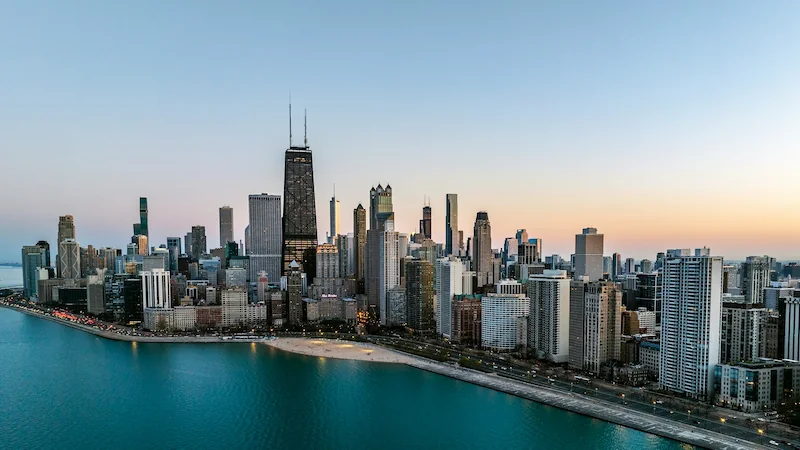
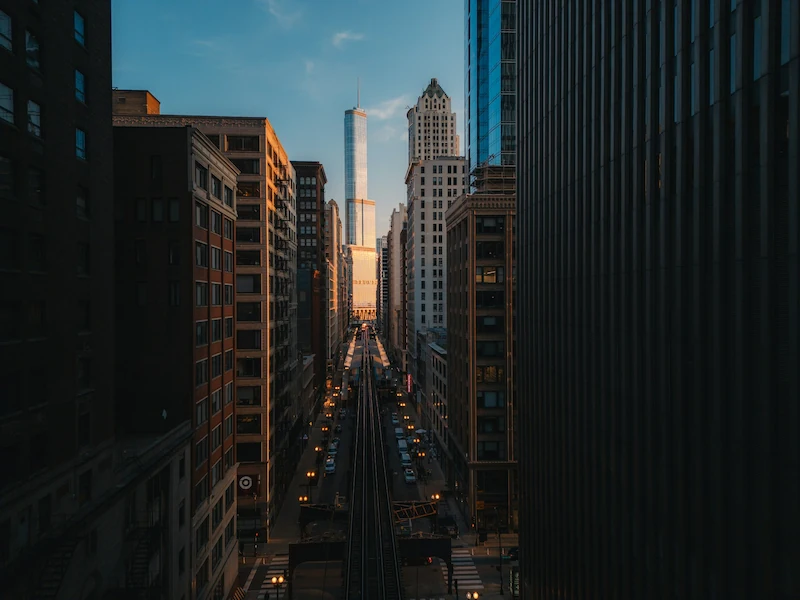
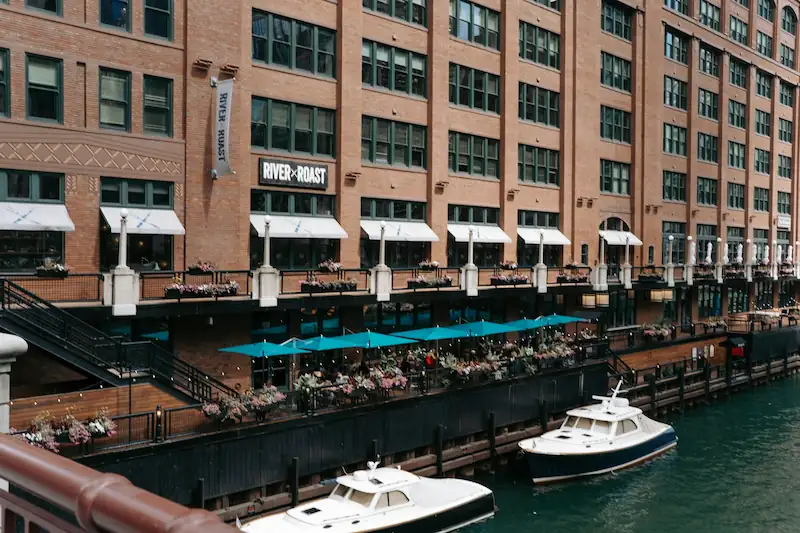
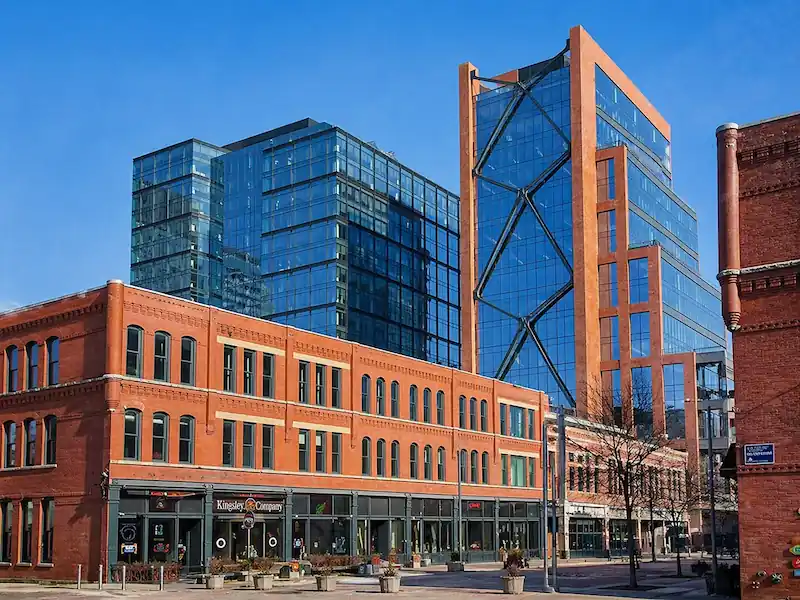
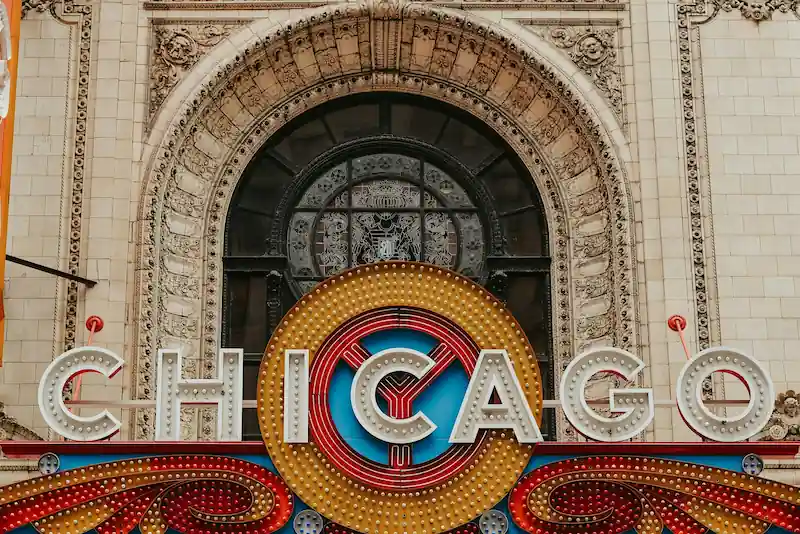
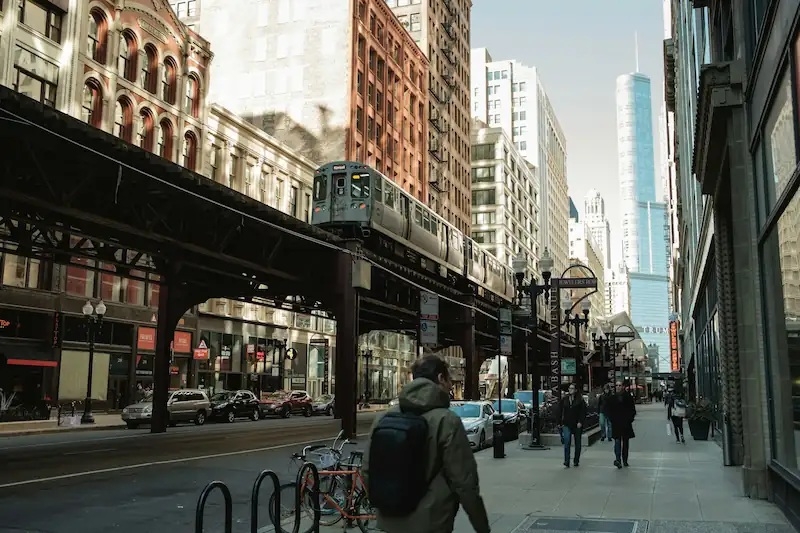
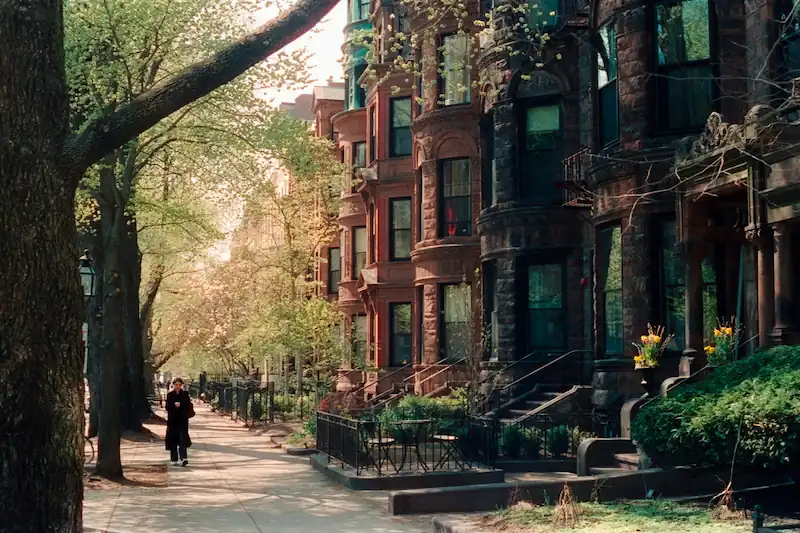
Find the best areas to stay in Chicago based on how you want the city to work day by day: fast access to architecture and museums, lively restaurant-led evenings, calmer family logistics, lakefront breathing room, or a more local neighborhood rhythm. Chicago rewards a good base more than many first-time visitors expect. The Loop makes the city easy to decode, River North keeps evenings active, West Loop turns dinner into part of the trip, South Loop simplifies museums and room value, while Lincoln Park, Wicker Park, and Chinatown suit travelers who want the stay to feel less like a standard downtown hotel zone.
Best areas
The Loop for first-time sightseeing, River North for central nightlife and restaurants, West Loop for food-led stays, South Loop for museums and value, Lincoln Park for families and calmer neighborhood rhythm, Wicker Park for local texture, and Chinatown for food-first repeat visits or a less downtown-only base.
Booking timing
Book early for summer weekends, major conventions, Cubs weekends, marathon and festival dates, holiday periods, and any stay where the exact neighborhood matters. Chicago has plenty of hotels, but the best-positioned rooms in The Loop, River North, West Loop, and view-heavy central properties narrow quickly.
Where to stay in Chicago at a glance
The Loop – Best for: First-time visitors, short stays, architecture, museums, and easiest sightseeing · Vibe: Central, civic, landmark-heavy, efficient, and more businesslike after dark · Stay here if: You want to walk quickly to Millennium Park, the Art Institute, theatre, river access, and classic downtown Chicago. · Avoid if: You want your hotel block itself to feel residential, local, or restaurant-led at night.
River North – Best for: Central stays with restaurants, nightlife, rooftops, and easy downtown access · Vibe: Polished, busy, hotel-dense, social, and more active after dark than The Loop · Stay here if: You want to stay central without giving up dinner, bar, and late-evening convenience. · Avoid if: You are noise-sensitive, value-driven, or want a calmer neighborhood rhythm.
West Loop – Best for: Food-led trips, design-forward stays, couples, and repeat visitors · Vibe: Contemporary, warehouse-converted, social, restaurant-heavy, and evening-led · Stay here if: You want restaurants, bars, and a current Chicago feel to shape the stay as much as sightseeing. · Avoid if: You need the most efficient first-time base for Millennium Park, museums, and river sightseeing.
Lincoln Park – Best for: Families, longer stays, calmer mornings, parks, lakefront, and residential rhythm · Vibe: Green, relaxed, local, lake-adjacent, and less vertical than downtown · Stay here if: You want Chicago to feel softer, greener, and easier to live in for a few days. · Avoid if: You want the shortest possible access to every first-time downtown attraction or late-night central dining.
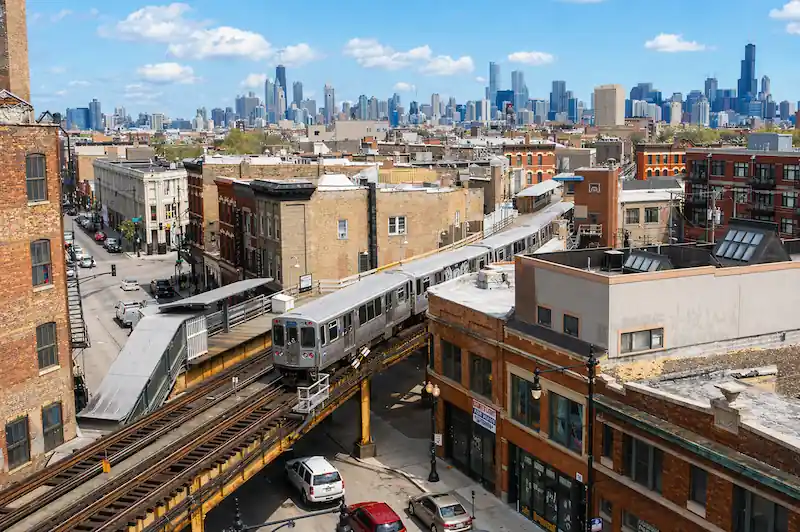
Wicker Park – Best for: Local-feel stays, repeat visits, bars, cafés, shops, and neighborhood-first trips · Vibe: Independent, creative, casual, walkable, and more local than hotel-district Chicago · Stay here if: You care more about cafés, bars, the 606/Wicker Park/Logan Square axis, and street texture than pure sightseeing efficiency. · Avoid if: This is your first Chicago trip, you only have two nights, and you want to minimize transit.
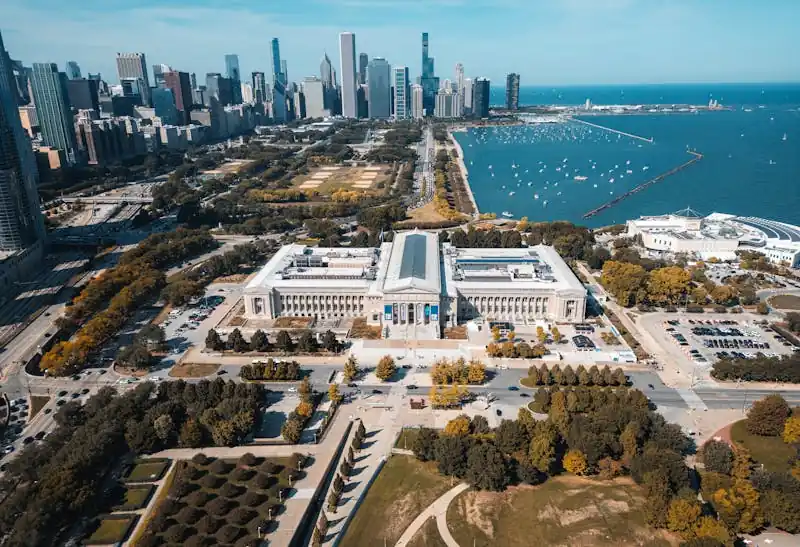
South Loop – Best for: Museum Campus, families, room value, lakefront access, and practical central stays · Vibe: Spacious, calmer, practical, less polished, and easier for museums than nightlife · Stay here if: You want easier access to Field Museum, Shedd, Adler, Grant Park, McCormick Place, and larger hotel rooms. · Avoid if: You want the strongest restaurant, rooftop, and nightlife density directly outside the hotel.
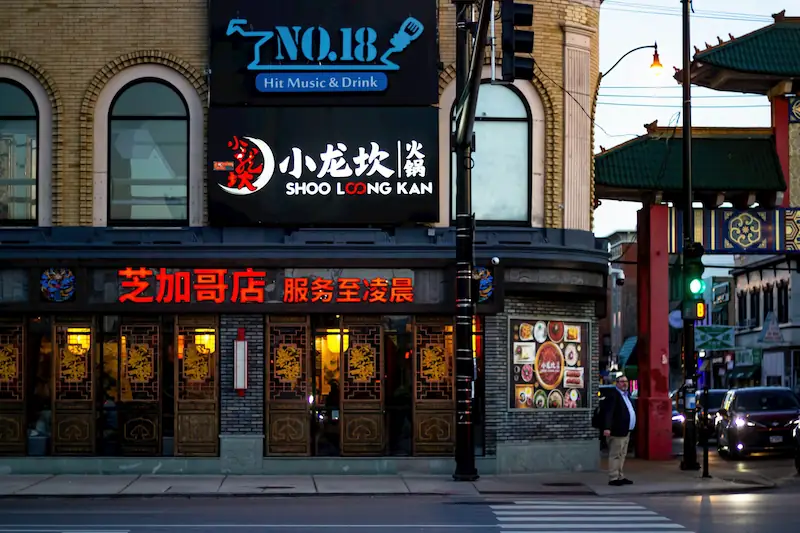
Chinatown – Best for: Food-first contrast, repeat visitors, budget-aware stays, and a less generic base · Vibe: Distinctive, neighborhood-scale, food-led, practical, and less tourist-core · Stay here if: You want your stay shaped partly by food and district identity rather than classic downtown polish. · Avoid if: You want the easiest landmark-first base, the broadest hotel choice, or polished nightlife.
How to choose the right area in Chicago
Choosing where to stay in Chicago is really a sequencing decision. The city is easy to read once you understand its layers — the Loop and river for first-time orientation, River North for central evening energy, West Loop for dining, South Loop for museums and space, Lincoln Park for calmer neighborhood rhythm, Wicker Park for local texture, and Chinatown for food-led contrast. The best base is not the most fashionable neighborhood; it is the area that makes your actual days start cleanly and your evenings end easily.
Choose The Loop when this is your first Chicago trip, the stay is short, and you want the lowest-friction access to architecture, museums, theatre, Millennium Park, and the river.
Choose River North when you still want to be central but want restaurants, bars, rooftops, and late-evening movement to be part of the stay.
Choose West Loop when food is not a side activity but one of the main reasons for the trip.
Choose South Loop when Museum Campus, larger rooms, family logistics, convention access, or better central value matter more than nightlife density.
Choose Lincoln Park when you want greener mornings, parks, lakefront access, and a calmer residential feel without fully leaving the city.
Choose Wicker Park when cafés, bars, local streets, the 606/Logan Square axis, and a less standard hotel-zone stay matter more than sightseeing efficiency.
Treat Chinatown as a strong food-first or repeat-visitor base, but not the default answer for a landmark-heavy first trip.
Do not compare neighborhoods only by map distance; compare the first and last 30 minutes of each day, because that is where a Chicago base most clearly helps or hurts.
In winter or bad weather, transit access, indoor routes, and hotel comfort matter more than a neighborhood’s warm-weather charm.
On event or convention dates, the best area can disappear quickly; booking late often means accepting a weaker exact block rather than simply paying a higher rate.
How Chicago works from a stay perspective
Chicago is visually clear but easy to misjudge when choosing where to stay. The skyline makes everything look compact, but the real stay decision depends on your daily pattern: river and architecture, museums and lakefront, restaurants and bars, family logistics, or local neighborhood texture. The Loop, River North, West Loop, South Loop, Lincoln Park, Wicker Park, and Chinatown are not simply points on a map; each changes how the trip begins and ends.
The Loop, River North, and West Loop are all central, but they solve different problems: sightseeing, social energy, and food-led evenings.
The river and lakefront make orientation easier, but they also create natural day clusters that should guide hotel choice.
South Loop is closer to Museum Campus, Grant Park, McCormick Place, and the southern lakefront than many first-timers realize.
Lincoln Park is farther from the classic core but better for greener mornings, family rhythm, and longer-stay comfort.
Wicker Park works best once local rhythm, cafés, bars, and the Blue Line corridor matter more than classic sightseeing efficiency.
Chinatown is more useful as a food-and-identity base than as a default landmark-first answer.
Pilsen, Logan Square, Hyde Park, and Oak Park are important to the wider trip, but usually better handled as visit districts than hotel bases for most travelers.
Chicago’s grid helps readability, but it does not eliminate wasted cross-city movements when the hotel and itinerary pull in opposite directions.
In winter, the same map feels larger; short transfers and hotel comfort become more important than warm-weather walkability.
On convention or event dates, exact hotel block matters more because remaining inventory can push you to weaker edges of otherwise good districts.
first-time core – The Loop and River North are the easiest answers for first-time visitors who want classic sightseeing, architecture, river access, and a short-stay base.
food and evening core – West Loop and River North are strongest when restaurants, bars, rooftops, and late returns are central to the stay.
museum and practical south – South Loop works best for Museum Campus, Grant Park, McCormick Place, family logistics, room size, and value-conscious central stays.
greener north-side rhythm – Lincoln Park is strongest for families, longer stays, lakefront access, parks, and travelers who want the city to feel more residential.
local texture west and south – Wicker Park and Chinatown are better for travelers who want neighborhood identity, food, cafés, bars, and a less generic hotel-zone experience.
Best areas to stay in Chicago
These are the Chicago neighborhoods that make the most sense for most travelers. The key is not just which area is 'best' in theory, but which one reduces friction for the trip you are actually taking.
The Loop
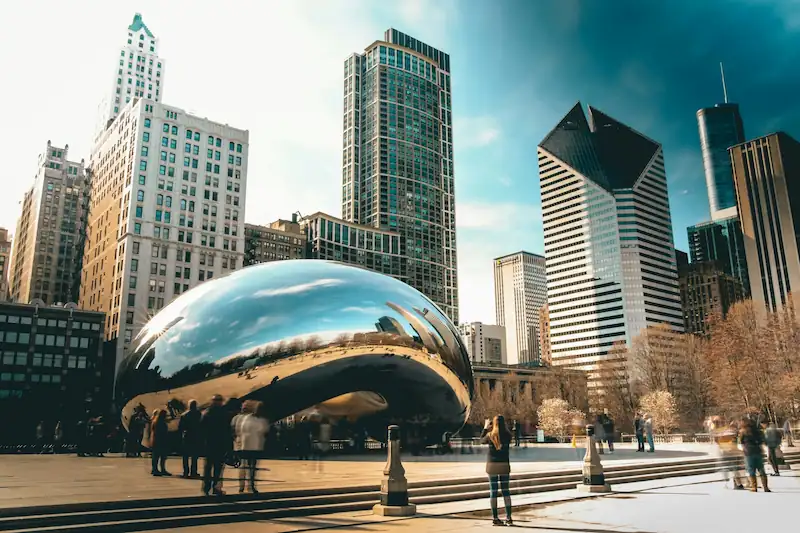
The Loop is the most efficient place to stay in Chicago for a first visit, especially if the trip is built around architecture, museums, theatre, Millennium Park, the river, and the classic downtown core. It is not Chicago’s warmest neighborhood after dark, but that is the trade-off: what you lose in residential atmosphere, you gain in orientation, transit, and walkable access. The best Loop stays are not about pretending this is a village; they are about making a short Chicago trip work cleanly from the first morning.
Why stay here: Stay in The Loop when you want the best area in Chicago for first-time sightseeing, a 2- or 3-night stay, architecture-led planning, easy theatre nights, and the fewest avoidable transfers.
Best for: First-time visitors, 2- to 3-night stays, architecture-led trips, theatre weekends, museum-first planning, and travelers asking where to stay in Chicago without a car.
Pros
Best first-time base for architecture, museums, Millennium Park, theatre, and river access
Strongest area for short stays where time matters more than neighborhood mood
Multiple train lines and easy walking routes in several directions
Good range of budget, mid-range, and upscale hotels compared with smaller neighborhood areas
Easy to pair with Riverwalk, Art Institute, Chicago Cultural Center, and Loop architecture walks
Practical for no-car trips, business-leisure stays, and first-time weekend itineraries
Cons
Less local and residential after dark than Lincoln Park, Wicker Park, or Chinatown
Some blocks become quiet or corporate outside theatre and office hours
Restaurant choice needs selectivity; convenience does not always mean character
View and historic-building premiums can be high for rooms that remain compact
Nearby highlights
Millennium Park, Cloud Gate, and the Art Institute within an easy first-day cluster
Chicago Cultural Center and historic Loop interiors for free or low-friction culture
Fast starts for architecture cruises, bridge walks, and Riverwalk time
Theatre district access for evening plans without long late-night returns
Simple L connections toward Lincoln Park, Wicker Park, Chinatown, and airports
Good base for travelers who want the city’s core to feel legible immediately
Practical fallback in winter when short walking segments and indoor stops matter more
Budget
Club Quarters Hotel Central Loop, Chicago – Straightforward downtown hotel with strong location logic for a short first stay. Works well if you care more about access than hotel theatre. Why we recommend: One of the most reliable value picks in the Loop without giving up real walkability. Check availability
Central Loop Hotel – Compact, practical rooms in a genuinely central location near major first-time sights and train links. Why we recommend: A dependable low-friction option when you want The Loop without paying for full-service upscale extras. Check availability
La Quinta Inn & Suites by Wyndham Chicago Downtown – Functional downtown stay with familiar-chain simplicity and easy access to central Chicago. Why we recommend: Useful for travelers who want predictable comfort in a location that still saves time. Check availability
Mid
Hilton Garden Inn Chicago Central Loop – Modern mid-range base with newer feel than many Loop standards and good reach to central sights. Why we recommend: A smart upgrade from basic downtown options without moving into full luxury pricing. Check availability
Canopy By Hilton Chicago Central Loop – Polished contemporary hotel close to Willis Tower side of the Loop, with a more current feel than older nearby addresses. Why we recommend: Stronger style and room mood than many similarly placed business-heavy hotels. Check availability
Hyatt Centric The Loop Chicago – Well-located full-service option for travelers who want a little more comfort without leaving the practical core. Why we recommend: Balances centrality, room quality, and first-time usability better than many Loop peers. Check availability
Upscale
Pendry Chicago – Refined design-led stay in a historic building with easier access to the Loop’s theatre and river edges. Why we recommend: A sharper luxury choice if you want central Chicago with more personality than classic business hotels. Check availability
The LaSalle Chicago, Autograph Collection – Smaller upscale address with a calmer, more private feel in the financial-district side of the Loop. Why we recommend: Better for travelers who want an elevated stay without the scale or churn of bigger downtown hotels. Check availability
L7 Chicago by LOTTE – Stylish upscale hotel with river proximity and a more polished, less corporate feel than many central options. Why we recommend: One of the strongest central stays if you want good design without stepping into full luxury-brand heaviness. Check availability
River North
River North is the best Chicago base if you want central access without letting evenings feel flat. It keeps you close to the river, architecture cruises, the Loop, the Magnificent Mile edge, restaurants, bars, rooftops, galleries, and hotel choice, which is why it works so well for weekends. The district is polished rather than deeply local, and some blocks are noisier than others, but for many travelers it is the easiest compromise between sightseeing efficiency and after-dark energy.
Why stay here: Stay in River North when you want a central area with stronger restaurant, nightlife, rooftop, and hotel energy than The Loop, while still keeping first-time sightseeing easy.
Best for: Central stays with nightlife, restaurants, rooftops, first-time visitors who want energy, couples, and travelers choosing between The Loop and a more social base.
Pros
Very strong restaurant, bar, rooftop, and hotel density
More active after dark than The Loop while remaining highly central
Easy reach to the river, architecture cruises, Magnificent Mile edge, and downtown sights
Good fit for couples, weekend trips, and first-time visitors who care about evenings
Wide hotel supply across familiar chains, boutiques, and upscale options
Useful base when you want short late-night returns rather than cross-city rides
Cons
Can feel hotel-heavy, busy, and less distinctively local than neighborhood bases
Noise sensitivity matters on bar-heavy or high-traffic blocks
Room value is often weaker than South Loop, The Loop edges, or less central areas
Not as calm for families or longer stays as Lincoln Park or selected South Loop hotels
Nearby highlights
Architecture cruise departures and riverfront walks within easy reach
Restaurant and bar density that makes evenings simple
Short access to The Loop, Magnificent Mile, and downtown galleries
Good hotel choice for weekenders who want convenience and social energy together
Rooftop and skyline-view opportunities without needing a separate neighborhood transfer
A practical base when the itinerary mixes sightseeing by day and late dinners by night
Useful for travelers who want Chicago to feel active immediately outside the hotel
Budget
FOUND Hotel Chicago River North – Compact, urban-feeling option for travelers who want to stay central and spend more on the city than on the room. Why we recommend: One of the better budget-positioned picks in River North without being pushed too far out. Check availability
Hilton Garden Inn Chicago Downtown/Magnificent Mile – Classic mid-market hotel with dependable comfort in a very workable River North location. Why we recommend: It gives you a highly useful address without charging boutique premiums for it. Check availability
Hampton Inn & Suites Chicago-Downtown – Reliable central hotel for travelers who want familiar-chain ease and strong practical positioning. Why we recommend: A good value play for a lively district where many better-located hotels cost more. Check availability
Mid
Fairfield Inn and Suites Chicago Downtown-River North – Straightforward modern stay with easy walking access to the river, restaurants, and core downtown sights. Why we recommend: Consistently useful for travelers who want River North without overpaying for trend-driven branding. Check availability
Embassy Suites Chicago - Downtown River North – All-suite setup that works especially well for longer weekends, families, or anyone wanting more room. Why we recommend: More space than many nearby alternatives, which matters in a dense central district. Check availability
voco Chicago Downtown - Riverwalk by IHG – Convenient upper-mid-range option near the river side of the district, with solid downtown access. Why we recommend: Useful when you want a current-feeling stay near both River North and the Loop edge. Check availability
Upscale
Eurostars Magnificent Mile – Contemporary boutique-style hotel on the quieter side of River North, close to restaurants and shopping. Why we recommend: One of the easier upscale choices here if you want style without full scene-heavy hotel energy. Check availability
Kinzie Hotel – Well-located boutique stay that puts you in the center of River North’s dining and nightlife logic. Why we recommend: A sharper option than many chain hotels nearby if character matters more than brand weight. Check availability
Hotel Chicago Downtown, Autograph Collection – Upscale river-adjacent stay with stronger design presence and a location that stays practical day and night. Why we recommend: It is one of the best River North options for travelers who want position and personality together. Check availability
West Loop
West Loop is the right place to stay when Chicago’s restaurant scene is not an add-on but part of the trip’s purpose. Fulton Market and Randolph Street have turned a former warehouse and market district into one of the city’s strongest food, design, and hotel corridors. It is not the most efficient first-time base for landmark sightseeing, but it is one of the best areas for couples, repeat visitors, food-focused weekends, and travelers who want evenings to carry real weight.
Why stay here: Stay in West Loop when dining, bars, contemporary hotel design, and a more current Chicago rhythm matter as much as daytime sightseeing.
Best for: Food-focused trips, couples, repeat visitors, design-forward weekends, restaurant-led evenings, and travelers asking where to stay in Chicago for dining.
Pros
Strongest food-led stay area among the main Chicago bases
Excellent for destination dinners, bars, and contemporary evening energy
More design-forward and less corporate than many central hotel zones
Good for couples, repeat visitors, and travelers who already know the classic core
Walkable once you are in the right part of Fulton Market or Randolph Street
Still close enough to downtown for easy daytime movement with smart sequencing
Cons
Less efficient than The Loop or River North for a first-time landmark-heavy itinerary
Hotels on the edges can feel less convenient than the area name suggests
Popular restaurants require planning, especially weekends
Less useful for families focused on Museum Campus or early indoor attractions
Nearby highlights
Fulton Market and Randolph Street dining without late-night transport friction
Design-led hotels and warehouse-converted streets with a more current feel
Easy access toward The Loop, Union Station, and central sights when days are clustered
Better evening logic than returning from dinner to a quiet business-district hotel
Strong base for travelers who want one or two serious restaurant nights
Good compromise between central access and a less ceremonial version of Chicago
Useful for a second Chicago trip where food and neighborhood texture matter more
Budget
Hotel Chicago West Loop, SureStay Collection by Best Western – Simple, functional option on the western edge of the district for travelers prioritizing price over polish. Why we recommend: One of the more realistic lower-cost entries into West Loop positioning. Check availability
Crowne Plaza - Chicago West Loop by IHG – Well-known full-service option that keeps downtown and West Loop both accessible. Why we recommend: A practical compromise if you want West Loop adjacency without boutique pricing. Check availability
Hyatt Place Chicago Medical/University District – Modern, efficient hotel near the district edge with easier pricing than core Fulton Market addresses. Why we recommend: Useful if you want a cleaner newer room and can accept being slightly off the social center. Check availability
Mid
Hampton Inn Chicago West Loop Fulton Market Area – Dependable modern stay close enough to benefit from West Loop dining without paying full boutique rates. Why we recommend: One of the strongest mid-range options here for balancing location and price. Check availability
Hyatt House Chicago West Loop-Fulton Market – All-suite-friendly option that works well for longer weekends, extra space, or mixed work-leisure stays. Why we recommend: More functional room setup than many nearby hotels at a still-manageable price point. Check availability
Homewood Suites by Hilton Chicago West Loop Fulton Mkt Area – Suite-based hotel with good practical comfort for travelers who want West Loop access without a purely boutique stay. Why we recommend: Especially useful when room size and in-room functionality matter. Check availability
Upscale
The Publishing House Bed and Breakfast – Character-rich small property that gives West Loop a more intimate and residential edge. Why we recommend: Far more distinctive than standard chain options if you want the stay itself to feel specific. Check availability
The Emily Hotel – Stylish hotel in Fulton Market with a stronger design identity than most conventional downtown properties. Why we recommend: One of the best choices for travelers who want a contemporary Chicago stay with real personality. Check availability
Nobu Hotel Chicago – High-design luxury option with a quieter, more polished version of West Loop’s social appeal. Why we recommend: The standout upscale pick here if the hotel experience matters as much as the neighborhood. Check availability
Lincoln Park
Lincoln Park is one of the best areas to stay in Chicago when you want the trip to feel calmer, greener, and more residential without disconnecting from the city. It gives you parkland, lakefront access, cafés, local restaurants, Lincoln Park Zoo, and a softer morning-and-evening rhythm than the central core. It is not the right answer for every first-time visitor because hotel stock is thinner and downtown runs take longer, but for families, longer stays, and slower city breaks it can make Chicago feel much more livable.
Why stay here: Stay in Lincoln Park when family logistics, lakefront access, calmer evenings, parks, and neighborhood comfort matter more than being steps from every central landmark.
Best for: Families, longer stays, calmer city breaks, park-and-lakefront access, repeat visitors, and travelers who prefer residential Chicago over downtown hotel zones.
Pros
Greener, calmer, and more residential than the downtown core
Strong fit for families, longer stays, and travelers who want daily comfort
Easy access to Lincoln Park, Lincoln Park Zoo, the lakefront, and local restaurants
Better morning and evening rhythm than business-heavy central districts
Good for visitors who want Chicago to feel less vertical and more livable
Works well when the trip includes open-air time rather than only museums and towers
Cons
Less efficient than The Loop or River North for tight first-time sightseeing
Traditional hotel choice is narrower, so room availability matters
Not a nightlife-first base unless you want quieter local evenings
Some nearby hotel fallbacks sit closer to Lakeview, Old Town, or Gold Coast than strict Lincoln Park
Nearby highlights
Lincoln Park Zoo and parkland for free, flexible family time
Lakefront access for walks, runs, and open-air resets
Tree-lined streets and neighborhood restaurants for calmer evenings
Good base for visitors who want mornings to feel local rather than corporate
Useful access toward Old Town, Lakeview, and North Side neighborhoods
A softer hotel return after dense Loop or museum days
Better daily rhythm for longer stays than many central business hotels
Budget
Hotel Versey Chicago Lincoln Park – Lively but practical option near Lincoln Park and Lakeview, useful for travelers who want North Side access without full downtown pricing. Why we recommend: One of the most useful lower-cost entries into this side of the city, especially when neighborhood feel matters. Check availability
Chicago Getaway Hostel – Simple and social Lincoln Park hostel with a genuinely useful neighborhood position for budget travelers. Why we recommend: A strong budget base if you care more about the area and open-air rhythm than polished hotel services. Check availability
The Willows Hotel – Small, older North Side hotel close to Lincoln Park and Lakeview, better for travelers prioritizing location and value over scale. Why we recommend: A practical fallback when you want this calmer side of Chicago without moving into downtown hotel pricing. Check availability
Mid
The Neighborhood Hotel Lincoln Park – Apartment-style stay suited to longer weekends, families, and travelers wanting more room in a local setting. Why we recommend: One of the best fits for Lincoln Park’s actual logic: space, autonomy, and neighborhood immersion. Check availability
Hotel Lincoln – Characterful stay facing the park, with one of the clearest Lincoln Park positions for travelers who want the area to matter. Why we recommend: A strong balance of neighborhood identity, park access, and city-break usability. Check availability
Villa D' Citta – Small bed-and-breakfast style stay in a residential Lincoln Park setting, more intimate than a standard hotel. Why we recommend: Useful when you want a quieter, more personal North Side stay rather than a central-chain format. Check availability
Upscale
Level Chicago - Old Town – Apartment-style upscale option just south of Lincoln Park, useful when space and amenities matter more than a strict neighborhood label. Why we recommend: A strong nearby fallback for travelers who want Lincoln Park rhythm with fuller facilities and larger layouts. Check availability
The Sono Chicago – Polished small-property option around Old Town and the Lincoln Park edge, suited to travelers wanting calm and local positioning. Why we recommend: A good upscale-leaning alternative when classic Lincoln Park hotel inventory is too thin. Check availability
Viceroy Chicago – Luxury Gold Coast stay close enough to support Lincoln Park and lakefront plans while providing a fuller upscale hotel experience. Why we recommend: The best luxury fallback if you want North Side access but do not want to compromise on service or facilities. Check availability
Wicker Park
Wicker Park is the right place to stay in Chicago if you want the city to feel local from the first coffee rather than landmark-led from the first museum. It works through cafés, bars, independent shops, low-rise streets, the Damen/North/Milwaukee axis, and nearby Bucktown and the 606 corridor. It is not the best base for a compressed first-time trip, but it becomes very compelling for repeat visitors, younger couples, friends, and travelers who want their hotel choice to make Chicago feel less like a downtown convention city.
Why stay here: Stay in Wicker Park when neighborhood atmosphere, cafés, bars, shops, and local texture matter more than pure downtown efficiency.
Best for: Repeat visitors, local-life stays, neighborhood-first trips, younger couples and friends, café/bar-focused travelers, and visitors choosing Chicago beyond the Loop.
Pros
Stronger local character than the central hotel districts
Good bars, cafés, independent shops, casual food, and creative-commercial energy
Better for repeat visitors and neighborhood-first travelers than for rushed first-timers
Access to the 606, Bucktown, Logan Square axis, and Blue Line movement
A more lived-in Chicago feeling from morning onward
Good for casual evenings that do not require returning downtown
Cons
Less efficient for architecture-and-museum-first trips
Hotel stock is limited and often boutique, guesthouse, or apartment-style
Can add transit friction on short stays if most plans are downtown
Not ideal for travelers who want full-service hotel density or classic views
Nearby highlights
Damen, North, and Milwaukee Avenue for cafés, bars, shops, and casual food
The 606 and Bucktown for a different kind of walkable Chicago
Blue Line access toward downtown and O'Hare with a more neighborhood-based stay
Evenings that feel local rather than hotel-zone polished
A strong base for visitors who already know the core sights
Good access to Logan Square as a food and bar extension
Less tourist-framed Chicago from the moment you step outside
Budget
Wicker Park Inn – Small-scale neighborhood stay with more local feeling than a standard downtown chain. Why we recommend: A strong entry point if you want Wicker Park itself to matter more than hotel scale. Check availability
Hyatt Place Chicago/Wicker Park – Practical modern hotel at the Wicker Park/Bucktown edge, with easier services than most small local stays. Why we recommend: A useful balance of neighborhood access and predictable hotel function. Check availability
The Hollander – Design-conscious, social, hostel-leaning stay associated with the Wicker Park/Bucktown scene. Why we recommend: A good fit for budget-minded travelers who want the area’s local energy more than full-service polish. Check availability
Mid
The Robey – The clearest signature stay in Wicker Park, set in a landmark Art Deco tower at the neighborhood’s most recognizable intersection. Why we recommend: The best all-round choice if Wicker Park is meant to define the stay, not just serve as a cheaper base. Check availability
Sonder The Wicker Park – Apartment-style stay in the Wicker Park area, useful for travelers who want more autonomy and less hotel-desk formality. Why we recommend: A smart fit when cafés, food, and local rhythm matter more than traditional hotel services. Check availability
Ruby Room – Small, wellness-leaning neighborhood property with a very different feel from downtown hotels. Why we recommend: Useful for travelers who want a quieter and more individual Wicker Park stay. Check availability
Upscale
The Robey, higher room categories – Use stronger room categories at The Robey if the view, design, and hotel experience are part of why you are staying in Wicker Park. Why we recommend: One of the few neighborhood hotels in Chicago where upgrading can meaningfully change the stay. Check availability
The Publishing House Bed and Breakfast – West Loop property rather than Wicker Park, but a strong boutique fallback for travelers who want neighborhood character outside the classic core. Why we recommend: A useful alternative when Wicker Park inventory is tight but the brief is still character over chain-hotel centrality. Check availability
The Emily Hotel – Design-led Fulton Market hotel that can work as an upscale alternative for travelers comparing Wicker Park with another local-feeling, non-Loop base. Why we recommend: A stronger upscale fallback than forcing a weak Wicker Park listing when design and neighborhood energy matter. Check availability
South Loop
South Loop is one of Chicago’s smartest practical bases, especially for families, museum-heavy trips, convention stays, and travelers who want more room value without moving far from the core. It puts Museum Campus, Grant Park, the lakefront, McCormick Place, and the southern edge of downtown into a more convenient relationship than many first-timers expect. It is not the best district for restaurant-and-bar density, but it often makes the rest of the day easier.
Why stay here: Stay in South Loop when Museum Campus, larger rooms, lakefront access, family logistics, convention proximity, or better central value matter more than nightlife outside the door.
Best for: Families, Museum Campus, Shedd Aquarium, Field Museum, McCormick Place, value-conscious central stays, and travelers who want space near the lakefront.
Pros
Strong access to Museum Campus, Grant Park, McCormick Place, and the southern lakefront
Often better room value and larger layouts than River North or prime West Loop
Good for families, museum-led trips, practical first stays, and convention travelers
Less hotel-scene pressure and easier breathing room than the busiest central districts
Useful compromise between central access and quieter evenings
Works well when the trip mixes culture, lakefront time, and a calmer hotel return
Cons
Weaker evening dining and nightlife density on foot than River North or West Loop
Some blocks feel functional rather than characterful
Not the strongest choice if the trip is built around late dinners and bars
Exact hotel position matters because the area stretches farther than the name suggests
Nearby highlights
Field Museum, Shedd Aquarium, Adler Planetarium, and Museum Campus access
Grant Park and lakefront walks without starting every day from the north side
More comfortable room stock for families and longer stays
Useful positioning for McCormick Place and convention travel
Good central compromise when nightlife is not the main priority
Easy connection back toward the Loop while avoiding some central premiums
Practical winter or rainy-day base if museums anchor the plan
Budget
Best Western Grant Park Hotel – Practical hotel opposite Grant Park with efficient access to museums and the central core. Why we recommend: One of the few lower-cost South Loop options that still feels genuinely useful for sightseeing. Check availability
Congress Plaza Hotel Chicago – Historic large-format hotel with a prime Michigan Avenue position and old-school downtown feel. Why we recommend: The location is far better than the price often suggests if you value placement over refinement. Check availability
Home2 Suites By Hilton Chicago McCormick Place – More modern and functional option farther south, useful for longer stays or travelers wanting newer rooms. Why we recommend: A better practical pick than many older-value options if you can accept a slightly less central feel. Check availability
Mid
Hilton Garden Inn Chicago Downtown South Loop – Modern mid-range hotel with a good balance between Grant Park access and room comfort. Why we recommend: A strong compromise if you want newer feel without paying premium central-north prices. Check availability
Homewood Suites By Hilton Chicago Downtown South Loop – Roomier suite-style setup that suits longer weekends, families, or travelers who want more flexibility. Why we recommend: One of the better South Loop choices when extra space matters more than hotel drama. Check availability
SpringHill Suites by Marriott Chicago Chinatown – Modern hotel slightly south of the core with useful access to Chinatown and central Chicago by quick transit or ride. Why we recommend: A smart pick when you want a newer hotel and a less overpriced base with food upside nearby. Check availability
Upscale
Le Meridien Essex Chicago – Polished South Loop stay facing Grant Park, with better style than many practical alternatives nearby. Why we recommend: A strong fit if you want South Loop positioning without giving up an upscale hotel feel. Check availability
Marriott Marquis Chicago – Large modern hotel near McCormick Place with bigger rooms and a more contemporary convention-corridor feel. Why we recommend: Better suited than trendier neighborhoods if space, views, and newer build matter most. Check availability
Hyatt Regency McCormick Place Chicago – Full-service upscale option with lake-adjacent reach and strong room comfort for travelers who do not need nightlife outside the door. Why we recommend: One of the most comfortable South Loop choices when practical quality matters more than neighborhood buzz. Check availability
Chinatown
Chinatown is not the default answer for where to stay in Chicago, but it can be a smart choice for food-first travelers, repeat visitors, and budget-aware stays that do not need to revolve around the classic downtown core. It gives the trip a more specific sense of place than many hotel-heavy zones and pairs well with South Loop, Museum Campus, and food-led evenings. For most first-timers it is stronger as a visit district than as a base, but for the right traveler it makes Chicago feel broader and less generic.
Why stay here: Stay in Chinatown when food, neighborhood identity, and a less downtown-standard base matter more than pure landmark efficiency.
Best for: Food-led trips, repeat visitors, budget-aware travelers, South Loop-adjacent stays, and visitors who want a more distinctive local-feeling base.
Pros
Distinctive food-led neighborhood identity close to South Loop and central Chicago
Can offer better value and more character than generic downtown hotel zones
Useful for repeat visitors and travelers who want the stay to feel less polished
Good pairing with Museum Campus, South Loop, Pilsen, and central transit
Stronger sense of place than many practical central hotel areas
Works well if you want easy access to one of the city’s best food districts
Cons
Less efficient than The Loop or River North for classic first-time sightseeing
Hotel stock is limited compared with major central districts
Not the best base for nightlife, luxury hotels, or landmark density on foot
Many travelers will be better off staying nearby in South Loop and visiting Chinatown for food
Nearby highlights
Immediate access to Chinatown dining without making it a one-off detour
A more specific and memorable district identity than many central hotel areas
Useful pairing with South Loop, Museum Campus, and Pilsen plans
Good base when food and neighborhood atmosphere matter more than skyline views
Practical access back toward the central core with better sequencing
A strong alternative for travelers avoiding polished visitor districts
Helps the city feel broader than river-and-skyscraper Chicago alone
Budget
SpringHill Suites by Marriott Chicago Chinatown – Modern and practical hotel option for travelers who want Chinatown access without giving up standard comfort. Why we recommend: The easiest crossover choice between neighborhood character, room function, and reliable hotel services. Check availability
Jaslin Hotel – Straightforward hotel directly tied to Chinatown’s food and neighborhood logic. Why we recommend: One of the most logical stays if the district itself is the reason you are booking here. Check availability
Best Western Grant Park Hotel – South Loop value option within quick reach of Chinatown, Museum Campus, and central Chicago. Why we recommend: A practical fallback if you want Chinatown access but broader central convenience. Check availability
Mid
Home2 Suites By Hilton Chicago McCormick Place – Modern suite-friendly hotel south of the core with useful access to Chinatown, McCormick Place, and South Loop. Why we recommend: A better fit than a tiny central room if space and practical access matter. Check availability
Hilton Garden Inn Chicago Downtown South Loop – Reliable South Loop hotel that keeps Chinatown within easy reach while offering broader central usability. Why we recommend: A smart compromise when you want Chinatown food access without making the stay too narrow. Check availability
Homewood Suites By Hilton Chicago Downtown South Loop – Suite-style South Loop option useful for families or longer stays comparing Chinatown with nearby practical bases. Why we recommend: A strong mid-range fallback when room size matters more than staying directly inside Chinatown. Check availability
Upscale
Le Meridien Essex Chicago – Polished Grant Park / South Loop stay with better style while keeping Chinatown a short ride away. Why we recommend: A good upscale fallback if you want comfort and design but still plan to use Chinatown for food. Check availability
Marriott Marquis Chicago – Large modern hotel near McCormick Place, useful for convention travelers who also want Chinatown access. Why we recommend: Better than forcing a limited local inventory if upscale comfort and room quality matter. Check availability
Hyatt Regency McCormick Place Chicago – Full-service hotel south of the core with useful reach to Chinatown, South Loop, and convention facilities. Why we recommend: A practical upscale choice when the stay needs services, space, and South Side-adjacent access. Check availability
Where to stay in Chicago for first-time visitors
For a first Chicago trip, the best area is usually the one that makes the city easiest to read. That normally means staying central unless your trip has a very specific food, family, or neighborhood reason to do otherwise.
Choose The Loop for the cleanest first-time base if architecture, museums, Millennium Park, the Riverwalk, and theatre matter most.
Choose River North if you want first-time convenience but do not want evenings to feel quiet or corporate.
Choose South Loop if you want Museum Campus, larger rooms, and better practical value while staying close to the core.
Choose West Loop only on a first trip if restaurants and evening energy matter as much as classic sightseeing.
Avoid Wicker Park or Chinatown for a very short first trip unless local feel or food is the explicit priority.
For 2 or 3 nights, a slightly more expensive but better-positioned hotel often improves the trip more than a cheaper room farther out.
Stay
Best_for
Trade_off
The Loop
short first trips and landmark access
less local evening atmosphere
River North
central stays with restaurants and nightlife
higher prices and busier streets
South Loop
museums, families, and room value
weaker dining density on foot
West Loop
food-led first trips
less efficient for classic sightseeing
Where to stay in Chicago with family
Families usually do best where rooms are larger, transit is simple, and the day can include both one strong attraction and an easy reset. In Chicago, family logic often points to South Loop, Lincoln Park, or selected central hotels rather than the most fashionable districts.
South Loop is often the easiest family choice thanks to Museum Campus access, suite-style hotels, broader streets, and better room value.
Lincoln Park is best if you want a calmer neighborhood rhythm, green space, Lincoln Park Zoo, and lakefront access.
The Loop works well for older kids and short trips because it keeps classic sights and transport close.
River North works if evening restaurants matter, but it is often busier and pricier than families need.
West Loop can work for food-focused families but is less natural for museum-led days.
Check elevators, room configuration, breakfast options, parking, and exact distance to transit before choosing by neighborhood name alone.
Stay
Strength
Watch_for
South Loop
space, museums, value
less evening buzz
Lincoln Park
parks, zoo, calmer rhythm
longer downtown transfers
The Loop
central access and easy sightseeing
business-district feel after dark
River North
restaurants and centrality
noise and higher rates
Where to stay in Chicago for nightlife and restaurants
Chicago nightlife is not just one bar district. The right base depends on whether you want polished central nightlife, serious restaurants, casual neighborhood bars, theatre, comedy, rooftops, or a quieter return after dinner.
River North is the easiest all-round base for bars, restaurants, rooftops, and central late-night returns.
West Loop is stronger if your nights are built around restaurants, cocktails, Fulton Market, and a more design-forward feel.
Wicker Park works best for more local-feeling bars, cafés, casual evenings, and a less tourist-core mood.
The Loop is convenient for theatre and some river-area evenings, but weaker as a pure nightlife base.
South Loop and Lincoln Park are better for calmer evenings than full nightlife density.
If you sleep lightly, choose the right district but avoid the loudest immediate block.
Stay
Style
Trade_off
River North
busy, central, polished
more hotel-zone energy
West Loop
restaurant-first, trend-forward
less classic sightseeing efficiency
Wicker Park
local, bars-first, neighborhood-driven
less central
The Loop
theatre and river-adjacent evenings
quieter after office hours
Where to stay in Chicago on a budget
Budget in Chicago is less about finding a cheap neighborhood and more about choosing the right compromise. You can save by accepting smaller rooms, a less fashionable exact block, fewer hotel services, or a slightly more practical district.
The Loop often has the most useful budget stays because the location saves time on a short trip.
South Loop often gives the best central-value balance, especially for families, museums, and larger rooms.
River North budget hotels can be worth it if evening convenience matters enough to accept smaller rooms or higher rates.
West Loop value is mixed; cheaper hotels are often on the edges, not in the heart of Fulton Market.
Wicker Park and Chinatown can work for value if you actively want those neighborhoods and do not need landmark-first efficiency.
Avoid saving money by staying far from the L or far from your real evening plans; transport friction can erase the savings.
Stay
Why_it_works
Main_compromise
South Loop
better room value near museums
less nightlife density
The Loop
time-saving centrality
less local feel
Wicker Park
local feel outside the core
less first-time efficiency
Chinatown
food identity and possible value
limited hotel stock
Where to stay in Chicago for a more local feel
Some travelers do not want Chicago to feel like a downtown hotel district with attractions attached. In that case, a less central but more lived-in base can make the trip more memorable.
Choose Wicker Park if cafés, bars, independent shops, and neighborhood-commercial life matter more than pure landmark efficiency.
Choose Lincoln Park if you want greener surroundings, calmer mornings, lakefront access, and a more residential rhythm.
Choose Chinatown if food and district identity matter more than a polished central hotel scene.
Choose West Loop if you want a contemporary local-adjacent feel but still want easier central access.
Skip The Loop if your main goal is neighborhood atmosphere outside the hotel door.
Pilsen and Logan Square are better treated as strong visit districts for most travelers rather than default hotel bases.
Stay
Best_angle
Watch_for
Wicker Park
creative local texture
less first-time efficiency
Lincoln Park
calmer residential feel
quieter nights
Chinatown
food and district identity
less centrality
West Loop
food and contemporary city energy
higher restaurant-led pricing
Where to stay in Chicago for food
Food can legitimately drive the neighborhood decision in Chicago. The best base depends on whether you want high-demand restaurants, classic local food, Chinatown meals, casual bars, or a broader food-neighborhood rhythm.
West Loop is the strongest stay area if destination restaurants and Fulton Market dinners are central to the trip.
River North works well if you want centrality plus a broad restaurant and bar range without shifting too far from sightseeing.
Chinatown is the most distinctive food-first base if you want the stay itself to feel shaped by a specific dining district.
Wicker Park works for casual food, bars, cafés, and a more local evening rhythm.
The Loop is convenient for sightseeing but not the best area if food is the emotional center of the trip.
For a first trip, staying in West Loop or River North can be smarter than crossing the city after every dinner.
Stay
Best_for
Trade_off
West Loop
destination dining and restaurants
less landmark-first efficiency
River North
central restaurants and bars
busier and less local
Chinatown
food identity and district contrast
limited hotel choice
Wicker Park
casual local food and bars
more transit for classic sights
Where to stay in Chicago for couples
Couples should usually choose based on evening mood first: polished central, restaurant-led, design-forward, or calmer neighborhood. The wrong base is often the one that makes every dinner or drink feel like a transfer.
River North is the easiest couple-friendly choice for a first stay with restaurants, rooftops, and central access.
West Loop is better for couples who want the trip built around restaurants, cocktails, and hotel design.
The Loop works for couples prioritizing architecture, museums, theatre, and short-stay efficiency.
Lincoln Park is better for calmer couples who want green space and a softer neighborhood rhythm.
Wicker Park suits couples who prefer bars, cafés, and independent local texture to classic downtown polish.
Choose hotel style carefully; in Chicago the stay can feel very different between a large central business hotel and a smaller design property.
Stay
Couple_style
Watch_for
River North
classic central weekend
noise and price
West Loop
food and design-led
less sightseeing convenience
Lincoln Park
calmer and greener
quieter nights
Wicker Park
local and casual
less hotel choice
Where to stay in Chicago without a car
Most visitors do not need a car in Chicago if the base is chosen well. The key is to stay near the areas and transit patterns you will actually use, not just near a line on the map.
The Loop is the easiest no-car base for first-time visitors because walking, L access, museums, theatre, and river routes are all simple.
River North also works well without a car if restaurants and nightlife matter more than maximum transit choice.
South Loop works for no-car museum and family trips, especially if you plan fewer late-night cross-city moves.
Wicker Park can work without a car because of Blue Line access, but it is better for repeat visitors than landmark-first trips.
Lincoln Park is walkable and pleasant, but you will use transit or rides more often for central sightseeing.
Avoid booking a hotel that looks cheap but sits in an awkward gap between useful transit, restaurants, and your real daily plans.
Stay
No_car_strength
Weakness
The Loop
best overall transit and walking logic
less local mood
River North
walkable evenings and central access
less transit-dense than The Loop
South Loop
museums and practical centrality
fewer late-night options
Wicker Park
Blue Line and local rhythm
more transfers for core sights
Where to stay in Chicago in winter
Winter changes Chicago hotel logic. A charming neighborhood can become less useful if every day requires long exposed transfers, while a central or more comfortable hotel can make the trip feel much easier.
The Loop is a strong winter base for museums, theatre, architecture interiors, and shorter walking routes.
River North works if you want dinners and bars close to the hotel after colder days.
South Loop is good for museum-heavy winter trips, especially with families.
West Loop works if the trip is dining-led and you will spend evenings close to the hotel.
Lincoln Park and Wicker Park can still be rewarding, but only if you actively want neighborhood rhythm and accept more weather exposure.
In winter, prioritize hotel comfort, exact transit access, and shorter evening returns more than summer-style neighborhood charm.
Stay
Winter_strength
Watch_for
The Loop
museums, theatre, central routes
quiet evenings
River North
restaurants and short night returns
higher rates on strong weekends
South Loop
Museum Campus and family value
less nightlife
West Loop
dining-led evenings
less sightseeing efficiency
Where to stay in Chicago for a longer stay
For four nights or more, the best area is not always the most central one. Space, food access, routine, laundry, kitchens, calmer evenings, and transit patterns start to matter more.
Lincoln Park is one of the best longer-stay areas if you want a calmer, greener, more residential rhythm.
West Loop works well if the stay is shaped by food, bars, and contemporary city energy.
South Loop is practical for larger rooms, museums, lakefront access, and better value.
Wicker Park can be excellent if you want local cafés, bars, and repeatable neighborhood routines.
The Loop is best for a longer stay only if work, business, theatre, or central sightseeing still dominates the plan.
Apartment-style hotels and suite layouts become more important once the trip extends beyond a weekend.
Stay
Long_stay_strength
Trade_off
Lincoln Park
green, calmer, residential
less central
South Loop
space and practical value
less atmosphere
West Loop
food and social energy
higher demand
Wicker Park
local routine
limited hotel stock
Where to stay in Chicago by trip length and travel style
The shorter the trip, the more your hotel should reduce friction. The longer the stay, the more it makes sense to trade pure centrality for room comfort, food access, local rhythm, or a calmer daily base.
Label
Stay
Avoid
Why
1 night
The Loop or River North
neighborhood bases that require extra transfers
With one night, you need the city to be immediately usable rather than characterful in theory.
2 nights
The Loop for sightseeing, River North for central evenings
outer-edge value picks that only look central on a map
Centrality saves more time than a cheaper room usually saves money on a very short stay.
3 days
The Loop, River North, or South Loop depending on focus
Wicker Park or Chinatown unless food/local feel is the explicit priority
Three days can cover the core well, but only if the base supports the itinerary.
4 to 5 days
West Loop, South Loop, Lincoln Park, River North, or The Loop depending on trip style
paying for pure centrality if your schedule is no longer landmark-only
Once the trip expands, evenings, room comfort, and daily rhythm matter more.
1 week
Lincoln Park, South Loop, West Loop, or Wicker Park
a purely business-feeling Loop base unless work shapes the trip
Longer stays benefit from space, neighborhood routines, kitchens, parks, and repeatable food access.
first trip
The Loop or River North, with South Loop as a practical alternative
over-optimizing for trend over convenience
A first stay works best when the city is easy to read from the hotel outward.
family trip
South Loop, Lincoln Park, or suite-friendly Loop hotels
noisy nightlife blocks or small rooms with poor transit access
Room layout, stroller logistics, museums, parks, and calmer returns matter more than neighborhood cachet.
food-focused trip
West Loop, River North, Chinatown, or Wicker Park
choosing the Loop only because it is central
If meals drive the trip, sleeping near the right evening district changes the whole stay.
winter trip
The Loop, River North, South Loop, or West Loop
poorly connected charm picks with long exposed transfers
Cold, wind, and short daylight make hotel comfort and short evening routes more important.
return trip
West Loop, Wicker Park, Lincoln Park, or Chinatown
defaulting back to the most obvious downtown base
Repeat visits benefit more from local rhythm, dining concentration, and less tourist-led geography.
How to choose the right hotel once the area is selected
In Chicago, the district matters, but the exact hotel position inside the district often matters almost as much. Two hotels with the same neighborhood label can create very different trips depending on transit, noise, room size, views, river/lake access, and where your evenings actually end.
Topic
WhatToDo
WhatToAvoid
WhyItMatters
Exact street position
Check whether the hotel is on the strongest side of the neighborhood for your real plans.
Assuming every address inside The Loop, River North, West Loop, or South Loop performs equally well.
A hotel on the wrong edge can quietly add transport time and reduce evening ease.
Evening return logic
Book near the district where you expect most dinners, shows, or drinks to end.
Choosing a daytime-sightseeing base if every night requires a long ride back.
In Chicago, the best base often becomes obvious after dinner rather than before breakfast.
Noise tolerance
Choose quieter side streets in River North, West Loop, and Wicker Park if you sleep lightly.
Booking purely for bar density when rest matters to the trip.
The right lively district can still become the wrong hotel if the immediate block is too noisy.
Room size versus area prestige
Favor South Loop, Lincoln Park, or suite-style properties if you need more space.
Paying premium River North or West Loop rates for a cramped room you will resent.
Comfort matters more on a 4- to 5-night stay than neighborhood reputation alone.
Transit access
Prioritize simple, walkable train access when you plan to cross districts often.
Choosing a far less suitable hotel because a line looks direct on paper.
Chicago is connected, but a better-located hotel still reduces daily friction.
Boutique versus chain
Choose boutique in River North, West Loop, or Wicker Park when stay personality matters; choose chains when function and room predictability matter more.
Assuming boutique is automatically better value everywhere.
Some chain hotels win on room function and location even if they are less distinctive.
View premiums
Pay extra only if skyline, river, or lake views are part of why you chose the hotel.
Automatically upgrading for a view on a very short city-heavy stay.
In Chicago, some view upgrades are worth it, but not if you barely spend time in the room.
Winter and weather
Value hotel comfort, indoor facilities, shorter transfers, and restaurants close by more highly in cold months.
Booking a charming but awkwardly connected area for a winter first trip.
Lake wind and winter conditions make poor hotel geography feel much worse.
Event and convention dates
Check major events before assuming a rate is simply expensive or cheap.
Waiting until only weak exact blocks remain in otherwise good neighborhoods.
Chicago inventory changes quickly around conventions, sports, festivals, and marathon weekends.
Apartment-style stays
Use apartment-hotels and suites for families, one-week stays, and food-led trips with casual routines.
Treating a standard central room as enough when space will shape the stay.
A larger layout can matter more than being five minutes closer to a landmark.
FAQ: where to stay in Chicago
These answers cover the accommodation decisions that most shape a Chicago trip: first-time bases, centrality, nightlife, food, family logistics, budget, winter weather, no-car stays, museum access, and when a more local neighborhood is worth the trade-off.
What is the best area to stay in Chicago for first-time visitors?
The Loop is usually the best area to stay in Chicago for a first trip because it keeps architecture, museums, theatres, Millennium Park, the Riverwalk, and the classic downtown core within easy reach. River North is the better alternative if you want central sightseeing plus stronger restaurant and nightlife energy.
Where should I stay in Chicago for 2 or 3 days?
For 2 or 3 days, stay in The Loop if sightseeing efficiency is the priority, River North if evenings matter, or South Loop if Museum Campus, family logistics, and room value are more important. Avoid choosing a far-out or local-feel base unless that is the main purpose of the trip.
Is River North or The Loop better in Chicago?
The Loop is better for first-time landmark access, museums, theatre, and clean daytime logistics. River North is better if you still want to stay central but want dinners, bars, rooftops, and evenings to feel more active. The choice depends on whether efficiency or social energy matters more.
Is West Loop a good place to stay in Chicago?
Yes, West Loop is one of the best places to stay in Chicago for food-focused trips, couples, and repeat visitors. It is less efficient than The Loop for first-time sightseeing, but much stronger if restaurants, bars, and contemporary city energy are central to the trip.
Is South Loop a good area to stay in Chicago?
Yes, South Loop is a very practical area to stay, especially for families, Museum Campus, Grant Park, McCormick Place, larger rooms, and better central value. It is weaker for nightlife on foot, but often smarter than trendier districts when the trip is museum-led or family-oriented.
Is Lincoln Park a good area to stay in Chicago?
Yes, Lincoln Park is a strong choice for families, longer stays, calmer city breaks, lakefront access, and travelers who want a greener residential rhythm. It is less efficient than downtown for a compressed first trip, but it can make Chicago feel more livable.
Is Wicker Park a good place to stay in Chicago?
Wicker Park is a good base for repeat visitors, younger couples, friends, and travelers who want cafés, bars, independent shops, and local neighborhood texture. It is not the most efficient base for a short first trip focused on museums and architecture.
Is Chinatown a good place to stay in Chicago?
Chinatown can be a smart stay for food-first travelers, repeat visitors, and those who want a more distinctive local base. For most first-time visitors, it is better as a neighborhood to visit than as the default hotel area, unless food and district identity are central to the trip.
Where should families stay in Chicago?
Families usually do best in South Loop, Lincoln Park, or suite-friendly Loop hotels. South Loop is strong for Museum Campus and larger rooms, Lincoln Park is greener and calmer, and The Loop works well for older children when central sightseeing is the priority.
Where should couples stay in Chicago?
Couples should usually choose River North for a classic central weekend, West Loop for food and design-led evenings, The Loop for museums and theatre, or Lincoln Park for a calmer greener stay. Wicker Park works well for couples who want a more local bar-and-café rhythm.
Where should I stay in Chicago for nightlife?
River North is the easiest nightlife base because it combines bars, restaurants, rooftops, and central access. West Loop is better for restaurant-led nights and cocktails. Wicker Park is stronger for local-feeling bars and casual evenings.
Where should I stay in Chicago for food?
West Loop is the best area for destination dining and serious restaurant-led stays. River North is convenient for central restaurants and bars, Chinatown is strong for food-first district identity, and Wicker Park works for casual local food, cafés, and bars.
Where should I stay in Chicago on a budget?
South Loop often gives the best central-value balance, while The Loop has useful budget hotels because the location saves time. Wicker Park and Chinatown can work for value if you want those neighborhoods, but do not choose a cheap hotel that creates daily transport friction.
What is the safest area to stay in Chicago for tourists?
For most visitors, The Loop, River North, West Loop, South Loop, and Lincoln Park are the most straightforward areas because they are established hotel or visitor zones. The practical question is often the exact block, late-night route, transit access, and comfort level rather than the broad neighborhood name alone.
Can you stay in Chicago without a car?
Yes. Most first-time visitors do not need a car in Chicago. The Loop is the easiest no-car base, River North is also strong, South Loop works for museums, and Wicker Park can work for repeat visitors because of Blue Line access. A car is usually more hassle than help for core sightseeing.
Where should I stay in Chicago in winter?
In winter, The Loop, River North, South Loop, and West Loop are the strongest choices because they reduce long exposed transfers and keep museums, restaurants, theatre, or dining close. Lincoln Park and Wicker Park can still work, but only if you value neighborhood rhythm enough to accept more weather exposure.
Is it worth paying more to stay central in Chicago?
Usually yes for a short first trip. A better central location often saves more time and decision fatigue than the rate difference suggests, especially over 2 or 3 nights. On longer stays, it becomes easier to trade centrality for space, food access, or local rhythm.
What area is best for Chicago museums?
The Loop is best for the Art Institute and central culture, while South Loop is best for Museum Campus, including Field Museum, Shedd Aquarium, and Adler Planetarium. Hyde Park is important for MSI, but for most travelers it is better as a dedicated day or half-day than a default base.
Where should I stay near the Chicago Riverwalk?
The Loop and River North are the best areas for the Chicago Riverwalk. The Loop is better for sightseeing and architecture logistics, while River North is better if you want restaurants and bars close to the river after dark.
Where should I stay near Millennium Park?
The Loop is the best area to stay near Millennium Park. South Loop can also work if you want Grant Park, Museum Campus, and better room value, while River North is better if you prefer a more active restaurant-and-nightlife base within a longer walk or short ride.
Where should I stay near Wrigley Field?
For a Cubs-focused trip, Lakeview or nearby North Side hotels can make sense, but for most general Chicago trips Lincoln Park or River North are more flexible. Stay near Wrigley only if game-day atmosphere is a major reason for the trip.
Should I stay in Magnificent Mile?
Magnificent Mile and nearby River North can be convenient if shopping, central hotels, lake access, and polished urban energy matter. For most travelers, River North is the more useful label because it also captures restaurants and nightlife, not just the shopping corridor.
Where should I stay for a one-week Chicago trip?
For one week, consider Lincoln Park for a calmer residential rhythm, South Loop for space and practical value, West Loop for food, or Wicker Park for local texture. The Loop is still useful if work or central sightseeing dominates, but it can feel too businesslike for a full week.
What areas should I avoid staying in Chicago?
Most travelers should avoid choosing a hotel based only on low price if it sits far from useful transit, restaurants, or the main day clusters. The issue is less about naming a broad area to avoid and more about avoiding awkward edges, isolated blocks, and locations that do not match your itinerary.
How early should I book a hotel in Chicago?
Book early for summer weekends, major conventions, Cubs weekends, marathon dates, festivals, holiday periods, and any trip where the exact area matters. Chicago has a lot of hotels, but the best-positioned rooms in The Loop, River North, West Loop, and view-heavy properties narrow quickly.
What is the best area to stay in Chicago for conventions?
South Loop and McCormick Place-area hotels are best for McCormick Place convenience, while The Loop and River North work better if you want a stronger visitor experience after meetings. The right choice depends on whether convention logistics or evening city access matters more.
Should I stay in Pilsen or Logan Square?
Pilsen and Logan Square are excellent visit districts for food, murals, bars, and local texture, but they are not usually the default hotel bases for most first-time visitors. Treat them as places to visit unless your trip is deliberately neighborhood-first.
What is the best overall area to stay in Chicago?
The best overall area for most first-time visitors is The Loop for efficiency or River North for central energy. The best area changes if the trip has a clear profile: West Loop for food, South Loop for museums and value, Lincoln Park for families and calm, Wicker Park for local feel, and Chinatown for food-led contrast.
In Chicago, the best area is the one that makes your actual days and evenings easier, not the one with the strongest name.
Continue planning your Chicago trip
Use the main Chicago travel guide to understand how the city works overall, then pair your base with the things-to-do guide and itinerary length. The strongest Chicago stay usually comes from matching the hotel area to the river, museum, lakefront, food, or neighborhood layer that will define the trip.
Turn the right neighborhood into the right itinerary
Once you know where to stay in Chicago, the next step is structuring the rest of your trip around that base. Use the planner to build a route that fits your pace, priorities, and how you actually want your days to unfold.