Best things to do in San Francisco beyond the obvious
Discover the best things to do in San Francisco, from iconic landmarks and cultural highlights to neighborhood walks, food-led stops, family-friendly museums, coastal viewpoints and smarter day trips. This guide is built to help you choose well: what is truly worth your time, what deserves advance booking, which free experiences deliver the biggest payoff, and how to group San Francisco’s sights so the city feels coherent instead of rushed.
Best time
September to November usually gives San Francisco its clearest skies and strongest walking weather, while spring can also be excellent. Summer is popular but often foggier and cooler near the coast, so plan around microclimates rather than assuming classic California heat.
Ideal trip length
2 to 3 full days lets you cover the essentials well; a fourth day gives you room for Golden Gate Park depth, Lands End, the Presidio, or a bay-area excursion such as Muir Woods, Sausalito, Napa, Sonoma, or Monterey.
Continue planning your San Francisco trip
Use the full city guide to understand how San Francisco fits together, then move to where-to-stay and itinerary pages to shape the right base and pace. This page tells you what deserves your time; the rest of the trip should follow that logic.
The top things to do in San Francisco first
Alcatraz Island – Area: San Francisco Bay · Best for: first-time visitors who want one major booked experience · Time needed: 3 to 4 hours · Worth it: Yes, still the city’s strongest single-ticket attraction when timed well. · Book ahead: Yes, often well in advance.
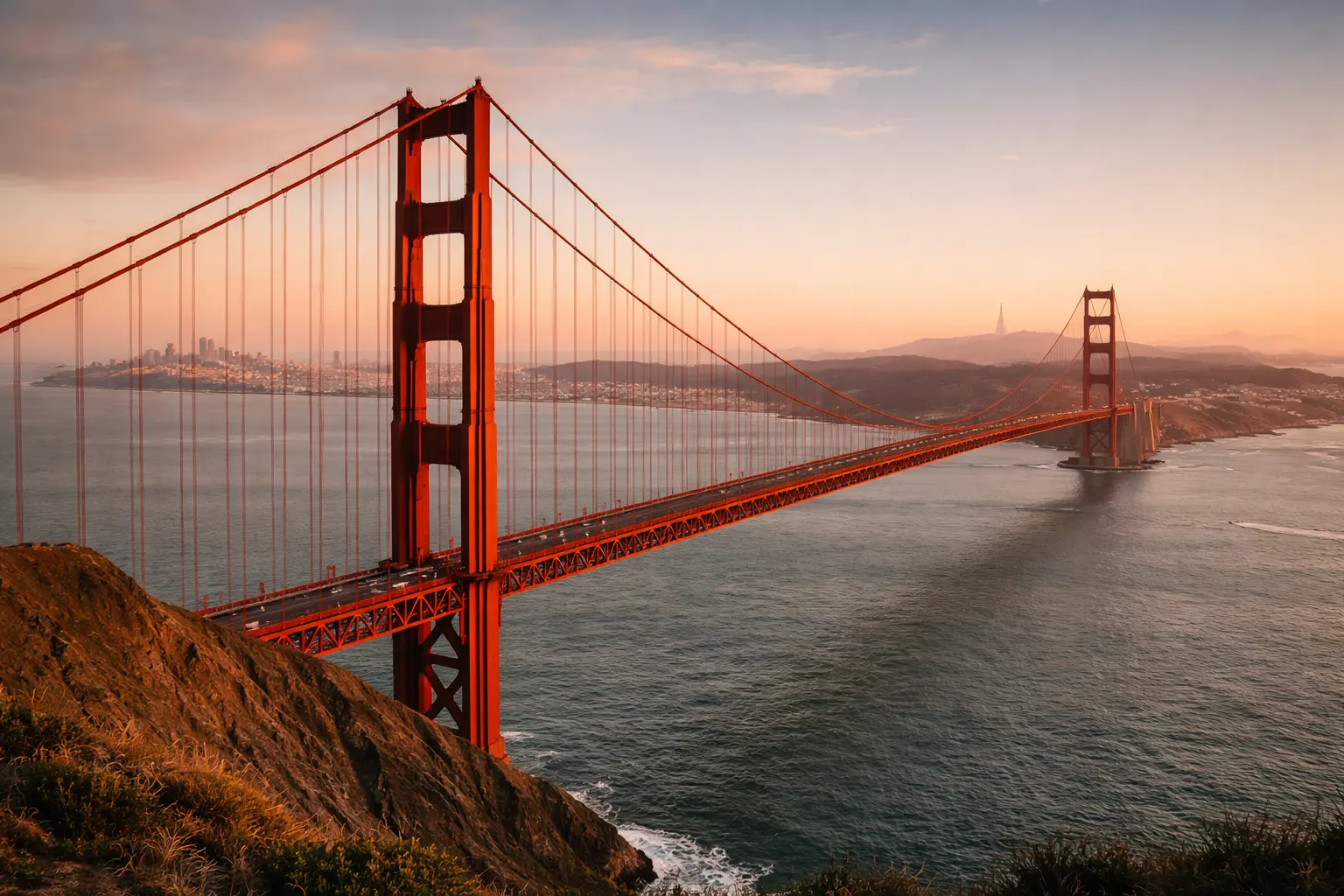
Walk or bike the Golden Gate Bridge – Area: Presidio / Marina · Best for: iconic views and classic first-trip payoff · Time needed: 1.5 to 3 hours · Worth it: Yes, but pair it with the Presidio, Fort Point, Crissy Field, or Sausalito for a fuller outing. · Book ahead: No for walking; helpful for bikes or tours.
Golden Gate Park core loop – Area: Golden Gate Park · Best for: a flexible half day mixing gardens, museums and open space · Time needed: 3 to 5 hours · Worth it: Yes, especially if you want more than waterfront sightseeing. · Book ahead: Only for museum or garden entries.
Presidio, Tunnel Tops and Crissy Field – Area: Presidio · Best for: bridge views, picnics, families and open-air reset time · Time needed: 2 to 4 hours · Worth it: Yes, one of the best modern ways to experience the bridge-side city without a queue-heavy plan. · Book ahead: No.
Ferry Building and Embarcadero walk – Area: Embarcadero · Best for: food, waterfront pacing and easy first-day orientation · Time needed: 1.5 to 3 hours · Worth it: Yes, especially on market days, before Alcatraz, or before a bay ferry. · Book ahead: No.
SFMOMA or the de Young – Area: SoMa / Golden Gate Park · Best for: a strong art stop on a culture-focused or rainy day · Time needed: 2 to 3 hours · Worth it: Yes, choose SFMOMA for modern art or the de Young for a park-based museum day. · Book ahead: Recommended on busy weekends.
California Academy of Sciences or Exploratorium – Area: Golden Gate Park / Embarcadero · Best for: families, curious adults and rainy-day planning · Time needed: 3 to 4 hours · Worth it: Yes, these are the two strongest science-led anchors in the city. · Book ahead: Recommended.
Mission District murals and food crawl – Area: Mission District · Best for: local texture, street life and stronger casual food value · Time needed: 2 to 4 hours · Worth it: Yes, especially if you want a San Francisco that feels lived-in. · Book ahead: No, unless booking dinner or a guided food tour.
Chinatown and North Beach on foot – Area: Chinatown / North Beach · Best for: historic atmosphere, compact walking and flexible eating · Time needed: 2.5 to 4 hours · Worth it: Yes, especially as a classic first-trip neighborhood pairing. · Book ahead: No.
Twin Peaks, Lands End or Baker Beach for views – Area: Twin Peaks / Richmond / Presidio coast · Best for: big views when the weather is clear · Time needed: 45 minutes to 3 hours · Worth it: Yes, but choose based on conditions and how much travel time you want to spend. · Book ahead: No.
How to choose well in San Francisco
San Francisco rewards selective planning more than volume. The city looks compact on a map, but hills, fog, queue-heavy sights, waterfront bottlenecks and neighborhood shifts mean you get more from one well-built day than from trying to stack every famous stop. Prioritize one major booked attraction, one neighborhood with real walking time, and one open-air stretch each day, then use food and transit as part of the experience rather than as afterthoughts.
Treat Alcatraz as a commitment: if you book it, shape the rest of that day around the waterfront, Ferry Building, North Beach or Chinatown rather than crossing the city repeatedly.
Do not overestimate Fisherman’s Wharf; it works best as a short family or sea-lion stop unless you are pairing it with Alcatraz, the cable car, or a bay cruise.
Use Golden Gate Park as a choose-your-own zone: museum day, garden day, bike-and-stroll day or family day each work better than trying to do the entire park at once.
Think of the Golden Gate Bridge as a west-side outing, not just a photo stop: pair it with Crissy Field, Fort Point, Presidio Tunnel Tops, Baker Beach or a bike ride toward Sausalito.
Keep the Mission, Chinatown, North Beach, Japantown and the Ferry Building for meals and low-friction wandering; they give the city more personality than another viewpoint sprint.
Save Twin Peaks, Lands End, Baker Beach and sunset plans for clear weather windows rather than building the whole trip around one view.
Cable cars are worth doing once, but not as a long queue-centered use of prime sightseeing time.
The strongest first trips usually mix one headline icon, one park or waterfront segment, one museum or indoor anchor, and one neighborhood with real food and street life.
Iconic San Francisco that still earns your time
Some cities are better away from their postcard image; San Francisco is not one of them. The bridge, the bay, the steep street drama, the island-framed views, historic ferries, ocean edges and recognizable street scenes still matter here. The trick is to turn the icons into well-shaped half days rather than isolated photo stops, then let a neighborhood, park or waterfront walk complete the experience.
Visit Alcatraz Island on the first ferry that fits your schedule – Alcatraz is the rare blockbuster attraction here that usually lives up to the booking pressure. The boat ride, prison setting, audio tour and bay views make it feel like more than a museum stop, and it gives shape to a first trip in a way many city attractions do not. (First-time essential · Best for: one big-ticket highlight)Find tours & experiences
Walk the Golden Gate Bridge, then continue through Crissy Field, Fort Point or the Presidio – The bridge is worth doing on foot if you want the scale, wind and shifting bay views rather than just a lookout image. It works best when paired with the shoreline, Fort Point or Presidio trails, which turn the experience into a real outing instead of a quick transport detour. (Worth it · Best for: classic views with movement)Find tours & experiences
Use Presidio Tunnel Tops as the modern bridge-view picnic stop – Presidio Tunnel Tops has become one of the easiest ways to enjoy Golden Gate Bridge views without turning the day into a lookout chase. Lawns, family-friendly spaces, food options, the visitor center and walking links to Crissy Field make it especially useful for families, repeat visitors and anyone who wants the city to breathe. (High payoff · Best for: views, picnics and families)
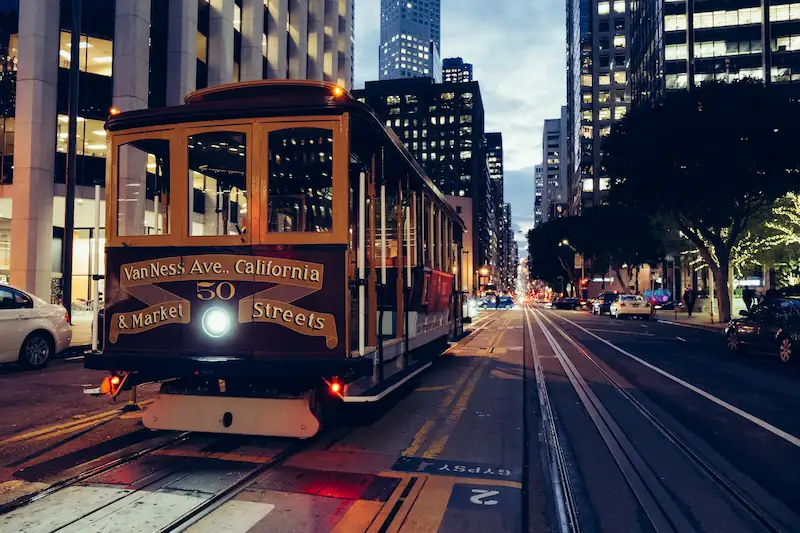
Ride a cable car for atmosphere, not for transport efficiency – Cable cars are at their best as a short, symbolic piece of the city: wood grip, sharp climb, sudden skyline reveal. Use them to connect a hilltop segment, Chinatown, Nob Hill or the waterfront, not as the backbone of a full day. (Best for: first-time city texture)
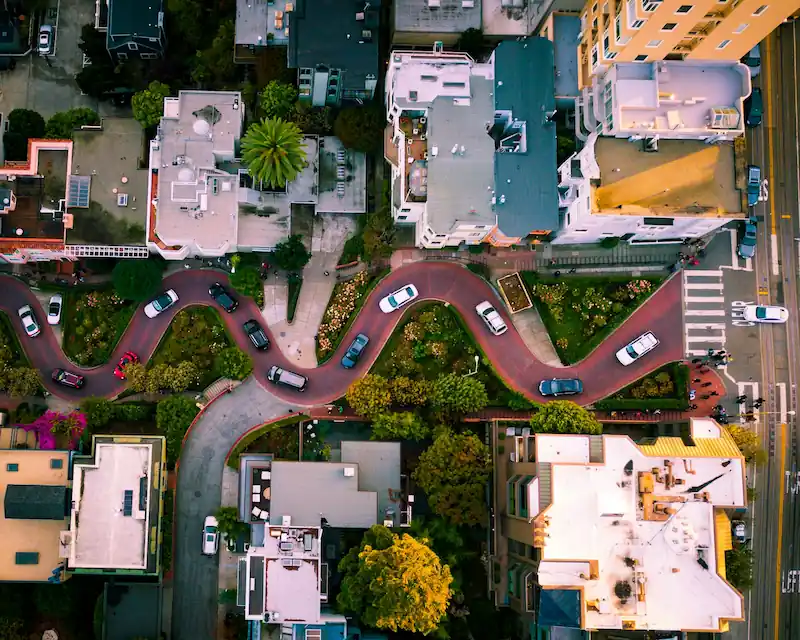
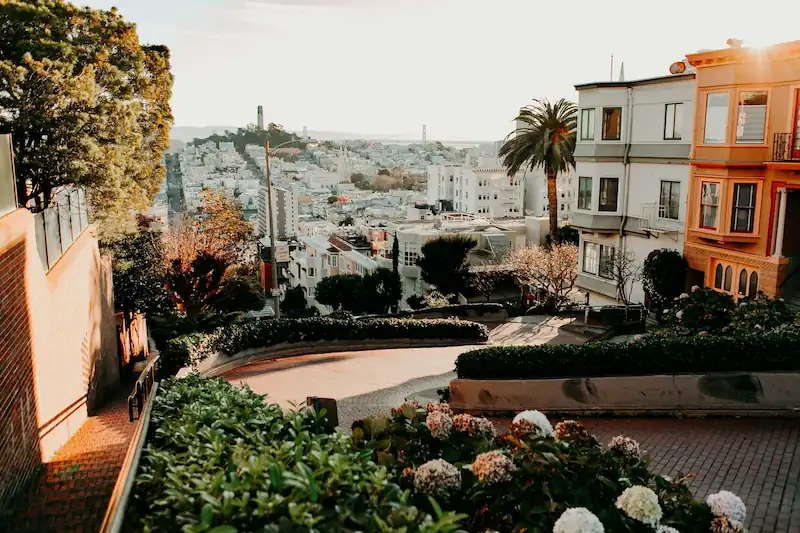
See Lombard Street as part of a wider north-side walk, not as a stand-alone detour – The crooked-block image is undeniably recognizable, but the experience works best when folded into a route linking Russian Hill, Hyde Street, North Beach or the waterfront. It earns its place most on a first trip that already includes the northern hills. (Best as part of a route · Best for: classic first-trip photo payoff)
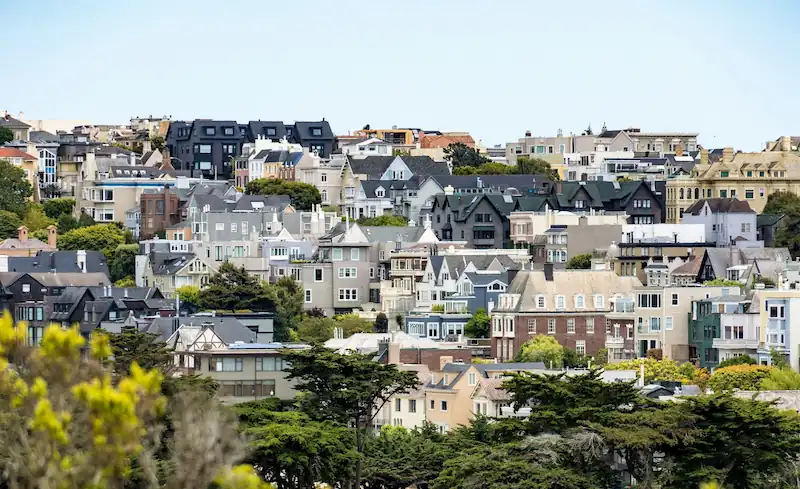
Take in the Painted Ladies only if you are already building time around Alamo Square – The view is instantly recognizable, but the payoff is short unless you combine it with a wider neighborhood walk around Alamo Square, Divisadero, Hayes Valley or Haight-Ashbury. It is worth seeing, but not worth crossing the city just for a few minutes. (Only if you have time · Best for: classic photo stop)
Use the Ferry Building and Embarcadero as a waterfront anchor – This is one of the easiest places in the city to spend time well without forcing it. Bay light, ferry movement, food counters, market energy and broad walking space make it ideal for arrival day, a slower morning, or a clean pre- or post-Alcatraz transition. (High payoff · Best for: low-friction first day)
Go up Coit Tower for a compact city read – Coit Tower gives you one of the sharper visual explanations of San Francisco’s shape: bay edges, downtown density, Telegraph Hill and the layered hills beyond. It is most rewarding when paired with North Beach, the Filbert Steps or Chinatown rather than treated as a stand-alone ride up and down. (Best for: citywide perspective)
Choose Twin Peaks only when the sky is clear enough to reward the climb – Twin Peaks can be the city’s clearest big-picture viewpoint, but fog and wind change the payoff quickly. It is best as a flexible weather-window stop, especially for travelers who want a wide urban-and-bay panorama without spending half a day on a trail. (Weather-dependent · Best for: panoramic city views)
See sea lions and bay kitsch at Pier 39, then move on quickly – Pier 39 is crowded and commercial, but the sea lions and bay-facing energy can still be fun in small doses. Treat it as a short family-friendly stop, not one of the city’s defining experiences, and pair it with Alcatraz, the cable car or a waterfront walk if you go. (Best for: kids and quick spectacle)
Use the Palace of Fine Arts as a Marina-side visual stop, not a whole afternoon – The Palace of Fine Arts remains one of the city’s strongest photogenic landmarks, especially when folded into a Marina, Crissy Field or Presidio outing. It is worth seeing, but its value comes from elegant setting and walkability rather than deep museum-style content. (Photogenic classic · Best for: first trips and lighter sightseeing)
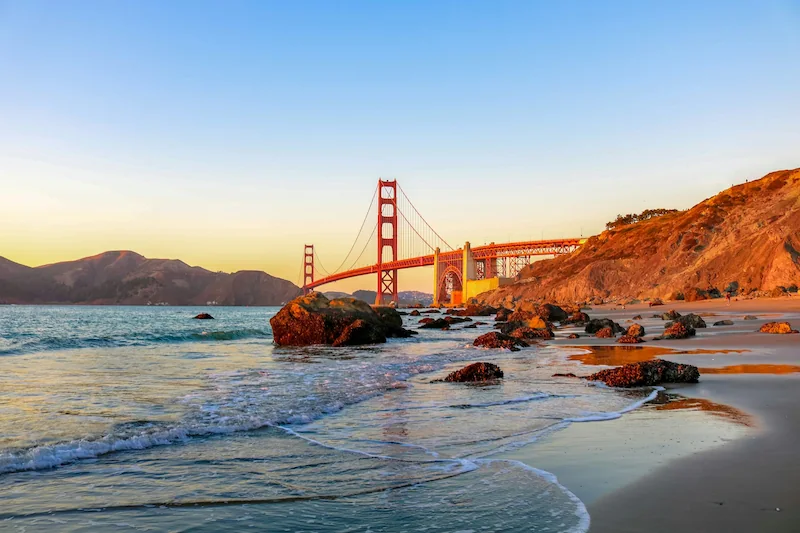
Add Baker Beach or Marshall’s Beach when you want the bridge from the ocean side – The bridge feels different from the Pacific edge than it does from the bayfront. Baker Beach is easier and more spacious, while Marshall’s Beach is more rugged and effortful; both work best as clear-weather add-ons to the Presidio, Lands End or a west-side day. (Best in clear weather · Best for: coastal bridge views)
Take a bay cruise or ferry ride if you want the skyline from the water – San Francisco is a bay city, and the perspective from the water often does more than another hilltop view. A simple ferry to Sausalito or Angel Island can be enough, while a bay cruise makes sense if you want a compact, low-effort way to see the bridge, skyline and island setting together. (Best for: waterfront perspective)Find tours & experiences
Cultural stops that give San Francisco more depth
San Francisco’s cultural strength is not about one grand museum corridor. It lies in the contrast between contemporary art, science-heavy indoor anchors, historic transit culture, literary heritage, LGBTQ+ history, park-based museums and smaller sites that connect the city to California’s wider story. This is where you add substance to a trip that might otherwise stay all bridge, bay and viewpoints.
Give SFMOMA a real two-hour window, not a rushed museum cameo – SFMOMA is one of the city’s most reliable high-payoff indoor experiences. The scale is large enough to feel substantial, but focused enough to work well even on a short stay if you are selective with floors and energy. (Worth it · Best for: modern art on a short trip)Find tours & experiences
Use the Exploratorium for hands-on science and one of the city’s best indoor settings – The Exploratorium works because it is genuinely engaging rather than dutifully educational. Its waterfront location also helps: you can fold it into the Embarcadero instead of losing half a day to an isolated indoor stop. (Family-smart · Best for: interactive indoor time)Find tours & experiences
Choose the California Academy of Sciences if you want one major indoor stop inside Golden Gate Park – Aquarium, planetarium, natural history and a polished building all under one roof make this one of the most efficient family and rainy-day choices in the city. It is especially useful when you want Golden Gate Park to remain part of the day rather than separating museum time from outdoor time. (High payoff · Best for: rainy day with range)Find tours & experiences
Visit the de Young if your trip leans more art-and-park than waterfront-and-checklist – The de Young becomes a strong choice when you want culture inside Golden Gate Park and a slower, more self-directed day. It also works well for repeat visitors who have already covered the headline icons, especially if you combine it with the Japanese Tea Garden or the park’s central concourse. (Best for: park-based museum day)
Pair the Legion of Honor with Lands End for art, architecture and coastal context – The Legion of Honor is one of the city’s most elegant cultural detours because it sits near Lincoln Park, ocean views and the Lands End edge. It is less convenient than SFMOMA, but more rewarding when you want a quieter art stop folded into a west-side day. (Strong west-side pairing · Best for: art plus coastal scenery)
Go to the Walt Disney Family Museum for a focused Presidio cultural detour – This museum is more specific than many visitors expect, and that is exactly why it works. Set in the Presidio, it gives you a polished indoor experience that combines well with bridge views, lawns, Tunnel Tops and a west-side city day. (Unexpectedly good · Best for: families and design-minded adults)Find tours & experiences
Stop at the Cable Car Museum if you want context behind one of the city’s symbols – The Cable Car Museum is a more rewarding stop than many visitors expect because it turns a postcard cliché into actual urban history and engineering. It works especially well when paired with a cable-car ride, Nob Hill or Chinatown. (Underrated · Best for: history and transit-minded visitors)
Choose the Asian Art Museum for a serious adults-first indoor plan – The Asian Art Museum can anchor a substantial rainy-day or museum-heavy itinerary, especially for visitors who want more than the city’s headline art stop. It is less essential on a very short first trip, but a valuable upgrade for return visitors or culture-first travelers. (Best for: repeat visitors and museum-focused days)
Use City Lights and North Beach to make the city’s literary history feel walkable – City Lights is more than a bookstore stop if you fold it into North Beach, Columbus Avenue and nearby cafés. It gives a compact, readable version of San Francisco’s literary and countercultural history without turning the afternoon into a formal museum plan. (Classic cultural stop · Best for: bookshops, cafés and Beat history)
Add the Castro when LGBTQ+ history matters to your San Francisco trip – The Castro is one of the city’s most important cultural districts, and it deserves more than a passing mention. It works best as a focused neighborhood walk with historical context, cafés, architecture and a possible link toward the Mission or Dolores Park. (Cultural identity · Best for: history-aware neighborhood time)
Consider Oracle Park if baseball or bayfront atmosphere fits your dates – A Giants game is not a universal must-do, but it can be one of the city’s most memorable evening experiences when the schedule lines up. The waterfront setting gives it more travel value than a generic sports stop, especially for families, groups and repeat visitors. (Seasonal · Best for: sports and evening atmosphere)
Local San Francisco: neighborhoods, walks, and city texture
The city becomes more convincing once you leave the headline attractions and start reading it by district. Murals, older commercial streets, immigrant food culture, LGBTQ+ history, counterculture traces, bay-edge walks, ocean paths, park rituals and café rhythms reveal the part of San Francisco that feels less staged and more lived-in. These are often the experiences that make people like the city, not just photograph it.
Spend an unhurried afternoon in the Mission District – The Mission delivers some of San Francisco’s strongest neighborhood energy through murals, taquerias, independent shops, Dolores Park edges and a more grounded street rhythm than the waterfront. It is best experienced on foot, with room for coffee, a casual meal and a bit of drift. (Local texture · Best for: street life and flexible wandering)Find tours & experiences
Walk Chinatown for more than a gate photo – Chinatown is worth doing properly because it adds one of the city’s strongest historic and sensory contrasts: alleys, storefront density, dim sum stops, temples and older urban fabric compressed into a compact area. It works especially well when paired with North Beach or a cable-car segment. (High payoff · Best for: first-time neighborhood depth)
Walk North Beach beyond the clichés – North Beach still works because it compresses cafés, older San Francisco character, church façades, bookshops and an easy evening rhythm into a manageable area. It is less about ticking literary history boxes than about giving yourself one of the city’s most naturally walkable late-day neighborhoods. (Best in the evening · Best for: easy night energy)
Use the Presidio for a greener, quieter version of the city – The Presidio softens San Francisco into trails, overlooks, cypress edges, lawns, historic military layers and broader breathing room. It is especially valuable if your trip needs a reset from queues, dense streets and hill-heavy transit between neighborhoods. (Best for: open-air reset time)
Browse the Ferry Building on a market morning or before a ferry crossing – This is one of the best places in the city for low-pressure local observation. Even when crowded, it feels tied to daily life rather than built only for visitors, and it connects naturally to waterfront walking, Alcatraz logistics or a bay crossing. (High payoff · Best for: food-led city rhythm)
Walk Haight-Ashbury if you want counterculture history with a still-readable neighborhood mood – Haight-Ashbury is not a full-day essential for every traveler, but it remains one of the clearest neighborhood expressions of San Francisco’s cultural mythology. It works best as a walk linking vintage storefronts, side streets, cafés and nearby park time rather than as a rigid checklist stop. (Best for: repeat visitors and culture-minded walks)
Use Japantown for a different urban mood and a strong food break – Japantown adds a different layer of San Francisco than the usual waterfront-first route: a quieter cultural district with a distinct commercial rhythm, comfort-food potential and an atmosphere that works well on a slower afternoon. (Different pace · Best for: food and neighborhood contrast)
Make the Castro a purposeful neighborhood walk, not just a pass-through – The Castro gives San Francisco a vital cultural and historical layer, especially when you approach it through Harvey Milk history, neighborhood architecture, cafés and its connection to nearby Dolores Park. It is one of the strongest ways to add identity and context to a neighborhood-focused day. (History-aware · Best for: LGBTQ+ history and neighborhood culture)
Catch ocean-facing San Francisco at Lands End and Sutro Baths – Lands End gives you a rougher edge of the city that many first-time visitors miss. The trail, cypress exposure, Sutro Baths ruins and coastal outlook offer a different emotional register from the bay-facing icons, especially when the weather clears just enough to open the horizon. (High payoff with time · Best for: repeat visitors and walkers)
Use Ocean Beach for scale and atmosphere, not swimming – Ocean Beach shows San Francisco’s Pacific side at its broadest and moodiest. It is best for walking, foggy atmosphere, sunset attempts and pairing with the Outer Sunset, Golden Gate Park or Lands End, not for a classic beach day. (Atmospheric · Best for: coastal walks and sunsets)
Explore Hayes Valley when you want cafés, boutiques and a softer city pause – Hayes Valley is not a headline attraction, but it works well as a practical, pleasant pause between Civic Center, Alamo Square, the Painted Ladies or evening plans. It is useful for travelers who want a livable neighborhood feel without committing to a long detour. (Best for: shopping, cafés and easy breaks)
Food experiences worth building time around
San Francisco is not a city where you need a rigid restaurant bucket list to eat well. What matters more is knowing which districts reward casual grazing, where a market stop is enough, when seafood by the water is worth the tourist gradient, and when a tour or reservation actually adds value. The food side of the city works best when woven into neighborhoods rather than treated as a separate agenda.
Do a Mission taco and burrito crawl instead of one formal meal – The Mission is one of the clearest examples of San Francisco rewarding informal, comparative eating. A few focused stops will usually tell you more about the neighborhood than one long seated lunch, especially if you combine food with murals and Dolores Park edges. (High payoff · Best for: casual food-first exploring)Find tours & experiences
Use the Ferry Building for selective tasting, not a full heavy meal plan – This is one of the city’s easiest food stops to recommend because it scales well. You can turn it into breakfast, a snack corridor, a market-focused lunch or a light pre-ferry pause without overcommitting time. (Best for: short stays and flexible appetites)
Build a Chinatown dim sum or dumpling stop into your route – Chinatown rewards short, focused eating particularly well because it fits naturally into sightseeing rather than forcing a full formal meal. It is one of the strongest ways to make a first trip feel more city-specific. (Best daytime food stop · Best for: compact cultural eating)Find tours & experiences
Eat seafood by the water, but choose the setting as carefully as the menu – San Francisco’s waterfront seafood appeal is real, but the tourist gradient is steep. Prioritize places where the bay setting adds something and avoid treating Fisherman’s Wharf volume as proof of quality. (Best for: first-time waterfront dining)
Use North Beach for a classic evening of Italian-leaning cafés and dinner – North Beach still makes sense because the dining experience matches the neighborhood mood. It is one of the easiest areas in the city to turn into a smooth evening without overplanning every stop. (Best in the evening · Best for: easy dinner-led wandering)
Use Japantown when you want a lower-friction meal district with a different feel – Japantown is useful because it brings food, shops and a calmer neighborhood atmosphere into one easy stop. It is especially good when you want variety beyond waterfront dining or Mission-heavy planning. (Best for: repeat visitors and lunch breaks)
Add the Outer Sunset or Richmond if you want a more local food day – The west side is not as obvious for first-timers, but it becomes valuable once Golden Gate Park, Ocean Beach or Lands End is in your plan. Use it for Asian food, bakeries, casual cafés and a softer neighborhood rhythm away from the main visitor corridor. (Repeat-visitor smart · Best for: west-side food and park days)
Book a food tour only if you want structure in the Mission, Chinatown or North Beach – A guided food format helps most when you want cultural framing, multiple tastings and less decision fatigue. It is less necessary if you already know how you like to explore and are happy building your own crawl. (Best for: first-timers who want guidance)Find tours & experiences
What to do in San Francisco for a first trip
For a first visit, San Francisco works best when you balance one major icon, one museum or structured indoor stop, one neighborhood with real walking time and one open-air stretch. The goal is not to collect every famous sight; it is to leave with a true sense of the city’s shape, weather, bay setting and neighborhood texture.
Prioritize Alcatraz if you want one defining booked experience.
Do the Golden Gate Bridge with the Presidio, Fort Point, Tunnel Tops or Crissy Field, not as a stand-alone photo errand.
Choose one of SFMOMA, the Exploratorium, the de Young or the California Academy of Sciences rather than trying to fit several museums into one short trip.
Give either the Mission, Chinatown plus North Beach, or the Ferry Building waterfront a real meal window.
Use Lombard Street, the Painted Ladies and the Palace of Fine Arts as route elements, not major anchors.
Treat Fisherman’s Wharf as optional unless you are traveling with kids, seeing sea lions, taking a bay cruise or pairing it with Alcatraz.
Save Twin Peaks, Baker Beach or Lands End for clear weather rather than forcing them into a foggy day.
If you only have one full day, skip the urge to cross the city repeatedly.
Priority
BestPick
WhyItWorks
TimeFit
Top booked experience
Alcatraz Island
it combines history, boat crossing and bay views
3 to 4 hours
Top open-air icon
Golden Gate Bridge plus Presidio or Crissy Field
it turns the bridge into a real outing
2 to 4 hours
Top neighborhood pairing
Chinatown plus North Beach
compact, historic and easy to turn into lunch or dinner
2.5 to 4 hours
Top local texture
Mission murals and food
street life and casual eating feel more lived-in
2 to 4 hours
Top rainy-day anchor
SFMOMA, Exploratorium or California Academy of Sciences
strong indoor payoff without wasting the day
2 to 4 hours
Free things to do in San Francisco that are actually worth it
San Francisco is expensive enough that free experiences matter, but the best ones here do not feel like compromises. The strongest no-ticket activities are walks, viewpoints, parks, mural corridors, waterfront segments, historic neighborhoods, ocean edges and architecture stops.
Walk part of the Golden Gate Bridge or view it from Crissy Field, Fort Point, Baker Beach or the Presidio.
Browse the Mission murals, especially around Balmy Alley and Clarion Alley.
Spend time along the Embarcadero and around the Ferry Building without needing to buy much.
Use Presidio Tunnel Tops for lawns, bridge views, family-friendly space and picnic time.
Watch the sea lions at Pier 39, then keep moving.
Use Golden Gate Park for open space, lakes, gardens from the outside, the Music Concourse and people-watching routes.
Head to Lands End, Sutro Baths or Ocean Beach for coastal views and a different feel from the bayfront.
Walk Chinatown, North Beach, the Castro or Haight-Ashbury for neighborhood texture that does not require tickets.
Use the Palace of Fine Arts and Alamo Square as free visual stops when they fit your route.
Type
BestArea
WhyItWorks
TimeFit
Waterfront walk
Embarcadero / Crissy Field
big scenery with no ticket
30 minutes to 2 hours
Bridge viewpoint
Fort Point / Baker Beach / Presidio Tunnel Tops
classic Golden Gate views without a paid attraction
30 minutes to 2 hours
Neighborhood culture
Mission District / Chinatown / Castro
murals, shopfronts, history and street life
1 to 3 hours
Park-based outing
Golden Gate Park / Presidio
easy flexible pacing
1 to 4 hours
Coastal edge
Lands End / Sutro Baths / Ocean Beach
wild-feeling views and a Pacific-side mood
1.5 to 3 hours
Classic photo architecture
Palace of Fine Arts / Alamo Square
strong visual payoff
20 minutes to 1 hour
Unique things to do in San Francisco beyond the basic checklist
San Francisco’s more unusual side is less about secret attractions than about choosing the city’s stranger edges well. Look for experiences that combine unusual setting, stronger local atmosphere, transportation history, coastal weather, literary traces, LGBTQ+ history or a point of view you would not get in another major U.S. city.
Ride the historic cable car for the physical sensation of the hills, not just the image.
Explore Lands End and Sutro Baths for a rougher Pacific-facing side of the city.
Use Presidio Tunnel Tops for one of the city’s newer, most visitor-friendly bridge-view spaces.
Visit the Walt Disney Family Museum in the Presidio for a more specific cultural detour than standard sightseeing.
Take a bay ferry simply for the movement and skyline reading, not only the destination.
Use the Mission for murals plus food rather than treating it as a single attraction district.
Stop at the Cable Car Museum to understand one of the city’s most distinctive symbols.
Walk the Castro if LGBTQ+ history is part of how you want to understand San Francisco.
Browse City Lights and North Beach for a compact literary-café route.
Seek out the Wave Organ or other bay-edge oddities only if you have extra time and enjoy offbeat urban texture.
Experience
WhyItFeelsDifferent
BestFit
Presidio Tunnel Tops
a modern park layered over infrastructure with bridge views and family spaces
families, picnics and easy views
Lands End and Sutro Baths
Pacific cliffs, ruins and a moodier coastline than the bayfront
walkers and repeat visitors
Cable Car Museum
turns a famous ride into engineering and city history
short cultural add-on
Castro neighborhood walk
one of the city’s defining cultural and historical districts
history-aware travelers
Wave Organ
a small sound-and-bay oddity rather than a conventional sight
offbeat extra time
Things to do in San Francisco at night
San Francisco is not a city you visit mainly for late-night spectacle, but it does offer strong evening patterns if you choose the right district. Night works best here through dinner neighborhoods, bay views after dark, live performances, special museum programming, sports, comedy, jazz and moodier walks rather than all-out nightlife planning.
Spend the evening in North Beach for a low-effort dinner-and-café rhythm.
Use the Mission for bars, casual dinners, live music and later energy that feels more local than the waterfront.
Catch sunset or post-sunset bay light from the Embarcadero, Marina side, Crissy Field edge or Twin Peaks if visibility is good.
Look for Exploratorium After Dark if your dates align and you want a stronger evening activity.
Consider a Giants game at Oracle Park when baseball season lines up with your trip.
Choose a performance, comedy night, jazz set or theater evening if the weather turns flat and indoor plans make more sense.
Use Chinatown and North Beach together if you want a classic first-trip evening route.
Do not build your whole evening around Fisherman’s Wharf unless traveling with children or taking a specific bay activity.
NightPlan
BestFor
WatchOut
North Beach dinner and cafés
classic easy evening
can feel busy, so reserve dinner if specific restaurants matter
Mission bars and casual food
local energy and later nights
choose your exact blocks rather than wandering aimlessly late
Oracle Park game
seasonal sports atmosphere
only works when the schedule fits
Exploratorium After Dark or performance night
structured indoor evening
date-dependent programming
Bay or skyline viewpoint
clear evenings
fog and wind can erase the payoff quickly
Things to do in San Francisco with kids
San Francisco with kids works best when you mix one major attraction with easy outdoor breathing space. Avoid overcommitting to hills, queues and too many transit shifts in the same day; the best family days usually combine one anchor, one snack-friendly area and one place where children can move freely.
Exploratorium is one of the strongest family picks in the city.
California Academy of Sciences works especially well for mixed ages and mixed weather.
Presidio Tunnel Tops, the Outpost playground and Crissy Field give families space to reset near bridge views.
Pier 39 sea lions remain an easy win with younger children.
Golden Gate Park gives you room to reset between structured activities, especially around the Music Concourse, playgrounds and gardens.
The cable car is more rewarding for kids when treated as a short ride, not a long wait-heavy event.
Alcatraz can work well with older children, especially if they like stories and dramatic settings.
The Palace of Fine Arts, Ferry Building and short bayfront walks work well as low-friction open-air add-ons.
Oracle Park can be a memorable family evening if the Giants schedule fits.
Activity
BestAgeFit
WeatherFit
TimeFit
Exploratorium
wide range
great for rain
2 to 4 hours
California Academy of Sciences
wide range
great for rain
3 to 4 hours
Presidio Tunnel Tops and Crissy Field
younger to middle ages
best in dry weather
1.5 to 3 hours
Pier 39 sea lions
younger kids
best in dry weather
30 to 60 minutes
Golden Gate Park
all ages
best in clear weather
1 to 4 hours
Cable car ride plus museum
younger to middle ages
works in mixed weather
1 to 2 hours
Oracle Park game
sports-curious kids
best in baseball season
evening block
Things to do in San Francisco when it rains
Rain does not ruin San Francisco, but it does change the shape of a good day. This is when the city’s stronger museums, covered food stops, science-heavy indoor spaces, bookstores, transit history and performance options become especially useful.
Go to the California Academy of Sciences for the most efficient all-in-one rainy-day option.
Choose SFMOMA if you want a strong adults-first indoor anchor.
Use the Exploratorium for interactive science and a high-energy indoor block.
Browse the Ferry Building for lighter shelter, food and a flexible stop between plans.
Consider the Walt Disney Family Museum if you are already building time around the Presidio side of the city.
Use the Cable Car Museum, Asian Art Museum, de Young or Legion of Honor to strengthen an indoor-heavy day.
Add City Lights and North Beach cafés if you want a lighter literary-and-food route.
Save Golden Gate Bridge, Twin Peaks, Baker Beach and Lands End views for weather gaps rather than forcing them in poor conditions.
Type
BestPick
BestFor
TimeNeeded
Art museum
SFMOMA, de Young or Legion of Honor
adults, repeat visitors and culture-heavy days
2 to 3 hours
Science-heavy indoor stop
Exploratorium
families and curious adults
2 to 4 hours
All-in-one indoor outing
California Academy of Sciences
mixed groups
3 to 4 hours
Light sheltered stop
Ferry Building
food and flexibility
45 minutes to 2 hours
Short historic indoor add-on
Cable Car Museum
pairing with Nob Hill or Chinatown
30 to 75 minutes
Bookstore-and-café route
City Lights and North Beach
lighter rainy-day wandering
1 to 2 hours
Things to do in San Francisco by area
Embarcadero and Ferry Building
This is one of the easiest parts of San Francisco to use well on a short trip. It works for waterfront walking, food, ferry departures, bay cruises and smooth transitions between bigger activities.
Browse the Ferry Building
Walk the waterfront south or north depending on energy
Pair with the Exploratorium
Use as a clean pre- or post-Alcatraz zone
Continue by ferry to Sausalito or Angel Island if time allows
Mission District
Come here for murals, more grounded street life and some of the city’s strongest casual food energy. It is best used as a half day with room to drift rather than a rapid checklist stop.
See mural corridors around Balmy Alley or Clarion Alley
Build a taco or burrito crawl
Add coffee, bakeries and independent shops
Use Dolores Park edges as a pause point
Keep it for lunch, late afternoon or early evening
Golden Gate Park
This is less a single attraction than a broad activity field. It works when you choose a lane: museums, gardens, open-air strolling, family play, bikes or a west-side food-and-ocean pairing.
California Academy of Sciences
de Young Museum
Japanese Tea Garden and Conservatory of Flowers
Music Concourse, Stow Lake, bison paddock and open park routes
Bike or stroll between selected stops
Chinatown and North Beach
This is one of the most efficient classic San Francisco pairings because it blends immigrant history, dense commercial streets, cafés, church façades, bookshops and a very walkable day-to-evening transition.
Walk Chinatown lanes and food stops
Pair with a cable-car or Cable Car Museum segment
Continue into North Beach cafés, City Lights or dinner
Add Coit Tower if energy allows
Presidio, Tunnel Tops and Crissy Field
Use this zone when you want bridge views with breathing room. It is one of the best ways to experience San Francisco without constantly feeling pushed from one attraction queue to the next.
Golden Gate Bridge approaches
Presidio Tunnel Tops lawns and family spaces
Crissy Field shoreline and Fort Point
Presidio trails, overlooks and Walt Disney Family Museum
Picnic or food-truck-style breaks when available
Marina, Palace of Fine Arts and bay edge
This area works best as a visually rewarding but lower-pressure stretch of the city, especially if you want open bay-facing scenery, elegant architecture and an easy pace rather than dense attraction-hopping.
Palace of Fine Arts
Marina strolls
Bay views and open air
Natural pairing with Crissy Field
Possible Wave Organ detour if you enjoy offbeat stops
Fisherman’s Wharf and Pier 39
This area is touristy, but not useless. It is most defensible for families, sea-lion viewing, bay cruises and when paired with Alcatraz rather than treated as a destination that deserves a full day.
Sea lions at Pier 39
Short bayfront wandering
Family-friendly quick stops
Bay cruise or Alcatraz connection
Best used briefly
Haight-Ashbury and Alamo Square edge
This route makes sense when you want more than icons and are looking for a culturally readable neighborhood walk with some first-trip photo value nearby. It works better as a drift-friendly half day than as a checklist dash.
Haight-Ashbury storefronts and side streets
Counterculture traces
Coffee or casual lunch stop
Possible Painted Ladies pairing
Easy connection toward Golden Gate Park
Castro and Dolores Park edge
The Castro adds one of San Francisco’s most important identity-driven neighborhood layers, while nearby Dolores Park gives the area a social, open-air pause. It works well with the Mission when you want a more grounded city day.
Castro neighborhood walk
LGBTQ+ history context
Dolores Park views and pause time
Cafés and casual food
Natural pairing with Mission murals
Richmond, Lands End and Ocean Beach
This west-side route is less convenient but highly rewarding when you have time. It gives you coastal trails, the Sutro Baths ruins, Pacific weather and a quieter food-and-neighborhood layer near Golden Gate Park.
Lands End Trail and Sutro Baths
Legion of Honor if you want a museum pairing
Ocean Beach for scale and atmosphere
Outer Richmond or Outer Sunset food stops
Best saved for clear or atmospheric walking weather
SoMa, Yerba Buena and Oracle Park
SoMa is not always the city’s most charming area, but it holds several useful anchors: SFMOMA, Yerba Buena, the convention-center zone and Oracle Park. It works best when you have a specific museum, event or game in mind.
SFMOMA
Yerba Buena area
Oracle Park for Giants games
Easy downtown and Embarcadero connections
Good rainy-day or event-based planning zone
What to prioritize by trip length and travel style
San Francisco gets better when you make sharper choices. These trade-offs help protect the trip from becoming too fragmented, especially when fog, hills, museum timing and waterfront logistics start competing with each other.
Profile
Prioritize
Skip
Structure
Half day
Embarcadero, Ferry Building, one waterfront or hill segment, or a compact Chinatown plus North Beach walk
Cross-city museum stacking, distant beaches and neighborhood hopping
Keep it linear and scenic with one food stop
1 day
Golden Gate Bridge or Alcatraz, plus one neighborhood and one meal-led district
Trying to cover every famous viewpoint
One major icon, one district, one evening area
2 days
Alcatraz, bridge or Presidio, one major museum, Mission or Chinatown plus North Beach
Overloading Fisherman’s Wharf or trying to do all of Golden Gate Park
Give each day one anchor and one neighborhood personality block
3 days+
Add Golden Gate Park depth, Lands End, Japantown, Castro, Twin Peaks or a bay-area day trip
Repeating generic downtown sightseeing
Broaden from icons into district logic and west-side or coastal edges
First trip
Alcatraz, Golden Gate Bridge, Embarcadero, one museum, one strong neighborhood and one compact classic photo stop
Too many niche detours before the city’s basic shape is clear
Stay iconic first, then add one local-texture layer
Repeat visit
Neighborhood time, museum selectivity, west-side coast, food-driven wandering, Castro, Japantown and smaller cultural stops
Replaying the same bridge-wharf-photo sequence
Use the city by district and mood, not by checklist
Families
Exploratorium, California Academy of Sciences, Presidio Tunnel Tops, Golden Gate Park and Pier 39 sea lions
Long hill-heavy days with too many transfers
One major anchor, one easy food stop and one open-air reset
Rainy day
SFMOMA, Exploratorium, California Academy of Sciences, Ferry Building, Cable Car Museum, Asian Art Museum or City Lights
Forcing bridge walks, Twin Peaks or beach viewpoints in poor visibility
Use one substantial indoor anchor and keep the rest flexible
Clear-weather day
Golden Gate Bridge, Presidio, Baker Beach, Twin Peaks, Lands End or a bay ferry
Spending the whole clearest day indoors
Move scenic plans forward and save museums for fog or rain
Best day trips from San Francisco
Day trips make sense from San Francisco once you have covered the city’s core icons and at least one or two neighborhoods properly. The strongest options add coastline, wine country, giant redwoods, island scenery, university-town energy or a more relaxed bay-town counterpoint.
These are not full itineraries. They are activity pairings that work especially well because the geography, energy level, timing and meal logic make sense together.
Alcatraz + Ferry Building + North Beach evening – This combination works because the day starts with the city’s most structured booked experience and ends in one of its easiest dinner districts. It keeps you near the bay for most of the day, avoids pointless cross-city movement and gives the evening a softer landing.
Golden Gate Bridge + Fort Point + Crissy Field + Presidio Tunnel Tops – Use this when you want the bridge to become a full west-side outing rather than a short photo stop. The sequence gives you scale, shoreline, lawns, family space and enough flexibility to end with a picnic, museum stop or easy Marina continuation.
Golden Gate Park + California Academy of Sciences + Japanese Tea Garden + Inner Sunset meal – This is one of the strongest family-smart or rainy-day-light plans in the city. You get one major attraction, enough park context to avoid a sealed-in museum day and an easy neighborhood meal afterward.
Chinatown + Cable Car Museum + North Beach dinner – A strong classic-city combination that links transport history, dense street life and one of the easiest evening neighborhoods in San Francisco. It works especially well when you want atmosphere without overcommitting to tickets.
Mission murals + taco crawl + Dolores Park edge + Castro walk – This works best when you want the city to feel more local and less monumental. The sequence gives you visual culture, strong casual food, a pause point and one of San Francisco’s defining cultural neighborhoods without much wasted movement.
SFMOMA + Yerba Buena + Embarcadero walk + bay-facing dinner – A strong option for adults on a shorter stay, especially if the weather is mixed. It combines one major indoor anchor with one of the city’s easiest scenic walking corridors and leaves the evening open for a polished finish.
Palace of Fine Arts + Marina walk + Crissy Field sunset – One of the simplest visually rewarding combinations in San Francisco, especially for travelers who want classic bay atmosphere without a museum-heavy schedule or too much city-crossing.
Legion of Honor + Lands End + Sutro Baths + Outer Richmond or Sunset meal – This is a stronger repeat-visitor or longer-stay combination. It shows the Pacific-facing city, pairs art with coastal atmosphere and gives you a reason to eat on the west side rather than returning immediately to downtown.
Ferry Building + bay ferry + Sausalito – This combination turns the waterfront into movement rather than just a walk. It works especially well when you want a relaxed half day, skyline views from the water and an easy contrast outside the city without committing to a major day trip.
What to book ahead in San Francisco, and what can stay flexible
San Francisco does not require overbooking every hour, but a few experiences do benefit from early decisions. Reserve the limited-capacity attractions and transport-dependent day trips, then leave neighborhoods, parks, gardens, viewpoints and food wandering flexible enough to adapt to fog, energy and weather.
Do it early in trip planning, especially in peak periods or if driving
Yes if you do not want to handle parking, shuttle or timing logistics
Napa, Sonoma, Monterey or Yosemite day trips Check options
Yes
Book once you know whether you are willing to give up a full city day
Often yes, especially when transport, tasting appointments or long-distance timing matter
San Francisco things to do FAQ
These are the questions travelers usually ask once they move past the generic checklist and start deciding what is actually worth their time, what to book, what to skip, and how to group San Francisco’s sights without exhausting the trip.
What are the best things to do in San Francisco on a first trip?
Start with Alcatraz or the Golden Gate Bridge, then add one major museum or science stop and one neighborhood with real meal time, such as the Mission or Chinatown plus North Beach. That mix gives you both the iconic city and the lived-in one.
How many days do you need for San Francisco?
Two full days is enough for the headline experiences if you plan tightly. Three days is better because it gives you room for one museum, one strong neighborhood day, Golden Gate Park or the Presidio, and either Lands End, Twin Peaks, Sausalito or another bay-side extension.
Is Alcatraz really worth it?
Yes, especially for first-time visitors. It remains the city’s most distinctive ticketed attraction because the boat crossing, prison setting, audio tour and bay context make it feel larger than a standard museum visit.
Should you do Alcatraz or the Golden Gate Bridge if you only have time for one?
Choose Alcatraz if you want a structured, ticketed experience with history and a bay crossing. Choose the Golden Gate Bridge if you want a free or flexible open-air experience that can connect to Crissy Field, Fort Point, the Presidio or a bike ride toward Sausalito.
What should you book ahead in San Francisco?
Book Alcatraz first. After that, advance tickets are most useful for the California Academy of Sciences, the Exploratorium on busy days, special museum exhibitions, guided food tours, Golden Gate Bridge bike rentals, Oracle Park games and day trips such as Muir Woods, Napa, Sonoma, Monterey or Yosemite.
What are the best free things to do in San Francisco?
Walk the Golden Gate Bridge or view it from Crissy Field, Fort Point or Baker Beach, explore Mission murals, use Golden Gate Park, visit Presidio Tunnel Tops, browse the Embarcadero, walk Chinatown, North Beach or the Castro, see the Palace of Fine Arts, head to Lands End and watch the sea lions at Pier 39.
What are the best things to do in San Francisco at night?
North Beach and the Mission are usually the easiest night picks for food and atmosphere. Chinatown can work as part of an evening route, Oracle Park is excellent when baseball season lines up, and structured options such as performances, comedy, jazz or adults-only museum programming can be smart when the weather is poor.
What should you do in San Francisco with kids?
The Exploratorium and California Academy of Sciences are the strongest family anchors. Add Presidio Tunnel Tops, Crissy Field, Pier 39 sea lions, Golden Gate Park, a short cable car ride, the Palace of Fine Arts or an Oracle Park game if the schedule fits, but avoid too many hills and transit jumps in one day.
What should you do in San Francisco when it rains?
Lean into indoor anchors rather than forcing scenic plans. SFMOMA, the Exploratorium, the California Academy of Sciences, the Cable Car Museum, the Asian Art Museum, de Young, Legion of Honor, City Lights and the Ferry Building all work well, with the best choice depending on whether you want art, science, food or a lighter cultural route.
What is worth doing in Golden Gate Park?
Golden Gate Park works best when you choose a lane rather than trying to do everything. The California Academy of Sciences, de Young, Japanese Tea Garden, Conservatory of Flowers, Music Concourse, Stow Lake, bison paddock and simple bike-or-stroll routes all work, but the strongest version is usually one major entry plus open-air park time.
Is Fisherman’s Wharf worth visiting?
It can be worth a short stop, especially with kids, for sea lions at Pier 39, bay views, Alcatraz logistics or a bay cruise. It is not usually worth making the center of your trip, and most travelers should pair it with something stronger rather than spend a full day there.
Is Presidio Tunnel Tops worth it?
Yes, especially for families, picnics, Golden Gate Bridge views and a more relaxed west-side plan. It works best with Crissy Field, Fort Point, the Walt Disney Family Museum, the Palace of Fine Arts or a bridge walk.
Where are the best views in San Francisco?
The Golden Gate Bridge area, Crissy Field, Fort Point, Baker Beach, Twin Peaks, Coit Tower, Lands End and the Embarcadero all offer strong views, but conditions matter. Twin Peaks and coastal viewpoints are best when visibility is clear; bayfront walks are more reliable in mixed weather.
Is Twin Peaks worth it?
Twin Peaks is worth it when the weather is clear and you want a big panoramic read of the city. It is less rewarding in fog or heavy wind, so keep it flexible rather than building an entire day around it.
What are the best neighborhoods to explore in San Francisco?
For first-timers, Chinatown plus North Beach, the Mission and the Embarcadero are the easiest wins. For more depth, add the Castro, Japantown, Haight-Ashbury, the Presidio, Hayes Valley or the Richmond and Sunset edges near Golden Gate Park and Ocean Beach.
What is the best area for food experiences in San Francisco?
The Mission is strongest for casual tacos and burritos, Chinatown for dim sum and dumplings, North Beach for an easy dinner-and-café evening, the Ferry Building for market grazing, Japantown for a different lunch rhythm, and the west side for more local food stops around Golden Gate Park, Richmond, Sunset and Ocean Beach.
Are day trips from San Francisco worth it?
Yes, but usually only after you have covered the city essentials well. Muir Woods, Sausalito, Angel Island, Napa, Sonoma, Half Moon Bay, Berkeley, Point Reyes, Monterey and Yosemite can all be strong additions, but they should extend the trip rather than replace San Francisco itself.
What is the easiest day trip from San Francisco?
Sausalito by ferry is usually the easiest because it adds bay movement, skyline views and a smaller-town contrast without complex planning. Muir Woods is also popular, but it requires more attention to transport, reservations or tour logistics.
Is Muir Woods worth a day trip from San Francisco?
Yes if redwoods matter to your California trip and you are willing to handle the logistics. It is especially strong when paired with Sausalito, but it competes with city time on a short stay, so it makes most sense from a three-day trip onward unless nature is a priority.
Should you visit Napa or Sonoma from San Francisco?
Napa and Sonoma are worth it for wine-focused travelers, couples and groups, but they are full-day commitments. If this is your first short San Francisco trip, cover the city first; if wine country is part of the reason you are coming, book transport and tastings ahead.
What can you skip in San Francisco?
Skip any attraction that forces a long cross-city move for a short payoff. Lombard Street, the Painted Ladies, Fisherman’s Wharf and some viewpoints can all be worthwhile, but they work best as route elements rather than major anchors.
Can you do San Francisco without a car?
Yes. Most visitors are better off without a car inside the city because parking, hills and break-ins can create friction. Use walking, Muni, cable cars for atmosphere, BART for airport or East Bay links, rideshares for awkward hops and organized tours or ferries for some day trips.
What is the best way to group San Francisco attractions?
Group by geography and energy. Put Alcatraz with the Ferry Building, Embarcadero, North Beach or Chinatown. Put the Golden Gate Bridge with the Presidio, Crissy Field, Fort Point or Palace of Fine Arts. Put Golden Gate Park with Inner Sunset, Ocean Beach, Richmond or the de Young and California Academy of Sciences.
What is the best thing to do in San Francisco in one day?
Choose either Alcatraz or the Golden Gate Bridge as the main anchor, then add one neighborhood and one meal-led area. A strong first-day plan could be Alcatraz, Ferry Building, Chinatown and North Beach, or Golden Gate Bridge, Presidio, Palace of Fine Arts and the Mission.
What are the most underrated things to do in San Francisco?
The Cable Car Museum, Legion of Honor with Lands End, Presidio Tunnel Tops, Japantown, the Castro, City Lights with North Beach, Sutro Baths and a simple bay ferry ride are all underrated because they add context without feeling like generic sightseeing.
Is San Francisco good for walking?
Yes, but walking here needs smarter routing than in flatter cities. Build compact neighborhood walks, avoid repeated hill climbs, use transit or rideshares for awkward gaps, and treat the best walks as sequences: Chinatown to North Beach, Embarcadero to Ferry Building, Crissy Field to Fort Point, or Lands End to Sutro Baths.
What should you do near the Golden Gate Bridge?
Pair the bridge with Crissy Field, Fort Point, Presidio Tunnel Tops, the Walt Disney Family Museum, Baker Beach, Marshall’s Beach or the Palace of Fine Arts. That turns the bridge into a meaningful half day instead of a single photo stop.
What should you do near Union Square or downtown?
Downtown works best as a base or connector rather than the heart of sightseeing. From there, prioritize SFMOMA and Yerba Buena, the Ferry Building, Chinatown, North Beach, a cable-car segment, or an evening food plan rather than spending too much time in generic shopping streets.
In San Francisco, the best trips come from sharper choices, not more stops.
Turn the right experiences into the right itinerary
Once you know what you want to do in San Francisco, the next step is turning those ideas into a trip that actually works day by day. Use the planner to organize the right mix of highlights, neighborhoods, and pace into a route that feels coherent, not crowded.