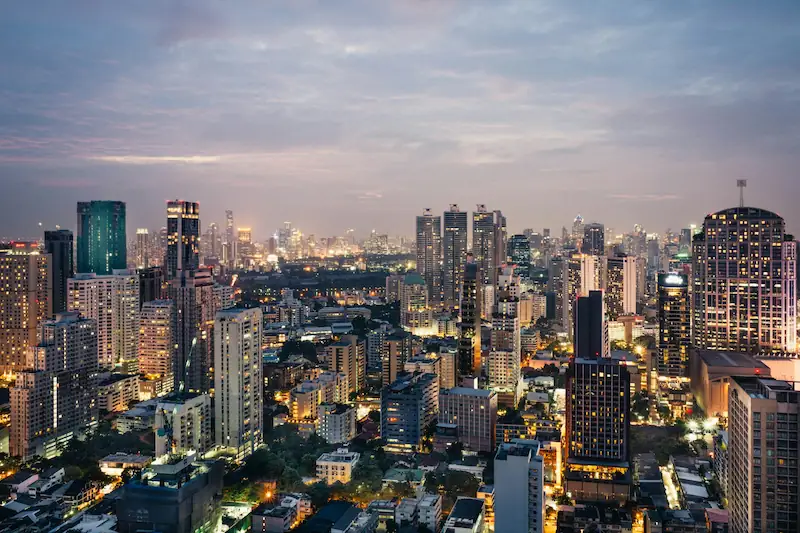
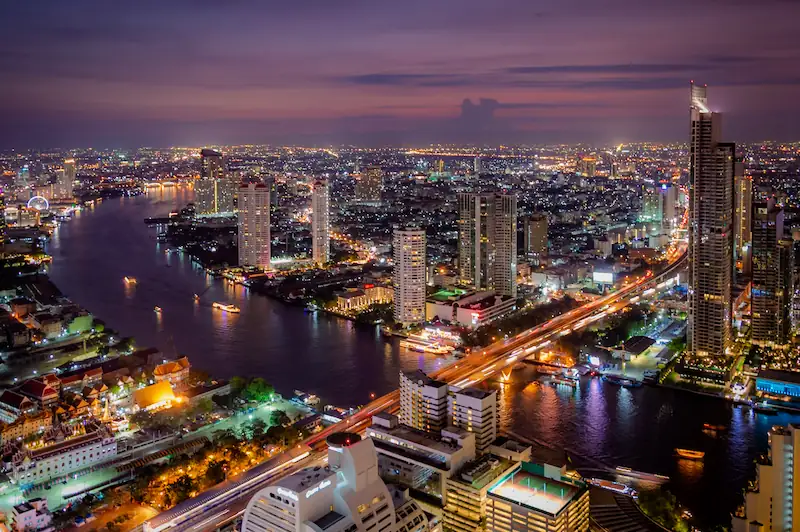
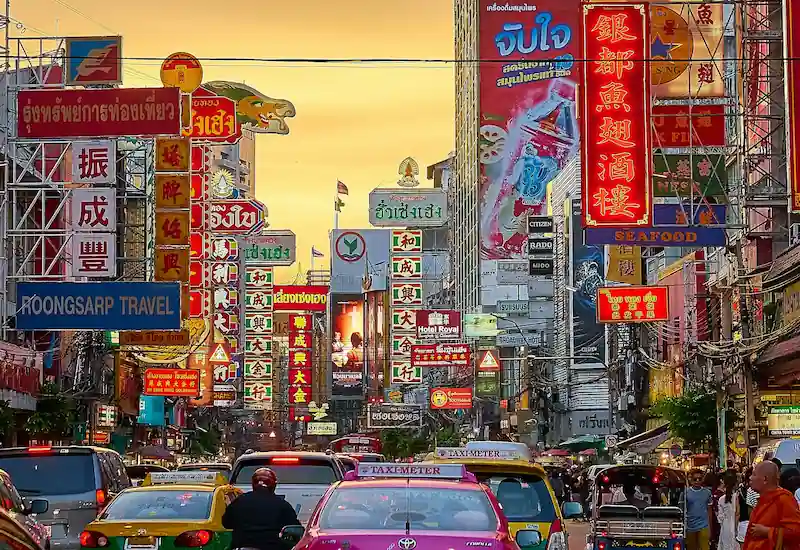
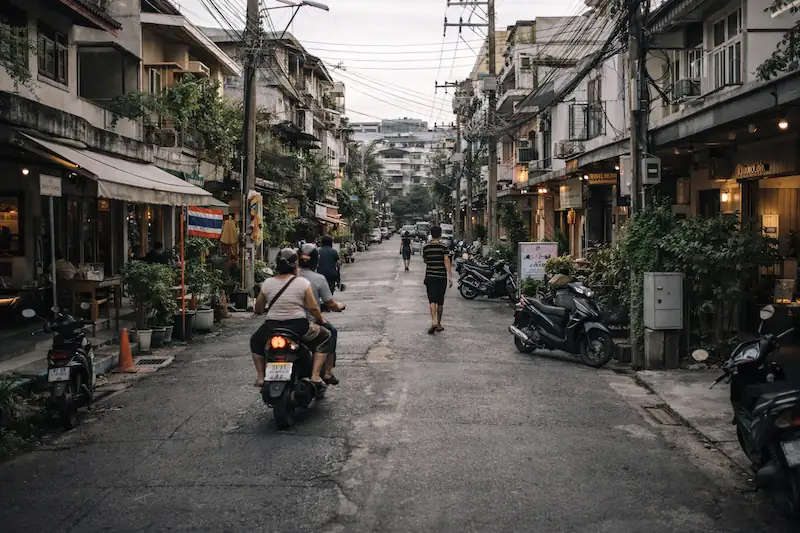
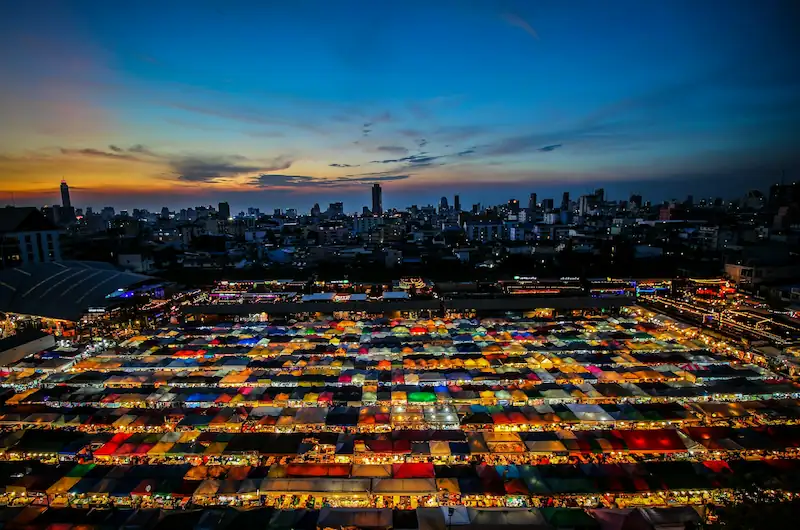
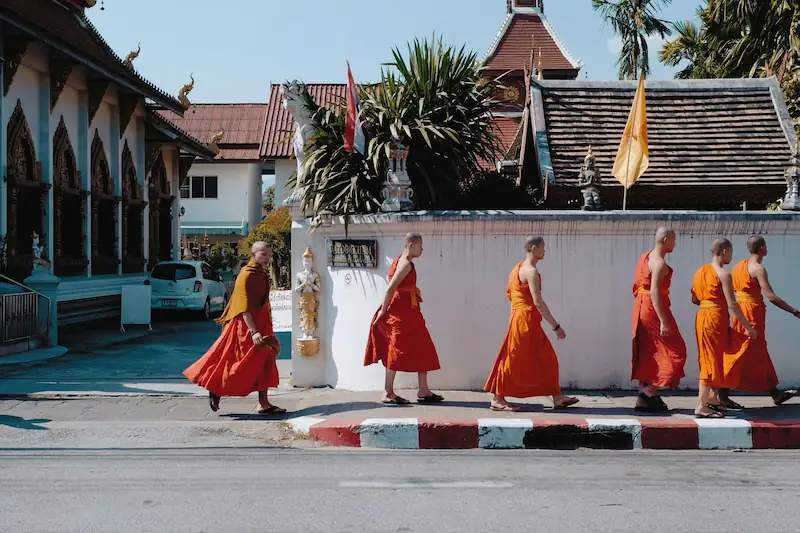
Find the best areas to stay in Bangkok based on how you want the trip to work: temple mornings, river movement, BTS convenience, food-led evenings, family-friendly recovery, nightlife, shopping, or a calmer hotel experience. Bangkok is not a city where the most central-looking address automatically performs best. The right base is the one that keeps your daily routes simple, gives you a workable evening rhythm, and protects you from losing the trip to heat, traffic, and repeated transfers.
Best areas
Sukhumvit is the easiest all-round base, Siam is the most efficient short-stay hub, Riverside is the strongest scenic and premium option, Rattanakosin is best for temples and Old City atmosphere, Silom & Sathorn balance business-district convenience with river access, Yaowarat suits food-led travelers, Ari works for slower return visits, and Thonburi is best for river and canal-oriented stays.
Booking timing
Book early if you need a precise micro-location: near Siam or Asok BTS, on a real riverside frontage, close to the Old City without Khao San noise, or inside a quieter side street of a busy district. In Bangkok, the right street often matters as much as the right broad area.
Best areas to stay in Bangkok at a glance
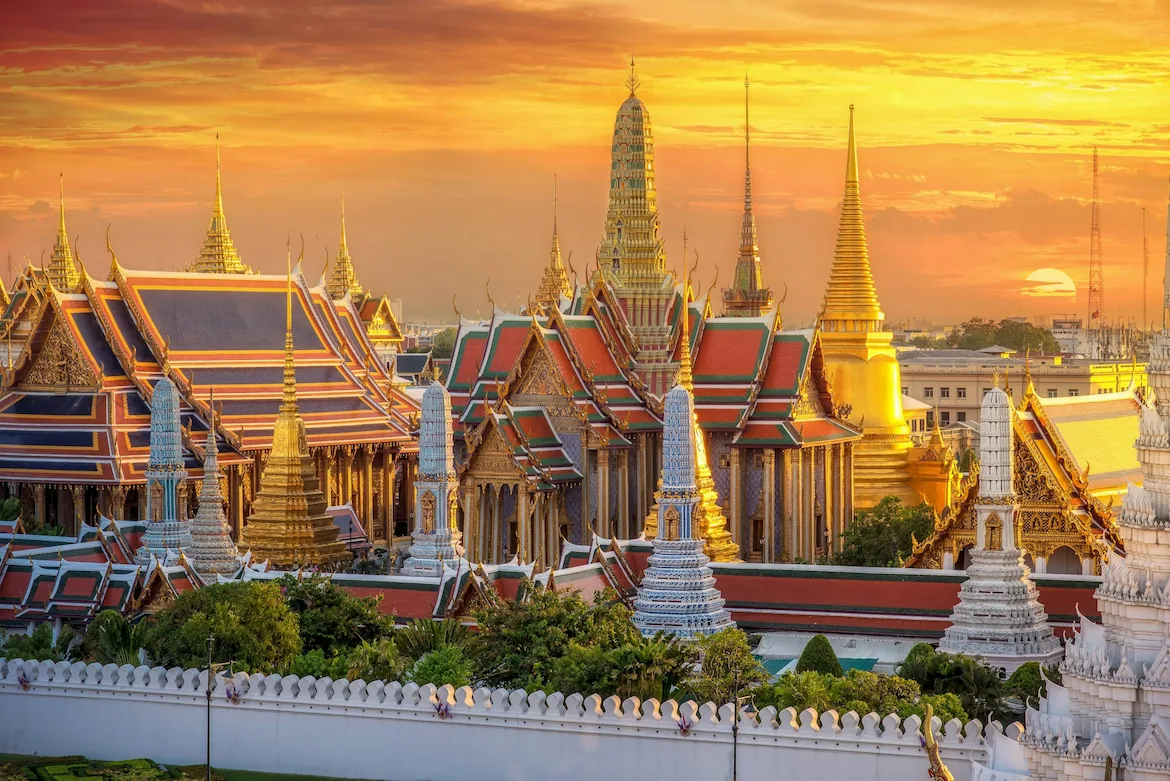
Rattanakosin (Old City) – Best for: temples, Grand Palace access, historic Bangkok, atmospheric first trips · Vibe: low-rise, ceremonial, layered, river-adjacent, slower at night · Stay here if: you want to wake up near the Grand Palace, Wat Pho, Wat Arun ferries, old streets, and a more historic version of Bangkok. · Avoid if: you need BTS convenience, polished shopping access, or easy late-night movement across the modern city.
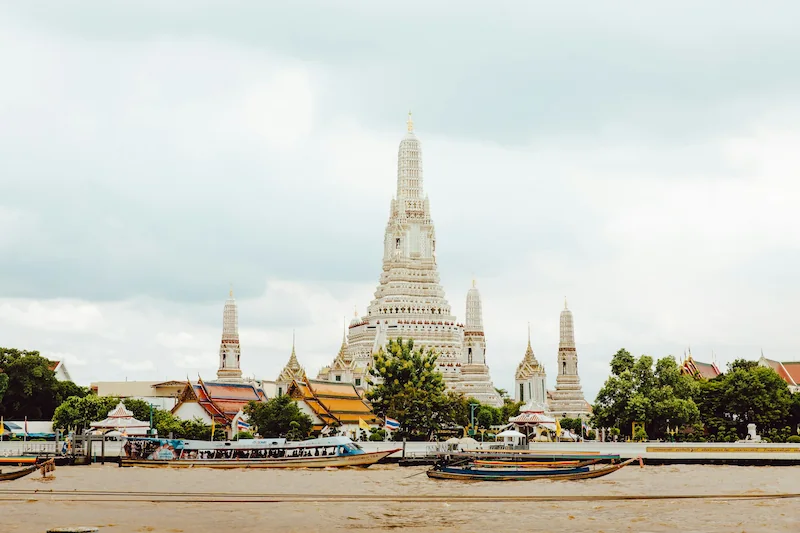
Riverside – Best for: couples, premium hotels, calmer stays, views, river movement · Vibe: scenic, spacious, slower, hotel-forward, more atmospheric than inland districts · Stay here if: you want Bangkok to feel less compressed and you value river views, pool time, ferries, sunset dining, and a softer return after long days. · Avoid if: you want step-out BTS convenience, dense street life, or the fastest base for nightlife and shopping.
Siam – Best for: first-time efficiency, families, shopping, short stays, rainy-day backup · Vibe: central, polished, commercial, fast-moving, easy to decode · Stay here if: you have 2 or 3 days, want strong BTS connections, and need malls, food courts, museums, and practical services close together. · Avoid if: you want historic atmosphere, quieter evenings, or a neighborhood that feels local after dark.
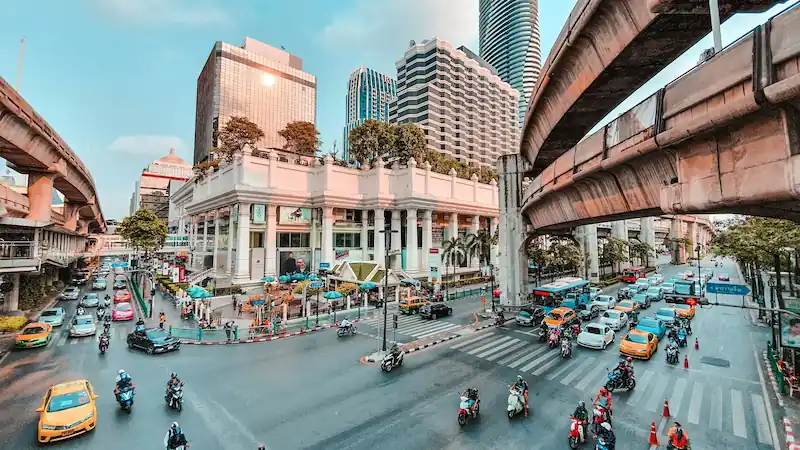
Sukhumvit – Best for: most travelers, nightlife, restaurants, BTS/MRT access, flexible itineraries · Vibe: modern, international, high-energy, hotel-rich, corridor-based · Stay here if: you want the easiest all-round base for eating, drinking, shopping, working, and moving around without overthinking Bangkok logistics. · Avoid if: you want temples or the river to shape the stay from the moment you leave the hotel.
Silom & Sathorn – Best for: business-style convenience, mixed agendas, rooftops, river-and-rail balance · Vibe: corporate by day, polished, strategic, calmer than lower Sukhumvit in places · Stay here if: you want strong access to BTS, MRT, Lumphini/Benjakitti, rooftops, business hotels, and the river side of the city. · Avoid if: you want a relaxed village-like neighborhood or a purely temple-led stay.
Yaowarat (Chinatown) – Best for: food, street atmosphere, Talat Noi, old shopfronts, evening energy · Vibe: dense, mercantile, sensory, crowded, deeply urban · Stay here if: you want Chinatown food, old Bangkok texture, and walkable access to Talat Noi, Song Wat, and river-adjacent heritage streets. · Avoid if: you need quiet nights, large hotel stock, or simple BTS-led movement every day.
Ari – Best for: longer stays, cafés, slower repeat visits, residential Bangkok · Vibe: leafier, local, café-led, residential, less tourist-facing · Stay here if: you already know the city or want a calmer BTS-linked neighborhood with cafés, small hotels, and less first-trip pressure. · Avoid if: you only have 2 or 3 days and want headline sights to feel close.
Thonburi – Best for: river life, canals, quieter stays, return visitors, slower pacing · Vibe: water-oriented, lower-rise, more local, less rail-convenient · Stay here if: you want canals, river crossings, local texture, and a less conventional Bangkok base. · Avoid if: you need fast BTS/MRT access, broad hotel choice, or maximum first-trip efficiency.
How to choose the right area in Bangkok
Choosing where to stay in Bangkok is less about finding one universally best neighborhood and more about deciding which part of the city you want to make easy. A hotel near BTS or MRT makes modern Bangkok easier. A riverside hotel changes the mood of the trip. Rattanakosin makes temples simple but weakens late-night and rail convenience. Siam compresses a short first trip into a highly practical base. The best choice is the one that supports the way your days will actually unfold.
For a short first trip, prioritize transit simplicity and recovery time over abstract charm.
If temples and the Grand Palace are the reason you came, staying in or near Rattanakosin can make the first half of each day much easier.
If you want the broadest all-round base, stay near a useful Sukhumvit station rather than somewhere only vaguely on Sukhumvit Road.
If the hotel is part of the pleasure of the trip, Riverside often delivers more emotional value than a purely efficient central district.
Siam is the easiest base for families and short stays because malls, food courts, BTS, indoor breaks, and practical services cluster tightly.
Silom & Sathorn work best when you want a more polished business-district base with access to both river and rail logic.
Yaowarat, Ari, and Thonburi are stronger for specific travel styles than for generic first-trip convenience.
In Bangkok, a quiet side street five minutes from transit usually beats a famous frontage that is loud, awkward, or hard to cross in the heat.
How Bangkok works geographically from a stay perspective
Bangkok does not work through one clean center. It works through corridors and systems: the Chao Phraya river, BTS lines, MRT interchanges, old-city walking pockets, mall clusters, and roads that can become slow at exactly the moment you need them. Two hotels that look similarly central can produce completely different trips depending on station access, pier access, heat exposure, and evening surroundings.
BTS and MRT access matter more than raw map centrality for most first-time visitors.
Siam is the most compressed convenience hub because both BTS lines, malls, food courts, and indoor backup options cluster tightly.
Sukhumvit performs best around useful stations such as Asok, Phrom Phong, Thonglor, and Ekkamai rather than as an endless road label.
Riverside can feel less central on a map but becomes highly usable if hotel boats, public ferries, and Sathorn Pier links match the itinerary.
Rattanakosin is excellent for temple-heavy mornings and weaker for repeated modern-city crossings.
Silom & Sathorn sit in a useful middle position between business districts, parks, rooftops, MRT/BTS lines, and river access.
Yaowarat is strong for food and old-city texture but less clean as a general transport base.
Ari and Thonburi should be chosen for rhythm and atmosphere, not for maximum first-trip efficiency.
Historic core cluster – Rattanakosin and Banglamphu work best for temples, ferries, museums, Old City atmosphere, and early sightseeing starts.
Scenic river cluster – Riverside and selected Thonburi pockets suit travelers who want views, hotel quality, ferries, and a calmer end to each day.
Hyper-efficient central cluster – Siam is best for short stays, shopping, families, indoor recovery, and travelers who want transport logic to stay simple.
Modern BTS corridor – Sukhumvit is the easiest all-round corridor for hotels, dining, nightlife, services, and mixed itineraries.
Business-and-rooftop cluster – Silom & Sathorn balance rail access, park access, rooftops, business hotels, and river reach.
Food-and-heritage street cluster – Yaowarat, Talat Noi, Song Wat, and Charoen Krung reward food-first and street-texture stays more than generic convenience.
Slow local rhythm cluster – Ari and Thonburi work best for longer stays, repeat visitors, cafés, canals, and a less obvious Bangkok base.
Best areas to stay in Bangkok in depth
These are the Bangkok bases that make the most sense for travelers, but they solve different problems. Some reduce transport friction, some improve the feel of the hotel stay, some put temples or food at the center, and others only make sense once you are ready to go beyond the obvious. Choose by rhythm first, then by hotel quality, then by exact street.
Rattanakosin (Old City)
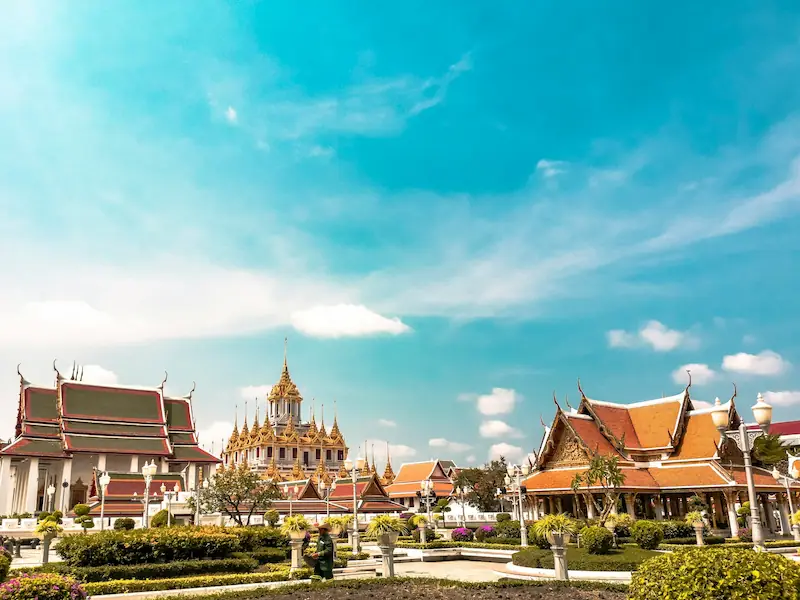
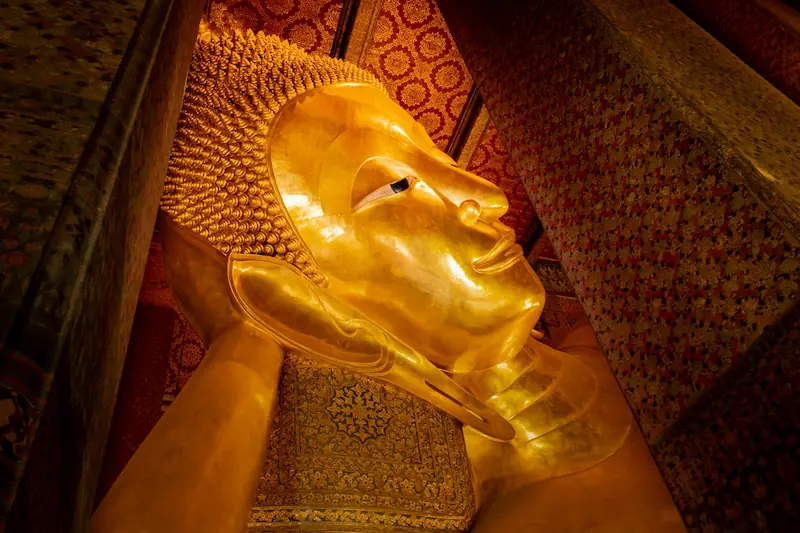
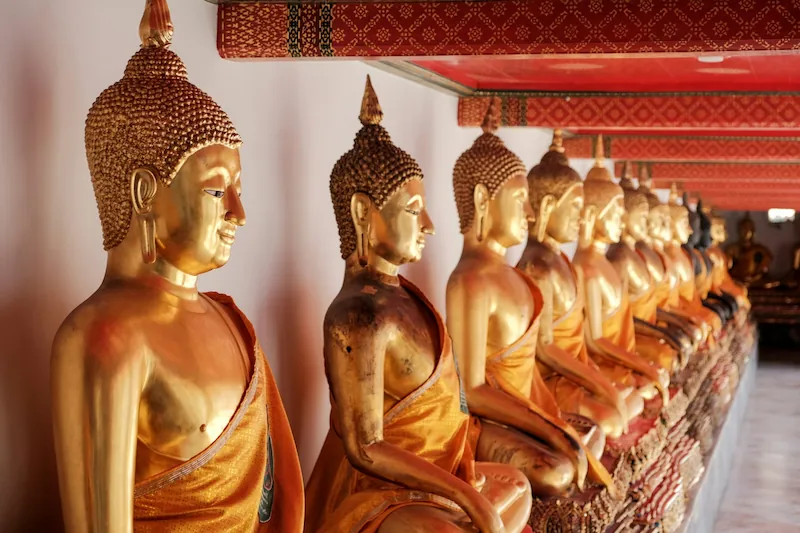
Rattanakosin is the strongest Bangkok base when the historic city is the purpose of the trip. This is the area for early Grand Palace starts, Wat Pho before the heat builds, ferries toward Wat Arun, older streets, river edges, and a lower-rise urban texture that modern Bangkok often hides. It gives a first visit a clearer cultural shape, especially if you want temples and old Bangkok to lead the itinerary. The trade-off is real: BTS access is weak, nightlife is uneven outside the Banglamphu/Khao San orbit, and once your days shift toward Siam, Sukhumvit, rooftops, or shopping, the area can feel less efficient.
Why stay here: Choose Rattanakosin if you want Bangkok’s historic core to set the tone of the stay and you would rather solve temple mornings than modern-city logistics.
Best for: temples, old Bangkok atmosphere, cultural first trips, and travelers who want early starts near major historic sights
Pros
Best base for Grand Palace, Wat Pho, Wat Saket, and Old City temple mornings
More atmospheric and culturally specific than modern hotel corridors
Useful ferry access for Wat Arun, Riverside, and Chao Phraya movement
Good fit for travelers who want Bangkok to feel historic from day one
Strong budget and boutique options around Banglamphu and Phra Athit
Cons
Weak BTS convenience compared with Siam, Sukhumvit, and Silom
Less efficient for shopping, nightlife, and modern Bangkok districts
Hotel quality and street feel vary sharply by micro-location
Some pockets can feel too backpacker-focused or noisy at night
Nearby highlights
Grand Palace and Wat Phra Kaew early in the day
Wat Pho, Wat Saket, and smaller Old City temple stops
Ferry links toward Wat Arun and the river corridor
Banglamphu cafés, budget dining, and traveler services
Phra Athit and river-edge walks
Khao San access only if that energy is intentional
Museum Siam and Bangkok National Museum within practical reach
Budget
Here Hostel Bangkok – Well-known hostel in the old city, useful for budget travelers who want location and sociability close to major sights. Why we recommend: A strong low-cost base when being in the right part of Bangkok matters more than private-hotel polish. Check availability
Dewan Bangkok – Comfortable budget-friendly hotel close to Khao San's orbit but with more separation from the loudest edge of the area. Why we recommend: It gives you old-town access without forcing you to sleep in the middle of the chaos. Check availability
Nanda Heritage Hotel – Good-value old-town stay slightly outside the most tourist-heavy pocket, with easier breathing room than the Khao San core. Why we recommend: A smart pick if you want heritage-side access with a calmer hotel setting. Check availability
Mid
Casa Vimaya Riverside – Well-located hotel near Banglamphu and Khao San, practical for travelers who want convenience to the old city and river side. Why we recommend: One of the better balanced stays in the area for comfort, position, and ease. Check availability
Chillax Heritage Hotel Khaosan – Comfortable hotel in the old city that suits travelers wanting a more polished stay than basic Khao San options. Why we recommend: It is one of the more reliable step-up choices around Banglamphu. Check availability
Korbua House – Canal-side old-town stay with a calmer feel than the main tourist strips, while still remaining useful for sights and ferry links. Why we recommend: A good value option when you want atmosphere and location without the loudest surroundings. Check availability
Upscale
Baan Noppawong – Small heritage-style boutique stay with more character and intimacy than larger chain hotels elsewhere in Bangkok. Why we recommend: A standout choice for travelers who want old Bangkok reflected in the hotel itself. Check availability
Riva Surya Bangkok – Refined riverside-edge hotel on Phra Athit Road, convenient for Old Town while still feeling comfortable and elevated. Why we recommend: It is one of the strongest all-round boutique-leaning stays in the historic area. Check availability
Sala Rattanakosin Bangkok – Design-conscious boutique hotel with one of the most memorable historic-core positions in the city near Wat Pho and the river. Why we recommend: Few hotels place you inside Bangkok's landmark setting this convincingly. Check availability
Riverside
Riverside is the best area to stay in Bangkok when you want the city to feel more spacious, scenic, and emotionally manageable. The Chao Phraya changes the whole rhythm of the trip: boats replace some road stress, hotel terraces become part of the day, and returning at night feels softer than in the densest inland districts. This is where Bangkok’s strongest premium hotels cluster, but the river also works for travelers who want atmosphere over pure efficiency. The compromise is that you must be comfortable mixing boats, hotel shuttles, taxis, and occasional rail connections rather than expecting step-out BTS convenience everywhere.
Why stay here: Choose Riverside if views, hotel quality, river movement, and calmer evenings matter as much as sightseeing efficiency.
Best for: couples, premium stays, scenic returns, river access, and travelers who want Bangkok to feel less compressed
Pros
Bangkok’s strongest scenic and premium hotel setting
Best area for couples and comfort-led stays
Excellent access to river ferries, Wat Arun, ICONSIAM, and sunset dining
More visual breathing room than Sukhumvit or Siam
Hotel pools, terraces, and breakfast views can genuinely improve the trip
Cons
Less plug-and-play than a BTS base for cross-city movement
Street life is more fragmented depending on the exact riverbank location
Some hotels feel isolated without shuttle or boat planning
Not the best base for nightlife density or shopping-led stays
Nearby highlights
Chao Phraya ferries and hotel boats
Wat Arun and Old City river crossings
ICONSIAM and riverfront dining
Sunset terraces and calmer evening returns
Access toward Talat Noi, Charoen Krung, and Yaowarat from selected addresses
Stronger hotel pools and resort-style downtime
A useful base when the hotel is part of the travel experience
Budget
Ibis Bangkok Riverside – Straightforward riverside stay with a pool and better setting than many budget hotels elsewhere in Bangkok. Why we recommend: One of the few lower-price options that gives you a real river atmosphere rather than just a room. Check availability
Naga Residence – Good-value stay on the Thonburi side, useful for travelers who want river adjacency without paying resort-level rates. Why we recommend: It is one of the more convincing budget-friendly picks in the wider riverside zone. Check availability
NORN Riverside Bangkok Hotel - นอนริมน้ำ – Simple river-oriented option suited to travelers who want a quieter base and do not need a classic central hotel setup. Why we recommend: A sensible choice when river setting matters more than polished full-service facilities. Check availability
Mid
Cascade Hotel Bangkok – Comfortable hotel in Khlong San with a calmer feel and practical access to the broader riverside side of Bangkok. Why we recommend: A good-value middle ground between basic budget stays and the river's higher-end hotels. Check availability
Riverside Bangkok Hotel – Modern hotel option in the wider river corridor, better suited to travelers who want the district's atmosphere without going full luxury. Why we recommend: Useful when you want a proper hotel format and river-side positioning at a lower step up. Check availability
Chatrium Hotel Riverside Bangkok – Large riverside hotel with strong room comfort and a more relaxed, self-contained feel than many inland Bangkok stays. Why we recommend: It gives you a premium riverside experience without always needing the top-tier luxury jump. Check availability
Upscale
Anantara Riverside Bangkok Resort – Resort-style riverside stay that feels notably more spacious and detached from the city's daily pressure. Why we recommend: It is one of the best choices if you want your hotel to provide real decompression, not just accommodation. Check availability
The Peninsula Bangkok – Classic luxury address on the river with polished service, views, and a stronger sense of occasion than most Bangkok hotels. Why we recommend: Few Bangkok stays combine elegance and river setting this well. Check availability
The Salil Hotel Riverside Bangkok – Design-forward river hotel with a more contemporary personality than Bangkok's classic grand hotels. Why we recommend: A strong premium option if you want riverside atmosphere with fresher styling. Check availability
Siam
Siam is Bangkok’s most efficient short-stay base. It is not the most atmospheric district, but it is often the most practical: BTS connections converge, major malls provide food and weather-proof breaks, BACC and Jim Thompson House sit nearby, and families or first-time visitors can solve many daily needs without long transfers. For 2 or 3 days, that efficiency can matter more than neighborhood romance. Siam also works well when heat or rain makes spontaneous indoor recovery important. The downside is that evenings can feel commercial, and travelers seeking street-level old Bangkok may find the district too polished and mall-driven.
Why stay here: Choose Siam if your priority is to make a short Bangkok stay simple, central, weather-resilient, and easy to navigate from the first day.
Best for: first-time visitors on short trips, families, shoppers, rainy-season trips, and travelers who want maximum convenience
Pros
Best short-stay base for pure efficiency
Excellent BTS interchange logic for first-time visitors
Strongest family-friendly district for malls, food courts, cinemas, and indoor backup
Easy access to BACC, Jim Thompson House, MBK, and major shopping clusters
Useful when rain, heat, or jet lag make convenience more valuable
Cons
Less atmospheric than Old City, Yaowarat, Riverside, or Ari
Evenings feel practical rather than distinctive
Premium hotels can be expensive for a commercial setting
Not ideal if temples, canals, or river mood should define the stay
Nearby highlights
Siam Paragon, Siam Center, Siam Discovery, MBK, and CentralWorld access
Siam BTS interchange and National Stadium edge hotels
BACC and Jim Thompson House as easy cultural stops
Food courts, casual restaurants, pharmacies, and services close by
Easy rail movement toward Sukhumvit, Silom, and Chatuchak
Good recovery zone during heat, rain, or family travel
Practical base for 2-night, 3-day, and weekend Bangkok stays
Budget
ibis Bangkok Siam – Simple, compact, location-first hotel right by National Stadium BTS and within easy reach of the Siam mall cluster. Why we recommend: One of the best value location plays in this part of Bangkok. Check availability
Holiday Inn Express Bangkok Siam by IHG – Straightforward, dependable option for short trips focused on central access rather than hotel personality. Why we recommend: It gets the basics right in one of Bangkok's most useful short-stay locations. Check availability
Happy 3 – Well-placed hotel near National Stadium BTS with a calmer feel than some busier commercial addresses nearby. Why we recommend: A practical choice for travelers who want Siam access without the most hectic frontage. Check availability
Mid
Evergreen Place Siam by UHG – Comfortable mid-range base close to BTS and the Siam retail core, with enough space to work for longer city days. Why we recommend: It balances convenience and comfort better than many purely functional central hotels. Check availability
Mercure Bangkok Siam – Reliable central stay with strong transport position and easy access to malls, museums, and short-trip essentials. Why we recommend: A very efficient first-time Bangkok hotel when location matters more than boutique charm. Check availability
LiT BANGKOK Residence – Suite-style option close to the Siam cluster, giving more room and a slightly softer pace than standard business hotels. Why we recommend: A stronger pick when you want centrality with more breathing room. Check availability
Upscale
LiT BANGKOK Hotel – Design-led hotel close to Siam's core, suited to travelers who want something more distinctive than the district usually offers. Why we recommend: It brings more style and identity than many nearby chain-leaning alternatives. Check availability
Siam At Siam Design Hotel Bangkok – Lively upper-range hotel with a stronger visual character and easy access to National Stadium BTS and the mall district. Why we recommend: A good fit if you want a central stay that feels less anonymous. Check availability
Pathumwan Princess Hotel – Large, full-service hotel next to MBK, especially practical for travelers who value direct access and broad facilities. Why we recommend: It remains one of the most friction-free premium stays in the Siam area. Check availability
Sukhumvit
Sukhumvit is Bangkok’s easiest all-round accommodation corridor. It has the broadest hotel range, strong BTS access, restaurants at almost every level, malls, spas, rooftop bars, nightlife pockets, and enough late-night convenience to keep the stay flexible. It is not one single neighborhood, though. Asok is the most functional interchange, Phrom Phong is more polished and family-friendly, Thonglor/Ekkamai are better for food and nightlife with more local style, and farther-out stations only make sense if the hotel value is strong. Sukhumvit is rarely the most poetic Bangkok base, but it is often the one that performs best across mixed itineraries.
Why stay here: Choose Sukhumvit if you want the safest all-round base for movement, dining, nightlife, hotel choice, and modern Bangkok convenience.
Best for: most travelers, nightlife, dining, transit convenience, serviced apartments, and flexible 3-to-5-day Bangkok stays
Pros
Huge hotel choice across budget, mid-range, serviced apartments, and luxury stays
Best all-round corridor for restaurants, bars, malls, spas, and late-night convenience
Useful BTS/MRT access, especially around Asok and Sukhumvit MRT
Works well for first trips, return trips, business stays, nightlife, and mixed itineraries
Easiest district to recover from planning mistakes because services are always nearby
Cons
Some stretches feel generic, overbuilt, or traffic-heavy
Not the strongest base for temples, river views, or historic atmosphere
Nightlife pockets can be noisy or awkward if the exact street is wrong
Farther-out stations can waste time despite seeming connected
Nearby highlights
Asok BTS and Sukhumvit MRT interchange
Terminal 21, EmQuartier, Emporium, and Phrom Phong services
Thonglor and Ekkamai dining and nightlife access
Benjakitti Park and easy MRT/BTS movement from selected locations
Rooftops, cocktail bars, casual Thai restaurants, and international food options
Good spa, massage, pharmacy, and late-night convenience
Efficient base for combining temples, malls, food, and nightlife over several days
Budget
Adelphi Suites Bangkok – Serviced-style rooms near Nana BTS with more space than many standard budget-friendly options in this part of the city. Why we recommend: One of the more practical lower-price picks here if you want location without an obvious quality compromise. Check availability
The Coach Hotel Sukhumvit - Asok BTS Bangkok – Compact hotel close to Asok interchange, useful for travelers who want BTS and MRT within easy walking distance. Why we recommend: The location does the heavy lifting for a short Bangkok stay. Check availability
NH Bangkok Sukhumvit Boulevard – Well-placed option near lower Sukhumvit with straightforward rooms and easy access to transit and nightlife. Why we recommend: A useful pick if you want to stay central in Sukhumvit without paying premium Asok pricing. Check availability
Mid
Solaria Nishitetsu Hotel Bangkok – Modern, efficient hotel directly suited to travelers who care about transport convenience and a cleaner, calmer feel than the street outside. Why we recommend: One of the sharpest location-driven stays around Asok without jumping to full luxury pricing. Check availability
Maitria Hotel Sukhumvit 18 Bangkok – A Chatrium Collection – Comfortable mid-range stay in a quieter soi, still within practical reach of Asok's transport and dining core. Why we recommend: It gives you a more settled feel than many busier Sukhumvit addresses. Check availability
Paradox Bangkok Sukhumvit – Full-service hotel near the heart of Sukhumvit, suitable for travelers who want recognizable comfort and central positioning. Why we recommend: A reliable mid-range choice when location and room consistency matter more than boutique character. Check availability
Upscale
Carlton Hotel Bangkok Sukhumvit – Large, polished hotel between Asok and Phrom Phong that suits travelers who want a sleek base with strong facilities. Why we recommend: It lands unusually well between upscale comfort and genuinely useful walkability. Check availability
Grande Centre Point Hotel Terminal21 – Directly tied to one of Bangkok's most practical transport and mall nodes, making it especially efficient for short trips. Why we recommend: Few hotels in Bangkok make moving around this easy. Check availability
Hyatt Regency Bangkok Sukhumvit – Refined full-service stay with strong skyline feel and immediate access to lower Sukhumvit's restaurants and transit. Why we recommend: A smart premium choice for travelers who want a high-comfort urban base rather than a resort mood. Check availability
Silom & Sathorn
Silom and Sathorn are Bangkok’s most strategic alternative to Sukhumvit when you want modern convenience without staying in the city’s most obvious international corridor. The area combines business hotels, BTS and MRT access, Lumphini and Benjakitti proximity, rooftop bars, embassy and office districts, and relatively direct movement toward the river. It works especially well for travelers who want polished logistics, a slightly calmer evening base, and the ability to pivot between old Bangkok, modern Bangkok, and the river. The trade-off is that the area can feel corporate and fragmented if you expect constant neighborhood charm at the doorstep.
Why stay here: Choose Silom & Sathorn if you want a central, polished, transit-aware base that balances rail access, river access, parks, and rooftops better than most districts.
Best for: business-style comfort, mixed sightseeing, rooftops, park access, and travelers who want centrality without lower-Sukhumvit intensity
Pros
Good BTS and MRT access, especially around Sala Daeng, Silom, Chong Nonsi, and Surasak
Useful positioning between the river, Old City routes, Siam, and Sukhumvit
Strong hotel stock for mid-range and upscale travelers
Good fit for business-style stays, couples, rooftops, and mixed itineraries
Better access to Lumphini, Benjakitti, and calmer recovery space than many central areas
Cons
Can feel corporate rather than atmospheric
Street-level experience varies sharply by exact hotel pocket
Not as nightlife-dense as lower Sukhumvit
Less intuitive for first-time travelers who want the simplest base
Nearby highlights
Sala Daeng BTS and Silom MRT movement
Lumphini Park and Benjakitti connections
Mahanakhon, rooftops, and business-district skyline views
Sathorn Pier access from selected hotels via BTS to Saphan Taksin
Quick movement toward Charoen Krung, Riverside, and Old City routes
Good restaurants, cocktail bars, and more polished evenings
A useful base for travelers balancing work, leisure, and sightseeing
Budget
ibis Styles Bangkok Silom – Bright, practical hotel near Silom Road with easy access to Sala Daeng BTS and Silom MRT. Why we recommend: A strong value pick if you want Silom convenience without paying full business-hotel rates. Check availability
Silom Serene, a Boutique Hotel – Comfortable older-style stay tucked away from the loudest road frontage while remaining useful for Silom movement. Why we recommend: It balances location, calmer street feel, and price better than many central Silom options. Check availability
The Cotton Saladaeng Hotel – Simple modern hotel near Lumphini and the Sala Daeng/Silom transit cluster. Why we recommend: A practical lower-cost choice for travelers who want park access and central rail links. Check availability
Mid
Amara Bangkok Hotel – Modern city hotel in the Silom/Sathorn orbit with a useful location and a strong rooftop feel. Why we recommend: A good mid-to-upper step when you want business-district polish without going fully luxury. Check availability
Mode Sathorn Hotel – Transit-friendly hotel by Surasak BTS, useful for moving between Sathorn, Silom, and the river. Why we recommend: The station-adjacent position makes it especially efficient for mixed city days. Check availability
Eastin Grand Hotel Sathorn – Large, polished hotel with direct BTS convenience and strong facilities for a structured Bangkok stay. Why we recommend: One of the most friction-free choices in the Sathorn area for travelers who value rail access. Check availability
Upscale
The Sukhothai Bangkok – Elegant low-rise luxury hotel with a calmer resort-like mood inside the business district. Why we recommend: A standout if you want high comfort and Bangkok character without river isolation. Check availability
Banyan Tree Bangkok – High-rise luxury stay known for skyline views and a strong Sathorn business-district position. Why we recommend: A classic choice when rooftop energy and full-service comfort matter. Check availability
COMO Metropolitan Bangkok – Refined, wellness-leaning luxury hotel in a quieter Sathorn setting. Why we recommend: A strong premium option for travelers who want calm, service, and centrality without mall-district intensity. Check availability
Yaowarat (Chinatown)
Yaowarat is the right Bangkok base only for travelers who actively want density, food, old shopfronts, markets, gold shops, Chinese-Thai heritage, Talat Noi, Song Wat, and a street rhythm that feels intense from morning into night. It is not the easiest general-purpose base, and hotel stock is thinner than in Sukhumvit or Siam. But if food is the reason for the trip, or if you want to stay inside one of Bangkok’s most distinctive urban fabrics, Chinatown can be far more memorable than a polished mall district. The key is choosing a hotel with enough comfort and accepting that this is an immersive, not frictionless, choice.
Why stay here: Choose Yaowarat if you want food, street atmosphere, Talat Noi, and old Bangkok texture to matter more than rail convenience or quiet hotel polish.
Best for: food-first travelers, urban texture, Chinatown nights, Talat Noi walks, and repeat visitors who want a more distinctive base
Pros
Best base for Chinatown food and Yaowarat street energy
Excellent access to Talat Noi, Song Wat, Charoen Krung, and old commercial Bangkok
More distinctive than Siam or lower Sukhumvit for travelers seeking atmosphere
Good for food-led evenings without cross-city returns
Useful for photographers, urban walkers, and repeat visitors
Cons
Not ideal for quiet nights or large hotel choice
BTS access is weaker than in Siam, Sukhumvit, or Silom
Street intensity can feel tiring after several days
Hotel quality varies and upscale options are limited inside the district
Nearby highlights
Yaowarat Road food stalls and seafood dinners
Talat Noi lanes, cafés, workshops, and street art
Song Wat and Charoen Krung heritage-commercial streets
Pak Khlong Talat and Old City edges by taxi or MRT
Hua Lamphong and MRT access from selected hotel pockets
Gold shops, markets, and dense Chinese-Thai street life
A strong evening base if food is more important than nightlife polish
Budget
W22 by Burasari – Stylish budget-friendly hotel in the Chinatown orbit with easier access to Yaowarat than most central districts. Why we recommend: A strong value pick if you want Chinatown food and old-city texture close by. Check availability
Norn Yaowarat Hotel – Simple Chinatown stay suited to travelers prioritizing food and location over full-service facilities. Why we recommend: Useful when you want to sleep inside the Yaowarat rhythm without overspending. Check availability
Ago Hotel Chinatown – Small, practical hotel on the Chinatown side of central Bangkok. Why we recommend: A sensible lower-cost option if Yaowarat and Talat Noi are central to the plan. Check availability
Mid
ASAI Bangkok Chinatown – Modern, compact hotel directly tied to the Chinatown experience, with a cleaner, more contemporary feel than the area’s older stock. Why we recommend: One of the best fits for travelers who want Yaowarat energy without sacrificing hotel reliability. Check availability
Hotel Royal Bangkok @ Chinatown – Large, central Chinatown hotel with practical access to Yaowarat and a rooftop perspective over the district. Why we recommend: A straightforward choice when location and facilities matter more than boutique intimacy. Check availability
Shanghai Mansion Bangkok – Atmospheric boutique-style hotel on Yaowarat Road with a stronger heritage mood than standard central hotels. Why we recommend: A good match if you want the hotel itself to reflect Chinatown’s theatrical side. Check availability
Upscale
The Quarter Hualamphong by UHG – Polished, practical hotel near Hua Lamphong and Chinatown movement routes. Why we recommend: A useful step-up when you want Yaowarat access but prefer a more conventional hotel setup. Check availability
The Mustang Blu – Highly characterful boutique stay in a restored building near Hua Lamphong and Chinatown. Why we recommend: A standout for design-minded travelers who want atmosphere over standard luxury. Check availability
Capella Bangkok – True luxury riverside stay close enough to use Charoen Krung, Talat Noi, and Yaowarat as part of a premium river-focused trip. Why we recommend: Not in Chinatown itself, but one of the best high-end options if this historic river corridor is your focus. Check availability
Ari
Ari is not the default answer for a first Bangkok trip, and that is exactly why it works for the right traveler. It is a more residential, café-led, slower base with BTS access, small restaurants, leafy side streets, and a calmer daily rhythm than Siam or lower Sukhumvit. Ari is best when you already know Bangkok’s headline sights, are staying longer, or want a neighborhood that supports routines rather than sightseeing pressure. It is weaker for short first trips because the Old City, river, and major shopping areas require more deliberate movement.
Why stay here: Choose Ari if you want a quieter, more local, BTS-linked base for a longer stay or return visit rather than maximum first-trip efficiency.
Best for: longer stays, repeat visitors, cafés, residential Bangkok, serviced apartments, and travelers who want slower routines
Pros
Calmer residential atmosphere than major tourist districts
Good café, brunch, casual dining, and small-hotel energy
BTS access keeps the area connected despite feeling less central
Strong fit for longer stays, remote-work style trips, and repeat visitors
Less nightlife pressure and more everyday neighborhood rhythm
Cons
Not ideal for 2- or 3-day first trips
Farther from Grand Palace, Wat Pho, Riverside, and classic sights
Hotel choice is smaller than in Sukhumvit or Siam
Less impressive if you want Bangkok to feel iconic from the hotel door
Nearby highlights
Ari cafés, small restaurants, and residential side streets
BTS movement toward Siam, Chatuchak, and Sukhumvit
Easy reach to Chatuchak and Or Tor Kor by transit or taxi
Good longer-stay rhythm with less tourist intensity
Serviced apartments and small design hotels
A calmer base for travelers who want Bangkok to feel livable
Useful for remote-work or slower city breaks
Budget
The Yard Bangkok Hostel – Friendly, well-known hostel in Ari with a quieter residential feel than Bangkok’s main budget districts. Why we recommend: A strong low-cost choice if you want social energy without Khao San surroundings. Check availability
Aree Art Residence – Simple stay in the Ari orbit for travelers prioritizing neighborhood feel and value. Why we recommend: Useful when you want Ari’s café-led rhythm without paying central hotel rates. Check availability
VIX Bangkok at Victory Monument – Practical lower-cost option near Victory Monument, useful for travelers who want northern central access and transit value. Why we recommend: Not Ari proper, but a workable value base for this side of the city. Check availability
Mid
Josh Hotel – Design-conscious, casual hotel in Ari with a stronger neighborhood personality than most central business hotels. Why we recommend: One of the best matches for Ari’s café-led, return-visitor energy. Check availability
Craftsman Bangkok – Comfortable, residential-feeling hotel in the Ari/Saphan Khwai orbit with more space and calm than many central options. Why we recommend: A strong mid-range choice for travelers staying longer or wanting a softer base. Check availability
Vic3 Bangkok – Straightforward hotel near Sanam Pao BTS, useful for Ari access and efficient north-central movement. Why we recommend: A practical choice if you want the Ari corridor with better transit discipline. Check availability
Upscale
The Quarter Ari by UHG – High-rise hotel with strong views and practical access to Ari’s residential-commercial rhythm. Why we recommend: One of the area’s strongest full-service choices for longer stays and calmer routines. Check availability
Abloom Exclusive Serviced Apartments – Serviced-apartment style stay near Sanam Pao, well suited to longer Bangkok visits. Why we recommend: Good when space and repeatable daily routines matter more than hotel theatre. Check availability
Bangkok Patio – Serviced apartment option near the Ari/Sanam Pao corridor with more room than standard hotel stays. Why we recommend: A useful pick for families or longer stays that need apartment-style comfort. Check availability
Thonburi
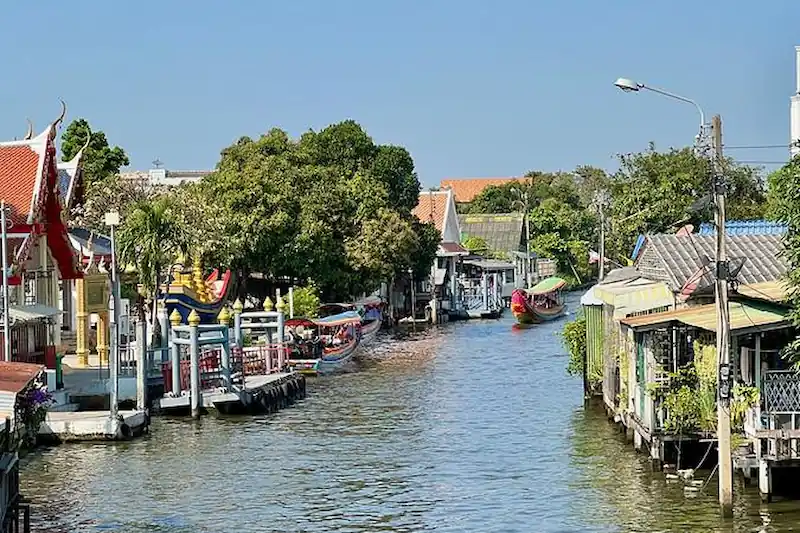
Thonburi is Bangkok’s least conventional major stay choice and should be chosen deliberately. It gives you riverbanks, canals, lower-rise streets, local markets, temple access from a different angle, and a calmer view of the city’s water-based history. For the right traveler, it can feel more rewarding than staying in a polished hotel corridor. For a first short trip, however, it can add friction unless the hotel is very well connected by boat, ferry, or nearby rail. Thonburi works best for river-focused stays, return visitors, and travelers who want Bangkok to feel slower and more residential.
Why stay here: Choose Thonburi if canals, river life, quieter local texture, and a less obvious Bangkok base matter more than maximum transit convenience.
Best for: river life, canals, calmer stays, return visitors, premium west-bank hotels, and travelers who want a less obvious Bangkok base
Pros
Strongest base for canal and west-bank river atmosphere
Good fit for return visitors and slower travelers
Can offer better value and calmer streets than the east bank
Useful for Wat Arun, Wang Lang, ICONSIAM, and selected river routes
Some premium river hotels deliver excellent comfort with a different city perspective
Cons
Less efficient for general first-trip sightseeing unless the exact hotel is strong
Rail access varies sharply by pocket
Street life can feel local but not always visitor-convenient
Needs more transport planning than Siam or Sukhumvit
Nearby highlights
Wat Arun and Thonburi canals
Wang Lang, local markets, and cross-river ferries
ICONSIAM and Khlong San side streets
West-bank river hotels and sunset views
Long-tail boat routes and canal-side neighborhoods
Local temple compounds and lower-rise residential Bangkok
Good base when the stay is designed around water rather than rail
Budget
Naga Residence – Good-value stay on the Thonburi side, useful for river access and a calmer local feel. Why we recommend: A reliable lower-cost pick when you want to stay across the river without feeling cut off. Check availability
The Pattern Boutique Hotel – Small, characterful hotel in the Khlong San/Thonburi orbit with practical access to local streets and the river. Why we recommend: A good fit if you want a budget-friendly stay with more personality than a generic room. Check availability
Varmtel – Simple boutique-style stay near the river side of Khlong San and ICONSIAM movement routes. Why we recommend: Useful when you want Thonburi atmosphere and river access without premium pricing. Check availability
Mid
Theatre Residence – Comfortable river-adjacent hotel near Wang Lang with a more local Old City/Thonburi feel. Why we recommend: A strong choice if you want temple access and river life without staying in Rattanakosin itself. Check availability
Cascade Hotel Bangkok – Comfortable hotel in Khlong San with practical river-side positioning and a calmer tone. Why we recommend: A good mid-range option for travelers who want Thonburi without sacrificing hotel standards. Check availability
ARUN Riverside Bangkok – Boutique riverside stay with memorable temple views and direct access to the historic river mood. Why we recommend: A strong choice when view and atmosphere matter more than broad transport convenience. Check availability
Upscale
The Peninsula Bangkok – Classic luxury hotel on the Thonburi bank with polished service, river views, and boat access. Why we recommend: One of the best ways to experience Thonburi’s river setting without losing comfort. Check availability
Avani+ Riverside Bangkok Hotel – Modern high-rise river hotel with skyline views and a more contemporary Thonburi-side feel. Why we recommend: A good premium choice if you want river views and modern hotel facilities away from central density. Check availability
Anantara Riverside Bangkok Resort – Resort-style river hotel on the west bank, suited to travelers who want Bangkok with more decompression. Why we recommend: A strong upscale option when the hotel environment is a major part of the stay. Check availability
Where to stay in Bangkok for first-time visitors
For a first trip, the best area depends on whether you want Bangkok to feel easy, atmospheric, or scenic. Most travelers should choose Siam or Sukhumvit for simplicity; travelers focused on temples should consider Rattanakosin; comfort-led travelers may prefer Riverside.
Choose Siam if you have 2 or 3 days and want the smoothest, most weather-proof logistics.
Choose Sukhumvit if you want the easiest all-round base with hotels, restaurants, bars, malls, spas, and BTS/MRT access.
Choose Rattanakosin if Grand Palace, Wat Pho, Wat Saket, ferries, and historic Bangkok are the point of the trip.
Choose Riverside if budget allows and you want a calmer, more scenic first impression of the city.
Choose Silom & Sathorn if you want a polished base that balances rail access, park access, rooftops, and river reach.
Avoid Ari, Yaowarat, or Thonburi as generic first-trip defaults unless their specific rhythm is exactly what you want.
Style
BestArea
Why
Fastest first trip
Siam
BTS interchange, malls, food courts, indoor recovery, and central movement are all easy
Most flexible first trip
Sukhumvit
Best mix of hotels, transport, restaurants, nightlife, and daily convenience
Most atmospheric first trip
Rattanakosin (Old City)
Puts temples, ferries, and old Bangkok at the center of the stay
Most scenic first trip
Riverside
Creates a calmer hotel experience with river views and boat movement
Where to stay in Bangkok with family
Families usually do best where transfers are shorter, food is easy, rooms are reliable, and heat or rain can be managed without turning every day into a logistics exercise.
Siam is the easiest family base for short trips because malls, food courts, BTS, shopping, cinemas, and indoor breaks are all nearby.
Riverside works well for families who want pools, larger rooms, breakfast views, and calmer evening returns.
Sukhumvit works well around Phrom Phong or Asok if you want transit, serviced apartments, and broad dining choice.
Silom & Sathorn can work for families who want parks, business-hotel reliability, and a calmer alternative to lower Sukhumvit.
Rattanakosin suits families focused on temples and ferries, but it is less efficient once the trip shifts toward malls or modern Bangkok.
Yaowarat, Ari, and Thonburi are better for specific families than as broad defaults.
Style
BestArea
Why
Shortest family trip
Siam
Most practical for food, transit, weather backup, and simple movement
Calmer family stay
Riverside
Better hotel environment, pools, space, and softer evenings
Family with mixed plans
Sukhumvit
Serviced apartments, restaurants, transit, and broad hotel choice
Culture-led family trip
Rattanakosin (Old City)
Makes temple mornings and river movement easier
Where to stay in Bangkok for nightlife
Bangkok nightlife is spread across different styles: Sukhumvit for bars and late convenience, Silom for rooftops and mixed city evenings, Riverside for views, Yaowarat for food energy, and Banglamphu for backpacker nightlife.
Sukhumvit is the strongest all-round nightlife base, especially if you choose the right side street near Asok, Nana, Phrom Phong, Thonglor, or Ekkamai.
Silom & Sathorn are better for rooftop bars, cocktail evenings, and a more polished night out than for dense party streets.
Yaowarat is excellent for food-led nights but not for classic bar-hopping convenience.
Riverside is best for scenic drinks, hotel bars, and slower evenings rather than nightlife density.
Rattanakosin/Banglamphu works only if Khao San-style energy is intentionally part of the trip.
Avoid choosing Ari or Thonburi for nightlife unless you want quieter local evenings rather than a night-out base.
Style
BestArea
Why
Best all-round nightlife
Sukhumvit
Bars, restaurants, late returns, BTS/MRT access, and hotel choice align best
Best rooftop-and-cocktail base
Silom & Sathorn
Good skyline access with a more polished business-district rhythm
Best food-led night base
Yaowarat (Chinatown)
Chinatown lets dinner and street atmosphere carry the evening
Best scenic evening base
Riverside
Better for views and hotel bars than late-night density
Where to stay in Bangkok on a budget
Bangkok has budget rooms almost everywhere, but the best value is rarely just the cheapest rate. A slightly better location can save enough time, heat exposure, and taxi friction to make the whole trip better.
Rattanakosin and Banglamphu remain useful budget bases if temples, ferries, and Old City atmosphere matter most.
Siam can be a smart budget move around National Stadium or Ratchathewi if it cuts transport time on a short trip.
Sukhumvit budget hotels only work well when they are genuinely close to useful BTS/MRT stations.
Yaowarat can be good value for food-led travelers who do not need quiet or premium hotel stock.
Ari can offer good longer-stay value if you want cafés, BTS access, and less tourist pressure.
Thonburi can be good value for river-oriented stays, but only when the hotel’s ferry, rail, or road access is clear.
Do not book a far-out hotel simply because it looks cheap; repeated transfers can erase the saving quickly.
Style
BestArea
Why
Best budget for temples
Rattanakosin (Old City)
Good low-cost stock with strong access to historic sights
Best budget for short stays
Siam fringe
National Stadium or Ratchathewi can reduce transport friction dramatically
Best budget for nightlife and transport
Sukhumvit
Works when the hotel is truly close to BTS or MRT
Best budget for food atmosphere
Yaowarat (Chinatown)
Food and street life become part of the value proposition
Where to stay in Bangkok based on trip length
Trip length changes the answer sharply. On a short stay, location mistakes are expensive. On a longer stay, comfort, evening rhythm, and neighborhood fatigue become just as important as transit speed.
Label
Stay
Avoid
Why
1 night
Siam or Asok/central Sukhumvit
Riverside or Thonburi unless the hotel itself is the point
A single night needs frictionless arrival, food nearby, and simple onward movement.
2 nights
Siam for speed, Sukhumvit for flexibility, Rattanakosin if temples are the entire focus
Ari, far-out Sukhumvit stations, and isolated river hotels
There is almost no room to recover from transport mistakes.
3 days
Siam or Sukhumvit for most travelers; Riverside for comfort-led couples; Rattanakosin for culture-led trips
Choosing solely by hotel photos without transit logic
This is the classic first-trip length where base choice defines the whole experience.
4 to 5 days
Sukhumvit, Riverside, Silom & Sathorn, or a strong Rattanakosin base depending on rhythm
Over-optimizing for one sightseeing day at the expense of every evening
With more time, you can choose atmosphere or comfort as well as convenience.
1 week
Riverside, Ari, Silom & Sathorn, serviced-apartment Sukhumvit, or Thonburi if deliberately chosen
The loudest nightlife pockets unless that is the trip’s purpose
Longer stays benefit from calmer routines, better rooms, and a neighborhood you do not tire of.
First trip
Siam or Sukhumvit first; Riverside or Rattanakosin if your priorities are clear
Ari, Thonburi, or Yaowarat as default choices
Most first-time visitors need Bangkok to become legible before becoming local.
Return trip
Ari, Yaowarat, Thonburi, Riverside, or a more selective Sukhumvit/Silom pocket
Defaulting to Siam if shopping and efficiency no longer matter
Once the headline sights are familiar, neighborhood rhythm becomes more valuable.
Family trip
Siam, Riverside, Phrom Phong, or selected Silom/Sathorn hotels
Noisy nightlife strips and awkward station walks
Families need simple food, indoor recovery, room quality, and shorter transfers more than symbolic centrality.
How to choose the right Bangkok hotel once the area is selected
In Bangkok, the district name is only the first filter. The exact station, pier, soi, road crossing, hotel shuttle, room layout, and immediate street environment can matter more than the broad neighborhood label.
Topic
WhatToDo
WhatToAvoid
WhyItMatters
Check the real walk to BTS or MRT
Look at whether the route is shaded, direct, and easy to cross in heat, not just technically short on a map.
Booking a hotel described as near the station when the walk involves long exposed roads or awkward intersections.
Five minutes on paper can feel very different in Bangkok humidity and traffic.
Choose the right station, not just the right district
In Sukhumvit, favor Asok, Phrom Phong, Thonglor, Ekkamai, or a station that clearly matches your plans.
Assuming every address on Sukhumvit Road performs equally well.
Sukhumvit is long, and a weaker station can add repeated friction.
Treat Riverside as a hotel-and-boat decision
Check the hotel’s boat shuttle, nearest pier, and how you will reach BTS or Old City sights.
Choosing a river hotel while expecting Siam-style step-out convenience.
Riverside is excellent when the water system fits the trip, frustrating when it does not.
Use Siam for compression, not atmosphere
Book Siam when you need fast BTS movement, family backup, malls, food courts, and short-stay simplicity.
Choosing Siam if your main goal is old Bangkok, street texture, or local evenings.
Siam performs brilliantly as a logistics base but less as an emotional neighborhood.
Respect Old City transport limits
Choose Rattanakosin for early temple starts, ferries, and historic atmosphere.
Expecting it to work like a BTS district after dark.
Old City becomes less efficient when every plan points toward modern Bangkok.
Separate nightlife access from sleep quality
In Sukhumvit or Banglamphu, choose a quieter side street if late returns and sleep both matter.
Sleeping directly on the loudest frontage because it looks convenient.
The best nightlife base is close to the action, not necessarily inside the noise.
Families should prioritize recovery infrastructure
Look for room size, pool, breakfast, food court access, elevators, and easy taxi pickup before style.
Picking a fashionable area that makes every transfer harder with children.
Bangkok family trips succeed when the hotel reduces decisions.
Longer stays need daily routines
Consider serviced apartments in Sukhumvit, Ari, Siam, or Silom if you need space and repeatable comfort.
Booking a tiny room in a busy district for a full week just because the location is famous.
After several days, room comfort and neighborhood fatigue matter more.
Check the immediate street after dark
Review whether the hotel’s block has food, convenience stores, safe-feeling access, and clear transport pickup points.
Judging the stay only by room photos and broad neighborhood reputation.
Bangkok’s micro-location can change the stay as much as the district itself.
Frequently asked questions about where to stay in Bangkok
These are the accommodation questions travelers most often need to answer before booking Bangkok well.
What is the best area to stay in Bangkok for first-time visitors?
For most first-time visitors, Siam or Sukhumvit are the easiest choices. Siam is best for a very short, efficient stay, while Sukhumvit gives more restaurants, hotels, nightlife, and flexibility. Rattanakosin is better if temples and historic Bangkok are the main purpose of the trip, and Riverside is better if you want a calmer, more scenic hotel experience.
Where should I stay in Bangkok for 3 days?
For 3 days, Siam is the most efficient base and Sukhumvit is the most flexible. Choose Siam if you want simple BTS movement and indoor backup; choose Sukhumvit if you want more restaurants, bars, spas, and hotel variety. Choose Rattanakosin only if your itinerary is heavily focused on the Grand Palace, Wat Pho, Wat Arun, and the Old City.
Is Sukhumvit a good place to stay in Bangkok?
Yes. Sukhumvit is the easiest all-round base for many travelers because it combines BTS/MRT access, hotels across budgets, restaurants, bars, malls, spas, and late-night convenience. The important detail is choosing the right pocket, because Sukhumvit is a long corridor, not one single neighborhood.
Which part of Sukhumvit is best to stay in?
Asok is best for transport because it connects BTS and MRT. Phrom Phong is more polished and family-friendly. Thonglor and Ekkamai are better for food, cafés, and nightlife with a more local style. Nana and lower Sukhumvit work for nightlife but require more care with the exact street.
Is Siam a good area to stay in Bangkok?
Yes, especially for short first trips, shopping, families, rainy-season visits, and travelers who want maximum convenience. Siam is less atmospheric than Riverside, Old City, or Yaowarat, but it is one of the easiest places to manage Bangkok efficiently.
Is Riverside a good place to stay in Bangkok?
Yes, Riverside is one of Bangkok’s best areas for couples, premium hotels, scenic views, pools, and calmer evenings. It is less plug-and-play than staying near BTS in Siam or Sukhumvit, but it can create a much more enjoyable stay if you value the hotel experience and river movement.
Should I stay in Bangkok Old Town?
Stay in Rattanakosin or Old Town if temples, ferries, museums, and historic Bangkok are central to your trip. It is atmospheric and useful for early sightseeing, but weaker than Siam or Sukhumvit for BTS access, shopping, nightlife, and repeated cross-city movement.
Is Silom or Sukhumvit better to stay in?
Sukhumvit is better for restaurants, nightlife, hotel choice, and all-round ease. Silom & Sathorn are better if you want a more business-like base with good rail access, parks, rooftops, and easier reach toward the river. Both can work well; the exact hotel pocket matters.
Where should families stay in Bangkok?
Siam is usually the easiest family base for a short stay because malls, food courts, BTS, and indoor recovery are close. Riverside is better for pools, larger rooms, and calmer evenings. Phrom Phong, Asok, and selected Silom/Sathorn hotels also work well if you want transit plus reliable hotel comfort.
Where should I stay in Bangkok for nightlife?
Sukhumvit is the strongest all-round nightlife base. Lower Sukhumvit, Asok, Phrom Phong, Thonglor, and Ekkamai give different styles of bars and restaurants. Silom & Sathorn work better for rooftops and polished evenings, while Yaowarat is best for food-led nights rather than bar-hopping.
Where should I stay in Bangkok on a budget?
Rattanakosin and Banglamphu are useful budget areas for temples and Old City atmosphere. Siam fringe areas such as National Stadium or Ratchathewi can be excellent value on short trips. Sukhumvit works on a budget only if the hotel is genuinely close to BTS or MRT.
What is the safest area to stay in Bangkok?
Most travelers find Siam, Riverside, Silom/Sathorn, and well-connected parts of Sukhumvit comfortable and easy to manage. Safety depends heavily on the exact street, hotel quality, lighting, and transport access, so choose a well-reviewed property with a practical arrival route.
Is Khao San Road a good place to stay?
Khao San is useful if you specifically want budget nightlife, backpacker services, and easy access to Old City sights. It is not the best general first-trip base for most travelers, especially if you want sleep quality, BTS access, shopping, or a more polished Bangkok experience.
Is Yaowarat a good area to stay in Bangkok?
Yaowarat is excellent if you want Chinatown food, dense street atmosphere, Talat Noi, Song Wat, and old commercial Bangkok. It is not the easiest general base because hotel choice is thinner and BTS access is weaker, but it can be very rewarding for food-led and repeat visits.
Is Ari a good place to stay in Bangkok?
Ari is a good choice for longer stays, return visitors, café culture, serviced apartments, and a calmer residential rhythm. It is less ideal for short first trips because the Old City, river, and major tourist sights require more planning from there.
Is Thonburi a good place to stay?
Thonburi is a good choice if you want canals, river life, a quieter local atmosphere, or a west-bank riverside hotel. It is not the simplest first-time base unless your hotel has strong ferry, boat, or rail access.
Should I stay near BTS in Bangkok?
For most travelers, yes. Staying near BTS or MRT makes Bangkok much easier, especially in heat and traffic. The exception is when you deliberately choose Riverside or Rattanakosin for atmosphere, temples, or hotel experience, and you are comfortable using boats and taxis strategically.
Where should couples stay in Bangkok?
Riverside is often the best area for couples because it gives views, calmer hotel settings, sunset dining, and a more memorable sense of place. Couples who want restaurants and nightlife may prefer Sukhumvit or Silom/Sathorn.
Where should I stay in Bangkok for temples?
Rattanakosin (Old City) is the best base for temples because it puts you close to the Grand Palace, Wat Pho, Wat Saket, ferries to Wat Arun, and Old City museums. Riverside can also work well if you want temple access with a more comfortable hotel experience.
Where should I stay for shopping in Bangkok?
Siam is the best area for shopping because Siam Paragon, Siam Center, Siam Discovery, MBK, CentralWorld, and BTS links cluster tightly. Sukhumvit also works well around Phrom Phong and Asok if you want malls plus restaurants and nightlife.
Where should I stay in Bangkok for one night?
For one night, choose Siam or a highly connected Sukhumvit pocket such as Asok, unless your only goal is a riverside luxury hotel or an early temple morning in Rattanakosin. A one-night stay should minimize transfers and make arrival and departure simple.
Where should I stay in Bangkok for a week?
For a week, consider Riverside, Ari, Silom/Sathorn, serviced-apartment Sukhumvit, or a calmer Siam-side hotel. Longer stays need room comfort, easy food, quieter returns, and repeatable routines more than pure sightseeing centrality.
Is it worth paying more to stay central in Bangkok?
Often yes, especially for 2- or 3-day trips. A better-located hotel can save time, heat exposure, taxi stress, and repeated transfers. Bangkok is a city where convenience directly improves the trip.
What area should I avoid staying in Bangkok?
Avoid any area that is far from the transport you plan to use, even if the room looks good value. Also avoid the loudest nightlife streets if you need sleep, and be careful with hotels that look central but sit on awkward roads with poor walking access.
Should I split my stay between two Bangkok areas?
For most trips under 5 days, no. Splitting hotels often creates more friction than it solves. For a longer stay, a split between Riverside or Rattanakosin and Sukhumvit or Siam can make sense if you want both atmosphere and modern-city convenience.
What is the best overall Bangkok hotel area?
There is no single best area for every traveler. Sukhumvit is the best all-round answer, Siam is the best short-stay answer, Riverside is the best scenic premium answer, and Rattanakosin is the best historic answer. The right choice depends on the trip you are actually building.
In Bangkok, the best place to stay is the one that makes your version of the city easier, not the one that sounds most famous.
Continue planning your Bangkok trip
Use this where-to-stay guide alongside the full Bangkok city guide, the best things to do page, and your Bangkok itineraries. Bangkok works best when the neighborhood choice, daily routes, and evening rhythm are designed together rather than treated as separate decisions.
Turn the right neighborhood into the right itinerary
Once you know where to stay in Bangkok, the next step is structuring the rest of your trip around that base. Use the planner to build a route that fits your pace, priorities, and how you actually want your days to unfold.