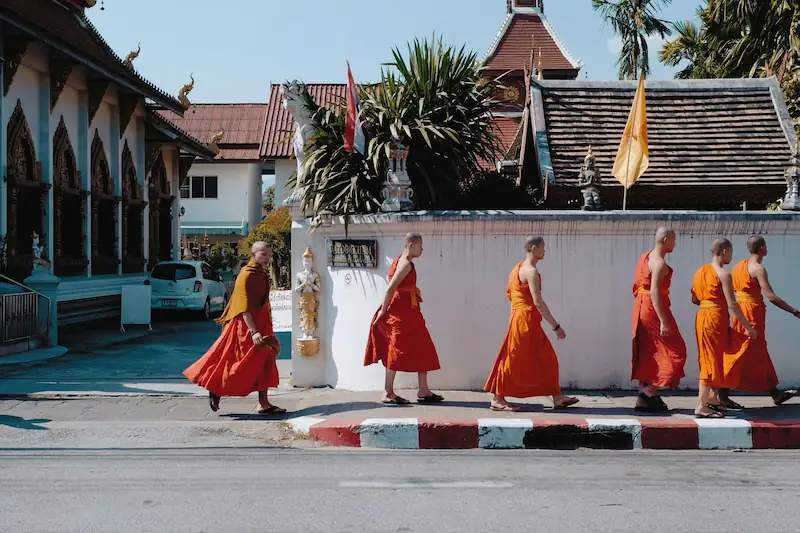
Where to stay in Chiang Mai
Find the best neighborhoods and hotels in Chiang Mai.
Open page →
Understand Chiang Mai before deciding where to stay and how to divide your days. The city combines a moated historic core, mountain temples, northern Thai food, creative neighborhoods, riverside heritage and countryside escapes. A strong trip gives each of these layers enough space instead of turning Chiang Mai into a sequence of temples and day tours.
Find the best neighborhoods and hotels in Chiang Mai.
Open page →
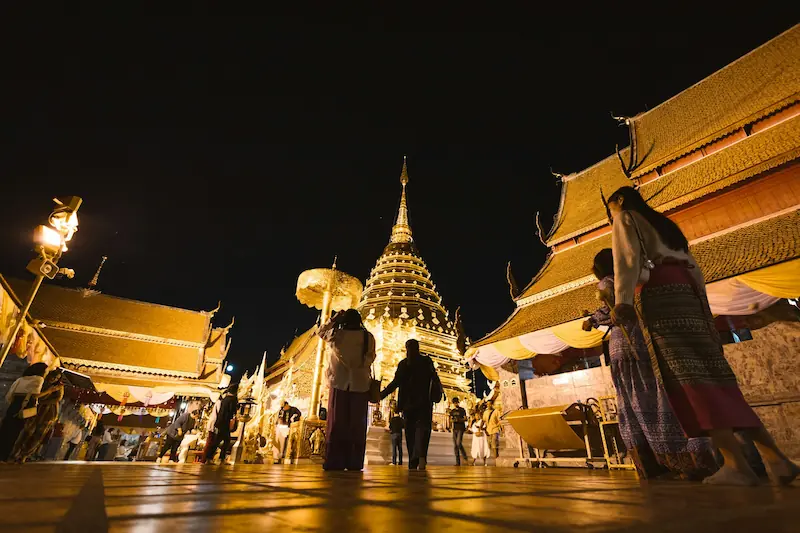
Prioritize the activities that deserve your time in Chiang Mai.
Open page →
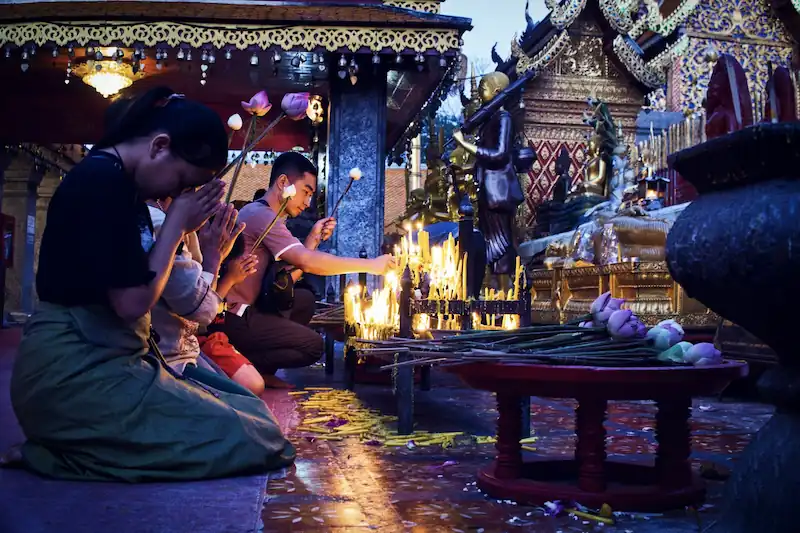
1 Day in Chiang Mai: Best Itinerary
Open itinerary →
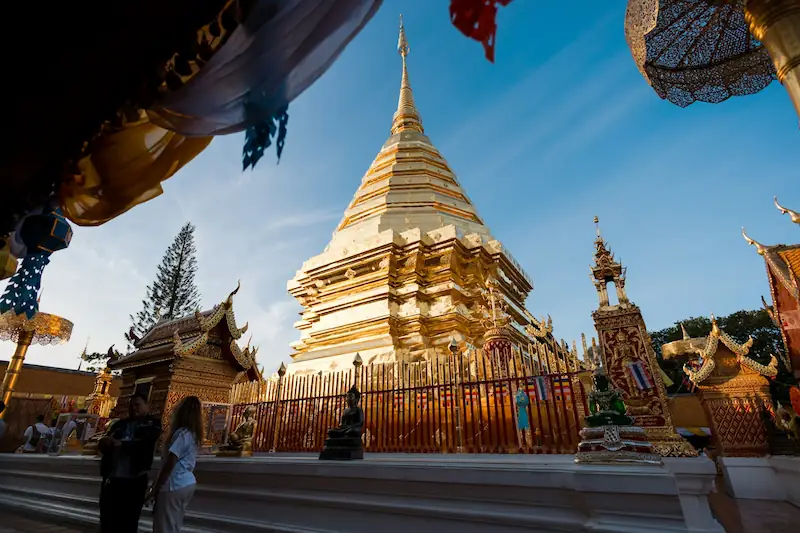
2 Days in Chiang Mai: Best Itinerary
Open itinerary →
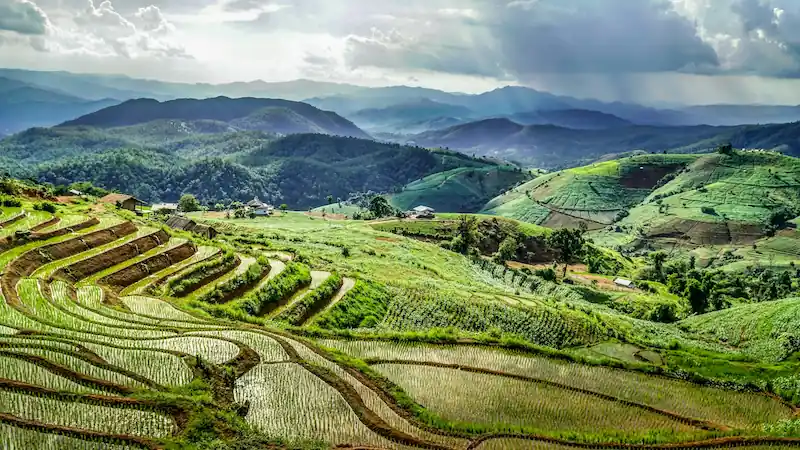
3 Days in Chiang Mai: Best Itinerary
Open itinerary →
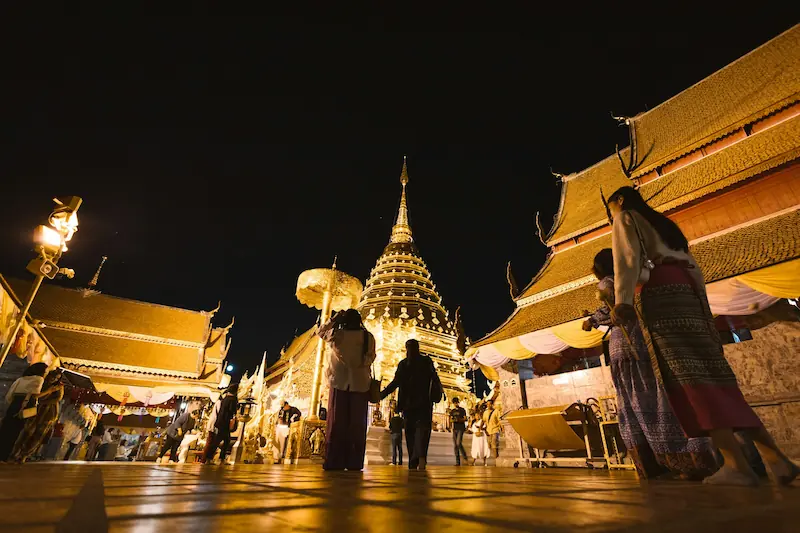
4 Days in Chiang Mai: Best Itinerary
Open itinerary →
Chiang Mai is a low-rise northern city shaped by the Old City moat, Doi Suthep to the west, the Ping River to the east and a set of compact neighborhoods in between. Its appeal lies in the contrast between Lanna temples, working markets, contemporary craft and food culture, relaxed evening streets and easy access to mountains and villages.
Chiang Mai offers living heritage without the scale or intensity of Bangkok. Temple courtyards, food markets, coffee shops, craft studios and low-rise streets sit within short rides of each other, while Doi Suthep and the surrounding mountains give the city a constant geographic frame. The best visits feel varied but unhurried.
Best time: November–February for comfortable temple walks, hiking and markets; green season for quieter travel and lush scenery; March–April only with flexible plans and close attention to heat and air quality.
Ideal trip length: 3 days for Doi Suthep, the Old City, food and one market evening; 4 to 5 days for craft, creative neighborhoods and one major excursion; a week for slower routines, workshops and a second countryside experience.
Chiang Mai remains good value for food, transport and boutique accommodation, but quality varies widely. Small design hotels, ethical wildlife experiences, private drivers and festival periods can raise costs quickly. The best value usually comes from choosing the right neighborhood and one or two meaningful paid experiences rather than booking many packaged tours.
Chiang Mai works through five main zones: the Old City inside the moat; Nimman and the university side to the west; Santitham and Chang Phueak to the north; Chang Moi, Warorot and Wat Ket along the river; and the Night Bazaar and Chang Khlan south-east of the moat. Doi Suthep and the western foothills form the city’s natural backdrop and main western mountain side.
The square moat gives Chiang Mai an unusually clear center. Doi Suthep rises immediately west of the city, while the Ping River defines the older trading side to the east. Distances between central neighborhoods are short, but heat, traffic and poor walking routes often make short rides more useful than long cross-city walks.
Use mornings for temples, markets and hikes. Midday suits museums, cooking classes, massage, cafés or hotel breaks. Late afternoon works for Wat Umong, Baan Kang Wat, Nimman and the river side, while evenings belong to walking streets, food gates, live music and slower dinners.
Think of Chiang Mai as four experiences: sacred Chiang Mai, everyday market-and-food Chiang Mai, creative contemporary Chiang Mai and mountain Chiang Mai. A strong first visit gives each one a clear block of time and limits long excursions to one.
Open the planner
Use Wat Phra Singh, Wat Chedi Luang and the Old City gates as one historic sequence. Visit Doi Suthep early or late, then add Wat Pha Lat, Wat Umong or another west-side stop only if the pacing remains comfortable. Choose Sunday Walking Street or Wua Lai Saturday Market for one major market evening rather than comparing several markets in one night. Build one food-led block around a cooking class, Warorot Market or Chiang Mai Gate and Chang Phueak stalls. Use Baan Kang Wat, Kalm Village, Nimman or MAIIAM to see contemporary Chiang Mai beyond temples. Treat elephant visits as a welfare decision and avoid riding, performances and forced interaction. Choose one major excursion according to your interest: Doi Inthanon for landscapes, Mae Kampong for village atmosphere, Bua Tong for light adventure or botanical gardens for a softer family day. Keep long road days away from each other and leave room for massage, cafés and slower neighborhood time. Adapt mountain and hiking plans to current air quality, rain and visibility.
Vibe: Historic, temple-rich, walkable and easiest for a first visit.
Why go: The Old City contains Wat Phra Singh, Wat Chedi Luang, Wat Chiang Man, city museums, Tha Phae Gate and Sunday Walking Street within a readable moat. Its value is highest in the morning and early evening, when temples and lanes feel less compressed.
Who it fits: First-time visitors, short stays, temple-focused travelers and walkers.
Not for: Travelers prioritizing contemporary dining, large hotels or a quieter long-stay routine.
Where to stay: Best for a first three-night stay when the exact street is calm and walkable.
Vibe: Creative, youthful, café-driven.
Why go: Nimman provides Chiang Mai’s strongest contemporary layer through coffee, restaurants, galleries, boutiques, One Nimman and access to the western side. It works better as a daily-life base than as a sightseeing district.
Who it fits: Longer stays, repeat visitors, remote workers and travelers interested in modern food and design.
Not for: Travelers expecting traditional scenery.
Where to stay: Modern hotels place you within walking distance of the city’s most progressive dining scene.
Vibe: Relaxed, atmospheric, gently upscale.
Why go: The Ping River side offers larger hotels, gardens, slower dinners and a softer evening atmosphere. It works especially well when the hotel itself matters and short rides to the Old City are acceptable.
Who it fits: Couples, slower itineraries, evening-focused travelers.
Not for: Those wanting walkable temple access.
Where to stay: Riverfront properties deliver space, greenery, and quieter nights after market crowds thin.
Vibe: Local, unpolished, food-centric.
Why go: Santitham and nearby Chang Phueak provide local restaurants, khao soi, casual cafés and better-value stays between the Old City and Nimman. They are more useful for everyday food and longer routines than for formal sightseeing.
Who it fits: Travelers comfortable navigating local environments.
Not for: Short stays with minimal orientation time.
Where to stay: Low-key apartments and guesthouses support longer stays at excellent value.
Vibe: Heritage trading quarter with lingering Chinese influence.
Why go: Wat Ket combines river-trade heritage, quieter streets, Warorot access and several of Chiang Mai’s most atmospheric boutique hotels. It is a strong choice for couples and repeat visitors who want character without the Old City’s visitor activity.
Who it fits: Architecture watchers, slow walkers.
Not for: Nightlife seekers.
Where to stay: Small riverside hotels provide atmosphere without sacrificing proximity to the center.
Vibe: Energetic, commercial, convenience-led.
Why go: The Night Bazaar and Chang Khlan offer straightforward hotels, evening food, Anusarn Market and easy river access. The area is practical rather than deeply distinctive, making it strongest for short or convenience-led stays.
Who it fits: Short stays, first-time Thailand trips.
Not for: Travelers sensitive to crowds.
Where to stay: Large hotels streamline logistics when time is tight.
Chiang Mai is best understood through a selective set of experiences that connect Lanna history, monastic life, food, craft and the mountain landscape. Choose contrast rather than repeating similar temples, markets or road-heavy excursions.
Planning tip: Build each half day around one area and one main experience. Use mornings for temples or trails, midday for food and indoor culture, and late afternoon for creative neighborhoods, markets or the river.
Doi Suthep gives Chiang Mai its clearest spiritual and landmark through the golden chedi, mountain setting and city view. The experience is strongest early morning or late afternoon, especially outside heavy haze.
Tip: Pair it with Wat Pha Lat or Wat Umong only if the half day remains unhurried.
Sunday Walking Street brings craft, food, music and temple courtyards into the Old City’s main route. It is crowded but remains the most complete market evening for a first visit.
Tip: Arrive in early evening and explore side temples before the densest flow.
This focused route connects Chiang Mai’s most important urban temples, Lanna art, the ruined central chedi and the city’s historic street pattern. Add Wat Chiang Man only if you still have time and attention.
Tip: Start early and use cafés or museums between major temple interiors.
The lower Monk’s Trail links the city edge with a forest temple through a manageable shaded climb. It is one of the clearest ways to feel the transition from urban Chiang Mai to Doi Suthep’s monastic landscape.
Tip: Check heat, rain and air quality before starting, and continue higher only with enough time and confidence.
Wat Sri Suphan and Wua Lai connect temple architecture with Chiang Mai’s silver and metalworking heritage. Visit in daylight for the craft details, then stay for Saturday Walking Street when your dates align.
Tip: Combine the temple with Wua Lai workshops and Chiang Mai Gate food stalls.
Check guided tours →
Chiang Mai’s regional depth appears beyond the city through Doi Inthanon’s highland landscapes, Mae Kampong’s village setting, waterfalls and botanical gardens. Choose one according to your interests rather than stacking similar road days.
Tip: Use Doi Inthanon for landscapes, Mae Kampong for village atmosphere and Bua Tong for a lighter active day.
Wat Phra Singh is the strongest place inside the Old City to appreciate Lanna architecture, murals, monastic space and important Buddha images. Its courtyards and buildings reward a slower visit rather than a quick exterior stop.
Tip: Look upward — narrative panels run along the beams.
The City Arts and Cultural Centre and Lanna Folklife Museum explain Chiang Mai’s former kingdom, urban form, belief and everyday culture. They are especially useful before or after the Old City temple core.
Tip: Use them during midday heat or rain.
The eastern craft corridor is known for umbrellas, silk, ceramics and workshops. It becomes meaningful when you choose a specific material or maker rather than moving through factory-style shopping stops.
Tip: Book a workshop or combine several genuinely different craft stops.
A khantoke dinner introduces shared northern dishes and performance traditions, but quality ranges from informative to highly staged. Choose it only when the venue and cultural program genuinely appeal to you.
Tip: Choose smaller venues for authenticity.
Check guided tours →
Baan Kang Wat combines ceramics, illustration, small studios, cafés and workshops in a shaded creative village. It offers a modern expression of Chiang Mai’s craft culture without leaving the city.
Tip: Pair it with Wat Umong and reserve ahead only for a specific workshop.
Check guided tours →
Kalm Village and MAIIAM show how northern Thai artists and designers reinterpret textiles, materials, identity and regional culture. Choose Kalm for a compact Old City stop and MAIIAM for a dedicated contemporary-art outing.
Tip: Check current exhibitions before traveling to MAIIAM.
Check guided tours →
Specialty coffee connects northern-grown beans with Chiang Mai’s creative and university culture. Choose one or two strong cafés in Nimman, the Old City or a quieter neighborhood instead of chasing a long list.
Tip: Ask about local origins, processing and roasting rather than ordering only by presentation.
Check guided tours →
Cycling reveals residential lanes, temple edges and quieter districts that are easy to miss from main roads. Choose a guided route or ride early, when traffic and heat are lower.
Tip: Ride before heat peaks.
Warorot and Ton Lam Yai bring together food, flowers, textiles and everyday trade, while Chang Moi and Wat Ket add heritage streets and river history. Together they provide the clearest view of Chiang Mai beyond the moat.
Tip: Go in the morning, then return toward the river for a slower evening.
Jing Jai Market combines organic produce, prepared food, craft and design in a relaxed community setting. It provides a more contemporary and local weekend morning than the main night markets.
Tip: Arrive early and combine it with Santitham or Chang Phueak food.
Check guided tours →
Khao soi is the essential introduction, but northern Thai food also includes sai ua, nam prik, sticky rice, pork crackling, herbs and shared curries. Use one specialist meal and one market or food-stall evening to see the broader regional pattern.
Tip: Compare khao soi across two settings, then order a shared northern meal.
The food clusters around Chiang Mai Gate and Chang Phueak make an easy evening of noodles, grills, curries, fruit and sweets. Choose one cluster and explore it patiently rather than rushing between several markets.
Tip: Follow turnover, short menus and local queues.
A good cooking class explains curry paste, herbs, market ingredients and the differences between northern and central Thai food. Farm-based classes add growing context, while city classes are easier to fit into a short stay.
Tip: Choose a small group and confirm which dishes are genuinely northern Thai.
Warorot explains the ingredients, snacks and food gifts that shape northern Thai kitchens. It is the best place to connect what you eat in restaurants with the products local households actually buy.
Tip: Look for tea, dried fruit, chile pastes and packaged northern specialties, and check customs rules before buying.
Check food options →
Prioritize the experiences that explain Chiang Mai’s sacred, culinary, creative and mountain identities before adding distant excursions.
Chiang Mai works well with children when temples stay short, transfers are controlled and each day includes a hands-on, animal, food or outdoor element. Morning activity and afternoon rest are especially useful in warmer months.
Chiang Mai works as a compact cultural break or a slower northern Thailand base. The right itinerary leaves enough time for Chiang Mai itself before adding mountain parks, villages or wildlife experiences.
Open the planner →
Chiang Mai is easy to navigate, but weather, air quality, road time and activity quality still shape the trip. Good planning is mostly about choosing the right season, limiting long excursions and placing outdoor activity early.
November to February is the best general window. The green season suits flexible travelers who value lush landscapes and lower pressure, while March and early April can be difficult because of heat and smoke haze.
Three full days cover the essential city and mountain experiences. Four to five days provide a better balance with food, craft and one major excursion.
Choose the Old City for a short first visit, Nimman for cafés and longer routines, Riverside or Wat Ket for boutique calm, Santitham for local food and value, and the Night Bazaar area for straightforward evening convenience.
Chiang Mai International Airport sits close to the central city, making transfers relatively easy by taxi or ride-hailing. Train and bus arrivals require more time but connect Chiang Mai with Bangkok and northern Thailand.
Walk inside the Old City and compact parts of Nimman, then use songthaews, taxis and ride-hailing between districts. Scooters require experience, helmets and confidence in local traffic; bicycles are best on quiet routes and early in the day.
Chiang Mai is generally easy for visitors, but heat, sun, mosquitoes, road safety and seasonal air pollution deserve attention. Check current air-quality data during the late dry season and avoid outdoor exertion when conditions are poor.
Chiang Mai changes through temperature, air quality, rain and festival crowds and demand. Cool season offers the easiest first visit, green season provides softer crowds and lush landscapes, and the late dry season requires the most flexibility.
November to February is the strongest all-around period for most travelers because temperatures are gentler, mornings feel clearer, and walking through temple districts remains pleasant longer into the day. It suits first-time visits especially well, since the city’s mountain context and evening market rhythm are easiest to enjoy without climatic complication. This is when Chiang Mai feels most balanced.
March to April suits very few first-time travelers unless the trip is highly flexible and expectations are calibrated around smoke haze and heat. The city still functions, but mountain views, air comfort, and outdoor movement are materially weakened. This period works only for travelers willing to make weather and air quality the main planning variable.
May to October brings greener landscapes, quieter streets, and lower pressure overall, which can suit slower travelers well. Rain usually interrupts rather than cancels the day, but humidity rises and mountain-based planning becomes less dependable. This season works best for visitors who value a softer-paced city and are comfortable adapting in real time.
These answers cover the decisions that most affect a Chiang Mai trip: duration, temples, neighborhoods, food, mountain excursions, ethical wildlife and seasonal conditions.
Three full days are enough for a focused first visit, while four to five days create a better balance between the city, one major excursion and slower neighborhood time.
Build the trip around four layers: the Old City temple core, Doi Suthep, northern Thai food and markets, and one creative or countryside experience.
November to February is best for most visitors. Green season suits flexible travelers, while March and early April can bring heat and serious smoke haze.
Air quality is often most problematic from roughly February to April, but timing varies. Check current data and keep mountain and hiking plans flexible.
The Old City is usually best for a short first visit. Nimman suits longer or more contemporary stays, while Riverside and Wat Ket work for quieter boutique trips.
The Old City and parts of Nimman are walkable, but short rides are often more practical between districts because of heat, traffic and uneven walking routes.
Yes. It is Chiang Mai’s defining sacred landmark and mountain viewpoint. Visit early or late and check air quality or visibility before going.
Start with Wat Phra Singh and Wat Chedi Luang, then add Doi Suthep. Wat Chiang Man, Wat Pha Lat, Wat Umong, Wat Sri Suphan, Wat Suan Dok and Wat Jed Yod offer different architecture or atmosphere.
Yes for active travelers when weather and air quality are suitable. The lower route to Wat Pha Lat provides the best balance of forest hiking and temple atmosphere.
Sunday Walking Street is the strongest first market evening. Wua Lai is best on Saturday, Warorot for everyday trade and Jing Jai for a curated weekend morning.
Khao soi is the best-known dish, but northern Thai food also includes sai ua, nam prik, sticky rice, pork crackling, herbs and shared curries.
Yes when they replace, rather than simply add to, another half day. A good class gives useful context for later market and restaurant choices.
Treat the decision as part of trip planning rather than an automatic Chiang Mai activity. Choose observation-led visits and remove the experience entirely if welfare standards are unclear.
Yes when village atmosphere is more important than dramatic landscapes. It fits best into a four- or five-day trip and is stronger as an overnight stay than as a rushed return.
Yes when you have at least four days and want a full mountain day. Keep the following day lighter because the road time is substantial.
Only when its temples are a major priority. For most trips, Chiang Rai works better as an overnight stop than as a long return excursion.
The city becomes highly atmospheric but crowded, with lantern events, river activity, road closures and higher hotel prices. Distinguish public celebrations from ticketed releases.
Yes. Cooking classes, Baan Kang Wat, gardens, Huay Tung Tao, Bua Tong waterfalls and a carefully chosen elephant experience balance the temples and markets.
Shift the day toward cooking, museums, craft, massage and covered markets, then move mountain viewpoints and exposed hikes to the clearest remaining day.
Yes, but keep the structure simple: Doi Suthep, one Old City temple route and one market or food area. Staying centrally is essential.
Yes. Affordable accommodation, strong food and café culture, manageable neighborhoods and easy day trips make it well suited to week-long or longer stays.
No. Walking, songthaews, taxis and ride-hailing cover most visitor needs. Rent a scooter only with proper licensing, insurance and strong riding experience.
Book ethical elephant visits, small cooking classes, workshops, Doi Inthanon or Mae Kampong transport and festival accommodation. Most temples and markets remain flexible.
Using Chiang Mai only as a base for day trips. The city itself needs time for temples, food, markets, craft and neighborhood evenings.
Chiang Mai works best when the Old City, Doi Suthep, northern Thai food, creative culture and one carefully chosen countryside experience all have room in the trip.
Find the best places to stay, how to get there, and move around with ease.
Build a smarter trip base
Once you understand how Chiang Mai works and what matters most for your trip, the next step is turning that direction into a real itinerary. Use the planner to organize your days around the right areas, experiences, and rhythm so the trip feels clear before you go.