The best things to do in Chiang Mai, from temples to mountain escapes
Discover the best things to do in Chiang Mai, from Doi Suthep, Old City temples and walking streets to northern Thai food, craft studios, ethical wildlife experiences, mountain hikes and village day trips. The strongest plans balance sacred sites, everyday markets, creative culture and one carefully chosen excursion.
Best time
November to February offers the most comfortable weather for temples, markets, hiking and day trips. March and early April can bring heat and smoke haze, while the green season from roughly June to October brings lush scenery, fewer visitors and heavier afternoon rain.
Ideal trip length
Three full days cover Doi Suthep, the Old City, food and one market; four to five days allow a cooking class, craft and contemporary culture, an ethical elephant visit or Doi Inthanon, and slower neighborhood time.
Continue planning your Chiang Mai trip
Use the full Chiang Mai travel guide to understand the city’s neighborhoods and mountain geography, then choose where to stay and match these activities to the time available.
Top things to do in Chiang Mai at a glance
Visit Wat Phra That Doi Suthep – Area: Doi Suthep mountain · Best for: The city’s defining sacred landmark and mountain view · Time needed: 2 to 4 hours · Worth it: Essential on a first visit when visibility is reasonable. · Book ahead: Usually no; arrange transport or a guide if combining it with other mountain stops.
Walk the Old City temple core from Wat Phra Singh to Wat Chedi Luang – Area: Old City · Best for: Lanna history, architecture and first-day orientation · Time needed: 2 to 4 hours · Worth it: Essential when focused on the city’s most important urban temples. · Book ahead: No, unless joining a guided cultural walk.
Spend Sunday evening on Walking Street – Area: Ratchadamnoen Road, Old City · Best for: Crafts, snacks, temples and evening atmosphere · Time needed: 2 to 3 hours · Worth it: The strongest market evening for most first-time visitors. · Book ahead: No; arrive before peak crowding.
Join a northern Thai cooking class – Area: City or countryside farms · Best for: Hands-on food culture and market context · Time needed: Half day · Worth it: One of Chiang Mai’s most rewarding structured activities. · Book ahead: Yes, especially for small groups and farm-based classes.
Choose an ethical elephant experience carefully – Area: Countryside outside Chiang Mai · Best for: Wildlife-focused travelers · Time needed: Half or full day · Worth it: Only when welfare standards are clear and visitor interaction is limited. · Book ahead: Yes; research the operator before booking.
Taste khao soi and northern Thai dishes – Area: Old City, Chang Phueak and Santitham · Best for: Understanding Chiang Mai through food · Time needed: 2 to 4 hours · Worth it: Essential for food-focused travelers. · Book ahead: No for independent eating; yes for food tours.
Explore Wat Umong, Baan Kang Wat and the western side – Area: West of the Old City · Best for: Forest temple calm, craft and cafés · Time needed: Half day · Worth it: One of the city’s best contrasts to the headline temples. · Book ahead: Only for specific workshops.
Visit Warorot Market and the Ping River side – Area: Chang Moi and Wat Ket · Best for: Everyday commerce, food shopping and heritage streets · Time needed: 2 to 3 hours · Worth it: More locally revealing than the main tourist bazaar. · Book ahead: No.
Hike the Monk’s Trail to Wat Pha Lat – Area: Doi Suthep foothills · Best for: Accessible hiking and a forest temple · Time needed: 2 to 4 hours · Worth it: Excellent in cool, dry weather for active travelers. · Book ahead: No, but a guide helps in uncertain weather or for longer routes.
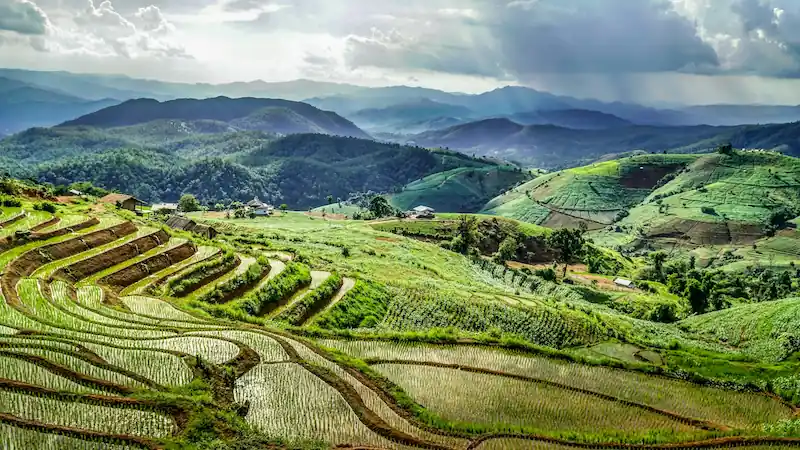
Take a full-day mountain or village excursion – Area: Chiang Mai province · Best for: Nature, waterfalls and rural northern Thailand · Time needed: Full day · Worth it: Choose Doi Inthanon for landscapes or Mae Kampong for village atmosphere. · Book ahead: Recommended for transport and small-group options.
Experience a Lanna festival if your dates align – Area: Across Chiang Mai · Best for: Yi Peng, Loy Krathong, Songkran and local traditions · Time needed: Several hours to several days · Worth it: Potentially trip-defining, but crowd and booking conditions change completely. · Book ahead: Yes for accommodation and ticketed events.
Try Muay Thai training or watch a local fight – Area: Across Chiang Mai · Best for: Sport, Thai culture and an active indoor session · Time needed: 1.5 to 3 hours · Worth it: A strong addition for active travelers or evening entertainment. · Book ahead: Recommended for beginner classes and popular fight nights.
How to choose what is actually worth doing
Chiang Mai is most rewarding when temples, food, creative culture and the surrounding mountains each have a clear place in the trip. Choose a few important sacred sites, one market evening, one food activity and one excursion instead of stacking similar stops.
Use Wat Phra Singh, Wat Chedi Luang and Wat Chiang Man to understand the Old City before adding smaller temples.
Pair Doi Suthep with Wat Pha Lat, Wat Umong or another west-side stop rather than making a rushed return journey.
Choose Sunday Walking Street for the strongest first market evening and Wua Lai Saturday Walking Street for silver craft and a smaller route.
Treat elephant activities as a welfare decision: avoid riding, performances, excessive touching and forced bathing.
Use cooking classes, Warorot Market and neighborhood food stalls to understand northern Thai ingredients beyond khao soi alone.
Add Mae Kampong, Doi Inthanon, Bua Tong waterfalls or botanical gardens according to your energy and interests, not as interchangeable day trips.
Leave space for contemporary Chiang Mai through Nimman, Baan Kang Wat, Kalm Village, MAIIAM or local workshops.
Adjust the itinerary during smoke season, heavy rain and major festivals instead of forcing mountain views or road-heavy days.
Iconic Chiang Mai experiences
These experiences explain Chiang Mai’s immediate identity: sacred mountains, Lanna temples, city walls, walking streets and the public spaces where local and visitor life overlap.
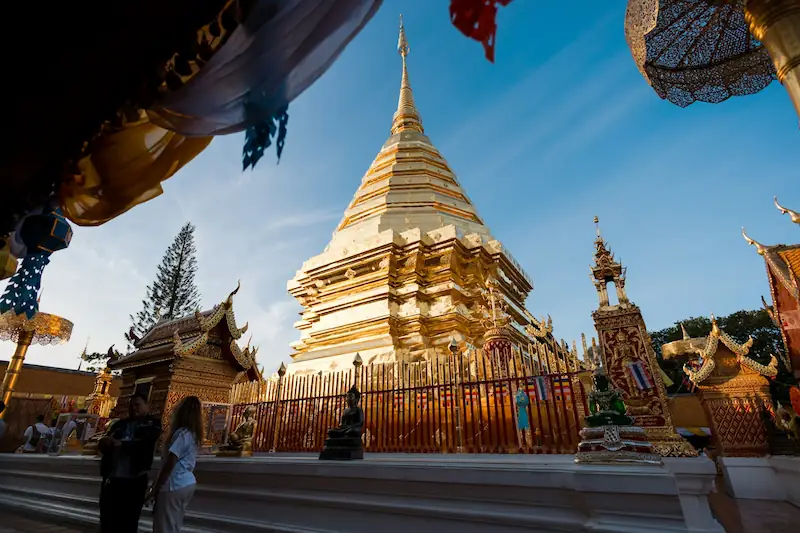
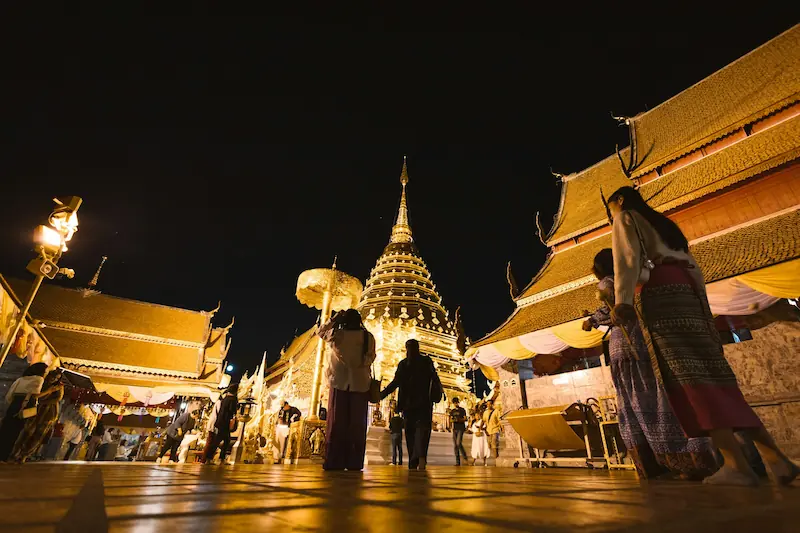
Visit Wat Phra That Doi Suthep at the right time – Doi Suthep anchors Chiang Mai spiritually and geographically. Visit early morning or late afternoon for a calmer terrace, the golden chedi and clearer appreciation of the city plain below. (First-time essential · Best for: Sacred architecture and mountain views)Find tours & experiences
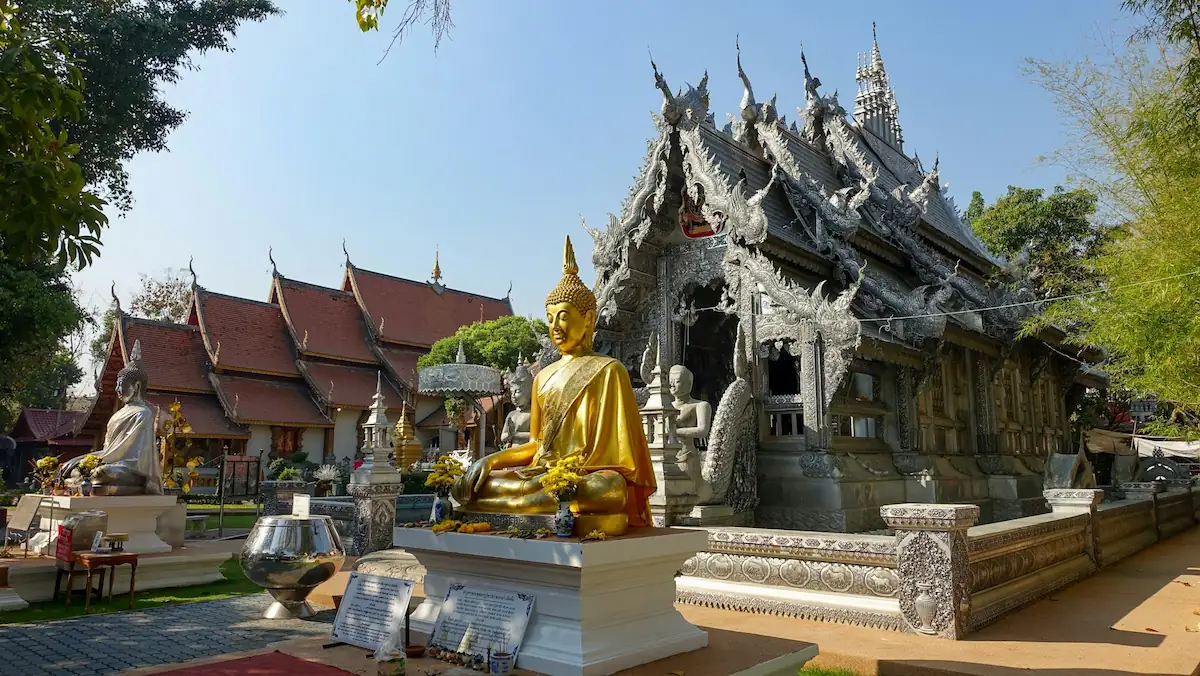
Walk from Wat Phra Singh to Wat Chedi Luang – This Old City sequence connects refined Lanna architecture, major Buddha images, monastic courtyards and the ruined brick chedi that once dominated the city. Add Wat Chiang Man only if you still have time and attention. (Old City essential · Best for: History, temples and first-day orientation)Find tours & experiences
Follow the old walls, gates and moat – Tha Phae, Chiang Mai Gate and the surviving corners of the moat make the Old City’s shape legible. Use them as a walking framework rather than isolated photo stops. (Best for: Urban history and self-guided walking)
Spend Sunday evening on Ratchadamnoen Walking Street – The Sunday market brings craft, food, music and temple courtyards into the Old City’s main east-west route. It remains the most complete market evening despite the crowds. (Best evening market · Best for: Craft, snacks and Old City atmosphere)
Visit Wat Sri Suphan and Wua Lai on Saturday – Build a Saturday evening around Wat Sri Suphan, Wua Lai Walking Street and nearby food stalls. The value lies in the complete temple, craft and market sequence rather than the silverwork alone. (Distinctly Chiang Mai · Best for: Silver craft, temple design and Saturday evenings)
Experience Chiang Mai during a major Lanna festival – Yi Peng and Loy Krathong bring lanterns, processions and river rituals, while Songkran transforms the moat and temple calendar. These periods are culturally rich but require a different plan for crowds, transport and accommodation. (Seasonal highlight · Best for: Festival culture and photography)
Use the Night Bazaar as a convenient second market – The Night Bazaar and Anusarn area are easy for shopping, food and a low-planning evening. They are less distinctive than the walking streets but useful after a day trip or for travelers staying nearby. (Best for: Convenient evening browsing)
See Chiang Mai from the Ping River side – Chang Moi, Wat Ket and the Ping River reveal Chiang Mai’s trading history, heritage houses and calmer evening atmosphere. Use Warorot as a transition point rather than the whole purpose of the route. (Best for: River heritage, architecture and slower evenings)
Cultural things to do in Chiang Mai
Chiang Mai’s culture extends from Lanna temples and manuscripts to silverwork, textiles, ceramics, contemporary art and monastic exchange. Choose experiences that reveal different forms of knowledge rather than repeating similar temple interiors.
Explore Kalm Village for craft, design and exhibitions – Kalm Village brings textiles, material culture, books, exhibitions and architecture into one compact Old City stop. It works well as a contemporary counterpoint to the temple core. (Contemporary craft · Best for: Design, textiles and a focused indoor visit)
Visit Baan Kang Wat and join a workshop – This shaded creative village combines ceramics, illustration, small studios, cafés and handmade objects. Book ahead only when a specific class or maker matters. (Worth it · Best for: Local makers and hands-on craft)
Understand Lanna history at the city museums – The Chiang Mai City Arts and Cultural Centre, Lanna Folklife Museum and nearby historic buildings explain the old kingdom, urban form, belief and daily culture. Choose one or combine them on a hot or rainy afternoon. (Best historical context · Best for: History and first-time cultural depth)
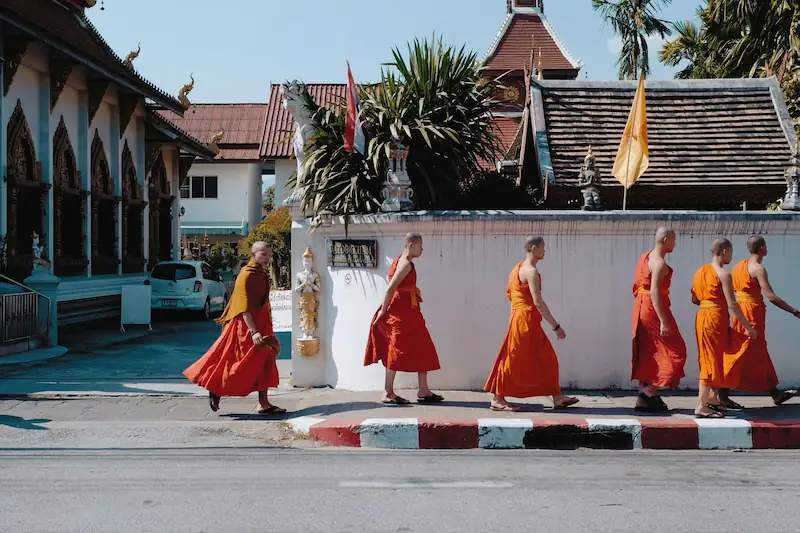
Add a respectful monk chat or meditation introduction – Structured conversations and introductory meditation sessions can add context to monastic life when approached quietly and without treating monks as an attraction. (Best for: Religious context and reflective travel)
See Wat Suan Dok and Wat Jed Yod beyond the Old City – Wat Suan Dok’s white chedis and monastic setting contrast with Wat Jed Yod’s unusual architecture and quieter grounds. They are valuable for travelers wanting temple depth without another central loop. (Best for: Temple architecture and repeat visits)
Choose MAIIAM or a contemporary gallery – MAIIAM Contemporary Art Museum and smaller city galleries show how northern Thai artists address identity, society and regional culture beyond traditional craft. (Contemporary alternative · Best for: Modern art and repeat visitors)
Follow Wua Lai’s silver and metalworking tradition – Visit Wua Lai in daylight to focus on metalworking history, workshop practice and the relationship between the craft district and Wat Sri Suphan, without depending on the Saturday market. (Best for: Traditional craft and neighborhood history)
Explore San Kamphaeng and Bo Sang selectively – The craft corridor east of Chiang Mai is known for umbrellas, silk, ceramics and workshop visits. It is most rewarding when you choose one material or maker instead of moving through factory-style stops. (With extra time · Best for: Production methods and traditional craft)Find tours & experiences
Local experiences and slower city texture
Chiang Mai’s everyday character is strongest in working markets, university-side neighborhoods, creative villages, wellness routines and outdoor spaces used by local residents.
Start early at Warorot and Ton Lam Yai markets – These neighboring markets combine food, flowers, textiles, dried goods and practical shopping. Morning provides the clearest view of everyday trade before the river side becomes an evening destination. (High payoff · Best for: Everyday city life and edible souvenirs)
Visit Jing Jai Market on a weekend morning – Jing Jai combines organic produce, prepared food, crafts, design and a relaxed community setting. It offers a more curated local morning than the tourist night markets. (Weekend favorite · Best for: Food, design and a slower market)
Spend an afternoon in Nimman and the university side – Nimman works best as contemporary city time: specialty coffee, independent shops, galleries, restaurants and easy evening options. Avoid turning it into a list of viral cafés. (Best for: Modern Chiang Mai and relaxed evenings)
Use Santitham and Chang Phueak for casual food – These north-side neighborhoods are useful for khao soi, noodles, grilled food and everyday cafés. They reward a food-led visit more than formal sightseeing. (Best for: Local meals and lower-key neighborhoods)
Recover with Thai massage or a spa ritual – Choose a reputable massage school, wellness center or calm spa where hygiene, training and pacing are clear. A well-timed treatment fits naturally between active mountain and market days. (Wellness essential · Best for: Recovery and flexible indoor time)Find tours & experiences
Spend a relaxed afternoon at Huay Tung Tao – The reservoir and mountain edge provide bamboo huts, simple meals, cycling and open views close to the city. It is best for an unhurried local-style escape rather than headline sightseeing. (Slow outdoor option · Best for: Families, cycling and quiet afternoons)
Watch live music instead of chasing a club district – North Gate Jazz Co-Op, small venues and relaxed bars fit Chiang Mai’s evening scale better than a packed nightlife route. Arrive early when a specific performance matters. (Best for: Live music and low-key nights)
Try Muay Thai training or watch a local fight – A beginner class adds movement and cultural context, while an evening fight offers a more observational experience. Choose a reputable gym or established venue rather than a tourist-only package. (Active cultural option · Best for: Sport, culture and evening activity)Find tours & experiences
Choose one mountain adventure activity – Ziplining, mountain biking, rafting and kayaking can add an active countryside day, but operator quality, season, transfer time and safety standards matter more than the headline activity. (Adventure option · Best for: Active travelers and older families)Find tours & experiences
Food experiences worth planning around
Northern Thai food gives Chiang Mai much of its identity through curry pastes, herbs, fermented flavors, grilled meats, market snacks and communal dishes. Plan one structured food experience and several simple meals across different neighborhoods.
Learn northern Thai cooking in a market-linked class – A strong class explains herbs, curry paste, cooking methods and the differences between northern and central Thai food. Farm classes add growing context, while city classes fit shorter stays. (Signature activity · Best for: Hands-on food culture)Find tours & experiences
Compare khao soi across different settings – Try a classic specialist shop, a neighborhood version and, if useful, a more contemporary interpretation. The broth, noodles, garnish and spice balance vary enough to reward comparison. (Essential local dish · Best for: First-time food exploration)
Try sai ua, nam prik and northern shared dishes – Move beyond one famous noodle dish with herbal sausage, chile dips, pork crackling, sticky rice, greens and curries designed for sharing. (Northern Thai depth · Best for: Travelers who want a broader regional meal)
Eat around Chiang Mai Gate or Chang Phueak – Both gates offer convenient evening food clusters with noodles, grilled dishes, curries, sweets and fruit. Choose one instead of rushing between several markets. (Easy street-food evening · Best for: Casual dinner and independent tasting)
Join a food tour for ordering and ingredient context – A worthwhile tour should reach beyond generic night-market samples and explain northern dishes, market etiquette, ingredients and neighborhood food routines. (Best for: First-time food orientation)Find tours & experiences
Use Warorot Market for edible gifts – Tea, dried fruit, spices, chile pastes, sweets and packaged northern products make Warorot more useful than airport souvenir shopping. Check customs rules before buying fresh or animal products. (Best for: Food shopping and gifts)
Try a khantoke dinner with realistic expectations – A khantoke meal introduces shared northern dishes and performance traditions, but experiences range from culturally informative to highly staged. Choose it when the setting and program genuinely interest you. (Optional cultural dinner · Best for: Groups and first exposure to northern dishes)Find tours & experiences
Best things to do in Chiang Mai for first-time visitors
A first trip should reveal Chiang Mai’s sacred, historic, culinary and mountain sides without turning every day into transport or temple repetition.
Visit Doi Suthep early or late in the day.
Walk the Old City between Wat Phra Singh, Wat Chedi Luang and the historic gates.
Use Sunday Walking Street or Saturday Wua Lai Market for one major market evening.
Take a northern Thai cooking class or join a focused food tour.
Visit Warorot Market and the Ping River side for everyday city life.
Choose Wat Umong and Baan Kang Wat for a calmer creative half day.
Add one carefully selected excursion such as Doi Inthanon, Mae Kampong, Bua Tong waterfalls or an ethical elephant experience.
Priority
Do
Why
Essential
Doi Suthep, Old City temple core, one walking street and northern Thai food
Together they explain Chiang Mai’s sacred, historic and everyday identity.
Strong addition
Warorot, cooking class, Wat Umong and Baan Kang Wat
They add market, food and creative depth without a long transfer.
With extra time
Doi Inthanon, Mae Kampong, elephant sanctuary or botanical gardens
Choose one according to nature, wildlife or village interests.
Free things to do in Chiang Mai
Chiang Mai is one of Thailand’s better cities for low-cost activity planning, especially if you enjoy walking, temples, markets, and neighborhood browsing.
Walk the Old City walls, gates and temple lanes early in the morning.
Browse Sunday Walking Street or Saturday Wua Lai Market without needing to shop.
Explore Warorot and Ton Lam Yai markets.
Visit smaller neighborhood temples and quiet monastic grounds.
Walk around Nimman, the university side and local galleries.
Browse Jing Jai Market on a weekend morning.
Walk the lower Monk’s Trail toward Wat Pha Lat when conditions are safe.
Spend time around the Ping River, Wat Ket and Chang Moi heritage streets.
Explore Wat Umong’s forested grounds and tunnels.
Watch city life around Tha Phae Gate and the moat.
FreeOption
BestTime
BestFor
Old City temple and gate walk
Early morning
Architecture and orientation
Sunday or Saturday Walking Street
Early evening
Craft and market atmosphere
Warorot and riverside lanes
Morning
Everyday commerce and food
Wat Umong
Morning or late afternoon
Forest calm and temple grounds
Nimman and university side
Late afternoon
Contemporary neighborhoods
Unique and unusual things to do in Chiang Mai
The most distinctive activities are usually small-scale: forest temples, craft studios, monk conversations, and mountain-edge experiences rather than spectacle.
Hike the Monk’s Trail to the forest temple of Wat Pha Lat.
See Wat Sri Suphan and learn about Wua Lai silverwork.
Join a ceramics, textile or print workshop at Baan Kang Wat or another local studio.
Attend a respectful monk chat or introductory meditation session.
Explore Kalm Village or MAIIAM for contemporary approaches to northern Thai culture.
Visit Jing Jai Market for organic produce, design and community atmosphere.
Experience Yi Peng, Loy Krathong or Songkran when the dates align.
Spend a night or day in Mae Kampong for mountain-village atmosphere.
Try a focused northern Thai meal built around nam prik, sai ua and shared dishes.
Visit Huay Tung Tao for a local-style reservoir afternoon.
Things to do in Chiang Mai at night
Chiang Mai is strongest at night when the plan stays relaxed: markets, food stalls, riverside tables, jazz, or a cooler temple return rather than a packed nightlife agenda.
Walk Sunday Walking Street or Saturday Wua Lai Market.
Eat at Chiang Mai Gate or Chang Phueak Gate food stalls.
Use the Night Bazaar and Anusarn Market for an easy evening.
Listen to live music at North Gate Jazz Co-Op or another small venue.
Have dinner beside the Ping River.
Explore Nimman’s restaurants, rooftops and relaxed bars.
Attend a khantoke dinner only when the cultural program appeals to you.
Visit Doi Suthep after dark only with reliable transport and a clear return plan.
Experience festival events during Yi Peng, Loy Krathong or Songkran when relevant.
NightOption
BestFor
PlanningNote
Sunday Walking Street
Craft, food and first-time atmosphere
Sunday only; arrive before peak crowding.
Wua Lai Saturday Market
Silver craft and a smaller walking street
Saturday only.
North Gate Jazz
Live music
Casual and often crowded.
Ping River dinner
A calmer evening
Reserve popular restaurants on weekends.
Nimman
Contemporary dining and bars
Choose a compact cluster rather than crossing the district repeatedly.
Things to do in Chiang Mai with kids
Chiang Mai works well with children when temples stay short and shaded, transfers are controlled and each day includes a hands-on, animal, food or outdoor element.
Visit Doi Suthep early and keep the temple visit focused.
Choose a cooking class that explicitly welcomes children.
Visit an ethical elephant sanctuary only after checking welfare standards and transfer length.
Use Baan Kang Wat for craft, snacks and flexible pacing.
Try Bua Tong Sticky Waterfalls with active children and safe footwear.
Visit Royal Park Rajapruek or Queen Sirikit Botanic Garden for open space and plants.
Spend time at Huay Tung Tao for an easy outdoor afternoon.
Keep dense walking streets short for younger children.
Use the Chiang Mai City Arts and Cultural Centre for a compact indoor activity.
Activity
AgeFit
WhyItWorks
Cooking class
School-age children and teens
Hands-on, structured and food-led
Ethical elephant sanctuary
Children comfortable with animals and transfers
Memorable when welfare and pacing are appropriate
Bua Tong waterfalls
Active school-age children and teens
Playful outdoor movement
Baan Kang Wat
Most ages
Craft, shade and flexible timing
Botanical garden or Rajapruek
Most ages
Space, plants and lower cultural intensity
Things to do in Chiang Mai when it rains
Rain rarely ruins Chiang Mai if you shift toward cooking, museums, massage, cafés, markets, and covered cultural stops. The key is not to force mountain views on a low-visibility day.
Join a cooking class with indoor preparation time.
Visit Kalm Village, the Lanna Folklife Museum or the city cultural center.
Choose MAIIAM or another contemporary gallery.
Book Thai massage or spa time.
Browse Warorot Market while allowing for wet edges and crowded covered lanes.
Use Nimman cafés and design shops as a flexible afternoon.
Attend a craft workshop at Baan Kang Wat or another studio.
Visit Wat Chedi Luang, Wat Phra Singh or Wat Sri Suphan in short intervals between rain.
Avoid relying on Doi Suthep or mountain viewpoints when visibility is poor.
RainyOption
BestFor
AvoidIf
Cooking class
A structured half day
You dislike group activities
City museums and Kalm Village
History, craft and culture
You want a major outdoor landmark
MAIIAM or galleries
Contemporary art
Transport conditions are poor
Massage or spa
Flexible recovery
You need a full cultural activity
Craft workshop
Hands-on indoor time
No suitable session is available
Things to do in Chiang Mai by area
Old City
The Old City concentrates Chiang Mai’s essential temples, gates, museums, walking streets and cultural institutions. Use it for one focused morning and one market evening rather than repeated rushed loops.
Wat Phra Singh
Wat Chedi Luang
Wat Chiang Man
Sunday Walking Street
Kalm Village
City Arts and Cultural Centre
Wua Lai and south of the moat
Wua Lai connects silver craft, Wat Sri Suphan, Saturday Walking Street and the food stalls around Chiang Mai Gate.
Wat Sri Suphan
Wua Lai silverwork
Saturday Walking Street
Chiang Mai Gate food market
Local workshops
Doi Suthep and the western foothills
This zone links Chiang Mai’s defining mountain temple with forest trails, Wat Pha Lat, Wat Umong and creative stops west of the city.
Wat Phra That Doi Suthep
Monk’s Trail
Wat Pha Lat
Wat Umong
Baan Kang Wat
Wat Suan Dok
Nimman and university side
Nimman represents contemporary Chiang Mai through cafés, restaurants, galleries, shops and easy evening activity rather than historic monuments.
Specialty coffee
One Nimman
University-side galleries
Restaurants and rooftops
Contemporary design
Chang Phueak and Santitham
North of the moat, these neighborhoods work best for local food, evening stalls, casual cafés and a less curated side of the city.
Chang Phueak Gate food
Khao soi shops
Santitham cafés
Local restaurants
North Gate Jazz
Chang Moi, Warorot and Wat Ket
The market and river side combines everyday trade, heritage streets, flowers, food shopping and calmer evening dining.
Warorot Market
Ton Lam Yai flower market
Chang Moi Road
Wat Ket heritage
Ping River restaurants
Night Bazaar and Chang Khlan
This commercial visitor zone is useful for straightforward shopping, food, larger hotels and low-planning evenings.
Night Bazaar
Anusarn Market
Food courts
Easy riverside access
Evening entertainment
Mae Rim and northern countryside
The northern side of the province offers gardens, waterfalls, reservoirs and rural attractions. Choose selectively because driving times and attraction quality vary.
Queen Sirikit Botanic Garden
Bua Tong Sticky Waterfalls
Huay Tung Tao
Mae Sa area
Countryside experiences
What to prioritize with limited time
Chiang Mai rewards selection. A short stay should not try to include every temple, market, sanctuary, and day trip; the strongest plans choose one clear activity focus per block of time.
Profile
Prioritize
Skip
Structure
Half day
Wat Phra Singh, Wat Chedi Luang, gates and one market or museum.
Mountain parks, elephant visits and distant villages.
Stay inside or beside the Old City.
1 full day
Doi Suthep, the Old City temple core and one evening market or food cluster.
Full-day excursions outside the valley.
Use the mountain in the morning and city in the afternoon.
2 days
Add a cooking class, Warorot or a west-side Wat Umong and Baan Kang Wat half day.
Chiang Rai unless it is the main reason for visiting.
Balance temples with food and creative culture.
3 days
Add one ethical elephant experience, Doi Inthanon or Mae Kampong.
Two long excursions back to back.
Keep two days for Chiang Mai itself and one outside the city.
4–5 days
Add hiking, gardens, craft workshops, deeper food and a second countryside experience.
Generic packages repeating the same temple and market content.
Alternate culture, food, nature and recovery.
Family trip
Cooking, a carefully selected animal experience, Baan Kang Wat, waterfalls or gardens.
Long temple chains and late crowded markets.
One major activity and one relaxed stop each day.
Culture-first stay
Old City temples, Doi Suthep, Wua Lai, city museums, craft and food.
Adventure packages with little local context.
Move from sacred architecture to craft, markets and cuisine.
Nature-first stay
Doi Inthanon, Monk’s Trail, Mae Kampong, Bua Tong or botanical gardens.
Trying to include every mountain direction.
Choose one major landscape per day and leave enough recovery time.
Best day trips and excursions from Chiang Mai
Chiang Mai’s excursions range from mountain parks and village stays to waterfalls, gardens and wildlife activities. Choose them for a specific landscape or experience rather than treating every countryside tour as equivalent.
Excursion
Best for
Time needed
First trip?
Transport
Book ahead
Doi Inthanon National Park
Thailand’s highest mountain, cloud forest, waterfalls and highland landscapes
Full day
Yes with at least 3 days
Guided tour or private driver; self-drive for confident drivers
Recommended in the cool season and for guided trails Check options
Mae Kampong
Mountain-village atmosphere, forest, cafés and a slower rural day
Full day or overnight
Strong with 4 days or more
Private driver, shared transport or guided tour
Yes for homestays, weekends and peak season Check options
Ethical elephant sanctuary
Wildlife observation with careful welfare screening
Half to full day
Optional and operator-dependent
Usually included by the operator
Yes; research welfare practices before paying Check options
Hariphunchai history, important temples and a quieter old town
Half to full day
Best for history-focused or repeat visitors
Train, private driver or self-drive
Usually no
Chiang Dao
Mountain scenery, caves, rural atmosphere and a quieter northern extension
Full day or overnight
Best with 5 days or more
Private driver, self-drive or organized excursion
Recommended for overnight stays and guided nature activities Check options
Smart activity combinations that work well together
Use these pairings to build coherent half days without spending unnecessary time crossing Chiang Mai.
Doi Suthep + Wat Pha Lat or Wat Umong – Pair the city’s mountain landmark with a quieter forest temple so the half day moves from grandeur to calm.
Wat Phra Singh + Wat Chedi Luang + Sunday Walking Street – Use the afternoon for the temple core, then remain in the Old City as the main street becomes an evening market.
Wat Sri Suphan + Wua Lai Saturday Market + Chiang Mai Gate food – This compact southern route connects silver craft, a walking street and an easy dinner.
Warorot + Chang Moi + Wat Ket + river dinner – Move from working markets and heritage streets toward a calmer evening by the Ping River.
Wat Umong + Baan Kang Wat + Nimman – Keep the day on the western side with forest calm, craft studios, coffee and dinner.
Jing Jai Market + Santitham lunch + Huay Tung Tao – A weekend combination linking a curated morning market, neighborhood food and an open-air afternoon.
Cooking class + evening food stalls – Use the class for ingredients and technique, then apply that context to simple independent eating.
City museums + Kalm Village + old-town cafés – A strong hot- or rainy-day combination of history, design and short walks.
What to book ahead in Chiang Mai
Most temples and markets remain flexible, but wildlife experiences, small cooking classes, mountain transport, workshops and festival periods require earlier decisions.
Reserve a small group or private driver in advance.
Helpful for logistics, but the road time remains substantial.
Massage and popular spas
Sometimes
Book respected spas and peak evening slots ahead.
No tour needed; quality and training matter more.
Chiang Mai things to do: quick answers
These answers cover the practical choices travelers make when deciding which Chiang Mai temples, markets, food experiences, wildlife activities and mountain excursions deserve their time.
What are the best things to do in Chiang Mai for a first visit?
Visit Doi Suthep, walk from Wat Phra Singh to Wat Chedi Luang, choose one walking street, eat northern Thai food and add either Wat Umong with Baan Kang Wat or one countryside excursion.
How many days do you need in Chiang Mai?
Three full days cover the headline activities. Four to five days allow a cooking class, one major excursion, contemporary culture and a slower local day.
Is Doi Suthep worth visiting?
Yes. It is Chiang Mai’s defining sacred landmark and the clearest connection between the city and mountain. Visit early or late and do not rely on the view during haze or poor weather.
Which temples are most worth visiting in Chiang Mai?
Start with Wat Phra Singh and Wat Chedi Luang in the Old City, then add Doi Suthep. Wat Chiang Man, Wat Umong, Wat Pha Lat, Wat Sri Suphan, Wat Suan Dok and Wat Jed Yod offer different architecture or atmosphere.
Is the Monk’s Trail worth doing?
Yes for active travelers in suitable weather. The lower trail to Wat Pha Lat provides an accessible forest hike, but heat, rain, smoke and trail conditions should guide the decision.
Which Chiang Mai night market is best?
Sunday Walking Street is the strongest all-round choice. Wua Lai is best on Saturday for silver craft and a smaller route, while the Night Bazaar works any evening for convenience.
What should you book ahead in Chiang Mai?
Book ethical elephant experiences, cooking classes, Doi Inthanon tours, Mae Kampong stays, small workshops, Chiang Rai trips and festival accommodation. Most temples and markets remain flexible.
How do you choose an ethical elephant sanctuary in Chiang Mai?
Look for small groups, observation-led visits, transparent welfare information and no riding or performances. Avoid venues built around bathing, constant touching or staged interaction.
Are elephant sanctuaries in Chiang Mai worth visiting?
They can be worthwhile when welfare standards are strong and the visit prioritizes observation and education. The word sanctuary alone does not guarantee ethical treatment.
What are the best free things to do in Chiang Mai?
Walk the Old City and moat, visit smaller temples, browse walking streets and Warorot, explore Wat Umong, walk around Nimman and the river side, and hike the lower Monk’s Trail when conditions are safe.
What are the best things to do in Chiang Mai at night?
Choose Sunday Walking Street, Wua Lai Saturday Market, Chiang Mai Gate or Chang Phueak food stalls, live jazz, a river dinner, Nimman bars or the Night Bazaar.
What are the best things to do in Chiang Mai with children?
Consider a child-friendly cooking class, Baan Kang Wat, botanical gardens, Huay Tung Tao, Bua Tong waterfalls and a carefully vetted elephant experience. Keep temples and crowded markets short.
What can you do in Chiang Mai when it rains?
Choose cooking classes, museums, Kalm Village, MAIIAM, craft workshops, massage and covered market visits. Avoid exposed trails and viewpoint-led excursions until visibility improves.
What food is Chiang Mai famous for?
Khao soi is the best-known dish, but northern food also includes sai ua sausage, nam prik dips, sticky rice, pork crackling, herbal curries and market snacks.
Are Chiang Mai cooking classes worth it?
Yes. The best classes last half a day, include a real market or ingredient introduction and teach at least one genuinely northern Thai dish.
Is Warorot Market worth visiting?
Yes. Warorot and Ton Lam Yai reveal everyday trade, food, flowers, textiles and local shopping more clearly than the tourist-focused Night Bazaar.
Is Nimman worth visiting?
Yes for contemporary Chiang Mai: cafés, restaurants, design, galleries and easy evenings. It is best used as a contrast to the Old City rather than a substitute for historic sights.
Is Baan Kang Wat worth visiting?
Yes for travelers interested in small studios, ceramics, illustration and a slower creative environment. Pair it with Wat Umong or Nimman.
Is Mae Kampong worth a day trip?
Yes for forest, village atmosphere and cafés. Allow a full day, avoid peak weekend hours when possible and consider staying overnight for a quieter experience.
Is Doi Inthanon worth visiting?
Yes for waterfalls, highland landscapes and cloud forest. Expect a full day, significant driving and cooler temperatures at elevation.
Are the Sticky Waterfalls worth visiting?
Yes for families and travelers wanting a playful half-day nature activity. Use safe footwear, follow local conditions and expect a transfer from the city.
Is a Chiang Rai day trip from Chiang Mai worth it?
Only when the White and Blue Temples are major priorities. The return journey is long, so an overnight stay gives more time and less road fatigue.
What is Chiang Mai like during Yi Peng and Loy Krathong?
The city becomes highly atmospheric but crowded, with lantern events, river activity, road closures and increased accommodation prices. Distinguish public celebrations from ticketed commercial releases.
What is Chiang Mai like during Songkran?
Songkran brings major water celebrations around the moat alongside temple rituals and family traditions. Expect wet streets, crowds, traffic changes and a very different daily routine.
When is smoke season in Chiang Mai?
Air quality is often most problematic around February to April, though timing varies each year. Check current air-quality data and keep mountain and outdoor plans flexible.
Can you visit Chiang Mai in one day?
Yes. Combine Doi Suthep with Wat Phra Singh and Wat Chedi Luang, then finish at one market or food area. Do not add a distant day trip.
Is Muay Thai worth trying in Chiang Mai?
Yes for active travelers. A beginner class provides more context and participation, while a local fight works better as evening entertainment.
Are ziplining and rafting worth doing in Chiang Mai?
They can be worthwhile when operator safety, season and transfer time are clear. Choose one adventure activity rather than stacking several similar countryside packages.
Is Chiang Dao worth visiting from Chiang Mai?
Yes with five days or more, especially for mountain scenery, caves and a quieter rural atmosphere. An overnight stay is more rewarding than a rushed day trip.
A strong Chiang Mai plan combines the Old City, Doi Suthep, northern Thai food, one market evening and one carefully chosen experience beyond the urban core.
Turn the right experiences into the right itinerary
Once you know what you want to do in Chiang Mai, the next step is turning those ideas into a trip that actually works day by day. Use the planner to organize the right mix of highlights, neighborhoods, and pace into a route that feels coherent, not crowded.