Best things to do in Berlin, from essential sights to deeper local experiences
Discover the best things to do in Berlin, from Brandenburg Gate, the Reichstag and the Berlin Wall to museums, neighborhoods, food markets, parks, nightlife and day trips. Berlin is not a city to treat as a simple checklist: its best experiences make more sense when you connect memory, geography and everyday life. Use this guide to decide what is essential, what is optional, what to book ahead, and how to combine major attractions with Kreuzberg canals, Friedrichshain evenings, Tempelhofer Feld, Museum Island, Charlottenburg, Potsdam and slower local time.
Best time
April to October gives the widest range of things to do, with outdoor history walks, parks, lakes, markets, river time and open-air evenings at their strongest. November to March works better for museums, shows, food halls, Christmas markets and lower-crowd cultural days.
Ideal trip length
Plan 3 full days for the core Berlin experience; add a fourth day for Potsdam, Charlottenburg, deeper neighborhoods, nightlife, lakes or specialist museums.
Continue planning your Berlin trip
Use this activity guide alongside the Berlin city guide, where to stay guide and Berlin itineraries. Together they help you decide what to do, where to base yourself and how to structure your days without wasting time.
What to do in Berlin first
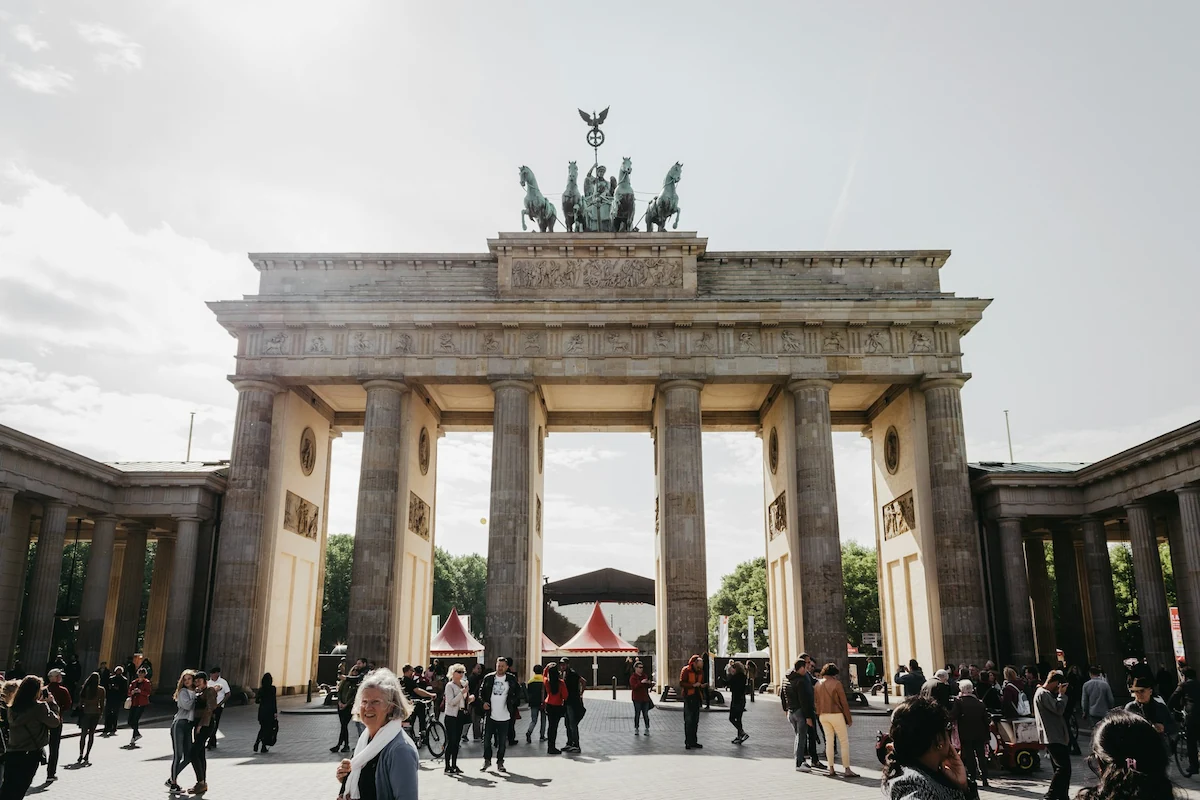
Walk from Brandenburg Gate to the Reichstag and government quarter – Area: Mitte / Tiergarten edge · Best for: First-time orientation, political Berlin and central landmarks · Time needed: 1.5–2 hours · Worth it: Essential, especially early or late when Pariser Platz and the government quarter feel less crowded. · Book ahead: Yes for the Reichstag dome; the exterior walk is spontaneous.
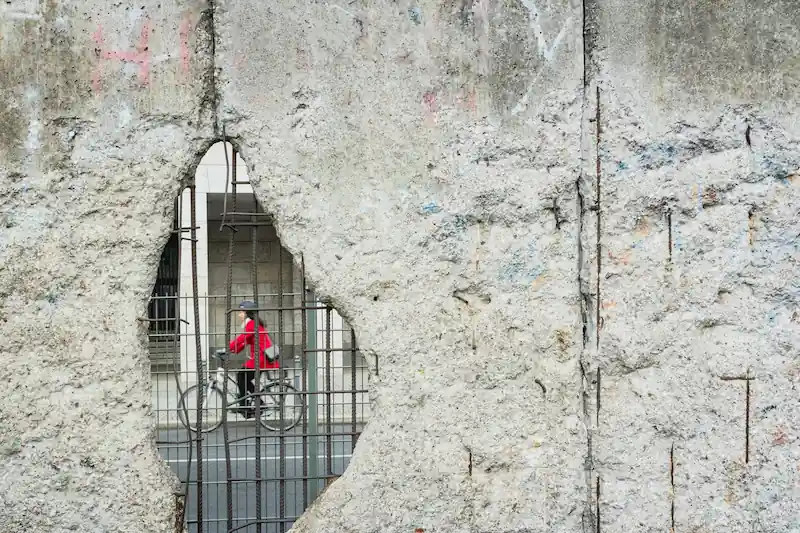
Follow the Berlin Wall story at the Berlin Wall Memorial – Area: Bernauer Strasse · Best for: Understanding divided Berlin without turning history into spectacle · Time needed: 1.5–2 hours · Worth it: The best first Wall-history stop because it explains the border system, escapes, watchtowers and lived division. · Book ahead: No, unless joining a specialist Wall or Cold War walking tour.
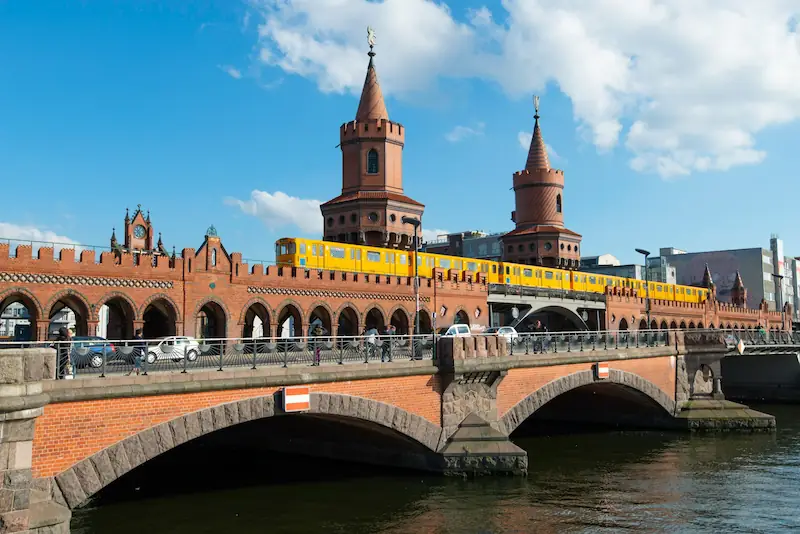
See the East Side Gallery, Oberbaum Bridge and the Spree – Area: Friedrichshain / Kreuzberg edge · Best for: Wall art, river edges, photos and east-side atmosphere · Time needed: 1–2 hours · Worth it: Worth doing, but best paired with Friedrichshain, Kreuzberg, RAW-Gelände, food or nightlife rather than treated as the only Wall experience. · Book ahead: No.
Choose one or two Museum Island collections – Area: Mitte · Best for: Major museums, archaeology, art and rainy-day depth · Time needed: 2–5 hours · Worth it: Excellent if selective; exhausting if treated as a five-museum checklist. · Book ahead: Yes for peak periods, timed-entry exhibitions and rainy weekends.
Visit the Jewish Museum Berlin – Area: Kreuzberg · Best for: Architecture, memory and serious cultural context · Time needed: 2–3 hours · Worth it: One of Berlin’s most affecting indoor experiences, especially if you want more than landmark sightseeing. · Book ahead: Useful on weekends, holidays or rainy days.
Go to the Topography of Terror and nearby Wall remains – Area: Mitte / Kreuzberg edge · Best for: Clear twentieth-century history and Nazi-era context · Time needed: 1–2 hours · Worth it: Essential for understanding Berlin’s historical weight, especially if you want more than photo stops. · Book ahead: No.
Visit the Holocaust Memorial with time and attention – Area: Mitte · Best for: Central memory and reflection · Time needed: 30–60 minutes · Worth it: Yes, especially when paired with the government quarter, Brandenburg Gate or Topography of Terror. · Book ahead: No.
Explore Kreuzberg through markets, canals and food – Area: Kreuzberg · Best for: Neighborhood texture, casual food, canals and evening energy · Time needed: 2–4 hours · Worth it: High payoff when built around Markthalle Neun, the Landwehr Canal, Oranienstrasse, Maybachufer or a food stop. · Book ahead: No, except for food tours or special events.
Spend time at Tempelhofer Feld – Area: Tempelhof / Neukölln edge · Best for: Open space, cycling, skating, sunset and everyday Berlin · Time needed: 1.5–3 hours · Worth it: Uniquely Berlin; skip only in bad weather or on a very short stay. · Book ahead: No.
Add Humboldt Forum, Berlin Cathedral or the rebuilt palace area if you want central culture beyond Museum Island – Area: Mitte · Best for: Architecture, exhibitions, central walking and Spreeinsel context · Time needed: 1–3 hours · Worth it: Useful when you want a flexible cultural stop between Museum Island, Unter den Linden and Alexanderplatz. · Book ahead: Only for specific exhibitions or guided visits.
Use one evening for Neukölln, Kreuzberg, Schöneberg or Friedrichshain – Area: South, west and east Berlin · Best for: Bars, casual food, queer nightlife, live music and late-night Berlin · Time needed: 3–5 hours · Worth it: Better than forcing one famous club into every plan; choose the district that matches your evening style. · Book ahead: Mostly no; yes for clubs, shows, concerts or structured tours.
Visit Charlottenburg Palace or City West when you want a different Berlin – Area: Charlottenburg · Best for: Palace gardens, old West Berlin, shopping streets and calmer cultural time · Time needed: 2–4 hours · Worth it: Worth adding on a longer stay or if you want Berlin beyond Mitte, Kreuzberg and the Wall narrative. · Book ahead: Useful for palace interiors, concerts or peak weekends.
Take a day trip to Potsdam – Area: Outside Berlin · Best for: Palaces, gardens and a slower contrast to the capital · Time needed: Half day to full day · Worth it: The best first excursion if you have 4 days or more. · Book ahead: Useful for palace entries and guided context.
How to choose what is actually worth doing in Berlin
Berlin is not a city where the best plan is simply to move from monument to monument. The strongest days usually combine one serious historical or cultural anchor with one neighborhood sequence, then leave space for food, parks, bars, river edges or a slower walk. The mistake is not seeing too little; it is stacking too many heavy sites until the city becomes a blur of plaques, platforms and museums. A better Berlin plan lets the city change register: political Mitte in the morning, Kreuzberg food at lunch, a former airport near sunset, then a district-led evening.
Give each day a single intellectual anchor: Wall history, Museum Island, Jewish Berlin, Cold War Berlin, contemporary neighborhoods, or old West Berlin.
Do not treat all Wall sites equally: Bernauer Strasse gives context, the East Side Gallery gives image and atmosphere, and the Topography of Terror gives institutional weight.
Use neighborhoods as activity zones, not sightseeing boxes; Kreuzberg, Neukölln, Prenzlauer Berg, Friedrichshain, Schöneberg and Charlottenburg work best when you eat, walk and pause rather than rush through them.
Book the Reichstag dome early if it matters to you; many other Berlin experiences can remain flexible unless they involve timed museum entries, shows, clubs or day trips.
Avoid saving all indoor museums for bad weather if culture is central to the trip; Berlin’s best museums deserve fresh attention, not leftover energy.
Separate memorial days from leisure days when possible; Berlin is emotionally heavy if you stack Holocaust, Wall, Nazi and Cold War sites without breaks.
Let evenings change the city’s rhythm: Berlin after dark is often more about districts, bars, cinemas, venues, queer nightlife and late transport than a single viewpoint.
Use City West, Charlottenburg, Tiergarten, lakes or Potsdam when you need Berlin to feel less dense, less east-facing and less historically compressed.
Iconic Berlin experiences that still earn their place
Berlin’s headline sights work best when they are connected by memory, scale and geography rather than treated as isolated photo stops. The strongest route moves through open squares, government glass, Wall traces, museum landscapes and heavy twentieth-century sites, with the city’s wide streets and sudden voids doing part of the work. These are the top attractions in Berlin that remain worth prioritizing on a first trip, plus the major sights to add when you have more time.
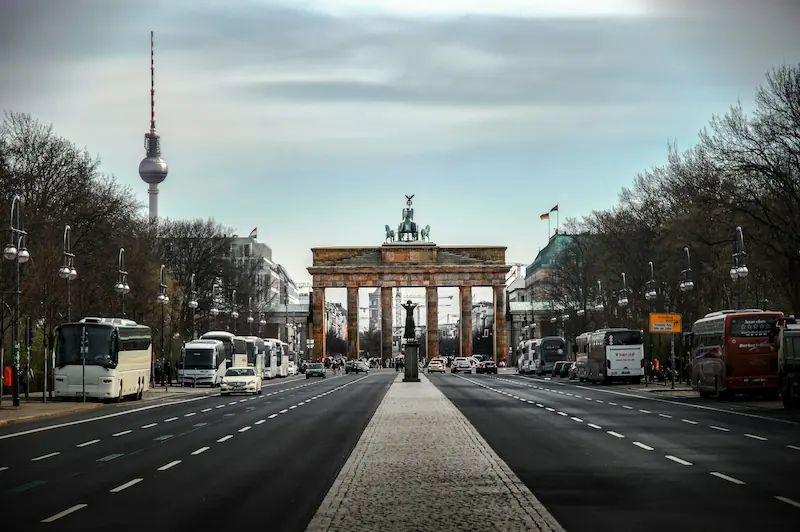
Start at Brandenburg Gate, then continue into the government quarter – Brandenburg Gate is more powerful as a threshold than as a standalone monument. Walk through Pariser Platz toward the Reichstag and the Spree to feel how ceremonial Berlin turns into parliamentary Berlin, with broad stone spaces, guarded façades and reflective glass replacing postcard symmetry. (First-time essential · Best for: A clear opening sequence)
Visit the Reichstag dome for the city’s political panorama – The Reichstag dome is one of Berlin’s rare viewpoint experiences that adds real context. The spiral ramp turns the city into a readable map of government buildings, river bends and rebuilt districts, while the architecture makes the political symbolism explicit without needing much explanation. (Book ahead · Best for: Viewpoint with meaning)Find tours & experiences
Use the Berlin Wall Memorial as your core Wall-history stop – The Bernauer Strasse memorial is the clearest place to understand the Wall as a lived border, not just a painted surface. Preserved strips, documentation panels and the viewing platform show how streets, homes and lives were cut apart in a way the city center no longer fully reveals. (High payoff · Best for: Serious Wall context)Find tours & experiences
Walk the East Side Gallery without making it your only Wall experience – The East Side Gallery is visually memorable and easy to combine with Friedrichshain, the Spree and Oberbaum Bridge. It is less reflective than Bernauer Strasse but valuable for seeing how the Wall became a public image, a political canvas and a riverfront landmark. (Worth it · Best for: Wall art and east-side walking)
Spend an hour at the Topography of Terror – This open-air and indoor documentation site is one of Berlin’s most direct explanations of Nazi power structures. Its value is not atmosphere but clarity: the location, remaining Wall section and exhibition make a difficult subject legible without theatrical framing. (Essential context · Best for: Twentieth-century history)
Visit the Holocaust Memorial with the right expectations – The Memorial to the Murdered Jews of Europe is one of central Berlin’s most important sites, but it works best as a place of reflection rather than a conventional attraction. Its field of concrete stelae is powerful precisely because it resists easy explanation, and it pairs well with the government quarter or Topography of Terror if you want Berlin’s central memory landscape to feel more complete. (Essential context · Best for: Central memory landscape)
See Checkpoint Charlie briefly, then move on – Checkpoint Charlie matters because of what it represented during the Cold War, not because the site itself is one of Berlin’s richest experiences. Most travelers should treat it as a short contextual stop within a wider historical sequence, especially if paired with Topography of Terror or a Cold War walking route, rather than giving it standalone headline status. (Short stop only · Best for: Cold War symbolism)
Choose Museum Island selectively rather than exhaustively – Museum Island can easily consume a full day, but it works better when you choose the collection that matches your interests. The Neues Museum, Alte Nationalgalerie and Bode Museum each create a different kind of cultural Berlin, from archaeological presence to nineteenth-century art and sculptural depth. (Be selective · Best for: Museum-led days)Find tours & experiences
Add Berlin Cathedral and Lustgarten for a stronger Museum Island approach – Berlin Cathedral and Lustgarten give Museum Island a more ceremonial arrival, especially if you are walking from Unter den Linden or the Humboldt Forum. The cathedral is not as essential as the museums themselves, but its dome, river setting and monumental scale help visitors read the island as an imperial and cultural stage rather than just a cluster of institutions. (Strong add-on · Best for: Architecture and central walking)Find tours & experiences
Use the Humboldt Forum to understand the rebuilt palace quarter – The Humboldt Forum is useful because it sits at the center of Berlin’s arguments about reconstruction, memory, collections and public culture. It works best as a flexible stop between Museum Island, Unter den Linden and Alexanderplatz rather than as a single must-see for every traveler. (Contextual stop · Best for: Architecture, exhibitions and central Berlin context)
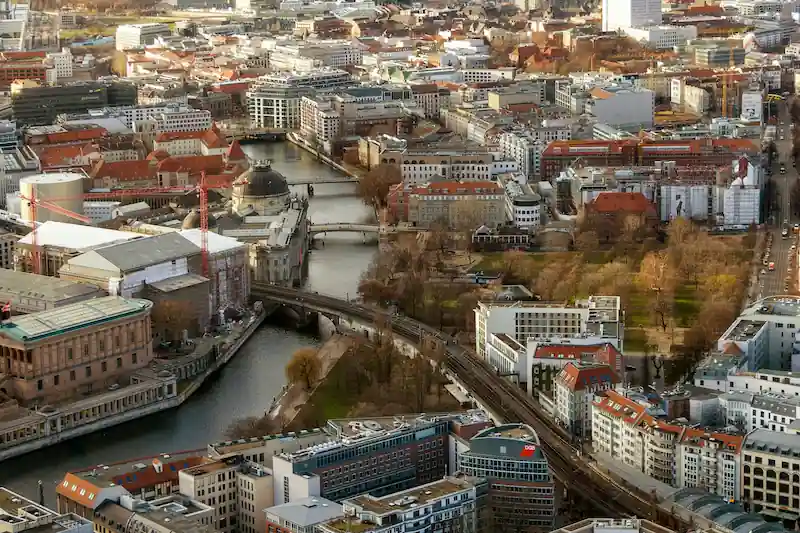
See Alexanderplatz and the TV Tower as urban scale, not beauty – Alexanderplatz is not Berlin’s most elegant square, but it reveals the city’s postwar mass, transit energy and East Berlin scale. The TV Tower is worthwhile if you want the panorama or are traveling with first-timers, though the experience is more about orientation than intimacy. (Only if you have time · Best for: Views and East Berlin scale)Find tours & experiences
Walk through Tiergarten to the Victory Column if you need air and scale – Tiergarten is Berlin’s central reset button: a large park that lets a heavy sightseeing day breathe. The Victory Column adds a classic viewpoint and old ceremonial axis, but the real value is the slower movement between the government quarter, greenery and City West. (Good decompression · Best for: Parks, walking and central scale)
Visit Charlottenburg Palace for Berlin’s western, royal layer – Charlottenburg Palace gives Berlin a register that the Wall and contemporary-city narrative can obscure: courtly architecture, gardens, old West Berlin atmosphere and a slower cultural afternoon. It is not mandatory on a two-day visit, but it is one of the best additions when you want the city to widen beyond Mitte and Kreuzberg. (Best with more time · Best for: Palace, gardens and City West)Find tours & experiences
Treat Potsdamer Platz as a quick urban-history stop, not a destination – Potsdamer Platz tells a useful story about post-reunification development, corporate architecture and the attempt to rebuild an erased center. Most visitors should pass through briefly between the government quarter, Tiergarten, Kulturforum or Topography of Terror rather than make it a long standalone stop. (Short stop only · Best for: Post-reunification urban history)
Cultural things to do in Berlin beyond the headline list
Berlin’s cultural strength is not only in famous museums; it is in the way memory, architecture, galleries, cinemas, archives, music venues and performance spaces sit inside everyday districts. A good cultural day here has texture: a quiet museum room, a courtyard passage, a concrete façade, a former railway station, then a street that suddenly feels more local than monumental. Choose fewer stops and give them enough mental space.
Visit the Jewish Museum Berlin for architecture and memory – Daniel Libeskind’s building makes absence, rupture and orientation physically felt before the exhibitions fully unfold. It is a demanding but important visit, especially for travelers who want cultural depth rather than a purely landmark-led Berlin. (High payoff · Best for: Architecture and historical memory)Find tours & experiences
Pair the Neue Nationalgalerie with Kulturforum – The Neue Nationalgalerie gives modern art a severe, elegant frame, while Kulturforum shows Berlin’s more awkward but fascinating postwar cultural planning. This is a good choice when you want art without the density of Museum Island. (Worth it · Best for: Modern art and architecture)
Use the Pergamon Panorama or Neues Museum if the Pergamon Museum is unavailable – Museum Island planning changes depending on what is open, but the key is not to abandon the area if one headline museum is unavailable. The Neues Museum, the James Simon Gallery and temporary or panoramic presentations can still give the island a strong archaeological and architectural payoff without forcing a full-day museum marathon. (Smart museum planning · Best for: Museum Island alternatives)Find tours & experiences
Explore contemporary art around Auguststrasse and Linienstrasse – Mitte’s gallery streets work best as a slow, curious circuit rather than a checklist. The appeal is in courtyards, small exhibitions, independent spaces and the shift from polished boutiques to quieter institutional corners. (Best for: Gallery browsing)
Go inside the Stasi Museum for Cold War institutional detail – The former Ministry for State Security headquarters offers a more bureaucratic, unsettling layer of East German history. It is less visually famous than central Wall sites, but it helps explain surveillance, paperwork and control as everyday systems. (For deeper context · Best for: Cold War depth)Find tours & experiences
Add the DDR Museum or German Spy Museum only for accessible Cold War context – The DDR Museum and German Spy Museum are easier, more interactive ways into divided-city themes than the Stasi Museum. They are useful with teens, bad weather or limited attention spans, but they should supplement rather than replace the Berlin Wall Memorial, Topography of Terror or a serious Cold War route. (Accessible context · Best for: Interactive history and families)Find tours & experiences
See Berlin through a historic cinema or performance venue – A night at Kino International, Friedrichstadt-Palast or a smaller independent venue adds another register to the city. This is especially useful in winter or rain, when Berlin’s interior culture feels as important as its streets. (Best for: Evening culture)Find tours & experiences
Visit Hamburger Bahnhof for contemporary scale – Set in a former railway station, Hamburger Bahnhof works when you want contemporary art in a building with strong spatial identity. The long halls and industrial proportions give the visit a different rhythm from Berlin’s classical museums. (Best for: Contemporary art)
Consider Berlin’s underground and bunker tours for hidden infrastructure – Berlin’s underground tours work when you want history explained through tunnels, shelters, transport spaces and wartime or Cold War infrastructure. They are more structured than a self-guided walk and can be one of the city’s strongest unusual cultural experiences when the guide is good. (Book ahead · Best for: Underground history and hidden spaces)Find tours & experiences
Use the Berlin Philharmonie or a major concert hall for evening culture – Berlin’s evening culture is not only bars and clubs. The Philharmonie, Staatsoper, Konzerthaus and smaller venues can turn a rainy or winter night into one of the strongest parts of the trip, especially if you want the city’s cultural seriousness without another daytime museum. (Evening upgrade · Best for: Music, performance and winter evenings)Find tours & experiences
Local experiences that make Berlin feel less packaged
Local Berlin is not a single neighborhood style; it shifts between canal edges, market halls, former runways, courtyards, lakes, flea markets, parks, street art, cafés and late-night districts. The point is not to perform being a local, but to choose places where everyday use is visible. These experiences slow the trip down while still helping you understand why Berlin feels different from more polished European capitals.
Cross Tempelhofer Feld on foot or by bike – The former airport is one of Berlin’s most distinctive public spaces: huge, exposed, democratic and slightly surreal. Come for an hour near sunset or rent a bike and let the scale of the runways reset the pace of the trip. (Uniquely Berlin · Best for: Open air and spatial drama)
Spend a Sunday between Mauerpark and Prenzlauer Berg – Mauerpark is busiest on Sundays, when flea-market browsing, buskers and the informal amphitheater give the area its social charge. Pair it with quieter Prenzlauer Berg streets afterward so the experience does not end at the crowd. (Best on Sunday · Best for: Flea markets and street life)
Browse Maybachufer market if your timing lines up – Maybachufer gives Kreuzberg and Neukölln a food-and-fabric market rhythm that feels more useful than another formal attraction. It is best when treated as part of a canal walk, lunch stop or late-afternoon neighborhood sequence rather than as a destination worth crossing the city for on its own. (Market timing matters · Best for: Canals, markets and local food)
Walk the Landwehr Canal through Kreuzberg – The canal gives Kreuzberg one of its gentler rhythms, especially around Maybachufer and Paul-Lincke-Ufer. It is best treated as a connector between coffee, market stalls, bookshops and small food stops rather than as a formal attraction. (Best for: Slow neighborhood time)
Look for courtyard Berlin around Hackesche Höfe and nearby passages – The courtyards around Hackesche Höfe show a more compressed, layered version of central Berlin: tiled façades, small shops, galleries, cafés and passages that draw you off the main street. It is tourist-facing, but still useful for understanding the city’s inner-block texture. (Best for: Courtyards and compact walking)
Use a bike tour or self-guided ride when you want Berlin’s scale to make sense – Berlin is wide, flat and historically spread out, so cycling can connect places that feel fragmented by public transport: government Berlin, Tiergarten, Wall traces, Tempelhofer Feld, Kreuzberg and Spree edges. A good bike route is not just transport; it helps the city’s scale become readable. (Good orientation · Best for: Active sightseeing and geography)Find tours & experiences
Take a Spree boat trip only when you want low-effort orientation – A river cruise can be a smart low-energy way to see Berlin’s museum façades, government buildings, bridges and rebuilt center, especially with children, older travelers or tired legs. It is not the city’s deepest experience, but it can work well between heavier historical blocks. (Easy orientation · Best for: Low-effort sightseeing)Find tours & experiences
Use a lake or river edge when the weather is good – Berlin’s outdoor life expands quickly in warm weather, from Treptower Park and Plötzensee to Wannsee and smaller neighborhood edges. A lake afternoon is not filler; it shows how Berliners escape the city without really leaving it. (Seasonal payoff · Best for: Warm-weather local rhythm)
Spend warm weather at Treptower Park, Plötzensee or Wannsee – Berlin’s outdoor life is not limited to central parks. Treptower Park, Plötzensee, Wannsee and smaller water edges show how quickly the city opens into swimming, picnics, beer gardens and long summer afternoons. This is especially useful on a longer stay when another museum would feel like too much. (Warm-weather payoff · Best for: Lakes, parks and summer rhythm)
Browse RAW-Gelände before an east-side evening – RAW-Gelände is rough-edged, busy and uneven, but it captures a side of Friedrichshain that is more useful as a pre-evening zone than as a polished attraction. Go for street art, casual drinks, events or simply to bridge the East Side Gallery and later nightlife. (Best for: Alternative east Berlin atmosphere)
Look for street art in Kreuzberg and Friedrichshain with context – Berlin street art is most rewarding when it is connected to district change, squats, nightlife, migration and post-Wall reuse rather than treated as a mural scavenger hunt. Kreuzberg, Friedrichshain and parts of Mitte can all work, but a guided route helps if you want meaning rather than snapshots. (Tour can help · Best for: Street art and alternative Berlin)Find tours & experiences
Understand Berlin after dark beyond the cliché – Berlin nightlife is not one thing and should not be reduced to one famous club. Kreuzberg and Neukölln are better for flexible evenings of bars, food and late cafés, while Friedrichshain is more club-forward and easier to treat as a later night. The smartest approach is to choose one nightlife lane for the evening rather than trying to force the whole mythology of Berlin into a single plan. (High payoff · Best for: Bars, nightlife and club culture)Find tours & experiences
Food experiences that help you read Berlin
Berlin’s food scene is strongest when you stop looking for one definitive local cuisine. The city’s most useful food experiences move between Turkish-influenced street food, market halls, bakeries, Vietnamese kitchens, contemporary casual dining, beer gardens and old-school German plates. Food is also one of the best ways to structure neighborhoods without turning the day into a forced tasting route.
Build a lunch or evening around Markthalle Neun – Markthalle Neun is the cleanest food-led entry into Kreuzberg, especially when an event or street-food night is running. Even on quieter days, it works as a base for bread, coffee, casual counters and a neighborhood walk afterward. (High payoff · Best for: Market-led eating)
Eat Turkish and Middle Eastern food around Kreuzberg and Neukölln – Some of Berlin’s most satisfying meals are casual, fast and neighborhood-rooted rather than formal. Use kebab, lahmacun, grill houses, bakeries and late-night counters as part of a south/east Berlin evening, not just a quick snack between museums. (Best for: Casual local food culture)Find tours & experiences
Use Thai Park, beer gardens or outdoor food spots in warm weather – Warm-weather Berlin changes the food map: Thai Park, beer gardens, canal-side snacks, lake kiosks and open-air tables can matter more than formal restaurants. These experiences are weather-dependent, but they help the trip feel connected to how Berliners actually use summer weekends. (Seasonal · Best for: Summer food and informal eating)
Try Vietnamese food as part of Berlin’s current everyday eating – Vietnamese restaurants are a major part of Berlin’s casual food landscape, especially around Mitte, Prenzlauer Berg, Friedrichshain and parts of the east. This is a better way to understand contemporary Berlin than limiting food plans to currywurst and schnitzel. (Best for: Casual contemporary Berlin)
Try a Berlin food tour only if it links districts and history – A food tour is worth it when it explains migration, markets, postwar neighborhoods and contemporary eating habits rather than simply handing out samples. Kreuzberg, Neukölln and Prenzlauer Berg are better fits than a generic city-center route. (Tour can help · Best for: Food with context)Find tours & experiences
Use breakfast and bakeries as a neighborhood test – Berlin’s café culture is practical and revealing: some areas feel polished and laptop-heavy, others slower, more residential or more international. A morning bakery stop in Prenzlauer Berg, Kreuzberg or Neukölln can set the day’s tone better than another rushed attraction. (Best for: Slow starts)
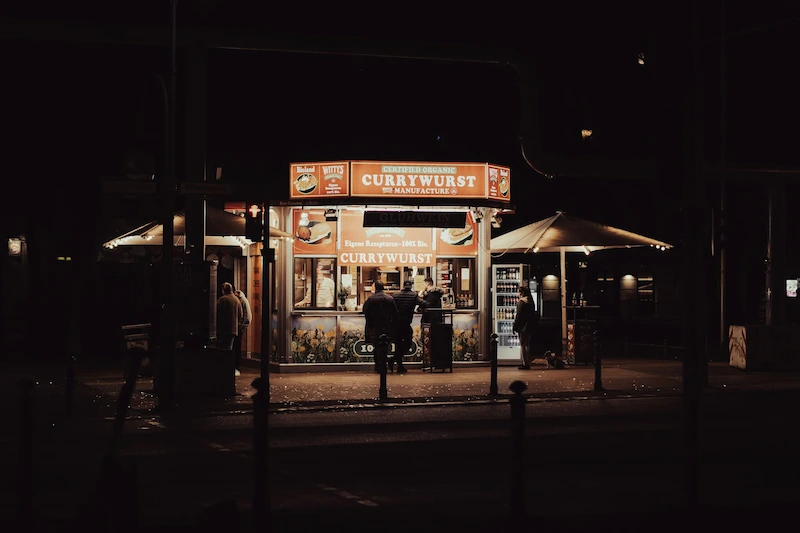
Keep one classic German meal, but do not build the trip around it – Currywurst, schnitzel, beer halls and traditional restaurants still have their place, especially for first-timers. But Berlin’s food identity is broader and more hybrid than the old checklist suggests, so use one classic stop and let the rest of the trip be more current. (Best for: First-timer food baseline)Find tours & experiences
Treat food halls and markets as planning anchors, not just meal stops – Berlin food halls, weekly markets and neighborhood counters can solve a practical problem: they give you a reason to structure a walk. Markthalle Neun, Maybachufer, Arminiusmarkthalle or smaller local markets work best when the surrounding area becomes part of the activity. (Useful planning tool · Best for: Food-led neighborhood planning)Find tours & experiences
Best things to do in Berlin for first-timers
First-time Berlin should balance recognisable landmarks with enough historical and neighborhood depth to make the city intelligible. The goal is not to see every famous name; it is to understand power, division, memory, culture and daily life in a sequence that still feels enjoyable.
Start with Brandenburg Gate, the Reichstag exterior and the government quarter to establish the city’s symbolic center.
Use the Berlin Wall Memorial as your main Wall-history stop, then add the East Side Gallery for visual contrast.
Choose either Museum Island or the Jewish Museum as your main cultural anchor on a short visit; do not try to make both exhaustive.
Add Topography of Terror or the Holocaust Memorial for central historical context, but avoid stacking every heavy site in the same morning.
Spend one evening in Kreuzberg, Neukölln, Schöneberg or Friedrichshain rather than staying only around Mitte.
Add Tempelhofer Feld if the weather is good; it gives Berlin a sense of scale few monuments can match.
Use Charlottenburg, Tiergarten or a Spree boat trip if you need a gentler counterweight to museums and memorials.
Skip distant or niche museums on a first stay unless they match a specific interest.
Priority
Best choices
Why it matters
Essential first layer
Brandenburg Gate, Reichstag, Berlin Wall Memorial, Museum Island or Jewish Museum
These explain power, division, memory and cultural scale.
Second layer
East Side Gallery, Kreuzberg, Tempelhofer Feld, Topography of Terror, Holocaust Memorial
They add street-level Berlin, open space and twentieth-century context.
Useful add-ons
Humboldt Forum, Berlin Cathedral, Tiergarten, TV Tower, DDR Museum, German Spy Museum
They broaden the trip without demanding a full extra day.
Excellent, but less efficient on a very short stay.
Free things to do in Berlin that are genuinely worthwhile
Berlin is unusually strong for free outdoor history, public space and neighborhood walking. The key is to combine free stops into coherent sequences rather than scatter them across the map.
Walk from Brandenburg Gate to the Reichstag and along the Spree government quarter.
Visit the Berlin Wall Memorial at Bernauer Strasse for one of the city’s best free history experiences.
Follow the East Side Gallery, then cross Oberbaum Bridge into Kreuzberg or Friedrichshain.
Spend time at Tempelhofer Feld, especially near sunset or on a warm weekend.
Use the Topography of Terror’s exterior and documentation areas for clear historical context.
Visit the Holocaust Memorial with enough time to slow down rather than simply pass through.
Browse Mauerpark on Sunday, even if you do not plan to shop.
Walk the Landwehr Canal around Kreuzberg and Maybachufer for slower local rhythm.
Use Tiergarten, Treptower Park or Spree edges when you need free open space close to sightseeing routes.
Explore Hackesche Höfe and nearby courtyards for a compact central walk.
Free experience
Where
Best time
Best free history
Berlin Wall Memorial, Topography of Terror, East Side Gallery, Holocaust Memorial
Morning for quieter reading and fewer groups
Best free open space
Tempelhofer Feld, Tiergarten, Treptower Park, Spree edges
Government quarter bridges, Oberbaum Bridge, park slopes and Spree embankments
Golden hour or after dark
Unique and unusual things to do in Berlin
Berlin’s unusual experiences work best when they reveal a real layer of the city, not just novelty. Prioritize places where architecture, memory, reuse or local habits explain why Berlin feels different from other capitals.
Cross the runways of Tempelhofer Feld, where the scale of a former airport has become everyday public space.
Visit the Stasi Museum for a quieter, more administrative view of surveillance and control.
Explore RAW-Gelände before an east-side evening, accepting its roughness as part of the point.
Look for courtyard networks around Mitte, especially where shops, galleries and passages sit behind formal street fronts.
Choose a Berlin underground or bunker tour if you want infrastructure, shelters and hidden spaces explained properly.
Use a street-art tour in Kreuzberg or Friedrichshain if you want alternative Berlin with context rather than just murals.
Spend warm-weather time at a lake, river edge or outdoor food spot to understand Berlin’s escape rhythm.
Add Teufelsberg only on a longer stay if you want Cold War ruins, views and street-art atmosphere outside the center.
Use Schöneberg for queer history and old West Berlin nightlife rather than treating Berlin after dark as only Friedrichshain club culture.
Unique angle
Best choice
Why it works
Best reuse story
Tempelhofer Feld, RAW-Gelände, Hamburger Bahnhof
They show how Berlin turns former infrastructure into public, cultural or nightlife space.
Best hidden-history option
Berlin underground tours, Stasi Museum, German Spy Museum
They explain systems, surveillance and infrastructure that are hard to read from the street.
Best local rhythm
Lakes, Maybachufer, Mauerpark, canal walks
They make Berlin feel lived-in rather than purely monumental.
Things to do in Berlin at night
Berlin at night is less about a single illuminated landmark and more about choosing the right district, venue or late sequence. Keep the plan flexible unless a show, club or restaurant is the point of the evening.
Start with dinner and bars in Kreuzberg or Neukölln if you want a local-feeling evening without committing to club culture.
Use Friedrichshain for a later, louder east-side night, especially around RAW-Gelände, Simon-Dach-Strasse and nearby club districts.
Choose Schöneberg if queer history, established bars and old West Berlin nightlife matter more than techno mythology.
Book Friedrichstadt-Palast, a concert, opera, comedy night or independent cinema for a structured rainy or winter evening.
Walk the government quarter, Brandenburg Gate and Museum Island after dark for a quieter, more architectural version of central Berlin.
Take a food, beer or craft-beer-focused evening tour only if you want social structure and neighborhood context.
Approach clubs selectively: the experience can define a Berlin trip, but it should not dominate every traveler’s plan.
Keep late transport in mind and choose one district for the night rather than hopping across the entire city.
Friedrichshain, Kreuzberg, Schöneberg, club districts
Travelers who want Berlin’s nightlife or queer culture
Quiet central night walk
Brandenburg Gate, Reichstag, Spree, Museum Island
Architecture, lights, low-cost evening time
Things to do in Berlin with kids
Berlin works well with children when you mix history in small doses with open space, transport breaks and interactive indoor stops. Avoid building a family day around too many serious memorial sites in a row.
Use Tempelhofer Feld for cycling, skating, kites and space to decompress after museums.
Choose the Deutsches Technikmuseum for planes, trains and hands-on industrial history.
Visit the Aquarium Berlin or Zoo Berlin when you need a familiar but strong family anchor.
Keep the East Side Gallery short and visual, then add a river, bridge or food stop nearby.
Try ANOHA, the children’s world of the Jewish Museum, for younger travelers who need a more tactile indoor experience.
Use the TV Tower, Reichstag dome or a Spree boat trip for orientation if your children respond well to viewpoints and movement.
Use the DDR Museum or German Spy Museum for interactive history with older children and teens.
Save playgrounds, parks, Tiergarten or lake time for the second half of the day, when attention drops.
Avoid putting the Holocaust Memorial, Topography of Terror, Sachsenhausen and the Stasi Museum into one family-heavy sequence.
Berlin Wall Memorial, East Side Gallery, Technikmuseum, DDR Museum, Spy Museum, Reichstag dome
Too many memorial sites in one day
Bad weather family day
Technikmuseum, Museum Island, planetarium, cinema, aquarium, DDR Museum
Overcommitting to outdoor neighborhood walks
High-energy day
Tempelhofer Feld, Tiergarten, lake edges, bike tours, playgrounds
Back-to-back timed entries
Things to do in Berlin when it rains
Rainy Berlin is not a problem if you treat indoor time as part of the city’s substance, not a backup plan. The best choices are museums, markets, cinemas, shows and interiors with enough identity to carry several hours.
Choose Museum Island for a serious museum day, but limit yourself to one or two collections.
Visit the Jewish Museum Berlin when you want a powerful indoor experience with architectural force.
Use Markthalle Neun, Arminiusmarkthalle or another food hall as a lunch anchor rather than only hiding from the weather.
Book the TV Tower only if visibility is acceptable; skip it if low clouds make the view pointless.
Go to the Deutsches Technikmuseum for a family-friendly rainy-day block.
Choose a historic cinema, concert, opera, comedy night or Friedrichstadt-Palast for the evening instead of forcing wet outdoor sightseeing.
Add the Stasi Museum, DDR Museum, German Spy Museum or Berlin Story Bunker if your interest is Cold War, espionage or twentieth-century history.
Use Charlottenburg Palace, the Neue Nationalgalerie or Hamburger Bahnhof if you want indoor culture away from Museum Island crowds.
Save outdoor Wall sites for a clearer window unless the weather is light enough for reading panels comfortably.
Rainy Day need
Best option
Time needed
Best serious culture
Museum Island, Jewish Museum, Neue Nationalgalerie, Hamburger Bahnhof
2–5 hours
Best with kids
Technikmuseum, Aquarium, ANOHA, planetarium, DDR Museum, Spy Museum
1.5–4 hours
Best evening solution
Cinema, show, concert, opera, food-led night
2–4 hours
Best indoor history
Stasi Museum, Berlin Story Bunker, DDR Museum, Topography of Terror interior exhibition
1.5–3 hours
Things to do in Berlin by area
Mitte
Mitte is where Berlin’s landmark, museum and institutional weight is most concentrated. Use it for core sights, Museum Island, government architecture, memorial landscapes and the clearest first-day orientation.
Brandenburg Gate, Reichstag and the government quarter
Museum Island, Berlin Cathedral, Humboldt Forum and Unter den Linden
Topography of Terror, Holocaust Memorial and nearby Wall remains
Hackesche Höfe and central courtyard walks
Alexanderplatz and the TV Tower if you want a panorama
Potsdamer Platz as a short post-reunification urban-history stop
Kreuzberg
Kreuzberg is best used as a walking, food and evening district rather than a checklist. Its value comes from canals, markets, migration-led food culture, street art and a more informal rhythm just outside the landmark core.
Landwehr Canal, Maybachufer and Paul-Lincke-Ufer walks
Markthalle Neun and casual food stops
Jewish Museum Berlin on the district edge
Bars and restaurants for a flexible evening
Street art, smaller cultural spaces and food tours
Easy connection to Friedrichshain via Oberbaum Bridge
Friedrichshain
Friedrichshain works well after the East Side Gallery, especially if you are moving toward an evening plan. Expect a rougher, louder and more nightlife-oriented rhythm than central Berlin.
East Side Gallery and Oberbaum Bridge
RAW-Gelände before evening
Casual restaurants, bars and late venues
Spree-side walking and links toward Kreuzberg
Street art and alternative tours
Nightlife if that is part of your Berlin plan
Prenzlauer Berg
Prenzlauer Berg is softer and more residential, useful for cafés, Sunday markets, families and slower walking. It balances heavier historical days well and pairs naturally with the Berlin Wall Memorial.
Mauerpark on Sundays
Kollwitzkiez cafés and neighborhood streets
Family-friendly parks and playgrounds
Independent shops and relaxed morning walks
Easy pairing with the Berlin Wall Memorial
Good breakfast and bakery stops
Neukölln
Neukölln is strongest for food, bars, casual nightlife and a more contemporary south-Berlin feel. It rewards travelers who prefer unpolished local energy to formal attractions.
Turkish and Middle Eastern food stops
Bars and late cafés
Canal-edge walking near Maybachufer
Creative and independent venues
Easy pairing with Kreuzberg for an evening
Good follow-up after Tempelhofer Feld
Charlottenburg and City West
Charlottenburg and City West offer Berlin’s western, more classical register. Use this area for palace interiors, old West Berlin boulevards, shopping streets, the zoo, design museums and a calmer cultural counterpoint.
Charlottenburg Palace and gardens
Kurfürstendamm and old West Berlin atmosphere
Kaiser Wilhelm Memorial Church
Zoo Berlin and Aquarium Berlin
Photography, design and cultural museums nearby
A quieter base for a refined afternoon or family block
Schöneberg
Schöneberg adds an important layer of old West Berlin, queer history and established nightlife that is often overlooked by first-time visitors focused only on Mitte or Kreuzberg. It works best for travelers who want evening culture, residential elegance and a different social history from the east-side club narrative.
Historic queer Berlin context
Bars, restaurants and evening streets
Old West Berlin atmosphere
Good base for a calmer but still connected stay
Easy links toward Charlottenburg and central west Berlin
A better fit than Friedrichshain for some nightlife styles
Tempelhof and the south
This area is about scale and open air rather than dense sightseeing. Tempelhofer Feld is the main reason to come, especially in good weather, with children or when museum fatigue sets in.
Tempelhofer Feld runways
Cycling, skating and sunset walks
Picnic-style open-air time
Easy connection toward Kreuzberg or Neukölln
A strong break from museum-heavy days
Good warm-weather decompression
Tiergarten and the park belt
Tiergarten is the best central area for breathing room between major sights. It helps connect the Reichstag, government quarter, Victory Column, zoo edge and City West without adding another heavy museum or memorial.
Tiergarten walks after the government quarter
Victory Column viewpoint if you want a classic panorama
Spree bridges and park paths
Easy links toward Charlottenburg and Zoo Berlin
Good reset between central sightseeing blocks
Lakes, rivers and outer green Berlin
Berlin’s water and green edges become important on longer stays and in warm weather. Use them when you want to understand how the city relaxes, escapes and widens beyond its historical center.
Wannsee for a classic lake escape
Plötzensee for easier summer swimming energy
Treptower Park and Spree edges
Peacock Island as a slower excursion
Good alternative to another museum on a warm afternoon
What to prioritize in Berlin depending on your time
Berlin rewards sharper choices more than exhaustive ambition. The best plan is to decide what kind of Berlin you want to understand first, then let secondary experiences support that choice. A short stay should prioritize landmarks, Wall history and one strong cultural anchor; a longer stay can widen into neighborhoods, lakes, Charlottenburg, nightlife and day trips.
Profile
Prioritize
Skip
Structure
Half day
Brandenburg Gate, Reichstag exterior, government quarter and either the Berlin Wall Memorial or Topography of Terror.
Museum Island interiors, distant neighborhoods, Charlottenburg and Potsdam.
Keep it central and historically coherent; do not waste the window crossing the city repeatedly.
1 full day
Central landmarks, one Wall-history anchor, one museum or memorial, and one evening in Kreuzberg, Schöneberg or Friedrichshain.
Multiple museums, lake trips, Charlottenburg Palace and niche Cold War sites.
Build the day around Mitte plus one south/east or west evening district rather than trying to see all sides of Berlin.
2 days
Add Museum Island or the Jewish Museum, East Side Gallery, Tempelhofer Feld and a food-led Kreuzberg or Neukölln sequence.
Potsdam unless palaces matter more than Berlin neighborhoods.
Use one day for landmark and memory Berlin, the other for culture, open space and local districts.
3 days
Include deeper cultural choices such as Stasi Museum, Hamburger Bahnhof, Neue Nationalgalerie, Charlottenburg, a bike tour or a specialized walking tour.
Overlong sightseeing buses, generic attraction stacking and repeating the same central route.
Give each day a theme: divided city, cultural depth, local neighborhoods and evening Berlin.
4 days or more
Add Potsdam, lakes, Charlottenburg Palace, Teufelsberg, underground tours or a more specific district-led day in Neukölln, Prenzlauer Berg, Wedding, Schöneberg or City West.
Adding more central monuments just because they are famous.
Use the extra time to slow down and widen the map instead of intensifying the checklist.
Repeat visit
Contemporary art, lakes, courtyards, markets, architecture, queer history, food, underground tours and specialized history routes.
Brandenburg Gate photo stops and broad introductory tours.
Choose one deep interest per day and let neighborhoods carry the rest.
Family trip
Tempelhofer Feld, Technikmuseum, Zoo or Aquarium Berlin, East Side Gallery, Reichstag dome, boat trip and one short historical anchor.
Back-to-back heavy memorial sites and long museum days without open-space breaks.
Alternate one learning block with one movement or food block.
Winter or rainy stay
Museum Island, Jewish Museum, Stasi Museum, DDR Museum, concerts, cinemas, food halls, shows and Christmas markets in season.
Long canal walks, lakes, outdoor Wall-reading routes in heavy rain and visibility-dependent viewpoints.
Make indoor culture the plan, not the backup.
Best day trips and excursions from Berlin
Berlin has enough substance to fill several days, so day trips should be chosen carefully. Potsdam is the clearest first extension; Sachsenhausen is historically important but emotionally heavy; lakes and Brandenburg nature work best when weather and trip length support them. Most first-time visitors should only leave Berlin once they have given the city itself proper time.
Excursion
Best for
Time needed
First trip?
Transport
Book ahead
Potsdam and Sanssouci
Palaces, gardens and a slower Prussian counterpoint
Half day to full day
Yes, if you have at least 4 days
Regional train or S-Bahn, then walking, tram or bus
Useful for palace entries and guided tours in peak season Check options
Sachsenhausen Memorial
Serious historical learning
Half day to full day
Only if you are prepared for a heavy visit
Train to Oranienburg, then walk or local transport
A guided visit can add important context Check options
Wannsee and Peacock Island
Water, gardens and a calmer warm-weather escape
Half day
Optional
S-Bahn and local bus or ferry connections
Usually no, except for seasonal ferry or palace logistics
Only if you already know Berlin or have extra time
Train or coach; guided day trips simplify timing
Yes if combining transport and guided sightseeing Check options
Teufelsberg and Grunewald
Cold War ruins, street art, views and a green western edge
Half day
Optional; better for repeat visitors or longer stays
S-Bahn plus walk or local transport
Useful for tours or timed access depending on the visit style Check options
Brandenburg lakes and nature parks
Cycling, swimming, walking and a break from the city
Half day to full day
Only in warm weather or on longer stays
Regional train, S-Bahn, bike or local transport depending on the destination
Usually no, unless combining transport with a guided outdoor activity Check options
Smart Berlin activity combinations
These are not full itineraries; they are combinations that work because the geography, mood and energy level fit together. Use them to avoid the most common Berlin mistake: crossing the city for isolated sights that would feel stronger if sequenced with nearby context.
Political Berlin plus Wall memory – Start at Brandenburg Gate, walk to the Reichstag and government quarter, then move to the Berlin Wall Memorial at Bernauer Strasse. The sequence works because it connects state power, reunification symbolism and the lived reality of division without turning the day into scattered sightseeing.
Museum Island plus Humboldt Forum, Berlin Cathedral and courtyards – Choose one Museum Island collection, then add Berlin Cathedral, the Humboldt Forum or Hackesche Höfe depending on energy. This keeps the day cultural but avoids museum fatigue, with a shift from formal collections to architecture, reconstruction and smaller urban texture.
Topography of Terror, Holocaust Memorial and Checkpoint Charlie – Use this as a compact central history sequence, but keep expectations clear: Topography of Terror carries the strongest interpretive weight, the Holocaust Memorial requires reflection, and Checkpoint Charlie should remain a brief symbolic stop.
Kreuzberg food, canal and evening bars – Build the afternoon around Markthalle Neun, Maybachufer or a casual food stop, then walk the Landwehr Canal before moving into bars or dinner. The combination works because Kreuzberg is strongest when food, walking and evening atmosphere carry the district together.
East Side Gallery, Oberbaum Bridge and Friedrichshain night – See the East Side Gallery late afternoon, cross or photograph Oberbaum Bridge, then continue toward RAW-Gelände or Friedrichshain for food and drinks. It turns a famous wall segment into a broader east-side evening rather than an isolated stop.
Tempelhofer Feld plus Neukölln – Use Tempelhofer Feld for open-air scale, then continue into Neukölln for casual food, cafés or bars. The shift from exposed runway space to dense neighborhood streets gives the day a very Berlin change of rhythm.
Charlottenburg Palace, Ku'damm and City West – Use Charlottenburg Palace and gardens as the anchor, then continue toward Kurfürstendamm, Kaiser Wilhelm Memorial Church, Zoo Berlin or a calmer dinner in City West. This combination works when you want Berlin to feel less raw and less east-facing.
Tiergarten, Victory Column and a low-pressure central afternoon – After a heavy morning in Mitte, walk or ride through Tiergarten toward the Victory Column or Zoo edge. It gives the trip a necessary open-space pause without leaving the central map.
Rainy-day culture plus evening performance – Use Museum Island, the Jewish Museum, Hamburger Bahnhof or the Technikmuseum during the day, then book a concert, cinema or Friedrichstadt-Palast in the evening. This makes bad weather feel intentional rather than like a compromised version of Berlin.
What to book ahead in Berlin
Berlin is flexible compared with many European capitals, but a few experiences benefit from advance planning. Book when access is limited, timing matters, weather visibility affects the value, or a guide changes the quality of the experience; stay spontaneous for walks, markets, parks and most neighborhoods.
Book ahead for summer weekends, sunset slots or small-group tours.
Boat trips are mostly orientation; bike tours can add real geographic and historical structure.
Neighborhood walks, markets, parks and Tempelhofer Feld
No
Use weather, market days and energy level to decide spontaneously.
Usually unnecessary unless you want street art, food or history interpreted.
Berlin things to do FAQ
Clear answers to the questions travelers ask when deciding what is worth their time in Berlin, how to sequence activities, what to skip, what to book and how to balance history, neighborhoods, museums, food, nightlife and day trips.
What are the best things to do in Berlin on a first visit?
Start with Brandenburg Gate, the Reichstag area, the Berlin Wall Memorial, Museum Island or the Jewish Museum, Topography of Terror and one evening in Kreuzberg, Neukölln, Schöneberg or Friedrichshain. Add the East Side Gallery and Tempelhofer Feld if you have enough time. This gives you landmarks, history, culture, local rhythm and open space without turning the trip into a checklist.
How many days do you need for Berlin activities?
Three full days is the best minimum for Berlin if you want more than a surface-level visit. Two days can cover central landmarks, one Wall-history anchor, one museum and one neighborhood evening, but it will feel selective. Four days lets you add Potsdam, Charlottenburg, deeper museums, lakes, nightlife or more local districts.
Is Berlin worth visiting for only one day?
Berlin is worth visiting for one day if you keep the plan focused. Prioritize Brandenburg Gate, the Reichstag exterior, the government quarter, one serious history site such as the Berlin Wall Memorial or Topography of Terror, and one evening district. Do not try to include Museum Island, Potsdam, multiple neighborhoods and nightlife in the same short window.
What should you not miss in Berlin?
Do not miss the central political landscape around Brandenburg Gate and the Reichstag, the Berlin Wall Memorial, one major cultural anchor such as Museum Island or the Jewish Museum, and at least one neighborhood sequence outside pure sightseeing. Tempelhofer Feld, Kreuzberg, the East Side Gallery and Topography of Terror are the strongest second-layer additions for most travelers.
Is the Berlin Wall Memorial or East Side Gallery better?
The Berlin Wall Memorial is better for understanding the history of division, escape routes and the border system. The East Side Gallery is better for visual impact, photos and a riverside walk. Ideally, do both, but use Bernauer Strasse as the main history anchor and the East Side Gallery as part of a broader Friedrichshain or Kreuzberg sequence.
Is Checkpoint Charlie worth visiting?
Yes, but only briefly for most travelers. It matters as a symbolic Cold War site, yet the present-day experience is less substantial than the Berlin Wall Memorial, Topography of Terror or a specialist Cold War walk. Treat it as a short contextual stop, not as a headline attraction.
Is the Reichstag dome worth it?
Yes, the Reichstag dome is worth it if you can secure a timed visit. It combines a city view with political symbolism and helps orient the government quarter. Book ahead because access is controlled; if you cannot get a slot, the exterior walk from Brandenburg Gate to the Spree is still worthwhile.
Is Museum Island worth it in Berlin?
Museum Island is worth it if you choose selectively. The mistake is trying to visit every collection in one day. Pick the museum that matches your interest, such as archaeology, sculpture or nineteenth-century art, and combine it with Berlin Cathedral, the Humboldt Forum, Unter den Linden or nearby courtyards if you want a broader central cultural sequence.
Which Berlin museum should you choose if you only have time for one?
Choose the Jewish Museum if you want architecture, memory and modern historical depth. Choose a Museum Island collection if you want major art or archaeology. Choose the Stasi Museum for Cold War systems and surveillance. Choose the Technikmuseum, DDR Museum or Spy Museum if you are traveling with children or teens and need something more interactive.
What should I book ahead in Berlin?
Book the Reichstag dome, popular Museum Island entries, the TV Tower if you want a specific time, Berlin underground tours, major shows, concerts, clubs if needed, and specialist guided tours. Most neighborhood walks, markets, parks and exterior Wall sites can stay flexible. Book Potsdam palace visits in busy periods.
What are the best free things to do in Berlin?
The best free experiences include Brandenburg Gate, the Reichstag exterior, the Berlin Wall Memorial, East Side Gallery, Topography of Terror, the Holocaust Memorial, Tempelhofer Feld, Tiergarten, Mauerpark and canal walks in Kreuzberg. Berlin is strong for free history and public space, so a low-budget trip can still feel substantial.
What are good things to do in Berlin at night?
For a flexible night, choose Kreuzberg, Neukölln, Schöneberg or Friedrichshain for food and bars. For a structured evening, book a show, concert, cinema, opera or performance. Clubbing can be a major Berlin experience, but it is not necessary for every traveler and should not be forced into every trip.
Where is the best nightlife in Berlin?
Friedrichshain is best for a later, club-forward night; Kreuzberg works well for bars, food and alternative energy; Neukölln is good for casual bars and late cafés; Schöneberg is important for queer nightlife and old West Berlin atmosphere; Mitte and City West are better for refined bars, restaurants, shows and hotels.
Should you plan around Berlin clubs?
Only if club culture is one of your real reasons for visiting. Berlin clubs can define a trip, but they also require late hours, patience, door uncertainty and the right mindset. Many travelers get a better night by choosing bars, live music, queer venues, food-led evenings or a performance instead.
What can you do in Berlin with kids?
Good family choices include Tempelhofer Feld, the Deutsches Technikmuseum, Zoo Berlin, Aquarium Berlin, ANOHA, the East Side Gallery, a Spree boat trip and selected viewpoints such as the Reichstag dome or TV Tower. Keep heavy history in short, well-chosen doses and balance it with open space.
What should you do in Berlin when it rains?
Rainy days are ideal for Museum Island, the Jewish Museum, the Stasi Museum, the DDR Museum, the German Spy Museum, the Deutsches Technikmuseum, Markthalle Neun, historic cinemas, concerts and shows. Avoid forcing long outdoor routes; Berlin’s indoor culture is strong enough to carry a full day.
What are the most unique things to do in Berlin?
The most distinctive Berlin experiences include crossing Tempelhofer Feld, visiting the Stasi Museum, joining an underground or bunker tour, exploring RAW-Gelände, walking canal-side Kreuzberg, browsing Mauerpark, looking for courtyard Berlin around Mitte, and spending warm-weather time at lakes or river edges.
What are the best neighborhoods for activities in Berlin?
Mitte is best for landmarks, museums and central history. Kreuzberg is best for food, canals and evening energy. Friedrichshain is best for the East Side Gallery, street art and nightlife. Prenzlauer Berg is best for cafés, Sunday markets and families. Neukölln is best for casual food and bars. Charlottenburg and City West are best for palaces, old West Berlin, shopping and family-friendly anchors.
Is Kreuzberg worth visiting?
Yes, Kreuzberg is worth visiting because it gives Berlin texture beyond landmarks. The best way to experience it is through Markthalle Neun, the Landwehr Canal, Maybachufer, casual food, street art, bars and a slow walk rather than a checklist of attractions.
Is Friedrichshain worth visiting?
Friedrichshain is worth visiting if you are seeing the East Side Gallery, crossing Oberbaum Bridge or planning an east-side evening. It is stronger for nightlife, casual food, street art and a rougher post-industrial atmosphere than for classic sightseeing.
Is Charlottenburg worth visiting?
Charlottenburg is worth visiting on a longer stay, with children, or if you want Berlin’s western and more classical side. Charlottenburg Palace, the gardens, Kurfürstendamm, Kaiser Wilhelm Memorial Church, Zoo Berlin and nearby museums create a calmer counterpoint to Mitte and Kreuzberg.
Is Tempelhofer Feld worth it?
Yes, Tempelhofer Feld is one of Berlin’s most distinctive public spaces. It is especially worthwhile in good weather, with children, by bike, near sunset or when you need a break from dense museums and memorial sites. Skip it only if your visit is very short or the weather is poor.
Is the TV Tower worth it in Berlin?
The TV Tower is worth it if you want an easy panorama, are traveling with first-timers or children, or like viewpoint experiences. It is less essential if visibility is poor, you dislike timed tickets or you would rather understand Berlin from street level through neighborhoods and history sites.
Are Berlin boat tours worth it?
A Spree boat tour is worth it when you want low-effort orientation, a rest between heavier activities or a family-friendly way to see central architecture. It is not Berlin’s deepest experience, but it can work well around Museum Island, the government quarter and the riverfront.
Are Berlin bike tours worth it?
Bike tours can be very worthwhile because Berlin is wide, flat and historically spread out. A good route helps connect the Wall, Tiergarten, government quarter, Kreuzberg, Tempelhofer Feld and Spree edges in a way that public transport can make feel fragmented.
What are the best food experiences in Berlin?
Strong food experiences include Markthalle Neun, Turkish and Middle Eastern food in Kreuzberg and Neukölln, Vietnamese restaurants, bakeries and cafés, classic currywurst or schnitzel in moderation, beer gardens, Thai Park in season and food tours that explain migration and neighborhoods.
What is the best area for a food tour in Berlin?
Kreuzberg and Neukölln are usually the best areas for a Berlin food tour because they connect food with migration, markets, canals and evening culture. Prenzlauer Berg can work for cafés and neighborhood eating, while a generic Mitte food tour is usually less distinctive.
What are the best things to do in Berlin in winter?
In winter, prioritize Museum Island, the Jewish Museum, the Stasi Museum, concerts, cinemas, shows, food halls, cafés, Christmas markets in season and shorter central walks after dark. Save lakes, long canal walks and Tempelhofer Feld for clearer or warmer windows.
What are the best things to do in Berlin in summer?
In summer, Berlin is strongest outdoors: Tempelhofer Feld, lakes, Tiergarten, Treptower Park, Spree edges, Maybachufer, Mauerpark, beer gardens, outdoor food, bike rides and late evenings in Kreuzberg or Friedrichshain. Still keep one or two indoor cultural anchors so the trip does not become only parks and bars.
Is Potsdam worth a day trip from Berlin?
Potsdam is the most worthwhile first day trip from Berlin if you have four days or more. Sanssouci, palace gardens and the slower town rhythm make a strong contrast to the capital. On a shorter stay, prioritize Berlin itself before leaving the city.
Is Sachsenhausen worth visiting from Berlin?
Sachsenhausen is important, but it is a heavy historical visit rather than a casual excursion. It is worth considering if you have enough time and want serious historical context, especially with a guide. Do not combine it with too many other memorial or Nazi-era sites on the same day.
What should you skip in Berlin?
Skip anything that turns Berlin into scattered sightseeing: too many Museum Island collections in one day, Checkpoint Charlie as a long standalone stop, the TV Tower in poor visibility, distant niche museums on a first short stay, and day trips before you have understood the city itself.
How should you structure a Berlin sightseeing day?
Use one major anchor in the morning, such as Wall history, Museum Island or the Jewish Museum; add a neighborhood or food sequence in the afternoon; then choose one evening district or performance. This rhythm keeps Berlin readable and avoids emotional or logistical overload.
The strongest Berlin plans are selective, historically aware and loose enough to let the city’s neighborhoods, parks, food and evenings do some of the work.
Turn the right experiences into the right itinerary
Once you know what you want to do in Berlin, the next step is turning those ideas into a trip that actually works day by day. Use the planner to organize the right mix of highlights, neighborhoods, and pace into a route that feels coherent, not crowded.