Best things to do in Munich: what is genuinely worth your time
Discover the best things to do in Munich, from iconic landmarks and cultural highlights to local experiences, food-led ideas, seasonal rituals and smarter ways to plan your time. The city rewards disciplined choices: royal rooms, museum districts, beer gardens, river edges, football culture, alpine day trips and festival traditions can all compete for attention, so the real value is knowing what deserves your hours and what only makes sense for a specific kind of trip.
Best time
Late spring to early autumn is best for beer gardens, parks, river walks, cycling and lake or alpine day trips; winter works well for museums, beer halls, concerts, Christmas markets and palace interiors. September and early October can be excellent but need more planning because Oktoberfest changes hotel prices, crowds and evening rhythm.
Ideal trip length
Two full days cover Munich’s essential activities; three or four let you add deeper museums, Nymphenburg, Olympiapark, neighborhood time and one serious day trip. Add extra time if Oktoberfest, football, opera or alpine excursions are a priority.
Continue planning your Munich trip
Use the Munich city guide for the broader structure of the stay, then match these activity choices with the right itinerary, area-by-area planning and where-to-stay logic.
What to do in Munich first
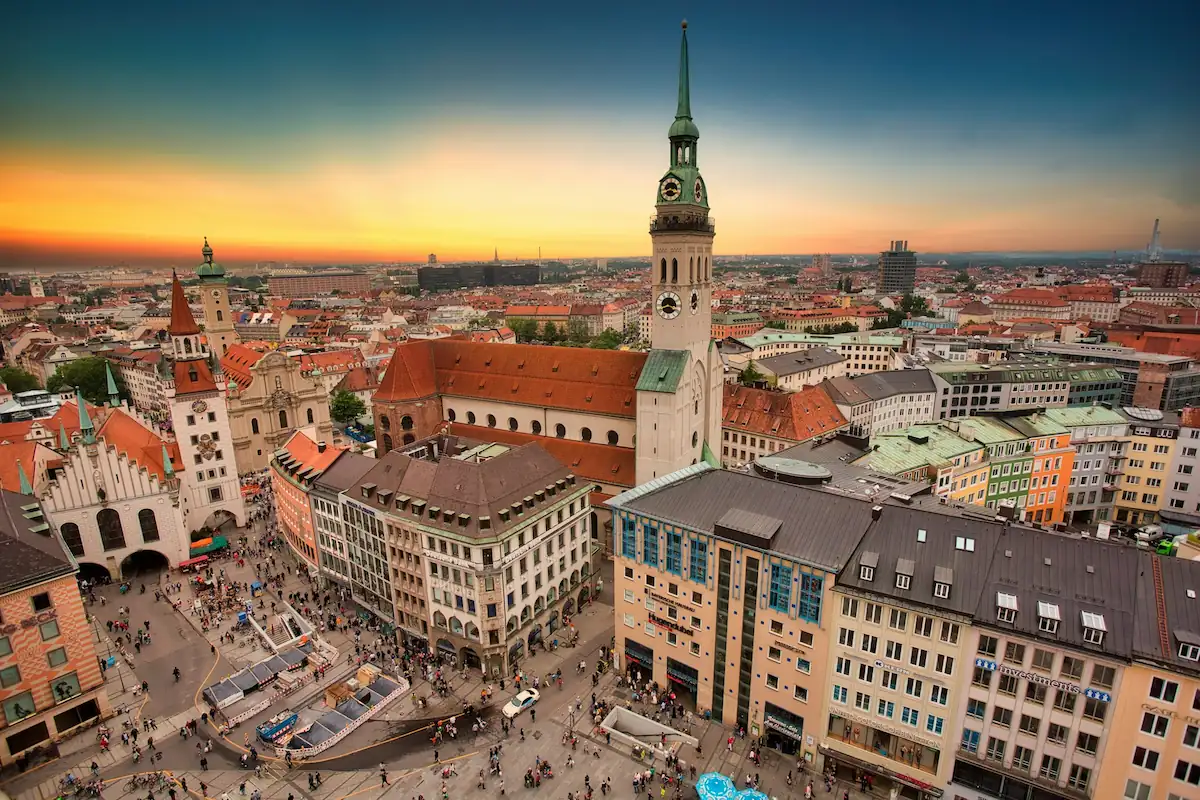
Start at Marienplatz, Neues Rathaus and the Glockenspiel – Area: Altstadt · Best for: First orientation and classic Munich landmarks · Time needed: 45 minutes to 1.5 hours · Worth it: Essential for a first visit, but best used as a starting point rather than a place to linger all morning. · Book ahead: No for the square; yes only for guided old-town or town-hall tours.
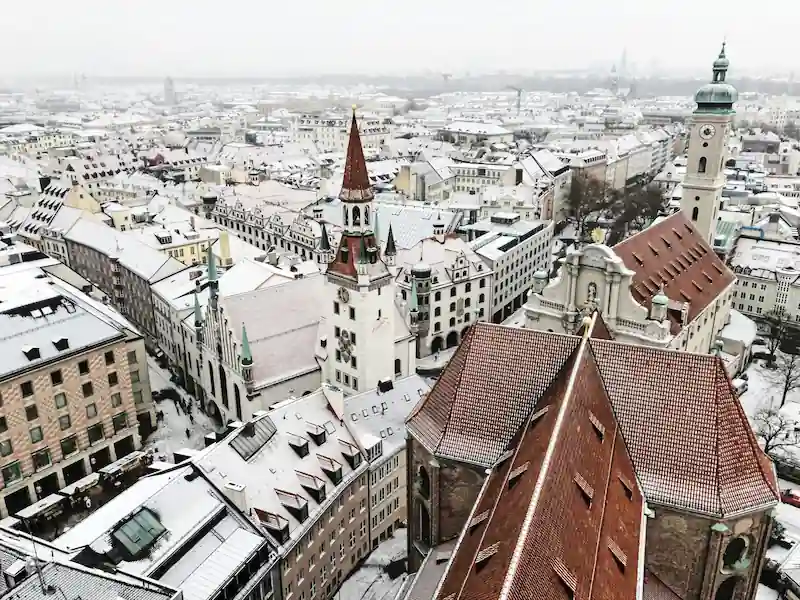
Climb Alter Peter for the best central view – Area: Altstadt · Best for: Rooftop views over Marienplatz and the old town · Time needed: 45 minutes to 1 hour · Worth it: High payoff in clear weather and one of the most useful ways to understand Munich’s compact center. · Book ahead: No, but avoid peak midday queues.
Tour the Munich Residenz – Area: Altstadt · Best for: Royal interiors, court culture and rainy-day depth · Time needed: 2 to 3 hours · Worth it: One of Munich’s strongest indoor attractions and more substantial than most quick old-town stops. · Book ahead: Usually not essential, but arrive early on wet days.
Browse Viktualienmarkt and eat nearby – Area: Altstadt · Best for: Food stalls, casual lunch and central pacing · Time needed: 45 minutes to 1.5 hours · Worth it: Very worthwhile when paired with the old town, not as a standalone half-day. · Book ahead: No.
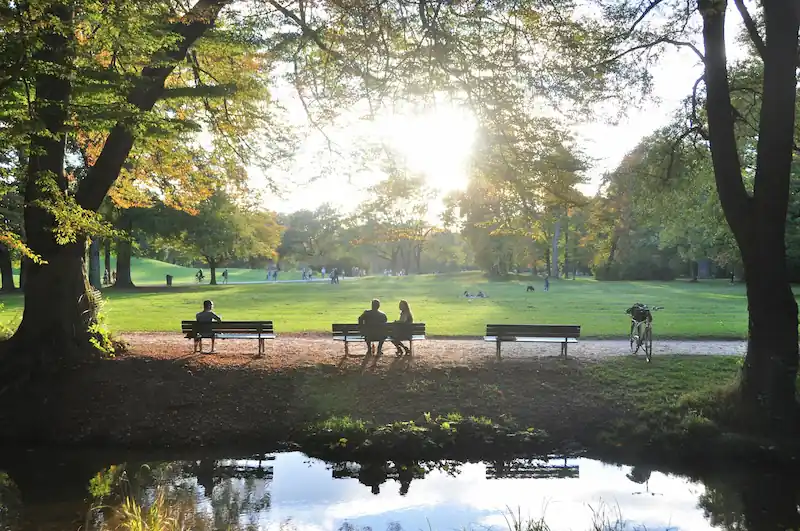
Walk the Englischer Garten and watch the Eisbach wave – Area: Schwabing / Englischer Garten · Best for: Green space, river culture and local Munich rhythm · Time needed: 1.5 to 3 hours · Worth it: Essential in good weather and one of the clearest ways to feel Munich beyond monuments. · Book ahead: No.
Choose one major Kunstareal museum – Area: Maxvorstadt · Best for: Art, design, architecture and museum depth · Time needed: 1.5 to 3 hours · Worth it: Better to choose one museum well than rush through the whole district. · Book ahead: Not usually, except for special exhibitions.
Visit the Deutsches Museum – Area: Museum Island · Best for: Science, engineering, families and rainy days · Time needed: 2.5 to 4 hours · Worth it: Excellent if you give it enough time; weak if treated as a quick backup stop. · Book ahead: Useful during holidays and wet-weather weekends.
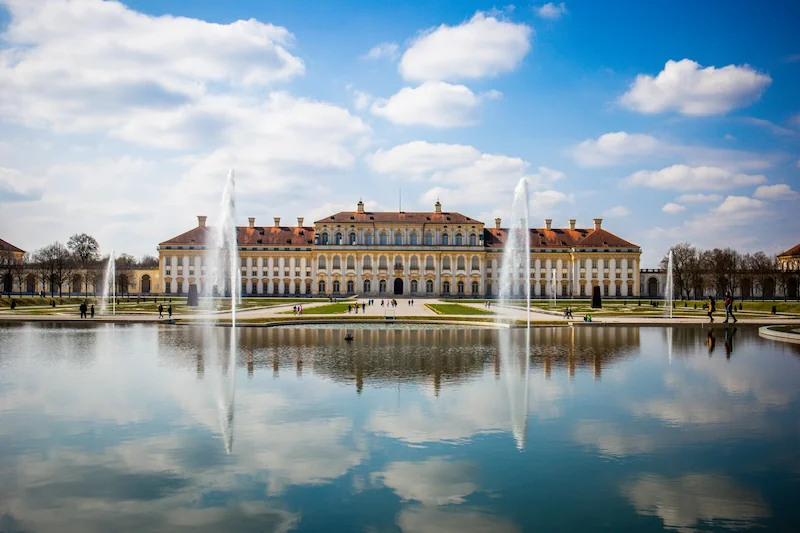
See Nymphenburg Palace and its park – Area: Nymphenburg · Best for: Palace architecture, gardens and a slower half-day · Time needed: 2.5 to 4 hours · Worth it: Highly worthwhile on a second day, especially when you want space after the old town. · Book ahead: Not normally necessary.
Spend late afternoon in a beer garden – Area: Englischer Garten, Hirschgarten or Augustiner-Keller · Best for: Munich’s most accessible local ritual · Time needed: 1.5 to 3 hours · Worth it: One of the simplest and most memorable Munich experiences in good weather. · Book ahead: No for classic beer gardens; reserve only for restaurants.
Pair BMW Welt, BMW Museum and Olympiapark – Area: Olympiapark · Best for: Cars, design, modern architecture and open space · Time needed: 2.5 to 4 hours · Worth it: Very worthwhile for design, engineering or car interests; optional otherwise. · Book ahead: Recommended for guided or factory-style experiences.
Add Hofbräuhaus or a traditional beer hall with clear expectations – Area: Altstadt · Best for: Classic beer-hall atmosphere · Time needed: 1.5 to 2.5 hours · Worth it: Worth doing once if you accept the crowds and treat it as atmosphere rather than fine dining. · Book ahead: Reserve for meals at peak times; casual beer stops are more flexible.
Take one major Bavarian day trip – Area: Beyond Munich · Best for: Castles, Alps, memorial history, lakes or old towns · Time needed: Half day to full day · Worth it: Worth it only after you have given Munich itself enough time. · Book ahead: Yes for Neuschwanstein, Dachau guided visits, alpine excursions and peak-season tours.
Use Olympiapark and Olympiaberg for modern Munich and views – Area: Olympiapark · Best for: Olympic architecture, open space and skyline perspective · Time needed: 1.5 to 3 hours · Worth it: Stronger than it looks on paper, especially while the Olympic Tower is closed; use the hill, lake and rooflines rather than planning around the tower. · Book ahead: No for the park; yes only for BMW tours, SEA LIFE or specific events.
Plan one serious history stop: NS-Dokumentationszentrum or Dachau – Area: Maxvorstadt / Beyond Munich · Best for: Responsible historical context · Time needed: 1.5 to 3 hours for the documentation centre; half day for Dachau · Worth it: Important if you want to understand Munich beyond royal and beer imagery; do not schedule it as a casual filler. · Book ahead: Recommended for guided Dachau visits or if you want structured interpretation.
Use seasonal events deliberately – Area: Theresienwiese, Altstadt and citywide · Best for: Oktoberfest, Christmas markets, spring festival and beer culture · Time needed: 1.5 hours to a full evening · Worth it: Very worthwhile when the season fits, but it can reshape the whole trip through crowds, hotel prices and reservation pressure. · Book ahead: Yes for Oktoberfest accommodation, tent plans, performances and some seasonal tours.
How to choose what is actually worth doing
Munich is strongest when you resist treating it as a flat checklist. The best visit combines one grand historical anchor, one outdoor rhythm, one museum or cultural stop, one food or beer ritual, and—only when your timing justifies it—one seasonal, football or day-trip layer.
Use the Altstadt first, but do not let Marienplatz consume the day; the value comes from moving through Marienplatz, Alter Peter, Frauenkirche, Asamkirche, Viktualienmarkt, Odeonsplatz and the Residenz with purpose.
Choose between royal Munich, museum Munich, outdoor Munich, beer-culture Munich, modern Munich and serious-history Munich instead of trying to compress every distant attraction into one route.
Treat the Kunstareal as a decision zone: Alte Pinakothek, Pinakothek der Moderne, Lenbachhaus, Brandhorst or Glyptothek each serves a different visitor.
Keep wet-weather days for the Residenz, Deutsches Museum, BMW Museum, Kunstareal, churches, beer halls, longer meals and performance culture.
Use clear weather for the Englischer Garten, Isar, Flaucher, Nymphenburg park, Olympiapark, Olympiaberg and beer gardens.
Do not plan around the Olympic Tower while it is closed for renovation; use Olympiapark, Olympiaberg, BMW Welt, BMW Museum and the lake instead.
Separate everyday beer culture from Oktoberfest: beer gardens and taverns are easy local rituals, while Oktoberfest is a major seasonal event that changes accommodation, crowds and planning.
Be selective with day trips: Neuschwanstein, Dachau, Salzburg, Zugspitze, Tegernsee and the lakes can be excellent, but they can also steal the time needed to understand Munich itself.
Iconic Munich attractions worth your time
Munich’s headline sights work best when they are sequenced as a clear central circuit, then expanded into palaces, parks and modern landmarks. The old town gives you towers, churches, markets and royal buildings within a tight radius, while Nymphenburg, Olympiapark, BMW Welt, Allianz Arena and seasonal festival grounds stretch the city into larger Bavarian, Olympic, automotive and football identities.
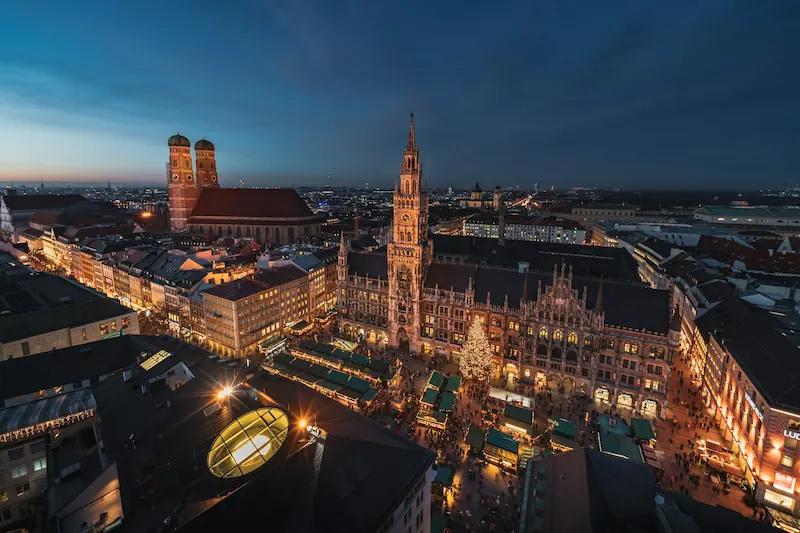
Start with Marienplatz and the Neues Rathaus – Marienplatz is crowded and obvious, but it is still the right place to begin. Use the square, Neues Rathaus façade and Glockenspiel as orientation, then move into the side streets, churches and market rather than treating the square as the whole old town. (First-time essential · Best for: Arrival and orientation)Find tours & experiences
Climb Alter Peter before or after Marienplatz – St. Peter’s tower is one of the most useful viewpoints in Munich because it looks directly over the old-town rooftops, Frauenkirche and Marienplatz. It is most rewarding in clear weather and gives immediate structure to the city center. (High payoff · Best for: Views and first-day orientation)
Tour the Residenz instead of rushing every palace – The Munich Residenz is the city’s most substantial royal interior, with ceremonial rooms, court spaces and collections that reward a slower visit. It is the best central choice when you want historical depth without leaving the old town. (Worth it · Best for: Royal history and indoor depth)Find tours & experiences
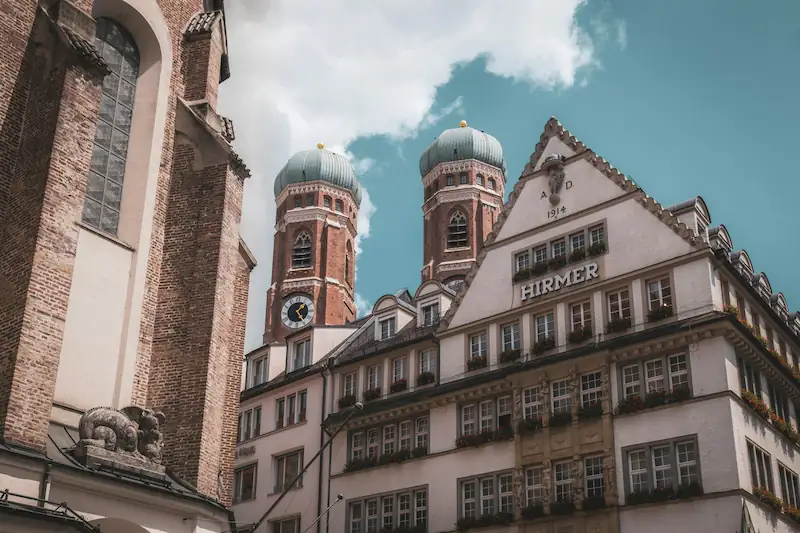
Use Frauenkirche and Asamkirche as contrasting church stops – Frauenkirche gives Munich its skyline and civic identity, while Asamkirche delivers a short, intense baroque pause. Together they are more useful than visiting every church in the old town. (Best for: Architecture with low time cost)
Walk Odeonsplatz, Theatinerkirche and Hofgarten – This northern edge of the old town gives Munich a more ceremonial feel: arcades, yellow church façade, palace gardens and a smoother transition toward the Residenz. It is a compact addition that improves the central route. (Best for: Elegant city-center sequencing)
Visit Nymphenburg Palace as a spacious half-day – Nymphenburg is best treated as a palace-and-park experience, not a quick tick-box stop. The pleasure is in the long axis, water, pavilions and the gradual shift from formal architecture to landscaped calm. (Worth it · Best for: Palace scale and gardens)Find tours & experiences
Pair BMW Welt with the BMW Museum and Olympiapark – This is the strongest modern Munich combination: engineering, car culture, Olympic architecture, lake edges and open space. It works best as a deliberate half-day rather than a quick add-on from the old town. (Best for: Cars, design and modern architecture)Find tours & experiences
See the Allianz Arena if football matters to you – The Allianz Arena sits outside the natural central visitor circuit, so it needs a reason. For FC Bayern fans, stadium design or match-day energy, it is a major Munich experience; for casual visitors on a short stay, it is optional. (Interest-led · Best for: Football and stadium architecture)Find tours & experiences
Step inside Asamkirche as a short baroque shock – Asamkirche is small, central and visually intense, which makes it one of Munich’s best low-time-cost stops. Use it as a short contrast to Frauenkirche’s civic scale rather than as another item in a long church crawl. (Low time cost · Best for: Baroque architecture and quick central depth)
Use Olympiaberg for city views while the Olympic Tower is closed – Olympiaberg gives the Olympiapark visit a useful viewpoint without depending on the closed Olympic Tower. The hill, lake, tent-roof architecture and BMW district make this one of the best modern Munich circuits outside the old town. (Current viewpoint · Best for: Views, architecture and open space)
Add Cuvilliés Theatre if royal interiors are your priority – Cuvilliés Theatre is a focused royal-theatre stop that deepens the Residenz area without demanding a separate district transfer. It is best for travelers who care about interiors, court culture and performance history rather than broad sightseeing. (Focused add-on · Best for: Rococo interiors and royal performance culture)Find tours & experiences
Walk Karlsplatz, Karlstor and the old-town shopping spine – Karlsplatz is not Munich’s deepest sight, but it helps connect the station side, old-town gates and central shopping axis. It is useful for arrival-day orientation and for understanding how visitors naturally enter the Altstadt. (Best for: Orientation and old-town flow)
Cultural things to do in Munich
Munich’s cultural strength is unusually broad: royal interiors, old masters, modern design, science, difficult twentieth-century memory, Jewish history, classical collections, performance and specialist museums. The mistake is not missing culture; it is trying to cover too much of it without choosing a clear lane.
Choose the right Kunstareal museum – The Kunstareal is not one museum but a dense cultural district. Choose Alte Pinakothek for old masters, Pinakothek der Moderne for modern art, design and architecture, Brandhorst for contemporary art, Lenbachhaus for the Blue Rider, or Glyptothek for classical sculpture. (Smart choice · Best for: Art without museum fatigue)
Use the Alte Pinakothek for old masters – The Alte Pinakothek is the strongest choice if you want a traditional European painting collection with real weight. It is best approached selectively, with a few rooms or artists in mind, rather than as a duty-bound museum march. (Best for: Classic painting collections)
Pick Pinakothek der Moderne for art, design and architecture – Pinakothek der Moderne is the better fit if your interests lean toward modern art, design, graphics or architecture. It is also a useful choice for repeat visitors who want Munich beyond royal and old-town imagery. (Best for: Modern art and design)
Add Museum Brandhorst or Lenbachhaus for a focused art stop – Museum Brandhorst gives the Kunstareal a sharper contemporary edge, while Lenbachhaus is especially valuable for early modern art and the Blue Rider. Both are easier to use as targeted visits than as all-day commitments. (Best for: Focused modern and contemporary art)
Give the Deutsches Museum enough time – The Deutsches Museum is not a filler attraction; it is a major science and technology institution that works for adults, families and curious teens. Choose sections in advance and avoid trying to cover every floor. (Rainy-day anchor · Best for: Science, engineering and families)Find tours & experiences
Visit the NS-Dokumentationszentrum for necessary context – This is one of Munich’s most important serious stops because the city played a central role in the rise of National Socialism. It is not light sightseeing, but it changes how you read the surrounding streets and squares. (Important context · Best for: History and responsible travel)
Use Königsplatz and Glyptothek for classical Munich – Königsplatz brings a more monumental, neoclassical register to Munich, while Glyptothek adds a museum stop that is compact but distinctive. It works well with a Kunstareal day or a history-focused route through Maxvorstadt. (Best for: Architecture and classical collections)
Book an opera, concert or classical evening – Munich has a serious performance culture, and an evening at the Bavarian State Opera or a major concert can be more memorable than another beer-hall stop. Check dates early if culture is a priority. (Best in the evening · Best for: Culture-led nights)
Add the Bavarian National Museum for decorative arts and old Bavaria – The Bavarian National Museum is one of the best choices when you want Munich’s cultural identity beyond painting galleries. It works for travelers interested in craftsmanship, sculpture, religious art, interiors and Bavaria’s regional memory. (Underrated culture · Best for: Bavarian art, interiors and historical objects)
Pair Haus der Kunst with the Eisbach edge – Haus der Kunst gives Munich a sharper contemporary-art and architectural register, while the nearby Eisbach wave keeps the visit physically connected to the city. It is a strong combination if you want culture without spending the whole day inside the Kunstareal. (Smart pairing · Best for: Contemporary art and architecture)
Use St.-Jakobs-Platz for Jewish Museum and city history – St.-Jakobs-Platz brings together the Jewish Museum, synagogue architecture and a more reflective layer of central Munich. It is a compact but meaningful stop when you want the city’s history to feel broader than royal rooms and beer halls. (Context stop · Best for: Jewish history and central cultural context)
Visit the Deutsches Museum Verkehrszentrum for transport history – The Verkehrszentrum near Theresienwiese is a useful alternative or extension to the main Deutsches Museum if your interests lean toward mobility, trains, cars and urban transport. It is especially relevant for families and design-minded travelers. (Specialist museum · Best for: Transport, mobility and families)
Consider Bavaria Filmstadt for film sets and family entertainment – Bavaria Filmstadt sits outside the central sightseeing flow, so it is not a universal must-see. It becomes worthwhile for families, film fans and travelers who want a structured attraction away from museums and old-town monuments. (Interest-led · Best for: Film fans and families)Find tours & experiences
Local experiences and neighborhood-led ideas
Munich’s most satisfying local experiences often sit between order and ease: riverbanks, market tables, beer gardens, cycling routes, public baths, residential squares, seasonal festivals and long green corridors. These are the activities that make the city feel lived-in rather than staged.
Spend real time in the Englischer Garten – Do not reduce the Englischer Garten to a quick photo stop. Walk from the southern edge toward the beer garden zones, watch the Eisbach surfers, then let the park open into lawns, water and long paths. (Worth it · Best for: Outdoor Munich at its easiest)Find tours & experiences
Follow the Isar and Flaucher for summer Munich – The Isar riverbanks give Munich a looser edge, especially in warm weather when locals cycle, sit by the water and spread out along gravel and grass. Flaucher is especially useful if you want a more relaxed, less monumental Munich. (Best for: Free outdoor time)
Cycle between the old town, Isar and Englischer Garten – Munich is a strong cycling city for visitors who want to cover more ground without turning the day into public-transport hops. A bike route works particularly well between the old town, river, park and Schwabing. (Best for: Active city overview)Find tours & experiences
Use Haidhausen for village-like streets and calmer cafés – Haidhausen is useful when you want Munich’s gentler neighborhood life without going far from the center. Its squares, side streets and cafés make a good reset after the old town’s heavier sightseeing rhythm. (Best for: A softer neighborhood break)
Explore Glockenbachviertel and Westend for evening texture – Glockenbachviertel and Westend are better for a more current Munich feel than the old-town beer halls. Use them for dinner, bars and a less polished view of local life. (Best in the evening · Best for: Bars and local dining energy)
Try Elisabethmarkt or a neighborhood market – Viktualienmarkt is the central reference point, but smaller markets can feel more everyday. Elisabethmarkt in Schwabing is a useful option when you want a quieter morning and fewer visitors. (Best for: Everyday local pace)
Use Theresienwiese outside Oktoberfest season – Theresienwiese is famous for Oktoberfest, but outside the festival it becomes a large, open urban space with a different kind of scale. It is not a top first-time stop unless you are interested in festival geography, seasonal events or the Bavaria statue. (Seasonal context · Best for: Oktoberfest context and open space)
Swim or soak at Müllersches Volksbad – Müllersches Volksbad is one of Munich’s most atmospheric local experiences: a historic public bath near the Isar that works especially well when you want something indoor, restorative and less obvious than another museum. (Local classic · Best for: Rainy days, slow mornings and historic bathing culture)
Use Westpark for a quieter green Munich – Westpark is a calmer alternative when the Englischer Garten feels too obvious or too far from your evening plans. It is useful for repeat visitors, families and anyone staying west or south of the center. (Repeat-visit idea · Best for: Quiet parks and local pacing)
Treat seasonal festivals as local culture, not just events – Oktoberfest is the global reference point, but Munich also has spring and beer-season rituals that change the city’s atmosphere. When a festival aligns with your dates, it can become a main activity rather than an evening afterthought. (Seasonal · Best for: Festival timing and Bavarian rituals)Find tours & experiences
Explore Gärtnerplatz and the Isar edge before dinner – Gärtnerplatz, Glockenbach and the nearby Isar make a useful late-afternoon transition from sightseeing to evening. The value is not one major landmark, but the way cafés, streets, water and dinner plans connect. (Evening texture · Best for: Dinner transitions and local street life)
Food, beer gardens and Munich eating rituals
Munich’s food experiences work best when they are treated as part of the day’s structure rather than isolated restaurant bookings. A market lunch, a beer garden pause, a beer-hall evening, a tavern meal, a white-sausage breakfast or a seasonal festival table can shift the rhythm of the whole visit.
Build a casual lunch around Viktualienmarkt – Viktualienmarkt is the most efficient central food stop in Munich. Use it for browsing, snacks, picnic-style eating or a quick lunch between the old town and the Residenz. (First-time essential · Best for: Market food and central pacing)Find tours & experiences
Experience Hofbräuhaus once, then broaden the frame – Hofbräuhaus is famous, theatrical and visitor-heavy, but it remains part of Munich’s beer-hall mythology. Go once for the room and energy, then consider a less obvious tavern or beer garden for a more balanced food experience. (Classic Munich · Best for: Beer-hall atmosphere)Find tours & experiences
Make a beer garden the main event in good weather – Beer gardens are where Munich feels most socially legible: long tables, shade, self-service rhythms and a relaxed mix of locals and visitors. Chinesischer Turm, Hirschgarten and Augustiner-Keller each give a different version of the ritual. (Worth it · Best for: Warm-weather local atmosphere)
Try a Weißwurst breakfast as a timing ritual – A Weißwurst breakfast is more than a food item; it is part of Bavarian timing and tradition. It works best as a late-morning cultural pause rather than something squeezed between museums. (Best for: Bavarian food culture)
Use a food or beer tour if you want context quickly – A guided food or beer experience can be useful on a short stay because it combines tastings, neighborhood movement and cultural explanation. It is most valuable if you do not want to guess your way through taverns and beer-hall etiquette. (Best for: Efficient food discovery)Find tours & experiences
Look beyond the old town for dinner – Central Munich is convenient, but some of the more current dining energy sits in Glockenbachviertel, Westend, Haidhausen and Maxvorstadt. Use dinner to move away from the most obvious visitor corridors. (Best for: Contemporary Munich dining)
Choose the right beer garden for your route – Chinesischer Turm works naturally with the Englischer Garten, Augustiner-Keller is useful near the station side, Hirschgarten gives scale and a more local-western rhythm, and Viktualienmarkt is the easiest central pause. The best beer garden is often the one that fits your route. (Route-led choice · Best for: Beer gardens without backtracking)
Use Augustiner or Schneider Bräuhaus for tavern culture – If Hofbräuhaus feels too theatrical, traditional taverns such as Augustiner and Schneider Bräuhaus can give a more grounded version of Munich beer and food culture. They are better for a meal than a quick photo stop. (Classic alternative · Best for: Beer halls with better meal rhythm)Find tours & experiences
Visit the Beer and Oktoberfest Museum if you want context – The Beer and Oktoberfest Museum is not essential for everyone, but it can be useful if beer culture is a real theme of your trip. It works best as a compact context stop before a tavern evening. (Context stop · Best for: Beer history and Oktoberfest background)Find tours & experiences
Use Christmas markets as food experiences in winter – In winter, Munich’s Christmas markets can become the easiest food-led evening: warm drinks, simple snacks, decorated squares and a route through the old town. They work best as a seasonal atmosphere plan, not a substitute for seeing the city. (Winter · Best for: Seasonal food, markets and evening atmosphere)Find tours & experiences
Best things to do in Munich for first-timers
For a first trip, Munich is strongest when you combine the old town, one major indoor attraction, a green-space experience and one food or beer ritual. The goal is not to see every famous name, but to understand the city’s royal, civic, outdoor and social rhythms.
Start with Marienplatz, Neues Rathaus, Frauenkirche and Alter Peter for orientation.
Use the Residenz as the major historical anchor if you want depth.
Add Asamkirche or Odeonsplatz as short architectural pauses rather than trying to visit every church.
Eat or browse around Viktualienmarkt rather than planning a complicated central lunch.
Walk the Englischer Garten and include the Eisbach wave if the weather is reasonable.
Choose one major museum: Deutsches Museum for science, Alte Pinakothek or Pinakothek der Moderne for art, BMW Museum for cars and design.
Add Nymphenburg on a second day if palace architecture and gardens appeal.
Use one beer garden, tavern or beer hall, but do not make beer culture the whole trip.
Save Allianz Arena, extended museum-hopping, Bavaria Filmstadt and full-day excursions for trips with more time or specific interests.
Choice
BestOptions
Why
Essential first visit
Marienplatz, Alter Peter, Residenz, Viktualienmarkt, Englischer Garten
They give the clearest mix of city center, views, culture, food and outdoor rhythm.
Best second layer
Nymphenburg, Kunstareal, Deutsches Museum, BMW Museum, Olympiapark
Each is rewarding but needs a deliberate time block.
Munich’s more distinctive experiences sit in the overlap between order and oddness: river surfing, technical museums, beer-garden rituals, difficult history and neighborhoods that quietly resist the postcard image.
Watch river surfers at the Eisbach wave, especially early or late when the crowd thins.
Swim or soak at Müllersches Volksbad for a historic local experience near the Isar.
Visit the Deutsches Museum with a few selected sections rather than as a general wander.
Pair BMW Welt with Olympiapark and Olympiaberg for a modern design-and-engineering half-day.
Have a Weißwurst breakfast and treat it as a timing ritual rather than a novelty snack.
Explore Westend, Gärtnerplatz or Glockenbachviertel for a more contemporary evening than the old town offers.
Use a warm day for the Isar and Flaucher rather than another paid attraction.
Add the NS-Dokumentationszentrum for serious historical context.
Visit Glyptothek, Museum Brandhorst, Haus der Kunst or the Bavarian National Museum if you want museum choices beyond the obvious names.
Use the Beer and Oktoberfest Museum only if beer culture is a real theme, then connect it to a tavern evening.
Idea
BestFor
Why
Most Munich-specific unusual stop
Eisbach wave and Englischer Garten
River surfing inside a formal city park is one of Munich’s clearest contrasts.
Best hidden indoor experience
Müllersches Volksbad
Historic bathing culture feels local, atmospheric and useful in bad weather.
Best specialist museum choice
Verkehrszentrum, Brandhorst or Bavarian National Museum
Each takes you beyond the standard first-visit museum list.
Best unusual evening frame
Gärtnerplatz, Westend or a beer-history stop followed by a tavern
It moves the night away from the most visitor-heavy old-town pattern.
Things to do in Munich at night
Munich nights are best planned around food, beer culture, concerts, football, seasonal events or neighborhood bars. It is not a late-night city in the Berlin sense, but evenings can be excellent when you choose the right register.
Book the Bavarian State Opera or a concert if the calendar fits.
Use Hofbräuhaus or another classic beer hall for one high-energy evening.
Choose a beer garden in warm weather when the day softens into outdoor tables.
Head to Gärtnerplatz, Glockenbachviertel or Westend for bars and a more current local feel.
Walk the illuminated old town around Marienplatz, Odeonsplatz and the Residenz exterior.
Watch a football match if FC Bayern or another major fixture aligns with your dates.
Use a night watchman or old-town evening walk if you want structure without a late night.
During winter, use Christmas markets and seasonal events as the evening anchor.
During Oktoberfest, treat Theresienwiese as the main plan and simplify the rest of the day.
Avoid expecting Munich to behave like Berlin; its evenings are more structured, social and food-led.
NightPlan
BestFor
WatchOut
Classic Munich
Beer hall or beer garden evening
Famous halls can feel tourist-heavy.
Culture-led
Opera, concerts and seasonal programs
Book ahead for strong dates.
Local bars
Glockenbachviertel, Westend and neighborhood dining
Better after dinner than as a full-night plan.
Football night
Allianz Arena match or sports bar energy
Plan transport and tickets early.
Seasonal night
Christmas markets, Oktoberfest, Tollwood or beer-season events
Seasonal events can dominate hotel prices, crowd levels and reservations.
Things to do in Munich with kids
Munich is strong for families because it combines parks, hands-on museums, palace grounds, animals, cars and easy public spaces. The key is alternating focus and release.
Prioritize the Deutsches Museum for interactive science and engineering time.
Use the Englischer Garten, Eisbach area and Isar riverbanks for outdoor breaks.
Choose Nymphenburg when you want palace grounds and room to move.
Pair BMW Welt with Olympiapark for cars, design, space and lake-side walking.
Add Hellabrunn Zoo for a longer family-focused outing.
Use SEA LIFE Munich as a compact indoor option near Olympiapark if the weather turns.
Consider Verkehrszentrum for transport-obsessed children or a lighter museum day.
Use Bavaria Filmstadt if you want a structured family attraction outside the central museum circuit.
Keep Viktualienmarkt as a flexible snack stop rather than a formal meal plan.
Avoid overpacking the old town with children; short loops work better than exhaustive sightseeing.
Activity
BestAgeFit
WeatherFit
Deutsches Museum
School-age children and curious teens
Excellent rainy-day choice
Englischer Garten and Eisbach
All ages
Best in dry weather
Nymphenburg Palace park
Families needing space
Best in mild weather
BMW Welt and Olympiapark
Car fans and design-curious teens
Mixed indoor-outdoor option
Hellabrunn Zoo
Younger children and animal-focused families
Best in dry or mild weather
SEA LIFE Munich
Younger children
Good compact rainy-day option
Deutsches Museum Verkehrszentrum
Transport fans and school-age children
Good indoor option near Theresienwiese
Bavaria Filmstadt
Families who want a structured studio-style activity
Useful mixed-weather option but requires a specific transfer
Things to do in Munich when it rains
Rain does not weaken Munich if you shift the day indoors instead of forcing park and palace-ground plans. The city has enough museums, royal interiors, churches and food rituals to make wet weather useful.
Use the Residenz as the main rainy-day historical attraction.
Spend several hours at the Deutsches Museum rather than treating it as a backup stop.
Choose one Kunstareal museum and build the day around Maxvorstadt cafés and indoor culture.
Visit BMW Museum and BMW Welt for design, cars and a more modern indoor option.
Add Bavarian National Museum, Haus der Kunst, Jewish Museum or Cuvilliés Theatre if you want a more focused cultural lane.
Use Asamkirche, Frauenkirche and central churches as short dry pauses.
Make lunch a longer market, tavern or café break instead of racing through wet streets.
Use Müllersches Volksbad for a restorative rainy-day experience if you are comfortable with a public-bath stop.
Add SEA LIFE Munich if traveling with children near Olympiapark.
Keep Nymphenburg park, Englischer Garten, Isar and beer gardens for clearer weather if your schedule allows.
RainyDayChoice
Option
Why
Best full indoor anchor
Deutsches Museum
Large, varied and strong for families or curious adults.
Best historical indoor anchor
Munich Residenz
Central, substantial and atmospheric in bad weather.
Best art-focused plan
Kunstareal museums
Easy to combine with Maxvorstadt cafés and bookstores.
Best design and cars option
BMW Museum and BMW Welt
A focused half-day with strong indoor coverage.
Best family backup
SEA LIFE Munich or Deutsches Museum
Useful when outdoor plans collapse and children need a clear activity.
Best atmospheric indoor pause
Müllersches Volksbad
Historic bathing culture gives a different kind of Munich day when walking loses appeal.
Best compact central add-on
Asamkirche or Cuvilliés Theatre
Both add strong visual impact without requiring a long transfer or full half-day.
Things to do in Munich by area
Altstadt
The old town is where most first-time Munich activity should begin, but it works best as a compact sequence rather than an all-day loop. Use it for orientation, church contrasts, market food, royal interiors and a classic evening, then move outward.
Start at Marienplatz for orientation and the Neues Rathaus.
Climb Alter Peter if the weather is clear.
Add Frauenkirche, Asamkirche, St. Michael’s or Odeonsplatz for architecture without overloading the day.
Use Viktualienmarkt for lunch or a quick food-led pause.
Tour the Residenz and consider Cuvilliés Theatre when you want a major indoor historical stop.
Use Hofgarten as the soft exit toward the north side of the old town.
Finish with a beer-hall or tavern evening if the timing fits.
Kunstareal and Maxvorstadt
This is Munich’s strongest art and museum district, best approached with a clear choice rather than a museum crawl by default.
Choose Alte Pinakothek for old masters.
Choose Pinakothek der Moderne for modern art, design and architecture.
Add Museum Brandhorst for contemporary art.
Use Lenbachhaus for the Blue Rider and a more focused art visit.
Visit Glyptothek and Königsplatz for classical architecture and sculpture.
Keep the NS-Dokumentationszentrum for serious historical context.
Englischer Garten and Schwabing
This area gives Munich its open-air relief: parkland, the Eisbach wave, beer gardens and a more residential northern rhythm.
Watch the Eisbach surfers near the park’s southern edge.
Walk deeper into the Englischer Garten rather than stopping only at the entrance.
Use Chinesischer Turm for a classic beer-garden moment.
Explore Schwabing for cafés, quieter streets and local market texture.
Try Elisabethmarkt for a more everyday market feel.
Best in dry weather or long summer evenings.
Museum Island and the Isar
This zone is ideal when you want to combine a serious indoor visit with a less formal outdoor walk along the river.
Make the Deutsches Museum the anchor if science and engineering interest you.
Walk the Isar riverbanks before or after the museum.
Continue toward Flaucher in warm weather if you want a more local outdoor scene.
Use the area as a bridge between central sightseeing and Munich’s river rhythm.
Good for families because the day can alternate indoor focus and outdoor release.
Nymphenburg
Nymphenburg is a deliberate half-day rather than a quick central add-on, especially rewarding when you want palace scale and landscaped space.
Tour the palace interiors if royal architecture is a priority.
Leave time for the park, canals and pavilions.
Go earlier in the day for a calmer experience.
Pair it with a slower afternoon rather than a packed old-town schedule.
Best on a second or third day.
Olympiapark and BMW district
This area works for modern architecture, design, cars, family attractions and open-space walking, but it should be chosen deliberately because it sits outside the central visitor circuit.
Visit BMW Welt and the BMW Museum for design and automotive culture.
Walk Olympiapark for the 1972 rooflines, lake and hill views.
Use Olympiaberg for views while the Olympic Tower remains closed for renovation.
Use SEA LIFE Munich as a compact family add-on if relevant.
Check event calendars if you are interested in concerts or sports.
Combine indoor and outdoor time for flexible weather planning.
Glockenbachviertel, Westend and Haidhausen
These neighborhoods are useful when you want Munich after the postcard layer: restaurants, cafés, bars, squares and a more lived-in evening pace.
Use Glockenbachviertel for bars and dinner energy.
Try Westend for a less polished, more current food-and-drink scene.
Choose Haidhausen for calmer streets and softer neighborhood texture.
Use these areas after the main sightseeing day rather than as first-stop priorities.
Good for repeat visitors or travelers staying three nights or more.
Theresienwiese and Sendling
This area matters most for Oktoberfest, seasonal events and a broader understanding of Munich’s festival geography.
Visit Theresienwiese during Oktoberfest only if you are prepared for crowds and advance planning.
Use the Bavaria statue and open space for context outside festival season.
Explore nearby Sendling or Westend for less central dining and drinking.
Do not prioritize this area on a short first visit unless an event is taking place.
Lehel, Prinzregentenstraße and the Eisbach edge
This corridor works when you want a more cultural and architectural route between the old town, the Englischer Garten and the river edge.
Use Haus der Kunst for contemporary art and a serious architectural register.
Watch the Eisbach wave before or after the museum rather than treating it as a separate detour.
Add the Bavarian National Museum if decorative arts and old Bavaria interest you.
Walk the calmer streets of Lehel when you want a softer transition away from the old town.
Best as a half-day for repeat visitors or culture-led travelers.
Thalkirchen, Hellabrunn and southern Isar
This area is strongest for families, river time and a less monumental version of Munich, especially in warm weather.
Use Hellabrunn Zoo as a major family outing rather than a quick stop.
Continue toward the Isar or Flaucher for outdoor time if the weather is good.
Keep this area separate from dense old-town sightseeing because transfers take time.
Best for families, repeat visitors and summer days.
Skip it on a very short first visit unless the zoo is a priority.
Westpark and western Munich
Western Munich is not the first layer of sightseeing, but it works well for repeat visitors, families and travelers who want calmer local green space.
Use Westpark for lakes, gardens and a quieter park rhythm.
Pair the area with a slower afternoon rather than a packed central route.
Consider it if you are staying west of the center or want a less obvious green-space option.
Do not force it into a first-day itinerary unless your accommodation makes it convenient.
What to prioritize with limited time
Munich rewards clear choices. The city becomes much stronger when you decide whether your trip is about first-time essentials, culture, outdoor rhythm, food, football, seasonal events or a Bavarian extension instead of trying to make every famous name fit.
Profile
Prioritize
Skip
Structure
Half day
Marienplatz, Alter Peter, Frauenkirche, Viktualienmarkt and one short old-town church or square.
Nymphenburg, BMW district, Allianz Arena, Hellabrunn and any day trip.
Stay central and walk; do not spend limited time crossing the city.
One full day
Old town in the morning, Residenz or one museum, then Englischer Garten or a beer garden.
Multiple museums, distant attractions and full-day excursions.
Use the day as a compact Munich sampler with one major paid anchor.
Two days
Day one for Altstadt, Residenz and food; day two for Kunstareal, Englischer Garten, Nymphenburg or BMW/Olympiapark.
A full-day castle trip unless this is your main Bavaria priority.
Give the second day one clear theme instead of splitting it across three distant zones.
Three days or more
Add Nymphenburg, Deutsches Museum, neighborhood evenings and one carefully chosen excursion.
Repeating central old-town sightseeing once you have understood the core.
Use Munich as both a city break and a base, but keep at least two days for the city itself.
Culture-first stay
Residenz, Kunstareal, NS-Dokumentationszentrum, Lenbachhaus, Glyptothek and one evening performance.
Overlong beer-hall plans and attractions chosen only for name recognition.
Build each day around one serious cultural anchor and leave room for cafés or food stops.
Family trip
Deutsches Museum, Englischer Garten, Nymphenburg park, BMW Welt, Olympiapark and Hellabrunn.
Long museum sequences, dense old-town walking and late beer-hall evenings.
Alternate one focused attraction with one release space each half-day.
Repeat visit
Isar walks, Haidhausen, Westend, smaller markets, concerts, seasonal events and less obvious museums.
Marienplatz-heavy routing and the most crowded first-time stops.
Let neighborhoods and timing shape the visit rather than headline attractions.
Rainy day
Residenz, Deutsches Museum, Kunstareal, BMW Museum, Asamkirche, Bavarian National Museum, taverns and longer meals.
Nymphenburg park, Isar, Flaucher, long beer-garden plans and viewpoint-led routing.
Let one indoor anchor carry the day, then add short central pauses and a meal rather than chasing outdoor sights.
Oktoberfest or major-event stay
Theresienwiese timing, accommodation location, tent or event planning, one relaxed old-town route and low-friction meals.
Overpacked museum days, distant day trips and plans that depend on quiet evenings.
Treat the event as the main energy of the trip and simplify the rest of the day around it.
Outdoor-focused stay
Englischer Garten, Eisbach, Isar, Flaucher, Nymphenburg park, Olympiapark, Olympiaberg and a beer garden.
Multiple indoor museums and long palace-room sequences in good weather.
Move from central orientation to water, parkland and late-afternoon outdoor tables.
Best day trips and excursions from Munich
Munich has excellent day-trip reach, but excursions should not crowd out the city on a short stay. Choose one based on whether you want alpine scenery, royal fantasy, memorial history, lakes or a historic old town.
Excursion
Best for
Time needed
First trip?
Transport
Book ahead
Dachau Memorial Site
Serious historical understanding
Half day
Yes, if you are prepared for a difficult but important visit.
S-Bahn and bus, or guided tour from Munich
Guided tours are worth booking if you want historical interpretation. Check options
Neuschwanstein and Linderhof
Royal fantasy, alpine scenery and classic Bavaria imagery
Full day
Only if castles are a major priority and you can spare the time.
Train and bus independently, or packaged day tour
Yes, especially for castle entry and peak-season tours. Check options
Salzburg
Baroque streets, music history and a cross-border day
Full day
Good if you have three or more days in Munich.
Direct train from Munich
Not essential for independent travel; tours help with structure. Check options
Zugspitze, Garmisch-Partenkirchen and Eibsee
Mountain scenery and a full alpine reset
Full day
Only if weather is clear and mountains are a real priority.
Train and mountain railway, or organized excursion
Yes for packaged tours, peak travel days and mountain railway planning. Check options
Starnberger See
Lake air, easy scenery and a lighter escape
Half day to full day
Good in warm weather if you want nature without a complex plan.
S-Bahn or regional train
No, unless adding a boat or specific restaurant.
Herrenchiemsee and Chiemsee
Lake scenery and a palace day with more space
Full day
Better for longer stays or travelers prioritizing royal Bavaria.
Train, boat and local transfer
Useful in peak season or if joining a guided excursion. Check options
Regensburg
Medieval streets, river setting and UNESCO old-town texture
Full day
Better for return visitors or longer stays.
Regional train from Munich
No for independent visits.
Tegernsee
Lake scenery, alpine air and a lighter Bavarian escape
Half day to full day
Good in warm weather or when you want nature without castle logistics.
Regional train from Munich, then local walking or boat options
No for independent travel; reserve restaurants or boat plans in peak season.
Andechs Monastery
Beer culture, monastery setting and an easy rural-feeling outing
Half day
Better if beer culture or a softer countryside break is a priority.
S-Bahn or regional transport plus local transfer or walk
No for independent visitors, but check opening and seasonal timing.
Nuremberg
Medieval old town, museums and difficult twentieth-century history
Full day
Good for history-focused travelers with three or more days in Munich.
Direct train from Munich
Not essential for independent travel; book guided history tours if interpretation matters. Check options
Berchtesgaden and Königssee
Alpine scenery, lake landscapes and a more dramatic mountain day
Full day
Only if mountains and scenery outrank city time and weather looks reliable.
Train and bus independently, or organized excursion
Recommended for tours and peak-season logistics. Check options
Therme Erding
Rainy days, family downtime and spa-style recovery
Half day to full day
Only if relaxation or family downtime matters more than sightseeing.
S-Bahn and local transfer, or car
Recommended for peak weekends, holidays and family-focused time slots. Check options
Smart activity combinations that work well
These are not full itineraries, but practical pairings that reduce backtracking and make the day feel coherent.
Marienplatz, Alter Peter, Viktualienmarkt and Residenz – This is the cleanest first-day Munich combination because everything sits close together. Start with the square and view, use the market for a food pause, then let the Residenz become the major cultural anchor.
Odeonsplatz, Hofgarten, Residenz and a beer-hall evening – This combination gives the old town a more ceremonial rhythm before moving indoors. It works well in mixed weather and finishes naturally with a classic Munich evening nearby.
Kunstareal, Maxvorstadt cafés and NS-Dokumentationszentrum – This works for a culture-led day with a serious edge. Choose one major art museum, keep a café break nearby, then add the Documentation Centre when you have the focus for historical context.
Englischer Garten, Eisbach wave and beer garden – This is Munich at its most open and local-feeling. It works best in good weather, starting with the Eisbach and continuing into the park until the day naturally slows into a beer-garden stop.
BMW Welt, BMW Museum and Olympiapark – This combination keeps modern Munich in one efficient zone. It is especially good for design-minded travelers, families with older children or anyone who wants a break from churches and palace rooms.
Nymphenburg and a slow western afternoon – Nymphenburg deserves time because the palace, canals, park and pavilions lose value when rushed. Build the afternoon around space and slower movement rather than forcing it between central sights.
Haus der Kunst, Eisbach wave and Englischer Garten – This pairing gives a sharper cultural edge before opening into Munich’s best outdoor rhythm. It works especially well when you want one museum-scale stop without committing to a full Kunstareal day.
Olympiaberg, Olympiapark, BMW Welt and BMW Museum – Use this as the current modern-Munich circuit while the Olympic Tower is closed. The hill, lake, rooflines and BMW buildings give enough range to justify leaving the center.
St.-Jakobs-Platz, Viktualienmarkt and Asamkirche – This is a compact central route for travelers who want history, food and architecture without expanding into a long museum day. It keeps movement tight and adds more texture than a Marienplatz-only loop.
Hellabrunn Zoo, Isar and Flaucher – This works for families or summer travelers who want a softer day outside the old town. The zoo gives structure, while the riverbanks provide the release space that children and tired adults often need.
Theresienwiese, Verkehrszentrum and a beer-culture stop – This combination gives Oktoberfest geography and transport history a practical frame. It is especially useful outside festival season, when the empty scale of Theresienwiese can otherwise feel hard to read.
What to book ahead in Munich
Munich does not require prebooking for every activity, but timed entries, performances, football, tours and popular day trips can shape the quality of the visit. Book where access, interpretation or transport genuinely improves the experience.
Best as a recovery, family or bad-weather block rather than sightseeing.
Not relevant; tickets and timing matter more than interpretation.
Munich things to do: quick answers
Use these answers to make fast decisions about what is worth doing, what to book, what to skip and how to shape your time in Munich across seasons, travel styles and trip lengths.
What are the best things to do in Munich for a first visit?
Start with Marienplatz, Alter Peter, Frauenkirche, the Residenz, Viktualienmarkt and the Englischer Garten. Add one major museum or Nymphenburg if you have a second day. This gives you the strongest mix of old town, views, culture, food and outdoor Munich.
What are the must-see attractions in Munich?
The core must-sees are Marienplatz, Neues Rathaus, Frauenkirche, Alter Peter, the Residenz, Viktualienmarkt, Englischer Garten, Nymphenburg Palace, Deutsches Museum and at least one Kunstareal museum. BMW Welt, Olympiapark and Allianz Arena depend more on your interests.
How many days do you need to see Munich properly?
Two full days are enough for the essential city activities. Three days are better if you want Nymphenburg, the Deutsches Museum, art museums, Olympiapark or a slower neighborhood evening. Add a fourth day if you want a serious day trip.
What should you do in Munich if you only have one day?
Stay mostly central: Marienplatz, Alter Peter, Frauenkirche, Viktualienmarkt and the Residenz in the first part of the day, then choose either the Englischer Garten and Eisbach wave or one major museum. Finish with a beer garden, tavern or beer hall instead of adding a distant attraction.
Is Munich worth visiting for more than a weekend?
Yes, especially if you like museums, palaces, parks, beer gardens, football, concerts or day trips. A weekend gives you the essentials; three or four days let Munich work as both a city break and a Bavarian base.
Is the Munich Residenz worth visiting?
Yes, the Residenz is one of Munich’s highest-value indoor attractions. It gives more depth than many quick old-town stops and works especially well in poor weather. Allow at least two hours if you want to see it properly.
Is Nymphenburg Palace worth visiting?
Yes if you have at least two days in Munich or want palace gardens and more space. It is less efficient on a very short visit because it sits outside the old-town circuit, but it becomes one of the city’s best half-days when you give it time.
Is the Deutsches Museum worth it?
Yes, especially for science, engineering, aviation, technology and family travel. It is too large for a casual one-hour backup stop, so choose sections in advance and treat it as a proper half-day anchor.
Which Munich art museum should I choose?
Choose Alte Pinakothek for old masters, Pinakothek der Moderne for modern art, design and architecture, Museum Brandhorst for contemporary art, Lenbachhaus for the Blue Rider and Glyptothek for classical sculpture. Do not try to cover the whole Kunstareal in one rushed block.
Is the BMW Museum worth it in Munich?
Yes if you like cars, design, engineering or modern architecture. It is less essential for a short first visit focused on old Munich, but it becomes much stronger when paired with BMW Welt and Olympiapark.
Can you visit the Olympic Tower in Munich?
No, the Olympic Tower is closed for renovation. Use Olympiaberg, Olympiapark, the lake, Olympic rooflines, BMW Welt and BMW Museum instead if you want a modern Munich half-day with views and architecture.
What are the best viewpoints in Munich?
Alter Peter is the best central viewpoint over Marienplatz and the old town. Olympiaberg is the best free modern viewpoint while the Olympic Tower is closed. Clear days can also reward views from open spaces such as Nymphenburg park or selected rooftop terraces, but the two most useful visitor viewpoints are Alter Peter and Olympiaberg.
What should I book ahead in Munich?
Book ahead for performances, Allianz Arena tours or matches, popular food and beer tours, Oktoberfest-related plans and major day trips such as Neuschwanstein, Dachau, Zugspitze or Berchtesgaden. Most churches, markets, parks and standard museum visits are more flexible.
What are the best free things to do in Munich?
The best free options are walking the old town, visiting central churches, watching the Eisbach surfers, exploring the Englischer Garten, following the Isar, browsing Viktualienmarkt, climbing Olympiaberg and walking through Olympiapark.
What are the best things to do in Munich at night?
Good Munich evenings usually mean a beer hall or beer garden, a concert or opera, a football match, a neighborhood dinner, an old-town evening walk, Christmas markets in winter, or bars in Glockenbachviertel and Westend. The city is lively but not a late-night capital in the Berlin sense.
What are the best things to do in Munich with kids?
The Deutsches Museum, Englischer Garten, Nymphenburg park, BMW Welt, Olympiapark, Hellabrunn Zoo, SEA LIFE Munich, Verkehrszentrum and Bavaria Filmstadt are among the strongest family choices. Build in outdoor time because museum-heavy days can become tiring quickly.
What should you do in Munich when it rains?
Use rain for the Residenz, Deutsches Museum, Kunstareal museums, BMW Museum, Bavarian National Museum, churches, beer halls, longer food stops, SEA LIFE Munich or Müllersches Volksbad. Save the Englischer Garten, Isar riverbanks, Nymphenburg park and beer gardens for clearer weather if your schedule allows.
What are the most unique things to do in Munich?
The Eisbach river surfers, Müllersches Volksbad, Weißwurst breakfast, Beer and Oktoberfest Museum, Olympiapark rooflines, Verkehrszentrum, NS-Dokumentationszentrum and a warm-weather Isar afternoon all feel more specific to Munich than generic sightseeing.
Where should you go for beer gardens in Munich?
Chinesischer Turm works naturally with the Englischer Garten, Augustiner-Keller is convenient near the station side, Hirschgarten gives scale and a more local-western rhythm, and Viktualienmarkt is the easiest central stop. Choose by route rather than reputation alone.
Is Hofbräuhaus worth it?
Yes once, if you accept that it is famous, crowded and theatrical. Treat it as atmosphere rather than fine dining, then use another tavern or beer garden for a more balanced version of Munich beer culture.
What food is Munich known for?
Classic Munich food experiences include Weißwurst breakfast, pretzels, roast pork, dumplings, beer-hall meals, market snacks at Viktualienmarkt and seasonal festival food. The most useful approach is to build food into the day’s route rather than chase one isolated restaurant.
What is the best market in Munich?
Viktualienmarkt is the best first-time market because it sits beside the old town and works for snacks, browsing and lunch. Elisabethmarkt is better when you want a quieter neighborhood market feel in Schwabing.
Is Oktoberfest one of the best things to do in Munich?
Yes if your dates align and you want a major Bavarian festival experience, but it is not just another attraction. Oktoberfest changes hotel prices, crowds, reservations and evening rhythm, so plan the whole trip around it rather than adding it casually.
What can you do in Munich in winter?
Winter is good for the Residenz, Deutsches Museum, Kunstareal, BMW Museum, beer halls, concerts, opera, Christmas markets and longer meals. Outdoor plans still work on clear days, but winter Munich is strongest when you lean into indoor culture and seasonal atmosphere.
What can you do in Munich in summer?
Summer is best for the Englischer Garten, Eisbach, Isar, Flaucher, Nymphenburg park, Olympiapark, beer gardens, cycling and lake trips. Keep the main museums as heat or rain backups rather than filling every bright day indoors.
What is the best area for things to do in Munich?
Altstadt is the best starting area for first-time sightseeing. Maxvorstadt is best for museums, Englischer Garten and Schwabing for outdoor rhythm, Olympiapark for modern architecture and BMW, and Glockenbachviertel, Westend or Haidhausen for evening and neighborhood texture.
Are day trips from Munich worth it?
Yes, but only when your city time is secure. Dachau, Neuschwanstein, Salzburg, Zugspitze, Starnberger See, Tegernsee, Herrenchiemsee, Regensburg, Nuremberg and Berchtesgaden can all work, but they consume significant time. On a two-day stay, Munich itself usually deserves priority.
What is the best day trip from Munich for a first visit?
Dachau is the most important historical half-day if you are prepared for a serious visit. Neuschwanstein is the classic castle day, while Salzburg, Zugspitze, Tegernsee and Starnberger See work better when your interests and weather match the choice.
Is Neuschwanstein worth a day trip from Munich?
Yes if castles and alpine scenery are a major priority, but it is a long and logistics-heavy day. On a short Munich stay, do it only if the castle is central to your Bavaria plans; otherwise give the city another day.
Is Dachau a day trip or a Munich attraction?
Dachau is best treated as a serious half-day from Munich, not a light sightseeing add-on. A guided visit can help with historical framing, and it should not be sandwiched casually between cheerful activities.
Can you do Salzburg as a day trip from Munich?
Yes, Salzburg works as a full-day train trip from Munich. It is best if you have at least three days based in Munich and want baroque streets, music history and a cross-border change of scene.
What should repeat visitors do in Munich?
Repeat visitors should spend more time on the Isar, Flaucher, Haidhausen, Westend, Gärtnerplatz, smaller markets, Haus der Kunst, Bavarian National Museum, Verkehrszentrum, Müllersches Volksbad, concerts and seasonal events instead of repeating a Marienplatz-heavy route.
Munich is best when you plan selectively: one grand sight, one cultural anchor, one outdoor rhythm, one local food ritual and one interest-led extra will usually beat a longer checklist.
Turn the right experiences into the right itinerary
Once you know what you want to do in Munich, the next step is turning those ideas into a trip that actually works day by day. Use the planner to organize the right mix of highlights, neighborhoods, and pace into a route that feels coherent, not crowded.