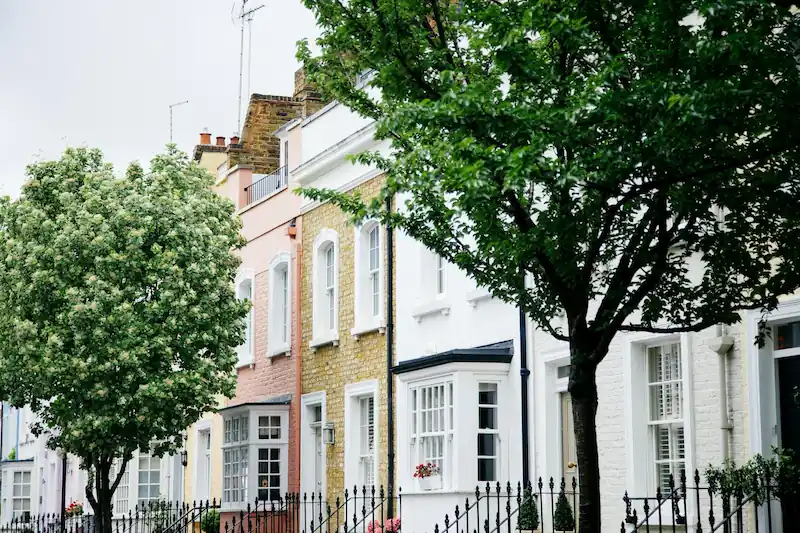
Where to stay in London
Find the best neighborhoods and hotels in London.
Open page →
Plan your trip to London with a strategic guide to the areas, attractions, museums, neighborhoods, food districts, and itinerary choices that matter most. London is not a single-center city to be consumed as a checklist: it is a network of ceremonial, cultural, financial, residential, and creative districts linked by the Thames, royal parks, rail termini, and Underground lines. The best London trips come from choosing the right base, grouping sights intelligently, and understanding when to prioritize headline landmarks, museums, neighborhood texture, food, theatre, or day trips.
Find the best neighborhoods and hotels in London.
Open page →
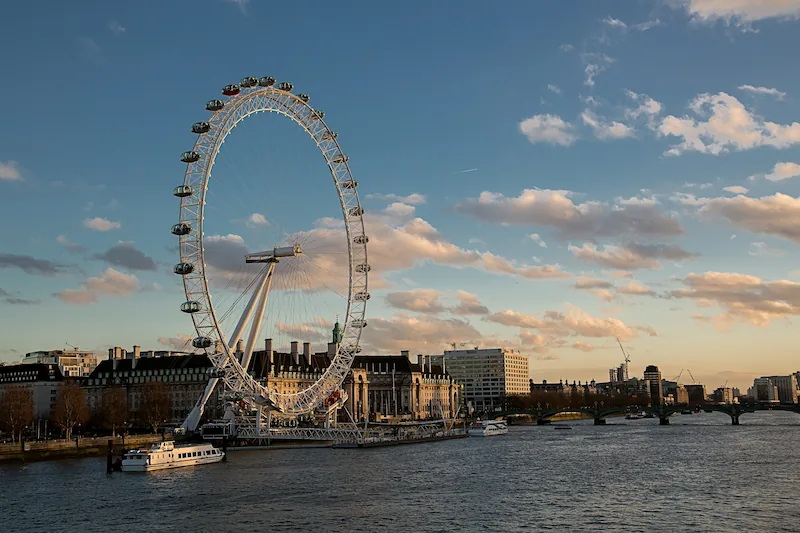
Prioritize the activities that deserve your time in London.
Open page →
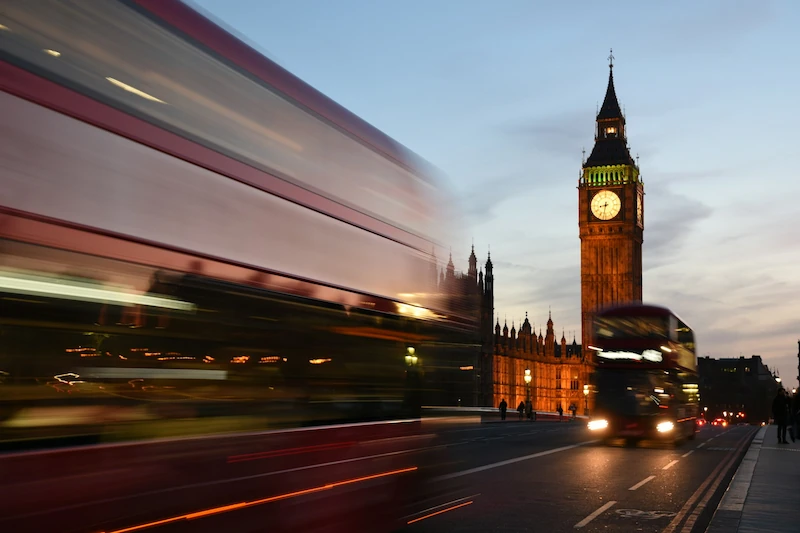
2 Days in London: First-Time Itinerary for Essential Sights
Open itinerary →
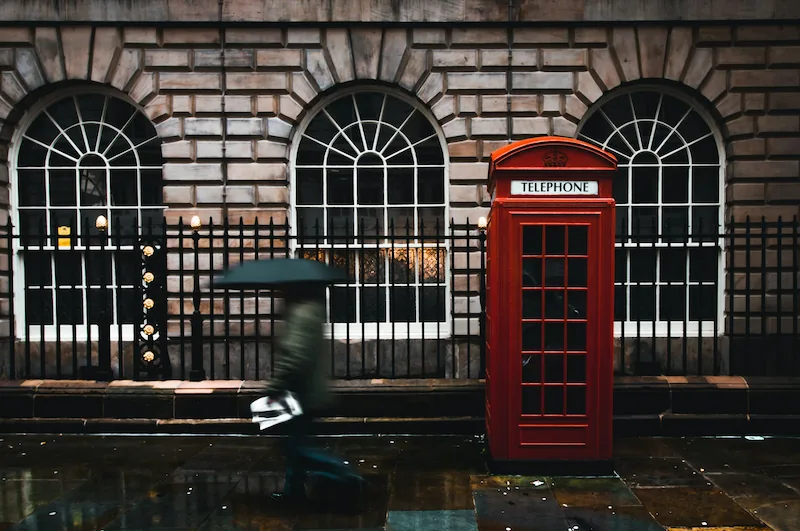
3 Days in London: Best Itinerary, Sights & Where to Stay
Open itinerary →
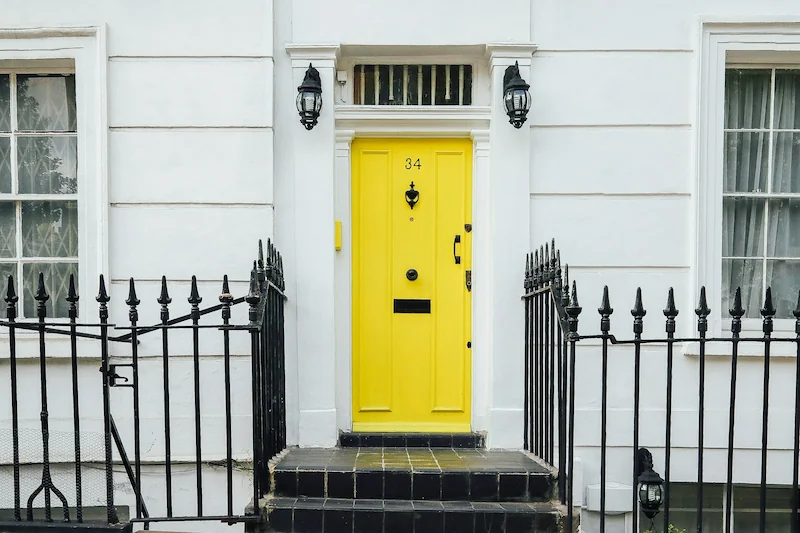
4 Days in London: Best Itinerary by Neighborhood
Open itinerary →
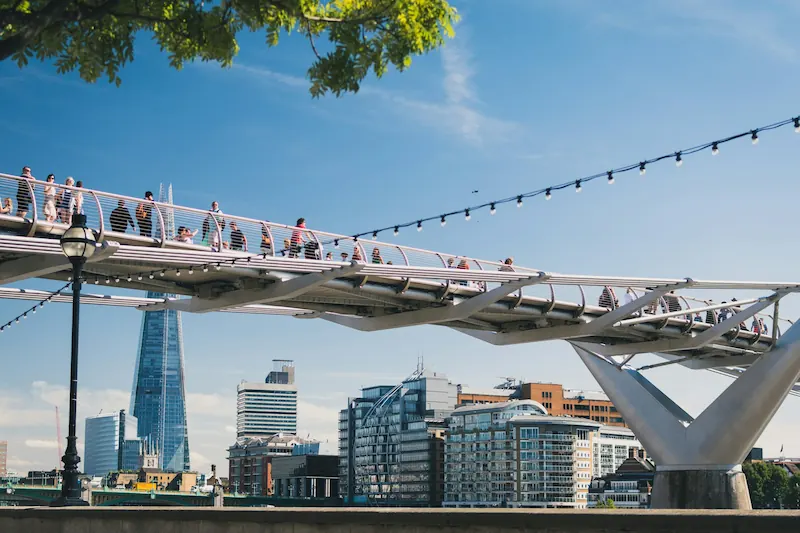
5 Days in London: Return-Visitor Itinerary & Neighborhoods
Open itinerary →
London works less like one city than a chain of powerful districts linked by the river, parks, rail termini, and Underground lines. Westminster explains political and royal London; the West End explains theatre, dining, and commercial energy; South Bank and Southwark explain the cultural river; the City shows old mercantile London colliding with the modern skyline; Kensington anchors museums and calmer west London; east London brings food, markets, design, and contemporary urban texture. A successful London trip is not about seeing everything, but about choosing the right sequence of areas for your stay length and travel style.
London combines the scale of a global capital with the specificity of distinct local districts. Few cities let a first-time traveler move so quickly from monarchy and Parliament to world-class museums, theatre streets, historic pubs, multicultural food, Georgian squares, royal parks, and post-industrial creative neighborhoods. The city is especially rewarding when planned through contrasts: Westminster versus Shoreditch, South Kensington versus Soho, the South Bank versus the City, or Greenwich versus the West End. That range makes London one of Europe’s strongest city-break destinations, but only if the itinerary is edited with discipline.
Best time: May to June and September to October for the strongest balance of daylight, park weather, walkability, cultural rhythm, and manageable booking pressure.
Ideal trip length: 3 days for a strong first London trip; 4 to 5 days for a balanced itinerary with museums, neighborhoods, food, and theatre; 6 to 7 days if you want Greenwich, Richmond, Kew, Hampstead, or a day trip without rushing.
London can become expensive quickly through accommodation, transport mistakes, theatre, restaurants, and timed-entry attractions, but it also offers unusually strong free value through museums, parks, river walks, markets, and neighborhood browsing. The real budget question is not only how much each attraction costs; it is whether your hotel location reduces wasted time, whether you use free cultural anchors well, and whether you avoid stacking too many paid experiences with overlapping value.
London is best understood as a set of high-intensity districts rather than one coherent downtown. Westminster concentrates state, monarchy, and ceremonial London; the West End concentrates theatre, restaurants, shopping, and evening energy; South Bank and Southwark create the cultural river corridor; the City compresses medieval lanes, finance, St Paul’s, and skyline viewpoints; South Kensington brings the cleanest museum cluster; Marylebone and Notting Hill soften the city into residential west London; Shoreditch, Spitalfields, and Brick Lane shift the mood toward markets, design, nightlife, and migration-led food culture. Each area has a role, and the mistake is treating them as interchangeable pins on a map.
The Thames is London’s main visual spine, but the city is also shaped by bridges, parks, stations, historic villages, and dispersed centers. North and south of the river do not function the same way, and east-west movement often matters more than raw distance. The best routes use the river to make London legible, the Tube to bridge gaps, and walking to read each district at street level.
London changes by time of day. Mornings are best for major landmarks, museum openings, markets before peak crowds, and calmer park movement. Afternoons work well for South Bank, Kensington museums, shopping streets, and neighborhood walks. Evenings pull the city toward the West End, Soho, Covent Garden, Shoreditch, riverside views, pubs, theatre, and restaurants. A good itinerary uses that rhythm instead of forcing every activity into the same sightseeing template.
For a first trip, think in five layers: ceremonial London, river London, museum London, evening London, and neighborhood London. Westminster and the Tower explain power and history; the South Bank and Thames explain geography; the British Museum, V&A, Tate Modern, or Natural History Museum explain cultural depth; Soho and the West End explain night energy; Greenwich, Marylebone, Notting Hill, Shoreditch, or Hampstead explain local texture. This mental model keeps London from becoming a confusing list of famous places.
Open the planner
Build each day around one primary cluster and one adjacent extension rather than treating London as an uninterrupted sightseeing field. Use the Thames as a sequencing tool: Westminster pairs naturally with the South Bank, the Tower pairs with the City and Tower Bridge, and Greenwich works best when approached by river. Choose a hotel based on the trip you are actually building: West End for theatre and dinners, Westminster for landmark efficiency, South Bank for cultural river access, Kensington for museums and families, Marylebone or Notting Hill for calmer central living. Treat museums as anchors, not fillers. London’s biggest collections are free or accessible, but they demand selective routing and real energy. Protect one evening plan. Theatre, Soho, a pub district, a skyline drink, jazz, or a strong dinner often gives London more emotional payoff than another daytime attraction. Use parks, canals, and residential neighborhoods to prevent the trip from becoming only institutions and queues. Keep paid attractions selective. The Tower of London, Westminster Abbey, St Paul’s, a skyline deck, theatre, and a special exhibition can all be worth it, but not if they are stacked without breathing space. Use longer stays to change register: after the first two or three days, move toward Greenwich, Hampstead, Richmond, Kew, Spitalfields, canals, or food-led neighborhoods. Let arrival and departure logistics shape the first and last half-day instead of forcing the itinerary to start with the same landmark route for everyone.
Vibe: Institutional, ceremonial, structured.
Why go: Parliament, Westminster Abbey, Whitehall, Buckingham Palace, St James’s Park, and the Thames sit within walking distance, creating the clearest expression of official London. It is the most efficient area for understanding power, ceremony, monarchy, and first-time landmarks in one compact sequence.
Who it fits: First-time visitors, short stays, landmark-led travelers, and anyone who wants Big Ben, Westminster Abbey, Parliament, and royal London to be immediately accessible.
Not for: Travelers seeking nightlife, independent restaurants, boutique shopping, or a strong local neighborhood feel after dark.
Where to stay: Strategic for short stays focused on landmarks, with strong transport links and walkable access to the Thames, St James’s, and the West End.
Vibe: Performative, compact, constantly in motion.
Why go: Theatre, restaurants, bars, shopping streets, street performance, Chinatown, Seven Dials, and easy access to the West End make this the most convenient area for travelers who want London to stay active after dark.
Who it fits: First-time visitors who want maximum walkability, couples, theatre-goers, food-led travelers, and anyone prioritizing evenings over quiet.
Not for: Travelers sensitive to noise, crowds, weekend congestion, or hotel pricing in the most central visitor zones.
Where to stay: One of the best areas to stay in London for first-time visitors who value walkability, dining, and theatre more than quiet.
Vibe: Cultural corridor with open river space.
Why go: Tate Modern, Shakespeare’s Globe, Borough Market, London Eye proximity, Millennium Bridge, and some of the best Thames walks create one of London’s strongest combinations of culture, views, and flexible movement.
Who it fits: Travelers who like river views, museums, walking, modern hotels, family-friendly space, and easy access to both Westminster and the City.
Not for: Travelers who want classic townhouse London, luxury shopping on the doorstep, or a purely residential atmosphere.
Where to stay: Modern hotels and riverside apartments with strong connectivity and direct pedestrian access to major cultural sites.
Vibe: Financial core meets creative edge.
Why go: The City gives you St Paul’s, medieval lanes, financial towers, Roman and mercantile history, while Shoreditch and Spitalfields add food, markets, street texture, design, and nightlife.
Who it fits: Repeat visitors, business travelers adding leisure time, food-and-design travelers, and anyone who wants old London and contemporary east London in the same trip.
Not for: Travelers who want the softest, most romantic base or a classic first-time postcard setting.
Where to stay: Efficient for City access and well connected to east London’s restaurants, bars, and design-led districts.
Vibe: Refined, museum-rich, residential.
Why go: The V&A, Natural History Museum, Science Museum, Hyde Park, Kensington Gardens, elegant residential streets, and calmer hotel options make this one of London’s best bases for families and museum-focused stays.
Who it fits: Families, longer stays, museum-first travelers, comfort-led visitors, and anyone who wants central access without West End intensity.
Not for: Travelers who want late-night bar density, immediate theatre access, or the highest-energy version of London.
Where to stay: Comfortable, polished, and well served by the Tube, with green space and some of London’s best museums within easy reach.
Vibe: Polished, residential, quietly central.
Why go: Marylebone combines calm central streets, good restaurants, independent shops, Regent’s Park access, Baker Street connections, and easy reach of the West End without the same crowd pressure.
Who it fits: Couples, return visitors, comfort-led first-timers, solo travelers, and anyone who wants a refined but practical London base.
Not for: Travelers who want landmark views from the hotel door or nightlife directly underneath them.
Where to stay: One of the best areas to stay in London for travelers who want a calmer, more upscale base while remaining highly connected.
Vibe: Residential, photogenic, softly upscale.
Why go: Notting Hill offers residential charm, Portobello Road, west London cafés, colorful streets, and a slower base that still connects well to Hyde Park, Kensington, and central London.
Who it fits: Couples, repeat visitors, slower travelers, photographers, and families who prefer atmosphere and neighborhood feel over immediate landmark access.
Not for: Travelers with only one or two days, or anyone who wants the most efficient base for Westminster, the Tower, and the West End.
Where to stay: A strong choice for a more residential London stay with atmosphere, walkability, and good west-side connectivity.
London reveals itself best when experiences are layered strategically rather than stacked mechanically: power and history first, then cultural depth, neighborhood texture, food, theatre, parks, and the city after dark. The strongest city-guide experiences are the ones that help you understand how London works, not just the ones that add another famous name to the list.
Planning tip: Build each day around a clear urban role: ceremonial Westminster, cultural South Bank, museum-focused South Kensington or Bloomsbury, historic City, evening West End, or neighborhood-led west/east London. This reduces cross-city friction and gives every day a clearer point of view.
Pair Westminster Abbey with a slow exterior circuit of Parliament, Whitehall, and the river to understand how monarchy and government physically sit side by side.
Tip: Book Abbey entry early and walk Parliament’s perimeter rather than joining every queue in the area.
The Tower of London remains one of the few blockbuster attractions in the city that still delivers real historical density once you are inside it.
Tip: Use a morning entry and pair it with Tower Bridge or a City walk rather than another unrelated landmark jump.
The dome climb gives one of the clearest readings of London’s layered skyline — old stone, postwar rebuilding, and financial modernity in a single sweep.
Tip: Book an early slot and keep the rest of the City walk on foot rather than hopping straight back onto the Tube.
Walking the river east of the ceremonial core reveals a different London — more commercial, more infrastructural, and more visibly shaped by trade and reinvention.
Tip: Start near Tower Hill and continue west or east depending on how much river walking you want to absorb in one stretch.
The rotation is slow enough to make London’s geography readable — river bends, bridges, and landmark clusters settling into one mental map.
Tip: Aim for the last daytime slots rather than full darkness so the skyline stays legible.
A skyline deck makes sense in London, but generally only once. The value lies in city-reading, not in stacking multiple viewpoints that repeat the same visual logic.
Tip: Choose the deck that best fits your route and budget rather than chasing every famous view.
The ceremony matters less as a standalone spectacle than as part of a wider royal London sequence involving the Mall, St James’s Park, and Buckingham Palace.
Tip: Only do it if the timing is exact; otherwise the surrounding walk often delivers more than the crowd logic.
London’s performance culture is not a side activity — it is one of the city’s core nightly rhythms, shaping movement, dining, and the energy of central streets.
Tip: Build dinner around the theatre rather than trying to cross the city before curtain time.
Check guided tours →
Approach the collection as a narrative of acquisition, empire, and power rather than as a random accumulation of isolated artifacts.
Tip: Arrive at opening hour and pre-select two galleries only.
This pairing makes London’s cultural logic visible in motion: industrial reuse, contemporary art, and ecclesiastical authority aligned across the river.
Tip: Do the museum first, then cross the bridge rather than treating them as separate stops.
The National Gallery is one of London’s best free cultural anchors because it combines centrality, major names, and a visit scale that can stay focused rather than overwhelming.
Tip: Use it as a deliberate 90-minute to 2-hour stop rather than a vague add-on between other attractions.
Check guided tours →
The V&A is one of London’s easiest major museums to enjoy even when you are not in full study mode, because design, material beauty, and curation do so much of the work.
Tip: Choose one wing or one theme; the museum repays selectivity more than full coverage.
Check guided tours →
The Natural History Museum works because the building and the content both land. It is one of London’s strongest all-round museum experiences for families, mixed groups, and rainy days.
Tip: Go early or late if possible; this is one of the museums where timing materially changes comfort.
Check guided tours →
For travelers who want London’s wartime history to feel immediate rather than abstract, this is one of the city’s best indoor historical experiences.
Tip: Treat it as a focused historical stop, not something to squeeze into an already overloaded Westminster day.
The Globe is most useful when read as part of a larger South Bank theater and trade geography, not as an isolated reconstruction.
Tip: Pair it with a South Bank walk rather than crossing the river immediately afterward.
The V&A, Natural History Museum, and Science Museum should be treated as a strategic choice, not a three-museum challenge. This district works best when you pick the institution that matches your group and let the surrounding west London geography support the day.
Tip: Families usually do better with the Natural History Museum or Science Museum; design-focused travelers should prioritize the V&A.
Check guided tours →
The market is less about eating everything and more about observing London’s daily food choreography, pace, and crowd flow.
Tip: Go before 10am to avoid peak congestion and keep the stop intentional.
Check guided tours →
Before London fully accelerates, its parks show a different urban rhythm — slower, local, and less performative than the landmark core.
Tip: Go early and keep the walk directional rather than circling aimlessly; it works best as a transition into nearby museums or west-side neighborhoods.
Check guided tours →
The point here is not just the famous market itself but the slower neighborhood fabric beyond it — the domestic layer that gives west London its particular tone.
Tip: Walk one or two streets off the main market drag to regain scale and quiet.
Check guided tours →
Marylebone is one of the best places to feel a more composed central London — elegant, lived-in, and connected without the theatrical pressure of the West End.
Tip: Use it for a slower lunch, boutique browsing, or a reset between busier museum and shopping zones.
Check guided tours →
The canal gives one of the most useful counterpoints to monument London: more residential, more fluid, and far less scripted than the central river corridors.
Tip: Treat it as a transition walk rather than a destination that must carry a whole day on its own.
Check guided tours →
Greenwich feels like a release valve from central London while still remaining deeply tied to the city’s identity through the river, maritime history, and broader spatial logic.
Tip: Approach by boat if possible; the arrival helps the district make more sense.
Shoreditch is most convincing when treated less as a checklist district and more as a shift in urban language — more current, more design-led, and less ceremonially London.
Tip: Use it after the City or Spitalfields rather than as a disconnected cross-town jump.
Check guided tours →
Spitalfields and Brick Lane help connect the City’s financial and mercantile history with east London’s migration, food, market, and creative layers. This is one of the cleanest ways to add contemporary texture without leaving the central-east geography.
Tip: Use it after St Paul’s, Leadenhall Market, or the City rather than as a disconnected evening jump.
Hampstead is the best strategic addition when you want London to feel residential, literary, green, and topographical rather than monumental. It gives longer trips a quieter, more local register.
Tip: Use it on a 4- or 5-day trip after the central essentials, not before Westminster, the Tower, or one major museum.
Check guided tours →
Kew and Richmond show the spacious western edge of London, where gardens, river bends, deer park atmosphere, and village-like streets give longer stays a radically different pace from the center.
Tip: Choose this only when you have at least four or five days, or when gardens and green space matter more than another central attraction.
A midday pint or classic pub meal reveals the social layer beneath London’s institutional surface more clearly than many formal attractions do.
Tip: Order at the bar and secure a table before peak lunch hour if the pub is locally popular.
Check food options →
London’s pub culture is not just drinking culture; it is one of the clearest ways to experience pacing, place, and low-key social ritual in the city.
Tip: Do it in a neighborhood that already fits your day rather than treating a roast as a city-wide pilgrimage.
Check food options →
London’s Indian food scene is not an add-on but one of the clearest expressions of the city’s postwar migration story and everyday dining culture.
Tip: Choose places that feel busy and lived-in rather than overly polished destination restaurants.
When you want London’s food density rather than ceremony, Soho and Chinatown remain among the easiest places to build an evening that feels compact, varied, and high-return.
Tip: Use these areas when you want low logistical effort, not necessarily when you want the city’s most delicate meal.
Check food options →
Done selectively, afternoon tea gives a London trip a distinctly local ritual and pause point rather than just another expensive booking.
Tip: Book it only if the ritual genuinely appeals to you; otherwise put the money into dinner or theatre.
This is a more contemporary read of London’s food identity — multicultural, efficient, and curated, but still useful for understanding how the city eats across different budgets and rhythms.
Tip: Go outside the narrowest lunch or dinner peaks so you can observe the place rather than just queue inside it.
London expands quickly if left unstructured. Protect the experiences that explain the city’s logic, then add depth only once the core geography is clear. This is the strategic difference between a satisfying London trip and an exhausting list of famous names.
London works very well with children if the trip alternates recognisable sights, interactive museums, parks, transport moments, and short geographic jumps. The city becomes difficult when families copy an adult checklist with long museum blocks, too many queues, and repeated Tube transfers. The best family version of London uses the Natural History Museum, Science Museum, Transport Museum, South Bank, parks, a Thames boat, and one or two big symbolic landmarks rather than trying to make every famous place matter equally.
Different stay lengths unlock different versions of London. Three days should clarify the city’s core; five days should add museums, east/west contrast, and stronger evenings; seven days should let London become residential, green, food-led, and potentially connected to a day trip.
Open the planner →
London is easy to access and easy to misunderstand. Comfort depends less on raw distance than on timing, station logic, hotel positioning, and whether your itinerary respects how the city is actually structured.
Late spring and early autumn are the easiest windows for most travelers because daylight is generous, parks are useful, the Thames works as a scenic connector, and museums, theatre, neighborhoods, and markets all fit into the same trip. Summer is attractive for long evenings and open-air energy, but hotel prices, restaurants, skyline slots, and major attractions require more discipline. Winter is excellent for theatre, museums, pubs, festive lighting, and indoor culture if you accept shorter daylight and plan the outdoor pieces carefully.
Two full days is the minimum for a coherent first look at central London, but it stays compressed and forces hard trade-offs. Three days gives a proper first read. Four to five days is the real sweet spot for most visitors, because landmarks, museums, neighborhoods, food, and evening culture stop competing so aggressively. Six to seven days allow Greenwich, Hampstead, Richmond, Kew, canals, or a day trip without weakening the core city experience.
Choose where to stay in London by daily shape rather than prestige alone. Covent Garden and Soho suit theatre, restaurants, and first-time walkability; Westminster suits short landmark-led stays; South Bank suits river views and cultural access; Kensington suits museums and families; Marylebone gives a calmer central base; Notting Hill gives a more residential west-London rhythm; the City and Shoreditch suit business-leisure, food, nightlife, and repeat visitors. The right base is the one that reduces the journeys you will repeat most.
London’s arrival geography matters. Heathrow is the most useful long-haul gateway for west and central London; Gatwick often points naturally toward Victoria or London Bridge; Stansted and Luton add more friction for short breaks; London City Airport favors Canary Wharf and the eastern side; St Pancras is the key arrival point for Eurostar. Build your first half-day around the arrival corridor when possible instead of forcing an immediate cross-city transfer.
The Underground is the structural backbone, buses are useful for shorter surface journeys, Elizabeth line connections can be excellent from Heathrow and across the city, and walking is often best once you are inside a dense cluster. Contactless payment is usually the simplest visitor solution. The smartest pattern is Tube or train to the right district, then walk that district properly. Taxis and ride-hailing are best used selectively, especially with children, luggage, late nights, or awkward cross-river moves.
London is generally straightforward and safe for travelers, with reliable pharmacies, urgent care access, clear signage, and strong public transport. The main risks are pickpocketing in dense visitor zones, phone theft in busy streets or outside stations, fatigue after long museum days, late-night inattention around transport hubs, and weather complacency. Treat crowd density and tired planning as the biggest operational risks.
London changes meaningfully across the year because daylight, park use, walking appetite, theatre schedules, hotel pricing, and booking pressure reshape how the city is experienced. Late spring and early autumn are the easiest all-round windows for a first trip. Summer gives maximum daylight and outdoor payoff but requires more advance planning. Winter can be excellent for museums, theatre, pubs, shopping, and festive city atmosphere, as long as the itinerary accepts shorter daylight. The right season depends less on the chance of rain than on whether you want London to be outdoor, cultural, theatrical, residential, or food-led.
Spring gives London one of its most readable balances: parks reawaken, riverside walking becomes rewarding again, and the city regains spatial generosity without yet feeling fully compressed. This season suits first-time visitors and mixed itineraries that want monuments, neighborhoods, museums, and markets in the same trip. Clearer air and softer light often make the stone façades and park edges feel especially legible.
Summer is the season of maximum daylight and strongest open-air urban payoff, with long evenings that make the Thames, South Bank, skyline views, and neighborhood dinners work exceptionally well. It suits travelers who want the city to stay active deep into the evening and who do not mind building around heavier booking pressure. The trade-off is that comfort depends more heavily on reservations, timing, and early starts.
Autumn often gives London its calmest high-value window: cultural life is fully active, parks and streets remain walkable, and daily structure tends to feel cleaner than in peak summer. It suits museum-led travelers, repeat visitors, and anyone who wants a more composed reading of the city. Low sun on stone and wet pavement can sharpen the city’s textures without pushing the trip fully indoors.
Winter works best for theatre, major museums, pub culture, festive lighting, and shorter concentrated city breaks rather than for long outdoor days. It suits travelers who enjoy early darkness and a more interior version of London, but only if they accept reduced daylight and build their days with intention. The city can feel especially atmospheric after dusk, when reflected light and compact evening streets begin to carry more of the experience.
These are the practical and strategic decisions that usually determine whether a London trip feels clear, rewarding, and well-paced or fragmented, expensive, and tiring.
Three days is the best minimum for a first London trip because it allows the ceremonial core, the Thames, one major museum, the Tower or City, and a proper evening plan. Four to five days is the sweet spot for most travelers because museums, neighborhoods, food, parks, and theatre stop competing with each other. Six to seven days are useful if you want Greenwich, Hampstead, Richmond, Kew, canals, or a day trip without rushing the main city.
Two days is enough for a compressed first look, but not for a balanced London trip. You can cover Westminster, the South Bank, the Tower or City, one museum, and one evening area if you plan tightly. It is not enough for meaningful neighborhood depth, several museums, food exploration, and a day trip.
Covent Garden, Westminster, South Bank, and Marylebone are usually the most efficient first-trip areas. Covent Garden is best for walkability, theatre, and restaurants; Westminster is best for classic landmarks; South Bank is strong for river views and culture; Marylebone is calmer while staying central. The best choice depends on whether your trip is landmark-led, theatre-led, museum-led, or comfort-led.
The best areas to stay in London are Covent Garden and Soho for nightlife and central walkability, Westminster for landmarks, South Bank and Southwark for culture and river access, Kensington for museums and families, Marylebone for a refined central base, Notting Hill for residential charm, and the City or Shoreditch for business-leisure, east London food, and repeat visits.
Families usually do well in Kensington, South Bank, Marylebone, or Westminster. Kensington works for the Natural History Museum, Science Museum, parks, and calmer evenings. South Bank gives space, river walks, and easy access to major attractions. Marylebone is central but less intense. Westminster is efficient for short landmark-focused stays.
Couples often prefer Marylebone, Covent Garden, Notting Hill, South Bank, or Kensington. Marylebone gives calm central polish, Covent Garden makes theatre and restaurants easy, Notting Hill feels more residential and romantic, South Bank adds river atmosphere, and Kensington works for museums, parks, and quieter comfort.
Covent Garden, Soho, Leicester Square, and nearby West End areas are the most convenient for theatre and nightlife. Staying there makes evenings easy because restaurants, bars, performances, and late walks sit close together. Marylebone and South Bank are also good if you want access without sleeping in the densest nightlife zone.
Kensington is best for the V&A, Natural History Museum, and Science Museum. Bloomsbury is best for the British Museum. South Bank is best for Tate Modern and river culture. The right museum base depends on whether your priority is design, natural history, classic art, modern art, or family-friendly cultural time.
London is very walkable within clusters but not as a single continuous sightseeing field. Westminster, South Bank, Covent Garden, Soho, the City, South Kensington, Greenwich, and Notting Hill all reward walking internally. The smartest approach is to use the Tube or train to reach a cluster, then explore it on foot.
A strong first trip should include one ceremonial route, one historical anchor, one major museum, one river walk, one evening district, and one neighborhood layer. For example: Westminster and South Bank, Tower of London and the City, British Museum or V&A, Soho or the West End, then Greenwich, Notting Hill, Marylebone, or Shoreditch if time allows.
The most useful must-see attractions are Westminster Abbey and Parliament, the Tower of London, Tower Bridge, St Paul’s Cathedral, the South Bank, one major museum, and one evening in the West End or Soho. Buckingham Palace, the London Eye, Sky Garden, Greenwich, Borough Market, and Notting Hill can be excellent depending on trip length and interests.
Book the Tower of London, Westminster Abbey, St Paul’s dome, skyline decks, London Eye, West End shows, afternoon tea at famous venues, Harry Potter Studio Tour, and major special exhibitions ahead of time. Free museums often allow more flexibility, but peak times and temporary exhibitions can still require planning.
Neighborhood walks, parks, South Bank time, many free museums, markets, pubs, and casual food stops can usually stay flexible. Keeping these parts open helps absorb weather, fatigue, and transport delays. London works best with a few fixed anchors and flexible connective tissue between them.
May, June, September, and October are the best all-round months for London. They give a strong mix of daylight, parks, museums, theatre, neighborhood walks, and manageable crowd pressure. Summer is good for long evenings but expensive and busy. Winter is best for theatre, museums, pubs, shopping, and festive atmosphere.
Spring is better for parks, gardens, fresh daylight, and first-time energy. Autumn is better for museums, theatre, restaurants, and a calmer cultural rhythm. Both are excellent; choose spring if outdoor greenery matters more, and autumn if you want a more composed, culture-led trip.
Yes, London can be very good in winter if you build the trip around museums, theatre, pubs, shopping streets, festive lights, markets, and shorter walks. It is less ideal for long park days or river-heavy itineraries, but it can feel atmospheric and efficient for a compact cultural city break.
Use the Underground, Elizabeth line, trains, buses, and walking together. The best method is not one transport mode but a pattern: use public transport between major districts, then walk inside each cluster. Taxis are useful with luggage, children, late nights, or awkward transfers, but they are not always faster in central traffic.
No. A car is a disadvantage for almost all London visitors because of traffic, parking, congestion rules, and strong public transport. Use trains or organized tours for day trips, and rely on Tube, buses, walking, and occasional taxis inside the city.
Heathrow is often the most convenient long-haul airport for central and west London, especially with the Elizabeth line and Heathrow Express options. Gatwick works well for Victoria, London Bridge, and parts of south/central London. London City is convenient for the east and business districts. Stansted and Luton can be cheaper but add more friction for short stays.
A strong first day usually starts with Westminster, Parliament, Westminster Abbey, Whitehall, and the South Bank, then ends in Covent Garden, Soho, or the West End. This gives immediate orientation, classic landmarks, a river crossing, and an evening district without excessive travel.
Use day one for Westminster, South Bank, and the West End; day two for the Tower of London, Tower Bridge, the City, and possibly St Paul’s; day three for one major museum and a neighborhood such as Kensington, Notting Hill, Greenwich, or Shoreditch. Avoid adding a day trip unless it is personally essential.
A 5-day London trip can include Westminster and South Bank, Tower and the City, South Kensington or Bloomsbury museums, Greenwich, a west London neighborhood such as Notting Hill or Marylebone, an east London food or market layer, and one strong theatre or evening plan. This is the most balanced trip length.
Take a day trip only after London itself has enough time. Windsor, Oxford, Cambridge, Bath, Hampton Court Palace, Brighton, Canterbury, and the Harry Potter Studio Tour can all work, but on a short first stay London usually deserves the time more. Day trips make most sense from day four or five onward.
Windsor is often the easiest first day trip because it is close, royal, and logistically simple. Oxford and Cambridge are strong for academic architecture and atmosphere. Bath is beautiful but longer. Hampton Court Palace is a good palace experience without leaving the wider London orbit.
The best free things to do in London include the British Museum, National Gallery, Tate Modern, V&A, Natural History Museum, South Bank river walks, Hyde Park, Kensington Gardens, Hampstead Heath, Greenwich Park, neighborhood browsing in Notting Hill and Shoreditch, and many city viewpoints from bridges and parks.
The British Museum is best for world history and empire questions, the V&A for design and beauty, the Natural History Museum for families and architecture, Tate Modern for modern art and the South Bank, the National Gallery for classic painting, and Churchill War Rooms for focused wartime history. Choose by interest, not by fame alone.
Choose the British Museum if you want ancient civilizations, empire, archaeology, and global historical density. Choose the V&A if you prefer design, fashion, decorative arts, beauty, and a less heavy cultural experience. Both are excellent, but doing both deeply in a short trip can be too much.
Yes, the Tower of London is one of London’s most worthwhile paid attractions because it combines fortress architecture, monarchy, imprisonment, military history, and the Crown Jewels in one dense site. It works best with a morning slot and a nearby Tower Bridge or City walk afterward.
The London Eye is worth it if you want a classic slow skyline experience and especially if this is a first visit or family trip. It is less essential if you already plan Sky Garden, The Shard, or another viewpoint. Choose one skyline experience rather than stacking several.
Sky Garden is worth it if you can get a good timed slot and want a City-based viewpoint with strong skyline context. The value is mainly the view and orientation, not a deep attraction experience. It works best when paired with the City, St Paul’s, Tower Bridge, or east London.
Buckingham Palace is symbolically important but often more rewarding as part of a wider royal London walk through St James’s Park, the Mall, and Westminster than as a standalone photo stop. Going inside is seasonal and should be booked if that royal-history experience matters to you.
Changing of the Guard is worth it only if timing fits cleanly and you do not mind crowds. For many visitors, a wider St James’s Park, Buckingham Palace, Westminster, and Whitehall walk gives better value than waiting too long for the ceremony.
Marylebone, Notting Hill, Hampstead, Greenwich, Shoreditch, Spitalfields, Richmond, and parts of Southwark offer stronger local atmosphere than the pure landmark core. They work best after you have covered the essential central structure or when your trip is long enough to include slower neighborhood time.
Soho is the easiest central dining area, Borough Market is the classic food-market stop, Shoreditch and Spitalfields are strong for contemporary and east London food, Brick Lane has migration-led food history, Marylebone is good for polished dining, and Chinatown is useful for compact central eating near the West End.
Borough Market is worth it if you go with timing and intent. It is strongest in the morning or off-peak and works well with South Bank, Tate Modern, Shakespeare’s Globe, or London Bridge. At peak times it can feel more like crowd management than food discovery.
The West End, Soho, Covent Garden, Shoreditch, and the South Bank are the most useful evening areas. West End and Covent Garden are best for theatre, Soho for restaurants and bars, Shoreditch for a more contemporary night out, and South Bank for scenic walking and river atmosphere.
London is generally safe for tourists, especially in the main visitor areas. The main issues are pickpocketing, phone snatching, crowded transport, and late-night fatigue around busy stations or nightlife streets. Basic urban awareness is usually enough.
Avoid overloading each day, staying far from your actual itinerary, crossing the city too often, treating every free museum as a quick stop, booking multiple similar viewpoints, eating only in obvious tourist corridors, and taking day trips before London itself has been properly explored.
The biggest mistake is thinking London can be planned as a list of attractions rather than as a set of districts. The city becomes tiring when every stop is isolated. It becomes rewarding when each day has a geographic logic and a clear purpose.
Yes. London is excellent for solo travelers because museums, cafés, parks, theatre, markets, bookshops, galleries, and public transport all work well alone. Marylebone, South Bank, Bloomsbury, Covent Garden, and Kensington are especially easy bases for solo trips.
Yes. London is strong for couples when the trip balances theatre, restaurants, river walks, parks, museums, and atmospheric neighborhoods. Marylebone, Notting Hill, Covent Garden, South Bank, and Kensington are often better couple bases than purely business or outer commuter areas.
Book the constrained anchors, then leave the connective parts flexible. A good London day often has one fixed attraction, one geographic walk, one meal area, and one evening plan. Overbooking removes the spontaneous value that makes London’s neighborhoods and parks work.
Plan London in clusters, choose your base around repeated movements, limit major museums and skyline experiences, protect evenings, and use the Thames, parks, and neighborhood walks to connect the city. A well-edited itinerary beats a fuller one almost every time.
Plan London by districts, priorities, and rhythm, and the city stops feeling oversized and starts feeling precise.
Find the best places to stay, how to get there, and move around with ease.
Build a smarter trip base
Once you understand how London works and what matters most for your trip, the next step is turning that direction into a real itinerary. Use the planner to organize your days around the right areas, experiences, and rhythm so the trip feels clear before you go.