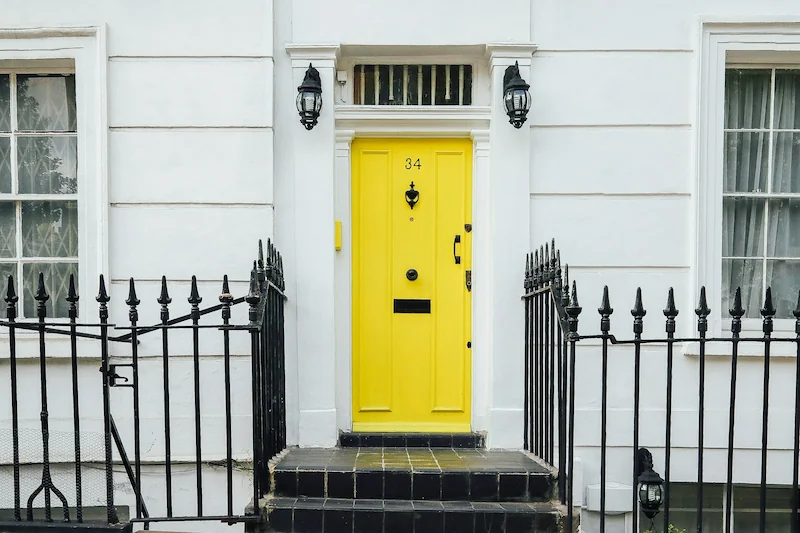
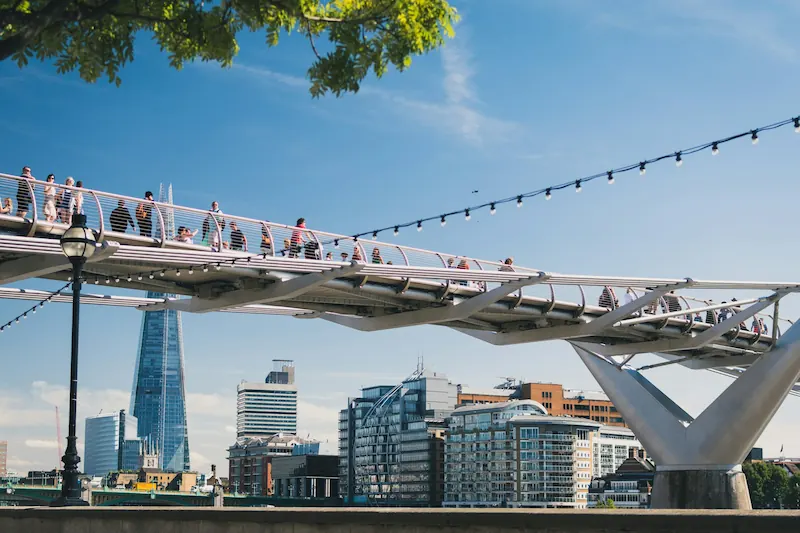
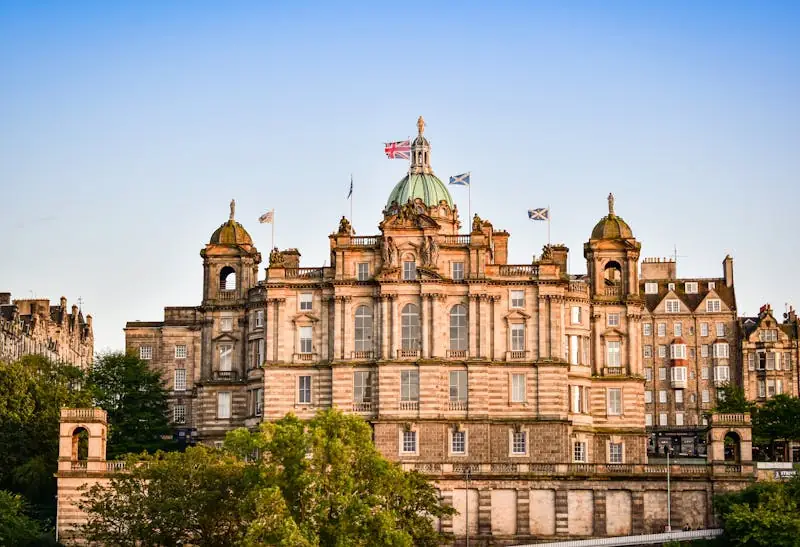
Discover the best things to do in London without turning the trip into a checklist. This guide helps you prioritize the landmarks, museums, markets, theatre, viewpoints, neighbourhood walks, food stops and day trips that genuinely shape a better itinerary. London rewards editing more than accumulation: the strongest trips balance icons, culture, local texture, food, parks and evening atmosphere within clear geographic clusters.
Best time
London works year-round. Late spring to early autumn gives the easiest conditions for outdoor landmarks, parks, markets, river walks and evening views, while winter is strong for museums, theatre, lights, shopping streets, pubs and indoor culture.
Ideal trip length
Plan at least 3 days for a satisfying first-time London trip. Four to five days is better if you want major museums, local neighbourhoods, one strong evening plan, market time, parks and one possible day trip without rushing.
Continue planning your London trip
Use the London city guide for the wider planning logic, the where-to-stay guide for neighbourhood and hotel-base decisions, and the itinerary pages to connect these activity choices into practical day-by-day routes.
The best things to do in London at a glance
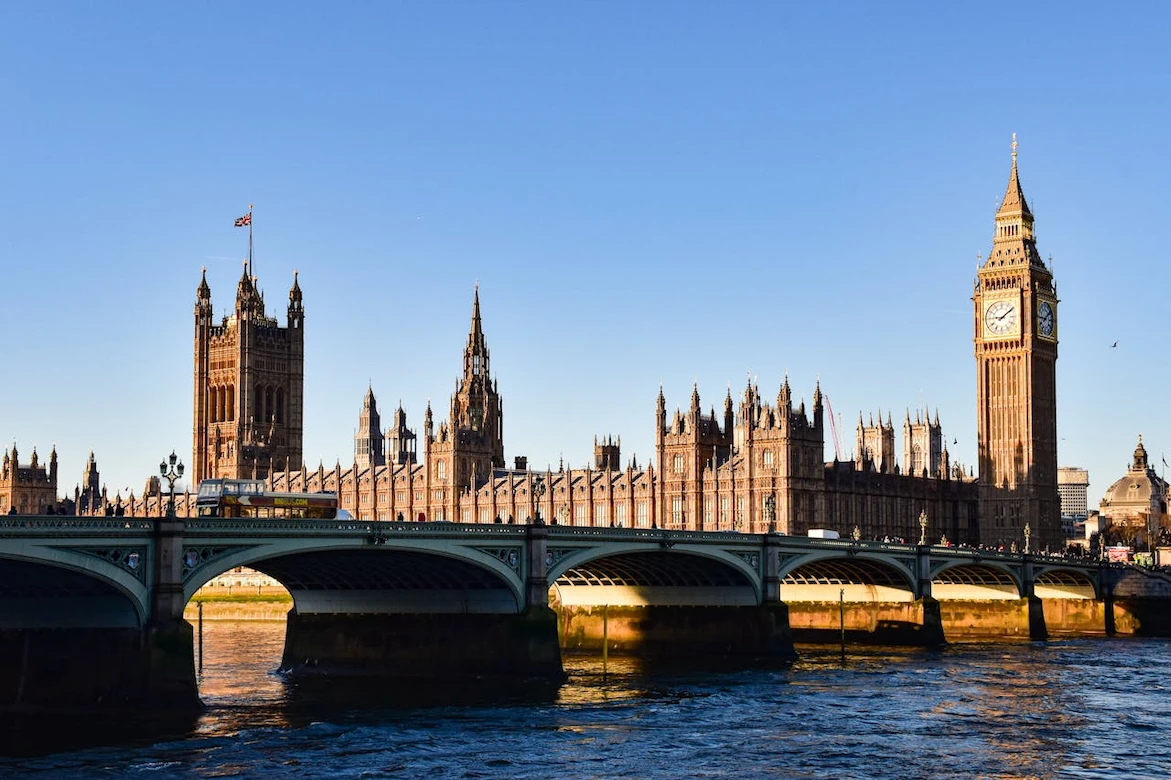
Walk Westminster to the South Bank – Area: Westminster / South Bank · Best for: first-time orientation · Time needed: 3 to 4 hours · Worth it: Yes: this is the clearest first route for Parliament, Big Ben, Westminster Abbey, the Thames and London’s ceremonial core. · Book ahead: No, unless adding Westminster Abbey or the London Eye.
Visit the Tower of London and cross Tower Bridge – Area: Tower Hill · Best for: history with real impact · Time needed: 3 to 4 hours · Worth it: Yes: one of London’s few blockbuster attractions that still delivers real historical density. · Book ahead: Yes in peak periods, especially for morning entry.
Choose one major museum with intent – Area: Bloomsbury / South Kensington / Bankside · Best for: culture-first travelers · Time needed: 2 to 4 hours · Worth it: Absolutely, but only if you focus. Pick the British Museum, V&A, Natural History Museum, Tate Modern or National Gallery based on your interests. · Book ahead: Usually no for permanent collections; yes for special exhibitions.
Spend an evening in Soho, Covent Garden or the West End – Area: West End · Best for: theatre, restaurants and night atmosphere · Time needed: 2 to 4 hours · Worth it: Yes: this is one of the simplest high-payoff evening plans in London. · Book ahead: Yes for theatre, popular restaurants and weekend dinners.
Pick one London viewpoint – Area: South Bank / City · Best for: big-picture city reading · Time needed: 1 to 2 hours · Worth it: Yes if you choose one strong option — London Eye, Sky Garden or The Shard — instead of stacking several skyline experiences. · Book ahead: Yes for the London Eye, Sky Garden and prime evening slots.
Do one proper London market – Area: Borough / Camden / Portobello / East London · Best for: food-led browsing and neighbourhood texture · Time needed: 1.5 to 3 hours · Worth it: Yes, if you choose the market that matches your trip instead of chasing every famous one. · Book ahead: No.
Add a Thames boat segment – Area: Central London / Greenwich · Best for: seeing London in motion · Time needed: 45 to 90 minutes · Worth it: Often yes: it works best as transport between areas, especially toward Greenwich, rather than as a generic cruise. · Book ahead: Usually no, unless choosing a specific cruise.
Walk Greenwich as a slower half-day – Area: Greenwich · Best for: river, maritime history and views · Time needed: 4 to 5 hours · Worth it: Yes on trips of 4+ days: the river approach, market, park, observatory area and maritime setting give London a different rhythm. · Book ahead: Only if adding the Royal Observatory, Cutty Sark or a boat ticket.
Get local texture in Notting Hill, Marylebone, Hampstead or Shoreditch – Area: West / North / East London · Best for: repeat visitors or slower trips · Time needed: 2 to 4 hours · Worth it: Yes once you have covered the headline clusters. These neighbourhoods make London feel lived rather than only monumental. · Book ahead: No.
Take one real day trip from London – Area: Windsor / Oxford / Cambridge / Bath / Brighton · Best for: longer stays · Time needed: Full day · Worth it: Yes if you have at least 5 days in London or have already covered the central essentials. · Book ahead: Yes for rail savings, major sights and guided combinations.
How to choose well in London
London is not a city where more automatically means better. The strongest trips combine a few heavyweight attractions, one or two neighbourhood-scale experiences, a museum or cultural anchor, a food or market moment, and enough open time to let the city feel lived rather than over-programmed.
Prioritize range over accumulation: one landmark cluster, one museum, one market, one evening district and one quieter neighbourhood often work better than ticking every icon.
Use geography to cut friction. Pair Westminster with the South Bank, Tower Hill with the City, South Kensington museums with Hyde Park, and Soho with Covent Garden.
Treat museums selectively. London’s best institutions reward focus and punish overcoverage.
Do not overbook observation decks, boat cruises and bus tours together: they often repeat the same visual logic.
Keep one evening plan protected. Theatre, Soho, a pub district, live music or a strong dinner often gives London more emotional payoff than another daytime attraction.
Use parks, riverside segments and neighbourhood walks as real London experiences, not filler between paid sights.
For families, alternate seated or interactive experiences with open space; long formal sightseeing chains become expensive and tiring quickly.
For repeat visitors, move toward house museums, canal walks, East London, Hampstead, Kew, Richmond, live music and specialist exhibitions.
Iconic London: the landmarks and classic experiences that genuinely earn their place
London’s signature attractions are less about isolated monuments than about power, ceremony, history, and the river’s visual structure. The best iconic things to do in London are the ones that help you read the city quickly and remember it clearly.
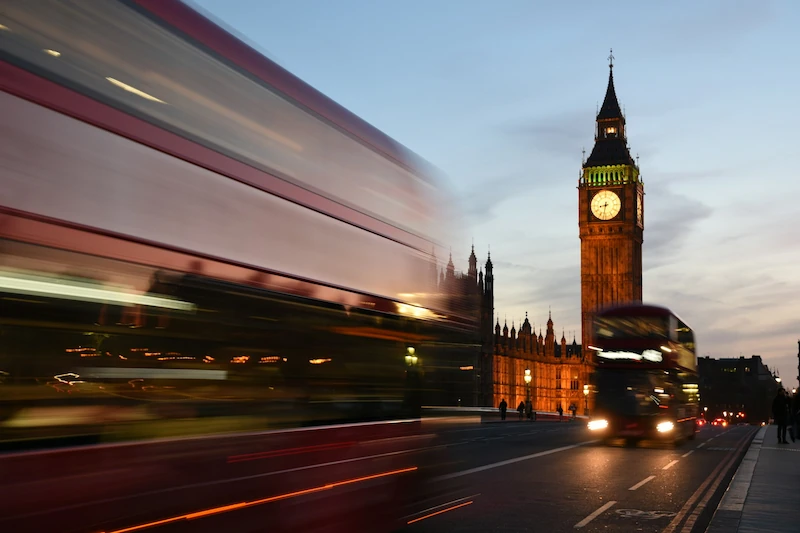
Walk Westminster Abbey, Big Ben, Parliament, and Whitehall in one sweep – This is the strongest first-pass route for understanding official London. You get monarchy, Parliament, ceremonial space, and a clean progression toward the river without needing a guided tour to make the city legible. (First-time essential · Best for: first-time visitors who want a high-yield introduction to central London)
Go inside the Tower of London, not just past it – The Tower of London is not just a famous exterior. The real payoff comes from the layers of monarchy, imprisonment, military history, and symbolism inside one of London’s densest major attractions. (Worth it · Best for: travelers who want London history to feel concrete)Find tours & experiences
Cross Tower Bridge after the Tower, not as a separate errand – Tower Bridge works best as part of a wider Tower Hill and City sequence. Seen this way, the contrast between medieval fortress, Victorian engineering, and the financial skyline becomes unusually clear. (High payoff · Best for: walkers, photographers, and first-time visitors)Find tours & experiences
Ride the London Eye if you want the classic London skyline experience – The London Eye is still one of the most recognizable things to do in London, especially for first-time visitors. It is most useful when you want a slow panoramic read of the river, Westminster, and central London’s scale. (Classic choice · Best for: first-time trips and scenic city views)Find tours & experiences
Choose one skyline deck: Sky Garden or The Shard – A London viewpoint makes sense, but usually only once. Pick the deck that fits your route and budget, then use it as your one panoramic city-reading moment rather than repeating the same logic from multiple towers. (Best for: travelers who want a strong visual overview of London)Find tours & experiences
Read St Paul’s Cathedral from both inside and across the river – St Paul’s is not just about the dome. Its real impact comes from seeing it in relation to Millennium Bridge, river perspectives, and the constantly shifting scale of the City around it. (Best for: architecture and skyline-focused trips)Find tours & experiences
See Buckingham Palace and St James’s Park if royal London matters to you – Buckingham Palace is symbolically important, but it works best when paired with St James’s Park, the Mall, and ceremonial London more broadly. The wider sequence is often more rewarding than the palace alone. (Only if it fits your trip · Best for: royal-history travelers and first-time visitors)Find tours & experiences
Catch the Changing of the Guard only if you can time it cleanly – The Changing of the Guard is one of the most searched London attractions for first-time visitors, but it only makes sense if it fits neatly into your Westminster morning rather than taking over the day. (Timing-dependent · Best for: travelers who want ceremony and classic London pageantry)Find tours & experiences
Use a Thames river boat segment to connect major sights – On a first London trip, the Thames is not just scenery. A river boat segment between Westminster, Bankside, Tower, or Greenwich often reveals more about the city’s structure than another indoor stop. (Best for: travelers who prefer movement to static sightseeing)Find tours & experiences
Go inside Westminster Abbey if royal and political London matters – Westminster Abbey turns the Westminster walk from a photo route into a deeper historical experience. It is especially valuable for travelers interested in coronations, poets, memorials, Gothic architecture, monarchy, and the long continuity of British public life. (High-value interior · Best for: first-time visitors, royal history travelers, architecture lovers)Find tours & experiences
Tour the Houses of Parliament only if politics or architecture is a priority – Parliament is essential from the outside, but the interior tour is best for travelers who genuinely want institutional history, Gothic Revival architecture, and a more formal read of British political power. (Interest-led · Best for: politics, architecture, history-focused travelers)Find tours & experiences
Use Trafalgar Square as a connector, not a standalone attraction – Trafalgar Square is most useful when it links the National Gallery, Whitehall, St James’s, Covent Garden, and the West End. Treat it as a central hinge rather than a long stop. (Best for: first-time visitors moving between central London clusters)
Walk the City of London for old-meets-new contrast – The City gives London one of its clearest visual signatures: Roman traces, medieval churches, narrow lanes, corporate towers, markets, and skyline views compressed into a walkable business district. (Strong urban contrast · Best for: architecture, history, skyline, repeat visitors)Find tours & experiences
Add Leadenhall Market or Royal Exchange for atmospheric old City London – Leadenhall Market and the Royal Exchange are compact but useful when you want London’s financial core to feel more textured than glass towers alone. They work best as part of a Tower, City, or St Paul’s sequence. (Best for: architecture, photographers, short atmospheric stops)
Use Kensington Palace only if royal residences matter to you – Kensington Palace is not as universally essential as the Tower or Westminster Abbey, but it fits well with Kensington Gardens, Hyde Park, and a gentler royal-history day. (Selective royal stop · Best for: royal history, families, Kensington-based stays)Find tours & experiences
Cultural London: museums, art, theatre, and intellectual weight
Few cities match London’s cultural density, but the trap is trying to consume it all as if coverage were the goal. The better strategy is to choose the museums, galleries, and performance experiences that fit your curiosity, then give them enough time to feel shaped rather than sampled.
Use the British Museum with a tight route – The British Museum is free, immense, and easy to mishandle. Go with a short list of rooms or civilizations in mind and it becomes one of the best things to do in London on a rainy day instead of an exhausting blur. (Worth it · Best for: first-time culture stops and rainy afternoons)
Pair Tate Modern with the South Bank and Millennium Bridge – Tate Modern lands best when treated as part museum, part urban sequence. The river approach, Turbine Hall scale, and onward walk toward St Paul’s make the visit feel bigger than the galleries alone. (High payoff · Best for: modern art and strong city context)
Choose the V&A if you want beauty, design, and depth without heaviness – The Victoria and Albert Museum is one of the easiest major museums in London to enjoy even when you are not in full study mode. Design, fashion, decorative arts, and strong curation keep it rich without becoming punishing. (Best for: travelers who want culture with visual pleasure)
Go to the Natural History Museum if you want one crowd-pleasing classic – The Natural History Museum remains one of London’s most reliable major attractions, especially for families, mixed-interest groups, and rainy days. The building and the content both carry real impact. (Family favorite · Best for: families, first-timers, and indoor planning)
Use the Science Museum if you want a stronger hands-on museum day – The Science Museum is not always the first museum people name in London, but it is one of the most practical choices with kids or anyone who wants more interaction and less formal gallery fatigue. (Best for: families and curiosity-led indoor time)
Go to the National Gallery if you want a central, high-value art stop – If your route already brings you through Trafalgar Square, the National Gallery is one of the best free things to do in London. It offers major names, free entry, and a more digestible visit than some larger institutions if you keep the stop intentional. (Best for: classic art in a central location)
Visit the Churchill War Rooms for a deeper historical stop – If you want London’s wartime history to feel immediate rather than abstract, the Churchill War Rooms are one of the best indoor historical attractions in the city. They add more depth than many more photogenic headline sights. (History-heavy · Best for: travelers who want an indoor experience with real historical texture)Find tours & experiences
See a West End show instead of defaulting to another attraction – London’s theatre scene is not a side option; it is one of the city’s clearest premium experiences. It works especially well when your daytime schedule has already been museum-heavy, weather-disrupted, or overfull. (Best in the evening · Best for: evening plans with real payoff)Find tours & experiences
See Shakespeare’s Globe as performance, tour, or Bankside context – The Globe works best when it is tied to the South Bank and Tate Modern rather than isolated. A performance is the strongest version, but even a tour adds useful theatre history to a river walk. (Theatre history · Best for: theatre lovers, culture-first travelers, South Bank itineraries)Find tours & experiences
Use the London Transport Museum for families and city-system context – The London Transport Museum is one of the most practical cultural stops in Covent Garden. It helps visitors understand London through movement, design, maps, buses, trains, and everyday urban systems. (Family-friendly · Best for: families, design fans, transport history, rainy days)Find tours & experiences
Visit the Imperial War Museum for serious modern-history depth – The Imperial War Museum is a strong choice when you want a more sober historical experience than the headline landmarks. It is especially relevant for travelers interested in twentieth-century history, conflict, memory, and society. (Serious history · Best for: modern history, rainy days, repeat visitors)
Choose the Wallace Collection for a quieter art-and-interiors stop – The Wallace Collection is one of London’s best high-quality alternatives to the busiest museums. It offers paintings, decorative arts, armour, interiors, and a calmer Marylebone setting. (Underrated · Best for: art lovers, repeat visitors, quieter culture)
Use the Design Museum if your London trip has a design or fashion angle – The Design Museum adds a different cultural register from the great encyclopedic museums. It pairs well with Kensington, Holland Park, Notting Hill, or a more design-led London itinerary. (Best for: design, architecture, fashion, repeat visitors)
Visit Sir John Soane’s Museum for a compact, eccentric London classic – Sir John Soane’s Museum is small, atmospheric, and unusually memorable. It suits travelers who prefer distinctive house museums to very large institutions. (Unique museum · Best for: repeat visitors, architecture, interiors, unusual London)
Add the Royal Opera House or Royal Albert Hall if performance is a trip priority – London’s cultural strength is not limited to museums and West End musicals. The Royal Opera House and Royal Albert Hall add music, architecture, and occasion when a performance-led evening fits the trip. (Performance-led · Best for: music, opera, architecture, special evenings)Find tours & experiences
Local London: neighborhoods, walks, parks, and everyday texture
London becomes more convincing once you move beyond monument logic and start noticing how each district carries its own pace, social energy, and spatial rhythm. A market lane, canal path, hilltop park, or residential side street can reveal more than another queue-heavy attraction.
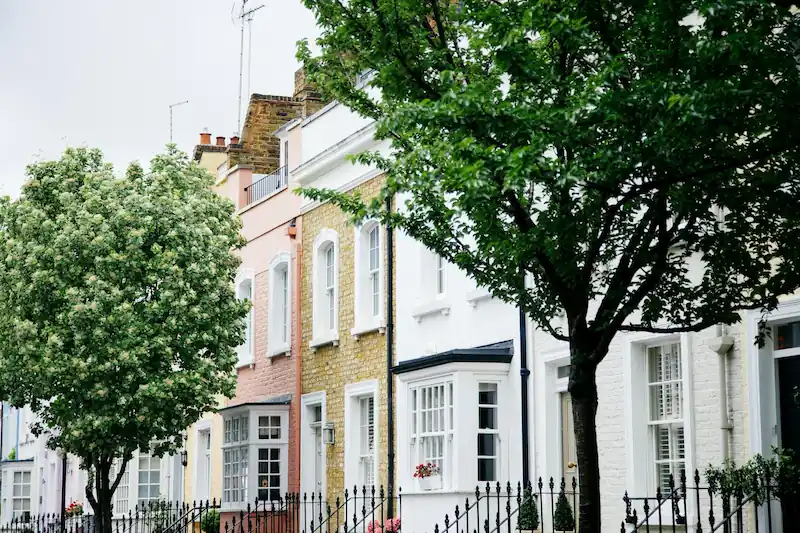
Walk Notting Hill and Portobello Road beyond the obvious corners – Notting Hill works best when you move past the Instagram-facing facades and let the neighborhood unfold through market spillover, residential side streets, and the gradient toward quieter local pockets. (Best for: repeat visitors, slower mornings, and London neighborhood texture)
Spend time in Greenwich on foot – Greenwich gives you a version of London that feels more open, maritime, and measured. Riverside walking, the market, the park rise, and naval history combine into one of the city’s strongest half-day experiences. (High payoff · Best for: travelers who want a city break within the city)Find tours & experiences
Use Hampstead and Hampstead Heath for a quieter, elevated London – Hampstead works when you want relief from central density without losing urban character. Village scale, literary associations, and Heath viewpoints create a slower, more layered kind of city time. (Only if you have time · Best for: extended stays and second visits)
Read the South Bank as more than a transit corridor – The South Bank is often treated as a way to get from one attraction to another, but it holds together well as its own experience. River views, bookstalls, cultural venues, and a thick mix of locals and visitors give it unusually democratic energy. (Best for: easy first-night or half-day plans)
Do Camden for music history, market energy, and canal-side London – Camden is not London at its most refined, but it remains one of the city’s most distinctive district experiences. It works best when treated as part market, part music mythology, part people-watching zone, and part canal walk. (Distinctive · Best for: travelers who want edge, atmosphere, and casual browsing)
Walk Little Venice or Regent’s Canal for a softer urban perspective – Little Venice and Regent’s Canal give you one of the gentlest ways to experience London. This is less about landmarks than about pace, water, residential change, and a version of the city many first-time visitors miss. (Best for: slower mornings, repeat visitors, and unusual things to do in London)
Use Hyde Park, Kensington Gardens, or Regent’s Park as real city experiences – London’s parks are not filler between attractions. Used well, they reset the pace of the day, widen your sense of the city, and often make surrounding museum or neighborhood time work better. (Best for: park lovers, families, and anyone trying to reduce sightseeing friction)
Walk Shoreditch for East London energy, street art, and food-led browsing – Shoreditch is one of the clearest places to feel contemporary London at street level. It works for design-conscious travelers, casual food stops, and anyone who wants a more current urban register than monument London. (Best for: repeat visitors and travelers looking for East London texture)
Walk Primrose Hill after Camden or Regent’s Canal – Primrose Hill gives one of the most accessible free skyline views in London. It works best as the calmer final movement after Camden Market or a canal walk. (Free viewpoint · Best for: walkers, photographers, slower afternoons)
Use Richmond Park for wild, spacious London – Richmond Park shows a version of London that feels almost rural: deer, open grassland, long views, and a slower rhythm. It is excellent on longer stays but usually too far for a short first visit. (Green escape · Best for: longer stays, families, walkers, repeat visitors)
Use Kew Gardens for a botanical half-day, not a quick stop – Kew Gardens needs time. It is one of London’s strongest outdoor experiences for travelers who want plants, glasshouses, landscapes, family space, and a calmer day away from central density. (Worth it with time · Best for: gardens, families, slower trips, repeat visitors)Find tours & experiences
Walk Marylebone for calm central London texture – Marylebone is useful when you want central London to feel elegant, manageable, and local rather than overloaded. It pairs well with the Wallace Collection, Regent’s Park, Oxford Street avoidance, or a quieter dinner. (Best for: couples, repeat visitors, calmer central stays)
Explore Spitalfields and Brick Lane for East London layers – Spitalfields and Brick Lane combine migration history, markets, street art, vintage browsing, food, and a sharper East London energy. They are a strong alternative to more polished central sightseeing. (East London · Best for: markets, street art, food, repeat visitors)Find tours & experiences
Use Columbia Road Flower Market only if Sunday timing works – Columbia Road is atmospheric and highly specific, but timing is everything. It is best as part of an East London Sunday morning rather than something to force into a general itinerary. (Sunday-only logic · Best for: markets, flowers, photographers, East London mornings)
Walk Chelsea or Kensington for polished residential London – Chelsea and Kensington are not high-drama sightseeing zones, but they add a useful west London register: garden squares, museums nearby, boutiques, residential streets, and a calmer pace. (Best for: slower trips, couples, west London stays)
Use Brixton for food, music, market energy, and South London identity – Brixton adds a different London voice from the central and west London classics. It is strongest for travelers interested in food, music, multicultural London, and a more local night or market stop. (Local texture · Best for: food-led travelers, music, repeat visitors)
Food-led London: markets, pubs, afternoon tea, and worthwhile eating districts
London is no longer a city where food sits behind the sightseeing. Some of its best hours are built around markets, bakery mornings, pub timing, global dining districts, and food rituals that make the city feel social instead of purely monumental.
Arrive at Borough Market with a plan – Borough Market still works, but only if you avoid peak-hour drift and treat it as a focused food stop rather than a vague attraction. Go hungry, choose a few specific traders, then leave before the crowd becomes the whole experience. (Worth it · Best for: food-first travelers and short stays)Find tours & experiences
Use Soho for restaurant density, not delicacy – Soho is where London’s restaurant depth becomes most convenient. It is strong for spontaneous dinners, pre-theatre eating, and compact evenings where food, bars, and street energy all sit within a short walk. (Best in the evening · Best for: easy high-payoff dinners and night plans)Find tours & experiences
Do one proper pub meal or Sunday roast in the right context – A London pub meal works best as part of a neighborhood day rather than as a destination in itself. In Marylebone, Hampstead, Greenwich, or near the river, it adds rhythm and place more than culinary spectacle. (Best for: travelers who want local pacing and classic London food culture)
Build a bakery-and-coffee morning in East or central London – London’s bakery culture is now strong enough to shape a morning rather than fill a gap. This works especially well before museums open or on days when you want a softer start before heavier sightseeing. (Best for: slow mornings and repeat visitors)
Do afternoon tea once, and do it properly – Afternoon tea is one of the most classic things to do in London, but it works best as a selective ritual rather than a default tourist box. Chosen well, it gives the trip a distinctly London pause and a bit of theatre. (Classic London · Best for: first-time visitors, couples, and food-with-ritual travelers)Find tours & experiences
Use Shoreditch or East London for contemporary food energy – If you want a more current version of London’s food scene, East London often delivers better than the most obvious central choices. It is strong for casual plates, bakery culture, coffee, and design-conscious dining. (Best for: travelers who want London’s newer food identity)
Use a guided food tour only in the right neighborhood – Food tours are not automatically the best use of money in London, where independent eating is easy. They add the most value in districts where history, migration, and local specialisms deepen the meal beyond the plate. (Only if you want commentary · Best for: travelers who want curation, context, and structure)Find tours & experiences
Use Chinatown as a compact food stop near Soho and the West End – London’s Chinatown is not a full-day attraction, but it is extremely useful for central food planning, especially around Soho, Leicester Square, theatre, and late-evening movement. (Best for: quick meals, theatre nights, central London food)
Browse Seven Dials and Neal’s Yard for a softer food-and-shopping pocket – Seven Dials and Neal’s Yard work well when Covent Garden feels too crowded or commercial. They add colour, independent food stops, and a compact walking break near the West End. (Best for: central wandering, casual food, first-night plans)
Use Maltby Street Market if Borough feels too obvious or crowded – Maltby Street Market is smaller and less universal than Borough, but it can be a better fit for travelers who want a more compact food-market experience near Bermondsey and London Bridge. (Alternative market · Best for: food-first travelers, repeat visitors, weekend browsing)
Build a Bermondsey Beer Mile or craft-drinks afternoon carefully – Bermondsey’s railway arches and breweries can make a strong adult-focused afternoon, especially near London Bridge. It is best treated as a social food-and-drinks plan rather than a sightseeing replacement. (Adult-focused · Best for: craft beer, friends, repeat visitors)
Use Brick Lane for curry, bagels, street food, and migration history – Brick Lane is useful because food, history, markets, and street-level London overlap clearly. It works best when paired with Spitalfields, Shoreditch, or an East London walking route. (Food + history · Best for: street food, curry, bagels, East London)Find tours & experiences
Treat fish and chips as a neighbourhood stop, not a tourist mission – Fish and chips can be part of a London trip, but it works best as a practical local meal near your route rather than a long detour. Use it around riverside walks, pub evenings, or family-friendly plans. (Best for: classic food, families, casual meals)
Choose one destination restaurant only if it anchors the day – London’s restaurant scene is deep, but a destination meal should fit the geography and rhythm of the day. The best restaurant plans reduce friction rather than pulling you across the city after heavy sightseeing. (Best for: food-focused travelers, couples, special nights)
Things to do in London for first-time visitors
If this is your first London trip, go for range rather than encyclopedic coverage. The strongest first visit combines London landmarks, one major museum, one neighborhood-scale walk, one skyline experience, and one evening plan. Use this section to decide what deserves time, not just what appears on a generic list.
Walk Westminster to the South Bank before adding smaller attractions.
Choose the Tower of London over lower-impact royal photo stops if you want one major historic site.
Pick one viewpoint such as the London Eye, Sky Garden, or The Shard rather than several.
Use the British Museum, Tate Modern, Natural History Museum, or the V&A as your cultural anchor depending on your interests.
Keep one evening for Soho, Covent Garden, or a West End show rather than filling every hour with daytime attractions.
If time is tight, skip distant minor sights and invest in central clusters that reduce travel friction.
Trip length
Do first
Leave out
1 day
Westminster + South Bank + one museum + evening West End / Soho
secondary museums and distant neighborhoods
2 days
Add Tower of London / Tower Bridge and one market, park, or Greenwich
too many paid attractions with overlapping value
3 days+
Add local neighborhoods, a second cultural stop, and possibly one day trip
panic-booking every timeslot
Free things to do in London that are actually worth your time
London is unusually strong for free museums, walks, viewpoints, parks, and public urban space. The best free things to do in London do not feel like compromises. Use this section to decide what deserves time, not just what appears on a generic list.
Use the British Museum, National Gallery, Tate Modern, V&A, Science Museum, or Natural History Museum as major free anchors rather than fallback options.
Book a free Sky Garden ticket if the timing works, but do not build your whole day around it.
Walk the South Bank for skyline views, public energy, and one of the city’s easiest zero-cost hours.
Cross parks strategically: St James’s Park, Hyde Park, Regent’s Park, and Hampstead Heath work best when tied to a wider route.
Browse market neighborhoods such as Portobello Road, Camden, or Columbia Road for atmosphere without forcing a full shopping plan.
Use Greenwich for a lower-cost half-day built around riverside walking, the park, and local texture.
Type
Best picks
Best use
Museum
British Museum, National Gallery, Tate Modern, V&A, Natural History Museum
Rainy day or culture-first half day
Viewpoint
Sky Garden, South Bank river views, Primrose Hill, Hampstead Heath
Clear weather or sunset planning
Walk
Westminster to Bankside, Greenwich riverside, Notting Hill side streets, Regent’s Canal
First-time orientation or slower mornings
Unique and unusual things to do in London
London is at its most distinctive when you mix scale with eccentricity. The city’s unusual side is less about novelty for its own sake and more about the way grand institutions, old rituals, hidden walks, and offbeat urban layers sit side by side. Use this section to decide what deserves time, not just what appears on a generic list.
Take a boat to Greenwich and let the transport itself become part of the experience.
Explore Highgate Cemetery if you want a more atmospheric, less conventional historical stop.
Use Little Venice or Regent’s Canal for a softer, less expected London perspective.
Walk Hampstead or Primrose Hill if you want London to feel more residential and spatially open.
Choose a niche museum, house museum, or temporary exhibition once the big essentials are covered.
Build an evening around jazz, live music, theatre, or historic pubs rather than another standard sightseeing stop.
Best for
Option
Why it stands out
Atmosphere
Highgate Cemetery or Hampstead
A different emotional register from central London
Urban contrast
City skyline + historic core
London’s layering is unusually legible
Movement
River route to Greenwich or Regent’s Canal walk
The journey sharpens the place
Things to do in London at night
London improves after dark when you stop chasing monuments and start using the city socially. Strong London nights are built around theatre, dining, pubs, live music, skyline views, or neighborhoods with enough density to sustain momentum. Use this section to decide what deserves time, not just what appears on a generic list.
See a West End show if you want the most reliable high-payoff evening in London.
Use Soho for dinner and bars when you want compact energy without transport complications.
Walk the South Bank after sunset for one of London’s simplest and strongest nighttime perspectives.
Book a skyline drink or evening view only if you want atmosphere, not just another photo stop.
Choose live music, jazz, or a historic pub circuit if theatre is not your thing.
Avoid spreading the evening across distant areas: London nights work best when the plan is geographically tight.
Style
Best area
Best for
Classic
Covent Garden / West End
Theatre + dinner
Lively
Soho / Shoreditch
Bars, late dinners, people-watching
Scenic
South Bank / City
Views, walking, skyline atmosphere
Things to do in London with kids
London works well for families when you alternate big sights with interactive museums, boat rides, parks, and open space. The mistake is trying to force adult-style sightseeing density onto a city that already offers excellent child-friendly options. Use this section to decide what deserves time, not just what appears on a generic list.
The Natural History Museum remains one of the easiest crowd-pleasers in London, but go early or late where possible.
Young V&A is one of the smartest family picks for hands-on indoor time.
Use the Science Museum or Transport Museum when movement matters as much as the destination.
A Thames boat ride often works better for children than another formal attraction.
Parks and playground time are not filler in London; they are often what makes the day work.
Skip long queue-heavy landmarks if the children are too young to care about the symbolic value.
Age fit
Best options
Why it works
Toddlers / younger kids
Young V&A, parks, short boat ride
Interactive and lower friction
School-age
Natural History Museum, Tower of London, Science Museum, Transport Museum
Strong visual hooks and movement
Mixed ages
South Bank, Greenwich, market + park combinations
Flexible pacing
Things to do in London when it rains
Rain does not weaken London as much as it does other cities. This is one of Europe’s easiest capitals to salvage because museums, theatre, markets, bookstores, and indoor cultural spaces are strong enough to become the day rather than just the backup plan. Use this section to decide what deserves time, not just what appears on a generic list.
Choose one major museum and commit to it instead of hopping between several in bad weather.
Use the British Museum, Natural History Museum, V&A, or Tate Modern when you want heavyweight indoor time without forcing niche interests.
Book a matinee or evening theatre performance if the weather has already broken the day’s rhythm.
Treat Borough Market or another food stop as a practical indoor anchor, not just a snack detour.
Use galleries, arcades, bookstores, and design-led museums for shorter indoor blocks when attention is limited.
Do not waste a rainy day on long outdoor queue-heavy attractions with weak shelter logic.
Need
Best pick
Best for
Big indoor culture
British Museum / V&A / Tate Modern / Natural History Museum
2 to 4 focused hours
Family-friendly indoors
Young V&A / Science Museum / Natural History Museum / Transport Museum
Weather-proof half day
Evening save
West End show
Turning a grey day into a strong finish
What to do in London by area
Westminster and Whitehall
This is London at its most official and ceremonial. It is the right area when you want monarchy, Parliament, royal ritual, and a strong first read of the capital.
Walk Westminster Abbey, Parliament, Big Ben, Whitehall, and St James’s Park in one sequence.
Use it early in a first trip, when London’s symbolic core still has maximum impact.
Pair it with the South Bank rather than treating it as an isolated checklist zone.
South Bank and Bankside
This stretch works because it compresses views, culture, and movement into an unusually walkable river corridor. It is one of the easiest places to build a flexible half-day in London.
Walk for skyline views and cross-river perspectives toward St Paul’s and Westminster.
Add Tate Modern, Shakespeare’s Globe, Borough Market, or the London Eye depending on your pace.
Use it in the late afternoon if you want an easy transition into evening.
Tower Hill and the City
Go here for London’s clearest old-meets-new contrast. Fortress history, bridge engineering, and financial skyline all sit within a relatively compact zone.
Prioritize the Tower of London if you are choosing one major historic site.
Cross or view Tower Bridge as part of the same sequence.
Add St Paul’s, Sky Garden, or a City walk only if you still have energy.
Bloomsbury
Bloomsbury is strongest as a museum and literary district rather than a spectacle zone. It is ideal for rainy days, culture-led mornings, and travelers who want intellectual weight without visual overload.
Use the British Museum as the anchor rather than trying to overcover the district.
Add bookshops, garden squares, or a slower lunch if you want a gentler rhythm.
Good for a half-day that stays intentionally indoors or close to it.
South Kensington
This is London’s cleanest museum cluster and one of its easiest high-value planning zones. It suits travelers who want serious culture with minimal logistical friction.
Choose between the V&A, Natural History Museum, and Science Museum rather than forcing all three.
Works especially well for families and rainy-day planning.
Pair with Hyde Park or Kensington Gardens if you want the day to breathe.
Covent Garden and Soho
This is where London turns performative, social, and evening-friendly. The area is less about one sight than about how well theatre, restaurants, bars, and walkability lock together.
Use Covent Garden for theatre adjacency, street performance, and easy first-night energy.
Use Soho for dining density and later evenings.
Best experienced after daytime sightseeing rather than instead of it.
Greenwich
Greenwich feels like a release valve from the center while still being deeply tied to London’s identity. It earns time through river access, maritime depth, and a more breathable rhythm.
Approach by boat if possible for the strongest arrival logic.
Combine riverside walking, market browsing, and one heritage stop.
Ideal for a slower half-day or a third day in London.
Notting Hill and Portobello
This area works best as a neighborhood-texture stop rather than a checklist. It suits travelers who want London to feel residential, walkable, and slightly more local.
Walk beyond the obvious facades and let the side streets do some of the work.
Use Portobello Road selectively rather than as an all-day event.
Strong on slower mornings and repeat visits.
Camden and Regent’s Canal
Camden is where market energy, music associations, canal-side walking, and messy urban character come together. It is not subtle, but it can be memorable when handled well.
Use Camden for market browsing, people-watching, and casual food.
Add a Regent’s Canal walk if you want the area to feel more spatially coherent.
Best for travelers who want an alternative register from monument London.
St Paul’s, Fleet Street, and legal London
This area gives a more layered version of central London: cathedral scale, old newspapers, legal institutions, lanes, and the transition between Westminster and the City.
Use St Paul’s as the architectural anchor and view it from Millennium Bridge as well as nearby streets.
Add Temple, Fleet Street, or legal London if you want a quieter historic layer.
Pair with Tate Modern, the City, or a river crossing rather than treating it as a standalone detour.
Marylebone and Regent’s Park
Marylebone is one of the best areas for calmer central London. It has boutiques, food, Georgian streets, the Wallace Collection, Regent’s Park, and easy links toward Oxford Street without the same level of pressure.
Use the Wallace Collection or Marylebone High Street for a refined, lower-friction cultural stop.
Pair with Regent’s Park or Primrose Hill for open space.
Good for couples, repeat visitors, and travelers who want central London to feel manageable.
Shoreditch, Spitalfields, and Brick Lane
East London is strongest when you want food, street art, markets, independent retail, and contemporary city energy. It is a useful counterweight to royal and museum-heavy London.
Use Spitalfields and Brick Lane for markets, food, migration history, and street-level texture.
Pair Shoreditch with street art, design-led coffee, casual restaurants, or nightlife.
Best for repeat visitors or first-timers who want one less traditional London block.
Kew, Richmond, and southwest London
This is greener, slower London. It works when you have enough time to leave central density behind and want gardens, river walks, deer park landscapes, or a more village-like rhythm.
Use Kew Gardens as a planned half-day rather than a quick add-on.
Use Richmond and Richmond Park for open landscapes and a calmer London day.
Better on longer trips, repeat visits, or family itineraries with weather on your side.
Brixton and South London
Brixton gives a different view of London through food, music, market culture, and local identity. It is not a first-hour sightseeing area, but it can add strong texture once the main central logic is covered.
Use Brixton Village and Market Row for casual food and local energy.
Best in a food-led or music-led plan rather than a landmarks itinerary.
Pair carefully with South Bank, Dulwich, or a dedicated South London evening if your route makes sense.
What to prioritize in London depending on your trip
London works best when you prioritize by trip length and energy level. The shorter the stay, the more you should rely on clear clusters; the longer the stay, the more you can move toward neighbourhoods, parks, performances and day trips.
Profile
Prioritize
Skip
Structure
1 day
Westminster, the South Bank, one major interior if booked, and a West End or Soho evening.
Greenwich, Kew, Richmond, Hampstead, multiple museums and day trips.
Stay central and keep the day walkable: one iconic route, one cultural or viewpoint choice, one evening plan.
2 days
Westminster and South Bank, Tower of London and Tower Bridge, one museum, and one theatre or Soho evening.
Trying to add both Greenwich and a day trip.
Use one day for ceremonial and river London, and one for historic London plus a focused cultural stop.
3 days
The main clusters plus one neighbourhood layer such as Notting Hill, Marylebone, Shoreditch, Camden or Greenwich.
Stacking every paid attraction or repeating similar viewpoints.
Balance icons, museums, markets, parks and one strong evening plan.
4 to 5 days
Greenwich, South Kensington museums, a theatre night, one market, one park or canal walk, and a slower neighbourhood.
Adding a day trip before London itself has enough breathing space.
Move beyond the first-time circuit while keeping days geographically coherent.
6+ days
Kew, Richmond, Hampstead, East London, specialist museums, live music, food-led districts and one real day trip.
Repeating central landmark loops just because they are famous.
Use longer stays to change pace: central London first, then greener, local and excursion-led days.
Family trip
Natural History Museum, Science Museum, London Transport Museum, South Bank, parks, river boats and one landmark interior.
Long formal sightseeing chains with too few breaks.
Alternate big sights with interactive stops, open space and easy transport.
Best day trips from London
The best day trips from London are the ones that remain realistic within one day by train, coach or a well-structured tour. Prioritize places with a clear reason to leave the city: royal history, university towns, seaside air, major heritage sights or a distinct change of pace.
Excursion
Best for
Time needed
First trip?
Transport
Book ahead
Windsor
Royal history and an easy first day trip
Half day to full day
Yes, especially if Windsor Castle is a priority.
Train from London Paddington or Waterloo, depending on route.
Yes for Windsor Castle in busy periods. Check options
Oxford
Colleges, architecture and literary atmosphere
Full day
Yes if you want a classic university-city contrast.
Train or coach from central London.
Recommended for guided college access or combined tours. Check options
Cambridge
Colleges, riverside scenery and a calmer academic city
Full day
Yes, especially in good weather.
Train from King’s Cross or Liverpool Street.
Helpful for guided college tours or punting in peak season. Check options
Bath
Georgian architecture and Roman history
Long full day
Yes if you are comfortable with a longer rail day.
Direct train from London Paddington.
Yes for Roman Baths entry and better train fares. Check options
Brighton
Seaside energy, independent shops and a looser day
Full day
Good on longer stays, less essential than Windsor, Oxford or Cambridge.
Train from London Victoria, London Bridge or Blackfriars.
Usually no, except for peak rail fares or specific restaurants. Check options
Hampton Court Palace
Tudor history, gardens and a lower-friction heritage day
Half day to full day
Yes if palace history matters more than leaving the London area completely.
Train and shuttle via Watford Junction, or dedicated transfer.
Essential; tickets often sell out well in advance. Check options
Stonehenge
Ancient monument interest or guided combination tours
Long full day
Only if it is a specific priority; it is less effortless than it looks.
Best by guided tour, often combined with Windsor, Bath or Salisbury.
Yes for timed entry or organized tours. Check options
Smart London combinations that work well together
These are not full itineraries, just pairings that make practical sense. Each one links places with compatible geography, energy, and payoff.
Westminster power walk + South Bank sunset – Start with Parliament, Westminster Abbey, Big Ben, and Whitehall while London’s symbolic core still feels fresh, then cross to the South Bank for a looser second half. The shift from ceremony to river life makes the day feel balanced rather than repetitive.
Tower of London + Tower Bridge + City skyline drink – This sequence works because London’s medieval and financial identities stay visible in the same frame. It is especially strong for first-timers who want history first and a sharper, more modern finish later.
British Museum + Bloomsbury lunch + Soho evening – Use the museum as the serious cultural anchor, then let the day lighten as you move west. This combination is reliable in poor weather and still gives the day a social finish.
South Kensington museum + Hyde Park edge + dinner in Marylebone – This pairing works when you want a cultured day without central crowd pressure. The museum gives the intellectual core, the park resets the pace, and Marylebone finishes the sequence with calmer urban texture.
Greenwich by boat + park rise + riverside dinner – Approaching Greenwich by water gives the day a clean narrative and a stronger sense of arrival than the train. It suits travelers who want London to feel wider, slower, and less dominated by central icons.
Notting Hill + Portobello + Kensington Gardens – This works when you want neighborhood texture, market energy, and a softer London rhythm in one sweep. It is especially useful for slower mornings or second-time visits.
Camden Market + Regent’s Canal + Primrose Hill – This combination gives you one of London’s clearer shifts from market spectacle to calmer residential and park space. It helps Camden feel like more than just a crowd scene.
St Paul’s + Millennium Bridge + Tate Modern + Borough Market – This is one of London’s cleanest culture-and-food sequences. It connects architecture, river movement, modern art, and a food stop without wasting time on transport.
Shoreditch street art + Spitalfields + Brick Lane food – This combination gives East London a coherent purpose: contemporary street texture, market browsing, migration history, street food, and a less ceremonial version of the city.
V&A + Kensington Gardens + Notting Hill – Use the V&A as the cultural anchor, then let the day soften through park edges and west London residential streets. It works well for travelers who want beauty, design, and neighbourhood texture.
Kew Gardens + Richmond riverside – This is a slower London day for longer stays. It trades central density for botanical landscapes, river walking, and a greener sense of the city.
London Transport Museum + Covent Garden + West End show – A strong family or first-night combination: interactive indoor time, central browsing, easy food options, and theatre without cross-city friction.
Wallace Collection + Marylebone + Regent’s Park – This is one of the best calmer central combinations for repeat visitors, couples, or anyone who wants cultural quality without the busiest museum routes.
What to book ahead in London, and what can stay flexible
London is easier when you know where reservations actually matter. Book the truly constrained experiences early, keep the rest adaptable, and avoid filling the trip with prepaid duplication.
Weekends and school holidays are the main pressure points
No; it works well independently
Shakespeare’s Globe performance or tour Check options
Yes for performances
Evening performances or daytime tours can fit neatly with South Bank and Bankside
A tour adds value if you are interested in theatre history
Special exhibitions and small museums
Sometimes
Check dates and timed entry before building the day around them
Usually only for specialist interests
FAQ: what to do in London
These answers cover the practical questions travelers usually ask when planning London activities: what is worth it, what to skip, what to book, what to do by trip length, what to do with kids, what to do for free, where to go at night, how to handle rain, and how to choose between similar attractions.
What are the best things to do in London for a first trip?
Start with Westminster and the South Bank, the Tower of London and Tower Bridge, one major museum, one viewpoint such as the London Eye or Sky Garden, and one strong evening in Soho, Covent Garden, or the West End. That gives you London’s political core, history, culture, skyline, and social energy without trying to cover the whole city.
How many days do you need for London?
Three days is the minimum for a satisfying first pass. Four to five days gives you room for a slower neighbourhood day, stronger museum time, park or market texture, and possibly one day trip without turning London into a constant rush.
What should I book ahead in London?
Book the Tower of London, Westminster Abbey if timing matters, London Eye or major viewpoints if you want specific times, West End shows, afternoon tea at famous venues, Kew Gardens in peak periods, and most organized day trips. Major free museums are usually flexible, though special exhibitions often need advance tickets.
What are the best free things to do in London?
The strongest free things to do in London include the British Museum, National Gallery, Tate Modern, V&A, Natural History Museum, South Bank river walks, parks such as Hyde Park and Hampstead Heath, markets for browsing, and neighbourhood time in Greenwich, Notting Hill, Camden, Marylebone, Shoreditch, and Hampstead.
What is the most overrated thing to do in London?
It depends on the trip, but the biggest trap is usually stacking several paid attractions that offer similar value: multiple viewpoints, bus tours plus river cruises, or ceremonial royal stops without context. London is better when each activity has a different role.
Is the Tower of London worth it?
Yes, the Tower of London is one of the major paid attractions that still justifies time and money for many visitors. It delivers real historical density, strong storytelling, the Crown Jewels, architecture, and a clear link between monarchy, power, imprisonment, and the city’s development.
Is the London Eye worth it?
The London Eye is worth it if you want the classic slow skyline view over Westminster and the river, especially on a first trip or with children. It is less essential if you are already booking The Shard, Sky Garden, or another viewpoint.
Sky Garden or The Shard: which is better?
Sky Garden is better if you want a free or lower-cost City viewpoint with greenery and skyline context, while The Shard is better if you want a higher, more premium panorama. For most trips, choose one rather than both.
What are the best museums in London?
The best all-round museum choices are the British Museum, V&A, Natural History Museum, Science Museum, Tate Modern, National Gallery, and Churchill War Rooms. The right choice depends on whether you want ancient history, design, families, modern art, classic painting, or wartime history.
Which London museum should I choose if I only have time for one?
Choose the British Museum for global history, the V&A for design and visual pleasure, Tate Modern for modern art and South Bank context, the Natural History Museum for families or architecture, and the National Gallery for a central classic-art stop.
Are London museums free?
Many of London’s major permanent collections are free, including the British Museum, National Gallery, Tate Modern, V&A, Natural History Museum, and Science Museum. Special exhibitions, some smaller museums, and timed experiences may require paid tickets.
What are the best things to do in London with kids?
The Natural History Museum, Science Museum, London Transport Museum, Young V&A, Tower of London, Greenwich, Thames boat rides, parks, playgrounds, and shorter market visits are among the strongest family choices. The key is alternating interactive stops with open space.
What are the best things to do in London at night?
The strongest night plans are West End theatre, Soho dinner and bars, Covent Garden, Shoreditch, South Bank walks, skyline drinks, jazz or live music, and historic pubs. London nights work best when the geography is tight rather than spread across distant areas.
What should I do in London when it rains?
Lean into London’s indoor strength: choose one major museum, add a food market or café, visit a gallery or bookstore, and finish with a theatre performance or pub. Rainy days are often better with one strong indoor anchor than with several wet outdoor transitions.
What are the most unique things to do in London?
Distinctive London experiences include Highgate Cemetery, Sir John Soane’s Museum, Regent’s Canal, Little Venice, Hampstead Heath, Leadenhall Market, Spitalfields and Brick Lane, a boat to Greenwich, a legal London walk, or a performance-led evening.
What are the best neighbourhoods to explore in London?
For visitors, the best neighbourhoods to explore include Soho, Covent Garden, South Bank, Greenwich, Notting Hill, Marylebone, Camden, Shoreditch, Spitalfields, Hampstead, Chelsea, Kensington, and Richmond. Each works best for a different trip mood.
What is the best area for a first-time London walk?
The best first-time walk is usually Westminster to the South Bank, because it links Parliament, Big Ben, Westminster Abbey, the river, London Eye views, and a broader sense of central London in one clear sequence.
What is the best market in London?
Borough Market is the best food-market choice for many first trips. Camden is better for alternative energy and casual browsing, Portobello for Notting Hill and antiques, Spitalfields for East London, Columbia Road for Sunday flowers, and Maltby Street for a smaller food-market feel.
Is Borough Market worth it?
Yes, Borough Market is worth it if you go with a plan and avoid the worst peak-hour drift. It works best as a focused food stop near London Bridge, Southwark Cathedral, Tate Modern, or a South Bank route.
Is Camden Market worth it?
Camden is worth it if you want market energy, music mythology, street food, people-watching, and canal-side London. It is not the most refined London experience, but it is distinctive and works well with Regent’s Canal or Primrose Hill.
Is Notting Hill worth visiting?
Notting Hill is worth visiting if you treat it as a neighbourhood walk rather than just a photo stop. Portobello Road, residential side streets, cafés, and the route toward Kensington Gardens can make it a strong slower morning.
Is Greenwich worth visiting?
Yes, Greenwich is one of London’s best half-days. It combines river arrival, maritime history, market browsing, the park rise, Royal Observatory options, Cutty Sark, and a calmer rhythm than central London.
Is Kew Gardens worth it?
Kew Gardens is worth it on longer trips, family trips, garden-focused trips, or good-weather days. It is less suitable as a rushed first-trip add-on because it needs several hours to make sense.
What are the best parks in London?
Hyde Park, Kensington Gardens, St James’s Park, Regent’s Park, Hampstead Heath, Greenwich Park, Richmond Park, and Kew Gardens are the strongest visitor-friendly green spaces. Choose by route: central reset, skyline view, family space, or half-day escape.
What are the best views in London?
The best views include the London Eye, Sky Garden, The Shard, St Paul’s dome, Primrose Hill, Greenwich Park, Hampstead Heath, South Bank river views, and Tower Bridge perspectives. Most visitors only need one paid viewpoint.
What are the best things to do in London for couples?
Couples should prioritize a scenic walk, one beautiful museum or gallery, a good dinner area, and an evening plan. South Bank, Marylebone, Notting Hill, Hampstead, Greenwich, Soho, Covent Garden, West End theatre, and afternoon tea all work well depending on style.
What are the best things to do in London alone?
Solo travelers can use London very easily: free museums, South Bank walks, cafés, bookshops, food markets, theatre, guided walks, and neighbourhood exploring all work well without a group. Stay geographically simple at night.
What are the best budget things to do in London?
Use free museums, South Bank, parks, markets, neighbourhood walks, free viewpoints, and careful public transport. Spend money selectively on one or two high-impact experiences such as the Tower of London, theatre, or a special meal.
What should I do in London if I only have one day?
Use a three-part plan: Westminster and South Bank in the morning, either the Tower of London or one major museum in the afternoon, and Soho, Covent Garden, or the West End in the evening. Do not try to cover every famous sight.
What should I do in London in two days?
Use day one for Westminster, South Bank, one museum, and West End or Soho. Use day two for the Tower of London, Tower Bridge, the City, Borough or Tate Modern, then add a market, park, or neighbourhood depending on energy.
What should I do in London in three days?
Use the first two days for the core sights, then make day three more personal: Greenwich, Notting Hill, Camden and Regent’s Canal, South Kensington museums, Hampstead, Shoreditch, or a deeper food-and-market route.
Should I take a day trip from London?
Take a day trip only if you have enough time in London or a specific interest. Windsor, Oxford, Cambridge, Bath, Stonehenge, Hampton Court, Harry Potter Studio Tour, Brighton, Canterbury, and the Cotswolds all work, but they should not replace essential London on a short first stay.
What are the best day trips from London for a first visit?
Windsor and Oxford are usually the easiest first-visit day trips because they are strong, clear, and relatively simple. Hampton Court is a good palace option within the wider London orbit. Bath and Stonehenge are better when you have more time or strong personal interest.
What are the best food experiences in London?
Strong food experiences include Borough Market, Soho dining, afternoon tea, Sunday roast, Chinatown, Brick Lane, Shoreditch, Bermondsey, Marylebone, bakeries and coffee, and one carefully chosen destination dinner if food is a major trip priority.
Is afternoon tea in London worth it?
Afternoon tea is worth it if you want a classic London ritual and choose the venue carefully. It should be treated as a meal or major break, not squeezed between heavy sightseeing blocks.
What are the best things to do in London in winter?
Winter works well for museums, West End theatre, festive lights, afternoon tea, pubs, department stores, galleries, indoor markets, and atmospheric neighbourhoods. Outdoor walks still work, but the trip should lean more indoor and evening-led.
What are the best things to do in London in summer?
Summer is best for parks, river walks, rooftop views, open-air theatre, markets, Kew Gardens, Greenwich, Hampstead Heath, Richmond, and longer evenings. Book major timed attractions because crowds and demand rise.
What should I avoid doing in London?
Avoid crisscrossing the city for disconnected attractions, booking too many paid views, treating every museum as an all-day obligation, forcing day trips into short stays, and letting famous but low-priority sights crowd out stronger neighbourhood or evening time.
What is the best way to structure a London itinerary?
Structure London by clusters, not by a random attraction list. Pair Westminster with the South Bank, Tower Hill with the City, South Kensington museums with Hyde Park, Covent Garden with Soho, Camden with Regent’s Canal, and Greenwich with a boat or river route.
Where should I go shopping or browsing in London?
For central browsing, use Covent Garden, Seven Dials, Soho and Marylebone. For markets, vintage and street-level character, use Portobello Road, Camden, Brick Lane and Spitalfields. For luxury shopping, use Bond Street, Mayfair or Knightsbridge only if high-end retail is a real trip priority.
What are the best seasonal things to do in London?
In spring, prioritize parks, Kew, Greenwich, canals and neighborhood walks. In summer, use river walks, rooftops, open-air culture and longer evenings. In autumn and winter, let museums, pubs, theatre, festive lights, afternoon tea, markets and indoor culture carry the trip.
In London, the best trips are rarely the fullest ones; they are the ones edited with the most conviction, built around clear clusters, and balanced between icons, culture, food, neighbourhoods, parks, and evening atmosphere.
Turn the right experiences into the right itinerary
Once you know what you want to do in London, the next step is turning those ideas into a trip that actually works day by day. Use the planner to organize the right mix of highlights, neighborhoods, and pace into a route that feels coherent, not crowded.