Where to stay in Naples for a smarter, easier trip
Find the best areas to stay in Naples, based on your travel style, tolerance for street intensity, evening rhythm, day-trip plans and how directly you want the city outside your door. Naples changes sharply by district: a room on a narrow Centro Storico lane feels completely different from a calmer Chiaia address, a residential Vomero base, a seafront stay in Santa Lucia, or a practical hotel near the port or station. The right base should reduce friction without filtering out the city’s character.
Best areas
Centro Storico is best for first-time immersion, Chiaia for comfort and dining, Vomero for families and calm, Santa Lucia for seafront ease, Quartieri Spagnoli for local central energy, Mergellina for longer coastal stays, Municipio/Port for ferry logistics, and Naples Centrale only for rail-heavy or budget-conscious stays.
Booking timing
Book early for Chiaia, Santa Lucia, Vomero and well-reviewed Centro Storico hotels, especially in April–June, September–October, Christmas around San Gregorio Armeno, holidays, weekends, and when adding Capri, Ischia or Amalfi ferry plans.
Best areas to stay in Naples at a glance
Centro Storico – Best for: first-time visitors, short stays, food streets and maximum sightseeing access · Vibe: dense, historic, food-led, noisy in parts and intensely walkable · Stay here if: you want Spaccanapoli, Via dei Tribunali, Sansevero, underground Naples, pizza streets and old-city texture outside your door · Avoid if: you need quiet nights, polished surroundings, easy taxi access to every entrance, or a low-friction family base
Chiaia – Best for: couples, restaurants, boutique hotels, safety-conscious travelers and comfort · Vibe: elegant, social, residential, polished and smoother after dark · Stay here if: you want good restaurants, calmer streets, shopping, easy access to the waterfront and a softer landing after intense sightseeing · Avoid if: you want the oldest historic lanes to be the center of every day or you are optimizing only for budget
Quartieri Spagnoli – Best for: local texture, central value, confident walkers and evening energy · Vibe: tight, vertical, expressive, lived-in and street-level · Stay here if: you like murals, food lanes, small guesthouses, direct access to Via Toledo and a less polished version of central Naples · Avoid if: you are sensitive to noise, steep lanes, scooters, luggage friction, or rougher urban edges
Vomero – Best for: families, longer stays, calmer evenings, repeat visitors and views · Vibe: residential, elevated, organized, transport-linked and view-oriented · Stay here if: you want a quieter base with shops, cafés, funiculars, metro access and easy retreat from the historic center · Avoid if: you want to step directly into the decumani every morning or stay out late in the old center without transport planning
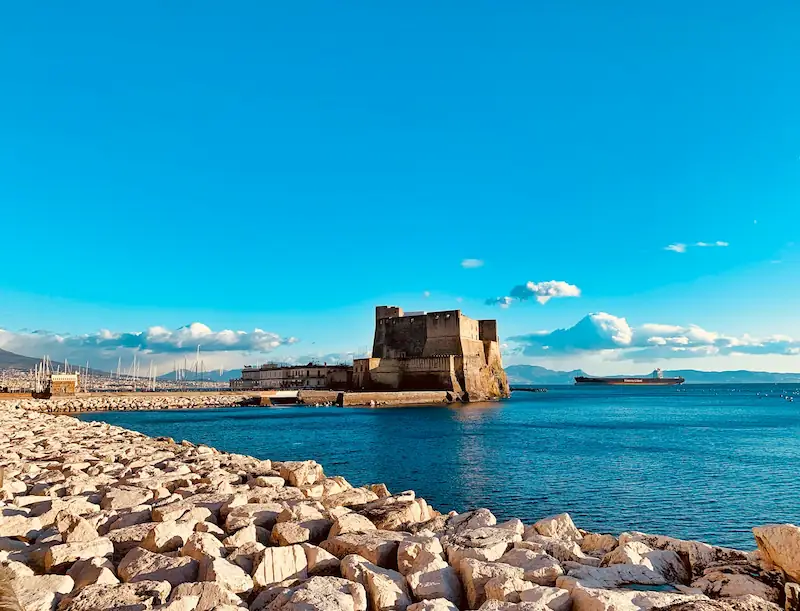
Santa Lucia – Best for: seafront stays, couples, higher-comfort trips, soft first visits and bay views · Vibe: open, scenic, polished, easier to navigate and more spacious · Stay here if: you want Castel dell’Ovo, promenade walks, bay views, Piazza del Plebiscito access and a more elegant Naples base · Avoid if: you are prioritizing budget choice, old-center street life or direct access to pizza streets
Mergellina – Best for: coastal calm, longer stays, island movement, seafood evenings and repeat visitors · Vibe: waterfront, residential, relaxed, local and slightly removed · Stay here if: you want sea air, slower evenings, Posillipo access and a western bay rhythm · Avoid if: this is your first short stay and you want maximum centrality or old-city access on foot
Porto / Municipio – Best for: ferries, short stays, business trips and practical central access · Vibe: central, functional, connected, less atmospheric than the old city · Stay here if: you need the port, ferry terminals, metro access, Piazza del Plebiscito and Centro Storico within a practical radius · Avoid if: you want a romantic neighborhood feel, quiet residential streets or classic old-Naples atmosphere
Naples Centrale / Piazza Garibaldi – Best for: early trains, Pompeii rail access, budget stays and one-night transit · Vibe: busy, practical, urban, high-movement and less charming · Stay here if: you have early trains, luggage-heavy logistics, rail day trips or a tight budget · Avoid if: you want Naples at its most beautiful, calmer evenings, or a first-trip base that feels rewarding after dark
How to choose where to stay in Naples
Choosing where to stay in Naples is not just a question of being central. The city changes sharply from one district to the next, and the best area depends on how much street intensity, noise, walking, transport, hill movement, ferry access and evening ease you want built into the stay. A good Naples base should match the way your days will actually unfold: old-city walking, food stops, museums, hill views, seafront evenings, Pompeii trains, island ferries or a quieter residential return.
Choose Centro Storico if your priority is maximum walking access and you are comfortable with density, noise, uneven streets and limited taxi access.
Choose Chiaia if you want a more polished base where restaurants, shops, evening walks and a general sense of ease matter.
Choose Quartieri Spagnoli only if you actively want lived-in street energy rather than simply a cheaper central address.
Choose Vomero if calm, room quality, family practicality, views and residential services matter more than sleeping inside the old city.
Choose Santa Lucia if you want a seafront stay with bay views, Castel dell’Ovo, Piazza del Plebiscito and a softer first impression.
Choose Mergellina if your trip is longer, more coastal, or shaped by Posillipo, seafood evenings and island movement rather than nonstop central sightseeing.
Choose Porto / Municipio if ferry access and practical centrality matter more than neighborhood charm.
Choose Naples Centrale / Piazza Garibaldi only for rail-heavy trips, early departures, Pompeii logistics or controlled-budget stays with strong reviews.
Do not judge hotels by district name alone; in Naples, the exact street, floor, window position and arrival route can matter as much as the neighborhood.
How Naples’s geography affects where you should stay
Naples is compact on the map but not simple on the ground. The historic core is dense and mostly horizontal, the Spanish Quarter rises behind Toledo, the western districts open toward the bay, Vomero sits above the center, and the station and port create practical movement nodes. A good stay depends on whether you want to move through narrow streets, along the water, between hill and lower city, toward ferries, or onto trains for Pompeii and Herculaneum.
The Centro Storico is the most walkable for old-city sights, but it is also the most compressed.
Chiaia and Santa Lucia sit west and southwest of the old center, making evenings feel easier and more open.
Quartieri Spagnoli is central but vertical and tight, so the hotel’s exact street and access route matter more than the neighborhood label.
Vomero is elevated; it works well when you use metro and funicular links rather than treating it as a walking extension of the center.
Mergellina is better for coastal rhythm, Posillipo and longer stays than for a fast first-time sightseeing base.
Porto / Municipio is practical for ferries and central movement, but less neighborhood-rich than Chiaia or Centro Storico.
Naples Centrale is useful for trains but should not be chosen automatically for a leisure stay.
Station, port, hill and old-city bases all solve different problems; the best one depends on your itinerary, not just distance from the map center.
Historic-core cluster – Centro Storico and the decumani give the strongest access to old-city sights, food streets, churches, Sansevero and underground visits.
Toledo and Spanish Quarter cluster – Quartieri Spagnoli and the Toledo axis connect the old center, royal district, shopping streets, metro, funiculars and central nightlife.
Comfort-west cluster – Chiaia gives a calmer but still central base, with better dining, shopping, boutique stays and evening ease.
Waterfront cluster – Santa Lucia and Mergellina trade old-center immediacy for space, bay views, seafront walks and a softer end-of-day rhythm.
Hill-residential cluster – Vomero gives views, calm and residential services, but depends on funiculars, metro or taxis for central sightseeing.
Port and ferry cluster – Porto / Municipio is the practical choice for ferries, cruise movement, short stays and mixed city-island logistics.
Station and rail cluster – Naples Centrale / Piazza Garibaldi is useful for early trains, Pompeii rail access and budget stays, but weaker for atmosphere.
Best areas to stay in Naples
Naples’s best neighborhoods for staying are not interchangeable. Each one changes the daily rhythm of the trip: how early you enter the old streets, how easily you return after dinner, how much traffic you face, and whether the city feels compressed or open at the end of the day.
Centro Storico
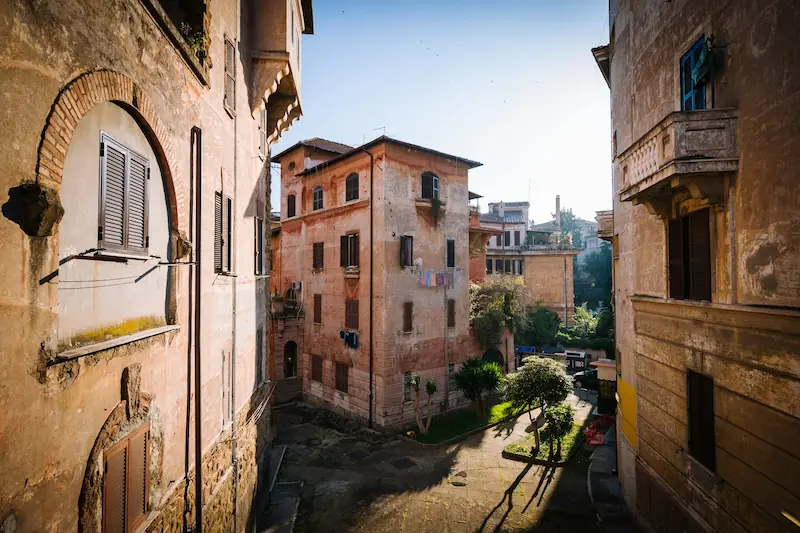
Staying in the Centro Storico places you inside Naples’s oldest and most concentrated urban fabric. The streets are narrow, active, and layered with churches, food counters, courtyards, shrines, students, scooters, delivery movement and constant local noise. It is the best area to stay in Naples for first-time visitors who want the city immediately rather than commuting into it. The trade-off is real: at night, the same closeness that makes the district compelling can mean noise, crowds, awkward luggage access and uneven comfort from one street to the next.
Why stay here: Choose Centro Storico when your stay is short, your days are sight-heavy, and you want to walk directly to Spaccanapoli, Via dei Tribunali, Cappella Sansevero, underground Naples, the Duomo, Santa Chiara, pizza streets and the Archaeological Museum axis.
Best for: First-time visitors, short stays, food-focused travelers, and anyone who wants full immersion.
Pros
Strongest base for first-time visitors who want the old city at their door
Excellent access to Spaccanapoli, Via dei Tribunali, San Gregorio Armeno, Sansevero and food stops
Wide range of guesthouses, B&Bs, boutique stays and characterful small hotels
Easy to structure days around walking rather than transport
Best district for food-led visitors who want pizza, fried snacks, pastry and espresso nearby
Feels distinctly Neapolitan from the moment you leave the hotel
Cons
Noise levels vary heavily by street, floor and building
Taxi access and luggage movement can be awkward in narrow lanes
Some budget stays are atmospheric but basic
The area can feel tiring in heat, peak visitor hours or after a long day trip
Not the easiest choice for light sleepers, strollers or travelers expecting polished surroundings
Nearby highlights
Spaccanapoli, Via dei Tribunali and the decumani are immediately walkable
Fast access to Sansevero, Santa Chiara, Gesù Nuovo, San Lorenzo Maggiore and the Duomo
Excellent base for Naples Sotterranea and other underground-history visits
Walkable connection toward the National Archaeological Museum and Piazza Cavour
Strong food density for pizza, pizza fritta, frittatine, sfogliatella and espresso
Good daytime access to Forcella, Via Duomo and San Gregorio Armeno
Easy to pause between sights without returning across the city
Budget
Hotel Europeo Naples – Simple, central hotel in the historic core, suited to travelers who want location over polish. Why we recommend: One of the more practical budget options when staying directly inside the old city matters most. Check availability
Hotel des Artistes – Small, straightforward stay close to the Duomo and the eastern side of the historic center. Why we recommend: Useful for visitors who want a budget-friendly base without being far from the decumani. Check availability
Hotel Neapolis – Unfussy hotel in the historic center with easy access to the main walking routes. Why we recommend: A sensible choice when centrality is more important than design character. Check availability
Mid
Hotel Piazza Bellini & Apartments – Characterful central stay around one of the historic center’s most useful piazzas. Why we recommend: It balances old-city access with a more open setting than many narrow-lane hotels. Check availability
Decumani Hotel De Charme – Historic-palazzo hotel with more atmosphere than the average mid-range central stay. Why we recommend: A strong option if you want old-center character without choosing the most basic guesthouse tier. Check availability
Santa Chiara Boutique Hotel – Boutique-style stay close to Santa Chiara, Gesù Nuovo, and the central historic lanes. Why we recommend: Better suited than many central hotels for travelers who want location with a calmer interior feel. Check availability
Upscale
Palazzo Caracciolo Naples – Large historic building on the edge of the old center, with more space and facilities than most central stays. Why we recommend: It gives upscale comfort while keeping the Centro Storico within easy walking distance. Check availability
Artemisia Domus – Boutique guesthouse with a more intimate feel in the historic-center orbit. Why we recommend: A useful pick for travelers who want a smaller, more polished stay near the old streets. Check availability
Relais Della Porta – Elegant palazzo-style accommodation near the border of the historic center and Via Toledo. Why we recommend: Its position works well for travelers who want old-city access without being deep in the tightest lanes. Check availability
Chiaia
Chiaia is the best area to stay in Naples when you want the city to feel easier at the end of the day. It is still central, but the rhythm is more residential, the streets are cleaner-lined, and dining feels less improvised than in the historic core. The district works especially well for couples, comfort-focused travelers, solo travelers who want smoother evenings, and anyone who wants to balance Naples’s intensity with calmer returns. It is not as immersive as the decumani, but that distance is often the point.
Why stay here: Choose Chiaia if you want central access with better restaurants, boutique hotels, safer-feeling evening walks, shopping, easy seafront access and less old-city compression.
Best for: Couples, dining-focused travelers, boutique stays, and visitors who want Naples with softer edges.
Pros
One of the best areas in Naples for couples and comfortable city breaks
Good dining, shopping, cafés, and evening atmosphere without relying on transport
Close to the waterfront, Santa Lucia, Piazza del Plebiscito, and Via Toledo
More polished accommodation options than the old center
Strong choice for travelers who want centrality without full historic-core noise
Better fit than Centro Storico for travelers who want polished evenings
Good compromise for first-timers who are excited by Naples but cautious about intensity
Cons
Usually more expensive than Centro Storico or Quartieri Spagnoli
Less immediate old-city atmosphere outside the door
Some streets require uphill or stair movement
Boutique stays can book out quickly in strong seasons
Some of the best-value rooms sit on upper streets or in buildings where stairs and access should be checked.
Nearby highlights
Easy access to Piazza dei Martiri and Chiaia’s shopping streets
Short walk to the Lungomare for evening sea air
Good restaurant density without needing to cross the historic center after dinner
Close to Piazza del Plebiscito, Teatro San Carlo, and Galleria Umberto I
Better base for combining central sightseeing with seafront downtime
Useful balance between local residential life and visitor convenience
Budget
Pinto-Storey Hotel – Simple old-school hotel in the Chiaia area, useful for travelers prioritizing address over amenities. Why we recommend: A rare lower-cost option in one of Naples’s more comfortable neighborhoods. Check availability
Chiaia Suites – Compact guesthouse-style stay close to Chiaia’s central streets and the seafront corridor. Why we recommend: Good for travelers who want Chiaia’s location without moving into full hotel pricing. Check availability
B&B Chiaia 32 – Straightforward rooms in a highly convenient Chiaia position near shopping, cafés, and central sights. Why we recommend: It keeps you in the neighborhood’s best zone without paying for a large hotel setup. Check availability
Mid
Chiaja Hotel de Charme – Traditional hotel close to Piazza del Plebiscito and the Chiaia shopping streets. Why we recommend: A practical mid-range choice for travelers who want Chiaia convenience and old-Naples character. Check availability
Palazzo Alabardieri – Comfortable hotel near Piazza dei Martiri with a more composed feel than many central stays. Why we recommend: It is one of the safest-feeling and most reliable mid-range choices in Chiaia. Check availability
Morelli Suite – Small guesthouse in Chiaia suited to independent travelers who want a residential address. Why we recommend: A good fit if you want Chiaia’s location and do not need full-service hotel facilities. Check availability
Upscale
Exe Majestic – Large, comfortable hotel in Chiaia with dependable facilities and a strong central-west location. Why we recommend: A practical upscale choice when reliability and neighborhood ease matter more than boutique personality. Check availability
The Britannique Naples, Curio Collection by Hilton – Refined hillside hotel above Chiaia with bay views and a more spacious atmosphere. Why we recommend: It offers a calmer, higher-comfort version of Chiaia without losing access to the center. Check availability
Grand Hotel Parker's – Historic luxury hotel above Chiaia and close to the Vomero slope, with elevated views over the bay. Why we recommend: Best for travelers who want classic comfort, views, and distance from the tightest central streets. Check availability
Quartieri Spagnoli
Quartieri Spagnoli is not the smoothest place to stay in Naples, but it can be one of the most revealing. The district rises behind Via Toledo in tight lanes, stairways, balconies, shrines, small restaurants, Maradona imagery and everyday residential movement. It suits travelers who want local texture and central access more than polished hotel surroundings. It should be chosen deliberately: the area can be excellent for confident walkers, but frustrating for light sleepers, heavy luggage, strollers or travelers expecting a gentle first impression.
Why stay here: Choose Quartieri Spagnoli when you want to be central, close to Toledo, and inside a neighborhood that still feels lived in rather than hotel-led.
Best for: Independent travelers, local texture, central value, food streets, and nightlife-adjacent stays.
Pros
Very central for Toledo, Piazza del Plebiscito, the Spanish Quarter, and the old city
Often better value than Chiaia or Santa Lucia
Strong food, street art, local life, and casual evening energy
Good for confident walkers who want texture rather than polish
Easy to move between the historic center and western districts
Strong base for travelers interested in Maradona murals, small trattorias and the Via Toledo axis.
Cons
Noise and street intensity can be high
Not ideal for travelers arriving with heavy luggage or mobility concerns
Accommodation quality varies sharply by building
Some lanes feel too tight or rough-edged for comfort-focused visitors
Exact micro-location matters sharply; a broad-edge address feels very different from a tight inner lane.
Nearby highlights
Immediate access to Via Toledo and Toledo metro station
Easy walk to Piazza del Plebiscito and the Royal Palace area
Strong casual dining and small trattoria density nearby
Quick crossing toward Centro Storico without staying directly inside it
Close to Galleria Umberto I and Teatro San Carlo
Useful base for combining old-city days with Chiaia or the waterfront
Budget
Hotel Il Convento – Characterful small hotel in the Spanish Quarter, close to Via Toledo and central walking routes. Why we recommend: One of the best-known stays in the area for combining local texture with hotel reliability. Check availability
Hotel Toledo – Simple hotel near Via Toledo, useful for travelers who want central access on a controlled budget. Why we recommend: A practical choice when proximity to Toledo matters more than design or facilities. Check availability
B&B Rest a Naples – Small guesthouse-style stay near the Spanish Quarter and Toledo axis. Why we recommend: Good for independent travelers who want value close to the city’s main walking spine. Check availability
Mid
ToledoStation B&B – Highly central B&B near Toledo metro, suited to travelers who want strong transport and walking access. Why we recommend: Its position makes a short Naples stay unusually efficient without moving into a large hotel. Check availability
Naplest'amo Hotel Medina – Central hotel between Toledo, the port side, and the historic-center approach. Why we recommend: Useful if you want access to multiple districts without sleeping deep in the narrowest lanes. Check availability
Caruso Place Boutique & Wellness Suites – Boutique-style stay near Galleria Umberto I and the Toledo axis. Why we recommend: A stronger mid-to-upscale option for travelers who want design character in a central location. Check availability
Upscale
Hotel Matilde Lifestyle Hotel – Polished boutique hotel close to the Spanish Quarter, Teatro San Carlo, and Piazza del Plebiscito. Why we recommend: It offers better comfort than most stays in this central orbit while keeping a highly walkable address. Check availability
Hotel Santa Brigida – Small modern hotel near Galleria Umberto I, Toledo, and the royal-theatre district. Why we recommend: A compact upscale option for travelers who want centrality without old-center guesthouse compromises. Check availability
Renaissance Naples Hotel Mediterraneo – Larger full-service hotel near Toledo and the central business-port edge. Why we recommend: A reliable upscale choice if you want hotel facilities and a practical position between districts. Check availability
Vomero
Vomero changes the Naples stay by lifting you above the densest streets. The neighborhood is residential, organized, greener in feel, and easier to manage at night, with shops, cafés, transport links, schools, everyday services and views that give the city more distance. It is one of the best areas to stay in Naples with family or for a longer trip, especially if you prefer calm over immediate old-city immersion. The cost is movement: you need to accept funiculars, metro links or taxis as part of the stay.
Why stay here: Choose Vomero when quiet, space, transport access, and a more residential base matter more than sleeping beside the main historic sights.
Best for: Families, longer stays, repeat visitors, quiet evenings, and travelers who want a residential Naples base.
Pros
Calmer and more organized than the historic center
Good for families, longer stays, and travelers sensitive to noise
Funicular and metro access connect the hill to the lower city
Strong views from Castel Sant'Elmo and San Martino nearby
Good everyday restaurants, cafés, shops, and residential services
Good choice for travelers using Naples as a longer base rather than a two-night stop
More comfortable if you need apartment-style space or a quieter daily rhythm
Cons
Not as atmospheric for a first short visit
Requires transport or a descent to reach the old city
Less convenient for late-night returns from central food streets
Hotel choice is narrower than in the center or seafront districts
Less convenient if your evenings revolve around Centro Storico food streets or Piazza Bellini.
Nearby highlights
Castel Sant'Elmo and Certosa di San Martino are close by
Funiculars connect quickly toward Toledo, Chiaia, and the lower city
Better evening calm than the historic core
Useful access to cafés, shops, and residential services
Views help make Naples’s layout easier to understand
Good base if you want to avoid the old-center noise cycle
Budget
Hotel Cimarosa – Small, practical hotel in Vomero, close to metro and funicular connections. Why we recommend: One of the most useful lower-cost hotel choices for staying in the hill district. Check availability
Gentile Relais – Guesthouse-style accommodation in Vomero with a residential neighborhood feel. Why we recommend: A good choice for travelers who want the district’s calm without a large-hotel setup. Check availability
La Dimora dei Reali – Simple room-based stay in the Vomero area, suited to independent travelers. Why we recommend: Useful if you want a quieter hill base and are comfortable with guesthouse-style accommodation. Check availability
Mid
Weekend a Naples – Small character stay in Vomero with a more personal atmosphere than standard city hotels. Why we recommend: It suits travelers who want a local residential base with warmth and individuality. Check availability
7th Floor Suite – Modern guesthouse-style rooms in Vomero with strong access to the neighborhood’s transport links. Why we recommend: A practical mid-range option for visitors who value location and contemporary rooms. Check availability
Chez Anna B&B – Polished B&B in Vomero, suitable for a quieter stay above the central city. Why we recommend: A strong fit for travelers who want residential calm without losing metro and funicular access. Check availability
Upscale
Grand Hotel Parker's – Historic upscale hotel between Vomero and Chiaia, with elevated bay views and classic service. Why we recommend: Best for travelers who want hilltop distance, comfort, and views without being far from central districts. Check availability
De Bonart Naples, Curio Collection by Hilton – Refined hotel on the upper Chiaia-Vomero edge, with a more composed setting than central Naples. Why we recommend: A strong choice if you want upscale comfort in the elevated western part of the city. Check availability
Villa Albina – Elegant villa-style accommodation in Vomero with a quieter residential atmosphere. Why we recommend: It stands out for travelers who want calm and character rather than a conventional central hotel. Check availability
Santa Lucia
Santa Lucia is the Naples stay for travelers who want the city to breathe. Around the seafront, Castel dell'Ovo, Via Partenope and the edge of Piazza del Plebiscito, the streets open toward the bay and the experience becomes less compressed than in the historic center. It is not the most budget-friendly area, but it is one of the easiest for a polished short stay, especially if views, evening walks, hotel comfort and a softer first impression matter.
Why stay here: Choose Santa Lucia if you want a seafront base with strong access to Piazza del Plebiscito, Chiaia, the Lungomare, and higher-comfort hotels.
Best for: Seafront stays, couples, upscale comfort, first visits with a softer landing, and bay-view trips.
Pros
Best area in Naples for seafront hotels and bay-facing walks
More spacious and easier to navigate than the historic core
Close to Castel dell'Ovo, Piazza del Plebiscito, Chiaia, and the Lungomare
Good for couples, higher-comfort trips, and short stays
Strong sunset and evening walking rhythm
Excellent for travelers who want Naples to feel scenic and manageable
Good compromise between seafront calm and access to Chiaia, the Royal Palace and Toledo
Cons
Usually more expensive than central inland districts
Less immediate access to the old food streets and decumani
Some waterfront restaurants are more visible than genuinely interesting
Can feel slightly removed if your trip is mostly historic-center focused
Less ideal if your daily priority is the Archaeological Museum, Sanità or the decumani.
Nearby highlights
Castel dell'Ovo is within easy walking distance
Lungomare walks are effortless at the beginning or end of the day
Close to Piazza del Plebiscito and the Royal Palace area
Easy connection to Chiaia for dining and shopping
Good base for travelers who want the city to feel more open
Useful if your trip includes bay views and less old-center intensity
Budget
Rex Lifestyle Hotel – Compact, straightforward hotel near Santa Lucia and the waterfront. Why we recommend: One of the better lower-cost options for staying near the seafront without full luxury pricing. Check availability
Hotel Miramare – Traditional hotel close to the seafront with a classic Naples waterfront position. Why we recommend: A useful choice for travelers who want location and sea proximity over contemporary design. Check availability
B&B Naples Plebiscito – Simple accommodation near Piazza del Plebiscito and the Santa Lucia edge. Why we recommend: Good for travelers who want to stay near the royal-seafront axis on a tighter budget. Check availability
Mid
Partenope Relais – Seafront hotel on Via Partenope with immediate access to the promenade. Why we recommend: A strong mid-to-upscale pick if being directly on the waterfront is the main priority. Check availability
Relais sul Mare Boutique Hotel – Small boutique hotel near the water and Castel dell'Ovo. Why we recommend: It works well for couples who want a more intimate seafront stay than a large hotel. Check availability
MH Design Hotel – Compact central hotel near Piazza del Plebiscito and the Santa Lucia approach. Why we recommend: A practical choice for travelers who want to sit between Chiaia, the royal district, and the waterfront. Check availability
Upscale
Eurostars Hotel Excelsior – Grand seafront hotel facing the bay, with classic rooms and strong views. Why we recommend: One of the most reliable choices for a traditional upscale Naples waterfront stay. Check availability
Grand Hotel Santa Lucia – Historic waterfront hotel opposite Castel dell'Ovo, with a strong sense of place. Why we recommend: Best for travelers who want the classic Santa Lucia address rather than a generic luxury base. Check availability
Royal Continental – Large waterfront hotel on Via Partenope with broad bay access and extensive facilities. Why we recommend: A dependable choice for travelers who want scale, views, and an easy seafront location. Check availability
Mergellina
Mergellina is a slower and more coastal base, better suited to travelers who already understand that Naples does not have to be experienced only through its historic center. The district sits west along the bay, with marina views, residential streets, seafood restaurants, transport links and a more open waterfront rhythm. It is less efficient for a first short trip, but satisfying for longer stays, Posillipo access, island movement, or travelers who want the city to soften at night.
Why stay here: Choose Mergellina if you want a residential waterfront stay with sea views, ferry logic, and calmer evenings rather than nonstop central intensity.
Best for: Longer stays, coastal rhythm, island connections, repeat visitors, and slower Naples trips.
Pros
Good for longer stays and travelers who want the sea built into the trip
Calmer than the historic center and more residential than Santa Lucia
Useful for bay movement, island connections, and waterfront dining
Better sense of everyday coastal Naples
Can offer stronger value than the most obvious seafront hotels
Useful for travelers planning Capri, Ischia, Procida or bay-focused movement
Stronger retreat value than a tight central room on longer stays
Cons
Not ideal for first-time visitors staying only two or three nights
Requires transport for most old-center sightseeing
Less dense with major attractions immediately outside the door
Some accommodation is more functional than atmospheric
Can feel too detached if every day starts in Centro Storico or Sanità.
Nearby highlights
Easy access to the Mergellina waterfront and marina
Good setting for seafood-focused evenings
Useful connection toward Posillipo and western coastal viewpoints
Quieter base after intense central sightseeing days
Better fit for visitors combining Naples with ferry or bay movement
More residential daily rhythm than the main tourist districts
Budget
Hotel Mergellina – Simple hotel close to the waterfront and Mergellina transport connections. Why we recommend: A practical low-friction option if you want this coastal district without paying waterfront-luxury prices. Check availability
Mergellina Resort – Small hotel near the marina and seafront, suited to short coastal stays. Why we recommend: Useful for travelers who want to be near the water with a straightforward room setup. Check availability
H Rooms Boutique Hotel – Compact modern accommodation near the Chiaia-Mergellina waterfront corridor. Why we recommend: A good budget-to-mid option when you want the western seafront without a large hotel. Check availability
Mid
Boutique Hotel Metro 900 – Modern hotel close to Mergellina station and the waterfront. Why we recommend: One of the most practical mid-range choices for combining coastal calm with transport access. Check availability
Palazzo Cappuccini Art Relais – Quiet, characterful stay in the western waterfront area, away from the old-city crush. Why we recommend: It suits travelers who want more calm and individuality than a standard city hotel. Check availability
LHP Naples Palace & Spa – Larger hotel west of the center, useful for travelers who value facilities and space. Why we recommend: A practical fit if you want a more modern stay and do not need to be in the historic core. Check availability
Upscale
BW Signature Collection Hotel Paradiso – Elevated hotel above Mergellina with strong bay views and a quieter coastal position. Why we recommend: Best for travelers who want views and calm while remaining connected to the western waterfront. Check availability
Culture Residence Consalvo Otto – Apartment-style accommodation west of the center, suited to longer and more independent stays. Why we recommend: A good choice when space and self-sufficiency matter more than classic hotel service. Check availability
Micalò Art Rooms – Design-led guesthouse near the seafront with a more individual feel than standard hotels. Why we recommend: It works well for travelers who want boutique character in the western bay corridor. Check availability
Porto / Municipio
Porto / Municipio is the most practical central base in Naples rather than the most atmospheric one. Around Municipio, Molo Beverello, the ferry terminals and the port-side business streets, you get metro access, quick movement to Piazza del Plebiscito, Toledo, the Centro Storico edge and boats to Capri, Ischia or Procida. It is a smart area if logistics matter: ferries, short stays, meetings, cruise connections or a trip split between Naples and the bay. It is less romantic and less neighborhood-led than Chiaia or the old center, so choose it for function, not charm.
Why stay here: Choose Porto / Municipio if you want ferry access, metro convenience, a central position between the old city and the royal quarter, and easier arrival logistics than the tightest historic lanes.
Best for: Ferry access, short stays, business trips, cruise connections, island day trips, and practical centrality.
Pros
Best Naples base for ferries to Capri, Ischia and Procida
Practical for short stays, cruise connections and port-side logistics
Good access to Municipio metro, Molo Beverello, Piazza del Plebiscito and Via Toledo
Often easier for taxis and luggage than the deepest Centro Storico lanes
Useful compromise if your trip mixes city sightseeing with island movement
Cons
Less atmospheric than Centro Storico, Chiaia or Santa Lucia
Some streets feel businesslike or traffic-heavy rather than charming
Not the best district for quiet residential evenings
Hotel quality and street feel vary block by block
The port setting is practical, not scenic in the same way as Santa Lucia
Nearby highlights
Molo Beverello and ferry departures are close by
Municipio metro improves cross-city movement
Piazza del Plebiscito, Teatro San Carlo and Galleria Umberto I are walkable
Via Toledo and the Spanish Quarter are easy to reach
Centro Storico can be reached on foot from the eastern side
Good base if Capri, Ischia or Procida are part of the plan
Budget
B&B Hotel Napoli Plebiscito – Simple central stay near the royal-quarter and port-side axis. Why we recommend: Useful when you want a practical address near Municipio without paying for seafront luxury. Check availability
Hotel Le Orchidee – Straightforward small hotel in the port-side central area. Why we recommend: A practical budget option if ferry access and central movement matter more than design. Check availability
Bovio Suite – Guesthouse-style stay close to the university, port-side streets and Centro Storico edge. Why we recommend: Good for independent travelers who want a central room without staying deep in the old lanes. Check availability
Mid
Mercure Napoli Centro Angioino – Reliable hotel near the port, Maschio Angioino and Municipio area. Why we recommend: A strong practical base for ferries, central sightseeing and short stays. Check availability
Palazzo Turchini – Characterful hotel between the port, Toledo and the old-center approach. Why we recommend: Good for travelers who want more charm than a purely functional port hotel. Check availability
Smart Hotel Napoli – Modern hotel inside the Stazione Marittima port complex. Why we recommend: Best for travelers whose plans revolve around ferries, cruise movement or immediate port access. Check availability
Upscale
Romeo Napoli – Design-led upscale hotel by the waterfront and port edge. Why we recommend: One of the strongest high-comfort choices if you want the port side without sacrificing hotel quality. Check availability
Renaissance Naples Hotel Mediterraneo – Large full-service hotel near Toledo, Municipio and the port-side center. Why we recommend: Reliable for travelers who want facilities, a central position and easier logistics. Check availability
NH Napoli Panorama – High-rise hotel near Municipio with broad city access. Why we recommend: Useful if you want a large, predictable hotel between the port, Toledo and the old center. Check availability
Naples Centrale / Piazza Garibaldi
Naples Centrale and Piazza Garibaldi are the right place to stay only for specific logistics: early trains, late arrivals, tight budgets, a one-night transit stop, or repeated rail movement to Pompeii, Herculaneum, Caserta or elsewhere in Campania. The area is busy, practical and high-movement rather than beautiful. It can be convenient, but it is not the best way to fall in love with Naples on a first leisure trip. If you stay here, choose a well-reviewed hotel close to the station or metro, keep evening routes simple, and do not book only because the map looks central.
Why stay here: Choose Naples Centrale / Piazza Garibaldi if rail access, budget, luggage logistics or Pompeii-day-trip convenience matter more than atmosphere.
Best for: Early trains, one-night stays, rail day trips, controlled budgets, late arrivals, and practical logistics.
Pros
Best area for early trains, late arrivals and one-night transit stays
Useful for Pompeii, Herculaneum, Caserta and rail-heavy itineraries
Usually broader budget and chain-hotel choice than Chiaia or Santa Lucia
Good metro and station access for practical movement
Easier with luggage than deep historic-center lanes
Cons
Not the most attractive or atmospheric area of Naples
Street environment can feel hectic and less comfortable after dark
Weak choice for a romantic or polished city break
Can distort first impressions if used as the main Naples base
Exact hotel location, entrance, reviews and walking route matter a lot
Nearby highlights
Naples Centrale and Garibaldi metro are immediately accessible
Rail routes toward Pompeii, Herculaneum and Caserta are easier to manage
Centro Storico is reachable but not as atmospheric immediately outside the door
Useful for travelers with heavy luggage or short transit windows
Good base only when movement matters more than neighborhood character
Avoid treating it as the default first-time area unless budget or trains drive the trip
Budget
Ibis Styles Napoli Garibaldi – Straightforward budget-friendly hotel near the station. Why we recommend: A sensible choice for rail-heavy trips when predictability matters. Check availability
Hotel Ideal Boutique – Simple stay close to Piazza Garibaldi and Naples Centrale. Why we recommend: Useful for a short transit night or tight-budget base near the station. Check availability
B&B Hotel Napoli – Large budget-friendly hotel near the station with easy transport access. Why we recommend: Good when you want practicality and price control over atmosphere. Check availability
Mid
UNAHOTELS Napoli – Reliable hotel on Piazza Garibaldi with a more polished feel than many station-area stays. Why we recommend: One of the better choices if you need the station but still want comfort. Check availability
Starhotels Terminus – Large station-adjacent hotel with dependable facilities. Why we recommend: Best for early trains, business travel or rail-focused itineraries. Check availability
Hotel San Pietro – Polished hotel between the station area and the historic-center approach. Why we recommend: A good compromise if you need station access but want to edge closer to the old city. Check availability
Upscale
Palazzo Firenze – More refined hotel in the station-side orbit with stronger comfort than basic options. Why we recommend: Useful if you want a nicer stay while retaining rail convenience. Check availability
Gold Tower Lifestyle Hotel – Modern full-service hotel outside the classic center, suited to travelers prioritizing facilities. Why we recommend: Best only if you accept transport dependence and want hotel comfort over neighborhood atmosphere. Check availability
Ramada by Wyndham Naples – Large hotel near the station with business-style facilities. Why we recommend: Practical for rail, business or transit stays rather than a character-led Naples trip. Check availability
Where to stay in Naples for the first time
First-time visitors should usually stay where the city becomes legible quickly. That means either accepting the intensity of the historic center or choosing a calmer central-west district that still keeps the main areas within easy reach.
Choose Centro Storico if you want the most immediate first-time experience and plan to walk a lot.
Choose Chiaia if you want an easier first visit with better evening comfort, restaurants and a safer-feeling return after dinner.
Choose Santa Lucia if you want Naples’s major sights and the waterfront without sleeping in the tightest streets.
Choose Porto / Municipio if ferries, short stays or practical central access matter more than atmosphere.
Use Vomero for a first visit only if quiet, family comfort or room quality matters more than immediate immersion.
Avoid Mergellina for a very short first visit unless the coast, islands or Posillipo are central to your plan.
Avoid Naples Centrale as a leisure base unless budget, rail access or one-night logistics are the real priority.
If you have only two nights, prioritize walkability and evening comfort over room size or sea views.
TravelerType
BestArea
TradeOff
Classic first trip
Centro Storico
Maximum atmosphere, less quiet
Comfort-first first trip
Chiaia
Easier evenings, less old-city immersion
Soft landing
Santa Lucia
More space and views, higher prices
Ferry plus city
Porto / Municipio
Very practical, less romantic
Train-heavy first trip
Naples Centrale / Piazza Garibaldi
Convenient, weaker atmosphere
Where to stay in Naples with family
Families usually benefit from calmer streets, easier returns, and less late-night noise. The best family area in Naples depends on whether you want central convenience or a more residential rhythm.
Vomero is the strongest family choice for calm, shops, transport, larger rooms and a less compressed daily base.
Chiaia works well for families who want restaurants, central access and a more polished evening rhythm.
Santa Lucia is good for families who value the waterfront, space, views and easier orientation.
Centro Storico can work for older children and food-focused families, but street intensity and noise should be expected.
Mergellina can work for longer family stays when sea air and calmer evenings matter.
Avoid the tightest parts of Quartieri Spagnoli if strollers, luggage, early nights or nervous walkers are important.
Avoid using Naples Centrale as the main family base unless train logistics are the whole reason.
FamilyNeed
BestArea
Why
Quiet evenings
Vomero
Residential rhythm and better separation from central noise
Easy dining
Chiaia
Good restaurants and smoother evening streets
Space and views
Santa Lucia
Waterfront walking and more open urban layout
Longer coastal stay
Mergellina
Sea air, slower evenings and apartment-style options
Maximum sightseeing access
Centro Storico
Works with older children if noise and street intensity are acceptable
Where to stay in Naples for nightlife and evening energy
Naples nightlife is less about one polished entertainment district and more about food streets, piazzas, bars, terraces, and neighborhood energy. The best base depends on whether you want lively streets outside the door or a quieter return after dinner.
Centro Storico works best for casual evening energy, student life, pizza, and late movement around the decumani.
Quartieri Spagnoli gives a more local, tighter version of nightlife near Toledo and small restaurants.
Chiaia is better for stylish bars, restaurants, and a more comfortable evening rhythm.
Santa Lucia suits slower seafront evenings rather than late-night street energy.
Vomero is better for local dining and calm than for a nightlife-focused stay.
Check the exact street before booking if nightlife is nearby; lively in Naples can mean genuinely noisy.
Night style
Best area
Watch for
Casual central energy
Centro Storico
Noise near food streets and piazzas
Local texture
Quartieri Spagnoli
Tight lanes and scooter movement
Bars and restaurants
Chiaia
Higher hotel prices
Where to stay in Naples on a budget
Budget stays in Naples are possible, but the cheapest address is not always the best value. In this city, a poor street position can cost you more in fatigue, transport, and noise than it saves in room rate.
Centro Storico has the widest budget supply, but quality varies strongly by building and street.
Quartieri Spagnoli can offer central value if you are comfortable with density and local street energy.
Vomero may offer better room quality for the money on longer stays, though it is less atmospheric for a short first trip.
Mergellina can be good value for coastal stays outside peak demand, especially if central sightseeing is not every day.
Avoid booking only by price near the station unless the exact street and reviews are strong.
A slightly better-located guesthouse often beats a cheaper room that forces awkward returns at night.
Budget priority
Best area
Compromise
Maximum centrality
Centro Storico
Noise and variable building quality
Central but local
Quartieri Spagnoli
Tight streets and fewer polished hotels
Better room value
Vomero
More transport dependence
Where to stay in Naples for couples
Couples usually get the best Naples stay by balancing atmosphere with evening ease. The most romantic base is not always the oldest one; a smoother return after dinner can matter more than sleeping beside every monument.
Choose Chiaia for restaurants, boutique stays, bars, shopping streets and a polished evening rhythm.
Choose Santa Lucia for bay views, waterfront walks, Castel dell’Ovo and a softer sense of space.
Choose Centro Storico if you want immersion, food streets and historic texture more than quiet.
Choose Vomero if views, calm and a residential rhythm matter more than central nightlife.
Avoid Naples Centrale for a romantic city break unless logistics are unavoidable.
Quartieri Spagnoli can work for adventurous couples, but only with a carefully chosen, well-reviewed property.
CoupleStyle
BestArea
Why
Classic romantic stay
Santa Lucia
Bay views, promenade walks and higher-comfort hotels
Dining and boutique stay
Chiaia
Restaurants, bars and smoother evenings
Atmospheric city break
Centro Storico
Historic streets and food at the door
Quiet view-led stay
Vomero
Hilltop calm and space
Safest-feeling areas to stay in Naples
Naples is generally manageable with normal urban awareness, but some areas feel easier for visitors because streets are broader, evenings are calmer, transport is clearer and hotel standards are more consistent.
Chiaia is one of the easiest areas for travelers who want calmer evenings and good restaurant access.
Vomero feels residential and organized, which makes it strong for families and longer stays.
Santa Lucia is good for a softer first impression, waterfront walks and clearer orientation.
Centro Storico is central and popular but more intense, with more noise and uneven street feel.
Quartieri Spagnoli should be chosen deliberately by confident travelers who enjoy street energy.
Naples Centrale is practical, but not the best safest-feeling base for a leisure-focused first stay.
In every area, exact street, reviews, lighting, access route and room position matter more than broad reputation.
Priority
BestArea
Why
Easiest overall
Chiaia
Central, polished, dining-friendly and smoother after dark
Best residential calm
Vomero
Hill district with everyday services and less street pressure
Best seafront ease
Santa Lucia
Open promenade, bay views and clearer visitor orientation
Most atmospheric but intense
Centro Storico
Excellent access, higher noise and density
Where to stay near Naples train station
Staying near Naples Centrale can be useful, but it should be a strategic choice rather than the default. The station area works best for early departures, late arrivals, rail day trips and tight budgets.
Stay near Naples Centrale if you have an early train, one-night transit, heavy luggage or repeated rail movement.
It is practical for Pompeii, Herculaneum and Caserta, but not the most atmospheric base for Naples itself.
Choose a well-reviewed hotel close to the station or Garibaldi metro rather than the cheapest room nearby.
Keep evening routes simple and avoid judging Naples only from the station surroundings.
For a better first leisure stay with still-manageable transport, consider Centro Storico, Chiaia or Porto / Municipio instead.
StationNeed
BestChoice
WatchFor
Early train
Naples Centrale / Piazza Garibaldi
Street feel and hotel reviews
Pompeii rail day
Centro Storico or Centrale
Balance train access with evening atmosphere
One-night transit
Station-side hotel
Stay close, avoid complicated last-mile walks
Leisure city break
Chiaia, Centro Storico or Santa Lucia
Do not over-prioritize the station
Where to stay in Naples for ferries, Pompeii and day trips
Day trips change the best base in Naples. Pompeii and Herculaneum favor rail logic, while Capri, Ischia and Procida favor the port and waterfront. The Amalfi Coast usually rewards a more structured plan rather than a random base choice.
For Capri, Ischia and Procida ferries, Porto / Municipio is most practical, with Santa Lucia and Chiaia also workable.
For Pompeii and Herculaneum by train, Centro Storico, Naples Centrale and parts of Porto / Municipio can be practical.
For Vesuvius or guided archaeological tours, base choice matters less than pickup point and early timing.
For Amalfi Coast day trips, Santa Lucia, Chiaia and Porto / Municipio often keep pickup or ferry movement easier.
For mixed city plus day trips, Chiaia is often the best compromise between comfort, food and movement.
Avoid far western or hill bases if every day begins with an early train, ferry or tour pickup.
DayTripType
BestArea
Why
Capri / Ischia / Procida
Porto / Municipio or Santa Lucia
Closer to ferry logic and waterfront movement
Pompeii / Herculaneum
Centro Storico or Naples Centrale
Better rail access and easier early starts
Amalfi Coast
Chiaia, Santa Lucia or Porto / Municipio
More convenient for pickups, ferries or organized departures
Mixed city and excursions
Chiaia
Comfortable returns without losing central access
Where to stay in Naples for luxury and upscale hotels
Luxury in Naples works best when the location gives you either seafront space, hilltop views or a calmer central-west base. The highest-comfort stay is usually not deep inside the tightest old-city lanes.
Choose Santa Lucia for classic seafront hotels, bay views and a grander Naples setting.
Choose Chiaia or the Chiaia/Vomero edge for refined hotels, restaurants and elevated views.
Choose Porto / Municipio if you want design-led hotel comfort with ferry and central logistics.
Choose Centro Storico only if a historic-palazzo atmosphere matters more than full-service hotel ease.
Mergellina and Posillipo-facing stays can work for views and calm on longer trips.
LuxuryStyle
BestArea
Why
Classic seafront
Santa Lucia
Grand hotels, bay views and promenade access
Dining and comfort
Chiaia
Restaurants, boutiques and calmer evenings
Views above the city
Chiaia / Vomero edge
Hilltop perspective and more space
Design plus logistics
Porto / Municipio
Central access and ferries
Where to stay in Naples for longer stays
Longer Naples stays need more than proximity. After four or five nights, room quality, noise control, laundry access, neighborhood services and a place to recover matter as much as sightseeing efficiency.
Vomero is one of the best longer-stay bases because it feels residential, calmer and well served.
Chiaia is strong if you want dining, shops, central access and an easier evening rhythm.
Mergellina works well for longer coastal stays, especially if you want sea air or island movement.
Centro Storico can become tiring over a week unless immersion is your main goal and the room is quiet.
Santa Lucia works for a comfortable longer stay if budget allows and the waterfront is central to your trip.
Apartment-style stays can make sense in Vomero, Chiaia or Mergellina when space matters.
LongStayNeed
BestArea
Why
Residential services
Vomero
Shops, calm, transport and daily-life rhythm
Restaurants and central comfort
Chiaia
Easy evenings with strong city access
Coastal rhythm
Mergellina
Sea air, calmer nights and western bay access
Full immersion
Centro Storico
Only if noise and density are part of the appeal
Where to stay depending on your Naples trip length
Trip length changes the right base in Naples. The shorter the stay, the more walkability matters; the longer the stay, the more calm, room quality, and district rhythm become valuable.
Label
Stay
Avoid
Why
1 night or late arrival
Naples Centrale / Piazza Garibaldi, Porto / Municipio, or a simple central hotel
A deep old-city lane with difficult access
With almost no time, arrival and departure logistics matter more than atmosphere.
2 nights
Centro Storico or Chiaia
Mergellina, far hill locations, or station stays unless logistics demand it
With very little time, you need either immediate old-city access or a smooth central-west base.
3 days
Centro Storico, Chiaia, Santa Lucia or Porto / Municipio
Choosing only for price outside the central districts
Three days is enough to balance the old city, archaeology, Toledo, Vomero and the waterfront if the base is efficient.
4 to 5 days
Chiaia, Vomero, Santa Lucia or Mergellina
Sleeping in the noisiest central lanes unless immersion is the point
A slightly calmer base becomes more valuable once day trips and repeated returns enter the stay.
1 week
Vomero, Chiaia or Mergellina
A tiny central room with no retreat value
Longer stays benefit from space, neighborhood services, laundry access and a district that feels livable after sightseeing.
First trip plus Pompeii
Centro Storico, Chiaia, Porto / Municipio or Naples Centrale
A base that makes both central walking and station access awkward
You need a practical balance between Naples sightseeing, train movement and evening recovery.
Bay and islands trip
Santa Lucia, Porto / Municipio, Chiaia or Mergellina
A far hill base if morning ferries are central to the plan
Ferry timing and easy waterfront access matter when Capri, Ischia or Procida shape the trip.
Return trip
Vomero, Mergellina, Chiaia or Santa Lucia
Defaulting to Centro Storico if you already know the old center
A second visit is often stronger when the base reveals a different layer of the city.
How to choose a hotel in Naples
Once you have chosen the area, the exact hotel position matters more than in many Italian cities. Street width, noise, luggage access, elevation, port or station proximity, late-night route and distance to evening food can change the stay as much as room category.
Topic
WhatToDo
WhatToAvoid
WhyItMatters
Exact street
Check whether the hotel is on a broad street, small lane, stair street, courtyard, port-side road or station-side block.
Assuming a good neighborhood name guarantees a comfortable micro-location.
In Naples, two hotels five minutes apart can have very different noise, access, lighting and nighttime feel.
Noise exposure
Look for courtyard rooms, upper floors, double glazing or clear soundproofing notes in central districts.
Booking directly above nightlife, food queues, market movement or scooter-heavy lanes if you sleep lightly.
The city’s street life is part of the appeal, but it can be intense late into the evening.
Luggage access
Prioritize easier access if arriving with heavy bags, children, late flights or cruise/ferry logistics.
Choosing a narrow-lane, stair-heavy or pedestrian-only property without checking arrival details.
The last 300 meters can be the hardest part of the journey in the old city or Spanish Quarter.
Transport links
Stay near metro, funicular, port, station or clear taxi access if your itinerary includes Vomero, Pompeii, ferries or the waterfront.
Overvaluing a pretty room that leaves you poorly connected for your actual plan.
Naples is walkable in parts, but not every good day can be built entirely on foot.
Ferry access
Use Porto / Municipio, Santa Lucia, Chiaia or Mergellina if Capri, Ischia or Procida shape the stay.
Booking a hill or deep old-center hotel when early ferry departures are central to the trip.
Ferry days punish awkward morning transfers, especially in summer.
Train access
Use Naples Centrale only when early trains, Pompeii rail movement or budget genuinely matter.
Choosing the station area by default because it seems convenient on a map.
The station is useful, but it rarely gives the best first impression of Naples.
Room quality versus area
Trade a slightly less central district for a better room if staying more than three nights.
Choosing the smallest central guesthouse for a longer trip just to be near every sight.
Longer Naples stays need recovery space, not just proximity.
Boutique hotels
Use boutique stays for character in Centro Storico, Chiaia or Santa Lucia when reviews confirm practical comfort.
Confusing design details with good insulation, service, elevator access or arrival ease.
A stylish stay only works if the basics match the city’s intensity.
Apartment stays
Consider apartments in Vomero, Chiaia or Mergellina for longer stays, families or travelers who need space.
Booking an atmospheric apartment without checking stairs, air conditioning, street noise and check-in logistics.
Apartments can improve longer stays, but only if the building solves rather than adds friction.
FAQ: where to stay in Naples
These answers focus on the accommodation decisions that matter most: best area, first-time base, family stays, budget choices, nightlife, safety, train-station stays, ferries, day trips and whether central Naples is worth it.
What is the best area to stay in Naples for first-time visitors?
Centro Storico is the best area for first-time visitors who want full immersion and maximum walking access. Chiaia is better if you want a smoother, more comfortable first stay with good restaurants and calmer evenings. Santa Lucia works well if you want seafront space, views and easy orientation.
Where should I stay in Naples with family?
Vomero is usually the best family area because it is calmer, more residential and better suited to longer evenings. Chiaia is also strong for families who want dining, central access and a polished feel. Santa Lucia works well for waterfront walks and easier navigation.
Is Centro Storico a good place to stay in Naples?
Yes, Centro Storico is one of the best places to stay in Naples if you want the old city, food streets, churches, underground sites and major sights nearby. It is not the best choice for quiet nights, easy taxi access or a polished hotel environment. Choose the exact street carefully.
What is the safest area to stay in Naples?
Chiaia, Vomero and Santa Lucia tend to feel easiest for travelers who prioritize comfort, calmer evenings and a more controlled street environment. Centro Storico is popular and central, but busier and more intense. Normal city awareness still matters everywhere.
Where should I stay in Naples on a budget?
Centro Storico and Quartieri Spagnoli usually offer the widest range of budget stays. Naples Centrale can be cheaper and practical for rail access, but it is weaker for atmosphere. Vomero can provide better room value for longer stays, though it is less immersive for a short first visit.
Where is the best area to stay in Naples for nightlife?
Centro Storico is best for casual nightlife, food streets and student energy. Quartieri Spagnoli gives a more local and tighter evening atmosphere near Toledo. Chiaia is better for bars, restaurants and a more comfortable night out.
Is it better to stay near Naples Centrale station?
Only if you have a very early train, a short transit stay, rail-heavy itinerary or tight budget. For most leisure visitors, Centro Storico, Chiaia, Santa Lucia, Vomero or Porto / Municipio create a better stay experience. The station is useful but not the city’s most rewarding base.
Where should I stay in Naples for 3 days?
For 3 days, choose Centro Storico if you want maximum immersion, Chiaia if you want comfort and dining, Santa Lucia if you want a seafront base, or Porto / Municipio if ferries and logistics matter. These areas keep the trip efficient while still giving different versions of the city.
Is Chiaia worth the higher hotel prices?
Often, yes. Chiaia is worth paying more for if you want better evening comfort, restaurants, shopping and easier streets while staying close to the center. It is less raw than the historic core, but that is exactly why many travelers prefer it.
Where should couples stay in Naples?
Couples usually do best in Chiaia or Santa Lucia. Chiaia gives restaurants, bars and boutique hotels, while Santa Lucia gives bay views and seafront walks. Centro Storico works for couples who prioritize atmosphere and food over quiet.
Where should I stay in Naples for Pompeii?
If Pompeii is one day of a Naples trip, stay in Centro Storico, Chiaia, Porto / Municipio or even Naples Centrale depending on your priorities. Centrale is most practical for trains, but Centro Storico or Chiaia usually give a better overall Naples experience.
Where should I stay in Naples for Capri, Ischia or Procida ferries?
Porto / Municipio is the most practical area for ferries. Santa Lucia, Chiaia and parts of Mergellina can also work depending on departure point and itinerary. Avoid a far hill base if early ferry departures are central to your plans.
Is Santa Lucia a good area to stay in Naples?
Yes. Santa Lucia is one of the best areas for seafront hotels, bay views, Castel dell’Ovo, promenade walks and a softer first impression. It is usually more expensive and less immersive than Centro Storico, but easier and more scenic.
Is Vomero a good base in Naples?
Vomero is excellent for families, longer stays, repeat visitors and travelers who want calm, views and residential services. It is less ideal for a very short first visit if you want the historic center outside your door.
Should I stay in Quartieri Spagnoli?
Quartieri Spagnoli can be a great choice for confident travelers who want local texture, central value and immediate access to Via Toledo. It is not ideal for light sleepers, heavy luggage, strollers or visitors who want polished surroundings.
Is Mergellina too far from central Naples?
Mergellina is too far for a fast first-time stay focused on the historic center, but it works well for longer trips, coastal rhythm, seafood evenings, Posillipo and island movement. It gives Naples more air and less old-city intensity.
Where should I stay in Naples without a car?
Most visitors should stay without a car in Centro Storico, Chiaia, Santa Lucia, Quartieri Spagnoli, Vomero, Porto / Municipio or Mergellina. A car is usually a disadvantage in central Naples. Prioritize walking, metro, funiculars, trains, ferries and taxis.
Where should I stay in Naples for one night?
For one night, choose based on logistics. Centro Storico or Chiaia works for a quick city experience, Porto / Municipio works for ferries, and Naples Centrale works for early trains. Avoid a complicated hill or deep-lane base if arrival and departure are tight.
Where should I stay in Naples for a week?
For a week, consider Vomero, Chiaia or Mergellina because longer stays need calm, services, better rooms and recovery space. Centro Storico can work if you love intensity, but it may become tiring if the room is small or noisy.
What area of Naples has the best hotels?
Santa Lucia and Chiaia have many of the strongest comfort-oriented and upscale hotel choices. Centro Storico has more characterful boutique stays and guesthouses. Vomero and Mergellina are better for calm or longer stays than for classic hotel density.
Where should I stay in Naples for food?
Centro Storico is best for pizza streets, fried snacks, pastries and food-led walking. Quartieri Spagnoli is good for local trattorias and casual energy. Chiaia is better for more comfortable dinners and wine-bar evenings.
Where should I stay in Naples for museums and culture?
Centro Storico is strongest for Sansevero, churches, underground Naples and old-city culture. The Museo / Piazza Cavour edge is useful for the Archaeological Museum and Sanità. Vomero works well if Castel Sant’Elmo and San Martino matter.
Is the port area a good place to stay in Naples?
The port area around Municipio is good if you need ferries, cruise access, practical central movement or a short stay. It is less atmospheric than Centro Storico or Chiaia, but very useful when Capri, Ischia or Procida are part of the trip.
What is the best area to stay in Naples for older travelers?
Chiaia, Santa Lucia and selected hotels in Vomero are usually better for older travelers because streets feel easier, evenings are calmer and accommodation is often more comfortable. Avoid stair-heavy lanes and check elevator access carefully.
Where should solo travelers stay in Naples?
Solo travelers who want ease should choose Chiaia, Santa Lucia or a well-reviewed Centro Storico hotel on a practical street. Confident solo travelers may like Quartieri Spagnoli, but exact location and recent reviews matter. Avoid booking by price alone near the station.
Where should I avoid staying in Naples?
Avoid any area chosen only because it is cheap or near a station without checking street-level reviews, arrival route and evening comfort. For most leisure visitors, avoid deep station-side blocks, isolated outer areas, or stair-heavy lanes if you have luggage, children or mobility concerns.
Is it better to stay in Naples or Sorrento for Pompeii and the coast?
Stay in Naples if you want a real city base, museums, food, rail access and stronger value. Stay in Sorrento if the trip is mainly about the Amalfi Coast, Capri and a more polished resort-style base. For Naples itself, staying in Naples is far stronger.
What is the best area in Naples for a luxury stay?
Santa Lucia is the strongest classic luxury area because of the seafront hotels and bay views. Chiaia and the Chiaia/Vomero edge are better for refined comfort, dining and elevated views. Porto / Municipio has a few high-comfort options if ferry logistics matter.
How important is the exact hotel street in Naples?
Very important. In Naples, two hotels in the same neighborhood can feel completely different depending on street width, noise, lighting, building access, floor level and distance from transport. Always read recent reviews for noise, arrival and nighttime feel.
What is the best all-round area to stay in Naples?
Chiaia is the best all-round area for many travelers because it balances central access, restaurants, comfort, safer-feeling evenings and proximity to the waterfront. Centro Storico is better for immersion; Santa Lucia is better for views; Vomero is better for calm.
The best place to stay in Naples is the one that matches how much intensity, comfort and daily movement you actually want.
Continue planning your Naples trip
Once you have chosen where to stay, plan how your days should move through the old city, hill districts, waterfront, food stops, museums and possible day trips to Pompeii, Herculaneum, Capri, Ischia, Procida or the Amalfi Coast.
Turn the right neighborhood into the right itinerary
Once you know where to stay in Naples, the next step is structuring the rest of your trip around that base. Use the planner to build a route that fits your pace, priorities, and how you actually want your days to unfold.