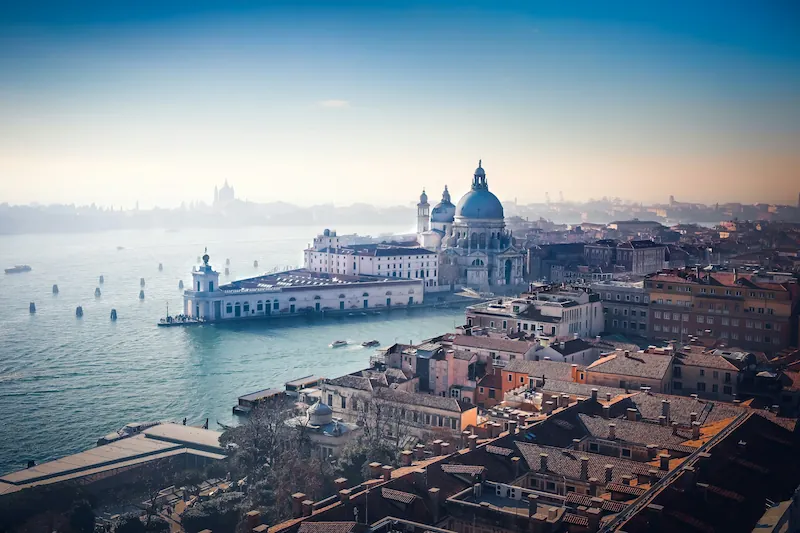
Where to stay in Venice
Find the best neighborhoods and hotels in Venice.
Open page →
Plan a smarter Venice trip with a clear read on the city’s areas, essential experiences, transport rhythm, and the choices that matter most. Venice is not a normal city-break grid: it is a lagoon city of sestieri, bridges, water routes, compressed icons, and quieter edges. The best visits are built around spatial logic — San Marco and Rialto for orientation, Dorsoduro and Cannaregio for breathing room, Castello and Giudecca for slower perspective, and the lagoon islands only when they genuinely deepen the stay.
Find the best neighborhoods and hotels in Venice.
Open page →

Prioritize the activities that deserve your time in Venice.
Open page →
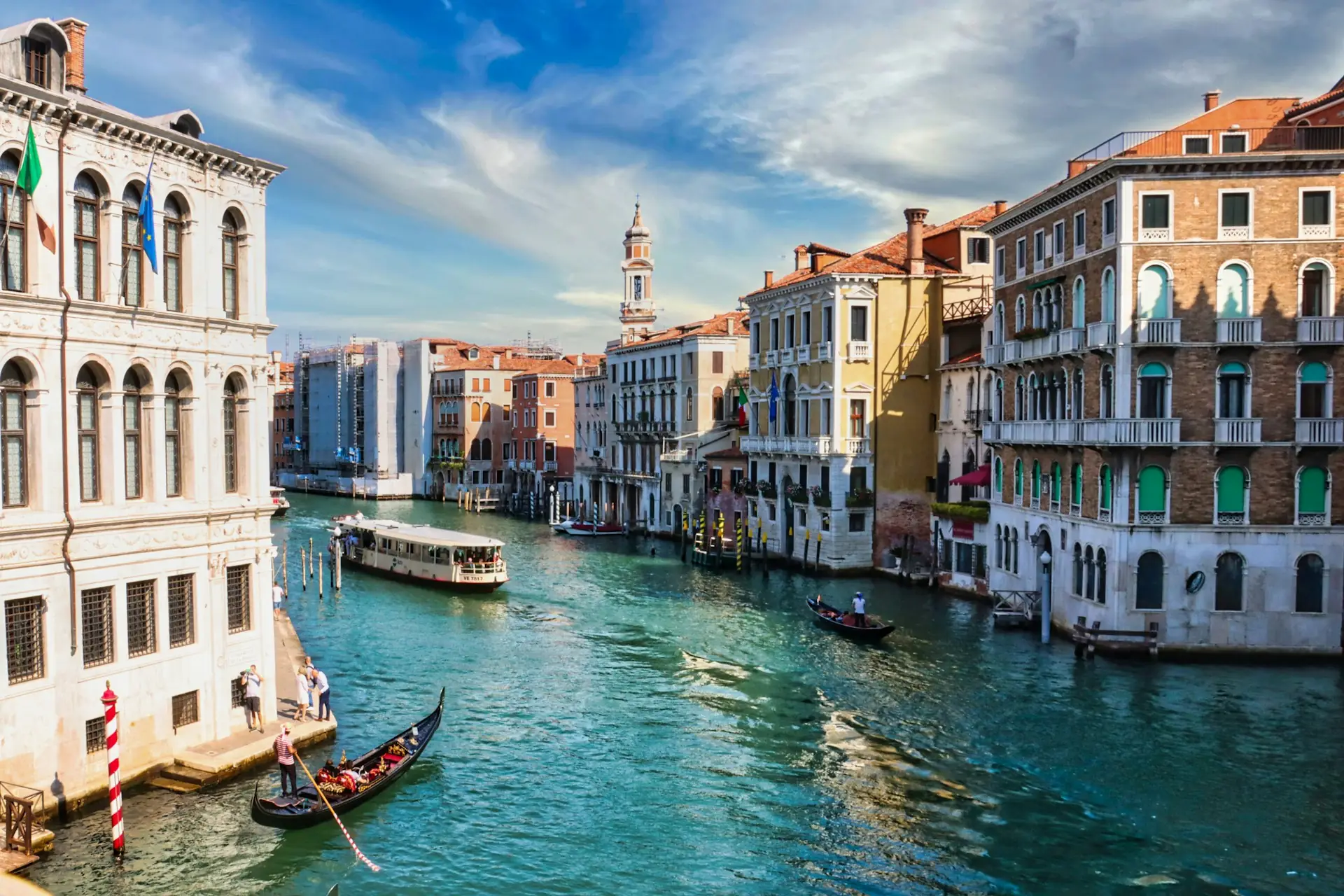
1 Day in Venice Itinerary: Best First-Time Route
Open itinerary →
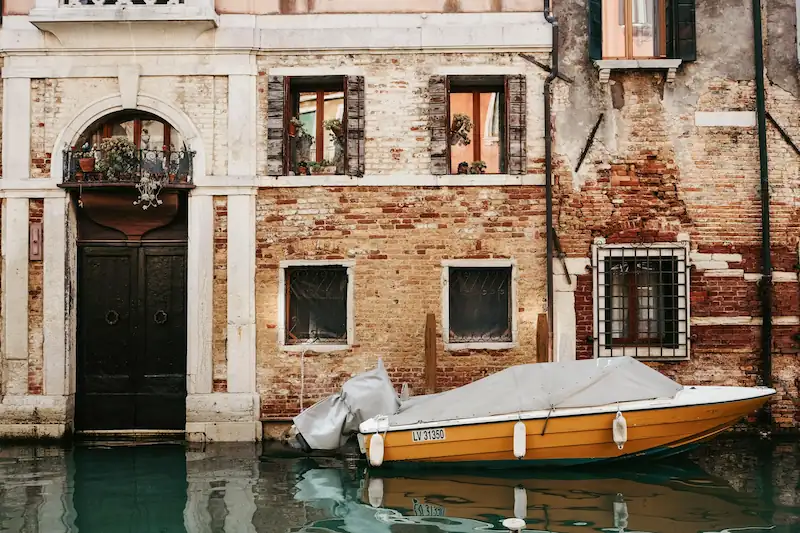
2 Days in Venice Itinerary: Best Walkable First Trip
Open itinerary →
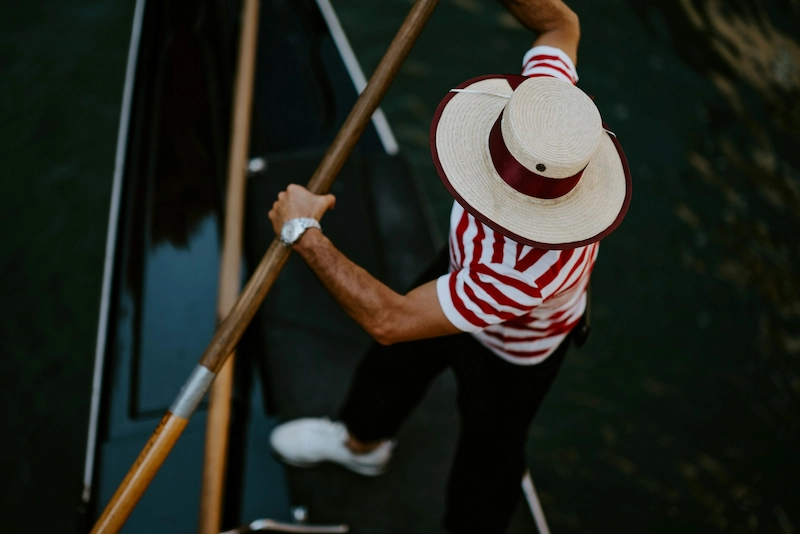
3 Days in Venice Itinerary: Best Romantic & Lagoon Route
Open itinerary →
Venice works as a chain of distinct sestieri and lagoon-facing perspectives rather than as one seamless historic center. San Marco carries the ceremonial weight, San Polo and Rialto explain the city’s commercial spine, Dorsoduro gives cultural depth and breathing room, Cannaregio and Castello stretch the experience outward, and Giudecca or San Giorgio restore distance across the water. First-time visitors lose the thread when they treat Venice like a compact grid instead of a city shaped by bridge friction, vaporetto decisions, crowd pressure, and the difference between central routes and lived-in edges.
Venice remains singular because the city itself is the main cultural object: not only St. Mark’s Basilica, the Doge’s Palace, or the Grand Canal, but the fact that daily movement still depends on bridges, canals, quays, boats, campi, and water-facing edges. It rewards travelers who care about sequence, atmosphere, and the difference between passing through a place and inhabiting it for a few days. At the right hour, a route from San Marco to Rialto, a pause on the Zattere, or a vaporetto crossing to San Giorgio can explain more than another rushed sight.
Best time: April to June and September to early November for the clearest first Venice trip
Ideal trip length: 3 full days for a strong first visit; 4 to 5 days if you want museums, lagoon islands, slower districts, and evenings without rushing
Venice is expensive where access, atmosphere, and convenience compress most strongly: San Marco-adjacent hotels, canal-view rooms, gondola-adjacent routes, and central dining zones carry the biggest premium. Costs become more manageable in residential parts of Cannaregio, Castello, Santa Croce, Giudecca, and some San Polo pockets, but convenience and final-access logistics change with them. The city rewards paying for the right base and route logic more than paying for constant visual prestige.
Venice is best read as a rhythmic city, not a checklist city. The six sestieri connect through bridges and quays, but each one changes social density, route width, and the balance between passing traffic and local life. San Marco and Rialto pull the strongest visitor flow; San Polo links commerce, markets, and bridge logic; Dorsoduro adds museums and waterfront breathing room; Cannaregio and Castello stretch the city into more residential patterns; Giudecca and San Giorgio give the main city a counter-view from across the water.
The lagoon defines everything: there is no hill, no boulevard logic, and no road-based relief from the waterbound structure. Canals divide what looks close, the Grand Canal acts as both orientation tool and separation line, and the city’s edges often feel quieter because movement thins abruptly once the main routes fall away. The islands are not just day-trip ornaments: Murano, Burano, Torcello, San Giorgio, Giudecca, and Lido each change the scale and rhythm of a Venice stay when used selectively.
Venice is clearest early and late, when the city’s surfaces register more than the crowd does. Mornings suit San Marco, Rialto Market, churches, and major interiors; midday compresses around the known core; afternoons work better in Dorsoduro, Castello, or museum-led sequences; evenings stretch into Cannaregio, San Polo bacari, the Zattere, or one chosen campo. The cadence of the city is less about speed than about pressure shifting from one zone to another.
Think of Venice as a sequence of densities rather than a single place to cover. The trip becomes easier once you separate ceremonial Venice, commercial Venice, residential Venice, museum Venice, and lagoon-edge Venice in your mind. That frame reduces the urge to over-cross the city and makes each half-day feel like a deliberate chapter instead of an accidental detour.
Open the planner
Start with the San Marco–Rialto axis only once you are ready to use it as orientation, not as the whole trip. Build each half-day around one sestiere, one museum cluster, or one clear cross-water move rather than constant backtracking. Use Dorsoduro, Cannaregio, San Polo, or eastern Castello to create lower-pressure counterweights to the San Marco core. Treat the Grand Canal as a reset device: cross it or ride it with purpose, not repeatedly without changing the day’s logic. Let one reservation-led major site anchor a day, then keep the surrounding sequence walkable and spatially tight. Use Murano, Burano, Torcello, San Giorgio, or Giudecca only when they deepen the stay rather than interrupt it. Protect at least one early morning and one evening for Venice itself, not only for museums and monuments. Plan food geographically: a bacaro stop works best when it belongs to the route rather than forcing a detour across the city.
Vibe: ceremonial and high-access
Why go: San Marco is the most efficient area for a short first visit built around St. Mark’s Basilica, the Doge’s Palace, Piazza San Marco, the Bridge of Sighs, and early or late access to the ceremonial core.
Who it fits: short-stay travelers who want maximum centrality
Not for: travelers seeking calm, value, or a more residential feel
Where to stay: This is Venice at its most concentrated, symbolic, expensive, and least forgiving on crowd pressure. It works when time matters more than local quiet and when you want the city’s headline spaces available before and after peak hours.
Vibe: commercial, central, and food-led
Why go: San Polo and Rialto are essential for understanding Venice’s market spine, bridge logic, bacari culture, and the movement between ceremonial San Marco and more lived-in western districts.
Who it fits: first-timers, food-curious travelers, short stays, and visitors who want centrality without staying directly in San Marco
Not for: travelers who need calm outside the door at all hours or dislike busy bridge and market corridors
Where to stay: This is one of Venice’s most useful central bases when you want Rialto, San Marco, Santa Croce, and Dorsoduro within realistic walking range. It can feel busy and irregular, but it gives the trip strong food rhythm and excellent geographic leverage.
Vibe: cultured and breathable
Why go: Dorsoduro balances museum access, the Zattere waterfront, Santa Maria della Salute, the Accademia, Peggy Guggenheim, and a calmer urban rhythm than the main core.
Who it fits: travelers who want Venice with more space and cultural depth
Not for: those who want to step directly into the busiest monumental zone
Where to stay: One of the best all-round bases because it feels fully Venetian without constant compression. It suits travelers who care about walking quality, museums, water-facing evenings, and a softer finish to the day.
Vibe: residential and elongated
Why go: Cannaregio gives a more local, everyday Venice while staying practical for Santa Lucia station, the Jewish Ghetto, canalside bacari, and evening walks after the day-trip flow thins.
Who it fits: slower travelers and return visitors
Not for: travelers who want instant monument access on foot
Where to stay: This is a strong base when you want Venice to feel inhabited rather than staged. It stretches naturally across several moods, from quieter canals to livelier dining pockets.
Vibe: long, quiet, and local
Why go: Castello offers the clearest shift away from visitor density while still connecting to San Marco, the Arsenale, the Biennale gardens, residential lanes, and long quieter walks.
Who it fits: travelers who want daily-life texture and lower evening pressure
Not for: very short stays that depend on constant central access
Where to stay: Eastern Castello can feel almost separate from the Venice of postcards, which is exactly its value. It suits travelers willing to trade a little convenience for a more spacious rhythm.
Vibe: practical and lower-key
Why go: Santa Croce works well when you want easier arrival logistics, quieter lanes, and access to San Polo, Piazzale Roma, and the western side of the island city.
Who it fits: travelers prioritizing convenience and slightly softer pricing
Not for: those seeking the strongest classic-Venice atmosphere outside the door
Where to stay: Less overtly theatrical than San Marco or Dorsoduro, but often easier to handle with luggage and transfers. It is a sensible base for travelers who want Venice without turning each arrival or departure into a performance.
Vibe: detached and spacious
Why go: Giudecca gives visual relief, calmer evenings, skyline views, and a useful counterpoint to central Venice while staying connected by vaporetto.
Who it fits: travelers who prefer calm over constant immersion
Not for: visitors who want to stay inside the daily pedestrian flow of the main city
Where to stay: A compelling alternative when you want Venice as a view and a daily destination rather than as a continuous doorstep environment. The trade-off is dependence on boats for resets and late returns.
Venice reveals itself through paced immersion: one major civic or sacred monument, one commercial or food-led route, one slower district walk, one edge or island perspective, and one stretch of time when the city is allowed to empty slightly. The strongest experiences are not a complete activity list; they are the ones that help travelers understand how Venice works and decide how to structure their days.
Planning tip: Use the busiest reservation-led sites early, place food and museum choices inside coherent district routes, and save water crossings for moments when they change the perspective rather than simply move you a short distance.
San Marco matters not only because it is Venice’s most recognizable stage, but because it shows how monumentality and crowd compression define the city’s core. Seen early, the square reads as architecture and civic theater rather than as a circulation problem.
Tip: Arrive early enough that the square still feels like space, not just queue management.
This is one of the few major sites in Venice where interior sequence and historical interpretation materially deepen the visit. It explains the city as a maritime republic and governing machine rather than as a purely visual fantasy.
Tip: Book ahead and give the visit enough energy to handle a substantial interior route.
Rialto is one of Venice’s most compressed spaces, but it remains essential because it shows how commerce, infrastructure, and spectacle sit on top of each other here. The value is in reading the crossing and canal traffic together, not in taking the bridge as a standalone object.
Tip: Approach from a side route rather than only emerging into the busiest central flow.
Check guided tours →
A single well-timed vaporetto ride can do more for spatial understanding than several additional foot crossings. It reveals how Venice is stitched together by water frontage, stop logic, and changing façade scale.
Tip: Use it as a purposeful reading tool, not just as transport between two fixed points.
Check guided tours →
Venice becomes legible from above in a way it rarely does at ground level. A high viewpoint helps transform the city from maze into pattern, especially once bridges, canals, and district edges begin to align visually.
Tip: Do this early in the trip so the rest of the city feels more intelligible afterward.
Check guided tours →
This is one of the cleanest ways to reverse Venice and look back at the city rather than from within it. The distance across the water gives the main core shape and restores a sense of scale often lost inside the lanes.
Tip: Pair it with San Marco rather than placing it on a separate fragmented route.
Check guided tours →
Piazza San Marco gives Venice its stage, but the basilica gives it symbolic depth. This is where Byzantine influence, maritime wealth, sacred space, and city identity come together most clearly, so it belongs in the strategic core of a first Venice trip rather than as an exterior photo stop.
Tip: Book timed access in busy periods and pair it with the Doge’s Palace instead of returning to San Marco repeatedly.
A gondola is not Venice’s best-value sightseeing tool, but it can be one of its most memorable symbolic experiences if expectations are right. It works best in quieter canals, where the city’s compressed architecture and water-level silence become the point.
Tip: Choose the setting and timing carefully; avoid treating the busiest gondola ranks as the only option.
Murano and Burano can deepen a Venice trip by changing scale, craft context, and lagoon mood, but they are not automatic add-ons for very short stays. They work best when the core city already has enough room and the weather supports a half-day or longer water-based sequence.
Tip: On a first short stay, choose one lagoon move well rather than forcing a rushed island checklist.
For travelers who want Venice beyond façades and water movement, the Accademia gives the strongest historical art framework. It is one of the few places where painting materially changes how the city’s churches, colors, and surfaces read afterward.
Tip: Go selectively rather than trying to consume the museum as a total survey.
Check guided tours →
The Peggy Guggenheim Collection matters because it breaks the expectation that Venice is only medieval, Byzantine, or baroque in tone. It sharpens the trip by inserting a modern art layer into a city otherwise read through older surfaces.
Tip: Best added on a Dorsoduro day rather than treated as a separate transport-heavy stop.
Check guided tours →
The Frari changes the scale of Venice from compressed exterior routes to large interior volume. It is one of the most effective ways to understand how much of the city’s cultural force still sits behind plain outer walls.
Tip: Allow a pause before and after so the interior scale has room to register.
Check guided tours →
San Rocco is one of Venice’s best examples of why the city should never be read only from its streets. It adds density, darkness, and painterly richness to a trip that can otherwise become too exterior and sunlit.
Tip: This works best on a day already centered on San Polo or Santa Croce.
La Fenice adds a different register to Venice: not church, palace, canal, or museum, but performance and evening formality. It is useful for travelers who want the city’s culture to extend beyond daytime sightseeing.
Tip: Treat a performance as the anchor of an evening; a daytime visit works if schedules or budget make a show impractical.
This edge of Dorsoduro gives Venice a different spatial feel: open water, ceremonial views back toward San Marco, and a cultural axis that can connect the Accademia, Guggenheim, Zattere, and Grand Canal perspectives in one coherent day.
Tip: Use it as the visual hinge of a Dorsoduro sequence rather than as a quick isolated detour.
Check Dorsoduro options →
Venice is not only historic preservation. The Arsenale, Giardini, and Biennale axis give Castello a contemporary cultural role and help repeat visitors or culture-led travelers move beyond the San Marco–Rialto script.
Tip: Prioritize this when an exhibition is part of your trip or when you have enough time to let eastern Castello breathe.
Check cultural options →
Cannaregio is one of the best districts for understanding where Venice stops performing itself so intensely. The further you move from the most obvious through-routes, the more the city begins to feel like a place that people still inhabit in ordinary time.
Tip: Keep walking past the first lively stretch rather than stopping where the station-adjacent energy fades.
Check guided tours →
Venice often works better at night in one chosen square than in a restless sequence of famous viewpoints. The city calms materially once the day traffic falls away, and a campo lets you feel the evening spread rather than chase it.
Tip: Pick one district for dinner and post-dinner walking instead of crossing half the city after dark.
Check guided tours →
The Zattere gives Venice rare horizontal breathing room. After the city’s tighter routes, the open waterfront and slower pedestrian flow help reset both pace and perception.
Tip: Use it late in the day when you need space, not as a midday rush-through.
Check guided tours →
Giudecca is valuable because it inserts distance into a city otherwise lived in close quarters. That change in perspective clarifies the main islands and gives the trip a needed visual exhale.
Tip: Go only if you will use the crossing and waterfront as part of the experience, not only as another box to tick.
Check guided tours →
Rialto Market is the clearest way to see Venice’s commercial and food logic before the day becomes dominated by monuments. It also helps anchor San Polo as more than the bridge corridor between famous sights.
Tip: Go early and connect it to a San Polo walk or a later bacaro route.
The Jewish Ghetto gives Cannaregio historical depth and a different spatial feel from Venice’s most photographed core. It is not just a quieter walk; it is one of the city’s most meaningful urban layers.
Tip: Let it sit inside a broader Cannaregio route rather than treating it as a quick stop on the way somewhere else.
The squero is a small but powerful reminder that Venice’s icons still depend on craft, repair, and working spaces. It explains the gondola from the land side rather than only as a ride.
Tip: Combine it with Zattere, Accademia, or Guggenheim instead of crossing the city only for this stop.
Check craft experiences →
Eastern Castello is one of the strongest antidotes to Venice fatigue. It keeps you inside the historic city while letting crowd pressure fall away and the daily-life rhythm become more visible.
Tip: Use it after San Marco or the Arsenale rather than forcing it into a distant standalone route.
Check walking tours →
Cicchetti make sense in Venice because they match the city’s stop-start movement and encourage shorter, more fluid pauses. Done well, they let you eat within the urban rhythm rather than stepping entirely outside it.
Tip: Choose one or two strong bacari instead of turning the format into a rushed crawl.
Venice’s food is strongest when it reflects the lagoon directly and avoids unnecessary display. Seafood dishes can anchor a meal well here because they connect the city’s geography to the table more clearly than generic tourist menus do.
Tip: Read the menu for simplicity and seasonality rather than for volume of familiar options.
Check food options →
This works best outside the most pressured dining corridors, where the meal can feel tied to place rather than to tourist throughput. A good Venetian pasta or risotto dish should feel precise and saline, not overloaded.
Tip: Reserve dinner in the district where you plan to end the day rather than crossing back through the core hungry.
Check food options →
A canal-side dinner can still be worth protecting once in the trip, but not every meal needs that visual premium. Venice often eats better a few turns away from the most obvious water-facing lines.
Tip: Treat the scenic dinner as one deliberate evening, not as your default restaurant filter.
Check food options →
Venice days often fail because travelers under-plan pauses. A short coffee or pastry stop can reset a walking-heavy route more intelligently than another forced attraction, especially with children or in hot weather.
Tip: Build pauses near route transitions: after Rialto, before Dorsoduro, or before an evening walk.
Check food options →
Venice can absorb endless walking and still leave travelers under-oriented if they never distinguish between what explains the city and what merely photographs well. The smartest plan protects experiences that clarify structure, scale, rhythm, neighborhoods, and water movement before adding optional extras.
Venice can work well with children if the trip is built around short routes, open campi, boats, one major anchor at a time, and frequent pauses. The city becomes harder when adults force a dense museum schedule through bridge-heavy walking. Early mornings, vaporetti, gelato pauses, open waterfronts, and visually strong interiors usually work better than long explanatory visits.
Venice scales unusually well with time because each extra day lets the city move from iconic to legible, then from legible to genuinely lived.
Open the planner →
Venice is easier to enjoy than many first-time visitors expect, but only once its movement logic is respected. Most practical frustration comes from poor base choice, over-crossing, underestimating bridges, treating boat transfers as afterthoughts, or building days around isolated sights rather than coherent districts.
For most travelers, April to June and September to early November are the strongest answers because Venice is fully alive while walking remains more comfortable and evenings still reward staying out. Winter is valid if you value lower pressure, mood, and interiors over perfect weather. High summer can work, but the trip must lean harder into early starts, water resets, shaded pauses, and slower evenings.
Two nights is the minimum at which Venice stops feeling like an arrival exercise and starts feeling like a city. Three full days is the clearest first-trip length. Four or five days let you add Dorsoduro museums, Cannaregio and Castello depth, Murano or Burano, and a less hurried evening rhythm.
Choose your base according to how much friction you want to remove and what kind of Venice you want outside the door. San Marco reduces monument access friction, San Polo and Rialto maximize central movement and food rhythm, Dorsoduro improves cultural depth and livability, Cannaregio supports a more local evening feel, Castello quiets the stay, Santa Croce helps with arrivals, and Giudecca trades direct immersion for space and skyline views. On a short trip, staying on the islands usually matters more than chasing a theoretical bargain on the mainland.
Most visitors arrive via Venice Santa Lucia by train or through Marco Polo Airport. Train arrival is simplest because it places you directly at the edge of the island city. Airport arrival adds a transfer layer: lagoon boat, bus-plus-city transfer, or water taxi depending on budget and luggage. Treviso Airport and Mestre bases can work for budget-led trips, but they add a mainland-to-lagoon rhythm that should be planned honestly.
Venice is primarily a walking city, but not a fast one. Bridges, canal bends, dead ends, luggage, and crowd pockets slow the day more than the map suggests. Vaporetti are most useful for longer resets along the Grand Canal, lagoon crossings, Giudecca, San Giorgio, Murano, Burano, or Lido; they are often inefficient for short hops inside the core. Water taxis are convenient but expensive, solving comfort more than strategy. The trip works best when walking routes stay district-coherent and boat rides are used deliberately.
Venice is generally safe and calm by big-city standards, with the usual need to watch belongings in compressed visitor zones, stations, markets, and vaporetto stops. The more relevant practical issues are fatigue, slippery surfaces in rain or acqua alta conditions, steps over bridges, heat exposure in summer, and handling luggage across stone routes. Families and older travelers should plan shorter loops and more sitting pauses than the map alone suggests.
Venice changes with season through comfort, visibility, crowd behavior, water conditions, events, and urban feel more than through weather alone. Spring and autumn create the most complete city break because light, walking pace, restaurant energy, and lagoon movement are all strong. Winter suits travelers who want mood, interiors, and easier circulation. Summer can still work, but it demands a slower structure with early starts, longer pauses, and less ambition in the middle of the day.
Spring produces one of Venice’s clearest first-time versions: generous light, manageable walking temperatures, active restaurants, and strong conditions for San Marco, Rialto, Dorsoduro, and lagoon excursions. It is also busy, so the best spring trips combine early starts with pre-booked anchors and calmer afternoon districts.
Summer gives Venice long evenings and lively outdoor energy, but also the hardest midday conditions. Heat settles into stone routes, core movement slows, and day-tripper pressure can make San Marco and Rialto tiring. Build the day around early monuments, shaded pauses, vaporetti, waterfront evenings, and fewer total targets.
Autumn often offers the best overall balance between city energy and physical ease. The light softens, walking regains rhythm after summer, and the city still supports dinners, museum days, long district crossings, and lagoon extensions. September and October are especially strong for a layered first or repeat visit.
Winter creates a quieter, more interior-facing Venice where churches, museums, fog, and evening restaurants can carry more of the trip. The city can feel unusually spacious, though rain, high water risk, and shorter days require flexibility. It suits return visitors, lower-pressure travelers, and anyone drawn to mood over postcard clarity.
These are the planning questions that most directly shape whether Venice feels fluid, rushed, expensive, or unexpectedly exhausting.
Three days is the strongest first-visit length for Venice. That gives enough room for San Marco, the Doge’s Palace, Rialto, one or two major interiors, and at least one slower district beyond the most pressured routes. Two days can work, but the city will feel more compressed and less legible; four or five days let you add islands, museums, and calmer evenings.
Dorsoduro is often the best all-round base because it balances atmosphere, museums, walking quality, and lower crowd pressure. San Marco suits very short stays built around maximum centrality, San Polo and Rialto suit food-led centrality, while Cannaregio and Castello work well for travelers who want Venice to feel more residential.
Yes, if you want a central base with strong food rhythm and practical access to several districts. San Polo and Rialto are busier than Dorsoduro or Cannaregio, but they help first-time visitors connect markets, bacari, the Grand Canal, San Marco, and western Venice without constant long crossings.
Yes, but Venice is walkable in a slow, bridge-heavy, detour-prone way rather than in a clean grid. Map distance can be misleading because canals, dead ends, crowds, and bridges reshape every route. The best plan is built around coherent district blocks, not constant zigzagging.
For a short Venice-focused trip, staying on the islands is usually the smarter choice because it protects mornings, evenings, and overall rhythm. Mestre can reduce hotel cost, but it adds transfers and weakens the sense of inhabiting Venice unless budget is the overriding constraint or the trip includes broader Veneto travel.
The strategic must-sees are St. Mark’s Basilica or Piazza San Marco at the right hour, the Doge’s Palace, Rialto and San Polo, one Grand Canal reading by vaporetto or bridge sequence, and one slower district such as Dorsoduro, Cannaregio, or Castello. A gondola or lagoon island is valuable only if it fits the trip length.
A gondola ride can be worth it if you treat it as a symbolic, atmospheric ritual rather than a transport solution or best-value sightseeing tool. It works best in quieter canals and with realistic expectations. On a short stay, choose it only if the experience itself matters to you.
Yes, but they should be treated as real half-day or longer lagoon extensions, not automatic extras. Murano is stronger for glassmaking and practical timing; Burano is stronger for color, slower lagoon mood, and photography. On a one- or two-day Venice trip, they can easily steal time from the core city.
Dorsoduro, Cannaregio, Castello, and Giudecca are the strongest choices for a calmer Venice rhythm. Dorsoduro is the best balanced option, Cannaregio feels more lived-in, Castello becomes quieter as you move east, and Giudecca gives distance and skyline views across the water.
Book the Doge’s Palace and any priority access around St. Mark’s Basilica or San Marco if they are central to your trip. Also book special dinners, performances at La Fenice, and guided experiences during peak periods. Keep flexible time for district walks, bacari, vaporetti, and waterfront pauses.
April to June and September to early November are the best all-round periods because they combine good light, active city rhythm, and more comfortable walking. Winter is good for lower pressure and mood; summer demands earlier starts, longer pauses, and fewer midday ambitions.
Yes, especially in prime central locations, canal-view hotels, scenic restaurants, water taxis, and compressed high-demand routes. But Venice is not uniformly expensive: a smarter base, district-led meals, vaporetti used strategically, and fewer paid interiors can protect both budget and experience quality.
Start San Marco and Rialto early, avoid moving through the same central bottlenecks repeatedly, shift afternoons toward Dorsoduro, Cannaregio, Castello, or Giudecca, and save one evening for a local-feeling district. The goal is not to find an empty Venice, but to avoid spending the whole day inside the same pressure zones.
Venice can be good with kids if you keep routes short and use boats, open campi, gelato stops, and one major visit per day. Doge’s Palace, vaporetti, Rialto Market, Murano glassmaking, and waterfront walks usually work better than long chains of churches and museums.
Skip multiple lagoon islands, back-to-back museums, repeated returns to San Marco at peak times, and restaurants chosen only for views. On a short first trip, it is better to read Venice clearly through a few strong experiences than to flatten it into a rushed checklist.
A vaporetto pass can make sense if you plan several boat rides, lagoon islands, Giudecca, San Giorgio, or Lido. If you mostly walk inside the central city and use only one Grand Canal ride, individual tickets may be enough. The decision depends on your route structure, not only on trip length.
San Giorgio Maggiore is one of the best strategic viewpoints because it lets you look back at Venice from across the water. The Campanile in San Marco is more central and iconic, while Zattere and Punta della Dogana give lower, more atmospheric water-level perspectives.
No. Venice is romantic, but it is also one of Europe’s strongest cities for architecture, urban history, art, food rhythm, photography, family boat movement, and slow travel. The city becomes more interesting when it is treated as a living lagoon system rather than only a romantic backdrop.
You can, but a day trip gives a very compressed version of the city and often traps visitors in the busiest zones. If you only have one day, focus on San Marco, Rialto, one Grand Canal view or vaporetto ride, and one slower district edge rather than trying to add islands or multiple museums.
Repeat visitors should spend less energy on the San Marco checklist and more on Cannaregio, Castello, Giudecca, San Giorgio, Dorsoduro, Frari, San Rocco, La Fenice, the Biennale axis, and lagoon islands used selectively. The second Venice trip is often where the city becomes more coherent and less performative.
Venice rewards travelers who protect rhythm, choose areas intelligently, and let water shape the trip rather than fight it.
Find the best places to stay, how to get there, and move around with ease.
Build a smarter trip base
Once you understand how Venice works and what matters most for your trip, the next step is turning that direction into a real itinerary. Use the planner to organize your days around the right areas, experiences, and rhythm so the trip feels clear before you go.